Preheat oven to 350 degrees.: The moment you start, you will smell a faint warmth as the oven comes to temperature, which helps ensure even rising and a golden exterior. Preheating stabilizes the environment so batter begins baking immediately; if you skip this, the cake can bake unevenly and sink in the center. A common pitfall is putting the cake in too early, which causes longer bake times and a drier edge, so wait for the full preheat.
Combine #1 ingredients. Add #2 ingredients. Stir in #3 ingredients.: As you combine the wet set then the dry set then the additions, you should notice the batter becoming smoother and glossier, with a light, ribbon like pour that still holds some body. This order ensures proper emulsification, so the eggs and fats bind the dry flour without overworking the gluten. Overmixing is the usual mistake at this stage, which makes the cake tough, so mix until just combined and stop when you still see streaks disappear.
Pour into a lightly greased 9 x 13, two 9-inch pans or three 8-inch pans. (The cake is very moist so cutting parchment for the bottom of your pans will ensure they don't stick. I prefer to use the non-stick baking spray that has the flour in it for easy cake removal.): As batter fills the pans you will hear it settle and see tiny air pockets rise to the surface, signaling a good aeration level. Lining pans with parchment will help unmold the cake cleanly because this cake is moist and can stick, while non stick baking spray with flour is a convenient alternative. Skipping parchment or spray can lead to tearing when you remove the cakes, so prepare the pans carefully.
Bake for 35-40 minutes for the 9 x 13 and 9-inch pans and 25-30 minutes for the 8-inch pans. You're looking for an inserted toothpick to come out clean.: During baking you will see the top set and brown slightly, and the aroma of cinnamon and sugar will fill the kitchen. Test doneness with a toothpick inserted into the center, it should come out clean or with a few moist crumbs. A common error is removing the cake too early when the center is puffed but not set, which leads to a gooey core; if unsure, give it a few more minutes and check again.
Let cakes cool for 10 minutes in the pan and then remove to a cooling rack and let cool completely.: The brief rest in the pan allows the structure to stabilize so the cake does not fall apart when inverted. When you invert onto a rack, you will feel the first cool breeze hit the warm crumb and see steam gently rise. Rushing this step and frosting a warm cake will cause the frosting to melt and slide, so fully cool before frosting.
Beat the butter and cream cheese until nice and fluffy. Add in the vanilla and powdered sugar and beat until nice and smooth.: As you beat the butter and cream cheese , the mixture will lighten in color and texture, becoming airy. Adding powdered sugar gradually prevents a gritty texture and helps achieve a smooth spreadable frosting. A frequent mistake is using cold cream cheese , which leads to lumps, so be sure it is softened to room temperature.
Invert the cake onto a cake plate or stand.: Turning the cake over should feel gentle as the bottom releases with a soft sigh, leaving a smooth surface for frosting. Using a plate or stand gives you space to rotate and apply even pressure when spreading. If you force the cake out or leave it stuck, it can break, so run a knife around the edges if needed before inverting.
Apply a generous dollop of frosting and spread...: When you dollop frosting onto the first layer, it will sit thick and creamy, ready to be spread into an even blanket. Use a bench scraper or offset spatula for smooth edges and to avoid tearing the cake. Overworking the frosting can warm it too much and make it runny, so work with small amounts if you need to fill gaps or level the surface.
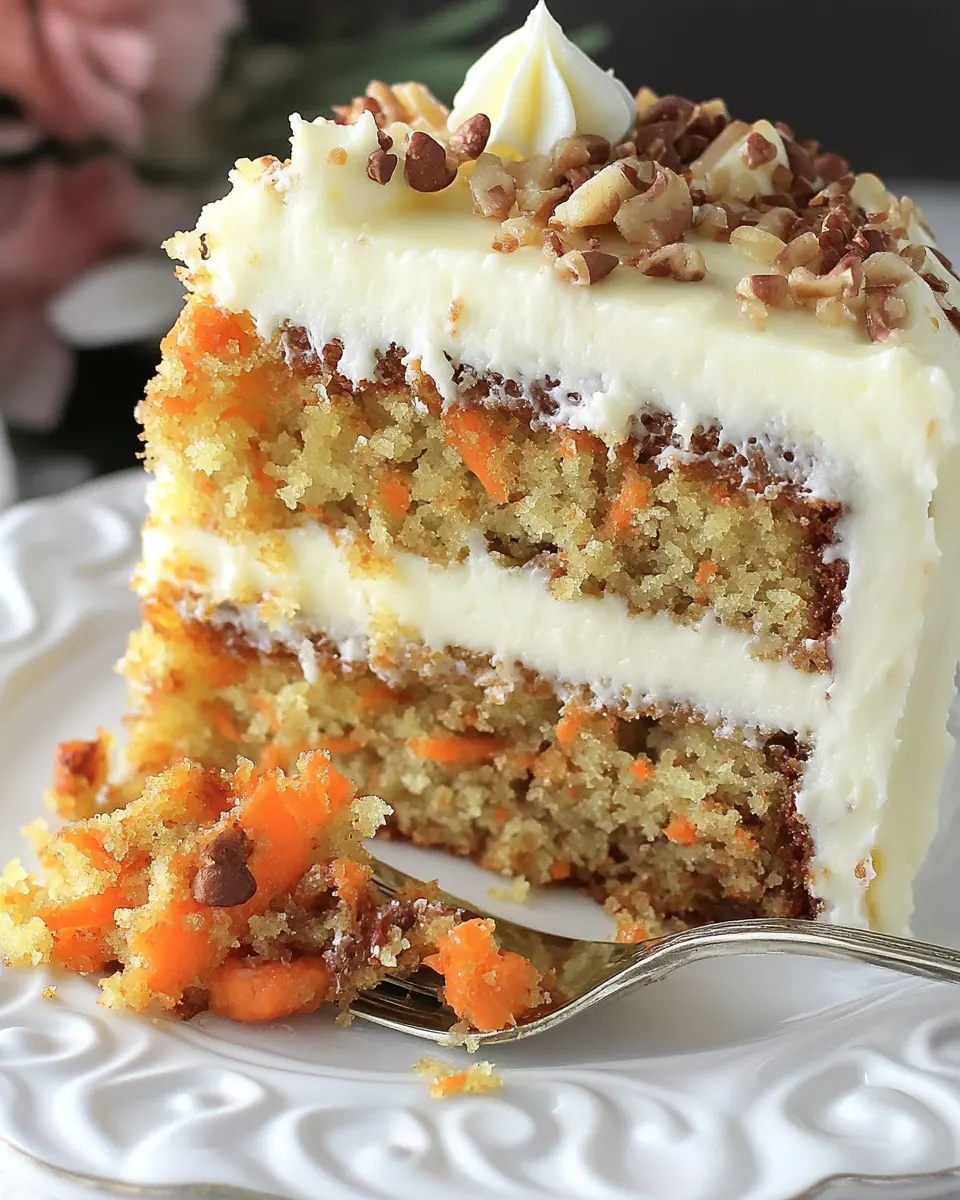
Gently place the second cake on top and continue frosting. Repeat with the third cake if you made three.: As you stack, you will feel the gentle weight settle and hear a soft, satisfying press as layers meet. Continue frosting between layers to create a stable assembly; this helps the cake slice cleanly. A common issue is misaligned layers, which can cause the cake to lean, so center each layer carefully as you place it.
Refrigerate for an hour before serving for best results.: Adding a third layer increases visual impact and height, and each added layer amplifies the cream cheese tang and overall richness. Ensure each layer is cool and evenly frosted to maintain balance. Too much filling between layers can cause slipping, so use a moderate amount and chill briefly if needed.
Refrigerate for an hour before serving for best results.: Chilling firms the frosting and helps flavors meld, producing cleaner slices and a more cohesive texture. You will notice the frosting set and the cake becoming easier to cut neatly. The main mistake here is skipping refrigeration, which can make the cake soft and messy when plated, especially in warm environments.