To Die For Carrot Cake
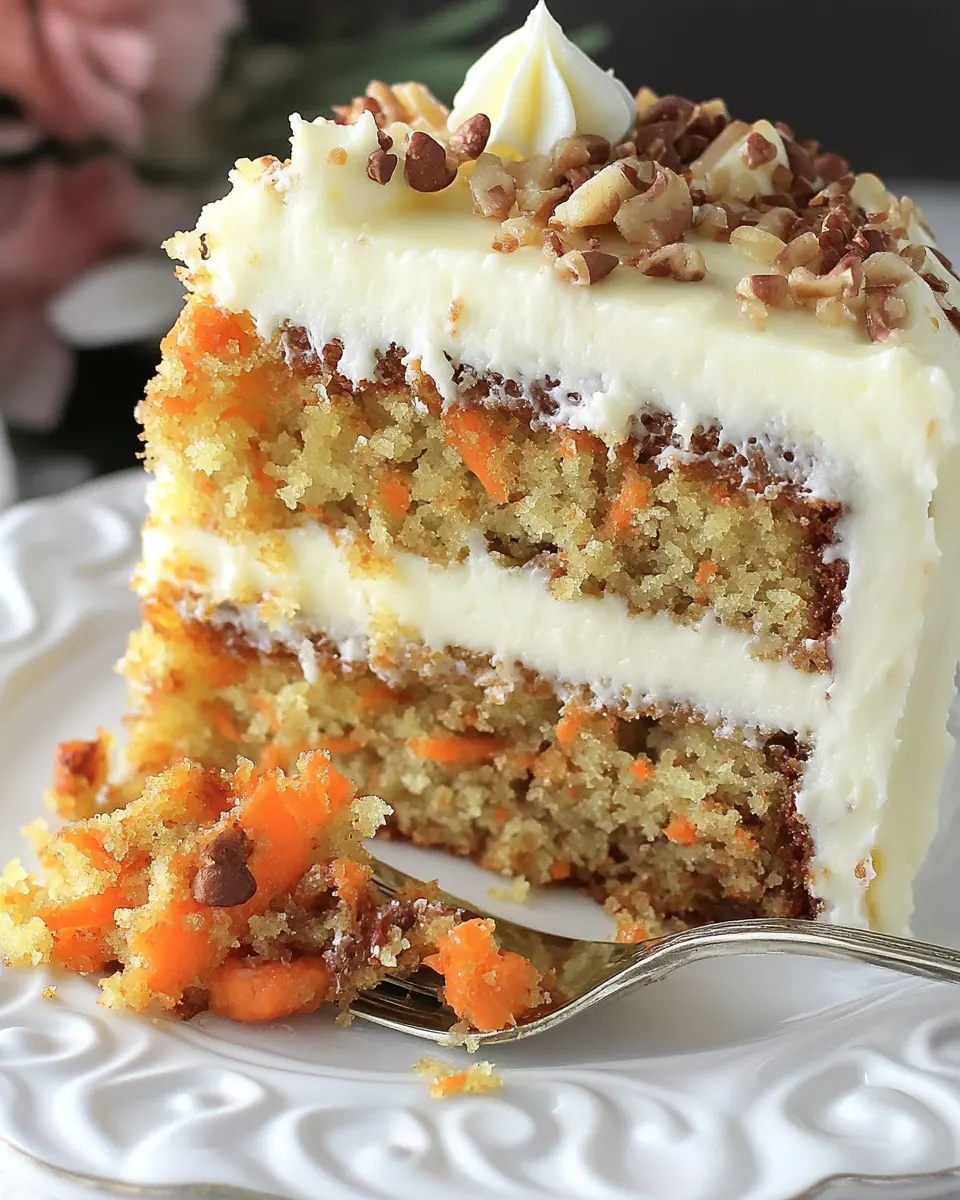
To Die For Carrot Cake has been my go to when I want to bring something nostalgic and indulgent to the table. I remember carrying this cake to potlucks and seeing neighbors’ faces light up when the first forkful revealed tender crumb, bright flecks of carrots, and a tangy cream cheese swirl. That warm memory still pulls me back to this recipe whenever I want comfort with a little showmanship.
Years ago my Nana taught me a few tricks that made her version unforgettable, and over time I tweaked quantities and textures until I had a version that feels both homey and slightly elegant. The balance of sweet granulated sugar and moist grated carrots, with a hint of pineapple juice, gives this cake a floral brightness that keeps it from being cloying. I love serving it when friends drop by unexpectedly, because it slices beautifully and the frosting holds up even after a day in the fridge.
Recipe Snapshot
45 mins
10 mins
35 mins
Medium
350 kcal
American
Gluten-Free, Low FODMAP
Desserts
9 x 13 pan or 9 inch pans or 8 inch pans, Mixing bowls, Electric mixer or whisk, Cooling rack, Offset spatula
What We Adore About This To Die For Carrot Cake
Moisture that sings
I adore how To Die For Carrot Cake stays moist without being greasy. Using unsweetened applesauce or oil and crushed pineapple keeps the crumb tender and tenderizes the starches in the all-purpose flour, so every bite melts rather than crumbles. Trust me, this makes slicing easier and keeps each slice fresh for longer.
Textural play
We get lovely contrast with grated carrots, shredded sweetened coconut, and chopped nuts if you add them. The exterior browns slightly in the oven while the interior is soft, creating a satisfying mouthfeel. I like how the coconut adds a whisper of chewiness and the nuts bring a toasted snap.
Frosting that balances
The cream cheese and butter frosting is deliberately tangy and silky, cutting through the sweetness of the cake. Chilling it briefly after frosting helps the layers set, so slices stay neat when you serve them. For gatherings, doubling the frosting is a smart move so you can pipe borders or decorative swirls without running short.
Simple pantry friendly
I love that most of these ingredients are pantry staples. From granulated sugar to baking soda, this recipe rarely demands a last minute store run. That makes To Die For Carrot Cake a dependable option for last minute celebrations.
Flexible and forgiving
This cake is forgiving with little deviations. If your eggs are slightly small, or the carrots are coarsely grated, you will still get an excellent outcome. I often swap applesauce for oil when I want a lighter texture, and it rarely changes the cake’s appeal.
What You Need for To Die For Carrot Cake
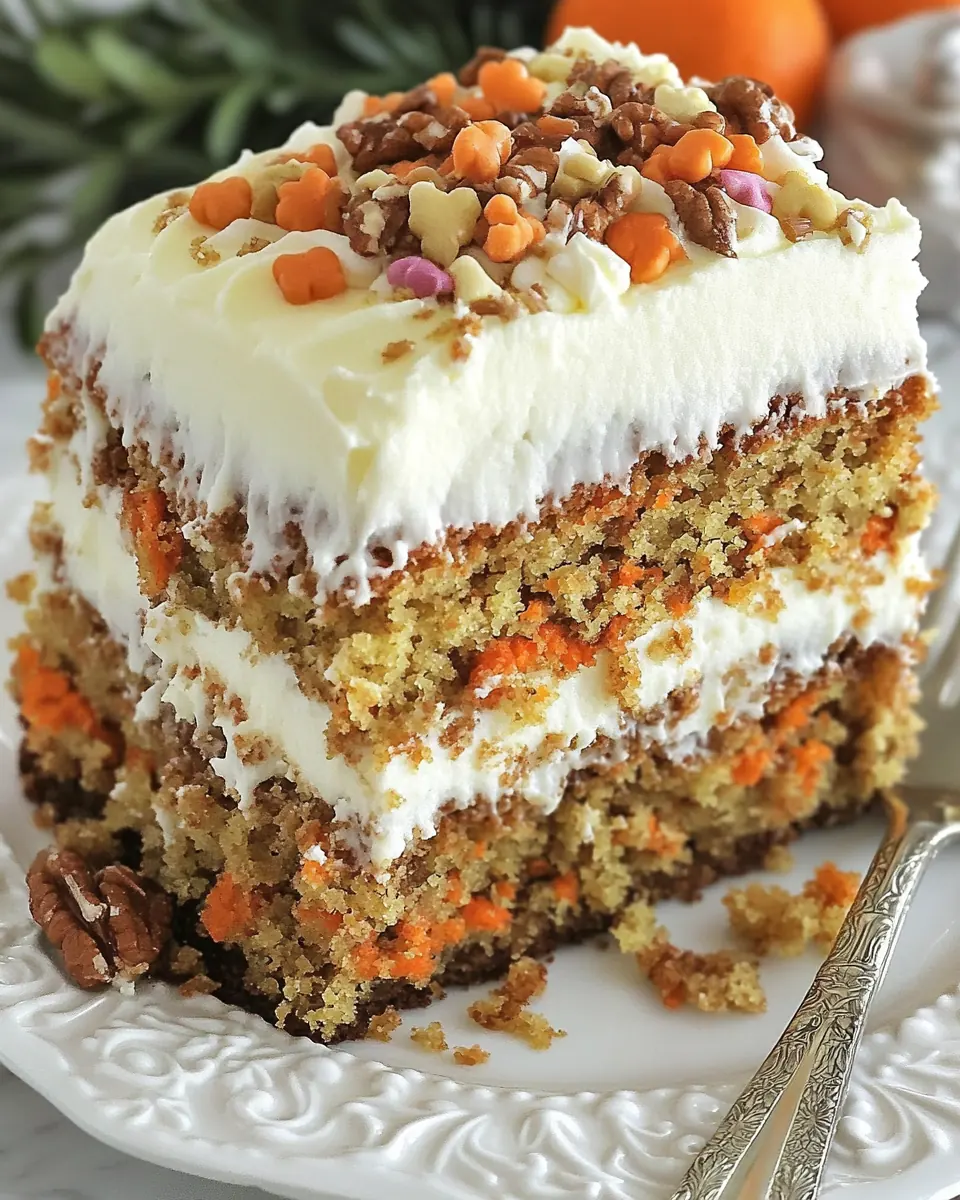
These ingredients work in harmony to produce a moist, warmly spiced cake with a tangy, silky frosting. The foundation is simple all-purpose flour and leaveners, while the true personalities come from grated carrots, crushed pineapple, and a creamy cream cheese frosting. Each listed item plays a key role, from structure to moisture to finishing shine.
- 1 1/4 cups unsweetened applesauce or oil, this is what my Nana used: Provide moisture and a tender crumb whether using applesauce for a lighter cake or oil for a richer texture; balances sweetness while keeping the cake soft and reducing the need for excess fat.
- 2 cups granulated sugar: Sweeten the batter evenly and help create a fine crumb; also contributes to browning and caramelization on the cake surface during baking.
- 3 eggs room temperature: Leaven the cake slightly while adding structure and richness; contribute to emulsification and help bind the batter for a consistent rise.
- 2 cups all-purpose flour: Form the structural base of the cake, providing gluten that gives body and chew; combine with liquids and leaveners to build the cake's framework.
- 1 teaspoon baking soda: React with acidic components to produce carbon dioxide, assisting with initial lift and lightness in the cake's crumb structure.
- 1 1/2 teaspoon baking powder: Provide additional leavening power to ensure proper rise and a tender texture, complementing baking soda for balanced aeration.
- 1/2 teaspoons salt: Enhance flavor and balance sweetness while slightly strengthening the dough; help control fermentation of leaveners for even crumb.
- 1 teaspoon cinnamon: Impart warm, aromatic spice that complements carrots and nuts; add depth and a characteristic flavor profile associated with carrot cake.
- 2 cups grated carrots: Add natural sweetness, moisture, and texture with shredded presence throughout the cake; contribute to overall carrot flavor and visual appeal.
- 1 cup shredded sweetened coconut: Introduce chewy sweetness and tropical flavor that contrasts with the cake; contribute texture and complement the pineapple and carrots.
- 1 cup chopped nuts (optional): Offer crunchy texture and nutty flavor that contrasts with the cake's softness; can be omitted but adds traditional carrot cake character.
- 1 tsp vanilla: Provide aromatic sweetness and enhance the overall flavor profile; act as a subtle binder that complements the other wet ingredients.
- 1 cup Dole crushed pineapple not drained! {use the pineapple in JUICE not syrup}: Supply bright, tangy moisture and fruity acidity; the juice adds flavor and extra liquid that helps tenderize the crumb.
- 1/2 cup butter softened: Add richness and creamy fat to the batter or frosting, contributing to smooth texture and mouthfeel when softened and incorporated.
- 8 ounces cream cheese softened: Bring tangy creaminess and body to the frosting, balancing sweetness and creating a smooth, spreadable icing when softened.
- 1 teaspoon vanilla: Contribute aromatic depth to the frosting or batter, enhancing vanilla notes and rounding out overall flavor when mixed in.
- 1 pound powdered sugar: Sweeten and stabilize the frosting while providing structure and pipeability; dissolve into the cream cheese mixture for a smooth finish.
- top with toasted pecans or coconut if desired: Add a final crunchy, toasted garnish that enhances flavor and presentation; provide contrasting texture and a nutty or toasty coconut note.
Recipe Directions for To Die For Carrot Cake
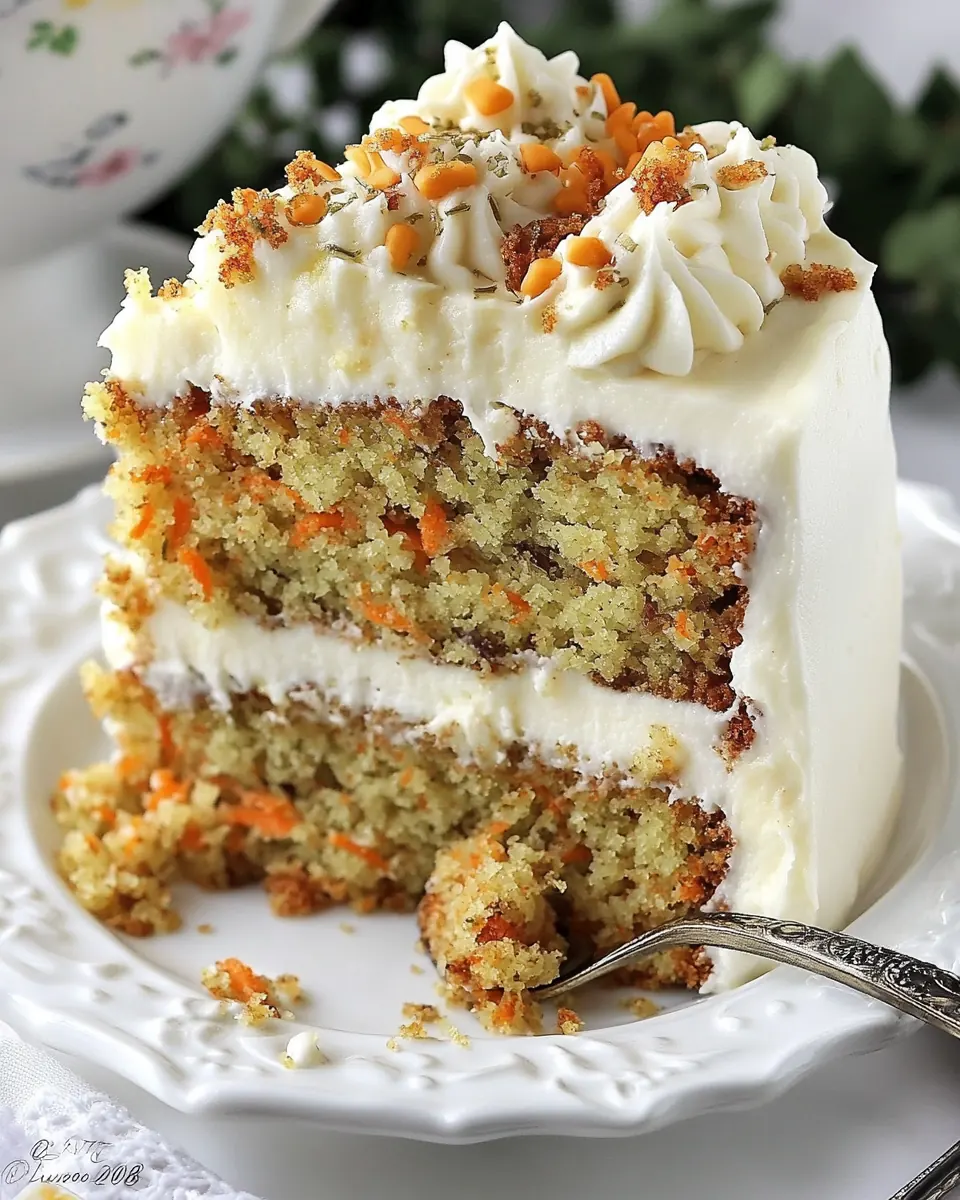
These directions guide you through building the cake from batter to finished frosted layers, with attention to texture and timing so each element comes together. Read through once, then gather your ingredients and equipment so everything flows smoothly.
- Preheat oven to 350 degrees.: The moment you start, you will smell a faint warmth as the oven comes to temperature, which helps ensure even rising and a golden exterior. Preheating stabilizes the environment so batter begins baking immediately; if you skip this, the cake can bake unevenly and sink in the center. A common pitfall is putting the cake in too early, which causes longer bake times and a drier edge, so wait for the full preheat.
- Combine #1 ingredients. Add #2 ingredients. Stir in #3 ingredients.: As you combine the wet set then the dry set then the additions, you should notice the batter becoming smoother and glossier, with a light, ribbon like pour that still holds some body. This order ensures proper emulsification, so the eggs and fats bind the dry flour without overworking the gluten. Overmixing is the usual mistake at this stage, which makes the cake tough, so mix until just combined and stop when you still see streaks disappear.
- Pour into a lightly greased 9 x 13, two 9-inch pans or three 8-inch pans. (The cake is very moist so cutting parchment for the bottom of your pans will ensure they don't stick. I prefer to use the non-stick baking spray that has the flour in it for easy cake removal.): As batter fills the pans you will hear it settle and see tiny air pockets rise to the surface, signaling a good aeration level. Lining pans with parchment will help unmold the cake cleanly because this cake is moist and can stick, while non stick baking spray with flour is a convenient alternative. Skipping parchment or spray can lead to tearing when you remove the cakes, so prepare the pans carefully.
- Bake for 35-40 minutes for the 9 x 13 and 9-inch pans and 25-30 minutes for the 8-inch pans. You're looking for an inserted toothpick to come out clean.: During baking you will see the top set and brown slightly, and the aroma of cinnamon and sugar will fill the kitchen. Test doneness with a toothpick inserted into the center, it should come out clean or with a few moist crumbs. A common error is removing the cake too early when the center is puffed but not set, which leads to a gooey core; if unsure, give it a few more minutes and check again.
- Let cakes cool for 10 minutes in the pan and then remove to a cooling rack and let cool completely.: The brief rest in the pan allows the structure to stabilize so the cake does not fall apart when inverted. When you invert onto a rack, you will feel the first cool breeze hit the warm crumb and see steam gently rise. Rushing this step and frosting a warm cake will cause the frosting to melt and slide, so fully cool before frosting.
- Beat the butter and cream cheese until nice and fluffy. Add in the vanilla and powdered sugar and beat until nice and smooth.: As you beat the butter and cream cheese , the mixture will lighten in color and texture, becoming airy. Adding powdered sugar gradually prevents a gritty texture and helps achieve a smooth spreadable frosting. A frequent mistake is using cold cream cheese , which leads to lumps, so be sure it is softened to room temperature.
- Invert the cake onto a cake plate or stand.: Turning the cake over should feel gentle as the bottom releases with a soft sigh, leaving a smooth surface for frosting. Using a plate or stand gives you space to rotate and apply even pressure when spreading. If you force the cake out or leave it stuck, it can break, so run a knife around the edges if needed before inverting.
- Apply a generous dollop of frosting and spread…: When you dollop frosting onto the first layer, it will sit thick and creamy, ready to be spread into an even blanket. Use a bench scraper or offset spatula for smooth edges and to avoid tearing the cake. Overworking the frosting can warm it too much and make it runny, so work with small amounts if you need to fill gaps or level the surface.
- Gently place the second cake on top and continue frosting. Repeat with the third cake if you made three.: As you stack, you will feel the gentle weight settle and hear a soft, satisfying press as layers meet. Continue frosting between layers to create a stable assembly; this helps the cake slice cleanly. A common issue is misaligned layers, which can cause the cake to lean, so center each layer carefully as you place it.
- Refrigerate for an hour before serving for best results.: Adding a third layer increases visual impact and height, and each added layer amplifies the cream cheese tang and overall richness. Ensure each layer is cool and evenly frosted to maintain balance. Too much filling between layers can cause slipping, so use a moderate amount and chill briefly if needed.
- Refrigerate for an hour before serving for best results.: Chilling firms the frosting and helps flavors meld, producing cleaner slices and a more cohesive texture. You will notice the frosting set and the cake becoming easier to cut neatly. The main mistake here is skipping refrigeration, which can make the cake soft and messy when plated, especially in warm environments.
Tips and Variations
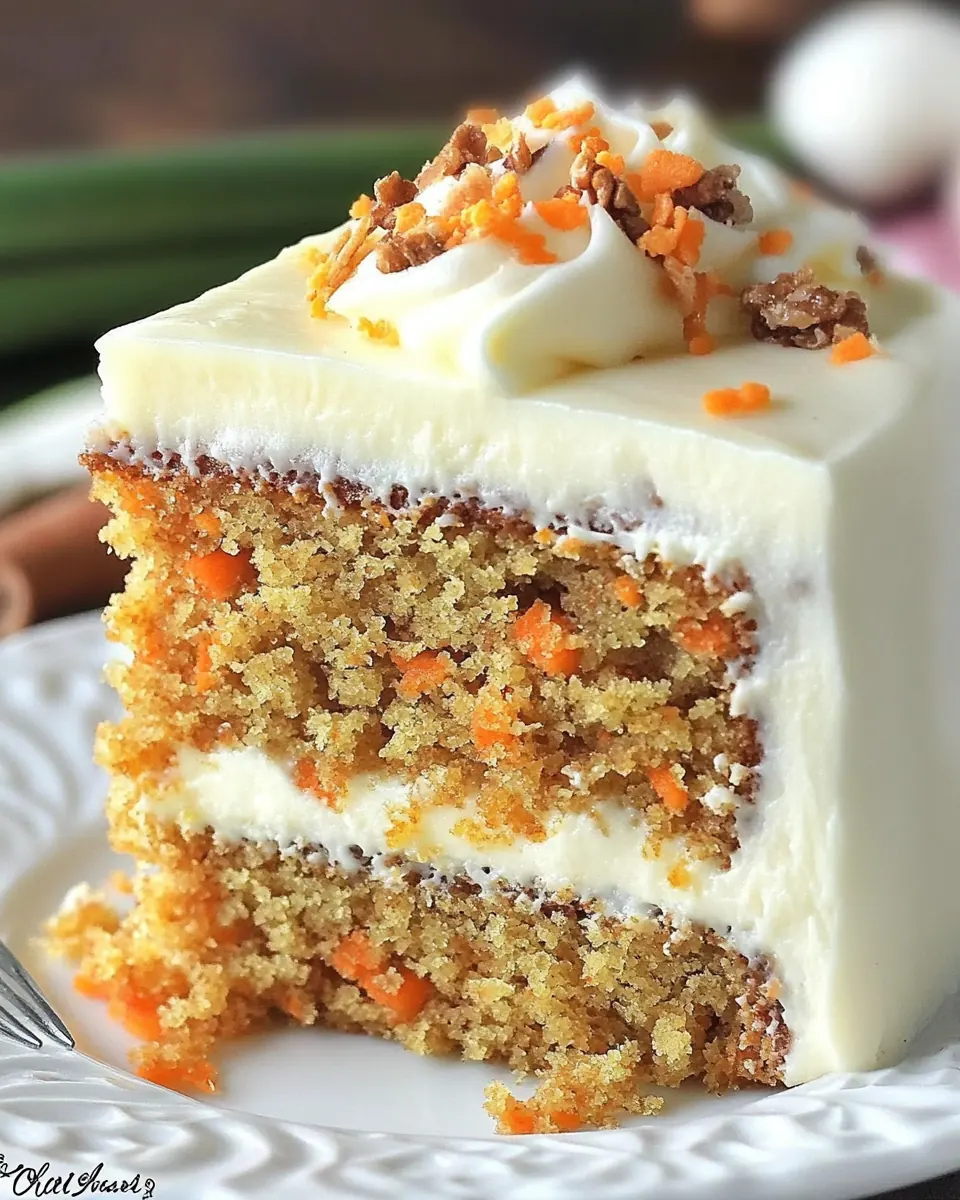
I like to keep a handful of straightforward tricks ready when I bake To Die For Carrot Cake. These tips help with texture, presentation, and timing so your cake looks and tastes like it was made with care. Read them before you begin and incorporate the ones that fit your baking style.
- Soften ingredients first. Let your cream cheese and butter come to room temperature for a lump free frosting that whips up glossy and smooth.
- Use parchment for tricky pans. Cut parchment rounds or liners for the bottom of pans so this moist cake releases cleanly without tearing.
- Toast nuts briefly. Spread chopped nuts on a sheet and toast in a 350 degree oven for a few minutes to boost aroma and crunchy texture.
- Grate carrots fresh. Freshly grated carrots release juices and provide the best texture, avoid pre shredded carrots that can be dry or too fine.
- Chill before slicing. Refrigerate the frosted cake for at least an hour to firm the frosting and ensure neat slices.
Great Combinations for To Die For Carrot Cake
To Die For Carrot Cake pairs well with a few simple accompaniments that enhance its flavors and suit different occasions. Whether you serve it for family dessert or a holiday gathering, here are thoughtful pairing ideas and serving strategies to elevate the experience.
- Casual afternoon tea. Serve slices with a pot of black tea or spiced chai, the tannins balance the cake sweetness and the spices complement the cinnamon and carrot.
- Holiday dessert table. Place the cake among other sweets on a festive board, providing visual variety; garnish with toasted pecans and extra shredded coconut for texture contrast.
- Potluck sharing. Slice into 16 even pieces and transport on a flat tray, keep chilled until serving and bring a small cooler if the event is outdoors to preserve the frosting.
- Storage tips. Store wrapped in the refrigerator for up to four days for best flavor, for longer storage freeze individual slices wrapped tightly in plastic and foil.
- Seasonal pairing. In fall, add warm spices to your tea or serve with lightly spiced whipped cream; in spring, a light citrus salad on the side brightens the plate and echoes the pineapple note.
FAQ
Conclusion
What makes this cake special is the balance of moist, spiced crumb and tangy, silky frosting that slices beautifully and pleases a crowd. I encourage you to try this one because it blends simple pantry ingredients into a cake that feels celebratory and familiar at the same time. Serve it chilled or at room temperature, and enjoy the way textures and flavors come together in every forkful.
To Die For Carrot Cake
Ingredients
Equipment
Method
- Preheat oven to 350 degrees.: The moment you start, you will smell a faint warmth as the oven comes to temperature, which helps ensure even rising and a golden exterior. Preheating stabilizes the environment so batter begins baking immediately; if you skip this, the cake can bake unevenly and sink in the center. A common pitfall is putting the cake in too early, which causes longer bake times and a drier edge, so wait for the full preheat.
- Combine #1 ingredients. Add #2 ingredients. Stir in #3 ingredients.: As you combine the wet set then the dry set then the additions, you should notice the batter becoming smoother and glossier, with a light, ribbon like pour that still holds some body. This order ensures proper emulsification, so the eggs and fats bind the dry flour without overworking the gluten. Overmixing is the usual mistake at this stage, which makes the cake tough, so mix until just combined and stop when you still see streaks disappear.
- Pour into a lightly greased 9 x 13, two 9-inch pans or three 8-inch pans. (The cake is very moist so cutting parchment for the bottom of your pans will ensure they don't stick. I prefer to use the non-stick baking spray that has the flour in it for easy cake removal.): As batter fills the pans you will hear it settle and see tiny air pockets rise to the surface, signaling a good aeration level. Lining pans with parchment will help unmold the cake cleanly because this cake is moist and can stick, while non stick baking spray with flour is a convenient alternative. Skipping parchment or spray can lead to tearing when you remove the cakes, so prepare the pans carefully.
- Bake for 35-40 minutes for the 9 x 13 and 9-inch pans and 25-30 minutes for the 8-inch pans. You're looking for an inserted toothpick to come out clean.: During baking you will see the top set and brown slightly, and the aroma of cinnamon and sugar will fill the kitchen. Test doneness with a toothpick inserted into the center, it should come out clean or with a few moist crumbs. A common error is removing the cake too early when the center is puffed but not set, which leads to a gooey core; if unsure, give it a few more minutes and check again.
- Let cakes cool for 10 minutes in the pan and then remove to a cooling rack and let cool completely.: The brief rest in the pan allows the structure to stabilize so the cake does not fall apart when inverted. When you invert onto a rack, you will feel the first cool breeze hit the warm crumb and see steam gently rise. Rushing this step and frosting a warm cake will cause the frosting to melt and slide, so fully cool before frosting.
- Beat the butter and cream cheese until nice and fluffy. Add in the vanilla and powdered sugar and beat until nice and smooth.: As you beat the butter and cream cheese , the mixture will lighten in color and texture, becoming airy. Adding powdered sugar gradually prevents a gritty texture and helps achieve a smooth spreadable frosting. A frequent mistake is using cold cream cheese , which leads to lumps, so be sure it is softened to room temperature.
- Invert the cake onto a cake plate or stand.: Turning the cake over should feel gentle as the bottom releases with a soft sigh, leaving a smooth surface for frosting. Using a plate or stand gives you space to rotate and apply even pressure when spreading. If you force the cake out or leave it stuck, it can break, so run a knife around the edges if needed before inverting.
- Apply a generous dollop of frosting and spread...: When you dollop frosting onto the first layer, it will sit thick and creamy, ready to be spread into an even blanket. Use a bench scraper or offset spatula for smooth edges and to avoid tearing the cake. Overworking the frosting can warm it too much and make it runny, so work with small amounts if you need to fill gaps or level the surface.
- Gently place the second cake on top and continue frosting. Repeat with the third cake if you made three.: As you stack, you will feel the gentle weight settle and hear a soft, satisfying press as layers meet. Continue frosting between layers to create a stable assembly; this helps the cake slice cleanly. A common issue is misaligned layers, which can cause the cake to lean, so center each layer carefully as you place it.
- Refrigerate for an hour before serving for best results.: Adding a third layer increases visual impact and height, and each added layer amplifies the cream cheese tang and overall richness. Ensure each layer is cool and evenly frosted to maintain balance. Too much filling between layers can cause slipping, so use a moderate amount and chill briefly if needed.
- Refrigerate for an hour before serving for best results.: Chilling firms the frosting and helps flavors meld, producing cleaner slices and a more cohesive texture. You will notice the frosting set and the cake becoming easier to cut neatly. The main mistake here is skipping refrigeration, which can make the cake soft and messy when plated, especially in warm environments.
Notes
- Soften ingredients first. Let your cream cheese and butter come to room temperature for a lump free frosting that whips up glossy and smooth.
- Use parchment for tricky pans. Cut parchment rounds or liners for the bottom of pans so this moist cake releases cleanly without tearing.
- Toast nuts briefly. Spread chopped nuts on a sheet and toast in a 350 degree oven for a few minutes to boost aroma and crunchy texture.
- Grate carrots fresh. Freshly grated carrots release juices and provide the best texture, avoid pre shredded carrots that can be dry or too fine.
- Chill before slicing. Refrigerate the frosted cake for at least an hour to firm the frosting and ensure neat slices.