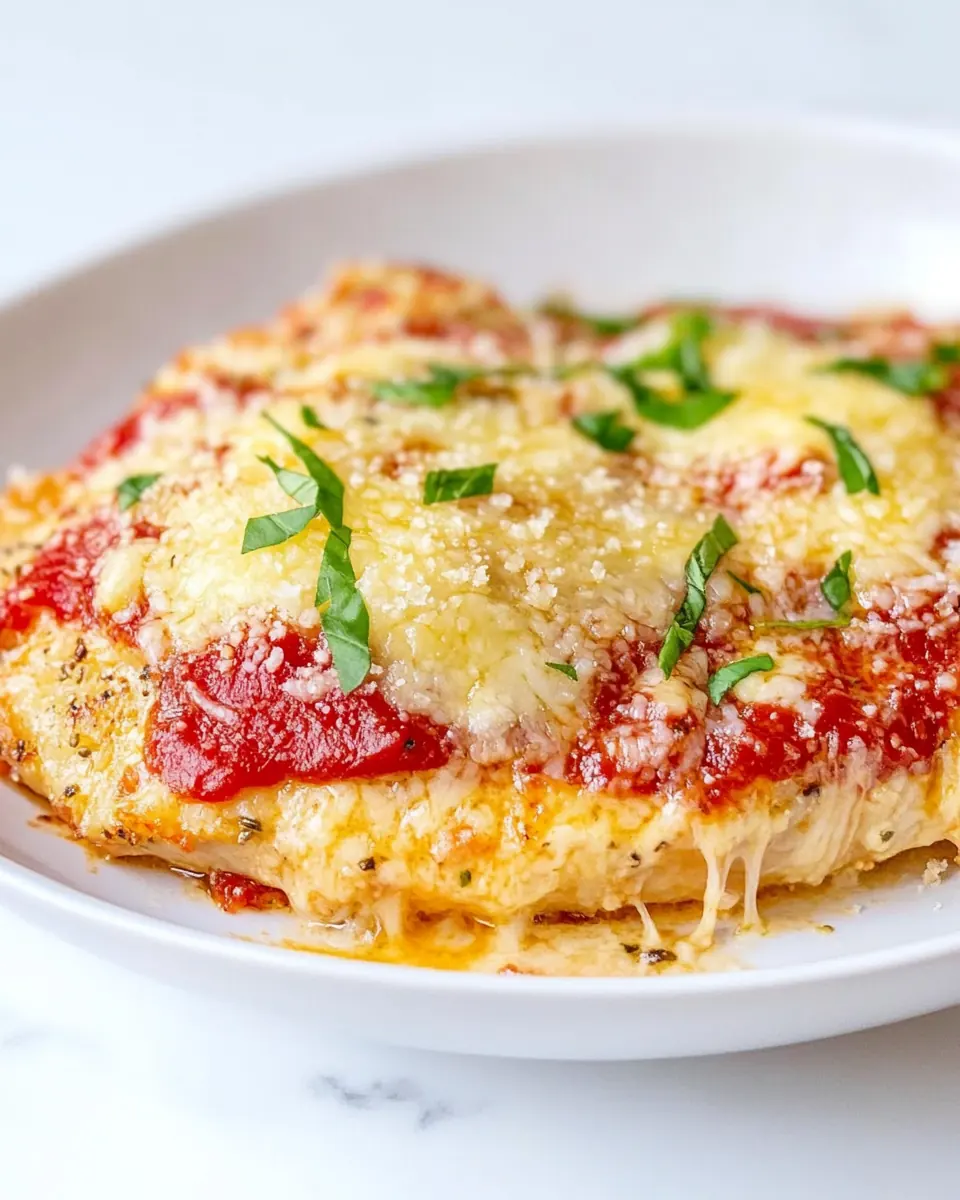
Preheat the oven to 375°F. Season the veal cutlets with salt and pepper. Place flour, beaten eggs, and breadcrumbs in separate shallow dishes. Dredge each veal cutlet in flour, dip in beaten eggs, and coat with breadcrumbs.: The warm, aromatic hint of the oven as it reaches temperature prepares the kitchen for the final bake, and setting it early ensures the cheese will bubble and brown immediately when the assembled cutlets go in. You should notice a steady, even glow and a slight warmth in the oven cavity, which signals readiness. This step matters because the brief bake time relies on a preheated environment to melt cheese without overdrying the veal . A common mistake is putting the dish into a cold oven, which results in longer baking times and a drier result.
Heat olive oil in a skillet over medium heat, and fry the breaded veal cutlets until golden brown on both sides, about 3 minutes per side.: The aroma of freshly cracked black pepper and the subtle briny note of salt awaken the natural flavor of the veal . Seasoning both sides allows the flavors to be present in every bite and creates a baseline that the sauce and cheeses build upon. This matters because under seasoned meat will taste flat beneath the rich toppings. Avoid over seasoning early if your cheese is very salty, which can make the final dish too salty.
Place the fried cutlets in a baking dish, top each with marinara sauce, mozzarella, and Parmesan cheese.: Setting up a clean station with each component visible helps you work quickly and keep your breadcrumbs dry and crisp. The visual setup also makes the breading sequence predictable, which improves consistency. This organization is important because damp or clumpy breadcrumbs will not adhere properly. One common slip is crowding the stations, which leads to messy breading and uneven coating.
Bake in the preheated oven for 20 minutes, or until the cheese is bubbly and golden. Serve hot.: As your hand drags the cutlet through the flour you will feel the light powder cling, which primes the surface for the eggs . The flour helps absorb surface moisture and creates a thin barrier that allows the egg to stick evenly. This step is critical for achieving a stable coating, because skipping flour often results in the crumbs sliding off during frying. Be sure to shake off excess flour to prevent a pasty layer.
Dip in beaten eggs: The glossy sheen as the cutlet hits the beaten eggs shows the coating is ready to accept the breadcrumbs, and the egg creates a cohesive layer for the final crust. This stage contributes moisture and binding power, and it helps the crumbs brown to an even color. If the egg is not well beaten it can produce streaks and cause uneven browning, so whisk thoroughly before dipping.
Coat with breadcrumbs: Pressing the cutlet into the Italian breadcrumbs creates that satisfying textured surface that will crisp in the pan. You should feel the crumbs adhere uniformly, and the surface will look matte and fully covered. Good contact here ensures a crunchy bite and helps the crust stay intact during frying. The most common error is not pressing enough, which can leave bare spots that burn or fall off.
Heat olive oil in a skillet over medium heat: As the oil warms you will see it shimmer slightly, and the faint scent of olive will rise. Medium heat gives the crust time to develop color while keeping the interior tender. This temperature balance matters because oil that is too cool yields greasy crusts, while oil that is too hot chars the breadcrumbs before the meat cooks. Test by dropping a few crumbs into the oil to see if they sizzle gently.
Fry the breaded veal cutlets until golden brown on both sides, about 3 minutes per side: You will hear a steady sizzle as the crust forms, and the cutlets should develop an even, golden brown color. The sound and visual cue tell you the Maillard reaction is occurring, which gives the crust complex flavor. Keeping the pan at medium prevents burning while ensuring the veal cooks through quickly. Avoid flipping too frequently, which can break the crust and cause the coating to absorb oil.
Place the fried cutlets in a baking dish: Lifting each golden piece into a dish you will see steam rise and the surface retain its crispness for a short time. The baking dish gathers the cutlets for the finishing bake and contains any sauce or cheese overflow. Choosing a single layer is important so heat reaches each cutlet evenly; stacking them will trap steam and soften the crust.
Top each with marinara sauce, mozzarella, and Parmesan cheese: Spoon the marinara sauce so each piece has an even layer, then scatter the shredded mozzarella and grate the Parmesan cheese over the top until you see a cohesive blanket of toppings. The sauce should glisten and the cheese should look moist and ready to melt. This layering matters because it ensures balanced flavor and prevents dry spots. Be careful not to overload the cutlets, as too much topping can make the crust soggy.
Bake in the preheated oven for 20 minutes, or until the cheese is bubbly and golden: As the dish bakes you will hear a faint bubbling and see the cheese transform into a glossy, golden topping with browned edges. The oven's dry heat finishes melting and browning without overcooking the veal . Visual cues like bubbling around the edges and a lightly browned top are the best indicators of doneness. A frequent mistake is leaving it too long, which can dry the meat and toughen the texture.
Serve hot: Bringing the dish to the table while the cheese is still stringy and the crust warm maximizes enjoyment, and the aroma will draw everyone in. Let it rest briefly if needed, but serve while still warm so the contrast of textures is at its best. Cooling too long will cause the crust to soften and the cheese to set, losing that appealing molten quality.