Preheat oven to 325°F. Grease a 6-cup bundt pan and lightly flour. (Make sure to tap out excess flour.) Set aside.: The warm oven heat helps the batter set evenly once it goes in, and while you preheat you should smell a clean, neutral warmth from the oven. Greasing the bundt pan and dusting with flour prevents sticking, and tapping out excess flour avoids a white residue on the cake surface. You'll notice the pan surface feels slick but not greasy. If you skip this step or overfill the pan you risk the cake adhering to the mold, so take a moment to coat evenly and remove excess flour. A common error is not filling the pan evenly, which can lead to uneven rise, so use a spatula to level the batter before baking.
Grate zucchini and then squeeze dry in a kitchen towel to remove excess water. Measure out three cups.: When you grate the zucchini , you will see fine green flecks and feel a moist, springy texture in your hands. Wrapping it in a towel and applying steady pressure expels watery liquid, which prevents a soggy crumb. Measuring exactly three cups ensures the batter retains the intended balance of wet to dry ingredients. A telltale sign you have not removed enough water is a batter that looks loose and separates; excessive moisture can also lengthen baking time. To avoid over squeezing which removes too much moisture, press just until dampness is reduced but the zucchini still feels slightly yielding.
Whisk together flour, baking powder, and cinnamon. Set aside.: As you combine all purpose flour , baking powder , and cinnamon , you will see a uniformly pale mixture with tiny specks of spice. Whisking aerates the dry mix and distributes the leavening and spice so every forkful has consistent flavor. This step matters because uneven leavening leads to dense pockets, while clumps of cinnamon can produce concentrated bursts of spice. If you detect gritty lumps, pass the dry mix through a sieve. A frequent misstep is adding wet ingredients before the dry is uniform, which can create streaks of flour in the batter, so keep this stage tidy.
Whisk together eggs and sugar. Gradually mix in melted butter, zucchini, orange zest and juice.: When you beat the eggs with granulated sugar , they will lighten in color slightly and become glossy, signaling that sugar is dissolving and aeration is beginning. Slowly incorporating the slightly cooled melted butter keeps the eggs from cooking and maintains a smooth emulsion. Folding in the grated zucchini , orange zest , and orange juice releases a fresh, citrusy aroma and introduces moisture. You should notice a cohesive, batter that is neither runny nor stiff. If the butter is too hot, you risk scrambling the eggs , so always let it cool. Over mixing at this point can develop gluten and toughen the cake, so stop once the components are evenly distributed.
Stir in flour mixture just until combined. Pour into prepared pan.: As you fold the dry mix in, watch the batter change from glossy to slightly thicker and matte, signaling the flour has hydrated. Use a spatula to fold gently, turning the bowl rather than vigorously stirring, so the crumb remains tender. Pouring into the prepared bundt pan should feel smooth, and the batter will settle into the pan contours filling evenly. Avoid vigorous mixing which can deflate the air incorporated earlier, and resist the urge to scrape every last bit aggressively, as that can overwork the batter. An uneven surface before baking can result in unpredictable rising, so tap the pan lightly to remove large air pockets.
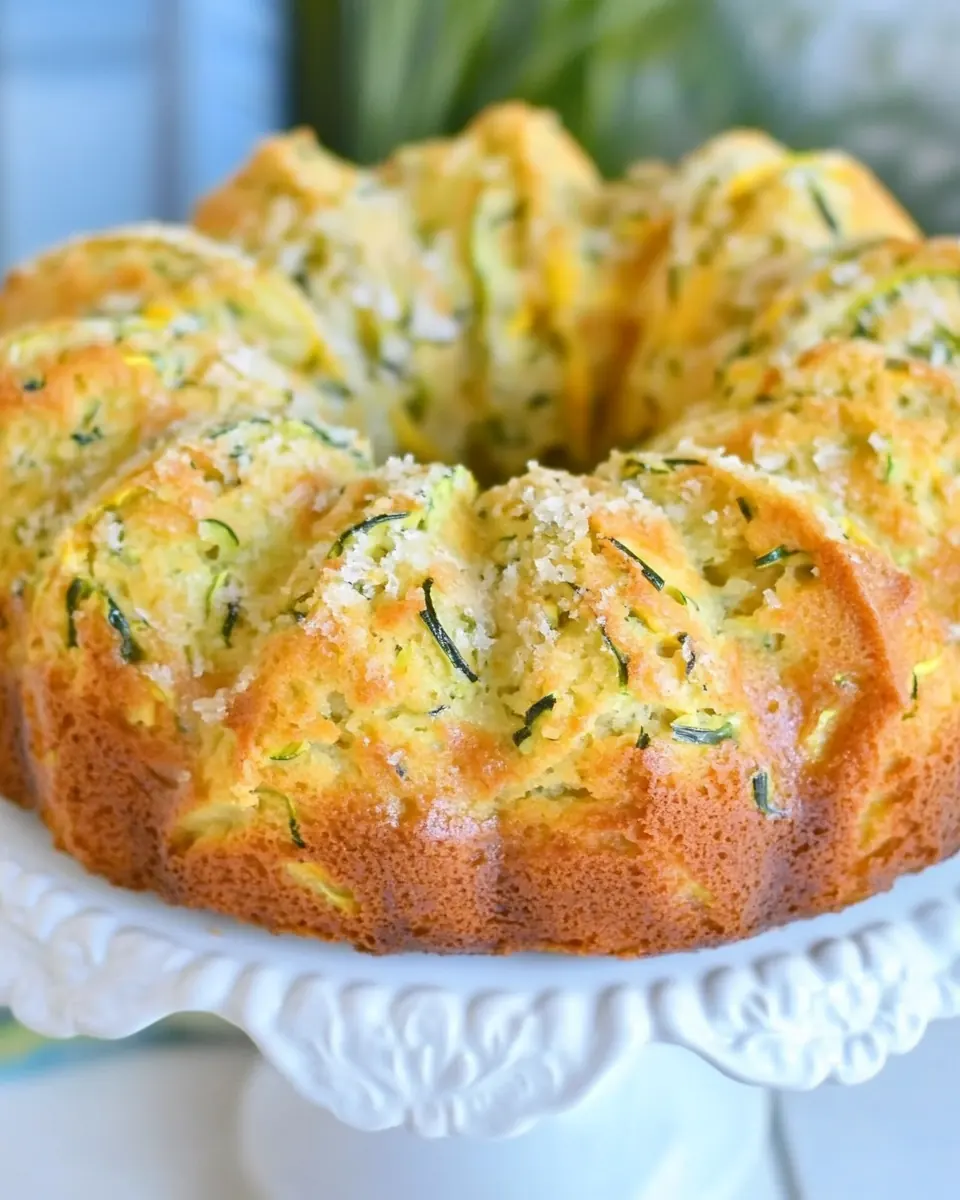
Bake 55-65 minutes or until a toothpick inserted into the cake comes out clean.: During baking you will observe the top change from glossy to set and begin to take on a golden hue. The kitchen will fill with a warm scent of butter , cinnamon , and citrus. The precise bake time depends on your oven and zucchini moisture, so rely on the toothpick test as the most reliable indicator. If the center jiggles significantly when you gently shake the pan, it needs more time. A common mistake is removing the cake too early which produces a collapsed center, so err on the side of a few extra minutes if unsure. Keep an eye on the edges; if they brown too quickly, tent with foil to prevent overbrowning before the center is done.
Let cake cool on a wire rack for 10-15 minutes before inverting the cake pan and turning it out onto a wire rack. Let cool for an additional 30 minutes before glazing.: As the cake rests, internal steam continues to redistribute, and the crumb firms up. The first cooling window allows the cake to release gently from the pan without tearing. When you invert the pan, you should hear a soft sigh as the cake loosens, and its surface will feel slightly springy. The additional 30 minute cool ensures the glaze will adhere rather than melt away. A frequent error is glazing a cake that is too warm, which causes the glaze to run off and appear translucent instead of set, so be patient and allow adequate cooling.
Whisk glaze ingredients together and drizzle over slightly cooled cake. If glaze is too thick, add more orange juice. If it is too thin, whisk in more sugar.: The glaze should be smooth and glossy, and when you whisk powdered sugar with orange juice and orange zest , a bright aroma lifts from the bowl. Drizzling creates a thin, sweet shell that catches in the bundt ridges, offering a pleasant textural contrast. If the glaze is thick it will mound rather than drizzle, and if too thin it will disappear into the crumb, so adjust gradually, a teaspoon at a time. A practical mistake is adding too much juice at once; it is easier to thin than to thicken, so proceed cautiously. Let the glaze set for a few minutes before slicing so you get clean slices with a pretty finish.