Zucchini Bundt Cake
Zucchini Bundt Cake is one of those recipes I reach for when I want something comforting yet a little unexpected, a cake that hides a garden bounty inside a tender crumb. I remember the first time I baked this, zucchini piled high from the farmers market, and I was determined to make something that felt like late summer on a plate. The aroma of warm zucchini and bright orange rising from the oven convinced everyone in the house to linger in the kitchen, and I learned then how simply balanced flavors can win the day.
Over the years I have tweaked the small details to coax maximum moisture without sogginess, and the result has become a favorite at casual gatherings. When you slice into a Zucchini Bundt Cake, the crumb is soft, tender, and studded with flecks of green that speak to freshness rather than heaviness. I often bring this to potlucks because it travels well, and it always sparks a conversation about using zucchini in sweet baking. It feels honest, like a recipe that nods to home cooking while still offering a touch of elegance.
What I love most is how adaptable the cake is, and how the glaze of powdered sugar and orange juice brightens each bite. Each time I make this Zucchini Bundt Cake, I notice subtle differences depending on the zucchini and how finely I grate it, which keeps the process engaging. I hope you find the same pleasure in hearing the oven timer, in the gentle crackle as the glaze sets, and in the satisfied smiles when you share the first slice.
Recipe Snapshot
1 hr 20 mins
15 mins
65 mins
Medium
300 kcal
American
Gluten-Free, Low FODMAP
Desserts
Bundt pan, Grater, Mixing bowls, Wire rack
Why This Zucchini Bundt Cake Is So Good
Moisture without heaviness
I adore how zucchini brings moisture to this Zucchini Bundt Cake without making it greasy. The grated zucchini melts into the batter, creating a tender texture that keeps the cake soft for days, so you get a lovely mouthfeel that feels indulgent yet light.
Bright citrus lift
The combination of orange zest and orange juice in both the batter and the glaze adds a luminous note that prevents sweetness from becoming cloying. I find this contrast essential, it cuts through the richness and balances the overall profile, making each bite sing.
Simple pantry ingredients
This recipe uses pantry stalwarts like all-purpose flour, granulated sugar, and butter, which means you can usually make it without a special trip to the store. I love recipes that let everyday ingredients shine, and this one rewards simple techniques with remarkable results.
Perfect for sharing
The bundt shape makes a striking presentation with almost no effort, so it works for casual get togethers and small celebrations alike. I like that it slices into generous wedges, and that the glaze makes it feel a little festive without any fuss.
Reliable and forgiving
Because this cake tolerates a range of bake times and slight variations in zucchini moisture, it is friendly for bakers of all levels. I appreciate recipes that forgive the occasional slip, and this one does, which is why it sits in my regular rotation.
Ingredients for Zucchini Bundt Cake

These ingredients form a simple, effective team. The zucchini contributes moisture, the all-purpose flour and baking powder provide structure and lift, while the butter and eggs enrich the crumb. The orange zest and orange juice add aromatic brightness, and the glaze ties everything together with a sweet, tangy finish.
- 3 cups zucchini grated: Provide moisture and light texture when grated finely; fold into batter to distribute moisture evenly without adding excess liquid. Add near the end of mixing to prevent overworking the batter and retain pockets of tender zucchini throughout the cake.
- 2 1/2 cups all-purpose flour plus extra for bundt pan: Serve as the primary structure provider for the cake batter by supplying gluten that sets during baking; measure and sift or whisk to combine with leaveners. Lightly dusting the bundt pan with additional flour prevents sticking and ensures a clean release when inverted.
- 2 1/2 teaspoons baking powder: Act as a chemical leavener that creates lift and airiness by producing carbon dioxide when activated during baking. Combine thoroughly with flour to ensure even rise and avoid dense spots in the crumb.
- 1/2 teaspoon cinnamon: Impart warm, aromatic spice and subtle sweetness to balance the zucchini and citrus; add to the dry ingredients to distribute flavor evenly. Use sparingly to avoid overpowering the cake’s delicate flavors.
- 3 large eggs room temperature: Provide richness, structure, and stability while helping to emulsify fats and liquids; bring to room temperature so they blend smoothly with other ingredients. Beat or whisk briefly before adding to ensure uniform incorporation into the batter.
- 1 1/4 cups granulated sugar: Deliver sweetness and tenderize the crumb by dissolving into wet ingredients; help activate aeration when creamed with eggs and butter. Adjusting the amount slightly can change overall sweetness and browning of the cake.
- 12 tablespoons butter melted and cooled slightly: Contribute fat for moistness, richness, and a tender crumb; melting and cooling slightly allows easier incorporation into the batter without cooking the eggs. Gradually add to the mixture to help create a smooth, homogenous batter.
- 1 tablespoon orange zest: Provide bright citrus aroma and concentrated orange flavor in small quantities; stir into wet ingredients to evenly distribute fragrance. Zest enhances the overall flavor profile without adding acidity.
- 2 tablespoons fresh orange juice: Add fresh acidity and citrus brightness to balance sweetness and enhance the orange notes; mix with other wet ingredients for even flavor distribution. Fresh juice also contributes a small amount of liquid to the batter.
- 1 cup powdered sugar sifted: Create a silky, sweet glaze when combined with juice or milk and drizzled over the cooled cake; sifting prevents lumps and ensures a smooth finish. Use to add sweetness, aesthetic appeal, and a light surface texture to the bundt cake.
- 1 teaspoon orange zest: Layer additional concentrated citrus aroma into the glaze or batter for intensified orange flavor; finely grate to capture essential oils without biting into pith. Sprinkle or mix into glazes for a fragrant, polished finish.
- 3 tablespoons fresh orange juice: Provide a tangy, liquid component for the glaze or to adjust consistency; fresh juice helps dissolve powdered sugar and adds bright flavor. Add gradually until desired glaze thickness is reached and flavors are balanced.
Zucchini Bundt Cake Instructions

I like to walk through these steps slowly the first time you make this cake so you can notice the sensory cues that tell you everything is going well. Below I expand each direction into a deep, practical explanation so you can follow along confidently and know what to look for at every turn.
- Preheat oven to 325°F. Grease a 6-cup bundt pan and lightly flour. (Make sure to tap out excess flour.) Set aside.: The warm oven heat helps the batter set evenly once it goes in, and while you preheat you should smell a clean, neutral warmth from the oven. Greasing the bundt pan and dusting with flour prevents sticking, and tapping out excess flour avoids a white residue on the cake surface. You'll notice the pan surface feels slick but not greasy. If you skip this step or overfill the pan you risk the cake adhering to the mold, so take a moment to coat evenly and remove excess flour. A common error is not filling the pan evenly, which can lead to uneven rise, so use a spatula to level the batter before baking.
- Grate zucchini and then squeeze dry in a kitchen towel to remove excess water. Measure out three cups.: When you grate the zucchini , you will see fine green flecks and feel a moist, springy texture in your hands. Wrapping it in a towel and applying steady pressure expels watery liquid, which prevents a soggy crumb. Measuring exactly three cups ensures the batter retains the intended balance of wet to dry ingredients. A telltale sign you have not removed enough water is a batter that looks loose and separates; excessive moisture can also lengthen baking time. To avoid over squeezing which removes too much moisture, press just until dampness is reduced but the zucchini still feels slightly yielding.
- Whisk together flour, baking powder, and cinnamon. Set aside.: As you combine all purpose flour , baking powder , and cinnamon , you will see a uniformly pale mixture with tiny specks of spice. Whisking aerates the dry mix and distributes the leavening and spice so every forkful has consistent flavor. This step matters because uneven leavening leads to dense pockets, while clumps of cinnamon can produce concentrated bursts of spice. If you detect gritty lumps, pass the dry mix through a sieve. A frequent misstep is adding wet ingredients before the dry is uniform, which can create streaks of flour in the batter, so keep this stage tidy.
- Whisk together eggs and sugar. Gradually mix in melted butter, zucchini, orange zest and juice.: When you beat the eggs with granulated sugar , they will lighten in color slightly and become glossy, signaling that sugar is dissolving and aeration is beginning. Slowly incorporating the slightly cooled melted butter keeps the eggs from cooking and maintains a smooth emulsion. Folding in the grated zucchini , orange zest , and orange juice releases a fresh, citrusy aroma and introduces moisture. You should notice a cohesive, batter that is neither runny nor stiff. If the butter is too hot, you risk scrambling the eggs , so always let it cool. Over mixing at this point can develop gluten and toughen the cake, so stop once the components are evenly distributed.
- Stir in flour mixture just until combined. Pour into prepared pan.: As you fold the dry mix in, watch the batter change from glossy to slightly thicker and matte, signaling the flour has hydrated. Use a spatula to fold gently, turning the bowl rather than vigorously stirring, so the crumb remains tender. Pouring into the prepared bundt pan should feel smooth, and the batter will settle into the pan contours filling evenly. Avoid vigorous mixing which can deflate the air incorporated earlier, and resist the urge to scrape every last bit aggressively, as that can overwork the batter. An uneven surface before baking can result in unpredictable rising, so tap the pan lightly to remove large air pockets.
- Bake 55-65 minutes or until a toothpick inserted into the cake comes out clean.: During baking you will observe the top change from glossy to set and begin to take on a golden hue. The kitchen will fill with a warm scent of butter , cinnamon , and citrus. The precise bake time depends on your oven and zucchini moisture, so rely on the toothpick test as the most reliable indicator. If the center jiggles significantly when you gently shake the pan, it needs more time. A common mistake is removing the cake too early which produces a collapsed center, so err on the side of a few extra minutes if unsure. Keep an eye on the edges; if they brown too quickly, tent with foil to prevent overbrowning before the center is done.
- Let cake cool on a wire rack for 10-15 minutes before inverting the cake pan and turning it out onto a wire rack. Let cool for an additional 30 minutes before glazing.: As the cake rests, internal steam continues to redistribute, and the crumb firms up. The first cooling window allows the cake to release gently from the pan without tearing. When you invert the pan, you should hear a soft sigh as the cake loosens, and its surface will feel slightly springy. The additional 30 minute cool ensures the glaze will adhere rather than melt away. A frequent error is glazing a cake that is too warm, which causes the glaze to run off and appear translucent instead of set, so be patient and allow adequate cooling.
- Whisk glaze ingredients together and drizzle over slightly cooled cake. If glaze is too thick, add more orange juice. If it is too thin, whisk in more sugar.: The glaze should be smooth and glossy, and when you whisk powdered sugar with orange juice and orange zest , a bright aroma lifts from the bowl. Drizzling creates a thin, sweet shell that catches in the bundt ridges, offering a pleasant textural contrast. If the glaze is thick it will mound rather than drizzle, and if too thin it will disappear into the crumb, so adjust gradually, a teaspoon at a time. A practical mistake is adding too much juice at once; it is easier to thin than to thicken, so proceed cautiously. Let the glaze set for a few minutes before slicing so you get clean slices with a pretty finish.
Helpful Notes about Zucchini Bundt Cake

This collection of tips expands practical points to help you bake with confidence, from ingredient handling to storage. Each tip highlights one actionable idea so you can focus on technique and flavor.
- Room temperature ingredients: Bring eggs to room temperature for a smoother emulsion and more even rise. Cold eggs can encourage the butter to seize and produce an uneven texture. If you forget to set them out, submerge cold eggs in warm water for ten to fifteen minutes to gently raise their temperature.
- Control zucchini moisture: After grating, wrap the zucchini in a clean kitchen towel and press to remove excess water without squeezing out all the moisture. Too wet and the batter will be loose; too dry and the cake may be drier than intended. Aim for the zucchini to feel damp but not dripping.
- Check your leavening: Verify the effectiveness of your baking powder if it is older than six months by mixing a small amount with warm water to see if it bubbles. Fresh leavening ensures consistent rise and a light crumb. Old baking powder can leave cakes dense and flat.
- Pan preparation matters: Grease the bundt pan thoroughly and dust with flour, tapping out excess to avoid a white film. For intricate pans, use a pastry brush to reach crevices. Proper preparation prevents sticking and preserves the cake’s decorative ridges.
- Adjust glaze consistency: If the glaze with powdered sugar and orange juice is too thick, add juice sparingly, a teaspoon at a time. If too thin, sift in more powdered sugar. The right consistency should coat the back of a spoon and drip slowly, creating pretty ribbons on the cake.
Perfect Pairings for Zucchini Bundt Cake
This cake pairs well with simple accompaniments that let its tender crumb and citrus glaze shine. Think casual afternoon gatherings, brunch spreads, or a light dessert after a family meal. Below are ideas for serving, occasions, and storage.
- Casual brunch: Serve slices of the cake with a small bowl of fresh fruit on the side to add brightness and a contrasting texture. The cake’s soft crumb goes beautifully with berries and stone fruit.
- Afternoon tea: Present the cake on a platter with delicate teacups, and offer hot brewed tea or a mild coffee to complement the orange glaze. The cake’s citrus notes pair particularly well with green or white teas.
- Potluck centerpiece: Bring the whole bundt to gatherings for an easy shareable dessert. The glaze makes it look finished, and the bundt shape creates a focal point on the table, requiring minimal plating effort.
- Storage tips: Keep the cake covered at room temperature for up to two days, or refrigerate for up to four days. When refrigerating, wrap the cake loosely with parchment and then plastic to protect the glaze and prevent excess drying.
- Seasonal pairing: This recipe shines in summer when zucchini is abundant, and the citrus glaze adds a refreshing note that pairs well with seasonal salads or grilled vegetables for a full meal.
FAQ
Conclusion
This Zucchini Bundt Cake stands out because it combines garden fresh zucchini with bright orange for a moist, flavorful loaf that feels both homey and a little refined. I encourage you to try it when zucchini is plentiful, because it is an easy, forgiving bake that rewards small, mindful steps with a tender crumb and a citrusy finish. Share it with friends or keep it for quiet mornings with coffee; either way it brings a pleasing balance of sweetness and freshness that celebrates simple ingredients.
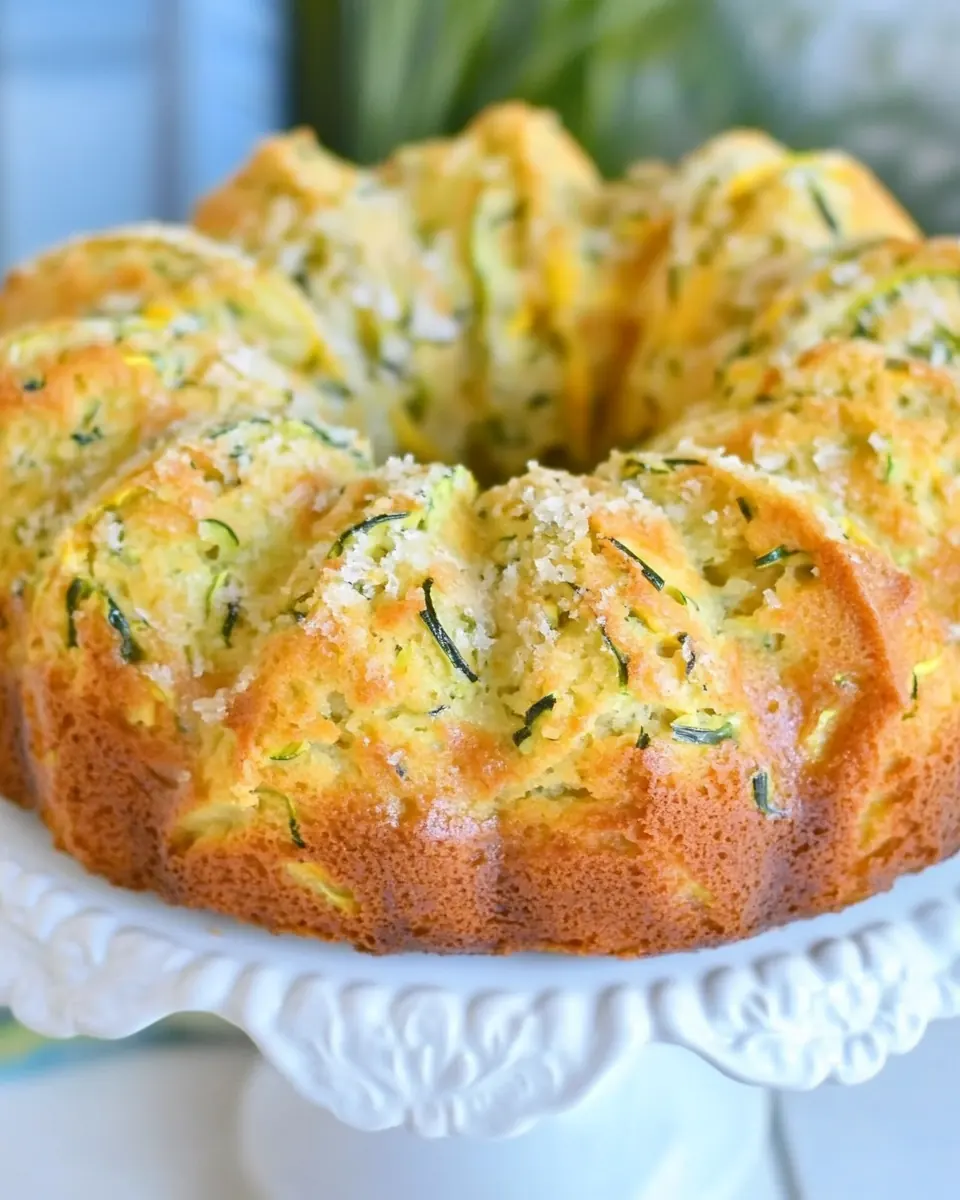
Zucchini Bundt Cake
Ingredients
Equipment
Method
- Preheat oven to 325°F. Grease a 6-cup bundt pan and lightly flour. (Make sure to tap out excess flour.) Set aside.: The warm oven heat helps the batter set evenly once it goes in, and while you preheat you should smell a clean, neutral warmth from the oven. Greasing the bundt pan and dusting with flour prevents sticking, and tapping out excess flour avoids a white residue on the cake surface. You'll notice the pan surface feels slick but not greasy. If you skip this step or overfill the pan you risk the cake adhering to the mold, so take a moment to coat evenly and remove excess flour. A common error is not filling the pan evenly, which can lead to uneven rise, so use a spatula to level the batter before baking.
- Grate zucchini and then squeeze dry in a kitchen towel to remove excess water. Measure out three cups.: When you grate the zucchini , you will see fine green flecks and feel a moist, springy texture in your hands. Wrapping it in a towel and applying steady pressure expels watery liquid, which prevents a soggy crumb. Measuring exactly three cups ensures the batter retains the intended balance of wet to dry ingredients. A telltale sign you have not removed enough water is a batter that looks loose and separates; excessive moisture can also lengthen baking time. To avoid over squeezing which removes too much moisture, press just until dampness is reduced but the zucchini still feels slightly yielding.
- Whisk together flour, baking powder, and cinnamon. Set aside.: As you combine all purpose flour , baking powder , and cinnamon , you will see a uniformly pale mixture with tiny specks of spice. Whisking aerates the dry mix and distributes the leavening and spice so every forkful has consistent flavor. This step matters because uneven leavening leads to dense pockets, while clumps of cinnamon can produce concentrated bursts of spice. If you detect gritty lumps, pass the dry mix through a sieve. A frequent misstep is adding wet ingredients before the dry is uniform, which can create streaks of flour in the batter, so keep this stage tidy.
- Whisk together eggs and sugar. Gradually mix in melted butter, zucchini, orange zest and juice.: When you beat the eggs with granulated sugar , they will lighten in color slightly and become glossy, signaling that sugar is dissolving and aeration is beginning. Slowly incorporating the slightly cooled melted butter keeps the eggs from cooking and maintains a smooth emulsion. Folding in the grated zucchini , orange zest , and orange juice releases a fresh, citrusy aroma and introduces moisture. You should notice a cohesive, batter that is neither runny nor stiff. If the butter is too hot, you risk scrambling the eggs , so always let it cool. Over mixing at this point can develop gluten and toughen the cake, so stop once the components are evenly distributed.
- Stir in flour mixture just until combined. Pour into prepared pan.: As you fold the dry mix in, watch the batter change from glossy to slightly thicker and matte, signaling the flour has hydrated. Use a spatula to fold gently, turning the bowl rather than vigorously stirring, so the crumb remains tender. Pouring into the prepared bundt pan should feel smooth, and the batter will settle into the pan contours filling evenly. Avoid vigorous mixing which can deflate the air incorporated earlier, and resist the urge to scrape every last bit aggressively, as that can overwork the batter. An uneven surface before baking can result in unpredictable rising, so tap the pan lightly to remove large air pockets.
- Bake 55-65 minutes or until a toothpick inserted into the cake comes out clean.: During baking you will observe the top change from glossy to set and begin to take on a golden hue. The kitchen will fill with a warm scent of butter , cinnamon , and citrus. The precise bake time depends on your oven and zucchini moisture, so rely on the toothpick test as the most reliable indicator. If the center jiggles significantly when you gently shake the pan, it needs more time. A common mistake is removing the cake too early which produces a collapsed center, so err on the side of a few extra minutes if unsure. Keep an eye on the edges; if they brown too quickly, tent with foil to prevent overbrowning before the center is done.
- Let cake cool on a wire rack for 10-15 minutes before inverting the cake pan and turning it out onto a wire rack. Let cool for an additional 30 minutes before glazing.: As the cake rests, internal steam continues to redistribute, and the crumb firms up. The first cooling window allows the cake to release gently from the pan without tearing. When you invert the pan, you should hear a soft sigh as the cake loosens, and its surface will feel slightly springy. The additional 30 minute cool ensures the glaze will adhere rather than melt away. A frequent error is glazing a cake that is too warm, which causes the glaze to run off and appear translucent instead of set, so be patient and allow adequate cooling.
- Whisk glaze ingredients together and drizzle over slightly cooled cake. If glaze is too thick, add more orange juice. If it is too thin, whisk in more sugar.: The glaze should be smooth and glossy, and when you whisk powdered sugar with orange juice and orange zest , a bright aroma lifts from the bowl. Drizzling creates a thin, sweet shell that catches in the bundt ridges, offering a pleasant textural contrast. If the glaze is thick it will mound rather than drizzle, and if too thin it will disappear into the crumb, so adjust gradually, a teaspoon at a time. A practical mistake is adding too much juice at once; it is easier to thin than to thicken, so proceed cautiously. Let the glaze set for a few minutes before slicing so you get clean slices with a pretty finish.
Notes
- Room temperature ingredients: Bring eggs to room temperature for a smoother emulsion and more even rise. Cold eggs can encourage the butter to seize and produce an uneven texture. If you forget to set them out, submerge cold eggs in warm water for ten to fifteen minutes to gently raise their temperature.
- Control zucchini moisture: After grating, wrap the zucchini in a clean kitchen towel and press to remove excess water without squeezing out all the moisture. Too wet and the batter will be loose; too dry and the cake may be drier than intended. Aim for the zucchini to feel damp but not dripping.
- Check your leavening: Verify the effectiveness of your baking powder if it is older than six months by mixing a small amount with warm water to see if it bubbles. Fresh leavening ensures consistent rise and a light crumb. Old baking powder can leave cakes dense and flat.
- Pan preparation matters: Grease the bundt pan thoroughly and dust with flour, tapping out excess to avoid a white film. For intricate pans, use a pastry brush to reach crevices. Proper preparation prevents sticking and preserves the cake's decorative ridges.
- Adjust glaze consistency: If the glaze with powdered sugar and orange juice is too thick, add juice sparingly, a teaspoon at a time. If too thin, sift in more powdered sugar. The right consistency should coat the back of a spoon and drip slowly, creating pretty ribbons on the cake.