Lamb Roast
Lamb Roast is one of those recipes I reach for when I want something comforting and reliably impressive, a dish that smells like celebration and tastes like home.
I remember the first time I slow roasted a leg of lamb for a small family gathering. The kitchen filled with the scent of roasting lamb and rosemary, and everyone kept drifting back into the room as the aroma deepened. I was nervous about overcooking it, but the technique I used that night, scoring the fat and tucking in garlic, produced a crust that was richly seasoned and an interior that pulled apart tenderly. Over the years I adjusted the seasoning ratios, learned how to rest the meat properly, and how much broth to add so the pan stayed deglazed without steaming the roast.
I’ve made this Lamb Roast for weeknight family dinners and for more formal holiday tables, and each time it brings the same warm reaction. What I enjoy most is how forgiving the recipe is; small changes in herbs or seasonings still lead to a deeply flavored result, while the core steps keep the texture reliably tender. You will notice that the technique of scoring and tucking in aromatics gives the meat pockets of flavor that infuse as it cooks.
Recipe Snapshot
2 hr 10 mins
10 mins
120 mins
Hard
500 kcal
American
Keto, Paleo
Dinner
Roasting Pan with Rack
Why This Lamb Roast Is a Winner
Rich, layered flavor
I love how a simple combination of garlic, rosemary, olive oil, and salt transforms the whole cut. As the roast cooks, those flavors concentrate and mingle with the lamb juices, giving a savory depth that is hard to beat. You get a caramelized exterior and pockets of fragrant garlic throughout.
Textural contrast
The scoring and studding technique creates crisp, seasoned fat on the outside while the inside becomes tender and shreddable. I appreciate that contrast, because every bite offers both a rich crust and succulent meat, which makes serving flexible, whether you slice or shred.
Simple but showstopping
This recipe feels elegant but does not demand precision baking skills. I often bring it to gatherings because it looks impressive on the platter, yet the steps are straightforward. That balance makes me confident to prepare it for guests or a relaxed family meal.
Hands off while it cooks
Once the roast is in the oven with a shallow pan of broth, you mostly let time do the work. That allows you to focus on sides or socializing, and I love recipes that give me that freedom without sacrificing flavor.
Adaptable seasoning
I appreciate that you can customize the herbs and spices and still get a winning result. I switch up the dried seasonings occasionally to highlight different notes, and the roast always rewards the small tweaks with interesting flavor variations.
Ingredients Required for Lamb Roast
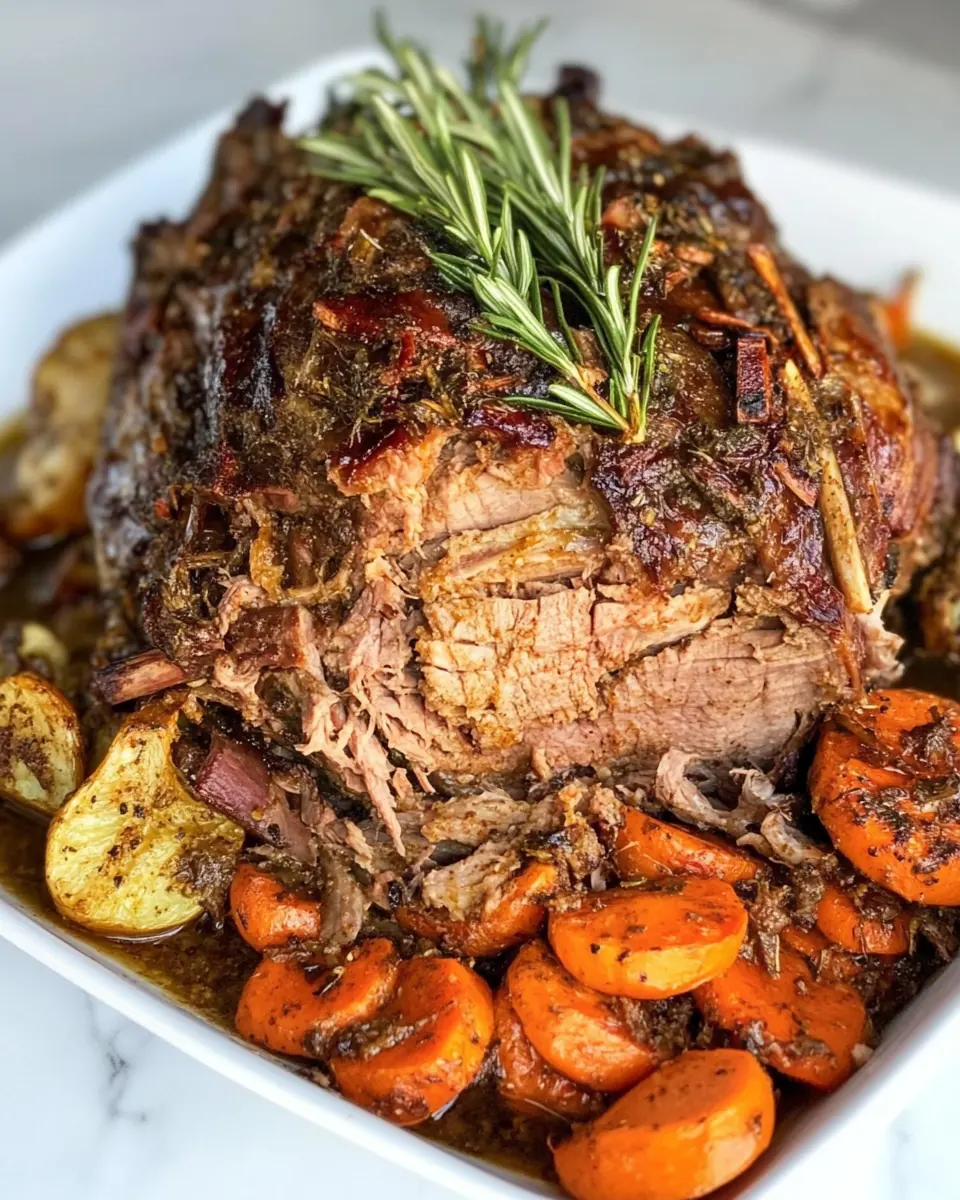
These ingredients form a straightforward, purposeful lineup. The lamb provides the center stage, while aromatics like garlic and rosemary infuse the meat during roasting. Liquid at the bottom of the pan keeps drippings from burning and adds a light base for pan juices to serve with the meat. Simple seasoning and olive oil encourage a crisp exterior and deeply flavored interior.
- 2 3 lb boneless lamb leg: Season generously to enhance the lamb's natural flavors and help form a savory crust during roasting; distributes evenly when rubbed with oil and aromatics. Works with other spices to balance saltiness and bring out depth in the finished roast.
- 2 tbsp olive oil: Coat evenly to promote browning and help seasonings adhere to the meat; contributes a subtle fruity richness and prevents sticking while roasting. Can be warmed slightly to loosen if it solidifies and aids in heat transfer for even cooking.
- 1 tbsp salt: Season liberally to draw out and intensify savory flavors while also helping to tenderize the surface; dissolves into juices to amplify overall taste. Balances other seasonings and is essential for proper seasoning of a large roast.
- 2 tsp black pepper freshly ground: Crack freshly to provide bright, sharp heat and aromatic top notes that contrast the richness of lamb; contributes mild pungency and warming spice. Apply to taste so it complements rather than overpowers the herbs and garlic.
- 1 tbsp no-salt seasoning or your choice of herbs and spices, like dried rosemary, paprika, garlic powder, etc.: Enhance complexity by adding herbal, smoky, or savory notes depending on chosen blend; aids in building layered flavor without additional salt if using no-salt blends. Sprinkle or rub into the meat so the flavors infuse during resting and roasting.
- 4 large garlic cloves roughly chopped: Roughly chop to release intense garlicky aroma and oils that permeate the roast; helps create pockets of concentrated flavor when tucked under the surface or placed around the lamb. Roasts to a mellow, sweet nuttiness while contributing savory depth.
- 4 sprigs rosemary fresh: Place sprigs to impart fresh piney, floral herbal notes and aromatic oils that complement lamb; can be inserted near the surface or laid atop to infuse during roasting. Remove woody stems after cooking if preferred, or finely chop leaves into a pan sauce.
- 1 cup chicken broth or vegetable: Deglaze or baste with broth to add moisture, capture pan drippings, and create a flavorful base for gravy; helps maintain juiciness in the roast during cooking. Use warm broth to control pan temperature and scrape browned bits for a rich sauce.
Lamb Roast Instructions
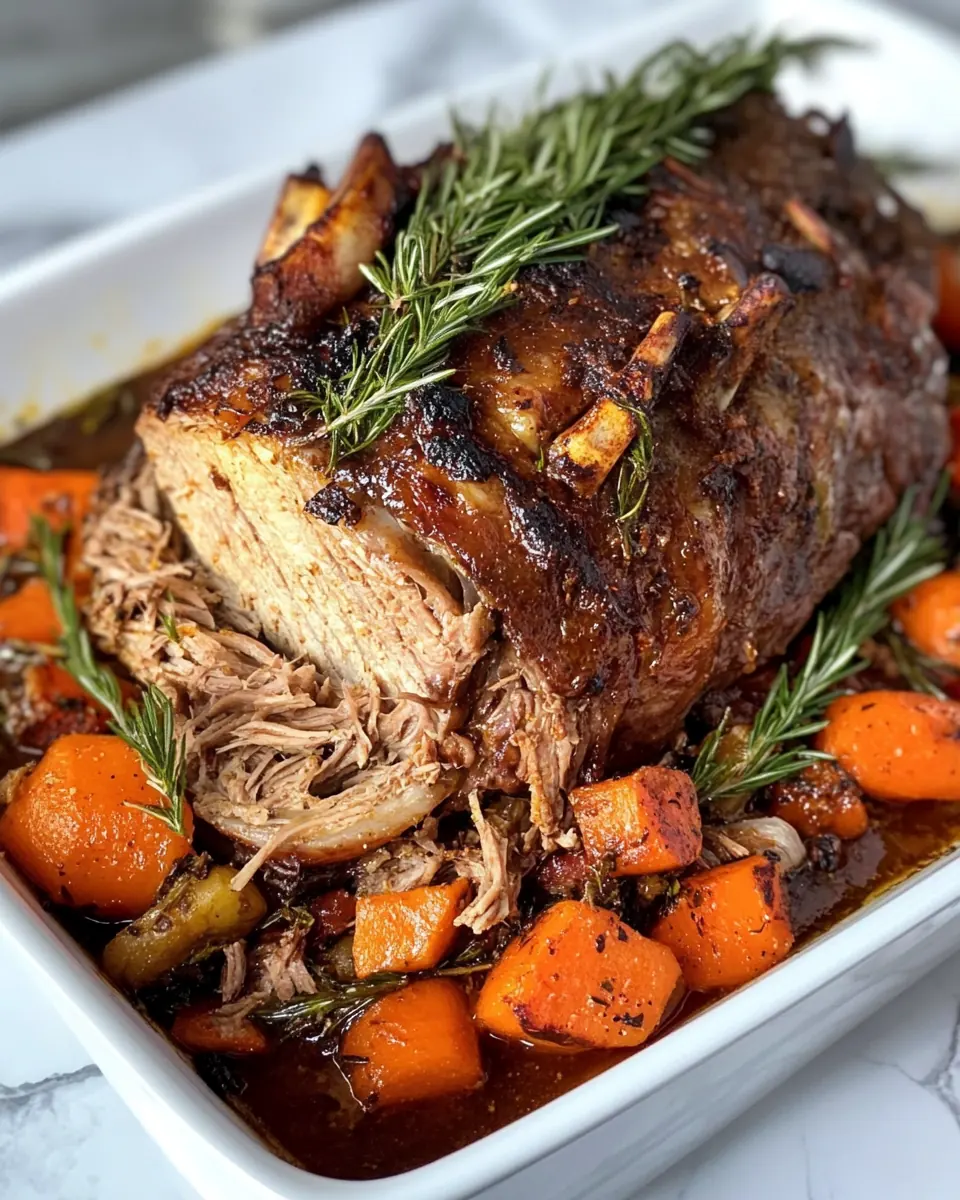
These instructions guide you from prep to the resting moment when the roast is ready to serve. I’ll walk through sensory cues and common pitfalls so you feel confident at every stage. Keep an instant read thermometer handy so you can monitor internal temperature without guesswork.
- Preheat oven to 325° F.: You will notice the oven warming and the air inside becoming dry and steady, which is ideal for slow roasting that produces an evenly cooked interior and a gently caramelized exterior. This moderate temperature allows the fat to render while the meat remains tender. A common mistake is starting with an oven that is too hot, which can char the outside before the center cooks.
- Remove lamb roast from packaging and remove the stretchy string netting if included. Set netting aside for later use. Pat lamb dry with towel.: The surface should feel dry and cool to the touch after patting, which helps the olive oil and seasonings adhere and promotes browning. Drying also reduces excess moisture that would steam rather than roast. Avoid skipping the patting step or the roast may not develop a crust.
- Using a paring knife, carefully score the top of the meat (fat side) by cutting slits (deep enough for your garlic pieces), making a uniform design (like a diamond pattern).: You will hear a soft slicing sound and see neat pockets form in the fat cap where the garlic and rosemary will tuck in. These channels allow aromatics to penetrate the meat as it cooks. Be careful not to cut too deep into the meat or you could cause juices to escape, resulting in drier meat.
- Rub entire roast in olive oil.: The oil should bead and coat the surface evenly, giving a slight sheen. This step helps the seasonings stick and encourages the fat to crisp during roasting. A mistake is using too little oil, which can lead to uneven browning and patchy seasoning adhesion.
- Generously salt and pepper entire roast. Add herbs and spices of your choice (I used Kirkland No-Salt Seasoning).: As you apply the seasonings, you will smell the pepper and herbs blooming against the warm oil. Even seasoning ensures each bite is well flavored from edge to center. Overdoing salt can make the roast too salty, so measure thoughtfully.
- Place roughly chopped garlic pieces into each slit.: When you press the garlic into the slits, you will feel a slight resistance and then a snug fit. During cooking, the garlic will soften and mellow, releasing sweet roasted notes into the surrounding meat. Avoid inserting too large pieces that might not roast through, leaving a raw center.
- Place rosemary sprigs into as many slits as you can, depending on how much you have/how large they are.: The fragrant oils from the rosemary will perfume the roast as it heats, and small amounts will suffuse the meat with herbal complexity. If you cram too many sprigs into a single area, the herb flavor can become overpowering, so distribute them evenly.
- Gently place string netting back around the lamb leg or tie with butcher twine to retain its "roast" shape.: Securely binding the roast ensures even cooking and a uniform presentation. The roast should feel snug but not overly compressed. Tying too tightly can restrict heat penetration and impede even cooking.
- Place lamb directly on roasting pan rack fat side up.: You should hear the roast settle onto the rack and see air circulating underneath, which encourages even heat flow. The fat side up placement allows rendered fat to baste the meat during cooking. Placing the roast too low in the pan or fat side down can prevent proper self-basting.
- Pour the chicken broth into the bottom of the roasting pan to prevent juices from burning.: Pour until you see a shallow pool at the pan bottom that will catch drips and create a base for pan juices. As it heats, the broth will steam slightly and pick up caramelized bits, yielding a flavorful jus. Too much liquid will steam the roast and hinder crust development.
- Bake uncovered for about 2 hours* or until internal temperature reaches 170° F.*Bake for about 30 minutes per pound for fall apart tender results.: During this long roast you will notice the surface slowly darkening and the aroma becoming richer and more savory. The moderate oven heat allows the fat to render slowly, keeping the interior juicy while creating a browned exterior. A common issue is removing the roast too early without checking temperature, which leads to undercooked center. Rely on an instant read thermometer for accuracy.
- Let rest for 15 minutes before shredding/slicing. Serve with pan juices.: After removing from the oven the roast will go quiet and the juices will redistribute, which you can sometimes hear as a faint settling. Resting preserves moisture so slices or shredded pieces remain juicy. Cutting too soon causes juices to run out, making the meat drier than intended.
Expert Tips about Lamb Roast
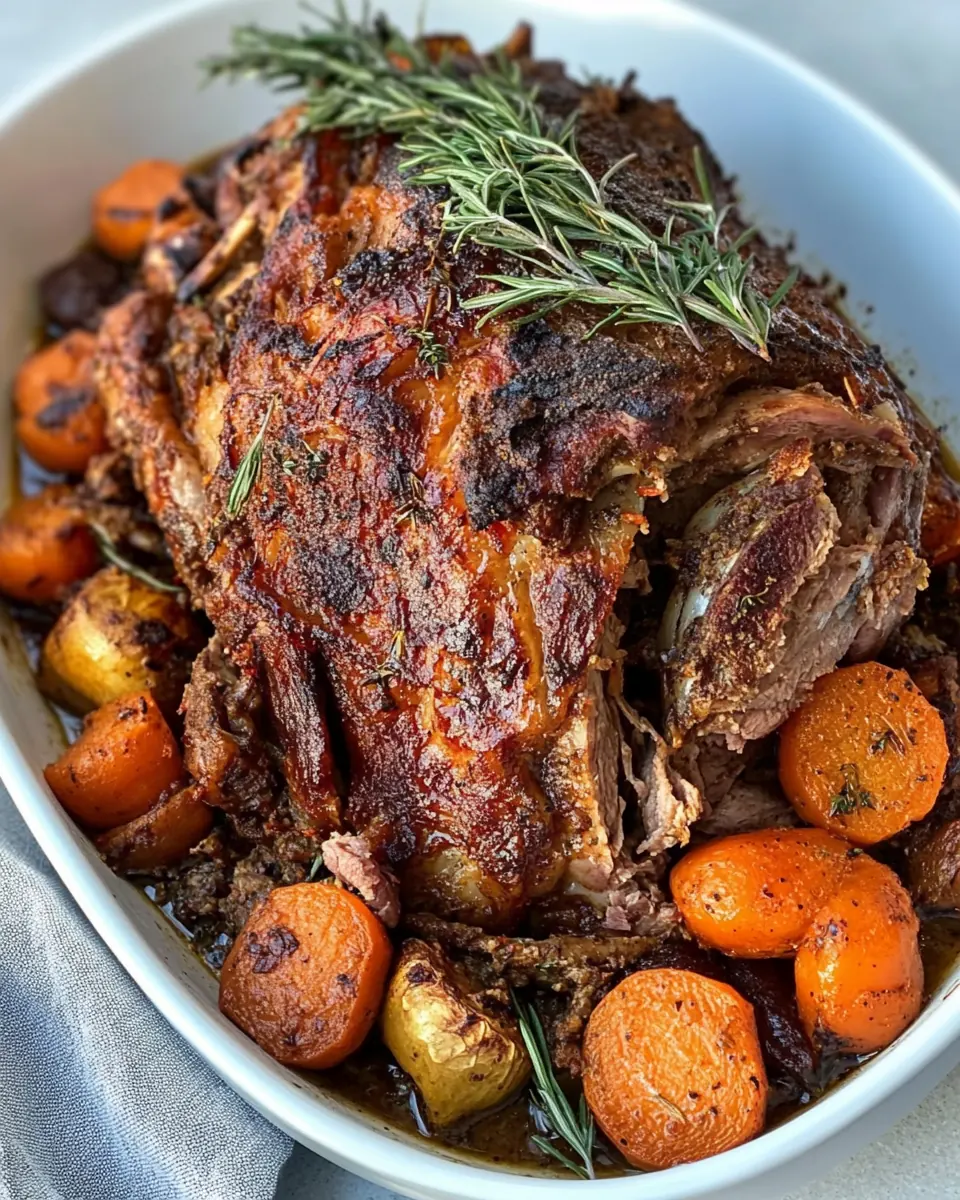
I like to keep these tips close at hand whenever I roast a leg of lamb. They help safeguard flavor, texture, and presentation, and they are the sort of small practices that turn a good roast into a reliably great one.
- Use a reliable thermometer to check internal temperature rather than guessing by time, which ensures the roast reaches the desired doneness while staying juicy.
- Pat the meat dry before oiling and seasoning so the exterior crisps up nicely and seasonings stick properly during roasting.
- Score for flavor by making slits for garlic and rosemary, which creates flavorful pockets that infuse the meat as it cooks, preventing bland sections.
- Moderate oven temperature such as 325° F helps render fat slowly for an even texture, avoiding a burnt exterior with an undercooked center.
- Purge excess juices into a small saucepan and reduce briefly if you want a more concentrated pan sauce to serve with the roast, controlling salt as you reduce.
Best Served With
This roast pairs well with a variety of sides depending on the occasion. For family dinners I like hearty, rustic sides, while for special gatherings I lean toward bright, fresh accompaniments that cut through the richness of the meat. Below are serving ideas and storage notes presented as a list you can scan while planning the meal.
- Roasted vegetables such as root vegetables that have been tossed with olive oil and herbs, roasted until tender and caramelized, complement the savory lamb.
- Mashed potatoes or a creamy potato alternative provide a comforting base that soaks up pan juices beautifully.
- Light green salad with a lemony vinaigrette offers a bright counterpoint that refreshes the palate between rich bites.
- Warm flatbreads or crusty bread are handy for sopping up the pan juices and presenting the roast family style.
- Occasion suggestions include relaxed weekend dinners, cozy fall gatherings, and special holiday meals where a showstopping main is welcome.
- Storage tips include refrigerating leftovers within two hours in an airtight container for up to four days, and slicing or shredding before storing for easier reheating.
- Seasonal pairing notes: this roast works especially well in fall when root vegetables and heartier sides are in season, offering cozy, warming combinations.
FAQ
Conclusion
This Lamb Roast stands out for its simple but layered flavor, textural contrast, and forgiving technique that yields reliably tender results. Give it a try when you want a memorable main that is both approachable and impressive, whether for a family dinner or a special gathering. The method of scoring and tucking in garlic and rosemary rewards patience with deeply infused flavor, and the roast’s flexibility with seasonings lets you make small adjustments without risking the end result. Try it once and you will find it becoming one of your go to recipes for cool evenings and celebratory tables.
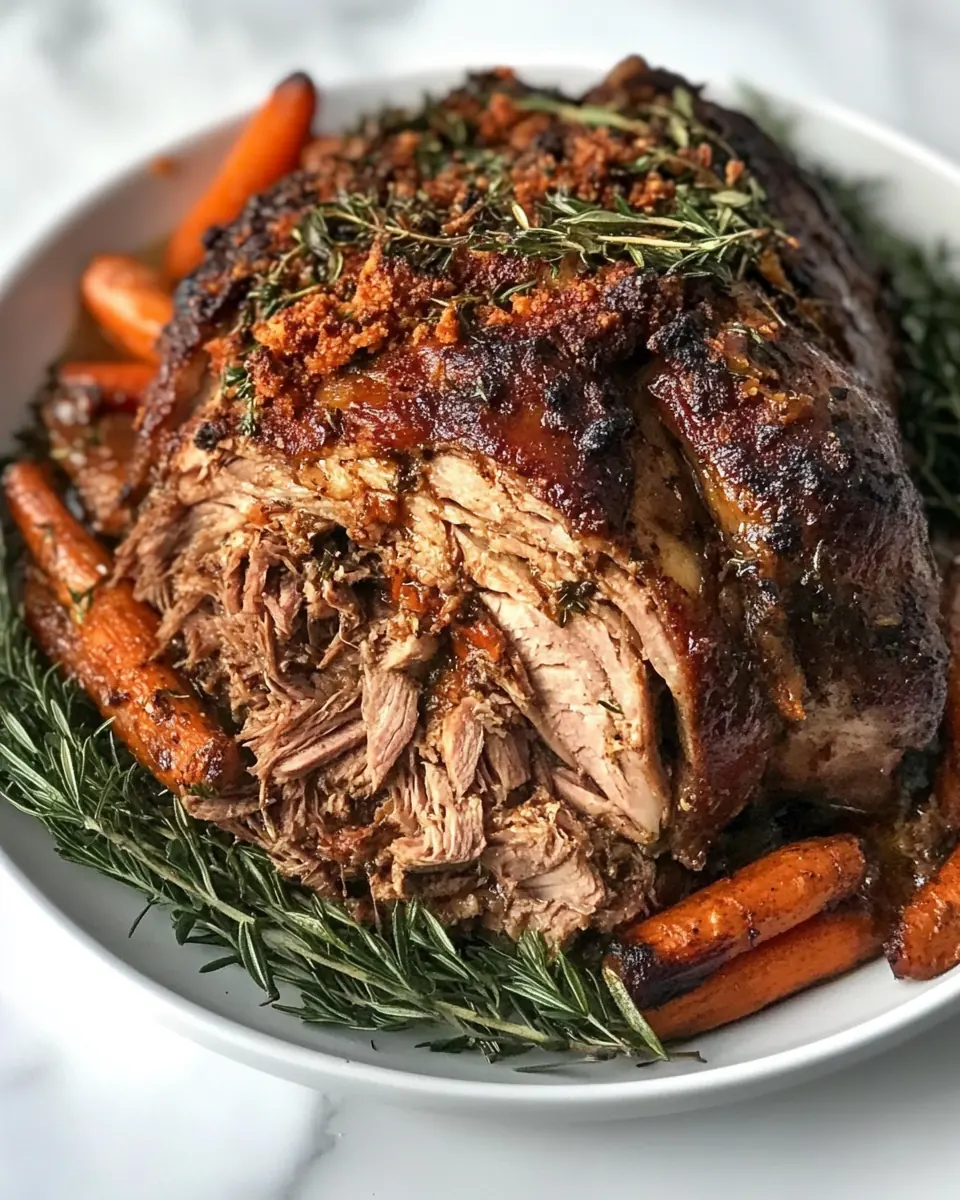
Lamb Roast
Ingredients
Equipment
Method
- Preheat oven to 325° F.: You will notice the oven warming and the air inside becoming dry and steady, which is ideal for slow roasting that produces an evenly cooked interior and a gently caramelized exterior. This moderate temperature allows the fat to render while the meat remains tender. A common mistake is starting with an oven that is too hot, which can char the outside before the center cooks.
- Remove lamb roast from packaging and remove the stretchy string netting if included. Set netting aside for later use. Pat lamb dry with towel.: The surface should feel dry and cool to the touch after patting, which helps the olive oil and seasonings adhere and promotes browning. Drying also reduces excess moisture that would steam rather than roast. Avoid skipping the patting step or the roast may not develop a crust.
- Using a paring knife, carefully score the top of the meat (fat side) by cutting slits (deep enough for your garlic pieces), making a uniform design (like a diamond pattern).: You will hear a soft slicing sound and see neat pockets form in the fat cap where the garlic and rosemary will tuck in. These channels allow aromatics to penetrate the meat as it cooks. Be careful not to cut too deep into the meat or you could cause juices to escape, resulting in drier meat.
- Rub entire roast in olive oil.: The oil should bead and coat the surface evenly, giving a slight sheen. This step helps the seasonings stick and encourages the fat to crisp during roasting. A mistake is using too little oil, which can lead to uneven browning and patchy seasoning adhesion.
- Generously salt and pepper entire roast. Add herbs and spices of your choice (I used Kirkland No-Salt Seasoning).: As you apply the seasonings, you will smell the pepper and herbs blooming against the warm oil. Even seasoning ensures each bite is well flavored from edge to center. Overdoing salt can make the roast too salty, so measure thoughtfully.
- Place roughly chopped garlic pieces into each slit.: When you press the garlic into the slits, you will feel a slight resistance and then a snug fit. During cooking, the garlic will soften and mellow, releasing sweet roasted notes into the surrounding meat. Avoid inserting too large pieces that might not roast through, leaving a raw center.
- Place rosemary sprigs into as many slits as you can, depending on how much you have/how large they are.: The fragrant oils from the rosemary will perfume the roast as it heats, and small amounts will suffuse the meat with herbal complexity. If you cram too many sprigs into a single area, the herb flavor can become overpowering, so distribute them evenly.
- Gently place string netting back around the lamb leg or tie with butcher twine to retain its "roast" shape.: Securely binding the roast ensures even cooking and a uniform presentation. The roast should feel snug but not overly compressed. Tying too tightly can restrict heat penetration and impede even cooking.
- Place lamb directly on roasting pan rack fat side up.: You should hear the roast settle onto the rack and see air circulating underneath, which encourages even heat flow. The fat side up placement allows rendered fat to baste the meat during cooking. Placing the roast too low in the pan or fat side down can prevent proper self-basting.
- Pour the chicken broth into the bottom of the roasting pan to prevent juices from burning.: Pour until you see a shallow pool at the pan bottom that will catch drips and create a base for pan juices. As it heats, the broth will steam slightly and pick up caramelized bits, yielding a flavorful jus. Too much liquid will steam the roast and hinder crust development.
- Bake uncovered for about 2 hours* or until internal temperature reaches 170° F.*Bake for about 30 minutes per pound for fall apart tender results.: During this long roast you will notice the surface slowly darkening and the aroma becoming richer and more savory. The moderate oven heat allows the fat to render slowly, keeping the interior juicy while creating a browned exterior. A common issue is removing the roast too early without checking temperature, which leads to undercooked center. Rely on an instant read thermometer for accuracy.
- Let rest for 15 minutes before shredding/slicing. Serve with pan juices.: After removing from the oven the roast will go quiet and the juices will redistribute, which you can sometimes hear as a faint settling. Resting preserves moisture so slices or shredded pieces remain juicy. Cutting too soon causes juices to run out, making the meat drier than intended.
Notes
- Use a reliable thermometer to check internal temperature rather than guessing by time, which ensures the roast reaches the desired doneness while staying juicy.
- Pat the meat dry before oiling and seasoning so the exterior crisps up nicely and seasonings stick properly during roasting.
- Score for flavor by making slits for garlic and rosemary, which creates flavorful pockets that infuse the meat as it cooks, preventing bland sections.
- Moderate oven temperature such as 325° F helps render fat slowly for an even texture, avoiding a burnt exterior with an undercooked center.
- Purge excess juices into a small saucepan and reduce briefly if you want a more concentrated pan sauce to serve with the roast, controlling salt as you reduce.