5 Minute Almond Cake
5 Minute Almond Cake is the little wonder I turn to when I need something sweet that still feels special. I remember the first time I baked this, arriving home from a long day and wanting a treat that would not demand a huge time investment. I pulled together a few pantry staples, warmed the kitchen with the scent of butter and almonds, and before I knew it we were sharing tender slices while laughing about the day. That evening stuck with me because this cake felt like a warm, tiny celebration you can create on a weeknight.
Over the years I have refined how I make 5 Minute Almond Cake so the crumb comes out tender and the almond aroma sings without overpowering. I like to think of it as comfort that is both humble and a touch elegant, thanks to the sliced almonds on top and a dusting of powdered sugar. When friends stop by unexpectedly, this is the recipe I trust to make us feel welcome. It takes minimal effort, and it lets the simple flavors of butter, eggs, flour, and sugar do the heavy lifting.
Recipe Snapshot
40 mins
10 mins
30 mins
Easy
250 kcal
American
Gluten-Free, Low FODMAP
Desserts
Oven, 9 inch round cake pan, Mixing bowl, Whisk, Wire rack
Why This 5 Minute Almond Cake Stands Out
Quick Yet Impressive
I love that 5 Minute Almond Cake delivers an impressive result with almost no fuss. When I want to wow guests without spending hours, this cake is my go to. The texture is tender, and the finish looks polished with sliced almonds and a dusting of powdered sugar.
Simple Pantry Ingredients
One reason I keep making this is the ingredient list, which reads like pantry comfort. With staples such as butter, flour, sugar, and eggs, you rarely need a special shopping trip. I find that using good quality almond extract makes the flavor sing even with minimal ingredients.
Reliable and forgiving
This cake is forgiving of small mistakes, which is why I recommend it to busy cooks. I once overmixed a batter in a rush and the cake still came out pleasant and tender, though not as airy. Because it is simple, small technique tweaks like gentle mixing and watching the bake time make a big difference.
Versatile for occasions
Whether it is a casual afternoon treat, a low fuss dessert after dinner, or something to bring to a small gathering, 5 Minute Almond Cake fits many roles. I like to serve it with tea in the afternoon or a bowl of fruit in the morning, and it always feels appropriate.
Comforting almond aroma
Almond flavor is subtle and comforting, not cloying. The almond extract paired with toasted sliced almonds gives a rounded aroma that makes the whole kitchen smell inviting. That fragrance alone convinces me this recipe will be made again and again.
What’s In This 5 Minute Almond Cake
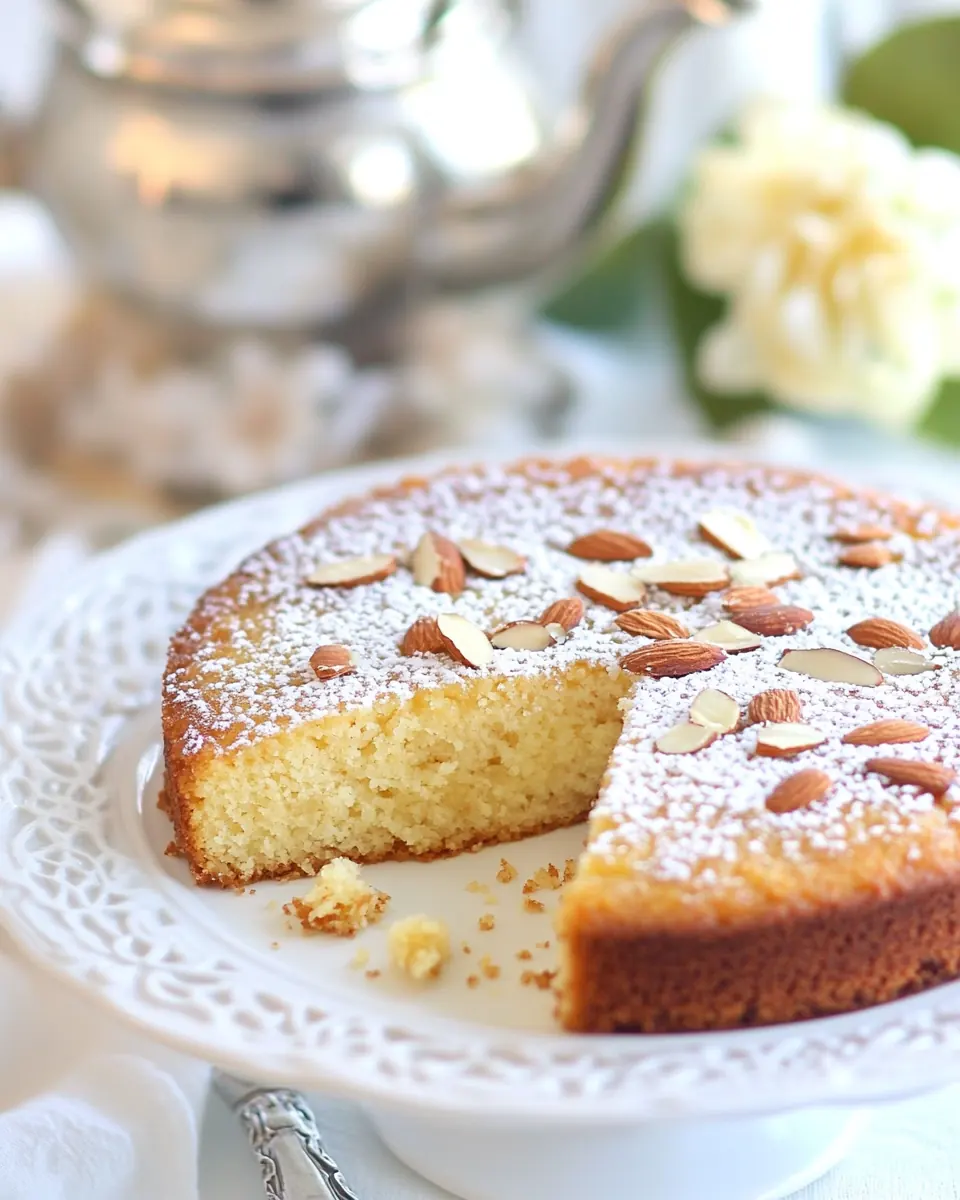
I approach the ingredients for 5 Minute Almond Cake like assembling a small team where each player has a clear job. The base trio of flour, sugar, and butter builds structure and sweetness, eggs bring lift and moisture, and a touch of almond extract gives the distinctive character that defines the cake. Sliced almonds add texture on top, while powdered sugar finishes it with a delicate look. Together they make a straightforward batter that bakes into a tender, flavorful cake.
- 1/2 cup butter, melted: Provide richness and moisture to the batter while contributing a tender crumb; melted state helps incorporate quickly with no creaming required. Use at room temperature before melting to ensure even distribution and prevent greasiness in finished cake.
- 2 eggs: Add structure and lift by trapping air during mixing; eggs also bind ingredients and contribute to a smooth, cohesive batter. Separate whisking or gentle folding can adjust cake density and create a lighter texture if desired.
- 1 cup flour: Contribute bulk, structure, and gluten that support the cake as it sets; all-purpose flour helps create a tender yet stable crumb. Sift or whisk before mixing to remove lumps and ensure even hydration.
- 1 cup sugar: Provide sweetness and help with browning and caramelization during baking while contributing to tenderization of the crumb. Be sure to measure correctly and dissolve sufficiently into wet ingredients for a uniform texture.
- 2 tsp almond extract: Impart concentrated almond flavor and aroma that defines the cake’s profile; a small amount goes a long way so balance carefully with other flavors. Add during mixing to evenly distribute the nutty essence throughout the batter.
- 2 tbsp sliced almonds: Add crunch and a toasted almond note when sprinkled on top or folded in; sliced almonds also provide visual appeal and texture contrast. Toast lightly before using to enhance flavor and prevent sogginess from residual moisture.
- powdered sugar: Contribute a delicate finish and additional sweetness when dusted over the cooled cake; powdered sugar also enhances presentation by creating a light, snowy appearance. Apply just before serving to maintain a fresh visual appeal and prevent melting into the cake.
Step by Step Guide for 5 Minute Almond Cake
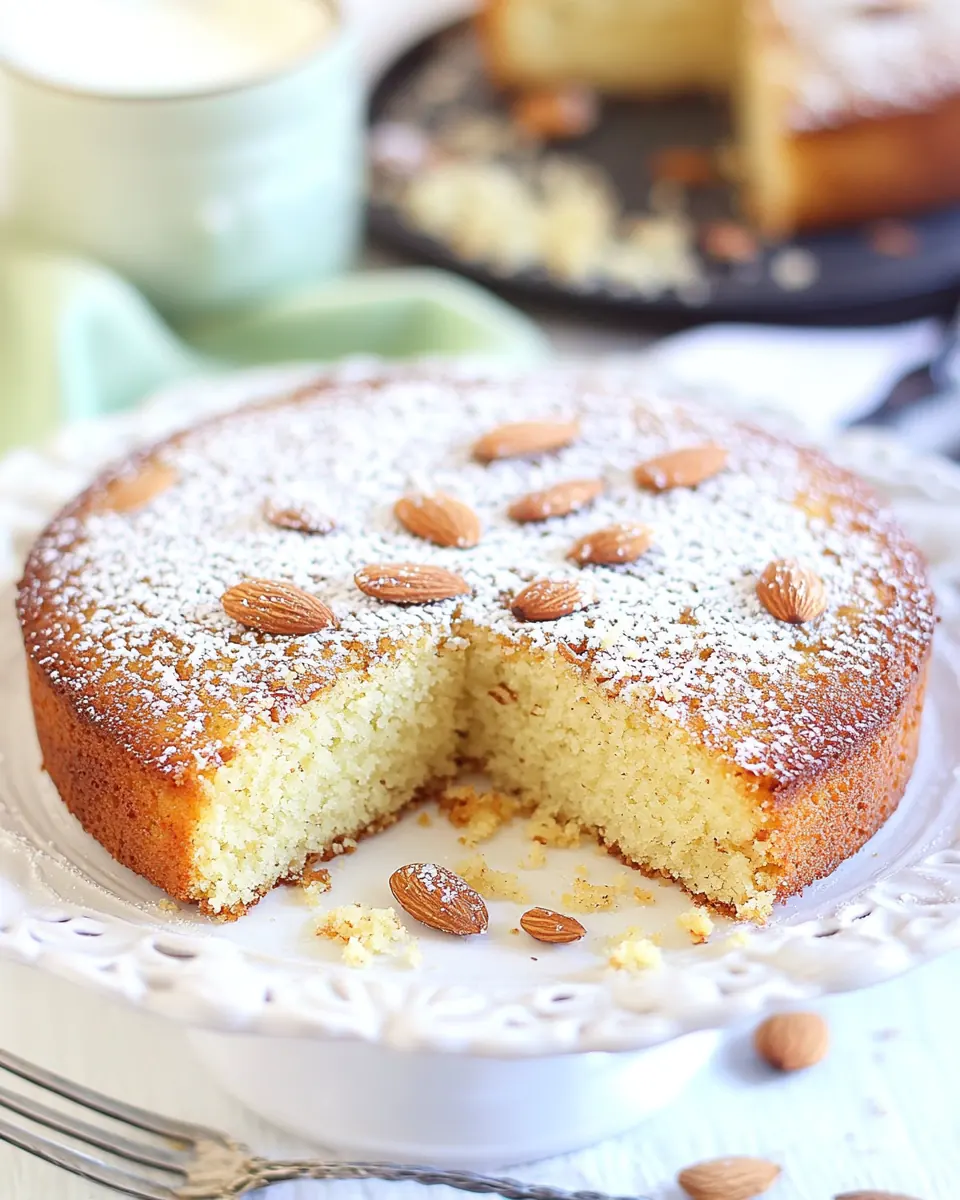
This recipe is straightforward, and I like to walk you through the steps the way I do them, with small sensory cues and what to watch for. The directions that follow are the backbone of how I coax the best texture and flavor from the simple batter.
- Preheat the oven to 350 degrees. Lightly grease a 9-inch round cake pan, set aside.: The oven needs to be uniformly warm so the cake rises evenly and develops a light crust. You should feel a gentle heat when you open the oven, and the preheat signal on modern ovens usually helps, but I often wait five extra minutes after the indicator to ensure stability. Visually, the internal oven light will show no cold spots around the rack. A common mistake is placing the pan too low, which can brown the bottom too quickly; position the rack in the center for even heat.
- Whisk eggs and melted butter. Stir in flour, sugar, and almond extract, mixing well. Pour batter into cake pan and sprinkle with sliced almonds.: Greasing the pan prevents sticking and helps release the cake cleanly, leaving a lovely edge. I swirl softened butter or use a baking spray and then lightly dust with flour, tapping out the excess. The surface should look evenly coated, not glistening with pools of oil. If you skip this step, the cake may adhere to the sides, tearing when you try to remove it. Using parchment on the bottom is another safe option for a perfect release.
- Bake for 25-35 minutes, until a toothpick comes out clean. Cool and sprinkle with powdered sugar.: At this stage you will notice the butter adds a glossy sheen to the eggs , and the mixture takes on a fragrant, rich aroma. Whisk until the combination is smooth and slightly foamy, which indicates air has been incorporated for lift. The mixture should be homogenous with no visible streaks. If the butter is too hot it will begin to cook the eggs and create small cooked bits, so aim for warm rather than hot butter. A frequent error is rushing and ending up with separated or curdled texture.
- Stir in flour, sugar, and almond extract, mixing well: When you add the dry flour and sugar , and the almond extract , the batter will thicken and take on a sweet, nutty perfume. I fold gently until the flour is fully hydrated and there are no dry streaks, using smooth, patient strokes rather than aggressive stirring. Look for a batter that is cohesive and has a ribbon like flow as you lift the spoon. Overmixing after adding the flour is a common issue that can lead to a tougher crumb, so stop as soon as the ingredients are combined.
- Pour batter into cake pan and sprinkle with sliced almonds: The batter should pour smoothly and settle into the pan without large air pockets. Once poured, sprinkle the sliced almonds evenly across the top so they toast nicely while the cake bakes. The almonds will sizzle softly and take on a golden color, releasing a warm nutty scent. If you heap them in one spot, they can brown unevenly, so spread them out for balance. Pressing them lightly keeps them from falling off the finished slices.
- Bake for 25 to 35 minutes, until a toothpick comes out clean: As the cake bakes you will first notice the top set and gain a gentle golden color, and the almond aroma will become more pronounced. The center should spring back slightly when touched and a toothpick inserted in the middle should come out clean or with a few moist crumbs, not wet batter. Oven temperatures vary, so start checking around 25 minutes to avoid overbaking. A common error is leaving the cake too long which dries out the crumb; remove it promptly once it passes the toothpick test.
- Cool and sprinkle with powdered sugar: Cooling is essential so the crumb firms and slices cleanly, and powdered sugar stays delicate on the surface. Let the cake rest in the pan for a short time, then transfer to a wire rack to finish cooling. You should feel the cake transition from warm and slightly soft to a stable texture that is easy to slice. If you dust powdered sugar too soon while the cake is still warm, it will melt and lose its decorative look. A typical mistake is slicing too hot, which can create a gummy texture; wait until it is comfortable to touch.
How to Switch It Up
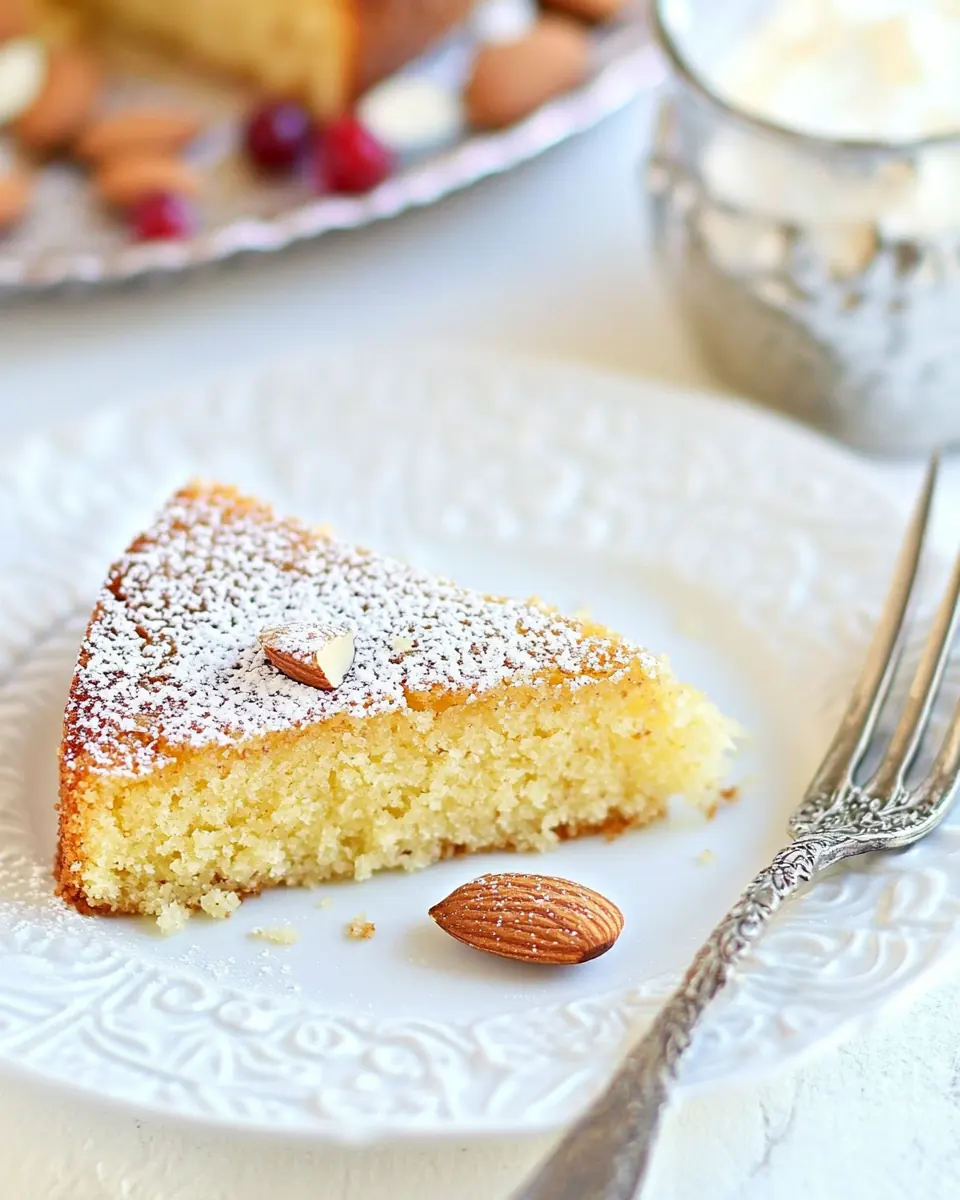
I like to keep variations simple, small changes that shift texture or flavor without complicating the method. Below are practical ways I switch the recipe when I want a slightly different mood or presentation, each expanded into a helpful tip.
- Enhance the almond aroma by adding a touch more almond extract cautiously, because extracts are potent and can become sharp if overused.
- Toasted nut topping try briefly toasting the sliced almonds in a dry skillet before sprinkling, which intensifies their flavor and delivers extra crunch.
- Swap sweeteners carefully if you ever need to alter the sweetness, understand it can change texture; for instance, substituting part of the sugar with a liquid sweetener affects moisture and browning.
- Pan size adjustments use a 9 inch round as directed for best depth, but if you change pans monitor baking time because a larger or smaller pan will alter how heat reaches the center.
- Presentation upgrade dust with powdered sugar through a fine sieve or add a few whole toasted almonds on top for a more finished look when serving guests.
Serving Suggestions
This cake is versatile, and the serving approach can shift its role from tea time to a light dessert. Below I outline ways I like to present it for different occasions, storage notes, and pairings to make the most of its tender crumb and almond aroma.
- Afternoon tea serve slices slightly warm with a cup of tea or coffee to highlight the buttery and almond notes.
- Casual dessert present the cake as a simple finish to weeknight dinners, sliced modestly and dusted with powdered sugar.
- Small gatherings arrange slices on a platter with a few extra toasted sliced almonds scattered for texture and a pretty look.
- Storage keep the cake in an airtight container at room temperature for up to two days, or refrigerate for longer, bringing to room temperature before serving to soften the crumb.
- Seasonal pairing I enjoy this cake year round, pairing it with fresh berries in summer or a warm spiced tea in cooler months for contrast.
FAQ
Conclusion
What makes this recipe special is its ability to feel both effortless and a little elegant, thanks to the almond flavor and a crunchy almond topping. I encourage you to give it a try the next time you want a quick, comforting dessert that does not require elaborate ingredients or technique. It rewards simple attention with a tender crumb and warm aroma, and it often becomes a favorite because it is reliably good and easy to prepare.
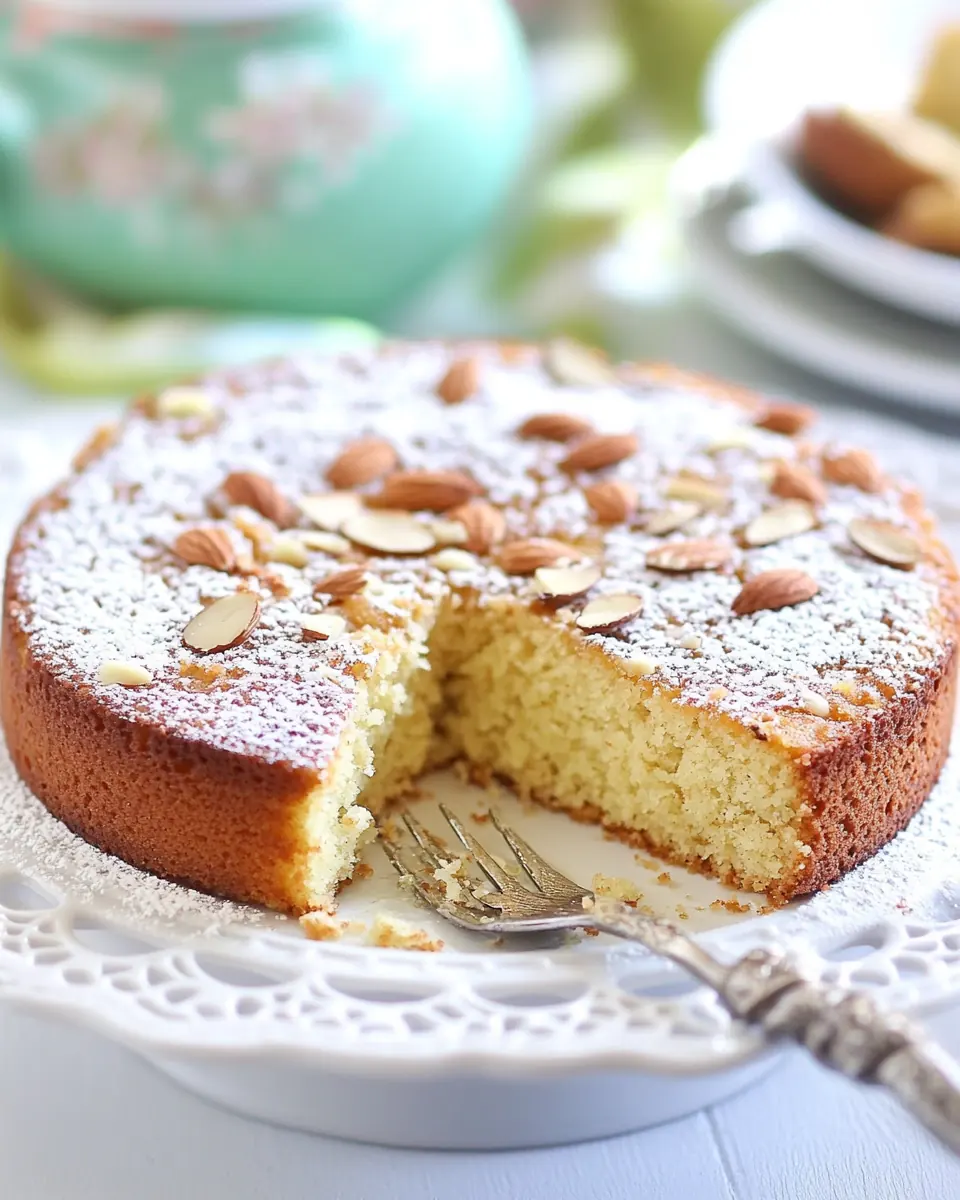
5 Minute Almond Cake
Ingredients
Equipment
Method
- Preheat the oven to 350 degrees. Lightly grease a 9-inch round cake pan, set aside.: The oven needs to be uniformly warm so the cake rises evenly and develops a light crust. You should feel a gentle heat when you open the oven, and the preheat signal on modern ovens usually helps, but I often wait five extra minutes after the indicator to ensure stability. Visually, the internal oven light will show no cold spots around the rack. A common mistake is placing the pan too low, which can brown the bottom too quickly; position the rack in the center for even heat.
- Whisk eggs and melted butter. Stir in flour, sugar, and almond extract, mixing well. Pour batter into cake pan and sprinkle with sliced almonds.: Greasing the pan prevents sticking and helps release the cake cleanly, leaving a lovely edge. I swirl softened butter or use a baking spray and then lightly dust with flour, tapping out the excess. The surface should look evenly coated, not glistening with pools of oil. If you skip this step, the cake may adhere to the sides, tearing when you try to remove it. Using parchment on the bottom is another safe option for a perfect release.
- Bake for 25-35 minutes, until a toothpick comes out clean. Cool and sprinkle with powdered sugar.: At this stage you will notice the butter adds a glossy sheen to the eggs , and the mixture takes on a fragrant, rich aroma. Whisk until the combination is smooth and slightly foamy, which indicates air has been incorporated for lift. The mixture should be homogenous with no visible streaks. If the butter is too hot it will begin to cook the eggs and create small cooked bits, so aim for warm rather than hot butter. A frequent error is rushing and ending up with separated or curdled texture.
- Stir in flour, sugar, and almond extract, mixing well: When you add the dry flour and sugar , and the almond extract , the batter will thicken and take on a sweet, nutty perfume. I fold gently until the flour is fully hydrated and there are no dry streaks, using smooth, patient strokes rather than aggressive stirring. Look for a batter that is cohesive and has a ribbon like flow as you lift the spoon. Overmixing after adding the flour is a common issue that can lead to a tougher crumb, so stop as soon as the ingredients are combined.
- Pour batter into cake pan and sprinkle with sliced almonds: The batter should pour smoothly and settle into the pan without large air pockets. Once poured, sprinkle the sliced almonds evenly across the top so they toast nicely while the cake bakes. The almonds will sizzle softly and take on a golden color, releasing a warm nutty scent. If you heap them in one spot, they can brown unevenly, so spread them out for balance. Pressing them lightly keeps them from falling off the finished slices.
- Bake for 25 to 35 minutes, until a toothpick comes out clean: As the cake bakes you will first notice the top set and gain a gentle golden color, and the almond aroma will become more pronounced. The center should spring back slightly when touched and a toothpick inserted in the middle should come out clean or with a few moist crumbs, not wet batter. Oven temperatures vary, so start checking around 25 minutes to avoid overbaking. A common error is leaving the cake too long which dries out the crumb; remove it promptly once it passes the toothpick test.
- Cool and sprinkle with powdered sugar: Cooling is essential so the crumb firms and slices cleanly, and powdered sugar stays delicate on the surface. Let the cake rest in the pan for a short time, then transfer to a wire rack to finish cooling. You should feel the cake transition from warm and slightly soft to a stable texture that is easy to slice. If you dust powdered sugar too soon while the cake is still warm, it will melt and lose its decorative look. A typical mistake is slicing too hot, which can create a gummy texture; wait until it is comfortable to touch.
Notes
- Enhance the almond aroma by adding a touch more almond extract cautiously, because extracts are potent and can become sharp if overused.
- Toasted nut topping try briefly toasting the sliced almonds in a dry skillet before sprinkling, which intensifies their flavor and delivers extra crunch.
- Swap sweeteners carefully if you ever need to alter the sweetness, understand it can change texture; for instance, substituting part of the sugar with a liquid sweetener affects moisture and browning.
- Pan size adjustments use a 9 inch round as directed for best depth, but if you change pans monitor baking time because a larger or smaller pan will alter how heat reaches the center.
- Presentation upgrade dust with powdered sugar through a fine sieve or add a few whole toasted almonds on top for a more finished look when serving guests.