Chicken Soup
Chicken Soup has been my go to any time I need comfort, clarity, or a simple family meal that brings everyone to the table.
Some of my earliest kitchen memories involve simmering a pot with my grandmother, watching the steam fog the windows while she told stories and nudged me to taste the broth with a wooden spoon. Over the years I have tweaked the balance of herbs and vegetables so that the broth feels both nourishing and bright. I always start with quality chicken and a few unpretentious pantry staples, because that is where the soulful flavor begins.
When a rainy afternoon arrives or someone in the house needs a warm pick me up, I reach for this version of Chicken Soup. It is forgiving, approachable, and quietly confident, the kind of recipe that invites improvisation without demanding it. I love how the carrots sweeten the broth while the celery adds a vegetal lift, and the small handful of egg noodles turns the pot into an unpretentious dinner everyone loves. I will often let the soup sit a bit after cooking, because resting deepens the character of the stock and makes the bowl even more comforting.
Recipe Snapshot
1 hr 25 mins
15 mins
70 mins
Medium
350 kcal
American
Paleo, Gluten-Free
Soups
Large pot, Wooden spoon, Knife, Cutting board
Why Try This Chicken Soup
Hearty, nourishing comfort
I adore Chicken Soup because it feeds more than the body, it soothes the spirit. The slow simmer transforms simple ingredients into a broth that tastes like care. When I ladle it into a bowl and hand it across the table, I know everyone will feel a little better after the first warm sip.
Simple, pantry friendly ingredients
One of the charms of this recipe is how attainable it is. With chicken, basic vegetables, and chicken broth, you can build a memorable meal. I often find myself pulling these ingredients together without a shopping list, which makes this a reliable weeknight winner.
Flexible and forgiving technique
I love that the method does not demand precision. If your carrots are chunkier or the simmer runs a bit longer, the soup still turns out splendid. That flexibility makes it perfect for cooks who prefer to rely on intuition rather than a stopwatch.
Kid friendly and universally appealing
The soft egg noodles and tender shredded chicken are gentle on picky palates while still satisfying adults. I often find that having this pot on the stove guarantees dinner conversation and empty bowls at the end of the meal.
Comfort with a small gourmet touch
A final sprinkle of fresh parsley brightens the bowl and highlights how a single fresh herb can lift the whole dish. It feels like a humble upgrade that signals care without complicating the cooking.
Ingredient List for Chicken Soup
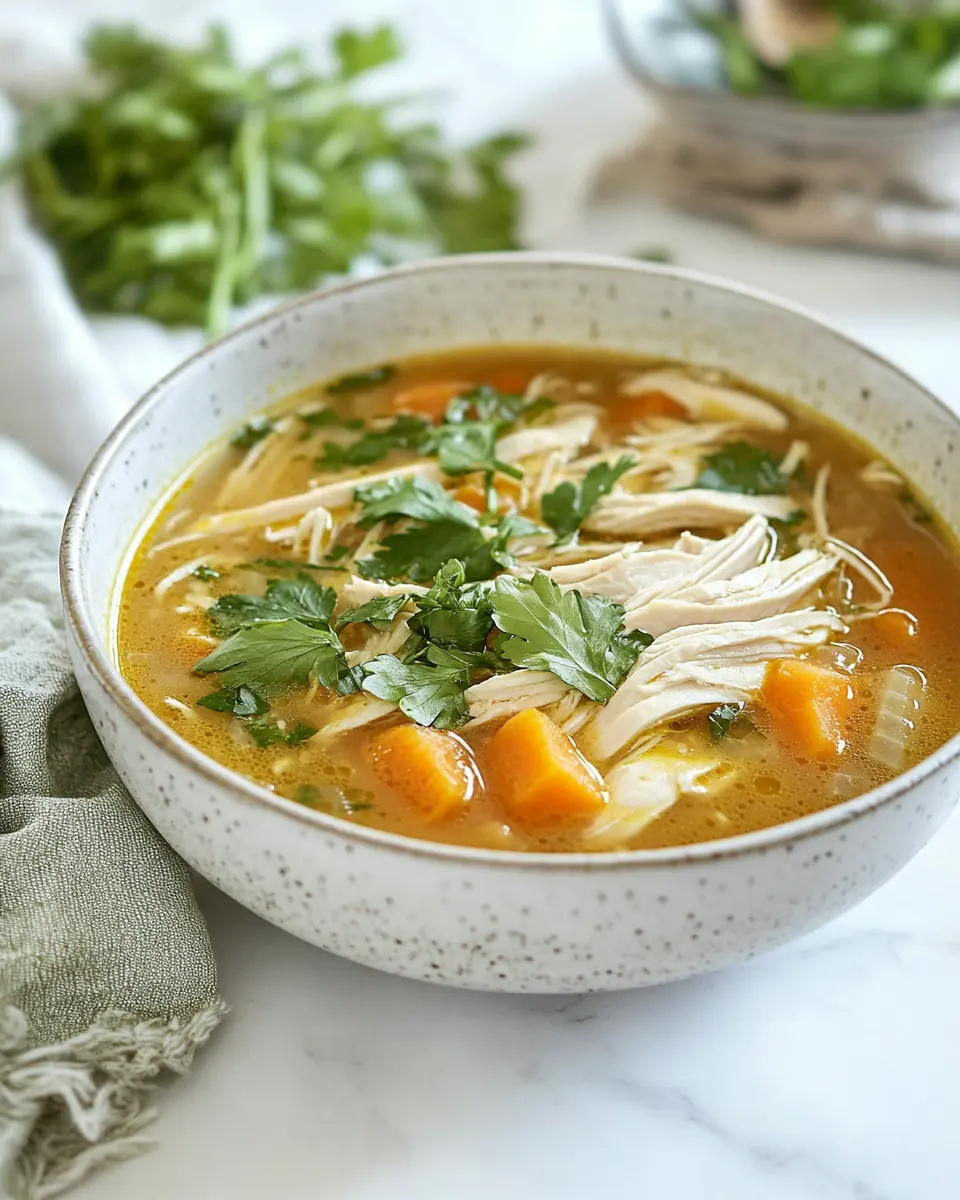
These ingredients form a simple orchestra where each player has a clear role. The stock built from whole chicken parts creates a rich foundation, while the aromatics and herbs contribute depth. The carrots and celery work together to add sweetness and vegetal backbone, and the egg noodles provide satisfying texture. Parsley finishes the bowl with a fresh, green note.
- 1 whole chicken (about 3 to 4 pounds) cut into parts: Provide rich, savory flavor and build the soup's body; cut into parts to release gelatin and collagen that enrich the broth with mouthfeel and nutrients when simmered for an extended time.
- 3 large carrots peeled and diced: Add natural sweetness and vegetal depth; peeled and diced to soften and dissolve into the broth while contributing color, texture, and subtle sweetness that complements the savory stock.
- 3 stalks celery diced: Introduce aromatic freshness and mild peppery notes; diced to distribute crunchy texture and aromatic celery flavor throughout the soup while supporting overall balance.
- 1 large onion peeled and chopped: Contribute aromatic foundation and sweet, savory depth; peeled and chopped to caramelize slightly during initial sautéing or simmering, enhancing the broth's complexity and aroma.
- 2 cloves garlic minced: Deliver pungent, savory aroma and depth of flavor; minced to release essential oils and integrate evenly into the cooking liquid for a rounded, savory profile.
- 1 teaspoon dried thyme: Impart warm, earthy herbal notes and subtle floral character; measured dried thyme infuses the broth slowly, complementing poultry and enhancing the overall savory profile.
- 1 dried bay leaf: Provide a subtle, bay-like herbal aroma and slight bitterness; added whole to steep during simmering and removed before serving to avoid overpowering the soup.
- 8 cups low-sodium chicken broth: Form the primary cooking liquid and concentrate flavor; low-sodium chicken broth supplies a savory base while allowing better control of final seasoning.
- Salt to taste: Enhance overall taste by balancing and elevating flavors; added to taste near the end of cooking to adjust seasoning without overpowering delicate broth elements.
- Freshly ground black pepper to taste: Add bright, sharp heat and aroma to taste; freshly ground black pepper seasons the soup and provides a warm, slightly pungent finish when adjusted to personal preference.
- 1 cup egg noodles: Contribute body and comforting texture; egg noodles cook in the broth to absorb flavor and provide a hearty, satisfying component to the finished soup.
- 2 tablespoons fresh parsley chopped: Offer fresh herbal brightness and visual appeal; chopped parsley stirred in at the end adds a clean, green finish and lightens the overall flavor profile.
Putting Together Chicken Soup
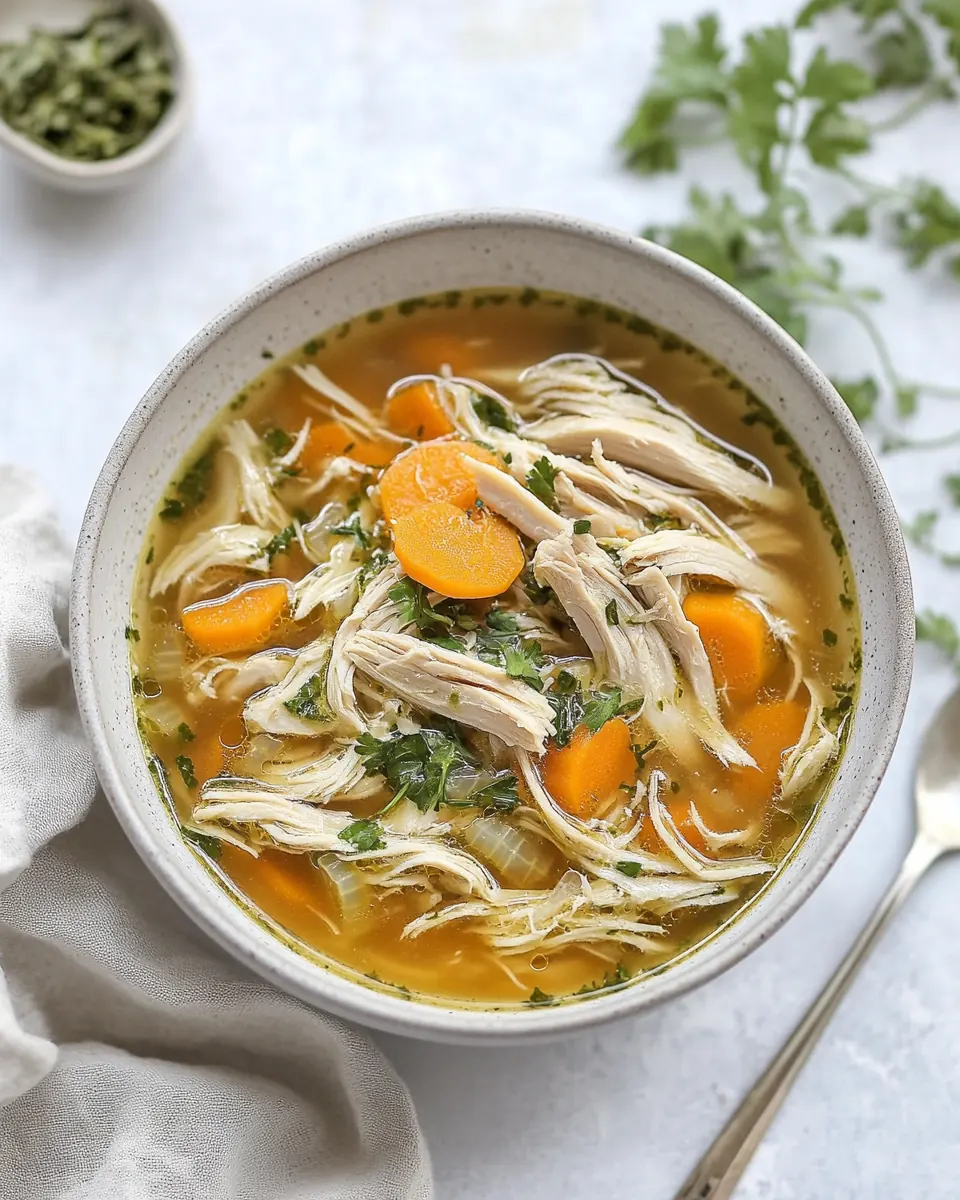
Bringing this soup together is straightforward and meditative, a sequence of gentle actions that coax flavor from humble ingredients. I like to work in stages so each element contributes fully to the final bowl.
- In a large pot, combine chicken parts, carrots, celery, onion, garlic, thyme, bay leaf, and chicken broth. Season with a big pinch of salt and pepper. Bring to a boil over medium-high heat.: The kitchen fills with an inviting aromatics as the liquid warms, you will notice soft bubbling that grows into rolling waves when it reaches a boil. This initial high heat jump starts gelatin extraction from the bones and loosens flavors from the vegetables. If you skip this early vigorous boil and keep the heat too low, the stock may take much longer to develop body. A common pitfall is starting at too low a temperature and then trying to rush the process later, which can yield a flat tasting broth.
- Once boiling, reduce heat to low and simmer for about 1 hour, or until the chicken is cooked through and the vegetables are tender. Skim off any scum that appears on the surface.: As the pot settles into a gentle simmer, you will see bits rise to the top, look for a faint foam or cloudy particles, and remove them with a spoon to maintain clarity. The slow simmer mellows the flavors and makes the chicken meat tender while allowing collagen to dissolve into the liquid, producing a silky texture. If the simmer is too aggressive the broth can cloud and become greasy. One mistake to avoid is neglecting to skim, which leaves impurities that can affect the final clarity and taste.
- Remove the chicken from the pot and let cool. Discard the bay leaf. Shred the chicken, discarding the bones and skin, and return the meat to the pot.: When you lift the pieces out, the aroma becomes sweeter and deeper. Letting the chicken cool a bit makes it safer and easier to handle, and shredding yields tender, ribbon like pieces that soak up the broth. Removing bones prevents accidental bites and keeps the texture pleasant. Be mindful as you handle the hot meat, a common slip is shredding while the meat is too hot to handle comfortably.
- Add egg noodles to the pot and simmer for an additional 10 minutes, or until the noodles are tender. Stir in fresh parsley and adjust seasoning with salt and pepper before serving.: When the egg noodles hit the warm broth, you will hear a gentle increased movement as the pasta rehydrates and expands. The aroma deepens and the bowl begins to feel complete. The noodles absorb some of the broth, so the taste becomes comforting and substantial. Stir them gently so they cook evenly and avoid clumping. Overcooking here is the most common error, leaving you with mushy pasta and a diluted texture.
Change It Up
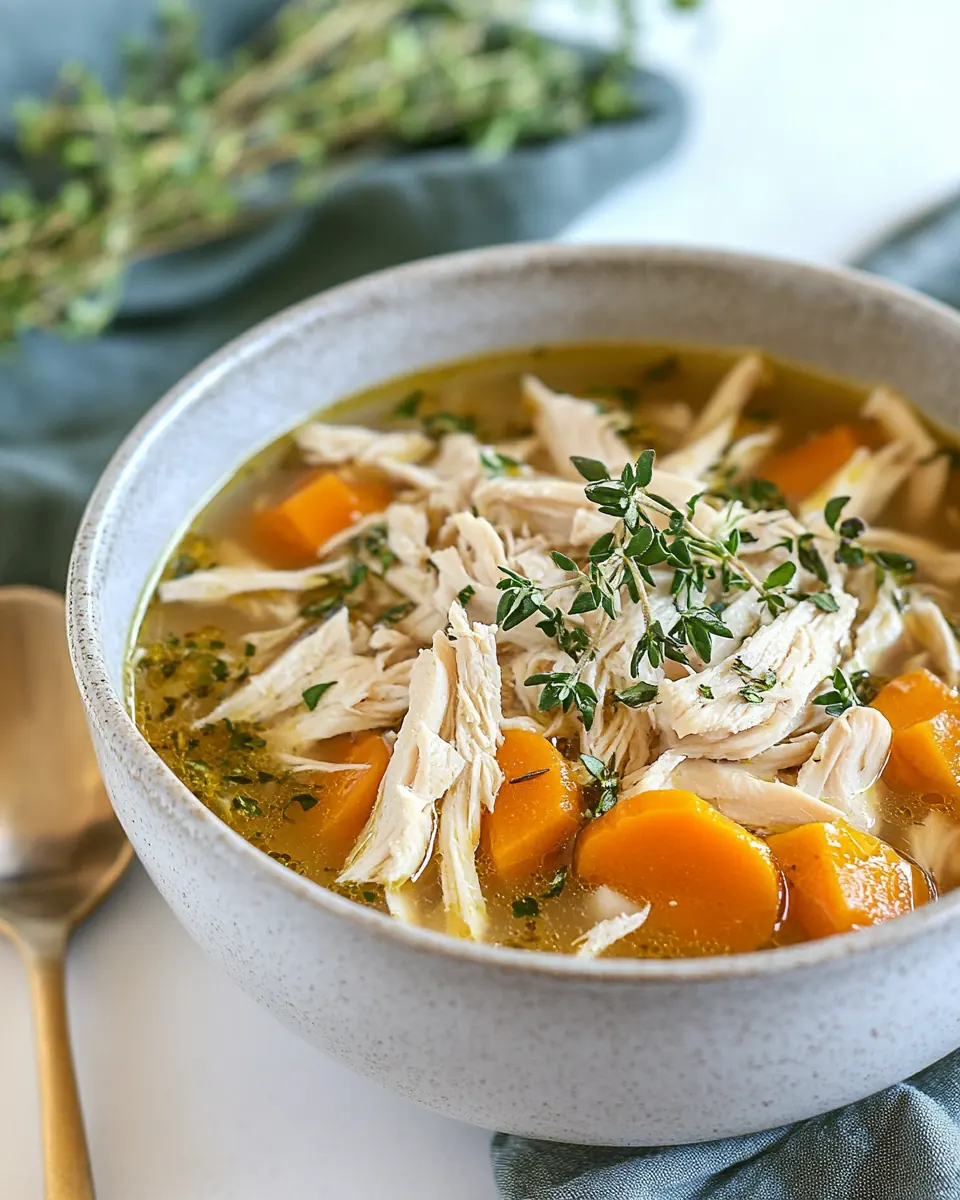
This section offers ways to tweak texture, flavor, and presentation while keeping the heart of the recipe intact. I like to keep changes practical and approachable, so each tip is something I would try in my own kitchen.
- Make it heartier: Add more egg noodles or a cup of rice near the end for a more filling bowl without altering the broth base.
- Boost the herb note: Stir in a spoonful of chopped fresh parsley right before serving for a fresh, aromatic lift.
- Adjust the texture: For a clearer broth, skim more often during the first simmer and strain the liquid before returning the shredded chicken.
- Control salt levels: Use low sodium chicken broth and finish seasoning at the end so you can dial the salt to your taste.
- Keep noodles separate: Cook egg noodles in a small pot and add them to individual bowls to prevent them from absorbing excess broth if you plan to store leftovers.
Best Served With
I like to think about serving in terms of balance and occasion. This soup is versatile enough for a cozy dinner or a restorative lunch, and the accompaniments should complement its gentle profile.
- Warm crusty bread: A slice for dipping is classic and comforting, and it soaks up the broth beautifully.
- Light salad: A simple green salad adds contrast and a crisp texture to the meal.
- Family dinner: This soup works wonderfully for an intimate weeknight meal, bringing everyone together with minimal fuss.
- Storing leftovers: Cool quickly and refrigerate, keeping the noodles separate if you plan to reheat the broth later to avoid soggy pasta.
- Seasonal pairing: Especially good in winter months when a warm bowl feels restorative and cozy.
FAQ
Conclusion
This Chicken Soup stands out because it turns modest ingredients into a bowl of warmth and comfort. The combination of a whole chicken, aromatic vegetables, and a gentle simmer yields a satisfying broth and tender pieces of meat that bring people together. Give this recipe a try when you want a reliable, soothing meal that requires minimal fuss, and enjoy the quiet joy of a homemade bowl shared with loved ones.
Chicken Soup
Ingredients
Equipment
Method
- In a large pot, combine chicken parts, carrots, celery, onion, garlic, thyme, bay leaf, and chicken broth. Season with a big pinch of salt and pepper. Bring to a boil over medium-high heat.: The kitchen fills with an inviting aromatics as the liquid warms, you will notice soft bubbling that grows into rolling waves when it reaches a boil. This initial high heat jump starts gelatin extraction from the bones and loosens flavors from the vegetables. If you skip this early vigorous boil and keep the heat too low, the stock may take much longer to develop body. A common pitfall is starting at too low a temperature and then trying to rush the process later, which can yield a flat tasting broth.
- Once boiling, reduce heat to low and simmer for about 1 hour, or until the chicken is cooked through and the vegetables are tender. Skim off any scum that appears on the surface.: As the pot settles into a gentle simmer, you will see bits rise to the top, look for a faint foam or cloudy particles, and remove them with a spoon to maintain clarity. The slow simmer mellows the flavors and makes the chicken meat tender while allowing collagen to dissolve into the liquid, producing a silky texture. If the simmer is too aggressive the broth can cloud and become greasy. One mistake to avoid is neglecting to skim, which leaves impurities that can affect the final clarity and taste.
- Remove the chicken from the pot and let cool. Discard the bay leaf. Shred the chicken, discarding the bones and skin, and return the meat to the pot.: When you lift the pieces out, the aroma becomes sweeter and deeper. Letting the chicken cool a bit makes it safer and easier to handle, and shredding yields tender, ribbon like pieces that soak up the broth. Removing bones prevents accidental bites and keeps the texture pleasant. Be mindful as you handle the hot meat, a common slip is shredding while the meat is too hot to handle comfortably.
- Add egg noodles to the pot and simmer for an additional 10 minutes, or until the noodles are tender. Stir in fresh parsley and adjust seasoning with salt and pepper before serving.: When the egg noodles hit the warm broth, you will hear a gentle increased movement as the pasta rehydrates and expands. The aroma deepens and the bowl begins to feel complete. The noodles absorb some of the broth, so the taste becomes comforting and substantial. Stir them gently so they cook evenly and avoid clumping. Overcooking here is the most common error, leaving you with mushy pasta and a diluted texture.
Notes
- Make it heartier: Add more egg noodles or a cup of rice near the end for a more filling bowl without altering the broth base.
- Boost the herb note: Stir in a spoonful of chopped fresh parsley right before serving for a fresh, aromatic lift.
- Adjust the texture: For a clearer broth, skim more often during the first simmer and strain the liquid before returning the shredded chicken.
- Control salt levels: Use low sodium chicken broth and finish seasoning at the end so you can dial the salt to your taste.
- Keep noodles separate: Cook egg noodles in a small pot and add them to individual bowls to prevent them from absorbing excess broth if you plan to store leftovers.