Chicken Fried Steak
Chicken Fried Steak is the sort of recipe that takes me back to busy Sunday afternoons at my grandmother’s house, when the smell of frying oil and warm gravy seemed to hold the whole kitchen together. I still remember the sound of the skillet as each piece hit the hot oil, a quick, satisfying sizzle that promised a crisp crust. I have a soft spot for this dish because it feels like comfort in a plate, but it also demands attention and a little technique, so it never gets boring to make.
Over the years I have played around with coatings and gravies, learning small things that make a big difference. Some versions use plain flour and an egg wash, others lean on breadcrumbs, but the combination of crushed Saltine crackers and seasoned flour gives a particular toothsome crunch that I always go back to. When I serve Chicken Fried Steak now, I think about contrasts, the crisp exterior and the tender cube steak inside, and how to get that gravy just right so it clings to every bite.
Recipe Snapshot
30 mins
10 mins
20 mins
Medium
450 kcal
American
Gluten-Free, Low FODMAP
Dinner
Large Cast Iron Pan, Fine Meshed Sieve
Why This Chicken Fried Steak Is a Winner
Crunch that holds up
I love that the coating on Chicken Fried Steak stays crisp even after sitting for a few minutes. The mix of all purpose flour and crushed Saltine crackers creates a sturdy crust that resists sogginess, so your pieces keep their texture through plating. I field-tested this on a hectic family dinner and everyone commented on how satisfying the crunch was.
Flavor with a little kick
The recipe balances simple seasoning with a touch of heat from cayenne pepper. That tiny lift wakes up the palate without overpowering the savory richness of the meat, and you can tune it to your taste. I often nudge the cayenne up when I want more personality, and the dish responds beautifully.
Quick and hands on
I appreciate that Chicken Fried Steak comes together quickly, making it perfect for an easy weeknight dinner when you still want something special. The active prep keeps me engaged, and the payoff is immediate a hot, golden crust and a silky, peppered gravy. It is a comforting project that rewards attention.
Versatile, crowd pleasing
This dish travels well to gatherings, because the components are familiar yet satisfying. Whether you are feeding a family or a few friends, the portions scale easily, and the technique is forgiving. I once made it for a potluck and the leftovers were the first to go the next day.
Simple pantry heroes
What I really admire about Chicken Fried Steak is how pantry staples like eggs, all purpose flour, and Saltine crackers transform into something decadent. That kind of magic in a handful of ingredients is exactly why this recipe lives in my regular rotation.
Ingredients to Make Chicken Fried Steak
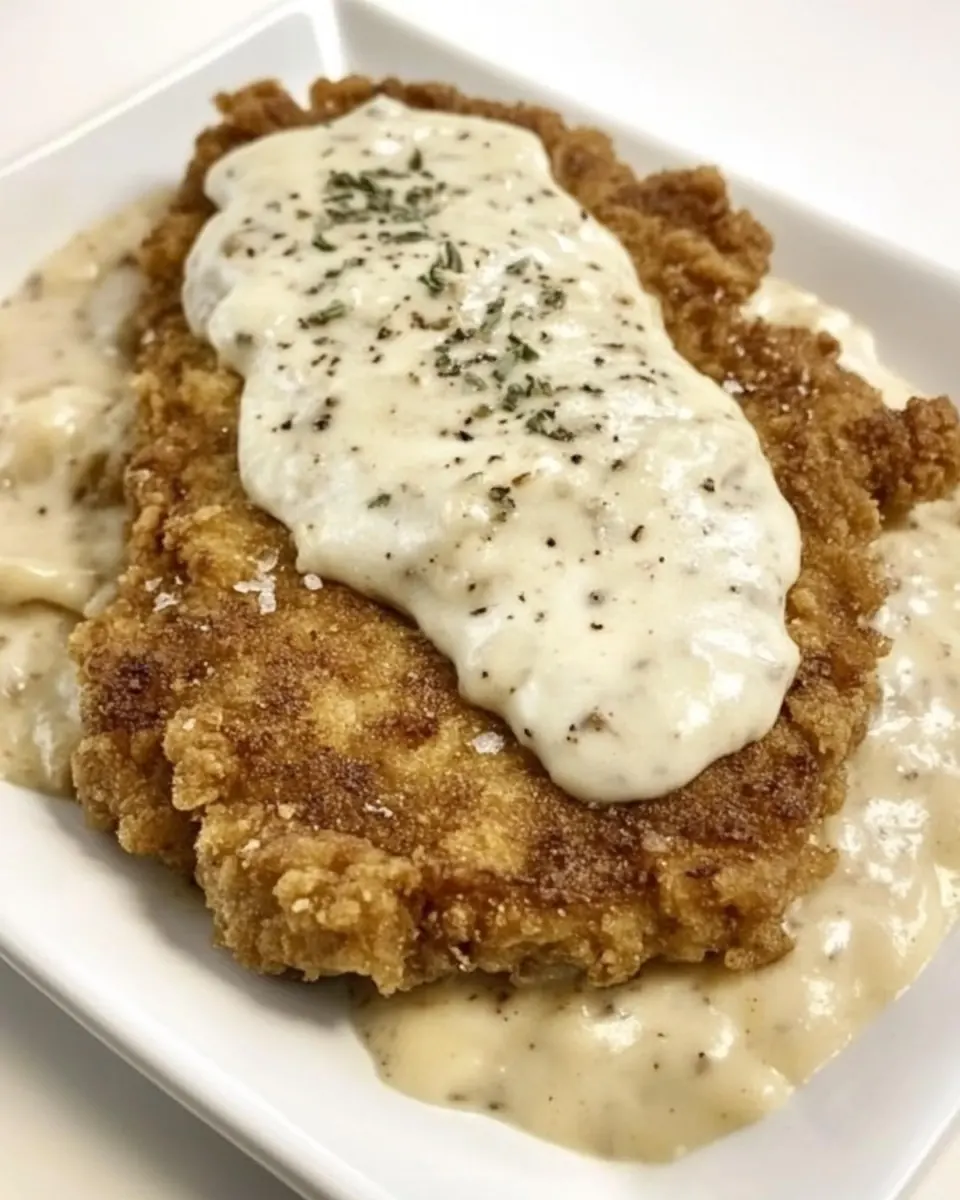
These ingredients come together for a classic, textural experience. The key players are the tender cube steak, the crisping agents like all purpose flour and crushed Saltine crackers, and the wet binders such as eggs and milk. Each element pulls its weight to create a crunchy crust that contrasts with juicy meat and a creamy gravy that rounds everything out.
- 6 pieces cube steak, about 2 pounds: Tenderize and serve as the main protein for the dish; cube steak provides a thin, quick-cooking base that absorbs seasoning and breading well. Pound lightly if needed to even thickness, ensuring consistent frying and a tender bite. Offer a hearty texture that pairs with creamy gravy and crisp coating.
- salt and pepper: Season generously to enhance overall flavor; salt and pepper are essential for bringing out the meat's natural taste. Sprinkle on both sides before and after breading to create balanced seasoning throughout. Adjust quantities to personal preference and dietary needs.
- 1 cup all purpose flour, divided: Coat and dredge to form the initial dry layer for breading; reserve half for finishing the gravy. Use the divided flour to help egg wash and cracker crumbs adhere and to thicken pan drippings into gravy. Choose all-purpose for reliable texture and consistency.
- 25 Saltine crackers, crushed: Crunch and add savory depth to the breading; crushed Saltine crackers create a crispy exterior with a mild, buttery flavor. Mix with flour and seasonings to achieve an even, golden crust when fried. Ensure crackers are finely crushed for uniform coverage.
- 1 teaspoon seasoned salt: Season and boost savory flavor in the breading mix; seasoned salt contributes a balanced mix of spices and saltiness. Combine with other spices to build a well-rounded crust profile. Use sparingly if also using additional salt to avoid over-salting.
- 1/4 teaspoon cayenne pepper: Spice and add mild heat to the coating blend; cayenne pepper provides a subtle kick that complements savory flavors. Incorporate into the cracker and flour mix to distribute heat evenly without overwhelming the dish. Adjust amount to taste for desired spiciness.
- 2 eggs: Bind and moisten the breading mixture when beaten; eggs create a sticky layer that helps crumbs adhere to the steak. Whisk together with milk to form an effective dredging bath for even coating. Ensure eggs are fully beaten for consistent coverage.
- 1/3 cup milk: Thin and enrich the egg wash; milk loosens the beaten eggs to create a smooth dredging liquid that helps breadcrumbs stick. Use whole or reduced-fat milk depending on desired richness; combine thoroughly with eggs. Keep chilled until ready to use.
- Vegetable oil: Fry and render to achieve a golden, crispy crust; vegetable oil provides a neutral-flavored medium suitable for high-temperature frying. Heat to proper frying temperature and maintain to cook steaks evenly without absorbing excess oil. Choose an oil with a high smoke point for best results.
- 1/4 cup all-purpose flour: Thicken and finish pan gravy by whisking into drippings; additional all-purpose flour helps create a roux when combined with fat. Cook briefly to remove raw flour taste, then slowly whisk in milk to reach desired gravy consistency. Use measured amount to control thickness.
- 1 1/2 to 2 cups whole milk: Enrich and create a creamy country gravy; whole milk adds richness and a smooth texture when combined with roux and pan drippings. Slowly whisk into cooked flour and fat until thickened, seasoning to taste with salt and pepper. Adjust quantity to achieve preferred gravy consistency.
How to Prepare Chicken Fried Steak
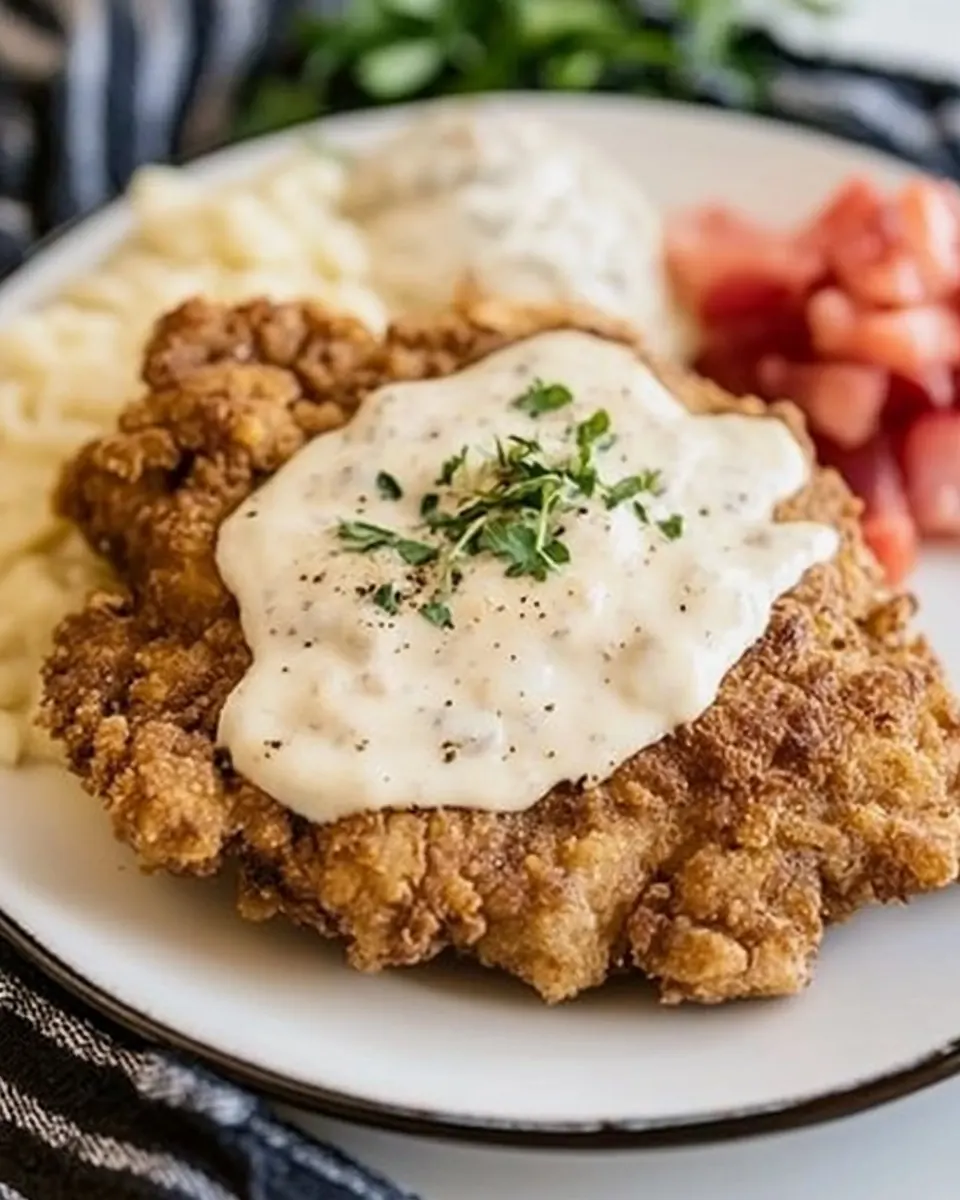
These directions are straightforward but rewarding. I like to move deliberately through each stage, paying attention to texture and temperature, so the final plates have crisp crusts and silky gravy. Keep your mise en place ready and a thermometer nearby if you want precise heat control.
- Season cubed steak lightly with salt and pepper.: The initial salt and pepper give the cube steak its base layer of flavor, and you should notice an immediate savory aroma against the raw meat. Light seasoning prevents the finished steak from tasting flat, and it helps create a seasoned crust when combined with the dredges. A common mistake is over salting, which can make the final dish too salty after the gravy is seasoned, so season with restraint and taste your gravy before final adjustments.
- Place 1/2 cup flour on a plate.: Having the all purpose flour ready on a plate allows for quick, dry dredging that presents a matte, slightly powdery surface for the egg wash to bite into. This creates a rough texture that helps the next layers adhere. If the flour becomes clumpy or damp, replace it, because clumped flour will not produce an even crust and can lead to uneven browning.
- Mix remaining 1/2 cup flour, Saltine crumbs, seasoned salt, and cayenne pepper in a shallow bowl.: Combining the dry crust components creates a balanced, aromatic mixture that will brown deeply and deliver both crispness and flavor. You should be able to see the flecks of cracker crumbs and smell the warm spice of the seasoned salt and cayenne. If you skip mixing them thoroughly, pockets of spice or crumbs can concentrate and create uneven taste or texture, so be sure the components are well blended.
- Whisk together eggs and 1/3 cup milk in another shallow bowl.: The egg and milk mixture should look smooth and slightly frothy when whisked. This glossy wash is essential because it hydrates the flour on the steak and acts like glue for the cracker crumb blend. If the eggs are not well beaten, the mixture can coat inconsistently, leading to bare spots in the crust, so whisk until uniform.
- Dredge cubed steak in flour, dip in egg mixture, and then coat with Saltine mixture.: After the initial dry dredge the surface will take on a faint dusting, which helps the egg adhere. Once dipped in the egg mixture the exterior becomes tacky, and the final coating of cracker mixture should cling evenly. Press gently so the crumbs adhere but avoid compacting them too much, otherwise the crust becomes heavy and bready rather than crisp. One mistake is skipping the initial dry dredge, which often leads to the coating sliding off in the pan.
- Heat about 1/2-inch oil in a large pan (preferably cast iron) over medium heat.: Warm the vegetable oil until it shimmers, which indicates an ideal frying surface for creating a rapid sear. In a cast iron pan the oil will hold heat well and give uniform browning. If the oil is too cool the crust will absorb oil and be greasy, and if it is too hot the crust will burn before the meat cooks through, so aim for a steady medium heat.
- Cook steak in 2 batches for about 3 minutes per side. Remove steak to a paper towel-lined plate.: As each piece hits the oil you should hear a clean sizzle that signals proper frying temperature. The crust will darken to a golden brown in those minutes and release easily when ready to flip, showing a firm, crisp exterior. Cook in batches so the pan temperature recovers quickly; overcrowding causes the oil temperature to drop and produces a limp, oily crust. If you notice uneven browning, adjust the heat slightly and transfer finished pieces to a paper towel lined plate to drain.
- Pour oil that is left in pan through a fine-meshed sieve into a heat-proof bowl. Measure out 1/4 cup and return it to pan.: Straining the used oil removes loose crumbs and burnt bits, leaving a clean fat base for the gravy. Measuring back exactly 1/4 cup ensures the roux will be the right thickness for the amount of milk you add. Using too much or too little fat will change how the gravy thickens, so measure carefully and discard the remainder of the strained oil instead of reusing an unmeasured amount that could be too greasy or too little.
- Add flour to pan and cook over medium heat for 1 minute. Gradually whisk in milk and cook until thick. Season to taste with salt and pepper.: This brief cooking of the all purpose flour in the warm fat removes the raw flour taste and produces a slightly nutty aroma. You will see the mixture bubble gently and begin to thicken a bit, and that is the start of your gravy's body. Cook it long enough to lose the floury smell but not so long that it browns deeply, since excessive browning will alter the gravy's color and flavor. Stir constantly to prevent scorching.
- Gradually whisk in milk and cook until thick. Season to taste with salt and pepper: As you pour in the whole milk a smooth, glossy sauce will form if you whisk continuously, and the smell will shift to a warm, rich dairy aroma. The sauce will thicken as it simmers and coat the back of a spoon when ready. Taste and adjust with salt and pepper to balance the sauce, remembering that the gravy should complement but not overpower the crusted cube steak . A common misstep is adding the milk too quickly, which can create lumps in the gravy, so add it slowly and whisk steadily.
Substitutions and Tips
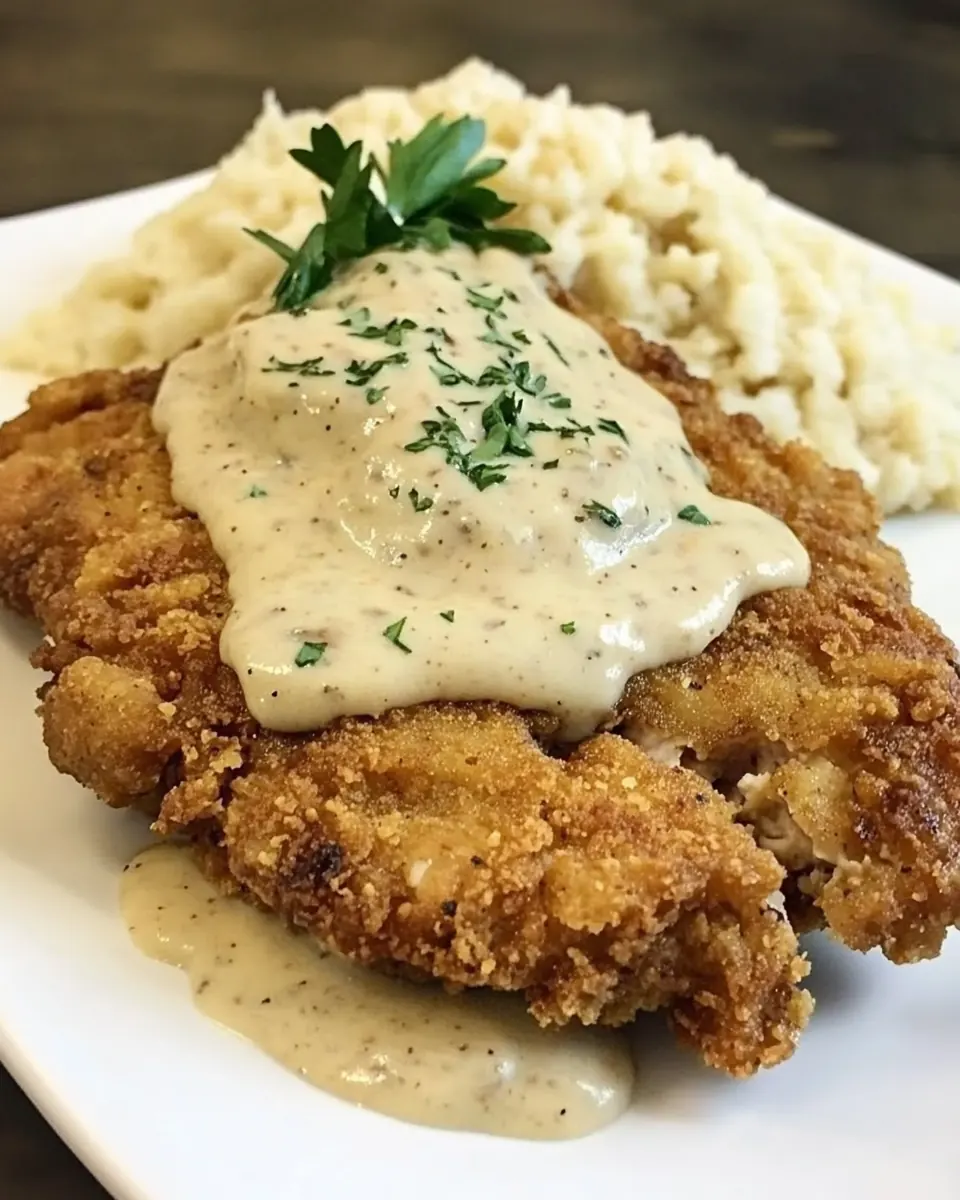
I like to give a few practical notes that help adapt Chicken Fried Steak for different kitchens and tastes. These tips focus on texture, timing, and seasoning so you get consistent results. Below are expanded points you can apply on your next cook.
- Spice adjustment To make the dish spicier, increase the amount of cayenne pepper gradually, tasting the dry mix before coating. Small increments help you control the heat level, and remember that the gravy mellows spice, so the final dish may feel less fiery than the coating.
- Breadcrumb alternative If you do not have Saltine crackers, use a similar dry cracker or plain breadcrumbs, crushed finely to a similar texture. The flavor will change slightly because Saltines add a saltier, toasty note, so adjust seasoned salt accordingly to keep the balance.
- Oil selection Use a neutral high smoke point oil like the recommended vegetable oil, which prevents off flavors and excessive smoking at medium frying temperatures. Avoid low smoke point oils which can burn and impart a bitter taste.
- Gravy consistency For a thinner gravy, add extra whole milk one tablespoon at a time until you reach the desired pourability. For thicker gravy, simmer a few minutes longer to reduce it, but stir frequently to avoid scorching.
- Make ahead You can prep the coating steps in advance by dredging and keeping the coated pieces in the fridge for an hour; this helps the crust adhere better during frying. Do not refrigerate too long or the crumbs may soften and lose their crisping power.
- Leftover storage Store cooled leftovers in an airtight container in the refrigerator for up to four days, reheating gently in a skillet to revive the crust rather than microwaving, which makes it soggy.
How to Enjoy Chicken Fried Steak
This is a hearty dish that pairs well with creamy and bright sides. Below I outline serving ideas, occasions, and storage suggestions so you can present Chicken Fried Steak with style. The list includes practical serving styles and seasonal pairings.
- Classic plating Serve the hot pieces topped with a generous ladle of the warm gravy and a side of fluffy mashed potatoes to soak up every drop. The contrast of crispy crust and silky potatoes is a timeless combination that highlights the dish’s strengths.
- Vegetable sides Pair with seasonal vegetables like green beans or roasted carrots for color and a light counterpoint to the rich main. Choose simply prepared sides so the steak remains the focal point of the plate.
- Occasions This is perfect for weekend dinners, family gatherings, and holiday comfort meals during winter when you want comforting, filling food. It shines at occasions where a warm, satisfying main is appreciated.
- Make it a brunch Serve alongside eggs and biscuits for a southern inspired brunch, offering a savory anchor that guests will enjoy later in the day.
- Plating tips Let each piece rest for a minute on a paper towel to remove excess oil, then arrange on warmed plates before spooning gravy, ensuring the crust stays crisp at the table.
- Storage and reheating Refrigerate leftovers for up to four days in an airtight container. Reheat in a skillet over medium heat to crisp the crust back up, and add a splash of milk to any leftover gravy while gently warming to refresh texture and flavor.
FAQ
Conclusion
Chicken Fried Steak stands out for its satisfying contrast of crunchy, seasoned crust and tender, juicy meat paired with a creamy, peppered gravy. This recipe brings approachable techniques and pantry friendly ingredients together to create a comforting, memorable main dish that is perfect for family dinners and winter gatherings. Give it a try and enjoy the way the textures and simple flavors combine, and don’t be surprised if it becomes a dependable favorite in your rotation.

Chicken Fried Steak
Ingredients
Equipment
Method
- Season cubed steak lightly with salt and pepper.: The initial salt and pepper give the cube steak its base layer of flavor, and you should notice an immediate savory aroma against the raw meat. Light seasoning prevents the finished steak from tasting flat, and it helps create a seasoned crust when combined with the dredges. A common mistake is over salting, which can make the final dish too salty after the gravy is seasoned, so season with restraint and taste your gravy before final adjustments.
- Place 1/2 cup flour on a plate.: Having the all purpose flour ready on a plate allows for quick, dry dredging that presents a matte, slightly powdery surface for the egg wash to bite into. This creates a rough texture that helps the next layers adhere. If the flour becomes clumpy or damp, replace it, because clumped flour will not produce an even crust and can lead to uneven browning.
- Mix remaining 1/2 cup flour, Saltine crumbs, seasoned salt, and cayenne pepper in a shallow bowl.: Combining the dry crust components creates a balanced, aromatic mixture that will brown deeply and deliver both crispness and flavor. You should be able to see the flecks of cracker crumbs and smell the warm spice of the seasoned salt and cayenne. If you skip mixing them thoroughly, pockets of spice or crumbs can concentrate and create uneven taste or texture, so be sure the components are well blended.
- Whisk together eggs and 1/3 cup milk in another shallow bowl.: The egg and milk mixture should look smooth and slightly frothy when whisked. This glossy wash is essential because it hydrates the flour on the steak and acts like glue for the cracker crumb blend. If the eggs are not well beaten, the mixture can coat inconsistently, leading to bare spots in the crust, so whisk until uniform.
- Dredge cubed steak in flour, dip in egg mixture, and then coat with Saltine mixture.: After the initial dry dredge the surface will take on a faint dusting, which helps the egg adhere. Once dipped in the egg mixture the exterior becomes tacky, and the final coating of cracker mixture should cling evenly. Press gently so the crumbs adhere but avoid compacting them too much, otherwise the crust becomes heavy and bready rather than crisp. One mistake is skipping the initial dry dredge, which often leads to the coating sliding off in the pan.
- Heat about 1/2-inch oil in a large pan (preferably cast iron) over medium heat.: Warm the vegetable oil until it shimmers, which indicates an ideal frying surface for creating a rapid sear. In a cast iron pan the oil will hold heat well and give uniform browning. If the oil is too cool the crust will absorb oil and be greasy, and if it is too hot the crust will burn before the meat cooks through, so aim for a steady medium heat.
- Cook steak in 2 batches for about 3 minutes per side. Remove steak to a paper towel-lined plate.: As each piece hits the oil you should hear a clean sizzle that signals proper frying temperature. The crust will darken to a golden brown in those minutes and release easily when ready to flip, showing a firm, crisp exterior. Cook in batches so the pan temperature recovers quickly; overcrowding causes the oil temperature to drop and produces a limp, oily crust. If you notice uneven browning, adjust the heat slightly and transfer finished pieces to a paper towel lined plate to drain.
- Pour oil that is left in pan through a fine-meshed sieve into a heat-proof bowl. Measure out 1/4 cup and return it to pan.: Straining the used oil removes loose crumbs and burnt bits, leaving a clean fat base for the gravy. Measuring back exactly 1/4 cup ensures the roux will be the right thickness for the amount of milk you add. Using too much or too little fat will change how the gravy thickens, so measure carefully and discard the remainder of the strained oil instead of reusing an unmeasured amount that could be too greasy or too little.
- Add flour to pan and cook over medium heat for 1 minute. Gradually whisk in milk and cook until thick. Season to taste with salt and pepper.: This brief cooking of the all purpose flour in the warm fat removes the raw flour taste and produces a slightly nutty aroma. You will see the mixture bubble gently and begin to thicken a bit, and that is the start of your gravy's body. Cook it long enough to lose the floury smell but not so long that it browns deeply, since excessive browning will alter the gravy's color and flavor. Stir constantly to prevent scorching.
- Gradually whisk in milk and cook until thick. Season to taste with salt and pepper: As you pour in the whole milk a smooth, glossy sauce will form if you whisk continuously, and the smell will shift to a warm, rich dairy aroma. The sauce will thicken as it simmers and coat the back of a spoon when ready. Taste and adjust with salt and pepper to balance the sauce, remembering that the gravy should complement but not overpower the crusted cube steak . A common misstep is adding the milk too quickly, which can create lumps in the gravy, so add it slowly and whisk steadily.
Notes
- Spice adjustment To make the dish spicier, increase the amount of cayenne pepper gradually, tasting the dry mix before coating. Small increments help you control the heat level, and remember that the gravy mellows spice, so the final dish may feel less fiery than the coating.
- Breadcrumb alternative If you do not have Saltine crackers, use a similar dry cracker or plain breadcrumbs, crushed finely to a similar texture. The flavor will change slightly because Saltines add a saltier, toasty note, so adjust seasoned salt accordingly to keep the balance.
- Oil selection Use a neutral high smoke point oil like the recommended vegetable oil, which prevents off flavors and excessive smoking at medium frying temperatures. Avoid low smoke point oils which can burn and impart a bitter taste.
- Gravy consistency For a thinner gravy, add extra whole milk one tablespoon at a time until you reach the desired pourability. For thicker gravy, simmer a few minutes longer to reduce it, but stir frequently to avoid scorching.
- Make ahead You can prep the coating steps in advance by dredging and keeping the coated pieces in the fridge for an hour; this helps the crust adhere better during frying. Do not refrigerate too long or the crumbs may soften and lose their crisping power.
- Leftover storage Store cooled leftovers in an airtight container in the refrigerator for up to four days, reheating gently in a skillet to revive the crust rather than microwaving, which makes it soggy.