Cheese Souffle
Cheese Souffle has been one of those comforting, theatrical dishes I’ve returned to whenever I want to impress without fuss. The first time I made it I was nervous, whisking egg whites on a humid evening while my kitchen felt alive with the steam from the milk and the warming scent of melting butter. I remember telling a friend, with flour on my sleeve, that the rise would tell the whole story, and when it bloomed golden in the oven we both laughed because it looked far more elegant than the effort suggested.
Over the years I learned small rituals that changed everything, like warming the milk slowly so the roux doesn’t seize and folding the whites with a soft hand so the texture stays cloudlike. Each time I serve this dish the house seems to pause, forks hovering, as the warm, cheesy aroma drifts across the table. I love how a few humble pantry items can transform into something that feels celebratory, even on an ordinary night.
Recipe Snapshot
40 mins
15 mins
25 mins
Easy
250 kcal
French
Gluten-Free, Low FODMAP
Dinner
Medium saucepan, Mixing bowls, Stand mixer or whisk, 1.5 to 2 quart baking dish, Spatula
Why This Cheese Souffle Is So Good
It’s pure texture drama
One reason I adore Cheese Souffle is the contrast between airy lift and a rich, creamy interior. The beaten egg whites create an ethereal crown, while the base made with butter, flour, and warm milk gives a velvety, savory backbone. That interplay of light and lush is what keeps me coming back, and guests always notice the texture before they notice any other detail.
Simple ingredients, elevated result
I often say great food is about timing and respect for ingredients. With Cheese Souffle the lineup is humble: Comté or Gruyère, eggs, and a little butter. Yet those few components, when handled properly, yield complex flavor. The cheese brings nuttiness and salt, the yolks add silk, and the whites introduce lift. I love that you can shop a normal market trip and end up with something refined.
It’s forgiving in spirit
I used to think soufflés were fragile beasts, but I’ve learned they’re more forgiving than their reputation. If you follow a few technique cues, like not overbeating the egg whites and folding gently, the results are reliably good. I appreciate recipes that reward attention without demanding perfection, and this one does just that.
Versatile for occasions
Whether I’m cooking a quiet dinner for two or a small celebration, Cheese Souffle fits. It can be the centerpiece with a simple green salad or a delicate course before a larger meal. Its presence elevates the table, and I love using it when I want food that feels thoughtfully prepared, yet approachable.
Flavor depth from little details
Small elements like a pinch of nutmeg or a scattering of chives transform the dish. I often reserve a handful of shredded cheese to brown on top, which gives a toasty finish that contrasts the soft center. Those finishing touches are what turn a good soufflé into a memorable one.
Shopping List for Cheese Souffle
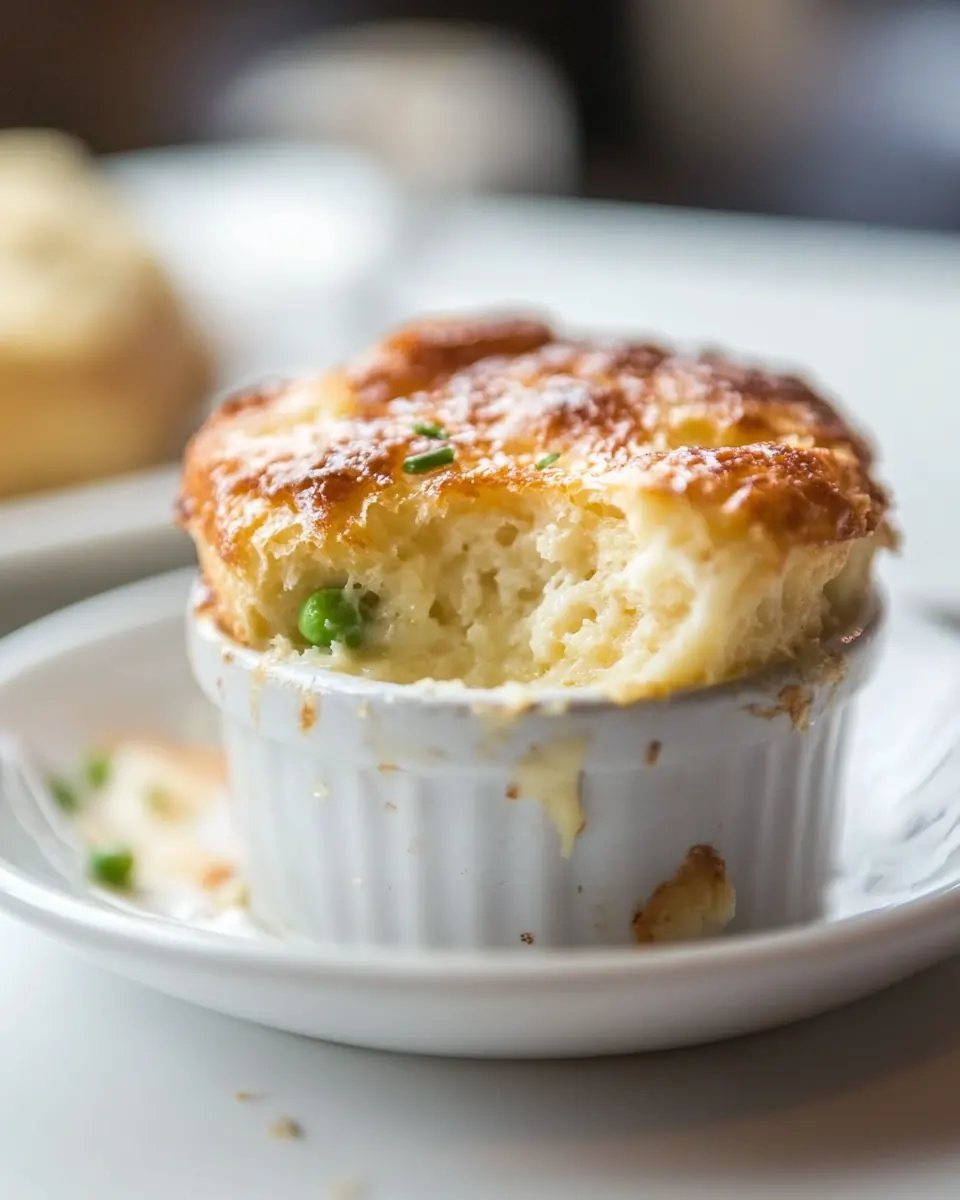
For a successful Cheese Souffle I focus on a few quality ingredients that play distinct roles. The cheese provides savory character, the eggs supply structure and silk, and the butter and flour make a stable base. These elements work together like a small orchestra, where timing and heat turn simple parts into a cohesive, airy whole.
- 4 tablespoons (60 g) unsalted butter, cubed, plus additional softened butter for preparing the baking dish: Softened and cubed to provide a rich base for the roux, helping create a smooth, silky béchamel that gives the souffle structure and flavor. Melted butter also softens the baking dish when rubbed on it, promoting even browning and an easy release after baking.
- grated Parmesan cheese: Finely grated and used sparingly to season the dish's exterior or rim, adding a salty, umami finish that enhances the overall cheese flavor. Sprinkled in the dish or on top before baking, it helps create a decorative, flavorful crust.
- 5 tablespoons (45 g) flour: Measured and whisked into melted butter to form a cohesive roux, which thickens the warmed milk into a velvety sauce that supports the lift of the souffle. Properly cooked flour removes the raw taste and stabilizes the mixture so the eggs can be folded without breaking down.
- 1 3/4 cups (430 ml) whole milk, warmed: Warmed and slowly incorporated into the roux to produce a smooth béchamel, contributing fat and moisture that carry flavor and ensure a tender crumb. Warm milk prevents shocking the roux and helps achieve a lump-free sauce for the egg yolks to enrich.
- 1/4 teaspoon kosher or coarse sea salt: Added in measured quantity to season the béchamel and finished souffle, balancing richness and enhancing other flavors without overpowering them. Using kosher or coarse sea salt provides clean seasoning control that dissolves into the sauce.
- freshly-ground black pepper: Freshly ground to release bright, aromatic pepper oils that lift the savory profile of the cheese sauce and finished souffle. Ground just before use preserves volatile compounds for clearer, more pronounced spice notes.
- pinch of grated nutmeg: Finely grated and incorporated in a small amount to add a warm, nutty background note that complements the cheeses and enriches the béchamel. Used sparingly to avoid dominating the delicate cheesy and egg flavors of the souffle.
- bigger pinch of cayenne pepper: Measured as a bolder pinch to introduce subtle heat and a touch of color, enhancing the flavor complexity without overwhelming the dish. Balanced heat helps cut the richness of the béchamel and accentuates the savory cheeses.
- 5 large egg yolks: Beaten and folded into the enriched sauce to add richness, color, and emulsifying proteins that stabilize the mixture and contribute to the souffle's tender interior. Correct handling prevents overbeating and helps the final rise maintain structure.
- 6 large egg whites, at room temperature: Whipped to stiff peaks and gently folded into the base to aerate the mixture, creating lift and the characteristic light, airy texture of a successful souffle. Room–temperature whites whip more easily and produce a stronger foam for maximum rise.
- 8 ounces (225 g) Comté, Gruyère, or another favorite cheese, coarsely shredded, (see headnote): Coarsely shredded to provide the primary savory, melty flavor component, melting into the béchamel to create a lush, cheesy base that defines the souffle's taste. Choosing a high-quality melting cheese like Comté or Gruyère ensures a smooth texture and nutty, complex flavor.
- 1/4 cup (12 g) minced chives: Minced finely and folded into the finished mixture or sprinkled on top to add bright, onion-like freshness and a mild herbal lift that complements the cheeses. Fresh chives bring color contrast and a light bite that balances the souffle's richness.
Making This Cheese Souffle
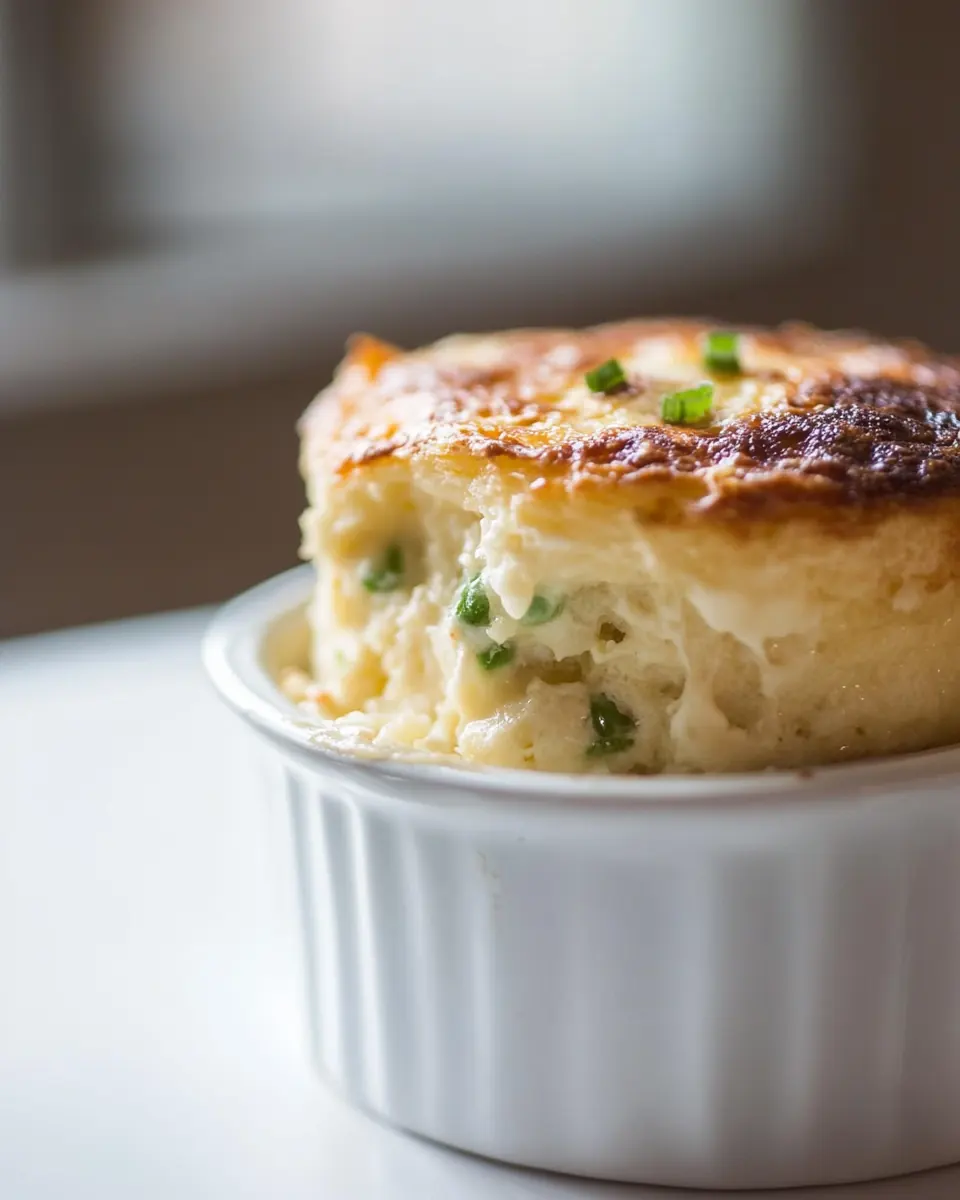
I approach the process with steady focus and a calm kitchen rhythm, because timing matters when you want that signature rise. I usually prep all ingredients and tools first, warm the milk, and set the oven so nothing feels rushed. Below I expand each step so you can follow the sensory cues and avoid common pitfalls.
- Butter a 1 1/2-2-quart (2 l) baking dish generously. Dust the bottom and sides with Parmesan cheese.: The aroma of softened butter spreading over the dish is comforting and signals the first act of protection for your soufflé. As you coat the interior, press the butter into every nook so the batter can cling and climb, which helps the rise adhere to the sides. After greasing, dusting the dish with Parmesan adds a savory texture and a slight barrier that encourages even browning. A common mistake is skimping on the butter , which can cause the soufflé to stick and deflate when unmolding; be generous and thorough.
- To make the soufflé base, melt the butter in a medium saucepan. Stir in the flour and bring to a low boil. Cook until the mixture has thickened a bit, 1 to 2 minutes. Turn off the heat, whisk in the warm milk and turn the heat to medium-high and bring to a boil, whisking frequently. Once the mixture comes to a boil, cook for 1 minute, whisking constantly.: When the butter melts it should sizzle softly but not brown, emitting a gentle nutty scent that tells you the pan is ready. Stir in the flour to form a smooth roux, cooking briefly until the raw flour smell fades and a faint toasty aroma develops, about one to two minutes. Adding the warm milk in a steady stream and whisking constantly prevents lumps and creates a glossy, velvety sauce. If you rush with cold milk you may get lumps, so pour gradually and whisk energetically to maintain a smooth texture; a lumpy base will affect the final mouthfeel.
- Remove from heat and whisk in the salt, a generous amount of freshly ground pepper, nutmeg, and cayenne. Whisk in the egg yolks vigorously, one at a time. Scrape the mixture into a medium to large bowl and let cool a bit until only slightly warm.: At this stage the kitchen fills with the warm fragrance of spices; the nutmeg gives a cozy undertone while the cayenne adds a barely-there warmth. Whisking in the egg yolks one at a time creates a silky emulsion, and you will notice the mixture thicken and become silkier by sight and touch. Let the base cool until it is only slightly warm before proceeding, because adding egg yolks to a too-hot base can cause curdling. If you inadvertently add yolks to a very hot mix, quickly temper them first by whisking in a small spoonful of the base to the yolk, then returning to the pot.
- To make the soufflé, preheat the oven to 400ºF (200ºC). Reserve a handful of the cheese, and stir the rest of the cheese and chives into the soufflé base. In a large, clean bowl, or in the stand mixer with the whip attachment, whisk the egg whites with a pinch of salt until they hold their shape but are still moist and creamy. Don't overbeat them.: As the oven warms, you may smell a clean, dry heat that reassures you the environment is right for lift. Reserve a handful of the shredded cheese for the top, then stir the remaining cheese and minced chives into the slightly cooled base so the heat does not melt the eggs . In a separate, impeccably clean bowl, whip the room temperature egg whites with a pinch of salt until they hold soft peaks and remain glossy. Overbeating will make the whites dry and granular; watch for a satin sheen and moist texture to know they are ready.
- Fold one-quarter of the beaten egg whites into the soufflé base thoroughly, then fold the remaining egg whites in just until there are no (or few) visible streaks of egg whites. Scrape the mixture into the prepared baking dish, gently smooth the top, and strew the reserved handful of cheese over the top.: The first addition loosens the base, and you will feel the texture lighten as air incorporates. Folding requires a patient, enveloping motion using a wide spatula, scraping from bottom to top and turning the bowl, so you preserve as much air as possible. The batter should look airy and homogenous with faint ribbons, and you will notice a gentle sheen from the cheese . Avoid aggressive stirring which deflates the foam; if the mixture looks flat, pause and fold more gently to rescue some air.
- Bake the soufflé on the middle rack of the oven for 20 minutes, without opening the oven door. Depending on how you like your soufflés, if you like them on the soft, somewhat runny side, it's probably done. If you like them firmer, usually 25 minutes (total) is the right baking time. The best way to check it to touch the center at the 20 minute mark. If the soufflé still jiggles and moves freely in the center when you touch it, it's done, if you like softly-cooked soufflés. If not, put it back in the oven for another 5 minutes.: As you transfer the batter, it should glide and hold peaks, a tactile sign that the whites retained structure. Smooth the surface with a gentle upward sweep so you don't compress the air pockets. Sprinkle the reserved cheese evenly for a gratin like finish that will melt and brown, releasing a toasted, nutty aroma in the oven . If you press too hard while smoothing, the soufflé may lose height, so move with soft, confident strokes.
- Bake the soufflé on the middle rack of the oven for 20 minutes without opening the oven door: The oven will sing with a warm, dry heat as the soufflé ascends, and you will notice a golden top developing and a faintly cheesy scent filling the kitchen. Avoid opening the oven door during the initial phase to prevent sudden temperature drops which can cause sinking. At around the 20 minute mark gently touch the center, and if it still jiggles freely you may prefer that softer set; for a firmer center, return to the oven for about five more minutes. A common issue is checking too early and letting the heat escape, so set a timer and trust the sensory cues instead of peeking frequently.
Recipe Notes about Cheese Souffle
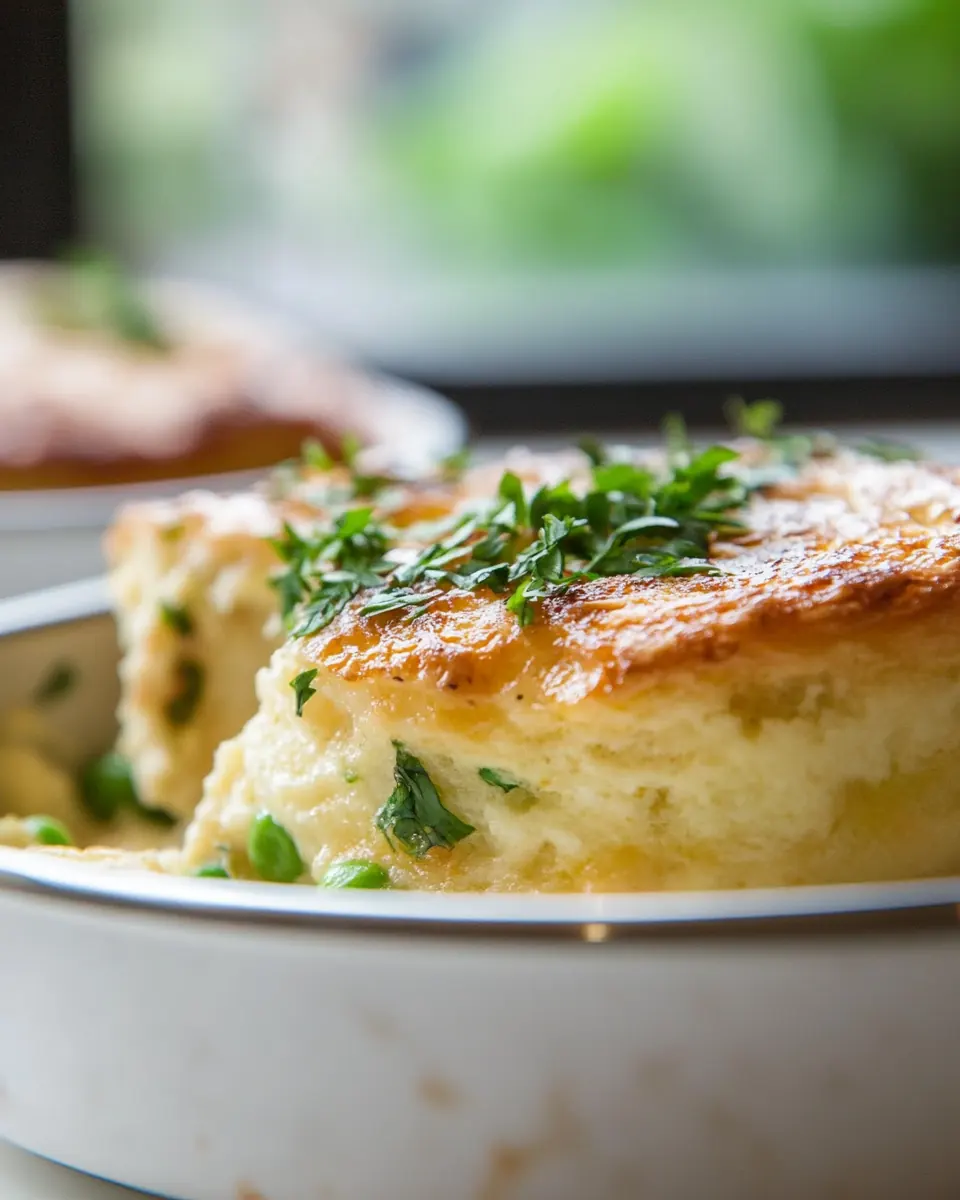
I like to offer notes that anticipate questions and help the dish shine. These tips expand on technique and practical choices so you feel confident at every stage. Read them before you begin to ensure a calm, organized bake.
- Temperature matters: Bring eggs to room temperature before whipping and warm the milk to integrate smoothly into the roux.
- Tool selection: Use a clean, dry bowl for whipping egg whites; any grease will prevent them from reaching full volume.
- Cheese choice: Choose a nutty, melty cheese like Comté or Gruyère for best flavor and texture; reserve a bit to top the soufflé.
- Folding technique: Use a wide spatula and gentle motions to maintain the airiness of the beaten egg whites.
- Make ahead strategy: You can prepare the base up to cooling and refrigerate, but bring it back to room temperature before assembling with whipped egg whites.
What to Serve With Cheese Souffle
A Cheese Souffle pairs beautifully with crisp, bright sides that contrast its richness. I often reach for a simple green salad with a tangy vinaigrette or lightly steamed vegetables to add texture and freshness. Below are thoughtful serving suggestions and occasions that suit the dish.
- Simple green salad: A bowl of mixed greens dressed with a sharp vinaigrette offers acidity and crunch to balance the souffle’s creamy interior, making it a classic pairing for lunch or dinner.
- Steamed green beans: Lightly steamed beans add a snap and vegetal freshness, their clean flavors cutting through the richness and providing a pleasing color contrast on the plate.
- Wilted greens: Quick sautéed greens like spinach or chard provide an earthy foil to the soufflé, and their gentle bitterness complements the nutty cheese notes.
- Occasions: This dish works for romantic dinners, celebratory brunches, or an elevated weeknight meal; its presence feels special without being fussy, suitable for both intimate and small group settings.
- Storage tips: Serve immediately for best texture; if you must hold the dish briefly, keep it in a warm place but avoid reheating as it may deflate and lose its airy texture.
- Seasonal pairings: In winter I like to pair the soufflé with roasted root vegetables or a crisp fennel salad to echo warming flavors while keeping a bright counterpoint.
FAQ
Conclusion
What makes this Cheese Souffle special is the contrast between an airy, lifted crown and a silky, cheese laden interior that feels both simple and celebratory. I encourage you to give it a try, allowing the small rituals of warming the milk, gently folding the egg whites, and reserving a handful of cheese for browning to elevate the result. It may seem a bit theatrical, but with calm prep and attention to sensory cues you’ll be rewarded with a dish that tastes impressive and invites savoring.
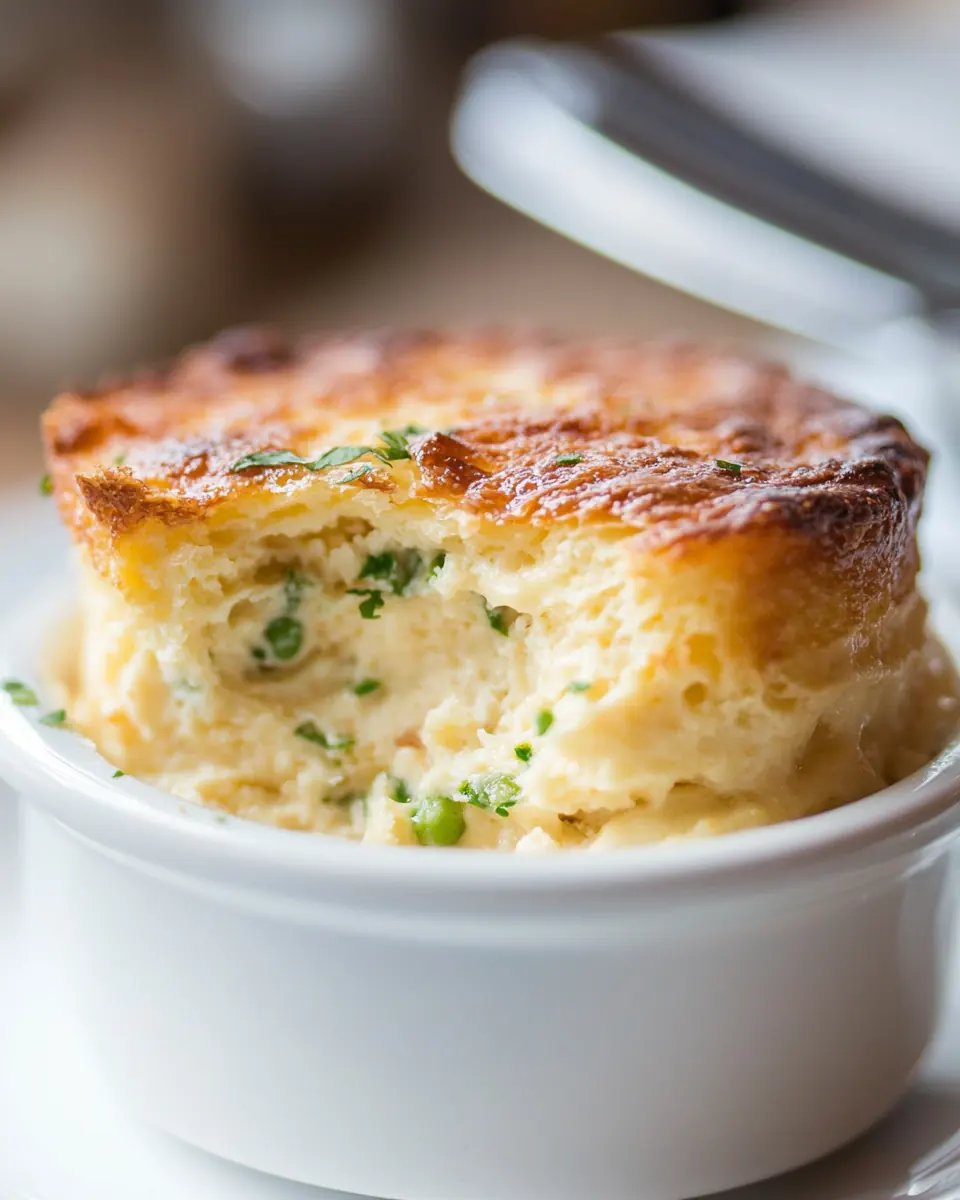
Cheese Souffle
Ingredients
Equipment
Method
- Butter a 1 1/2-2-quart (2 l) baking dish generously. Dust the bottom and sides with Parmesan cheese.: The aroma of softened butter spreading over the dish is comforting and signals the first act of protection for your soufflé. As you coat the interior, press the butter into every nook so the batter can cling and climb, which helps the rise adhere to the sides. After greasing, dusting the dish with Parmesan adds a savory texture and a slight barrier that encourages even browning. A common mistake is skimping on the butter , which can cause the soufflé to stick and deflate when unmolding; be generous and thorough.
- To make the soufflé base, melt the butter in a medium saucepan. Stir in the flour and bring to a low boil. Cook until the mixture has thickened a bit, 1 to 2 minutes. Turn off the heat, whisk in the warm milk and turn the heat to medium-high and bring to a boil, whisking frequently. Once the mixture comes to a boil, cook for 1 minute, whisking constantly.: When the butter melts it should sizzle softly but not brown, emitting a gentle nutty scent that tells you the pan is ready. Stir in the flour to form a smooth roux, cooking briefly until the raw flour smell fades and a faint toasty aroma develops, about one to two minutes. Adding the warm milk in a steady stream and whisking constantly prevents lumps and creates a glossy, velvety sauce. If you rush with cold milk you may get lumps, so pour gradually and whisk energetically to maintain a smooth texture; a lumpy base will affect the final mouthfeel.
- Remove from heat and whisk in the salt, a generous amount of freshly ground pepper, nutmeg, and cayenne. Whisk in the egg yolks vigorously, one at a time. Scrape the mixture into a medium to large bowl and let cool a bit until only slightly warm.: At this stage the kitchen fills with the warm fragrance of spices; the nutmeg gives a cozy undertone while the cayenne adds a barely-there warmth. Whisking in the egg yolks one at a time creates a silky emulsion, and you will notice the mixture thicken and become silkier by sight and touch. Let the base cool until it is only slightly warm before proceeding, because adding egg yolks to a too-hot base can cause curdling. If you inadvertently add yolks to a very hot mix, quickly temper them first by whisking in a small spoonful of the base to the yolk, then returning to the pot.
- To make the soufflé, preheat the oven to 400ºF (200ºC). Reserve a handful of the cheese, and stir the rest of the cheese and chives into the soufflé base. In a large, clean bowl, or in the stand mixer with the whip attachment, whisk the egg whites with a pinch of salt until they hold their shape but are still moist and creamy. Don't overbeat them.: As the oven warms, you may smell a clean, dry heat that reassures you the environment is right for lift. Reserve a handful of the shredded cheese for the top, then stir the remaining cheese and minced chives into the slightly cooled base so the heat does not melt the eggs . In a separate, impeccably clean bowl, whip the room temperature egg whites with a pinch of salt until they hold soft peaks and remain glossy. Overbeating will make the whites dry and granular; watch for a satin sheen and moist texture to know they are ready.
- Fold one-quarter of the beaten egg whites into the soufflé base thoroughly, then fold the remaining egg whites in just until there are no (or few) visible streaks of egg whites. Scrape the mixture into the prepared baking dish, gently smooth the top, and strew the reserved handful of cheese over the top.: The first addition loosens the base, and you will feel the texture lighten as air incorporates. Folding requires a patient, enveloping motion using a wide spatula, scraping from bottom to top and turning the bowl, so you preserve as much air as possible. The batter should look airy and homogenous with faint ribbons, and you will notice a gentle sheen from the cheese . Avoid aggressive stirring which deflates the foam; if the mixture looks flat, pause and fold more gently to rescue some air.
- Bake the soufflé on the middle rack of the oven for 20 minutes, without opening the oven door. Depending on how you like your soufflés, if you like them on the soft, somewhat runny side, it's probably done. If you like them firmer, usually 25 minutes (total) is the right baking time. The best way to check it to touch the center at the 20 minute mark. If the soufflé still jiggles and moves freely in the center when you touch it, it's done, if you like softly-cooked soufflés. If not, put it back in the oven for another 5 minutes.: As you transfer the batter, it should glide and hold peaks, a tactile sign that the whites retained structure. Smooth the surface with a gentle upward sweep so you don't compress the air pockets. Sprinkle the reserved cheese evenly for a gratin like finish that will melt and brown, releasing a toasted, nutty aroma in the oven . If you press too hard while smoothing, the soufflé may lose height, so move with soft, confident strokes.
- Bake the soufflé on the middle rack of the oven for 20 minutes without opening the oven door: The oven will sing with a warm, dry heat as the soufflé ascends, and you will notice a golden top developing and a faintly cheesy scent filling the kitchen. Avoid opening the oven door during the initial phase to prevent sudden temperature drops which can cause sinking. At around the 20 minute mark gently touch the center, and if it still jiggles freely you may prefer that softer set; for a firmer center, return to the oven for about five more minutes. A common issue is checking too early and letting the heat escape, so set a timer and trust the sensory cues instead of peeking frequently.
Notes
- Temperature matters: Bring eggs to room temperature before whipping and warm the milk to integrate smoothly into the roux.
- Tool selection: Use a clean, dry bowl for whipping egg whites; any grease will prevent them from reaching full volume.
- Cheese choice: Choose a nutty, melty cheese like Comté or Gruyère for best flavor and texture; reserve a bit to top the soufflé.
- Folding technique: Use a wide spatula and gentle motions to maintain the airiness of the beaten egg whites.
- Make ahead strategy: You can prepare the base up to cooling and refrigerate, but bring it back to room temperature before assembling with whipped egg whites.