Butter Tarts
Butter Tarts are a little piece of pastry nostalgia that always finds its way to my kitchen on chilly afternoons.
I remember the first time I tasted a warm Butter Tarts, how the sticky filling clung to my fingertips and the buttery shell flaked apart beneath my teeth. Growing up, these were the tarts my neighbor used to bring to community bake sales, and I would hover nearby hoping for a second one to appear. As an adult, I like to make them when I need a dependable, homemade treat that does not require fuss, only patience and good hands. The crisp of the crust paired with that sweet, slightly chewy center is a combination I return to again and again.
There is something very personal about making Butter Tarts. I often find myself pressing the dough into the muffin tin while thinking about small rituals, like how my grandmother would hum as she rolled out dough for pies. This recipe is the version that taught me to trust my instincts with texture, to know when the filling is set and the edges are golden. It is simple, honest baking that rewards attention more than technique, and it always brings a sense of warmth to the table.
Recipe Snapshot
43 mins
25 mins
18 mins
Medium
200 kcal
American
Gluten-Free, Low FODMAP
Desserts
Muffin tin, Mixing bowls, Pastry cutter, Rolling pin, Measuring cups
What’s Great About This Butter Tarts
Classic Comfort with Minimal Fuss
I love how Butter Tarts deliver classic dessert satisfaction without requiring complicated steps. The recipe leans on pantry staples and straightforward techniques, so you get a reliably good sweet that is approachable even on a busy day. I often recommend this when friends want something homemade that feels special, but they do not want to spend hours in the kitchen.
Textural Contrast That Wins Over Everyone
The charm of Butter Tarts is the interplay between a flaky shell and a slightly gooey filling. The crust should be tender and break apart delicately, while the filling remains shiny and just set. I always tell people this contrast is the reason these tarts are memorable at parties, family gatherings, or when you simply need a small comfort.
Flexible and Forgiving
I appreciate how forgiving this recipe is. The dough is easy to bring together even if you are nervous about pastry, and the filling tolerates small variations in sugar or time. Over the years I have learned small tweaks work, and that makes this a great recipe to teach to someone new to baking.
Perfect for Make Ahead Moments
Another reason I keep coming back to Butter Tarts is that you can prepare parts in advance. I like to make the dough the day before and keep it chilled, so when guests arrive I only need to assemble and bake. This makes hosting much less stressful, and you still get that just-baked aroma in the house.
Small Portions, Big Impact
These tarts are bite friendly, and that small scale makes them ideal for sharing. I find they work beautifully for gatherings where people want to sample a few sweets without committing to a large slice. The portion size also encourages savoring each bite, which I find delightful.
Shopping List for Butter Tarts
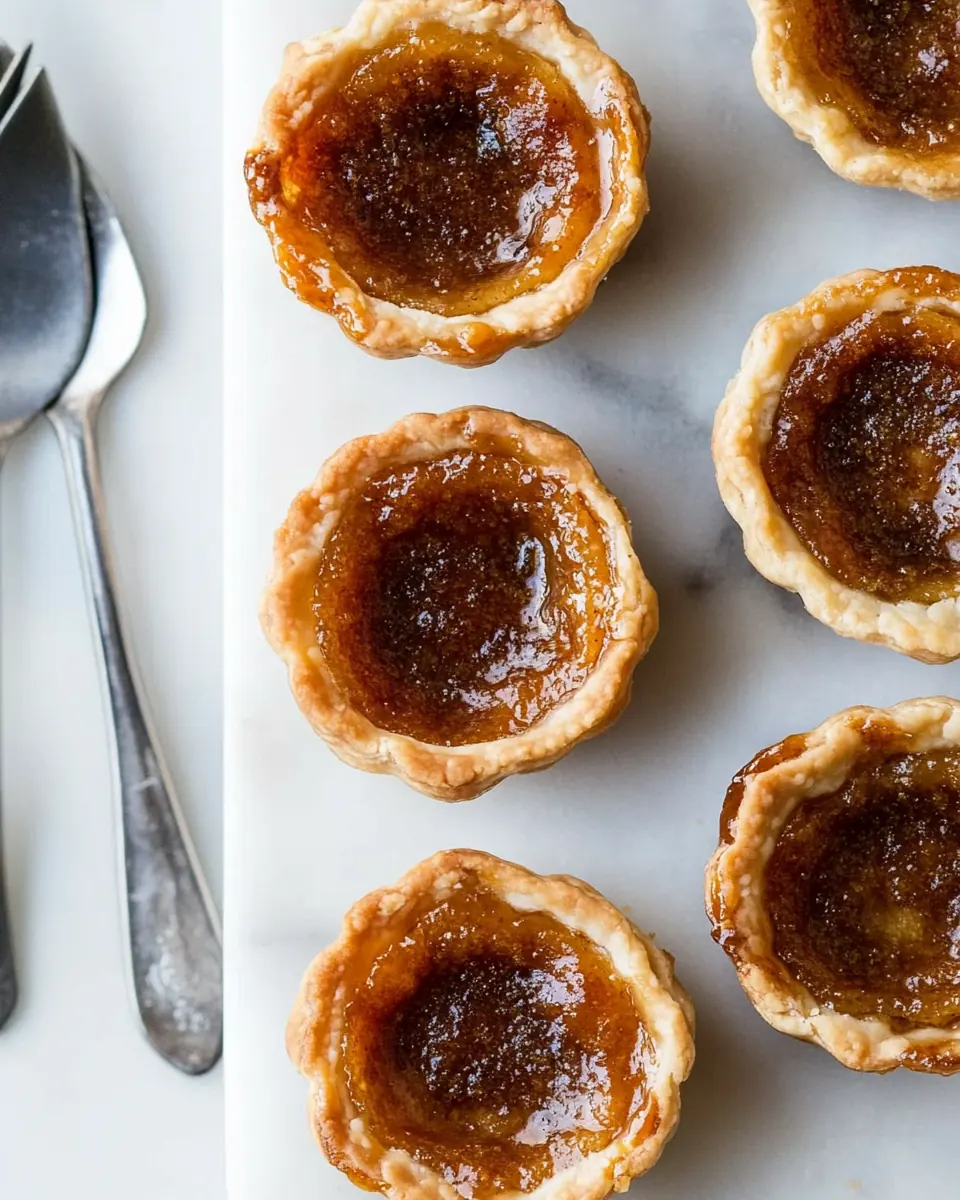
These ingredients are the backbone of what makes Butter Tarts so comforting. I focus on quality and balance here the flour and fat form a tender shell that holds the sweet filling, while the sugar and syrup create that glossy, slightly chewy center. The egg binds everything and adds richness, and a touch of salt and vanilla lift the flavors so each bite sings.
- 1 1/4 cup flour: Provides structure and bulk to the tart dough; combines with fat to create a tender pastry. Sifts easily to ensure even mixing and absorbs liquid to form a cohesive dough that holds the filling.
- 1/4 teaspoons salt: Balances and enhances overall flavor while controlling gluten development in the crust; a small amount prevents the pastry from tasting flat. Dissolves into the dough to subtly heighten the other ingredients without making the crust salty.
- 1/3 cups shortening: Creates flakiness and tenderness in the pastry by coating flour particles and limiting gluten formation. Melts during baking to produce layers and a delicate crumb that supports the buttery filling.
- 4 to 5 tablespoons ice water: Moistens and binds the dough ingredients while allowing for adjustments to achieve the right consistency; keeps the pastry workable. Adds chill when using ice-cold water, helping maintain pastry flakiness by minimizing fat melting during mixing.
- 1/4 cup unsalted butter: Provides rich flavor and contributes to tender, flaky texture in both crust and filling; melts into the pastry as it bakes. Creams smoothly with sugar to create a luscious mouthfeel and deep buttery notes.
- 1/4 cup dark brown sugar: Adds caramel-like sweetness and depth to the filling while contributing slight moisture and texture. Dissolves into the syrupy filling to create a rich, chewy center with complex brown sugar flavor.
- 1/2 cup light corn syrup: Imparts sweetness and a glossy, syrupy consistency to the filling while helping it set without becoming hard. Balances sugar and butter to create a smooth, pourable mixture that bakes into a gooey, tender tart interior.
- 1 large egg: Provides structure, richness, and emulsification to the filling; helps the filling set when baked. Whisks in to bind liquids and fats together, contributing to a smooth, cohesive custard-like texture.
- 3/4 teaspoon vanilla extract: Enhances aroma and rounds out sweetness with warm, familiar notes; intensifies overall flavor perception. Adds a subtle floral-vanilla character that complements the caramelized filling and buttery crust.
Cooking Instructions for Butter Tarts
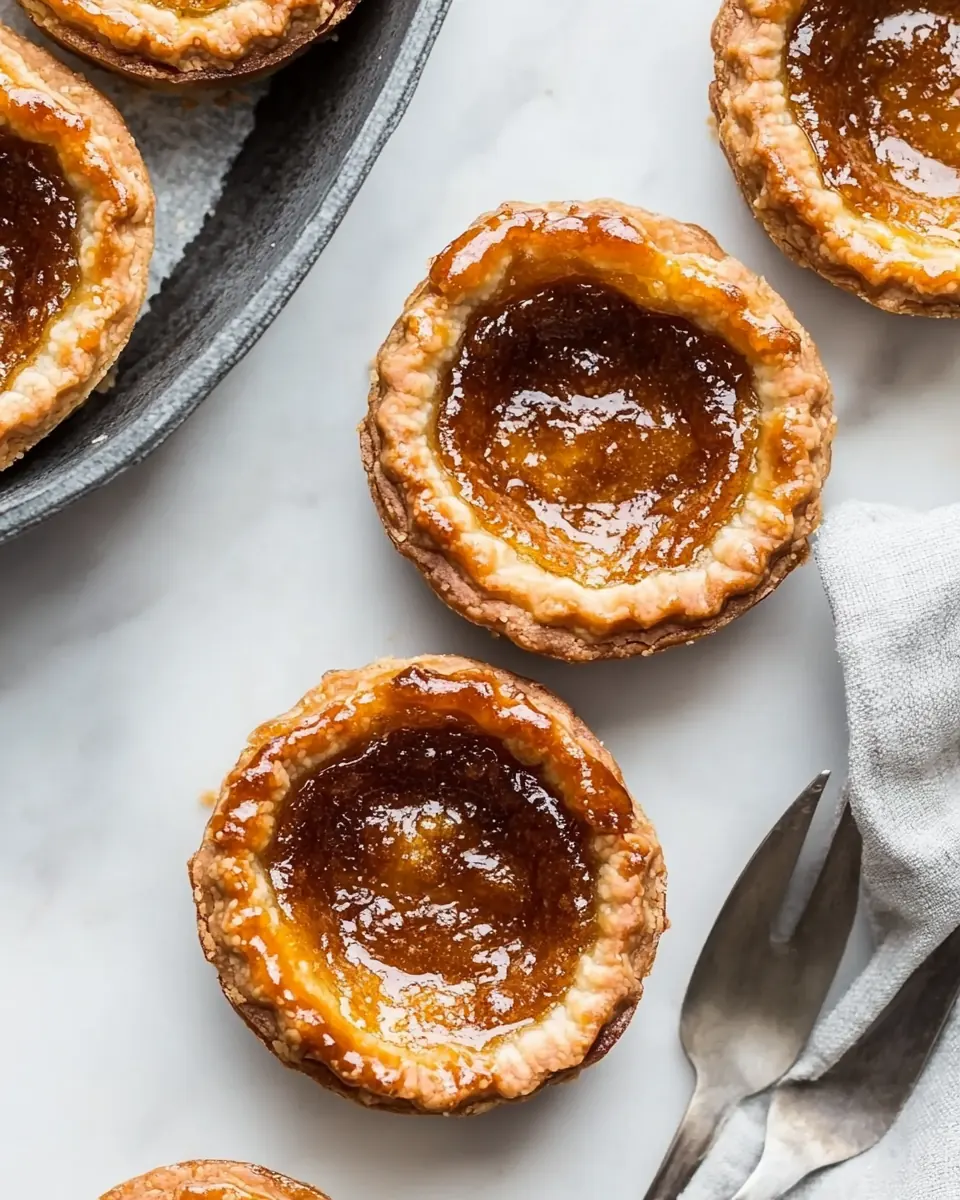
Baking these tarts is straightforward, and a few simple cues help you know when each stage is right. Work with chilled dough, watch the filling for that glossy set, and let the tarts cool fully so the centers finish firming up. Below are the steps rewritten into detailed, sensory-forward guidance that will help you get consistent results.
- Preheat the oven to 400 degrees Fahrenheit.: You will notice the oven warms the kitchen with a dry heat that helps the crust bake quickly and become tender. Preheating ensures the pastries begin setting the moment they enter, which encourages flakiness. If you skip proper preheating, the shells can become soggy as heat gradually builds, so always wait until the oven reaches the full temperature.
- In a medium bowl, stir 1 1/4 cup flour and 1/4 teaspoon salt together. Use a pastry cutter to cut in 1/3 cup shortening until it is pea-sized.: The texture of the mixture should look sandy with small chunks of fat resembling peas. You will hear a faint rubbing sound as the fat distributes through the flour. This step is important because those pea sized fat pieces create pockets that steam while baking, producing a tender, flaky shell. Avoid overworking the mixture into a uniform paste, or the crust will lose its delicate texture.
- Add 4 to 5 tablespoons ice water, one tablespoon at a time, tossing with a fork. Add water and mix until all the flour is moistened and it comes together in a shaggy dough. Use your hands to knead the dough just until it comes together into a ball. Be careful not to over-knead it. This will lead to a tough dough.: The dough will come together into a shaggy mass and then into a soft ball as you add cold water. You should feel the mixture hold together without being sticky. The cold keeps the fat from melting into the flour, preserving layers. A common error is adding all the water at once, which can lead to an overly wet, tough dough.
- Roll the dough out on a lightly floured surface, turning and flouring the dough as needed until the dough is about 1/4 inch thick.: The dough should be smooth but not overworked. Use gentle presses and folds, and stop when it forms a cohesive ball. You will sense a cool, slightly tacky feel. Over kneading activates gluten, which makes the crust chewy instead of flaky, so limit handling.
- Use a 3-inch circle cutter to cut out 12 circles of dough. If necessary, gently press the scraps of dough together and let it rest for 5 minutes before rolling out again to cut out additional circles.: The dough should roll easily and show a uniform thickness, with a matte finish from the light dusting of flour. Turning the dough prevents sticking and keeps the roll even. If the dough becomes soft or gummy, chill it briefly; warm dough is harder to work with and may tear.
- Press the circles of dough into a lightly greased muffin tin so each muffin well looks like an individual tart shell. Set in the fridge while you prepare the filling.: You will see clean edges on the circles if your cutter is sharp and you press straight down. Gently lift each circle to avoid stretching. If scraps remain, press them together lightly and let the dough relax for 5 minutes before rolling again. Forcing the dough after repeated rolling can make it tough.
- Add 1/4 cup unsalted butter to a large measuring cup and heat in the microwave for 15-20 seconds or until fully melted.: When pressed, the dough should snugly line the well and have a smooth inner surface. Chilling the tin with the shells helps keep the shape while you prepare the filling. Without chilling, the shells can slump and create uneven walls, so pop the tray in the fridge for a few minutes if needed.
- Whisk in 1/4 cup dark brown sugar, 1/2 cup light corn syrup, 1 large egg, and 3/4 teaspoon vanilla extract. Pour the filling evenly into the chilled dough.: The butter should be warm and completely liquid, fragrant with a rich aroma. Melting it gently prevents burning. If the butter is too hot, it can start cooking the eggs when mixed, so allow it to cool slightly before combining with the other ingredients.
- Bake for 15-18 minutes or until the filling is set. Let cool completely before serving.: The mixture will become glossy and smooth, with the scent of caramel and vanilla rising as you whisk. It should pour easily but hold together rather than run like water. Proper mixing ensures even sweetness and prevents pockets of unmixed sugar. A typical mistake is under whisking, which leaves grainy sugar; whisk until silky.
- Pour the filling evenly into the chilled dough.: As you spoon the filling, you should hear a soft glug and see the glossy surface settle into each shell. Fillings will slightly mound but should not overflow the rims. Fill too full and the filling may bubble over during baking, creating uneven baking and a mess to clean, so aim for even, moderate portions.
- Bake for 15-18 minutes or until the filling is set.: During baking you will notice the edges of the shells turning a light golden color and the filling moving from glossy to a taut, slightly matte surface. The kitchen will smell sweet and buttery. To test for doneness, the centers should wobble only slightly when nudged. If you underbake, the filling will be too runny; if you overbake, it can become dry and crystallized, so watch carefully in the final minutes.
- Let cool completely before serving.: Cooling allows the filling to finish setting so slices hold their shape. You will feel the tart come to room temperature, and the texture will change from tacky to pleasantly firm. Removing them too soon can cause the centers to spill, so be patient and let them rest until they are comfortable to touch and slice cleanly.
Tips and Tricks about Butter Tarts
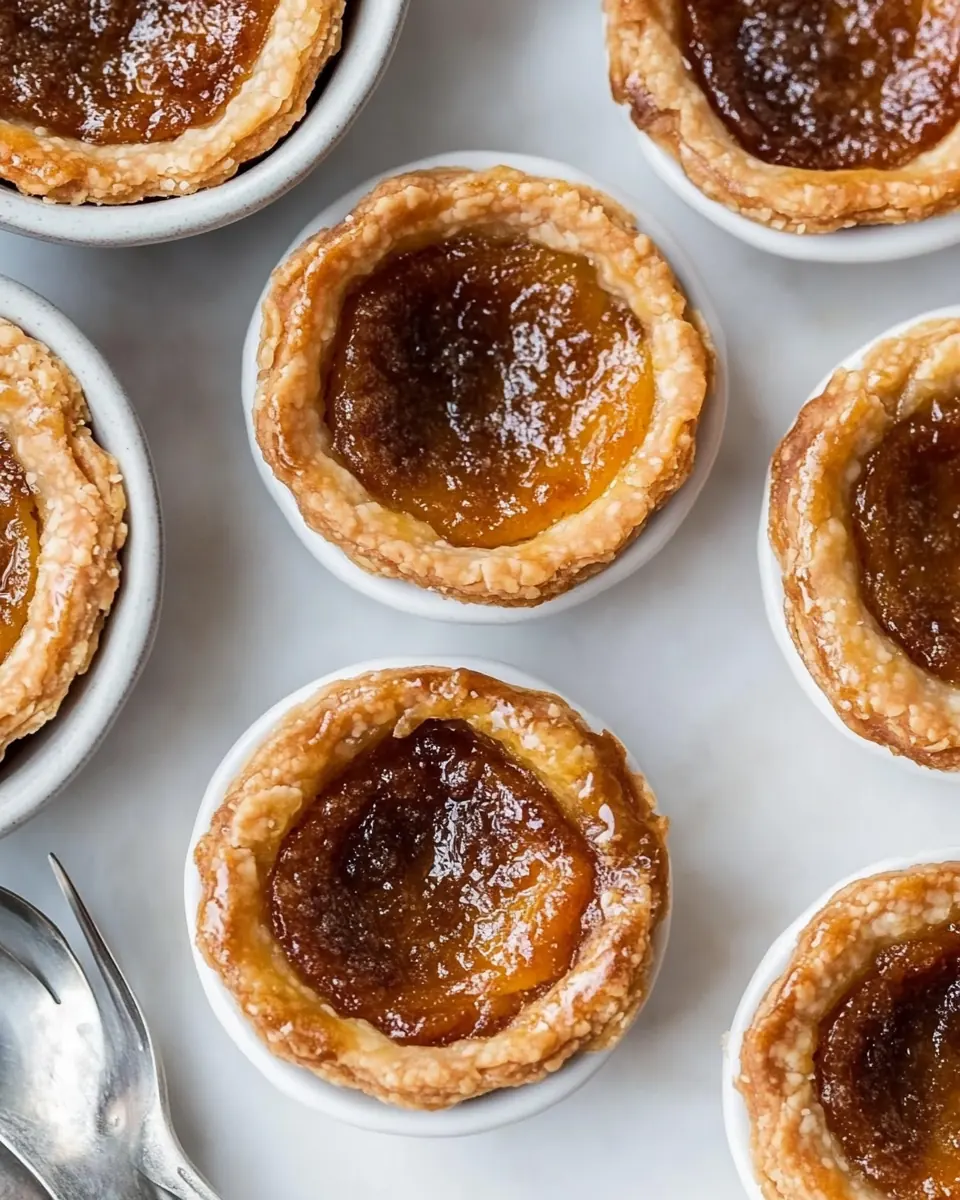
These tips will help you get the best texture and flavor from your Butter Tarts. Small details such as ingredient temperature and timing make a big difference, so I included practical, hands on advice drawn from repeated baking sessions.
- Use very cold shortening: Cold shortening helps create those tiny pockets that steam and yield a flaky crust, so chill it before cutting into the flour.
- Add water gradually: Adding ice water one tablespoon at a time prevents the dough from becoming too wet, which can make rolling difficult and the crust dense.
- Rest scraps briefly: When re rolling scraps, let the dough relax for a few minutes to prevent toughness from overworking the gluten.
- Room temperature egg: Using an egg at room temperature helps it incorporate smoothly into the warm butter and syrups, avoiding cold spots or partial cooking.
- Even filling distribution: Use a small measuring spoon or pour from a spouted cup to ensure each tart gets the same amount of filling for even baking.
- Cool on a wire rack: Transferring the tin to a wire rack speeds cooling and prevents the bottoms from steaming and softening.
Perfect Pairings for Butter Tarts
Butter Tarts are at their best when paired with simple accompaniments that complement their sweet, buttery character. Think small contrasts, like a bright cup of tea or a bowl of berries to cut the sweetness.
- Tea service: Serve the tarts with a strong black tea or a spiced chai to balance the sugary filling with astringency and warmth, making for a classic teatime pairing.
- Fresh berries: A small bowl of raspberries or sliced strawberries provides acidity and freshness that brightens each bite of the rich tart.
- Coffee pairing: A medium roast coffee with bright acidity pairs well, as the coffee’s bitterness contrasts the sweet filling and highlights the buttery crust.
- Holiday platter: Include the tarts on a dessert board with other small sweets for parties and festive gatherings, they work well alongside nuts and dried fruit.
- Make ahead storage: Store cooled tarts in an airtight container at room temperature for up to two days, or refrigerate for up to five days; bring to room temperature before serving so the texture is ideal.
- Occasion ideas: These tarts are perfect for bake sales, potlucks, afternoon tea, or as a warm treat after a chilly fall walk, fitting well into seasonal and casual celebrations.
FAQ
Conclusion
What makes these Butter Tarts special is their perfect balance of a tender, flaky shell and a glossy, chewy filling that feels like a small celebration in every bite. Give them a try and enjoy how simple pantry ingredients transform into a nostalgic, comforting treat. Share them with friends or keep them all to yourself, either way the process of making them brings a warm, satisfying rhythm to your kitchen and a sweet reward at the end.
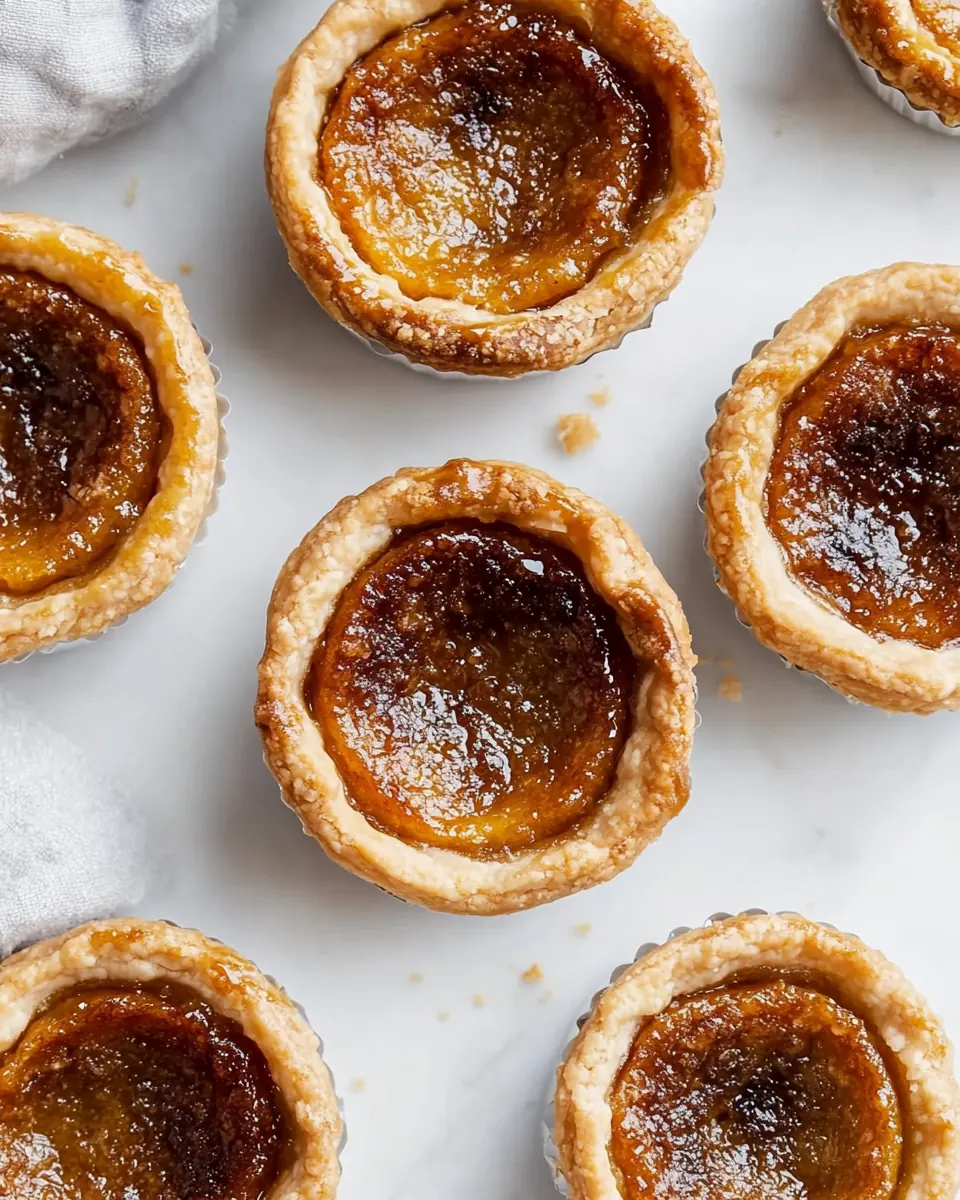
Butter Tarts
Ingredients
Equipment
Method
- Preheat the oven to 400 degrees Fahrenheit.: You will notice the oven warms the kitchen with a dry heat that helps the crust bake quickly and become tender. Preheating ensures the pastries begin setting the moment they enter, which encourages flakiness. If you skip proper preheating, the shells can become soggy as heat gradually builds, so always wait until the oven reaches the full temperature.
- In a medium bowl, stir 1 1/4 cup flour and 1/4 teaspoon salt together. Use a pastry cutter to cut in 1/3 cup shortening until it is pea-sized.: The texture of the mixture should look sandy with small chunks of fat resembling peas. You will hear a faint rubbing sound as the fat distributes through the flour. This step is important because those pea sized fat pieces create pockets that steam while baking, producing a tender, flaky shell. Avoid overworking the mixture into a uniform paste, or the crust will lose its delicate texture.
- Add 4 to 5 tablespoons ice water, one tablespoon at a time, tossing with a fork. Add water and mix until all the flour is moistened and it comes together in a shaggy dough. Use your hands to knead the dough just until it comes together into a ball. Be careful not to over-knead it. This will lead to a tough dough.: The dough will come together into a shaggy mass and then into a soft ball as you add cold water. You should feel the mixture hold together without being sticky. The cold keeps the fat from melting into the flour, preserving layers. A common error is adding all the water at once, which can lead to an overly wet, tough dough.
- Roll the dough out on a lightly floured surface, turning and flouring the dough as needed until the dough is about 1/4 inch thick.: The dough should be smooth but not overworked. Use gentle presses and folds, and stop when it forms a cohesive ball. You will sense a cool, slightly tacky feel. Over kneading activates gluten, which makes the crust chewy instead of flaky, so limit handling.
- Use a 3-inch circle cutter to cut out 12 circles of dough. If necessary, gently press the scraps of dough together and let it rest for 5 minutes before rolling out again to cut out additional circles.: The dough should roll easily and show a uniform thickness, with a matte finish from the light dusting of flour. Turning the dough prevents sticking and keeps the roll even. If the dough becomes soft or gummy, chill it briefly; warm dough is harder to work with and may tear.
- Press the circles of dough into a lightly greased muffin tin so each muffin well looks like an individual tart shell. Set in the fridge while you prepare the filling.: You will see clean edges on the circles if your cutter is sharp and you press straight down. Gently lift each circle to avoid stretching. If scraps remain, press them together lightly and let the dough relax for 5 minutes before rolling again. Forcing the dough after repeated rolling can make it tough.
- Add 1/4 cup unsalted butter to a large measuring cup and heat in the microwave for 15-20 seconds or until fully melted.: When pressed, the dough should snugly line the well and have a smooth inner surface. Chilling the tin with the shells helps keep the shape while you prepare the filling. Without chilling, the shells can slump and create uneven walls, so pop the tray in the fridge for a few minutes if needed.
- Whisk in 1/4 cup dark brown sugar, 1/2 cup light corn syrup, 1 large egg, and 3/4 teaspoon vanilla extract. Pour the filling evenly into the chilled dough.: The butter should be warm and completely liquid, fragrant with a rich aroma. Melting it gently prevents burning. If the butter is too hot, it can start cooking the eggs when mixed, so allow it to cool slightly before combining with the other ingredients.
- Bake for 15-18 minutes or until the filling is set. Let cool completely before serving.: The mixture will become glossy and smooth, with the scent of caramel and vanilla rising as you whisk. It should pour easily but hold together rather than run like water. Proper mixing ensures even sweetness and prevents pockets of unmixed sugar. A typical mistake is under whisking, which leaves grainy sugar; whisk until silky.
- Pour the filling evenly into the chilled dough.: As you spoon the filling, you should hear a soft glug and see the glossy surface settle into each shell. Fillings will slightly mound but should not overflow the rims. Fill too full and the filling may bubble over during baking, creating uneven baking and a mess to clean, so aim for even, moderate portions.
- Bake for 15-18 minutes or until the filling is set.: During baking you will notice the edges of the shells turning a light golden color and the filling moving from glossy to a taut, slightly matte surface. The kitchen will smell sweet and buttery. To test for doneness, the centers should wobble only slightly when nudged. If you underbake, the filling will be too runny; if you overbake, it can become dry and crystallized, so watch carefully in the final minutes.
- Let cool completely before serving.: Cooling allows the filling to finish setting so slices hold their shape. You will feel the tart come to room temperature, and the texture will change from tacky to pleasantly firm. Removing them too soon can cause the centers to spill, so be patient and let them rest until they are comfortable to touch and slice cleanly.
Notes
- Use very cold shortening: Cold shortening helps create those tiny pockets that steam and yield a flaky crust, so chill it before cutting into the flour.
- Add water gradually: Adding ice water one tablespoon at a time prevents the dough from becoming too wet, which can make rolling difficult and the crust dense.
- Rest scraps briefly: When re rolling scraps, let the dough relax for a few minutes to prevent toughness from overworking the gluten.
- Room temperature egg: Using an egg at room temperature helps it incorporate smoothly into the warm butter and syrups, avoiding cold spots or partial cooking.
- Even filling distribution: Use a small measuring spoon or pour from a spouted cup to ensure each tart gets the same amount of filling for even baking.
- Cool on a wire rack: Transferring the tin to a wire rack speeds cooling and prevents the bottoms from steaming and softening.