Dairy Free Pesto
Dairy Free Pesto came into my kitchen the way good things often do, as a small experiment that turned into a favorite. I first made this version on a busy spring afternoon when I had a bounty of basil and wanted something bright, green, and useful beyond a single meal. I remember humming to myself as I shook the jar, tasting a spoonful and smiling because it delivered that fresh basil punch without any dairy, while still feeling rich and sassy on the tongue.
I still reach for this jar when I want a fast flavor lift for pasta or a quick spread for sandwiches. Once, I tossed a spoonful into warm pasta with a drizzle of olive oil and the whole family paused mid bite. That memory makes me keep a stash in the fridge. Over time I’ve dialed the texture and salt to hit a balance between herbaceous brightness and comforting mouthfeel, using simple pantry items to stand in for cheese and still hold that familiar pesto soul.
Recipe Snapshot
10 mins
10 mins
0 mins
Easy
200 kcal
Italian
Vegan, Gluten-Free
Appetizers
High speed blender or food processor
Why This Dairy Free Pesto Works
Pure, fresh flavor without dairy
I love how Dairy Free Pesto preserves the classic basil forward taste while removing dairy. The combination of basil and pine nuts gives an aromatic backbone that feels familiar, and the nutritional yeast adds that toasty, savory layer most of us associate with cheese. For people avoiding dairy, this hits the nostalgia button in a clean way.
Versatility that keeps on giving
We use this pesto in so many ways. Spoon it into pasta, swirl it into soups just before serving, or use it as a vibrant spread for sandwiches. Because the texture is flexible, it dresses up roasted vegetables or acts as a quick marinade for vegetables before grilling, making it one of my weeknight lifesavers.
Simple ingredients, big impact
I always appreciate recipes that are more about technique than a laundry list of items. With just basil, pine nuts, garlic, olive oil, and a few supporting players, you get a complex result. The olive oil carries the flavor and gives the pesto the silky body that makes it cling to every noodle or slice of bread.
Great for spring and beyond
Since fresh basil is at its peak in spring, this is my go to when the herb is abundant. I find the pesto brightens heavy meals and pairs especially well with seasonal vegetables. It also freezes beautifully, so I make batches and tuck them away for later.
Diet friendly and thoughtful
I created this to be inclusive, so it works for guests avoiding dairy. The use of nutritional yeast and olive oil provides the savory depth and mouthfeel that make the pesto feel complete, not missing anything. That thoughtful swap keeps the pesto approachable for a variety of diets while staying deeply flavorful.
What to Gather for Dairy Free Pesto
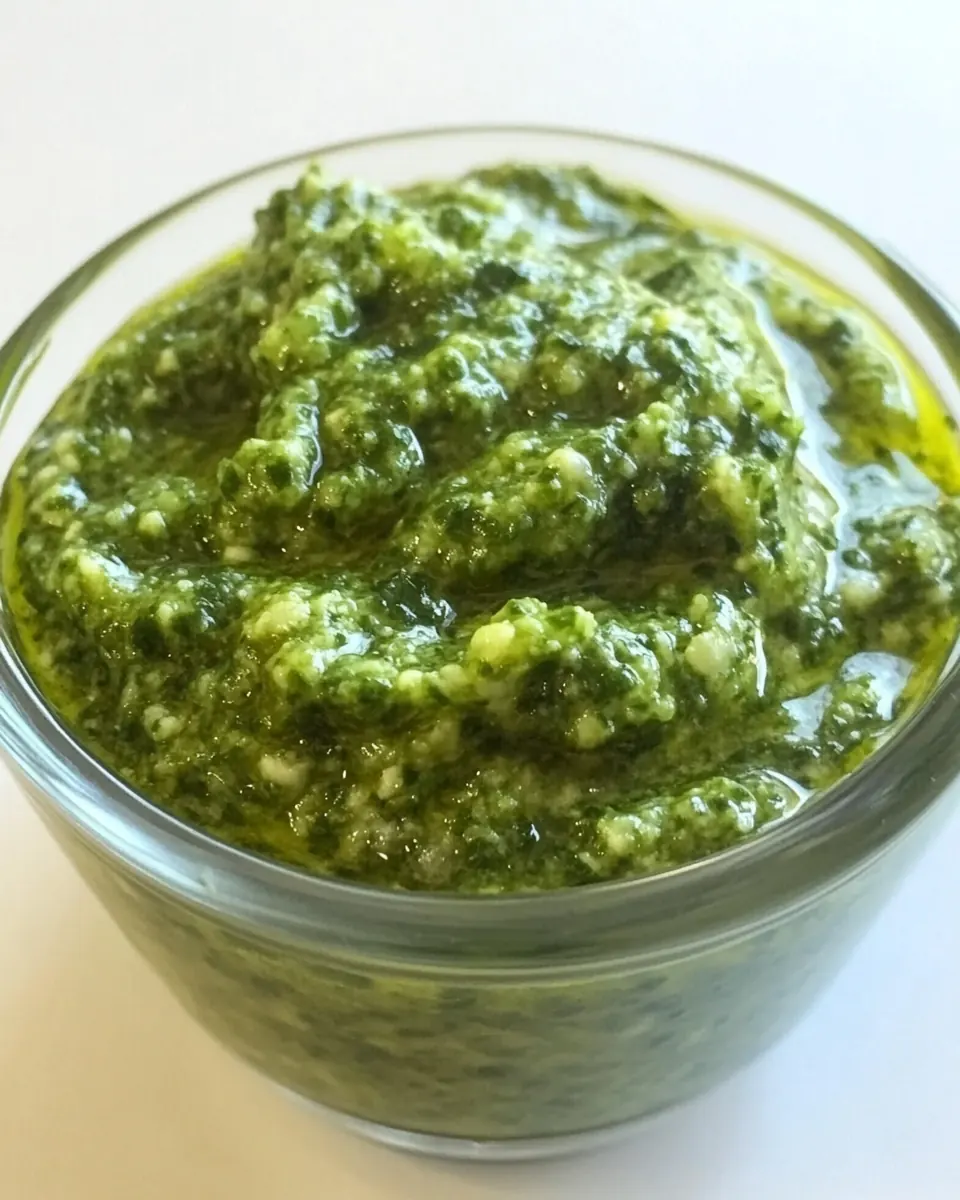
The philosophy behind this ingredient list is clarity, quality, and balance. Each item plays a specific role: the herbs for brightness, the nuts for body, the nutritional yeast for savory depth, and the olive oil to marry everything into a silky emulsion. When these elements come together, you get something herbaceous, rich, and versatile without relying on dairy.
- 6 cups loosely packed fresh basil: Brighten and bulk up the sauce with fresh basil, providing aromatic, peppery herb flavor and vibrant green color that defines pesto; pack loosely to avoid compressing leaves and preserve delicate oils during blending.
- 2/3 cup pine nuts: Toast and enrich the pesto with pine nuts, offering a buttery, slightly sweet crunch and nutty depth that helps emulsify the sauce when blended with oil; lightly warm before using to deepen flavor without burning.
- 1/4 cup nutritional yeast: Add a cheesy, savory umami note through nutritional yeast, delivering a dairy-free richness and subtle nuttiness that mimics Parmesan in traditional pesto; stir in gradually to control intensity and texture.
- 4 medium cloves garlic (roughly minced): Introduce pungent, sharp aroma and depth using roughly minced garlic, which contributes a zesty backbone to the pesto when blended; adjust quantity to taste to prevent overpowering the herbs.
- 2 tablespoons freshly squeezed lemon juice: Brighten and balance the richness with freshly squeezed lemon juice, providing acidity that lifts flavors and helps preserve the green color of the basil; add gradually and taste to achieve desired brightness.
- 1 tablespoon fresh thyme leaves () (optional): Enhance herbal complexity with fresh thyme leaves, supplying earthy, slightly floral undertones that complement basil when included; use optionality to tailor the pesto’s aromatic profile.
- 1/2 teaspoon kosher salt or sea salt + more to taste: Season and amplify overall flavors with kosher or sea salt, aiding in flavor extraction from herbs and nuts while allowing control by adding more to taste; dissolve evenly for balanced seasoning.
- 1/2 – 3/4 cup olive oil: Bind and smooth the pesto with olive oil, creating a silky emulsion that carries flavors and adds richness; adjust between 1/2 and 3/4 cup to reach preferred consistency for spreading or tossing.
Cooking Method for Dairy Free Pesto
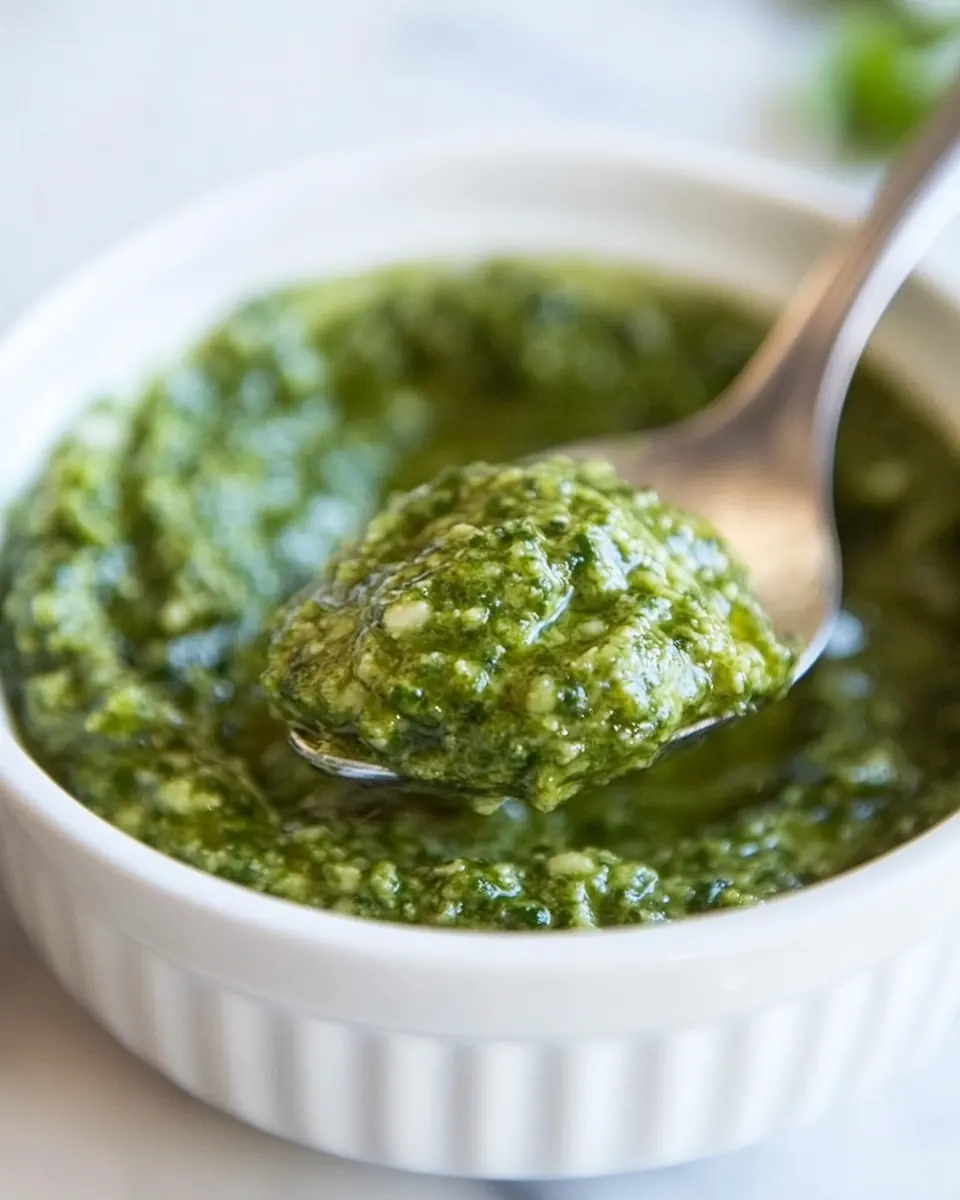
I like to keep the process straightforward so the ingredients shine. A high speed blender or food processor will emulsify the herbs and nuts into a bright, silky sauce. Work in short pulses and use the addition of olive oil to control texture, aiming for a paste that is easy to stir into pasta or spread on warm bread.
- Place basil, pine nuts, nutritional yeast, garlic, lemon juice, thyme (if using), salt, and 1/2 cup olive oil in your high-speed blender (I use and recommend a Vitamix). Blend until a bit of a paste forms, drizzling in more olive oil as necessary until your pesto reaches the consistency you like. Taste and add additional salt if desired.: When you first power the blender, you will hear the quick whirl of blades and smell the raw freshness of basil and garlic , a herbaceous scent that feels instantly alive. This initial blending breaks down the fibers and releases the aromatic oils from the herbs, which are crucial for a vibrant flavor. Expect the mixture to look chunky at first, then gradually smooth out as the nuts break down. If the mixture seems too dry or the blender struggles, add olive oil slowly to reach a smoother texture. One common mistake is overblending to a liquified state, which can warm the pesto and dull the bright green color, so pulse rather than run continuously.
- Store in an airtight container in the refrigerator for up to 5 days or freeze for up to several months.: During this stage you will notice the texture transition from coarse to a cohesive paste, and the aroma will shift from raw herb to an integrated, savory perfume. The olive oil helps emulsify the mixture, creating a sheen on the surface that signals it is coming together. Use the sound of the blender as a guide, the pitch changes as the mixture smooths. A common pitfall is adding too much oil at once, which can make the pesto too loose, so drizzle slowly and stop when the pesto clings to the spoon.
- Taste and add additional salt if desired: You will immediately notice layers of flavor when you taste, from herbaceousness to the toasty notes from pine nuts and umami from nutritional yeast . Adjusting the salt at the end is important because salt heightens the other flavors and can make the whole mixture pop. Add small increments and taste between additions. Avoid over salting, which is a frequent error, especially if you plan to serve the pesto with salted ingredients later.
- Store in an airtight container in the refrigerator for up to 5 days or freeze for up to several months: Freshly made pesto will look glossy and maintain a bright green hue when cold, and the flavors settle as it chills. Refrigeration keeps the oils firm and the aromas contained. If you freeze it, use small portions and thaw gently to preserve texture. A tip to prevent surface browning is to pour a thin layer of olive oil on top before sealing. One common mistake is storing in a warm spot, which can cause the oil to go rancid more quickly, so keep it cold.
Helpful Notes about Dairy Free Pesto
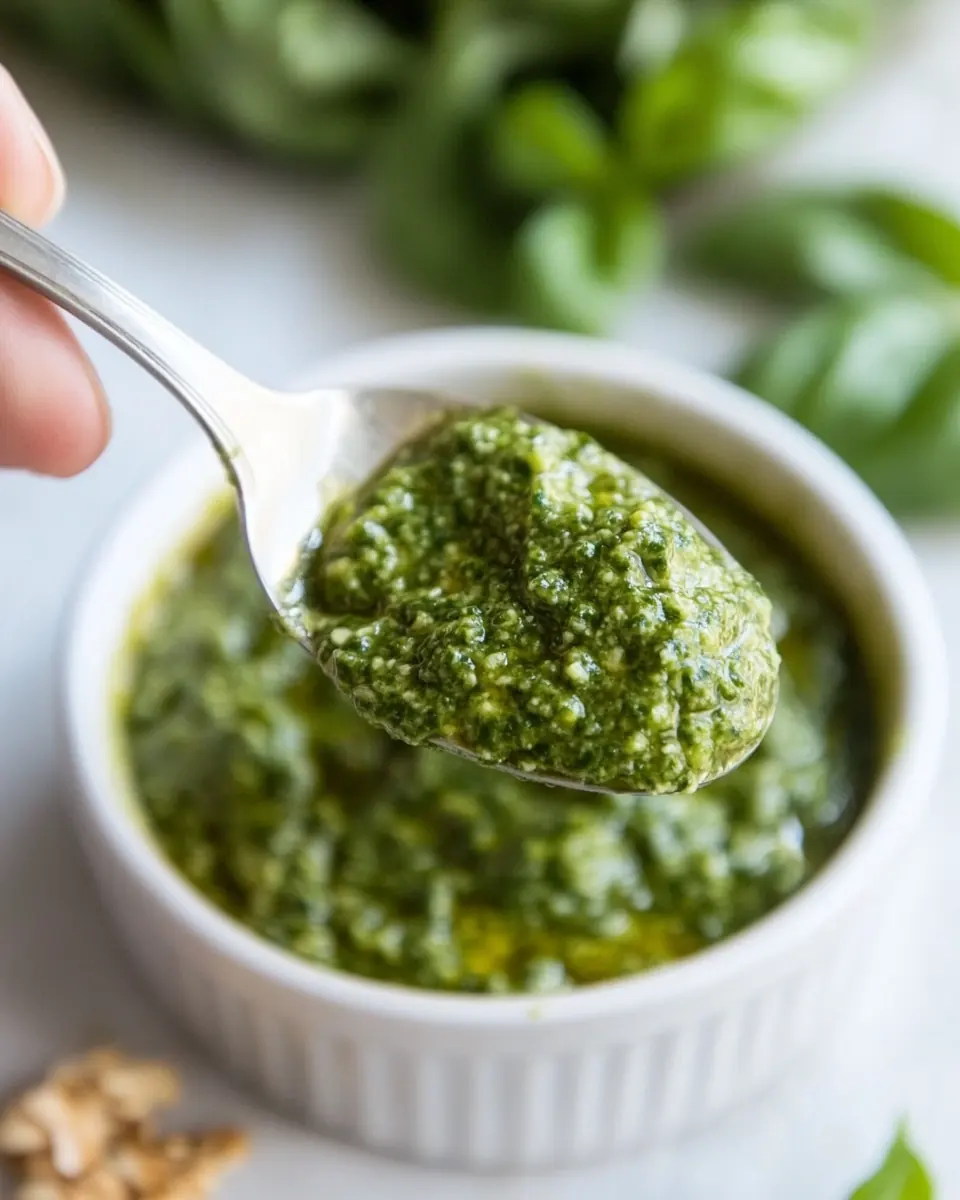
This pesto rewards small adjustments and tasting as you go. Below are practical notes and ideas I rely on to keep the flavor bright and make the most of a batch. Read through them and pick the ones that fit your pantry and preferences.
- Start with quality olive oil, because it plays a major role in the mouthfeel and taste of the pesto; use a mild extra virgin olive oil if you want the basil to shine.
- Gradual oil addition preserves texture and prevents the pesto from becoming too thin; drizzle slowly until you see a glossy emulsion forming.
- Adjust salt last to avoid over seasoning, especially since nutritional yeast adds savory depth that can be mistaken for saltiness.
- Storage tip, pour a thin layer of olive oil over the top of the pesto in its jar to limit air contact and help preserve color and flavor in the refrigerator.
- Freezing method, freeze in small portions like ice cube trays so you can thaw only what you need without wasting a whole batch.
How to Enjoy Dairy Free Pesto
This pesto is built to be versatile and welcome at many meals. It pairs beautifully with warm pasta, as a spread on toasted bread, or as a bright finish to roasted vegetables. Below are ideas and serving approaches that make the most of its fresh flavor.
- Classic pasta toss, warm a little olive oil in a pan, stir in a few spoonfuls of pesto, and toss with freshly cooked pasta until the noodles are evenly coated for an easy weeknight dinner.
- Sandwich spread, use the pesto as a flavorful base layer on toasted bread or wraps to add an herbal punch without dairy; it pairs well with grilled vegetables.
- Vegetable topper, spoon onto roasted or steamed vegetables just before serving to lift the dish with fresh herbal notes and a silky finish.
- Meal prep, portion into small containers for quick additions to lunches, stirring into grains or using as a dipping sauce for crudite.
- Occasions, great for spring menus when basil is abundant, but flexible enough for casual weeknight dinners or larger gatherings where you want an inclusive condiment.
- Storage reminders, refrigerate for up to five days or freeze for longer keeping, and always cover the surface with a thin layer of olive oil to help preserve color.
FAQ
Conclusion
This Dairy Free Pesto stands out because it captures the bright, herbal essence of basil while delivering satisfying richness without any dairy. It is easy to pull together, freezes well for future meals, and brings a fresh lift to pasta, vegetables, and sandwiches. Give it a try this week, and keep a jar on hand so you always have a quick way to add big flavor to simple dishes. I hope it becomes one of your go to condiments for spring and beyond, making fast meals taste thoughtful and memorable.
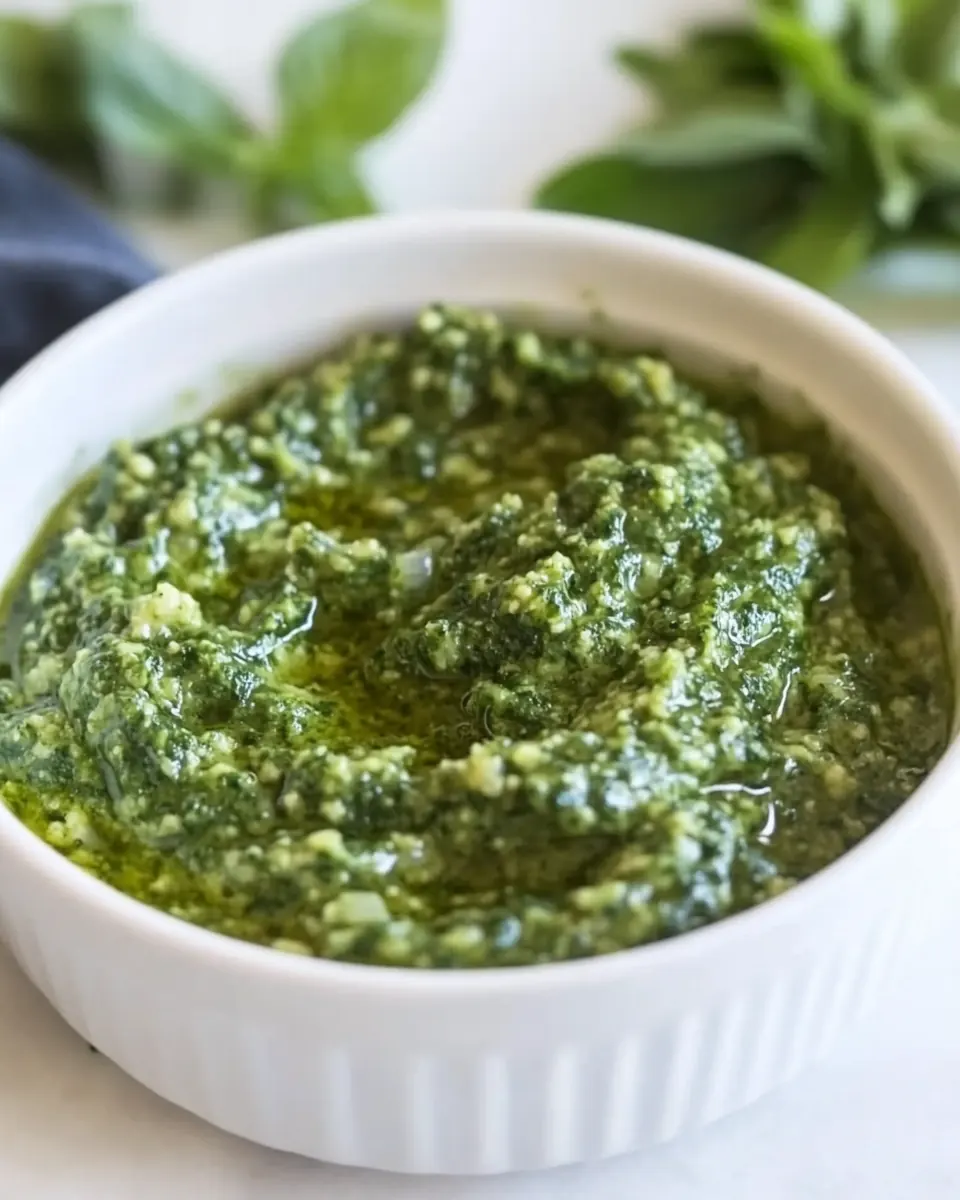
Dairy Free Pesto
Ingredients
Equipment
Method
- Place basil, pine nuts, nutritional yeast, garlic, lemon juice, thyme (if using), salt, and 1/2 cup olive oil in your high-speed blender (I use and recommend a Vitamix). Blend until a bit of a paste forms, drizzling in more olive oil as necessary until your pesto reaches the consistency you like. Taste and add additional salt if desired.: When you first power the blender, you will hear the quick whirl of blades and smell the raw freshness of basil and garlic , a herbaceous scent that feels instantly alive. This initial blending breaks down the fibers and releases the aromatic oils from the herbs, which are crucial for a vibrant flavor. Expect the mixture to look chunky at first, then gradually smooth out as the nuts break down. If the mixture seems too dry or the blender struggles, add olive oil slowly to reach a smoother texture. One common mistake is overblending to a liquified state, which can warm the pesto and dull the bright green color, so pulse rather than run continuously.
- Store in an airtight container in the refrigerator for up to 5 days or freeze for up to several months.: During this stage you will notice the texture transition from coarse to a cohesive paste, and the aroma will shift from raw herb to an integrated, savory perfume. The olive oil helps emulsify the mixture, creating a sheen on the surface that signals it is coming together. Use the sound of the blender as a guide, the pitch changes as the mixture smooths. A common pitfall is adding too much oil at once, which can make the pesto too loose, so drizzle slowly and stop when the pesto clings to the spoon.
- Taste and add additional salt if desired: You will immediately notice layers of flavor when you taste, from herbaceousness to the toasty notes from pine nuts and umami from nutritional yeast . Adjusting the salt at the end is important because salt heightens the other flavors and can make the whole mixture pop. Add small increments and taste between additions. Avoid over salting, which is a frequent error, especially if you plan to serve the pesto with salted ingredients later.
- Store in an airtight container in the refrigerator for up to 5 days or freeze for up to several months: Freshly made pesto will look glossy and maintain a bright green hue when cold, and the flavors settle as it chills. Refrigeration keeps the oils firm and the aromas contained. If you freeze it, use small portions and thaw gently to preserve texture. A tip to prevent surface browning is to pour a thin layer of olive oil on top before sealing. One common mistake is storing in a warm spot, which can cause the oil to go rancid more quickly, so keep it cold.
Notes
- Start with quality olive oil, because it plays a major role in the mouthfeel and taste of the pesto; use a mild extra virgin olive oil if you want the basil to shine.
- Gradual oil addition preserves texture and prevents the pesto from becoming too thin; drizzle slowly until you see a glossy emulsion forming.
- Adjust salt last to avoid over seasoning, especially since nutritional yeast adds savory depth that can be mistaken for saltiness.
- Storage tip, pour a thin layer of olive oil over the top of the pesto in its jar to limit air contact and help preserve color and flavor in the refrigerator.
- Freezing method, freeze in small portions like ice cube trays so you can thaw only what you need without wasting a whole batch.