Conchas
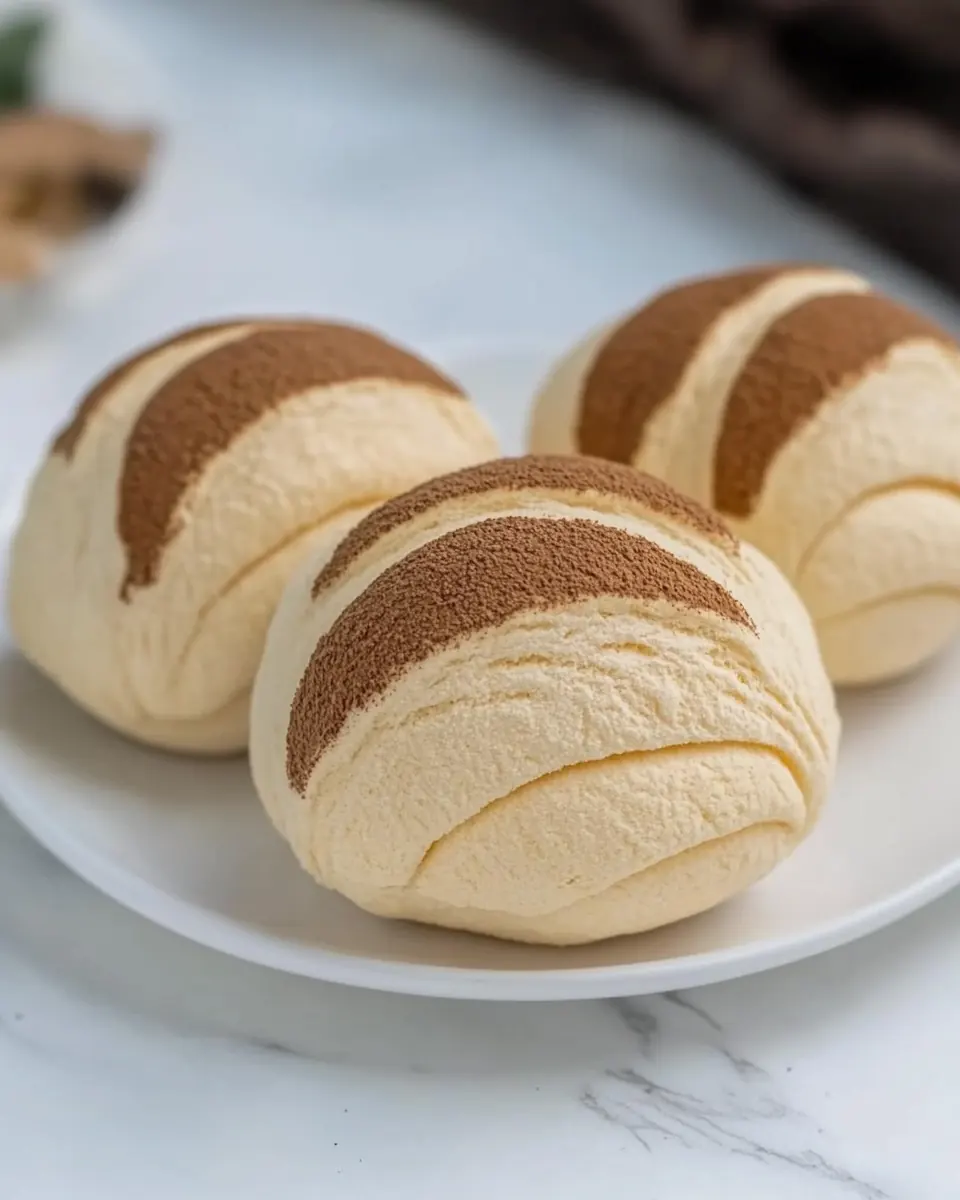
Conchas are the kind of morning treat that sneaks up on you, stealing a quiet hour and turning it into a cozy memory. I first fell for these slightly sweet Mexican pan dulce at a neighborhood bakery where the air was thick with warm milk and the smell of baked butter. That first bite, the contrast between the soft bread and the crisp, patterned topping, made me take notes, ask questions, and eventually learn to make them at home.
When I make Conchas now, it feels like visiting an old friend. The process is hands on, from warming the milk to feeling the dough become smooth under the mixer or my palms. There is a small, satisfying ritual in pressing the topping and carving the grooves that give conchas their iconic look. Over time I adjusted little things, like the temperature I proof the dough and the way I press the topping, until the results matched that bakery memory.
Recipe Snapshot
45 mins
20 mins
25 mins
Medium
180 kcal
Mexican
Gluten-Free, Low FODMAP
Desserts
Stand mixer or large bowl, Microwave safe bowl, Baking sheets, Parchment paper, Rolling pin or tortilla press
What Makes This Conchas Special
Iconic texture contrast
I adore how Conchas deliver two textures in one bite, the pillowy bread below and a slightly crisp topping above. That contrast is what keeps me coming back, it makes every mouthful interesting, and it elevates a simple sweet roll into something memorable.
Approachable techniques
I like that the method uses familiar techniques, like proofing a yeast starter and mixing dough, rather than intimidating pastry tricks. If you can warm milk to a gentle temp and let a dough rise until doubled, you can master these. I often tell friends that the steps are forgiving if you pay attention to visual and tactile cues.
Customizable topping
One reason I love these is how easy it is to play with the topping. You can split it into vanilla and chocolate sections, which is what I do when I want variety on the same tray. That little split makes a big visual and flavor difference, and it keeps the baking session fun for anyone helping in the kitchen.
Great for gatherings
Because these bake in batches and store reasonably well, they are a perfect choice when I host brunch or bring treats to a potluck. Guests often comment on the shells pattern first, then the soft crumb. They look special without needing elaborate plating, which is a win when my focus is conversation rather than complicated finishing touches.
Simple pantry ingredients
The ingredient list reads like many basic baking staples, which means I can make Conchas on a whim without a special trip to the store. Using straightforward items like all purpose flour, sugar, and butter keeps this recipe accessible and satisfying.
What Goes Into Conchas
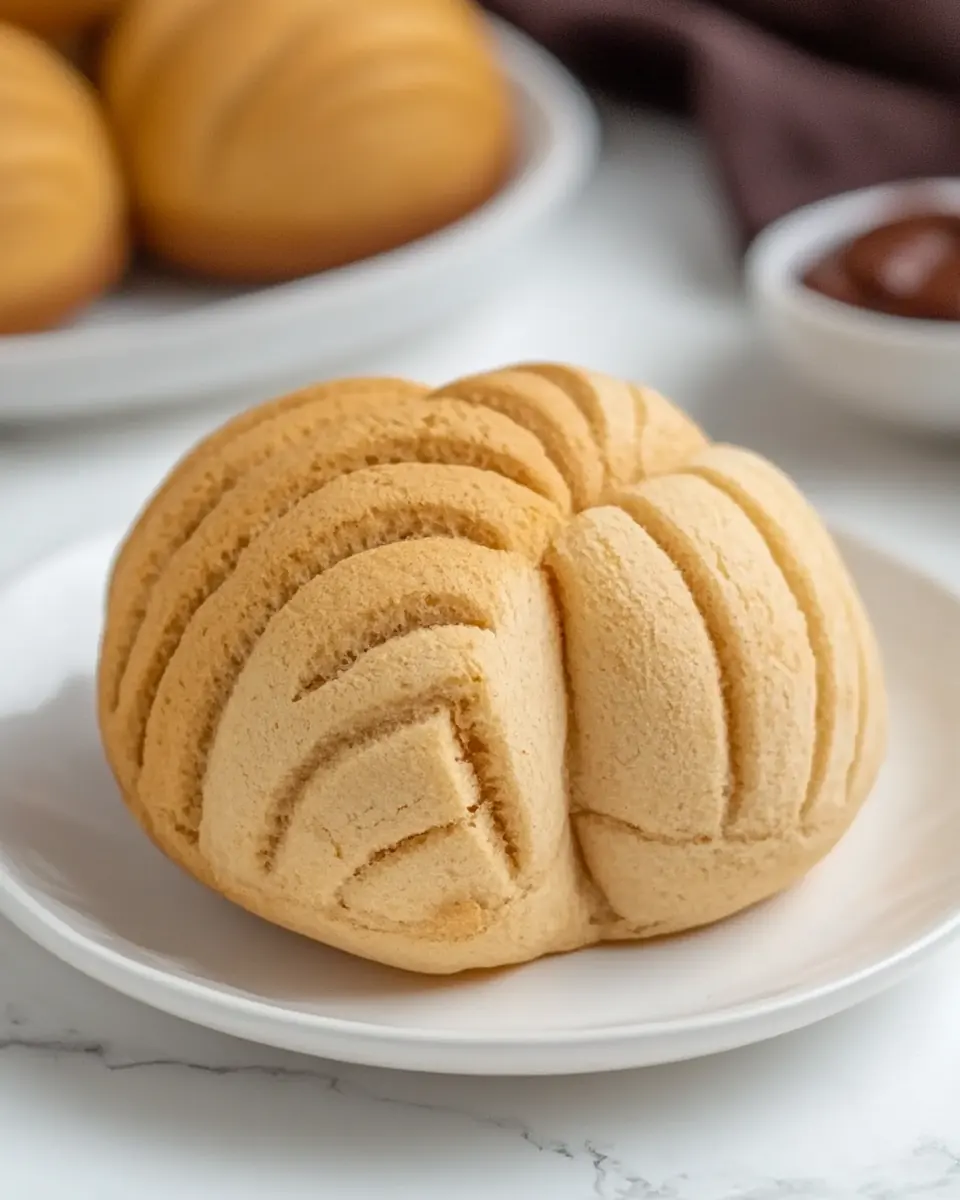
These ingredients are the heartbeat of the recipe, chosen to create a soft enriched bread and a contrasting, sweet shell. The dough relies on a balance of flour, yeast, and eggs for structure and tenderness, while the topping uses confectioners sugar and a bit of butter to crisp and crackle during baking. Together they create the classic concha mouthfeel, where a delicate crumb meets a slightly crumbly topping.
- 1/4 cup milk: Warm gently and dissolve yeast; provides liquid and temperature control for activating yeast and hydrating dough. Use at lukewarm temperature to avoid killing yeast while contributing to dough softness and crumb structure.
- 1 3/4 teaspoons active dry yeast: Activate in warm liquid to leaven dough by producing carbon dioxide; creates lift and airy texture in conchas. Proof until foamy to ensure yeast is active before mixing into the dough.
- 3 tablespoons sugar divided: Sweeten the dough while feeding yeast and influencing browning; split usage allows part in dough and part in topping for balanced sweetness. Dissolve the portion for yeast activation and reserve remaining for flavoring the streusel topping.
- 3 cups all-purpose flour: Provide the primary structure and bulk for the dough; develops gluten when mixed and kneaded to give chew and shape. Measure accurately to maintain proper hydration and texture in the final rolls.
- 1/2 teaspoons salt: Enhance flavor and strengthen gluten slightly while regulating yeast activity; balances sweetness and contributes to overall dough stability. Dissolve or mix evenly to prevent concentrated salty pockets that can inhibit yeast.
- 1/4 cup unsalted butter: Enrich the dough with fat for tenderness, flavor, and improved shelf life; contributes to a softer crumb and richer mouthfeel. Soften or melt as recipe directs to incorporate evenly and promote proper dough consistency.
- 3 small eggs: Bind and enrich the dough with protein, fat, and moisture; eggs contribute to structure, color, and richness in conchas. Beat gently and bring to room temperature if needed for even incorporation and better emulsion.
- 3/4 cup all-purpose flour: Use specifically for the topping mixture to adjust texture and binding; extra flour in topping creates a firmer, crumblier streusel. Sift or mix well with sugars and butter to achieve a smooth, spreadable topping.
- 1/2 cup confectioners sugar: Provide fine sweetness and tender texture in the topping; dissolves easily to prevent grittiness and helps create the characteristic concha crust. Sift before mixing to ensure a smooth, even streusel.
- 1/4 cup butter room temperature: Cream to create a pliable, spreadable topping that binds dry ingredients; contributes richness and flavor to the shell-like crust. Use at room temperature for easy incorporation and to avoid lumps in the streusel.
- 3/4 teaspoon vanilla extract: Flavor the topping with warm, sweet aromatics; enhances overall taste and complements the cocoa and sugar. Add in small amounts and adjust to preference to avoid overpowering the delicate pastry flavors.
- 3/4 tablespoon cocoa powder: Add chocolate flavor and color contrast to part of the topping; creates classic marbled or chocolate-varnished concha shells. Measure carefully to maintain proper topping consistency and mix thoroughly for even color.
How to Assemble Conchas
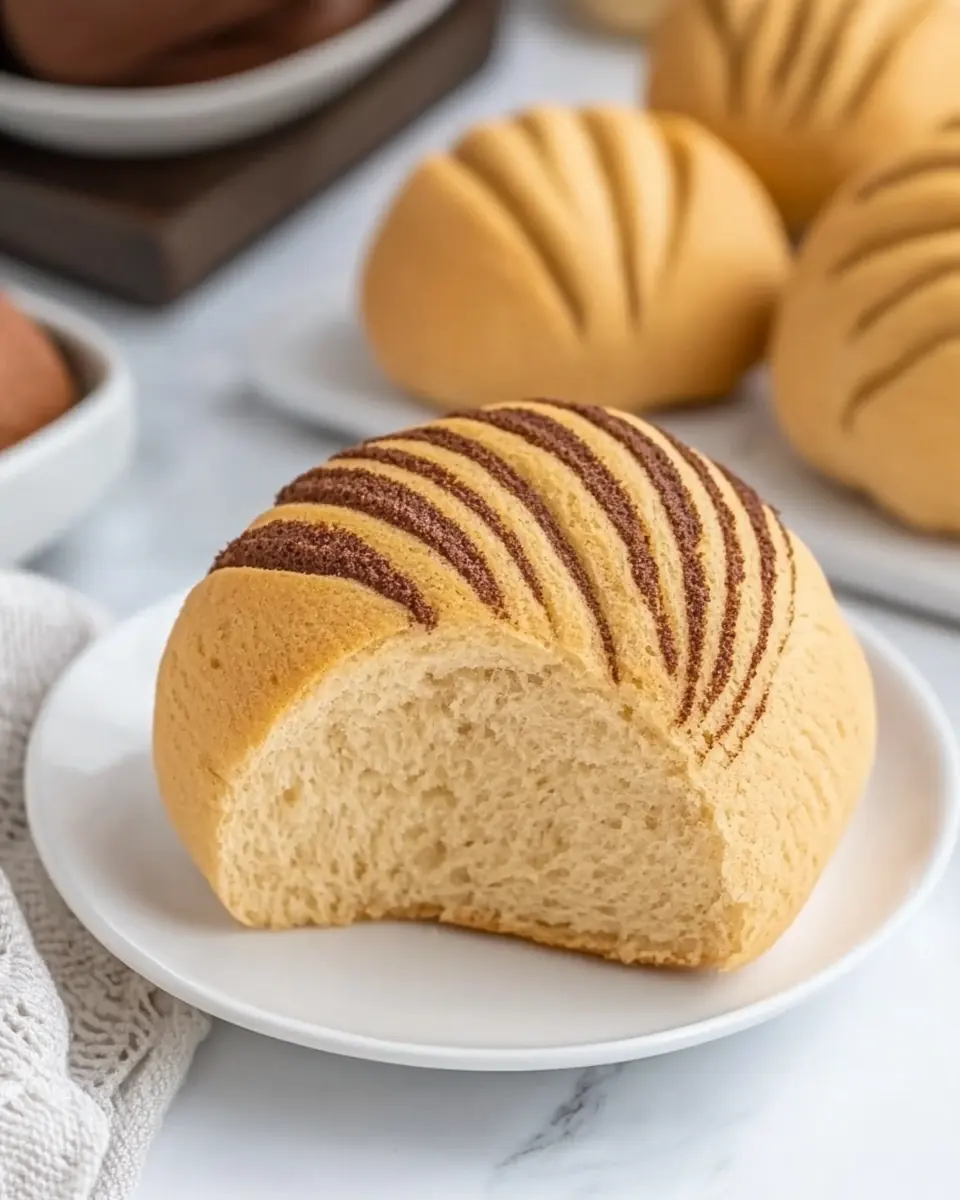
Assembling Conchas is a rhythmic process that moves from warming the milk to shaping dough and finishing with the signature shell topping. Think of each step as a small ritual that builds texture and flavor, and pay attention to visual cues at every stage.
- Preheat oven to 350°F (180°C).: As the oven warms, you should notice a faint scent of dry heat and the kitchen will begin to hum with anticipation. Preheating is essential so that when the conchas go in they begin baking immediately, helping the topping set and the crumb rise properly. A common mistake is skipping preheat, which can lead to uneven bake and a denser interior. If your oven runs hot or cold, use an oven thermometer to confirm the temperature for reliable results.
- In a microwave-safe bowl, heat milk until it reaches 110°F. Add yeast and sugar and set aside for 5 minutes or until foamy.: Warm milk to about body temperature, it should feel warm but not hot to the touch, and it will smell faintly sweet as the proteins loosen. This temperature wakes the yeast without killing it; you will see foam when the yeast is active after adding sugar . If the liquid is too cool, rising will be sluggish; if too hot, the yeast can die, leaving the dough flat. Always test with a thermometer or by touch to avoid this pitfall.
- Melt the butter and let it cool to room temperature.: Watch closely as the surface becomes bubbly and foamy, a clear sign the yeast is alive. The foam smells slightly yeasty and sweet, and it signals that fermentation has begun, which will create the airy crumb. If no foam appears, your yeast may be expired or the liquid temperature was wrong, so start again with fresh yeast to ensure proper rise.
- In a large bowl or stand mixer bowl, whisk together the flour and salt. Add melted butter, eggs, and yeast mixture. Stir or mix on medium-low speed until the dough becomes smooth and elastic. The dough will be slightly tacky, but not completely sticky. If your dough is sticky, add another tablespoon of flour.: Melted butter will smell rich and toasty; letting it cool prevents it from cooking the eggs or killing the yeast when mixed in. Warm but not hot butter blends smoothly into the batter, adding tenderness. Adding hot butter is a common error that can scramble eggs or reduce yeast activity, so allow enough cooling time.
- Transfer the dough into a clean bowl, greased with some oil, and let it sit for 2 hours or until doubled in size.: The dry mix should look uniform, pale, and slightly dusty, which means the salt is evenly distributed. Mixing dry ingredients first avoids pockets of salt that could inhibit yeast in those spots. If you skip this step, you might end up with uneven flavor and inconsistent dough behavior later.
- Divide the dough into 10 equal pieces. Shape the dough into balls. Place the balls onto two baking sheets lined with parchment paper. Set them aside for 30 minutes.: When combined, the bowl will emit a warm, eggy aroma with butter undertones, and the dough will begin to pull away from the sides as gluten develops. This mixture is the foundation of the enriched dough, providing fat and structure. Overmixing can make the dough tough, so stop once it is smooth and elastic. If the dough feels too sticky, add small extra spoonfuls of flour to correct it.
- Make the topping; whisk flour and powdered sugar in a bowl. Add butter and work it in with clean hands or process it all in a food processor until you have a streusel-like topping.: You will notice the dough change from shaggy to cohesive, and under the mixer it should create strands that stretch rather than tear. This indicates proper gluten formation for a soft yet sturdy crumb. Rushing this stage can result in underdeveloped structure, while overworking makes it stiff, so aim for that elastic feel.
- Divide the topping in two and add vanilla in one part and cocoa powder into the second part. Stir well to combine.: As the dough proofs, it will expand and smell fragrant, slightly sweet and yeasty. The visual cue is a smooth dome and a soft spring when poked gently. If it does not double, it might be in a cool spot or the yeast was weak; move it to a slightly warmer area and give it more time rather than increasing temperature drastically.
- Divide each topping into five portions. Roll out the topping by rolling pin until lightly flattened, or use a tortilla press to flatten them out. Drape the topping over the dough and pat gently to secure it.: The dough should feel airy and yield slightly when pressed, and cutting into equal portions ensures uniform baking. When you shape into balls, the surface should be smooth and taut, which helps even expansion. Unequal sizing will lead to inconsistent bake times, so weigh portions or estimate carefully.
- With a sharp knife cut grooves into the topping so it resembles a clam shell. You can also use a concha cutter.: Rolling each portion between your palms creates surface tension which helps the rolls rise up and not spread. The finished balls should look round, glossy, and satiny. If seams appear, pinch them closed to preserve shape, because open seams can tear during baking and ruin the shell pattern.
- Bake the concha bread for 20-22 minutes or until the dough is lightly golden.: Spacing matters, so leave room for expansion, you should hear the soft thud of dough meeting parchment. Parchment prevents sticking and promotes even bottom browning. Crowding the tray will cause conchas to bake into each other and alter their shape badly.
- Allow to cool for 10 minutes before serving.: During this short rest they relax and undergo a final proof, slightly puffing up. The dough surface will look less taut and a gentle press should spring back slowly, indicating readiness. If you allow too long at this stage without baking, the topping can sag or the dough can overproof, resulting in a deflated final loaf.
- Make the topping; whisk flour and powdered sugar in a bowl: The mixture should look fine and pale, and whisking aerates it slightly. It will smell sweet and powdery, a perfect contrast to the dough's yeastiness. Lumps in the sifted mix can create uneven patches, so ensure it is well combined.
- Add butter and work it in with clean hands or process it all in a food processor until you have a streusel-like topping: The texture should be cohesive and pliable, not greasy or crumbly, with a soft, buttery scent. Using your hands helps judge consistency, while a processor speeds the job. If the topping is too dry it will crack excessively; if too wet it will slide off during baking, so aim for a dough that holds together when pressed.
- Divide the topping in two and add vanilla in one part and cocoa powder into the second part: The vanilla portion will smell warm and floral, while the cocoa adds an earthy, chocolate note and darker color. Splitting creates visual variety and flavor contrast on the same baking sheet. Make sure both portions are evenly mixed so the flavor is consistent across pieces.
- Divide each topping into five portions: This portioning step ensures each roll gets an even blanket of topping, and it makes rolling or pressing manageable. You should feel the weight and malleability in your hands as you shape each piece. If portions are unequal, some conchas will bake with thicker shells and others too thin, so keep them consistent.
- Roll out the topping by rolling pin until lightly flattened, or use a tortilla press to flatten them out: As you roll, the mixture should spread into thin discs that still hold together, and you will notice a slightly buttery aroma intensify. Thinner toppings bake to a delicate crisp, while thicker ones remain cookie like. If the topping tears, the dough beneath may not get full coverage, so press gently and patch as needed.
- Drape the topping over the dough and pat gently to secure it: The act of draping should feel tactile and satisfying, the topping adhering to the dough and smoothing over curves. Pat to remove air pockets and ensure full contact, which helps the shell form uniformly. If not secured, the topping can separate and blister away from the roll during baking, so press lightly to adhere.
- With a sharp knife cut grooves into the topping so it resembles a clam shell: The visual pattern is created by shallow cuts that reveal the dough beneath and encourage the topping to crack in characteristic lines. You should hear a soft scraping sound and see neat arcs form. Cut too deep and the topping may fall away, cut too shallow and the pattern may not show, so aim for controlled, even incisions.
- You can also use a concha cutter: Using a cutter gives uniform, decorative impressions and speeds up the process, the patterned impression should look crisp and evenly spaced. Manual cutters can press slightly into the dough to help guide the expansion during baking. Relying solely on a cutter without gentle pressing can leave loose edges, so smooth them by hand afterwards.
- Bake the concha bread for 20 to 22 minutes or until the dough is lightly golden: As they bake, the kitchen will fill with a warm, buttery aroma, and the topping will set and crack attractively. Look for a pale golden hue on the sides and bottom to know they are done, and the tops should sound hollow when tapped. Underbaking leaves a gummy interior, while overbaking makes them dry, so watch closely towards the end of the time range.
- Allow to cool for 10 minutes before serving: The aroma will remain inviting as the structure firms slightly, and a brief rest helps the crumb settle so the rolls slice cleanly or hold their shape when bitten. Serve warm for the best contrast of soft interior and crisp shell. Cutting into them too soon can smear the topping and compress the crumb, so exercise a little patience for the best result.
Tips and Variations
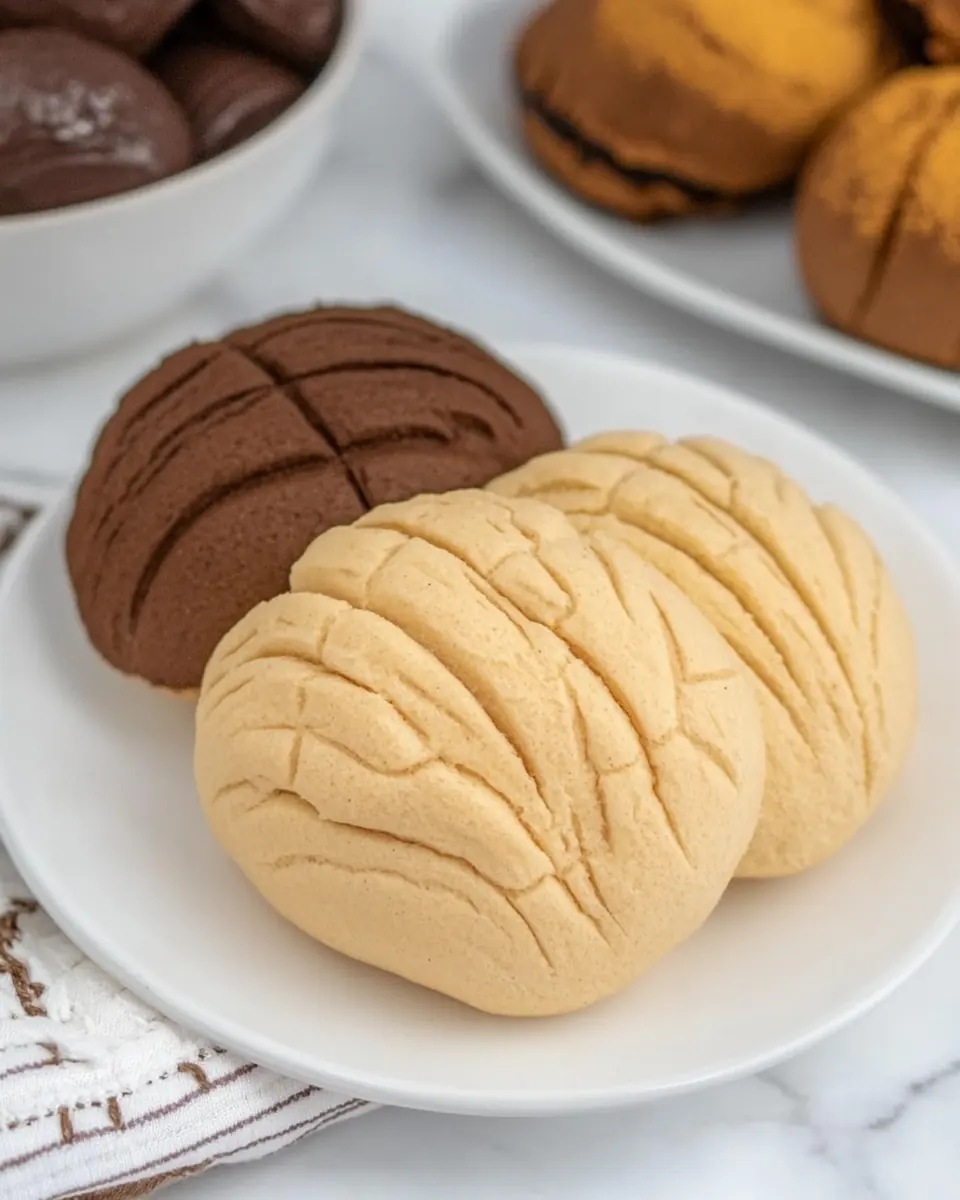
These tips will help you refine technique and explore small variations to make Conchas your own. I include practical notes I rely on during busy mornings, and a few creative touches to keep things interesting.
- Play with proofing time, if your kitchen is cool, allow the dough extra time to double rather than increasing temperature abruptly, a slow rise often yields better flavor development.
- Adjust topping thickness, thinner shells bake crispier, while thicker shells remain more cookie like, so tailor the thickness to your preferred contrast between shell and crumb.
- Keep ingredients at room temperature, using room temperature eggs and softened butter ensures even mixing and a consistent texture throughout the dough and topping.
- Use a thermometer, confirming milk and oven temperatures removes guesswork and improves reliability, especially when testing new ovens or climates.
- Press patterns with intent, practice your shell cuts on a spare piece of topping to develop confident strokes so the final loaves look uniform and attractive.
How to Enjoy Conchas
Conchas are versatile and delightful any time of day, but they truly shine as a centerpiece for casual brunches or as a comforting morning treat. Below are serving ideas, storage notes, and occasions where they fit beautifully.
- Serve warm with coffee, place conchas on a low plate and warm briefly in the oven for a few minutes, the heat revives the topping crispness and releases the rich aromas of butter and vanilla extract.
- Brunch centerpiece, arrange a variety of plain and chocolate topped conchas on a platter for a relaxed brunch, they pair well with hot beverages and fresh fruit for contrast.
- Occasions, bring them to family gatherings, neighborhood potlucks, or holiday mornings where a tray of warm pan dulce feels festive and familiar.
- Storage tip, for best texture enjoy the day of baking, but you can refrigerate or freeze leftovers, rewarming in the oven for a few minutes restores softness and crispness.
- Seasonal pairing, in cooler months these are lovely with spiced drinks, while in warmer seasons they make a nice companion to bright citrus spreads or fruit preserves.
FAQ
Conclusion
Conchas stand out because they combine a soft, enriched roll with a sweet, patterned shell that makes each bite memorable. They are approachable yet rewarding, offering tactile, aromatic, and visual pleasures that feel like a small celebration at the breakfast table. I encourage you to give them a try, paying attention to the cues for proofing and topping consistency, and to enjoy the process as much as the result. Share a tray with friends or savor one quietly with your morning coffee, and you may find yourself reaching for the recipe again sooner than you expect.
Conchas
Ingredients
Equipment
Method
- Preheat oven to 350°F (180°C).: As the oven warms, you should notice a faint scent of dry heat and the kitchen will begin to hum with anticipation. Preheating is essential so that when the conchas go in they begin baking immediately, helping the topping set and the crumb rise properly. A common mistake is skipping preheat, which can lead to uneven bake and a denser interior. If your oven runs hot or cold, use an oven thermometer to confirm the temperature for reliable results.
- In a microwave-safe bowl, heat milk until it reaches 110°F. Add yeast and sugar and set aside for 5 minutes or until foamy.: Warm milk to about body temperature, it should feel warm but not hot to the touch, and it will smell faintly sweet as the proteins loosen. This temperature wakes the yeast without killing it; you will see foam when the yeast is active after adding sugar . If the liquid is too cool, rising will be sluggish; if too hot, the yeast can die, leaving the dough flat. Always test with a thermometer or by touch to avoid this pitfall.
- Melt the butter and let it cool to room temperature.: Watch closely as the surface becomes bubbly and foamy, a clear sign the yeast is alive. The foam smells slightly yeasty and sweet, and it signals that fermentation has begun, which will create the airy crumb. If no foam appears, your yeast may be expired or the liquid temperature was wrong, so start again with fresh yeast to ensure proper rise.
- In a large bowl or stand mixer bowl, whisk together the flour and salt. Add melted butter, eggs, and yeast mixture. Stir or mix on medium-low speed until the dough becomes smooth and elastic. The dough will be slightly tacky, but not completely sticky. If your dough is sticky, add another tablespoon of flour.: Melted butter will smell rich and toasty; letting it cool prevents it from cooking the eggs or killing the yeast when mixed in. Warm but not hot butter blends smoothly into the batter, adding tenderness. Adding hot butter is a common error that can scramble eggs or reduce yeast activity, so allow enough cooling time.
- Transfer the dough into a clean bowl, greased with some oil, and let it sit for 2 hours or until doubled in size.: The dry mix should look uniform, pale, and slightly dusty, which means the salt is evenly distributed. Mixing dry ingredients first avoids pockets of salt that could inhibit yeast in those spots. If you skip this step, you might end up with uneven flavor and inconsistent dough behavior later.
- Divide the dough into 10 equal pieces. Shape the dough into balls. Place the balls onto two baking sheets lined with parchment paper. Set them aside for 30 minutes.: When combined, the bowl will emit a warm, eggy aroma with butter undertones, and the dough will begin to pull away from the sides as gluten develops. This mixture is the foundation of the enriched dough, providing fat and structure. Overmixing can make the dough tough, so stop once it is smooth and elastic. If the dough feels too sticky, add small extra spoonfuls of flour to correct it.
- Make the topping; whisk flour and powdered sugar in a bowl. Add butter and work it in with clean hands or process it all in a food processor until you have a streusel-like topping.: You will notice the dough change from shaggy to cohesive, and under the mixer it should create strands that stretch rather than tear. This indicates proper gluten formation for a soft yet sturdy crumb. Rushing this stage can result in underdeveloped structure, while overworking makes it stiff, so aim for that elastic feel.
- Divide the topping in two and add vanilla in one part and cocoa powder into the second part. Stir well to combine.: As the dough proofs, it will expand and smell fragrant, slightly sweet and yeasty. The visual cue is a smooth dome and a soft spring when poked gently. If it does not double, it might be in a cool spot or the yeast was weak; move it to a slightly warmer area and give it more time rather than increasing temperature drastically.
- Divide each topping into five portions. Roll out the topping by rolling pin until lightly flattened, or use a tortilla press to flatten them out. Drape the topping over the dough and pat gently to secure it.: The dough should feel airy and yield slightly when pressed, and cutting into equal portions ensures uniform baking. When you shape into balls, the surface should be smooth and taut, which helps even expansion. Unequal sizing will lead to inconsistent bake times, so weigh portions or estimate carefully.
- With a sharp knife cut grooves into the topping so it resembles a clam shell. You can also use a concha cutter.: Rolling each portion between your palms creates surface tension which helps the rolls rise up and not spread. The finished balls should look round, glossy, and satiny. If seams appear, pinch them closed to preserve shape, because open seams can tear during baking and ruin the shell pattern.
- Bake the concha bread for 20-22 minutes or until the dough is lightly golden.: Spacing matters, so leave room for expansion, you should hear the soft thud of dough meeting parchment. Parchment prevents sticking and promotes even bottom browning. Crowding the tray will cause conchas to bake into each other and alter their shape badly.
- Allow to cool for 10 minutes before serving.: During this short rest they relax and undergo a final proof, slightly puffing up. The dough surface will look less taut and a gentle press should spring back slowly, indicating readiness. If you allow too long at this stage without baking, the topping can sag or the dough can overproof, resulting in a deflated final loaf.
- Make the topping; whisk flour and powdered sugar in a bowl: The mixture should look fine and pale, and whisking aerates it slightly. It will smell sweet and powdery, a perfect contrast to the dough's yeastiness. Lumps in the sifted mix can create uneven patches, so ensure it is well combined.
- Add butter and work it in with clean hands or process it all in a food processor until you have a streusel-like topping: The texture should be cohesive and pliable, not greasy or crumbly, with a soft, buttery scent. Using your hands helps judge consistency, while a processor speeds the job. If the topping is too dry it will crack excessively; if too wet it will slide off during baking, so aim for a dough that holds together when pressed.
- Divide the topping in two and add vanilla in one part and cocoa powder into the second part: The vanilla portion will smell warm and floral, while the cocoa adds an earthy, chocolate note and darker color. Splitting creates visual variety and flavor contrast on the same baking sheet. Make sure both portions are evenly mixed so the flavor is consistent across pieces.
- Divide each topping into five portions: This portioning step ensures each roll gets an even blanket of topping, and it makes rolling or pressing manageable. You should feel the weight and malleability in your hands as you shape each piece. If portions are unequal, some conchas will bake with thicker shells and others too thin, so keep them consistent.
- Roll out the topping by rolling pin until lightly flattened, or use a tortilla press to flatten them out: As you roll, the mixture should spread into thin discs that still hold together, and you will notice a slightly buttery aroma intensify. Thinner toppings bake to a delicate crisp, while thicker ones remain cookie like. If the topping tears, the dough beneath may not get full coverage, so press gently and patch as needed.
- Drape the topping over the dough and pat gently to secure it: The act of draping should feel tactile and satisfying, the topping adhering to the dough and smoothing over curves. Pat to remove air pockets and ensure full contact, which helps the shell form uniformly. If not secured, the topping can separate and blister away from the roll during baking, so press lightly to adhere.
- With a sharp knife cut grooves into the topping so it resembles a clam shell: The visual pattern is created by shallow cuts that reveal the dough beneath and encourage the topping to crack in characteristic lines. You should hear a soft scraping sound and see neat arcs form. Cut too deep and the topping may fall away, cut too shallow and the pattern may not show, so aim for controlled, even incisions.
- You can also use a concha cutter: Using a cutter gives uniform, decorative impressions and speeds up the process, the patterned impression should look crisp and evenly spaced. Manual cutters can press slightly into the dough to help guide the expansion during baking. Relying solely on a cutter without gentle pressing can leave loose edges, so smooth them by hand afterwards.
- Bake the concha bread for 20 to 22 minutes or until the dough is lightly golden: As they bake, the kitchen will fill with a warm, buttery aroma, and the topping will set and crack attractively. Look for a pale golden hue on the sides and bottom to know they are done, and the tops should sound hollow when tapped. Underbaking leaves a gummy interior, while overbaking makes them dry, so watch closely towards the end of the time range.
- Allow to cool for 10 minutes before serving: The aroma will remain inviting as the structure firms slightly, and a brief rest helps the crumb settle so the rolls slice cleanly or hold their shape when bitten. Serve warm for the best contrast of soft interior and crisp shell. Cutting into them too soon can smear the topping and compress the crumb, so exercise a little patience for the best result.
Notes
- Play with proofing time, if your kitchen is cool, allow the dough extra time to double rather than increasing temperature abruptly, a slow rise often yields better flavor development.
- Adjust topping thickness, thinner shells bake crispier, while thicker shells remain more cookie like, so tailor the thickness to your preferred contrast between shell and crumb.
- Keep ingredients at room temperature, using room temperature eggs and softened butter ensures even mixing and a consistent texture throughout the dough and topping.
- Use a thermometer, confirming milk and oven temperatures removes guesswork and improves reliability, especially when testing new ovens or climates.
- Press patterns with intent, practice your shell cuts on a spare piece of topping to develop confident strokes so the final loaves look uniform and attractive.