Apple Bundt Cake
Apple Bundt Cake is one of those recipes I reach for when I want something cozy, homey, and a little bit nostalgic. The first time I made this cake it was a rainy afternoon, and the whole house filled with the warm, spiced scent of cinnamon and baked apples. I remember thinking how simple ingredients could come together to feel like a warm hug, and that memory has kept this recipe in my regular rotation.
I love how the crumb is tender yet substantial thanks to the generous amount of flour and the oil that keeps it moist. When I slice into the ring, the pieces of apple glint like little jewels, and the occasional crunch of toasted nuts gives a delightful contrast. Guests always ask for the recipe, and I find myself telling the story behind each tweak I made over the years, from the way I toss the fruit to the tiny extra beat of the eggs that lifts the batter.
There’s a rhythm to making this cake that I enjoy, the kind of slow, satisfying cooking that lets you breathe between steps. It has become my go to for weekend brunches, afternoon tea, and holiday gatherings when I want something comforting without fuss. The beauty is in the technique and the quality of the components, not in complicated tricks, and that makes it approachable for bakers at every level.
Recipe Snapshot
1 hr 35 mins
20 mins
75 mins
Medium
350 kcal
American
Gluten-Free, Paleo
Desserts
Bundt pan, Mixing bowls, Spatula, Wire rack
What Makes This Apple Bundt Cake Special
It Smells Like Home
When I pull this Apple Bundt Cake from the oven the fragrance of cinnamon and warm apples fills the kitchen. That aroma alone invites people to the table, and I love how it triggers memories and conversation. The scent is one of the first reasons I keep making this cake.
Simple Ingredients, Big Impact
The recipe uses pantry staples like flour, sugar, and eggs, yet the result feels elevated. Because I use vegetable oil, the crumb stays moist for days, which is great when I bake ahead. I appreciate recipes that let humble ingredients shine.
Flexible and forgiving
I love that you can fold in chopped apples and optionally some toasted nuts without worrying about perfect technique. The batter is forgiving, so slight over mixing won’t ruin the cake. That makes it a comforting project for busy days when I need reliability.
Perfect for gatherings
The Bundt shape makes the cake feel special without extra effort. It slices nicely for brunch crowds, and the ring holds warm glaze or a dusting of sugar beautifully. For celebrations, it looks like you made an effort even when the method is straightforward.
Texture and contrast
The soft, tender crumb contrasted with the juicy bits of apple and the optional crunch of toasted nuts keeps every bite interesting. That interplay of textures is why I keep coming back to this recipe, it feels both homey and thoughtfully composed.
What’s In This Apple Bundt Cake
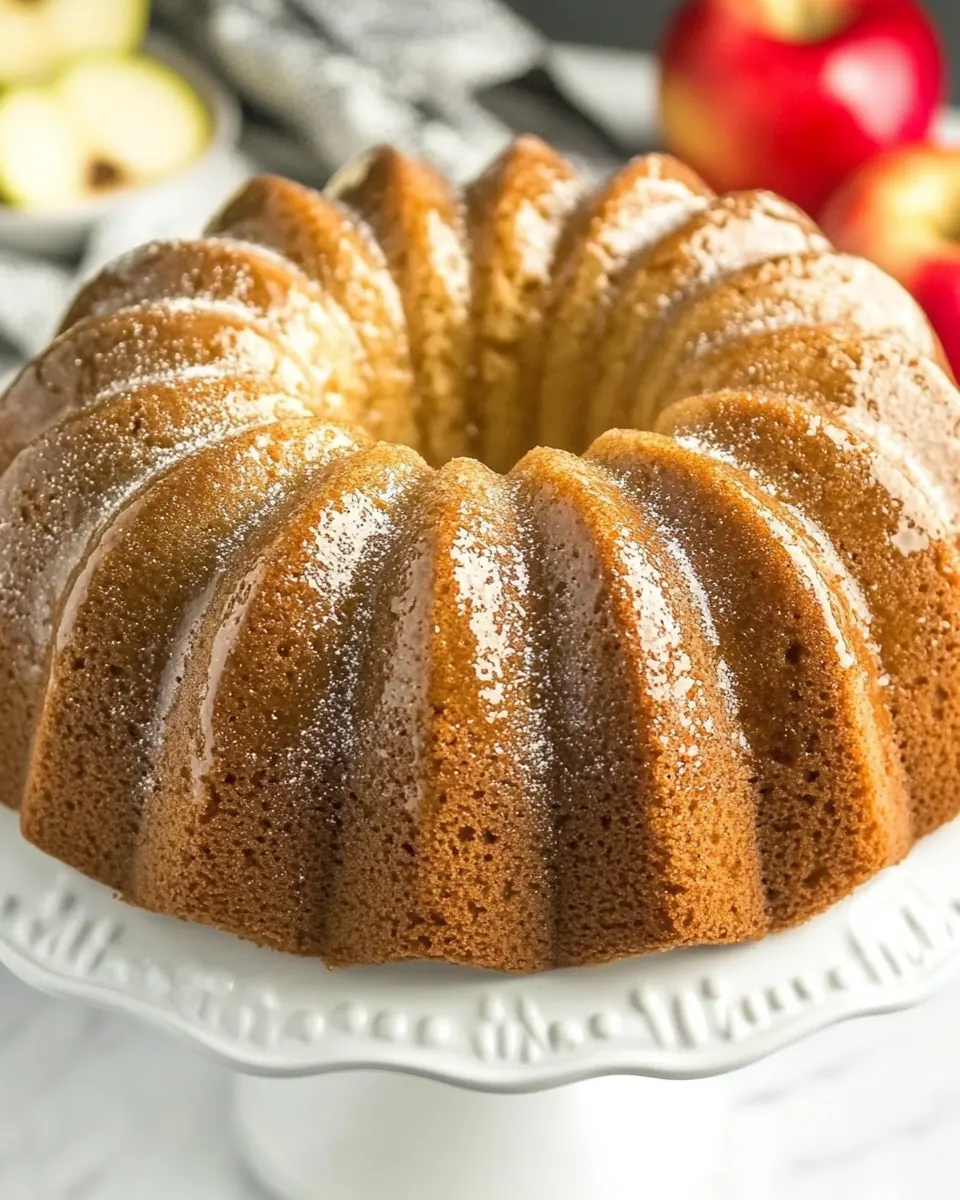
I treat the ingredient list as a small orchestra where each player has a clear job. The dry elements build structure, the wet elements bring moisture and lift, and the fruit adds brightness and texture. The key players here are the flour for body, the vegetable oil for lasting tenderness, and the fresh apples for flavor and juiciness. Together they create a cake that is comforting, sturdy enough to slice, and full of seasonal character.
- 1 1/2 cups vegetable oil: Provides moisture and tender crumb to the cake while helping dissolve sugar and distribute heat evenly during baking. Works as the primary fat to yield a rich mouthfeel and keep the cake soft for several days. Incorporates easily with sugar and eggs to create a smooth batter that traps air for lightness.
- 2 cups sugar: Sweetens the batter and aids in browning through caramelization during baking, contributing to flavor depth and texture. Helps dissolve with wet ingredients to produce a cohesive batter and assists in retaining moisture. Balances tartness from apples and enhances the overall sweetness profile.
- 3 eggs: Adds structure, lift, and richness to the cake as proteins coagulate from heat, helping the batter set. Contributes to emulsification when beaten with sugar and oil, improving texture and crumb. Provides additional moisture and flavor, making the cake tender and cohesive.
- 1 tablespoon vanilla: Imparts aromatic sweetness and enhances other flavors in the cake, particularly the apples and cinnamon. Acts as a flavor amplifier even in small amounts, rounding out the overall taste profile. Blends into the batter to give a pleasant, familiar dessert aroma.
- 3 cups flour: Provides bulk, structure, and the primary starch for the cake, forming the gluten network when combined with liquids. Determines the cake’s density and crumb depending on mixing method; overmixing can lead to toughness. Combines with leaveners to trap gas and help the cake rise uniformly.
- 1 teaspoon baking soda: Reacts with acidic components and heat to produce carbon dioxide, contributing to leavening and lightness in the cake. Helps counterbalance the density from oil and apples to ensure an airy crumb. Should be measured accurately to avoid metallic or soapy off-flavors.
- 1/2 teaspoon salt: Balances sweetness and enhances flavor while also strengthening the gluten network slightly to provide structure. Prevents blandness and helps bring out the spice and apple notes without overwhelming them. Functions as a background mineral component that supports overall taste.
- 1 teaspoon cinnamon: Adds warm, aromatic spice that complements apples and enhances perceived sweetness without extra sugar. Provides depth and a classic apple-dessert profile while blending evenly into the batter. Use measured amounts to avoid overpowering the other flavors.
- 3 medium apples, peeled, cored, and cut into bite-sized chunks: Contributes fresh fruit texture, natural sweetness, and moisture pockets within the cake, creating tender bites and fruity bursts. Provides acidity that interacts with leavening to improve rise and flavor brightness; peeling and coring ensures even distribution. Cutting into bite–sized chunks yields pleasant apple pieces throughout the cake.
- 1 cup nuts, toasted (optional): Offers crunchy texture contrast and nutty flavor when included, enhancing mouthfeel and complexity. Toasting intensifies aroma and reduces rawness, making nuts more flavorful and aromatic in the finished cake. Keep optional to accommodate preferences and allergies while providing an appealing variation.
The Method for Apple Bundt Cake
This method is straightforward and calming, perfect for a relaxed baking session. I walk through each stage slowly, paying attention to textures and smells. Follow the cues below and you will end up with a moist, evenly baked ring full of tender apples and warm spice.
- Preheat oven to 325º.: As the oven warms, you will notice a faint hum and the steady build of heat that sets the scene for baking. The precise oven temperature ensures the cake cooks gently so the center bakes through without the exterior overbrowning. Preheating is essential because a cold oven can cause uneven rise, leaving the interior underdone. A common mistake is skipping preheat to save time, which compromises texture. Check your oven thermometer to confirm accuracy and allow the oven to reach the full temperature so the batter begins rising immediately once it goes in.
- Grease and flour tube or Bundt pan. Set aside.: Coating the pan creates a thin barrier so the cake releases cleanly, which matters for presentation. Rub the pan with fat, then dust with flour , tapping out excess until the surface looks evenly coated. You should hear a slight scrape when you run a finger along the surface, indicating coverage. Failing to fully grease or flour pockets on ornate Bundt pans is a frequent slip, resulting in torn edges when you unmold. For stubborn pans, a quick parchment disc in the center can help, but usually the grease and flour method is sufficient.
- Combine oil, sugar, eggs, and vanilla. Beat until well combined.: When these ingredients come together the batter tastes sweet, rich, and aromatic even before the dry goods arrive. Beat them until well combined so the sugar integrates and the eggs slightly aerate the mixture, yielding a lighter texture. The mixture should look glossy and smooth, with tiny ribbons when you lift the beater. Avoid over beating which can incorporate excess air and lead to cracking or a coarse crumb. If the mixture looks curdled, continue beating briefly to smooth it out, room temperature eggs help this process.
- Whisk together the dry ingredients in a bowl, then add to the sugar mixture, and stir until just combined.: Mixing the flour , baking soda , salt , and cinnamon together distributes leavening and spice evenly. When you fold these into the wet mix, use a gentle hand to avoid overworking gluten, which can make the cake tough. Stop when streaks of dry ingredients disappear and the batter looks homogeneous. It is normal for the batter to be fairly thick, and small lumps are okay. Over mixing at this stage is the classic error that produces a dense result rather than a tender crumb.
- Add apples and nuts, if using. Stir until well combined.: The sight of glossy pieces of apple folding into the batter is one of my favorite moments; they glint and promise pockets of juice. Mix until just distributed, ensuring the fruit pieces are evenly suspended so they don’t sink. If your pieces are too large, they may create tunnels in the crumb, so keep them bite sized. A common issue here is adding fruit that is wet or oozing juice; pat the pieces dry to prevent extra moisture from loosening the batter excessively.
- Spoon mixture into prepared pan. Even out top with a spatula or knife.: As you transfer the batter, listen for the slight thud as it lands in the pan. Use a spatula to level the surface and remove large air pockets, but do not tap the pan excessively or you will cause fruit to sink to the bottom. The batter should fill the pan about two thirds to three quarters full depending on your pan size. Overfilling is an easy mistake and leads to overflow and irregular shape, so leave room for rise. A few gentle lifts and a smoothing motion will give an even top that bakes to a beautiful crust.
- Bake for 60-75 minutes or until a toothpick inserted in a few places comes out clean.: During baking you will notice the aroma deepen and the top taking on a golden brown hue. The baking time varies with oven and pan material, so begin checking at the earlier time. Insert a toothpick near the center and in a couple of apple dense spots to ensure doneness. The cake should spring back slightly when pressed and not wobble in the middle. One common mistake is relying on color alone; the center can be underdone even if the top looks done. Tent with foil if the top browns too quickly to allow the center to finish.
- Cool for 10-15 minutes, then remove to a wire rack to finish cooling.: Cooling in the pan lets the structure set so the cake does not collapse when unmolded, yet waiting too long makes release harder. You will smell a concentrated mix of spice and apple as it rests. After the brief rest, invert onto a wire rack; if it resists slightly, tap the pan edges to release. Leaving it in the pan for too long can make the crust stick and tear, so aim for the window of 10 to 15 minutes for best results.
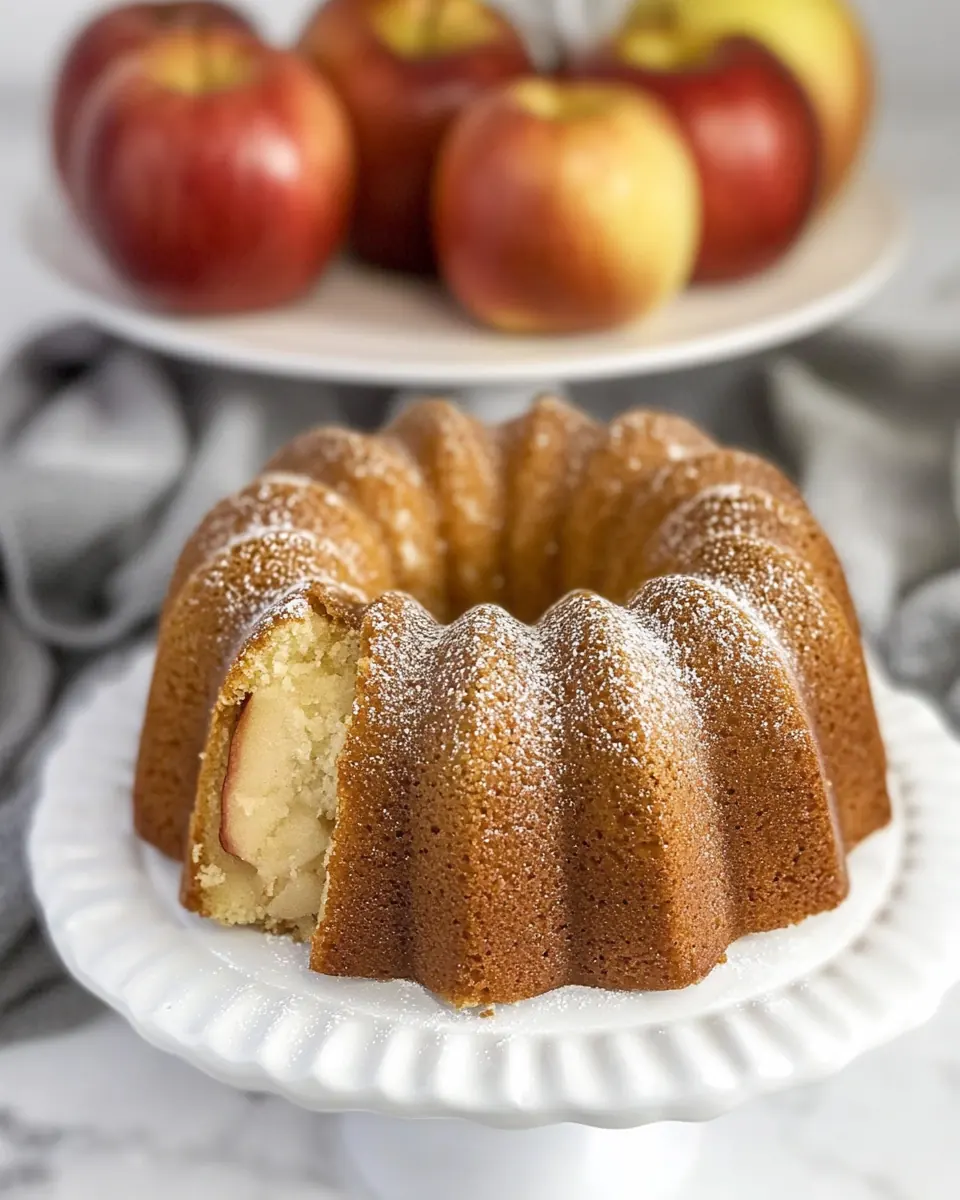
- Place on a serving plate to cut and serve.: Transferring the cake to a serving plate lets you present the ring intact and slice clean portions. The texture should be tender but sliceable, with flecks of apple visible in each piece. Allow the cake to cool sufficiently or you risk the slices falling apart, but a slightly warm slice is heavenly. A final misstep is cutting too soon which results in crumbs and a messy presentation, so patience pays off here.
Recipe Notes about Apple Bundt Cake
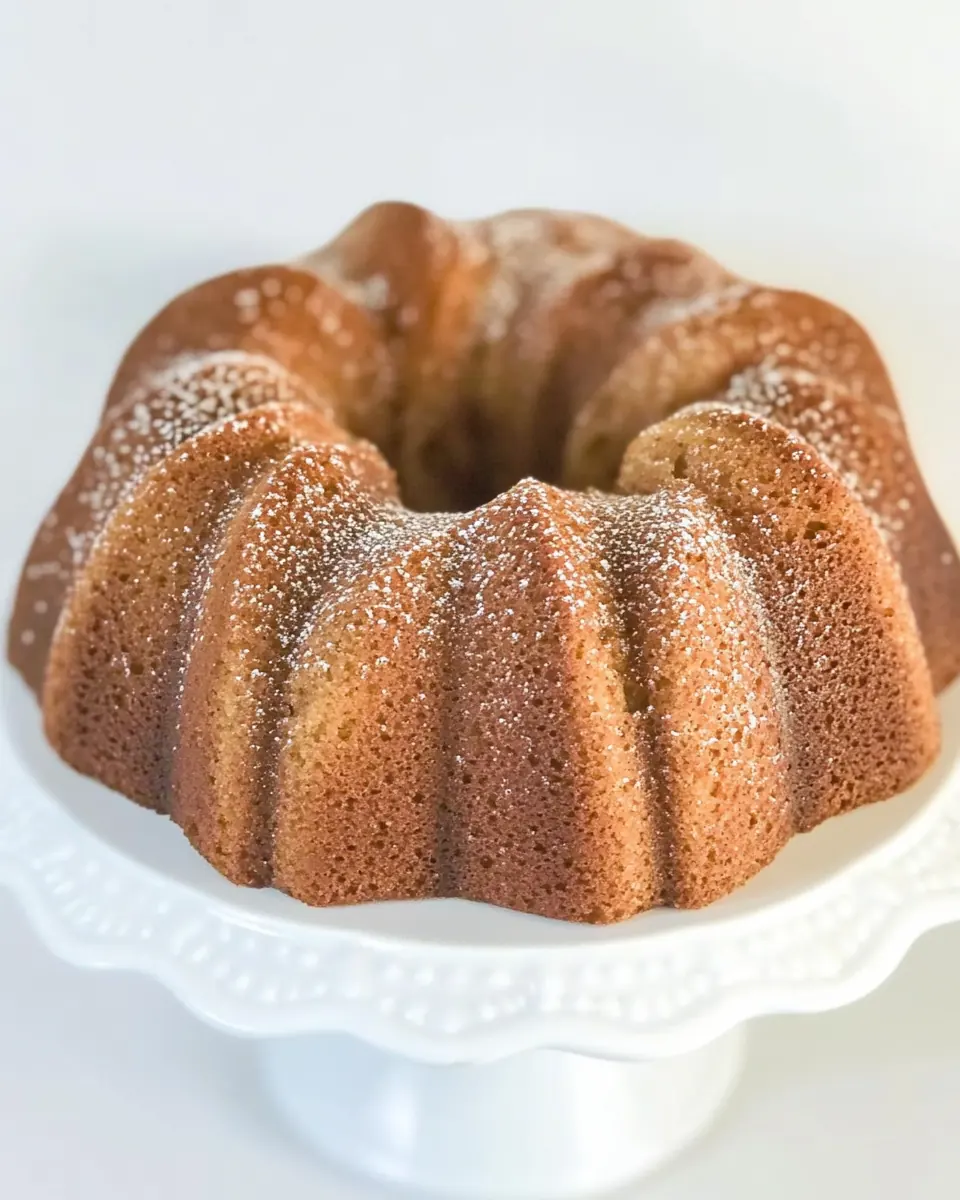
This cake responds well to small, thoughtful adjustments and benefits from clear tips. Below are practical notes I use when I bake, expanded into detailed guidance to help you get a consistent, delicious result.
- Bring ingredients to room temperature — Allow eggs and other refrigerated items to sit out for about 30 minutes so they incorporate more easily and the batter mixes evenly, producing a smoother texture.
- Accurate measuring — Spoon and level your flour for best results; packed flour can make the cake heavy. Use a kitchen scale if available for precision.
- Pan preparation matters — Thoroughly grease and flour your Bundt pan, paying attention to crevices. For ornate pans, I apply a little extra and use a pastry brush to reach details so the cake unmolds with intact edges.
- Test near the center — When checking doneness, probe a few spots including near apple heavy areas, as they can stay moist longer. If a toothpick comes out with wet batter in the center, continue baking and check in five minute intervals.
- Store properly — Wrapped well at room temperature, the cake keeps moist for two days. For longer storage, freeze slices wrapped in plastic and foil, then thaw gently at room temperature to preserve texture.
What to Serve With Apple Bundt Cake
This cake pairs well with simple accompaniments that highlight its warmth and texture. For casual brunch or dessert, choose light, complementary items that frame the baked flavors without overpowering them. Below I outline serving ideas, occasions, and storage notes to help you plan.
- Tea or coffee — A classic afternoon pairing, a cup of black tea or coffee offsets the cake’s sweetness and complements the cinnamon notes.
- Whipped cream — Lightly sweetened whipped cream adds a creamy contrast to the tender crumb and juicy apple pieces.
- Vanilla ice cream — A scoop of cold, creamy vanilla ice cream is delicious with warm slices, creating a pleasing temperature contrast.
- Brunch spread — Include the cake alongside savory items for balance; it works well as part of a weekend buffet or holiday brunch.
- Holiday table — For fall gatherings and festive meals, present the cake as a centerpiece dessert that looks special with minimal effort.
- Storage tips — Wrap the cooled cake in plastic wrap and keep at room temperature for up to two days, refrigerate up to five days, or freeze wrapped slices for up to three months.
- Seasonal pairings — Serve with a simple fruit compote or lightly stewed apples for extra fruit intensity during fall months.
FAQ
Conclusion
This Apple Bundt Cake shines because it combines simple pantry ingredients with fresh apples and warm spice to produce a tender, satisfying ring cake. It is a reliably moist, flavorful bake that looks special but is easy to make, which makes it perfect for weekend brunches and fall gatherings. Give it a try the next time you want a dessert that feels like home, and enjoy the sensory rewards of a warmly spiced, apple studded slice shared with friends or family.
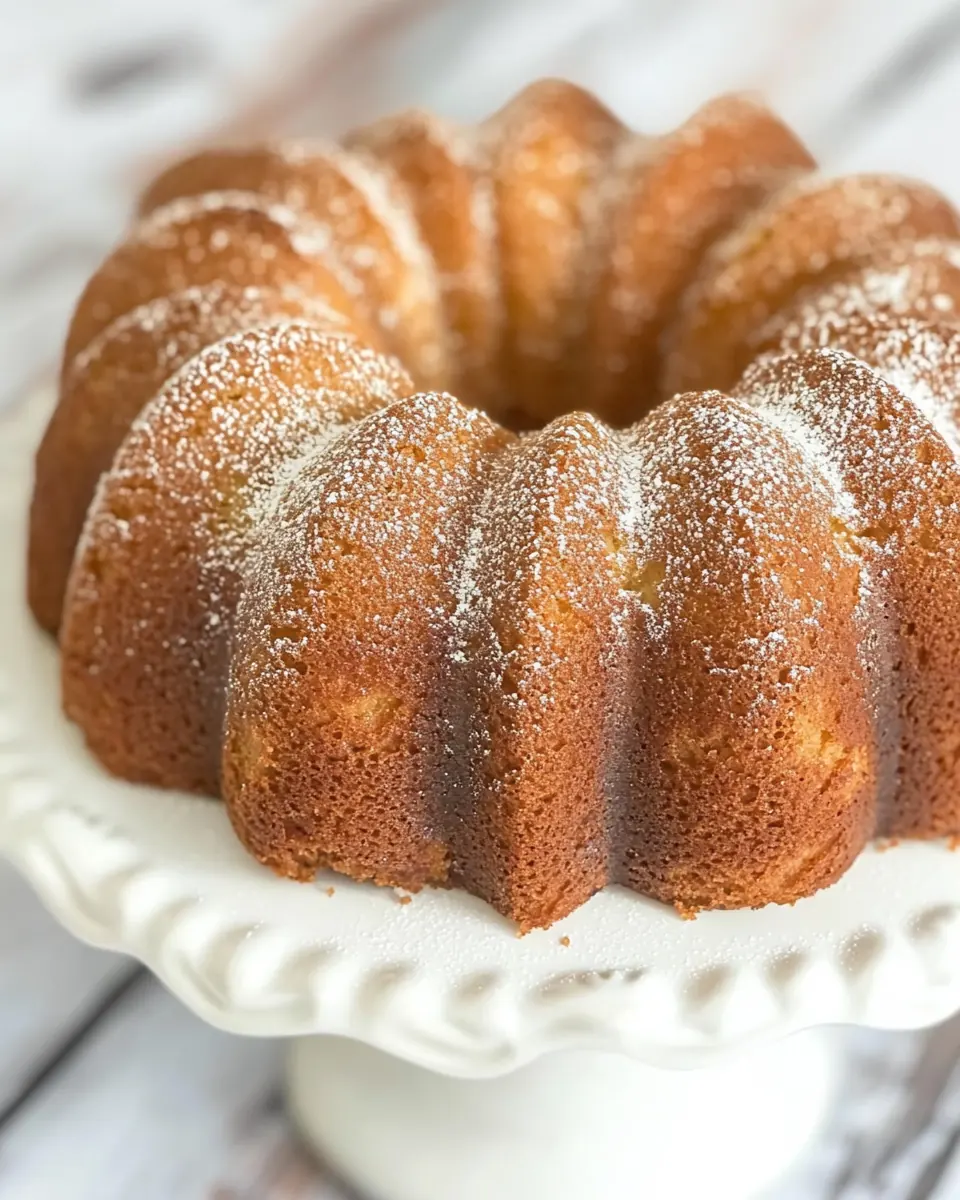
Apple Bundt Cake
Ingredients
Equipment
Method
- Preheat oven to 325º.: As the oven warms, you will notice a faint hum and the steady build of heat that sets the scene for baking. The precise oven temperature ensures the cake cooks gently so the center bakes through without the exterior overbrowning. Preheating is essential because a cold oven can cause uneven rise, leaving the interior underdone. A common mistake is skipping preheat to save time, which compromises texture. Check your oven thermometer to confirm accuracy and allow the oven to reach the full temperature so the batter begins rising immediately once it goes in.
- Grease and flour tube or Bundt pan. Set aside.: Coating the pan creates a thin barrier so the cake releases cleanly, which matters for presentation. Rub the pan with fat, then dust with flour , tapping out excess until the surface looks evenly coated. You should hear a slight scrape when you run a finger along the surface, indicating coverage. Failing to fully grease or flour pockets on ornate Bundt pans is a frequent slip, resulting in torn edges when you unmold. For stubborn pans, a quick parchment disc in the center can help, but usually the grease and flour method is sufficient.
- Combine oil, sugar, eggs, and vanilla. Beat until well combined.: When these ingredients come together the batter tastes sweet, rich, and aromatic even before the dry goods arrive. Beat them until well combined so the sugar integrates and the eggs slightly aerate the mixture, yielding a lighter texture. The mixture should look glossy and smooth, with tiny ribbons when you lift the beater. Avoid over beating which can incorporate excess air and lead to cracking or a coarse crumb. If the mixture looks curdled, continue beating briefly to smooth it out, room temperature eggs help this process.
- Whisk together the dry ingredients in a bowl, then add to the sugar mixture, and stir until just combined.: Mixing the flour , baking soda , salt , and cinnamon together distributes leavening and spice evenly. When you fold these into the wet mix, use a gentle hand to avoid overworking gluten, which can make the cake tough. Stop when streaks of dry ingredients disappear and the batter looks homogeneous. It is normal for the batter to be fairly thick, and small lumps are okay. Over mixing at this stage is the classic error that produces a dense result rather than a tender crumb.
- Add apples and nuts, if using. Stir until well combined.: The sight of glossy pieces of apple folding into the batter is one of my favorite moments; they glint and promise pockets of juice. Mix until just distributed, ensuring the fruit pieces are evenly suspended so they don’t sink. If your pieces are too large, they may create tunnels in the crumb, so keep them bite sized. A common issue here is adding fruit that is wet or oozing juice; pat the pieces dry to prevent extra moisture from loosening the batter excessively.
- Spoon mixture into prepared pan. Even out top with a spatula or knife.: As you transfer the batter, listen for the slight thud as it lands in the pan. Use a spatula to level the surface and remove large air pockets, but do not tap the pan excessively or you will cause fruit to sink to the bottom. The batter should fill the pan about two thirds to three quarters full depending on your pan size. Overfilling is an easy mistake and leads to overflow and irregular shape, so leave room for rise. A few gentle lifts and a smoothing motion will give an even top that bakes to a beautiful crust.
- Bake for 60-75 minutes or until a toothpick inserted in a few places comes out clean.: During baking you will notice the aroma deepen and the top taking on a golden brown hue. The baking time varies with oven and pan material, so begin checking at the earlier time. Insert a toothpick near the center and in a couple of apple dense spots to ensure doneness. The cake should spring back slightly when pressed and not wobble in the middle. One common mistake is relying on color alone; the center can be underdone even if the top looks done. Tent with foil if the top browns too quickly to allow the center to finish.
- Cool for 10-15 minutes, then remove to a wire rack to finish cooling.: Cooling in the pan lets the structure set so the cake does not collapse when unmolded, yet waiting too long makes release harder. You will smell a concentrated mix of spice and apple as it rests. After the brief rest, invert onto a wire rack; if it resists slightly, tap the pan edges to release. Leaving it in the pan for too long can make the crust stick and tear, so aim for the window of 10 to 15 minutes for best results.
- Place on a serving plate to cut and serve.: Transferring the cake to a serving plate lets you present the ring intact and slice clean portions. The texture should be tender but sliceable, with flecks of apple visible in each piece. Allow the cake to cool sufficiently or you risk the slices falling apart, but a slightly warm slice is heavenly. A final misstep is cutting too soon which results in crumbs and a messy presentation, so patience pays off here.
Notes
- Bring ingredients to room temperature — Allow eggs and other refrigerated items to sit out for about 30 minutes so they incorporate more easily and the batter mixes evenly, producing a smoother texture.
- Accurate measuring — Spoon and level your flour for best results; packed flour can make the cake heavy. Use a kitchen scale if available for precision.
- Pan preparation matters — Thoroughly grease and flour your Bundt pan, paying attention to crevices. For ornate pans, I apply a little extra and use a pastry brush to reach details so the cake unmolds with intact edges.
- Test near the center — When checking doneness, probe a few spots including near apple heavy areas, as they can stay moist longer. If a toothpick comes out with wet batter in the center, continue baking and check in five minute intervals.
- Store properly — Wrapped well at room temperature, the cake keeps moist for two days. For longer storage, freeze slices wrapped in plastic and foil, then thaw gently at room temperature to preserve texture.