Creamy Greek Chicken With Orzo
Creamy Greek Chicken With Orzo is one of those recipes I reach for when I want a comforting, bright dinner that still feels light enough for spring evenings.
Years ago I found myself rushing home after a busy day, staring at a fridge full of odds and ends and an impatient appetite. I wanted something fast, yet satisfying, and I remembered a simple combination I’d had at a tiny coastal tavern: tender chicken, silky sauce, lemon brightness, and little pearls of orzo. That memory steered this version toward comfort without heaviness, and it quickly became my go to when friends stop by unexpectedly.
I love how this dish folds buttery richness into tangy lemon and herb notes, while the asparagus adds a crisp pop of green. There is a rhythm to the cooking that feels almost meditative, from warming the pan to whisking the velvety sauce at the end. I still smile when the kitchen fills with the smell of seared chicken and butter, and when the sauce turns glossy and coats the back of a spoon.
Because life is busy, I built this recipe to be forgiving. You can cook the orzo and asparagus together, and the sauce comes together quickly, which means you can spend more time at the table chatting and less time cleaning up. Whenever I make Creamy Greek Chicken With Orzo, someone always asks for the recipe, and I tell them it is all about timing, a patient whisk, and a confident squeeze of lemon.
Recipe Snapshot
40 mins
10 mins
30 mins
Easy
450 kcal
Mediterranean
Gluten-Free, Keto
Dinner
Large skillet, Large pot, Medium bowl, Whisk
Why You’ll Love This Creamy Greek Chicken With Orzo
Comfort that still feels fresh
I adore Creamy Greek Chicken With Orzo because it gives you warmth without weighing you down. The butter and eggs create a silky mouthfeel, while lemon keeps things lively, so you get both richness and brightness in every bite.
Speed without compromise
We can have dinner on the table quickly, the kind of meal that feels homemade but does not monopolize your evening. The searing of the chicken builds flavor fast, and cooking orzo and asparagus together saves time while keeping textures right.
Smart layering of flavors
I love how the reserved broth becomes the star. By simmering it with dill and finishing with a lemon and egg emulsion, you get a sauce that tastes like it took hours to develop, yet it comes together in minutes. That technique gives a luxurious finish without heavy cream.
Flexible and family friendly
This recipe suits weeknight meals or casual entertaining. You can scale portions, and the straightforward ingredient list means most cooks feel confident. The dish pleases picky eaters and curious food lovers alike.
Seasonal appeal
With fresh asparagus and lemon prominent, the dish sings in spring, but the technique and flavors work any time you want a bright, comforting dinner. I keep parts of this method in my regular rotation for year round cooking.
Creamy Greek Chicken With Orzo Ingredients
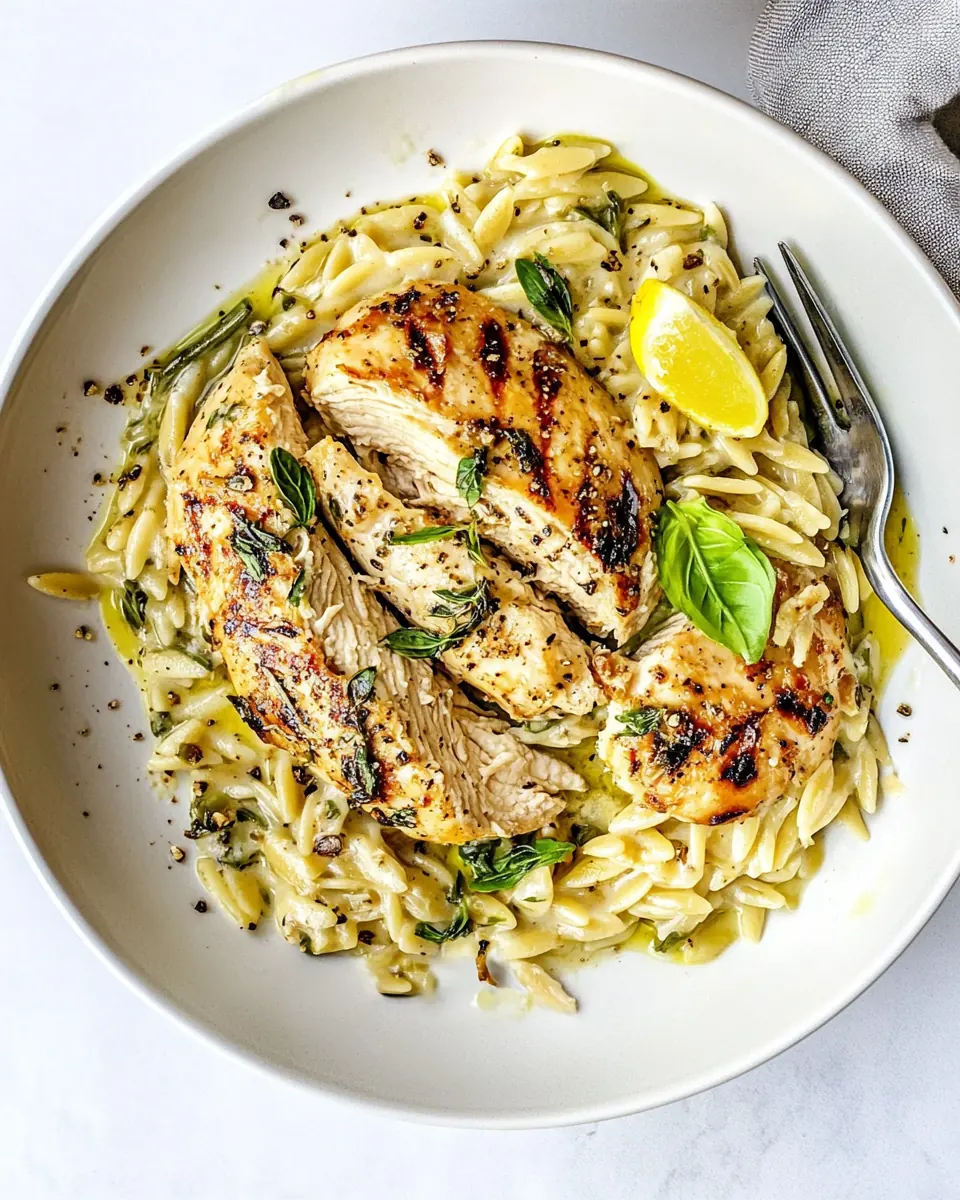
These ingredients were chosen to balance richness, brightness, and texture. The key players are the chicken, which provides savory substance, the orzo, which soaks up the sauce and offers tender chew, and the lemon and eggs that form the glossy, tangy finish. Butter and olive oil add mouthcoating fat while broth and dill bring savory depth.
- 3 tablespoons butter, divided: Melted and divided between steps to brown chicken and enrich the sauce, providing a silky mouthfeel and subtle richness to the dish. Use clarified butter from the melted solids for even cooking and a deeper toasted flavor when searing cutlets. Finish with remaining butter swirled into the orzo to create a glossy, creamy texture that carries the lemon and dill.
- 2 tablespoons extra virgin olive oil: Drizzled for initial searing and to add fruity, peppery notes, helping prevent butter from burning at higher pan temperatures. Combine with butter to create a balanced cooking fat that promotes golden-brown color and contributes to the overall Mediterranean flavor profile.
- 1 pound boneless, skinless chicken breasts, sliced in half lengthwise to create two cutlets per breast: Sliced into thinner cutlets to ensure quick, even cooking and tender texture, serving as the primary protein that soaks up the lemon–dill sauce. Pound or slice consistently to maintain uniform thickness and cook without drying out, allowing the creamy orzo and asparagus to complement the meat.
- 1 1/4 teaspoon kosher salt, divided: Sprinkled in divided portions to season the chicken while cooking and to balance the brightness of lemon and richness of butter. Use part in the pan during searing and finish with the remainder in the sauce to enhance savory depth and bring out other flavors.
- 1/2 teaspoon freshly ground black pepper, divided: Cracked and split between seasoning the meat and finishing the dish to provide background spice and complexity without overpowering delicate herbs and lemon. Adjust distribution to taste, reserving a little for the final seasoning of the orzo and asparagus.
- 2 1/2 cups chicken broth: Poured as the cooking liquid for the orzo, supplying savory depth and moist heat to properly cook the pasta and meld with butter and lemon. Use low-sodium broth if desired to better control overall saltiness while allowing the egg-lemon emulsion to enrich the mixture.
- 2 teaspoons dried dill or 4 teaspoons chopped fresh dill: Added dried or fresh in the specified equivalent to impart bright, herbaceous, slightly anise-like notes that complement lemon and eggs. Stir into the cooking liquid or finish into the sauce so the dill infuses the orzo and chicken without overpowering delicate flavors.
- 1 cup orzo: Simmered in the broth to absorb savory flavor and provide a tender, slightly chewy base that soaks up sauce; its small shape makes it ideal for capturing creamy emulsions. Rinse or not per preference, then cook to al dente so it retains bite when combined with asparagus and chicken.
- 1 bunch asparagus, cut into 2-inch lengths: Trimmed and cut into 2-inch lengths to add seasonal green crunch, color, and fresh vegetal flavor that contrasts the creamy orzo and rich chicken. Blanch or sauté to keep bright color and a slight snap, then toss with the pasta near the end to avoid overcooking.
- 4 eggs: Soft-boiled or coddled and whisked with lemon to create a silky emulsion that thickens the orzo for a creamy coating reminiscent of a light carbonara. Temper eggs with hot liquid to prevent scrambling, then quickly incorporate to yield a glossy, rich finish.
- 4 tablespoons lemon juice: Squeezed for bright acidity to cut through butter and egg richness, bringing lift and Mediterranean brightness that ties the components together. Add gradually and taste to achieve a balanced tang that complements dill and enhances the overall freshness.
- zest of 1 lemon: Zested to provide concentrated citrus oils and aromatic lift, amplifying lemon flavor without adding extra acidity. Sprinkle over the finished dish to add fragrance and a lively finish that highlights the other ingredients.
Recipe Directions for Creamy Greek Chicken With Orzo
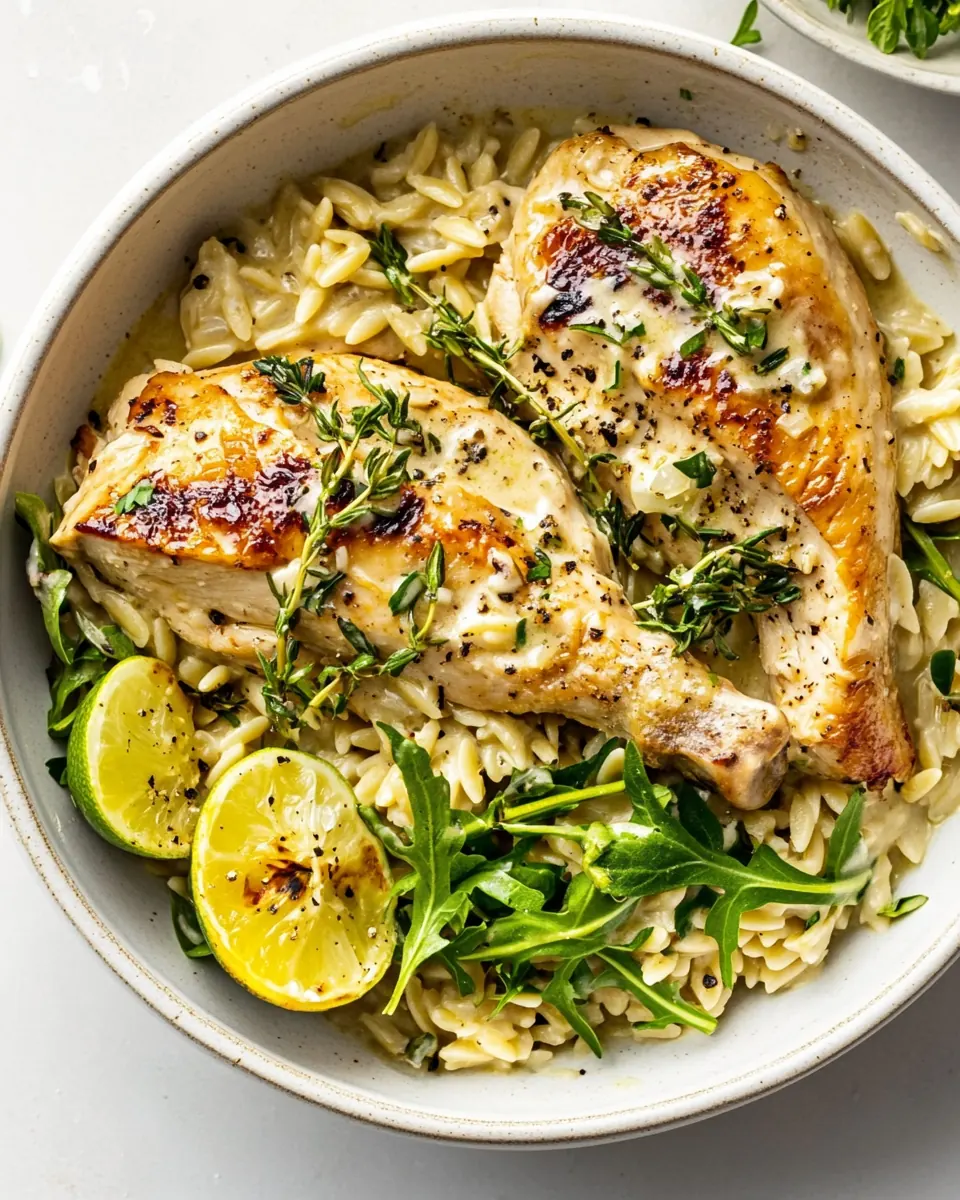
I like to move through the recipe in rhythm, searing the chicken while the orzo comes up to a boil, and finishing with the glossy lemon and egg sauce. Keep your tools close and the heat responsive, because timing matters when you temper the eggs into the broth.
- Heat 1 tablespoon butter and the oil in a large skillet over moderate heat. Season both sides of the chicken breasts with 1/2 teaspoon salt and 1/4 teaspoon pepper and add to the pan. Cook until golden, about 5 minutes. Flip the chicken and add the broth, dill, and 1/4 teaspoon salt. Bring to a simmer and cook partially covered for 4-5 minutes or until the chicken is cooked through. Transfer the chicken to a plate and cover to keep warm. Set the skillet aside with the broth.: The moment the butter foams and the oil glistens you will smell a sweet, nutty aroma, that tells you the pan is ready. A properly heated pan creates a golden crust on the chicken , sealing juices and adding deep savory notes. If the fat smokes, lower the heat immediately to avoid bitterness. Common mistake to avoid, do not overcrowd the pan because that will steam the chicken instead of browning it, losing flavor and texture.
- Meanwhile, in a large pot of boiling, salted water, cook the orzo for 8 minutes. Add the asparagus and continue cooking until the orzo is tender and the asparagus is bright green, about 4 minutes longer. Drain, return to the pot, season with 1/2 teaspoon kosher salt and 1/4 teaspoon pepper, and stir in the butter until melted. Cover to keep warm and set aside.: You will feel the sizzle when the chicken hits the surface, and within a minute the edges will begin to turn opaque. This initial contact is where the Maillard reaction starts, producing fragrant, browned bits that deepen the dish. Press lightly to ensure even contact. Avoid flipping too soon, or the crust will not form and the chicken will stick.
- In a medium bowl, whisk the eggs with the lemon juice and 1/2 teaspoon pepper until frothy. Bring the reserved chicken broth mixture back to a simmer, then set the heat to the lowest possible setting and whisk in the eggs in a thin stream. Cook over super low heat, whisking continuously for about 3 minutes and the sauce thickens. Don’t let the sauce come to a simmer or it could curdle. Taste for seasoning and adjust salt and pepper as needed.: Look for an even golden brown on the underside and a firm but springy feel when you press the chicken . The sizzling sound should be steady, not aggressive popping. Browning adds both texture and complex, savory flavor, which will infuse the reserved broth. A common pitfall is using too low heat so the chicken stews rather than browns, resulting in a pale color and weaker flavor.
- Slice the chicken breasts and stir any chicken drippings into the sauce. Divide the orzo and asparagus between plates, top with the chicken, and ladle with the sauce. Sprinkle with lemon zest and fresh dill if desired.: Once flipped, pour in the warm broth and toss in the dill, which will release its aroma into the simmer. The sound will change as the liquid meets the hot pan, shifting to a gentle simmer. This step allows the chicken to finish cooking while imparting flavor to the liquid, which later becomes the sauce. Avoid boiling vigorously here, because aggressive heat can toughen the meat and evaporate delicate aromatics.
- Bring to a simmer and cook partially covered for 4 to 5 minutes or until the chicken is cooked through: As it simmers, you will see the broth slightly thicken and the chicken fibers relax, indicating doneness. The internal temperature should reach a safe range and the juices should run clear. Keeping the pan partially covered keeps the top from drying while allowing steam to escape. A frequent error is overcooking; pull the chicken a touch early because it will rest and continue to carry heat.
- Transfer the chicken to a plate and cover to keep warm: Resting the chicken under a loose tent of foil lets juices redistribute, ensuring tender slices. The residual heat finishes the internal cook without drying the meat. Covering also preserves the pan juices for the sauce. Do not stack the pieces too tightly or they will steam and lose crispness.
- Set the skillet aside with the broth: Reserving the broth in the skillet captures all those seared bits and infused herbs. This flavored liquid is the foundation of the final sauce, so keep it intact. If you pour it off and scrape the pan, you will be losing concentrated flavor. A mistake to avoid is discarding the fond remaining in the pan, because that is where most of the depth lives.
- Meanwhile, in a large pot of boiling, salted water, cook the orzo for 8 minutes: The moment the orzo hits the rolling water you will see it tumble and swell; eight minutes should bring it to tender yet slightly toothsome. Properly salted water seasons pasta all the way through. Stir occasionally to prevent clumping. A common misstep is under salting the water, which leaves the orzo bland even after saucing.
- Add the asparagus and continue cooking until the orzo is tender and the asparagus is bright green, about 4 minutes longer: The color transformation of the asparagus is immediate, turning vivid green when the chlorophyll is released, and the stalks will offer a pleasant snap. Cooking them with the orzo keeps textures harmonious. Avoid overcooking because limp, dull asparagus will undermine the dish.
- Drain, return to the pot, season with 1/2 teaspoon kosher salt and 1/4 teaspoon pepper, and stir in the butter until melted: The orzo should glisten when you stir in the butter, and the aroma will become slightly nutty. This finishing butter binds starches and helps the grains feel pillowy. Taste and adjust seasoning before plating. A mistake to watch for is adding cold butter which will not integrate smoothly and can chill the pasta.
- Cover to keep warm and set aside: Holding the orzo covered preserves heat and prevents a crust from forming on the surface. The retained steam also keeps the kernels supple. Be mindful not to let it sit too long, which can make the texture gluey.
- In a medium bowl, whisk the eggs with the lemon juice and 1/2 teaspoon pepper until frothy: The mixture will lighten and become slightly aerated, and you will smell the lemon lift the mixture. This emulsion is crucial, because it is what gives the sauce its silky texture and bright acidity. Whisk vigorously to combine. A common error is not whisking enough, which makes tempering uneven and increases the risk of curdling.
- Bring the reserved chicken broth mixture back to a simmer, then set the heat to the lowest possible setting and whisk in the eggs in a thin stream: You should see only gentle movement in the surface of the broth, not a boil. Adding the egg mixture slowly while whisking ensures a smooth, custardy sauce that clings to the orzo and chicken . If the heat is too high the eggs will scramble, giving a grainy texture. The goal is glossy, not curdled.
- Cook over super low heat, whisking continuously for about 3 minutes and the sauce thickens: As you whisk, the sauce will change from translucent to creamy, and you will smell the lemon and broth meld. Continuous motion keeps the texture even and prevents hot spots. If you stop whisking, you risk uneven thickening or curdling, so keep a steady rhythm. If the sauce threatens to simmer, lift the pan off the heat briefly and continue whisking.
- Don’t let the sauce come to a simmer or it could curdle: The surface should remain smooth, with tiny ripples from your whisk, never boiling. Gentle warmth encourages the eggs to thicken gradually into a velvety emulsion. If curdling starts, remove from heat and whisk vigorously, but note significant curdling is hard to reverse.
- Taste for seasoning and adjust salt and pepper as needed: Always taste the sauce before combining with the orzo . You want a balance of salt, lemon, and pepper, with no single element overpowering the others. Small adjustments here make the final dish sing. Over salting at the end is hard to fix, so add small amounts and taste between additions.
- Slice the chicken breasts and stir any chicken drippings into the sauce: Slicing releases a little extra juiciness and the thin pieces absorb sauce beautifully. Stirring any juices into the sauce integrates those caramelized flavors, creating cohesion across the plate. Slice against the grain for the most tender bite. A common mistake is slicing too early while the meat is cold, which can make the slices fall apart.
- Divide the orzo and asparagus between plates, top with the chicken, and ladle with the sauce: When plated, the contrast of bright asparagus , tender orzo , and glossy sauce is appealing visually and texturally. Spoon the sauce so it pools around the pasta and coats the chicken . Serve immediately because the sauce is best warm and silky; if left too long it can set and lose that luxurious mouthfeel.
- Sprinkle with lemon zest and fresh dill if desired: The zest adds an aromatic lift, a tiny citrus burst on each bite, and fresh dill contributes herbaceous brightness. These final touches sharpen the flavors and create an inviting aroma. Add them at the end so they retain their vibrancy, and avoid adding too early which will diminish their fragrance.
Helpful Notes about Creamy Greek Chicken With Orzo
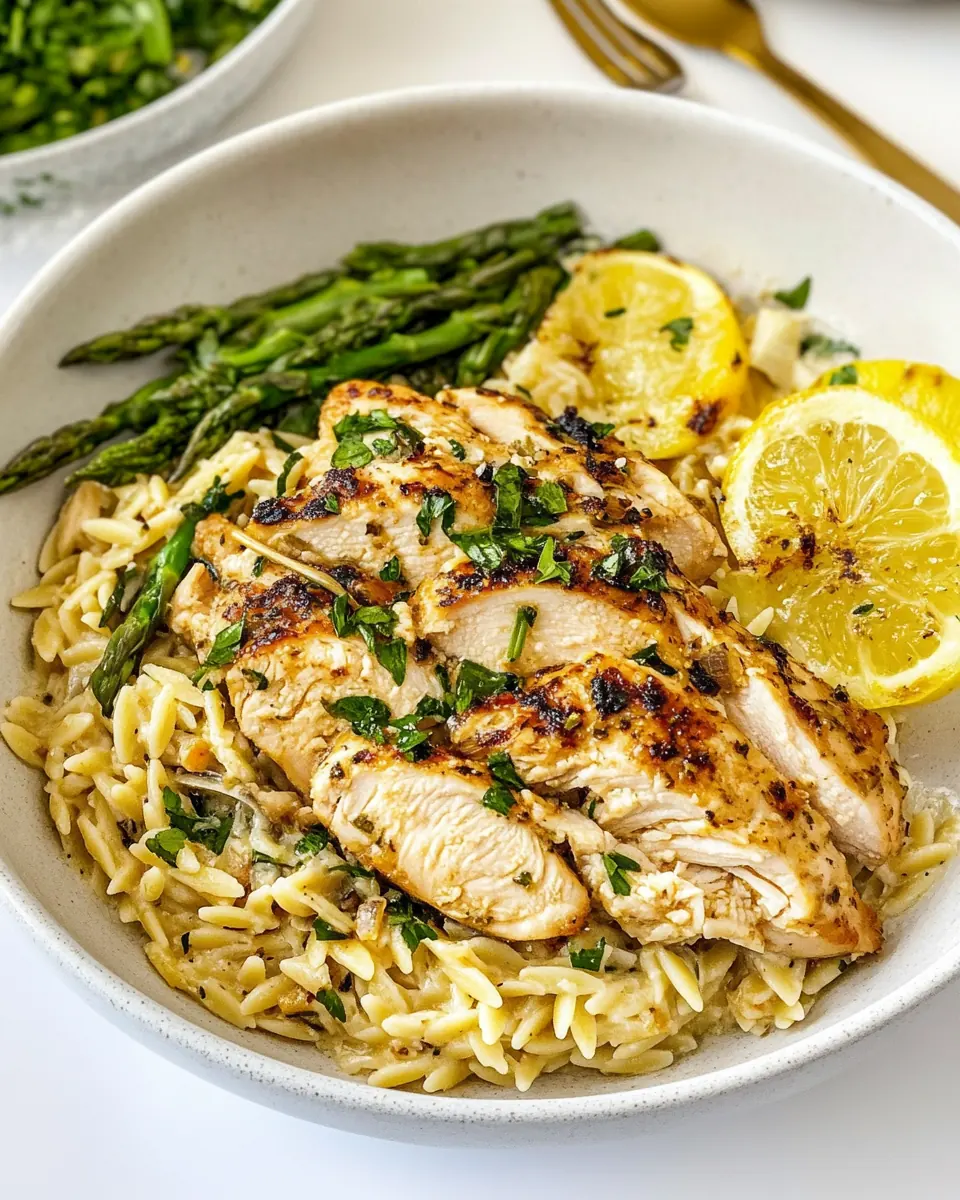
This section collects practical pointers I use every time I cook Creamy Greek Chicken With Orzo. They help manage texture, timing, and flavor, and they are written so you can keep the process smooth and confident.
- Pan temperature matters: Preheat the skillet until the butter foams and the oil shimmers. This ensures a golden sear on the chicken, preventing the meat from sticking and delivering deeper flavor from caramelization.
- Reserve the cooking liquid: The broth used to finish the chicken becomes the base for the sauce. Keep it in the skillet to capture all the fond, which adds savory complexity when reduced and emulsified.
- Whisk steadily when tempering: Add the egg and lemon mixture in a thin stream while whisking to create a stable, glossy sauce. Fast addition or uneven whisking leads to curdling, so keep a steady hand and patience.
- Cook pasta al dente: Aim for tender but slightly firm orzo, because it will finish with the warm sauce and can soften if overcooked. This keeps texture lively and prevents a mushy result.
- Brighten at the end: Use fresh lemon zest and a sprinkle of dill right before serving to preserve aroma and visual appeal. These bright notes elevate the dish and balance the buttery sauce.
What Complements This Creamy Greek Chicken With Orzo
This dish pairs well with simple sides and light accompaniments that echo its Mediterranean flavors. Think crisp salads, lemony vegetables, and chilled beverages for spring or light dinner gatherings.
- Light green salad with vinaigrette: A crisp salad dressed in lemon and olive oil complements the creamy sauce and adds textural contrast.
- Roasted cherry tomatoes: Their sweet acidity balances the rich sauce and adds a jewel like color to the plate, making it festive for company.
- Crusty bread for sopping: A hearty slice is ideal for mopping up any remaining sauce, though make sure your guests enjoy the creamy finish responsibly to avoid soggy bread.
- Occasions: Serves beautifully for weeknight dinners, casual Sunday lunches, or seasonal spring gatherings when asparagus is at its peak.
- Storage tips: Keep leftover components separate when possible, storing the orzo and sauce in airtight containers for up to three days. Reheat gently over low heat to preserve texture and avoid breaking the sauce.
- Seasonal pairing: In spring, serve with a chilled white grape or non alcoholic sparkling beverage and a simple herb salad to underscore the lemon and dill notes.
FAQ
Conclusion
Creamy Greek Chicken With Orzo stands out because it balances buttery richness with lemon brightness and tender pasta, creating a satisfying yet spring friendly meal. Give it a try the next time you want a quick dinner that still feels thoughtfully prepared. The straightforward technique, flexible ingredients, and comforting textures make it a dependable recipe that guests and family will return to again and again.
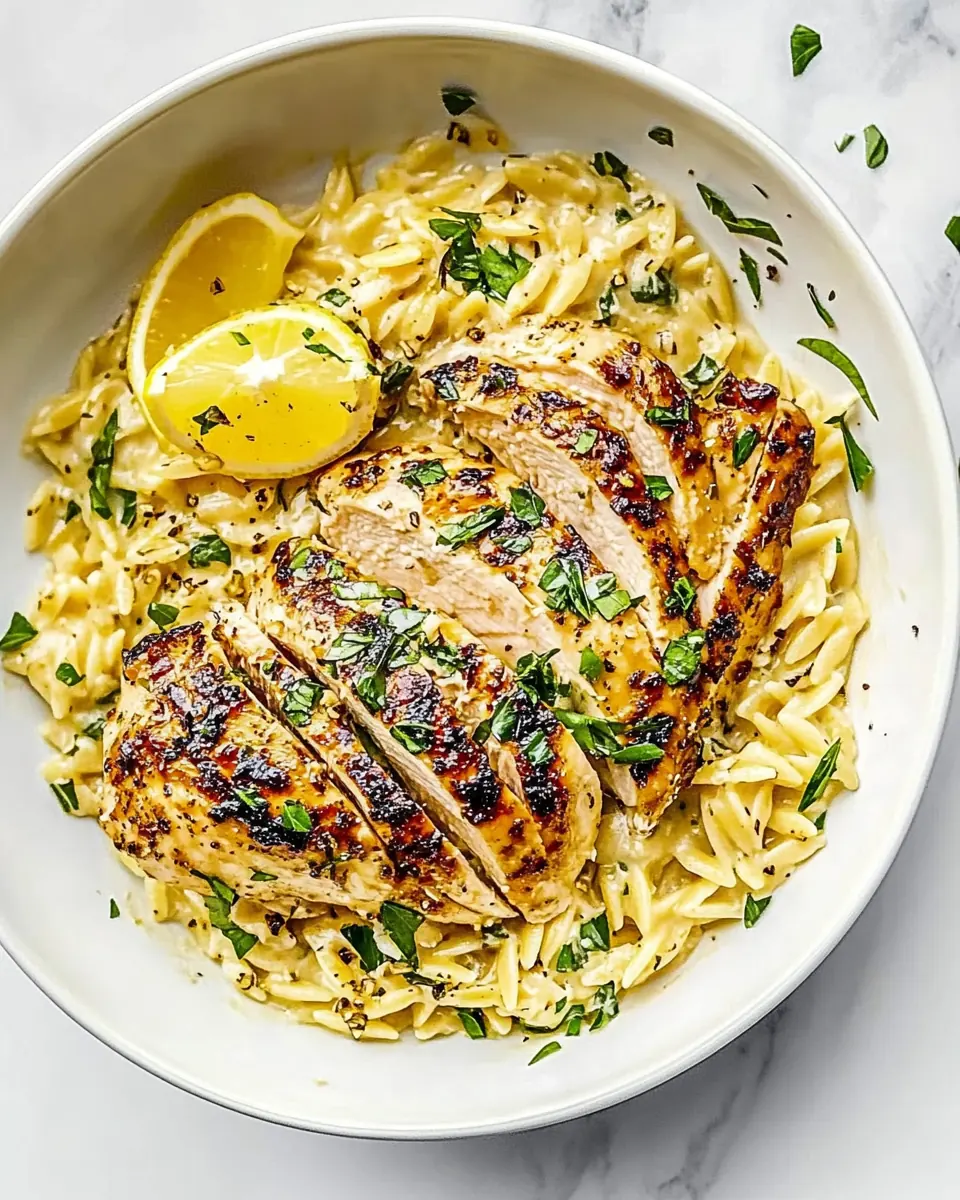
Creamy Greek Chicken With Orzo
Ingredients
Equipment
Method
- Heat 1 tablespoon butter and the oil in a large skillet over moderate heat. Season both sides of the chicken breasts with 1/2 teaspoon salt and 1/4 teaspoon pepper and add to the pan. Cook until golden, about 5 minutes. Flip the chicken and add the broth, dill, and 1/4 teaspoon salt. Bring to a simmer and cook partially covered for 4-5 minutes or until the chicken is cooked through. Transfer the chicken to a plate and cover to keep warm. Set the skillet aside with the broth.: The moment the butter foams and the oil glistens you will smell a sweet, nutty aroma, that tells you the pan is ready. A properly heated pan creates a golden crust on the chicken , sealing juices and adding deep savory notes. If the fat smokes, lower the heat immediately to avoid bitterness. Common mistake to avoid, do not overcrowd the pan because that will steam the chicken instead of browning it, losing flavor and texture.
- Meanwhile, in a large pot of boiling, salted water, cook the orzo for 8 minutes. Add the asparagus and continue cooking until the orzo is tender and the asparagus is bright green, about 4 minutes longer. Drain, return to the pot, season with 1/2 teaspoon kosher salt and 1/4 teaspoon pepper, and stir in the butter until melted. Cover to keep warm and set aside.: You will feel the sizzle when the chicken hits the surface, and within a minute the edges will begin to turn opaque. This initial contact is where the Maillard reaction starts, producing fragrant, browned bits that deepen the dish. Press lightly to ensure even contact. Avoid flipping too soon, or the crust will not form and the chicken will stick.
- In a medium bowl, whisk the eggs with the lemon juice and 1/2 teaspoon pepper until frothy. Bring the reserved chicken broth mixture back to a simmer, then set the heat to the lowest possible setting and whisk in the eggs in a thin stream. Cook over super low heat, whisking continuously for about 3 minutes and the sauce thickens. Don’t let the sauce come to a simmer or it could curdle. Taste for seasoning and adjust salt and pepper as needed.: Look for an even golden brown on the underside and a firm but springy feel when you press the chicken . The sizzling sound should be steady, not aggressive popping. Browning adds both texture and complex, savory flavor, which will infuse the reserved broth. A common pitfall is using too low heat so the chicken stews rather than browns, resulting in a pale color and weaker flavor.
- Slice the chicken breasts and stir any chicken drippings into the sauce. Divide the orzo and asparagus between plates, top with the chicken, and ladle with the sauce. Sprinkle with lemon zest and fresh dill if desired.: Once flipped, pour in the warm broth and toss in the dill, which will release its aroma into the simmer. The sound will change as the liquid meets the hot pan, shifting to a gentle simmer. This step allows the chicken to finish cooking while imparting flavor to the liquid, which later becomes the sauce. Avoid boiling vigorously here, because aggressive heat can toughen the meat and evaporate delicate aromatics.
- Bring to a simmer and cook partially covered for 4 to 5 minutes or until the chicken is cooked through: As it simmers, you will see the broth slightly thicken and the chicken fibers relax, indicating doneness. The internal temperature should reach a safe range and the juices should run clear. Keeping the pan partially covered keeps the top from drying while allowing steam to escape. A frequent error is overcooking; pull the chicken a touch early because it will rest and continue to carry heat.
- Transfer the chicken to a plate and cover to keep warm: Resting the chicken under a loose tent of foil lets juices redistribute, ensuring tender slices. The residual heat finishes the internal cook without drying the meat. Covering also preserves the pan juices for the sauce. Do not stack the pieces too tightly or they will steam and lose crispness.
- Set the skillet aside with the broth: Reserving the broth in the skillet captures all those seared bits and infused herbs. This flavored liquid is the foundation of the final sauce, so keep it intact. If you pour it off and scrape the pan, you will be losing concentrated flavor. A mistake to avoid is discarding the fond remaining in the pan, because that is where most of the depth lives.
- Meanwhile, in a large pot of boiling, salted water, cook the orzo for 8 minutes: The moment the orzo hits the rolling water you will see it tumble and swell; eight minutes should bring it to tender yet slightly toothsome. Properly salted water seasons pasta all the way through. Stir occasionally to prevent clumping. A common misstep is under salting the water, which leaves the orzo bland even after saucing.
- Add the asparagus and continue cooking until the orzo is tender and the asparagus is bright green, about 4 minutes longer: The color transformation of the asparagus is immediate, turning vivid green when the chlorophyll is released, and the stalks will offer a pleasant snap. Cooking them with the orzo keeps textures harmonious. Avoid overcooking because limp, dull asparagus will undermine the dish.
- Drain, return to the pot, season with 1/2 teaspoon kosher salt and 1/4 teaspoon pepper, and stir in the butter until melted: The orzo should glisten when you stir in the butter, and the aroma will become slightly nutty. This finishing butter binds starches and helps the grains feel pillowy. Taste and adjust seasoning before plating. A mistake to watch for is adding cold butter which will not integrate smoothly and can chill the pasta.
- Cover to keep warm and set aside: Holding the orzo covered preserves heat and prevents a crust from forming on the surface. The retained steam also keeps the kernels supple. Be mindful not to let it sit too long, which can make the texture gluey.
- In a medium bowl, whisk the eggs with the lemon juice and 1/2 teaspoon pepper until frothy: The mixture will lighten and become slightly aerated, and you will smell the lemon lift the mixture. This emulsion is crucial, because it is what gives the sauce its silky texture and bright acidity. Whisk vigorously to combine. A common error is not whisking enough, which makes tempering uneven and increases the risk of curdling.
- Bring the reserved chicken broth mixture back to a simmer, then set the heat to the lowest possible setting and whisk in the eggs in a thin stream: You should see only gentle movement in the surface of the broth, not a boil. Adding the egg mixture slowly while whisking ensures a smooth, custardy sauce that clings to the orzo and chicken . If the heat is too high the eggs will scramble, giving a grainy texture. The goal is glossy, not curdled.
- Cook over super low heat, whisking continuously for about 3 minutes and the sauce thickens: As you whisk, the sauce will change from translucent to creamy, and you will smell the lemon and broth meld. Continuous motion keeps the texture even and prevents hot spots. If you stop whisking, you risk uneven thickening or curdling, so keep a steady rhythm. If the sauce threatens to simmer, lift the pan off the heat briefly and continue whisking.
- Don’t let the sauce come to a simmer or it could curdle: The surface should remain smooth, with tiny ripples from your whisk, never boiling. Gentle warmth encourages the eggs to thicken gradually into a velvety emulsion. If curdling starts, remove from heat and whisk vigorously, but note significant curdling is hard to reverse.
- Taste for seasoning and adjust salt and pepper as needed: Always taste the sauce before combining with the orzo . You want a balance of salt, lemon, and pepper, with no single element overpowering the others. Small adjustments here make the final dish sing. Over salting at the end is hard to fix, so add small amounts and taste between additions.
- Slice the chicken breasts and stir any chicken drippings into the sauce: Slicing releases a little extra juiciness and the thin pieces absorb sauce beautifully. Stirring any juices into the sauce integrates those caramelized flavors, creating cohesion across the plate. Slice against the grain for the most tender bite. A common mistake is slicing too early while the meat is cold, which can make the slices fall apart.
- Divide the orzo and asparagus between plates, top with the chicken, and ladle with the sauce: When plated, the contrast of bright asparagus , tender orzo , and glossy sauce is appealing visually and texturally. Spoon the sauce so it pools around the pasta and coats the chicken . Serve immediately because the sauce is best warm and silky; if left too long it can set and lose that luxurious mouthfeel.
- Sprinkle with lemon zest and fresh dill if desired: The zest adds an aromatic lift, a tiny citrus burst on each bite, and fresh dill contributes herbaceous brightness. These final touches sharpen the flavors and create an inviting aroma. Add them at the end so they retain their vibrancy, and avoid adding too early which will diminish their fragrance.
Notes
- Pan temperature matters: Preheat the skillet until the butter foams and the oil shimmers. This ensures a golden sear on the chicken, preventing the meat from sticking and delivering deeper flavor from caramelization.
- Reserve the cooking liquid: The broth used to finish the chicken becomes the base for the sauce. Keep it in the skillet to capture all the fond, which adds savory complexity when reduced and emulsified.
- Whisk steadily when tempering: Add the egg and lemon mixture in a thin stream while whisking to create a stable, glossy sauce. Fast addition or uneven whisking leads to curdling, so keep a steady hand and patience.
- Cook pasta al dente: Aim for tender but slightly firm orzo, because it will finish with the warm sauce and can soften if overcooked. This keeps texture lively and prevents a mushy result.
- Brighten at the end: Use fresh lemon zest and a sprinkle of dill right before serving to preserve aroma and visual appeal. These bright notes elevate the dish and balance the buttery sauce.