Grilled Vegetable Salad
Grilled Vegetable Salad is the kind of dish I reach for when the days run long and the grill calls my name. The first time I made this salad, I was chasing bright summer flavors after a week of heavy meals, and the mix of smoky corn, tender asparagus, and charred zucchini felt like a celebration in a bowl. I remember standing at the grill with a glass of iced tea, flipping vegetables and thinking how simple ingredients can sing together when treated with care.
I love how this version balances texture and temperature, with crisp lettuce meeting warm, slightly caramelized vegetables. The dressing, made with basil, lemon, and a touch of mayonnaise, brings a creamy brightness that ties everything together. I often make a double batch of the dressing so there is enough to coat every piece, and sometimes I let guests add their own toppings so everyone gets exactly what they want. Over the years I have learned a few little tricks that make the results consistent and satisfying, and I enjoy sharing those moments when a recipe just works out perfectly.
Recipe Snapshot
55 mins
20 mins
35 mins
Medium
180 kcal
American
Gluten-Free, Vegan
Salads
Grill, Blender, Tongs, Sharp knife
Why This Grilled Vegetable Salad Hits Different
Smoky fresh flavors that feel effortless
I adore how Grilled Vegetable Salad turns everyday produce into an exciting plate. The grill imparts a smoky complexity that roasting in the oven cannot fully replicate, and that charred note elevates simple zucchini and yellow squash into star ingredients.
Textural contrast in every bite
One thing I always point out is the texture play. Warm, slightly crisped asparagus and kernels of corn meet shredded green lettuce, creating a satisfying contrast. That variation keeps each forkful interesting, and people keep reaching back for just one more bite.
Herbaceous, creamy dressing that pulls it together
The basil lemon dressing is my favorite reason to make this salad. Using fresh basil leaves and emulsifying with extra virgin olive oil makes a dressing that clings to the vegetables, offering brightness and a silky mouthfeel without overpowering the produce.
Flexible and crowd friendly
I love that Grilled Vegetable Salad scales easily. It works as a light main for casual summer dinners or as a colorful side at gatherings. Guests can top with avocado or crumbled feta cheese to personalize their plate, which makes serving feel relaxed and inclusive.
Healthy, seasonal, and satisfying
This salad highlights the best of summer vegetables while keeping the prep approachable. It looks impressive on a platter, but it is straightforward to make, which is why I often bring it when I want a dish that tastes like effort without demanding all day in the kitchen.
Main Ingredients for Grilled Vegetable Salad
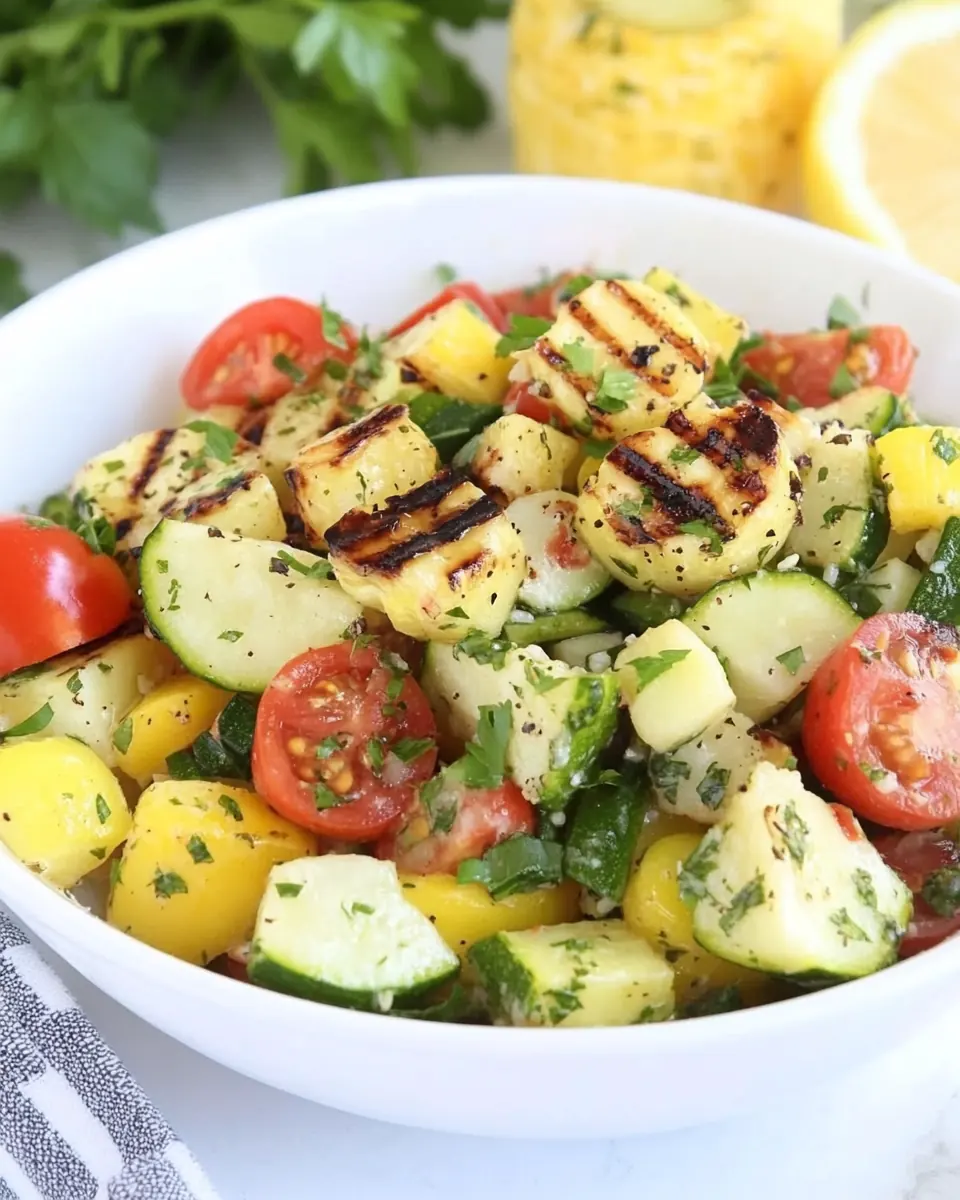
I approach ingredients here as collaborators. Each element plays a clear role: the vegetables offer texture and char, the basil and lemon bring freshness, and the olive oil and mayonnaise give body and a glossy finish. Together they form a summer-forward ensemble that is balanced, bright, and satisfying.
- 1 pound zucchini (2 medium), halved lengthwise, ends removed: Slice lengthwise and grill briefly to develop caramelized sears and tender flesh; provides a mild, slightly sweet, and earthy base to the salad. Maintain firm texture by removing ends and avoiding overcooking so slices hold their shape when tossed with dressing.
- 1 pound yellow squash (2 medium), halved lengthwise, ends removed: Halve lengthwise and char on the grill until golden brown to contribute a tender, subtly sweet flavor and attractive grill marks. Pair with the zucchini for balanced color and texture, ensuring even cooking by matching thickness and turning frequently.
- 1 pound large asparagus spears: Trim and blanch or grill quickly to preserve bright color and a crisp-tender bite; offers a grassy, slightly nutty contrast to softer vegetables. Cut into bite-sized lengths if desired and season lightly so it complements the dressing and other grilled produce.
- 2 ears sweet yellow corn, shucked and cleaned: Shuck, clean, and grill whole or cut into rounds to bring out concentrated sweet corn flavor and smoky kernels; acts as a sweet, crunchy component in the salad. Cut kernels from the cob after grilling to distribute bursts of sweetness throughout the dish.
- 2 tablespoons extra virgin olive oil: Drizzle over vegetables before grilling or toss with finished salad to aid in heat transfer and prevent sticking; contributes fruity, peppery notes and healthy fat. Use sparingly to maintain balance and enhance the vegetables' natural flavors without overpowering them.
- 1 pint cherry or grape tomatoes, halved: Halve and add raw or roasted to provide juicy, acidic bursts that brighten the salad and add color contrast. Combine with the greens and dressing just before serving to retain freshness and prevent sogginess.
- 2 cups green lettuce, shredded: Shred and use as the leafy base to add freshness, mild bitterness, and a delicate crunch that balances the warm grilled vegetables. Keep chilled and add last so the lettuce remains crisp when served.
- 1/4 cup chopped fresh basil leaves: Chop finely and sprinkle to introduce a fragrant, sweet herbal note that lifts the overall flavor profile of the salad. Use as a finishing herb to highlight the Mediterranean character of the dish.
- 1/4 cup chopped fresh basil leaves: Chop finely and use additionally to intensify the herbaceous aroma and fresh basil flavor throughout the salad without overwhelming other components. Distribute evenly so every bite benefits from the herb's sweet, peppery undertones.
- 2 tablespoons fresh lemon juice: Squeeze over the finished salad to provide bright acidity and a citrusy lift that balances the oil and grilled sweetness. Adjust amount to taste to create a harmonious vinaigrette with the other dressing ingredients.
- 1 tablespoon mayonnaise: Whisk into the dressing to add a touch of creaminess and body, helping to emulsify the lemon juice and olive oil for a smooth coating. Use modestly so it complements rather than masks the fresh vegetable flavors.
- 1 teaspoon honey: Stir into the dressing to contribute subtle floral sweetness that rounds out the tang of lemon and the richness of olive oil. Balance carefully to avoid noticeable sweetness overpowering the salad's savory elements.
- 1/4 teaspoons salt: Season the dish lightly to enhance natural flavors without making the salad salty; helps tie the dressing and vegetables together. Start with the specified amount and adjust after tasting the combined salad.
- 1/4 cup extra virgin olive oil: Finish the dressing with additional oil to provide richness and a silky mouthfeel, helping ingredients adhere and creating gloss on the vegetables. Emulsify well with lemon juice, mayonnaise, and honey for a cohesive dressing.
- Chopped ripe avocado, sliced grilled chicken breast, or crumbled feta cheese ( toppings) (optional): Offer as optional toppings to add creaminess, protein, or tangy saltiness—use sliced avocado for buttery texture, grilled chicken for substance, or crumbled feta for briny contrast. Present separately so guests can customize portions to their preference.
The Process for Making Grilled Vegetable Salad
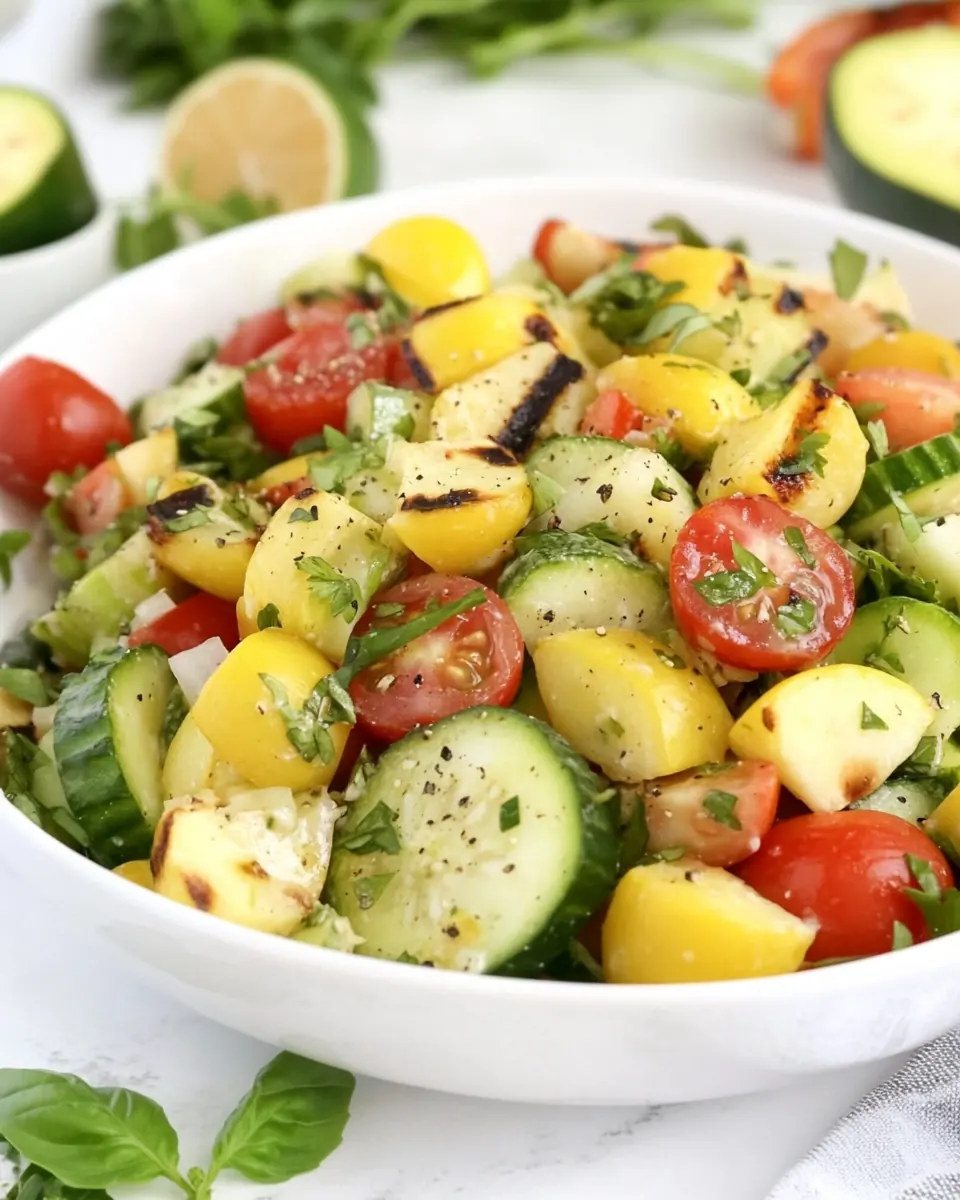
Getting the grill routine right makes the whole experience effortless. Below, I expand each direction into thoughtful, sensory-rich steps so you know what to expect and how to troubleshoot common hiccups without losing the rhythm of the cookout.
- Preheat your grill over a medium flame. Score the fleshy cut side of the zucchini and squash halves with a few small shallow slits. This will help them cook faster and more evenly. Brush the cut sides of the squash lightly with olive oil. Sprinkle lightly with salt.: The smell of the grill warming up is the first real signal that the evening is beginning. You should hear a faint hiss as the grates heat and see a steady, even glow if using gas, or the light crackle of embers for charcoal. A medium flame ensures the vegetables cook through without burning on the outside, giving you that ideal charred edge. One common mistake is overheating the grill, which scorches the exterior while leaving the interior undercooked. To check, hover your hand above the grates; it should feel hot but not unbearably intense. I find wiping the grill with a lightly oiled cloth after preheating prevents sticking and encourages those attractive grill marks.
- Coat the asparagus and corn lightly on all sides with olive oil. Sprinkle lightly with salt.: You will notice a gentle cracking sound as your knife meets the flesh, and the shallow slits let heat penetrate more quickly, avoiding a raw center. Scoring also creates more surface area to pick up char and seasoning. If you cut too deep, the vegetables can break apart while flipping, so keep slits shallow. The visual cue to look for is slight translucence where the cuts are, which signals readiness for the grill. Use a steady hand and a sharp knife to keep the cuts clean and even.
- Put the zucchini, squash, asparagus, and corn on the hot grill and let them cook until they're tender and lightly charred. Flip the squash, zucchini and asparagus spears halfway through cooking; give the corn quarter turns every 4-5 minutes. The amount of time needed to cook each vegetable will be different– the asparagus will be done first (don't let it burn), followed by the zucchini and squash, followed by the corn.: As you brush, the oil will glisten and carry the scent of fruitiness from the extra virgin olive oil . This step promotes even browning and prevents sticking. Apply a thin, even coat so the oil does not drip into flames, which could cause flare ups. A common oversight is over-oiling, which leads to greasy spots and uneven searing. The right amount produces a shiny surface that browns to a deep golden color under the heat.
- Remove the vegetables from the grill as they become tender. They should all be done cooking after about 20 minutes.: When salt meets the vegetable surfaces, you might see moisture bead up as it draws juices out, enhancing flavor and encouraging caramelization. Use just enough salt to season, since you will also season later. Avoid heavy salting before grilling which can draw out too much moisture and leave the vegetables limp. The best indicator is taste after a small grilled test piece, then adjust for the rest.
- Once the vegetables are grilled, let them cool to room temperature. Cut the zucchini and squash into large chunks and place in a large salad or mixing bowl.: Rubbing oil over the asparagus spears and corn locks in moisture and helps develop even char. You will feel a smooth sheen and smell a mild olive note as you work. If the pieces are unevenly coated, some areas will brown too fast, so take a moment to rotate them in your hands. A common slip is to skimp on oil, leading to dry, pale kernels or scorched asparagus tips. Ensure each piece has a consistent film for best results.
- Cut the asparagus spears into 1-inch pieces. Discard the tough ends. Add them to the bowl.: As they sizzle, you will hear a lively hiss and smell the sugars caramelizing into smoky aromatics. Watch for edges to darken and for the asparagus to brighten in color. Flip the squash, zucchini and asparagus spears halfway through cooking; give the corn quarter turns every 4 to 5 minutes so all sides develop even grill marks. Different vegetables finish at different times, so trust the texture rather than the clock. A common mistake is crowding the grill, which traps steam and prevents crisp char. Leave space so air circulates and you get those beautiful sear lines.
- Cut the corn off of the cob using a sharp knife. Add the grilled corn kernels to the bowl.: You will notice a subtle softness when pressing the flesh with tongs, and the aroma will shift from raw green to toasty and sweet. Transfer pieces to a tray as they finish, because overcooking on residual heat can make them mushy. Many cooks keep vegetables on the grill too long; pull them as soon as they give slightly under gentle pressure. Let them rest briefly to firm up before handling, which makes slicing easier and keeps juices intact.
- Add the halved cherry or grape tomatoes, shredded green lettuce, and chopped basil leaves to the bowl.: That warm, slightly caramelized scent signals completion. Timing varies by grill and veggie size but expect a combined grilling window around this length. If your pieces are thicker, add a few minutes and watch for color rather than relying on time alone. A frequent error is assuming exact times apply universally, so check each item visually and by touch to ensure tender, not overcooked, results.
- Toss the salad until well combined.: Cooling softens the heat and lets flavors settle, while preventing the lettuce from wilting when you combine everything. You will notice the steam dissipating and the aroma mellowing to a sweeter, woodsy note. If you toss while the vegetables are piping hot, the dressing can break down and become oily. Patience here rewards texture and keeps the salad balanced.
- Make your dressing. In a blender or food processor, combine the chopped basil leaves, lemon juice, mayonnaise, honey, and salt. Cover the blender.: As you slice, admire the browned edges and tender interior. Large chunks showcase the grill marks and allow the dressing to coat surfaces without turning the pieces to mush. A common misstep is cutting too small, which leads to a mushy salad with little visual appeal. Aim for bite size that holds its shape when tossed.
- Pulse a few times until the ingredients are combined.: The snap and bright green color should remain when you cut them, and discarding the tough ends ensures every bite is pleasant. The one inch length integrates well with the other chunks and kernels, creating balance. Avoid leaving fibrous ends which can be unpleasant to chew; bend an asparagus spear to find the natural break and trim accordingly.
- Scrape the sides of the blender with a spatula. Put the lid on the blender and open the pouring spout. Turn the blender on low. Drizzle the olive oil very slowly into the open pour spout. As the dressing emulsifies, it will splatter– use your hand over the pour spout to keep the splatters contained.: When you slice the kernels away, you will see little pale pools where the kernels were removed and smell a concentrated toasted sweetness. Use a steady sawing motion to keep the kernels intact. A dull knife or improper technique can mash the kernels or send them flying; hold the cob upright on a stable surface for clean removal.
- When the olive oil is added, scrape the sides again and cover the pour spout. Blend for 60 more seconds until the basil is well blended and the dressing is creamy.: The tomatoes will release a faint perfume and their juices will mingle with the warm vegetables, brightening the mix. Shredded lettuce provides a cool bed, while the torn or chopped basil adds fragrant herb notes. Combine gently so the greens do not bruise; a gentle fold keeps textures distinct and visually appealing.
- Add the dressing to the salad. Toss until all the vegetables are well coated with dressing. Top salad with grilled chicken, ripe avocado, or feta cheese, if desired. Serve salad at room temperature for best flavor.: As you toss, notice the dressing starting to cling and the ingredients integrating visually into a colorful mosaic. Tossing distributes flavor and ensures every bite has some of each component. Avoid overmixing which breaks down the vegetables; use a few confident folds rather than frantic stirring. The sound here is subtle, a light rustle as leaves and vegetables move together.
- Vegan Substitution: To make this recipe vegan, substitute 1 tsp of Dijon mustard for the mayonnaise in the dressing and 1 tsp agave nectar for the honey.: The basil lemon dressing should smell bright and herbaceous out of the blender. Combining the chopped basil leaves , lemon juice, mayonnaise, honey, and salt gives the dressing a balanced backbone. If ingredients are not well blended, the dressing will separate. A common issue is adding oil too quickly which prevents emulsification, so measure and prepare to add the oil slowly for a creamy result.
- In a blender or food processor, combine the chopped basil leaves, lemon juice, mayonnaise, honey, and salt: Pulsing briefly brings everything into a cohesive mixture with a fresh green color and citric lift. You will hear the blades chop the basil into fragrant flecks and smell the lemon brighten the bowl. If the herbs remain in large pieces, the flavor will be uneven, so pulse until well broken down but not completely puréed.
- Cover the blender: A sealed jar prevents splatter and keeps the kitchen clean while you process. You may feel a slight vibration as the motor catches, and the aroma of basil and lemon will intensify. Leaving the blender uncovered risks messes when you blend at higher speeds, so always secure the lid snugly.
- Pulse a few times until the ingredients are combined: You will see a coarse, herb speckled mixture forming. The texture should be slightly chunky at this point, which helps the dressing have body. Overprocessing can produce an overly smooth result that lacks texture, so stop pulsing when the components look homogenous but still lively.
- Scrape the sides of the blender with a spatula: Scraping ensures no pockets of basil or mayo remain unincorporated. As you do this, you will notice flavor concentrated on the sides, so returning it to the center lets the next blending step address it. Neglecting this can lead to uneven dressing texture and flavor pockets.
- Put the lid on the blender and open the pouring spout: This setup lets you drizzle oil slowly while the blades run, which is crucial for a stable emulsion. You will hear a softer hum with the spout open and be prepared to pour the oil in a thin stream. If you add the oil too fast the dressing will break and become oily rather than creamy.
- Turn the blender on low: The low speed creates a gentle vortex that catches the oil and folds it into the other ingredients. You will notice the mixture become glossier and thicker as the oil incorporates. High speed at this stage can overheat the dressing and break the emulsion, so keep control with gentle power.
- Drizzle the olive oil very slowly into the open pour spout: As the oil hits the blades and folds into the mixture, the dressing will thicken and develop a smooth sheen. Expect a slight splatter which you can control by holding a hand over the spout. Rushing this step is the most common cause of separation, so patience rewards a silky, cohesive dressing.
- As the dressing emulsifies, it will splatter use your hand over the pour spout to keep the splatters contained: You will feel tiny droplets against your hand and hear gentle sloshing inside the blender. This protects your counter and keeps the dressing intact. If you are worried about heat or pressure, pause and allow things to settle before continuing to pour slowly.
- When the olive oil is added, scrape the sides again and cover the pour spout: This final scrape gathers any remaining basil and ensures full incorporation. The dressing should now appear smooth and homogeneous, with no visible pools of oil. Missing this scrape can leave flavor pockets that make the dressing inconsistent across the salad.
- Blend for 60 more seconds until the basil is well blended and the dressing is creamy: You will see a uniform pale green emulsion and smell an even, bright basil note. This final blend polishes texture and ensures the dressing clings to the vegetable surfaces. Overblending can warm the dressing, slightly altering the fresh flavor, so keep to around a minute for the best results.
- Add the dressing to the salad: As you pour, the dressing will sheen and immediately begin coating vegetables. Use tongs to fold everything together so the dressing distributes evenly. If you add too much at once, the salad can become soggy, so start with most of the dressing and reserve a little to adjust after tossing.
- Toss until all the vegetables are well coated with dressing: Listen for the soft swish as the ingredients move, and stop when each piece has a light, even coating. The salad should glisten without pooling oil at the bottom of the bowl. Over-tossing breaks down vegetables; a few confident folds will do the job.
- Top salad with grilled chicken, ripe avocado, or feta cheese, if desired: These toppings add creaminess or protein and change the dish from a side to a main. The avocado will bring a buttery mouthfeel, grilled chicken offers substance, and feta cheese provides saline contrast. Add them sparingly to complement rather than overpower the grilled vegetables.
- Serve salad at room temperature for best flavor: The harmony of warm vegetables and cool greens is most pronounced at room temperature. You will notice aromas open up and textures align perfectly. Chilling diminishes some of the charred nuance, so serve soon after tossing for the best expression of flavors.
- Vegan Substitution: To make this recipe vegan substitute 1 tsp of Dijon mustard for the mayonnaise in the dressing and 1 tsp agave nectar for the honey : This alternative keeps the dressing emulsified while replacing the two non vegan items. Dijon adds tang and acts as an emulsifier, while agave supplies sweetness. Be careful not to add too much sweetener; start small and taste. If you skip this adaptation, the dressing will not suit strict vegan diets.
Customization Ideas
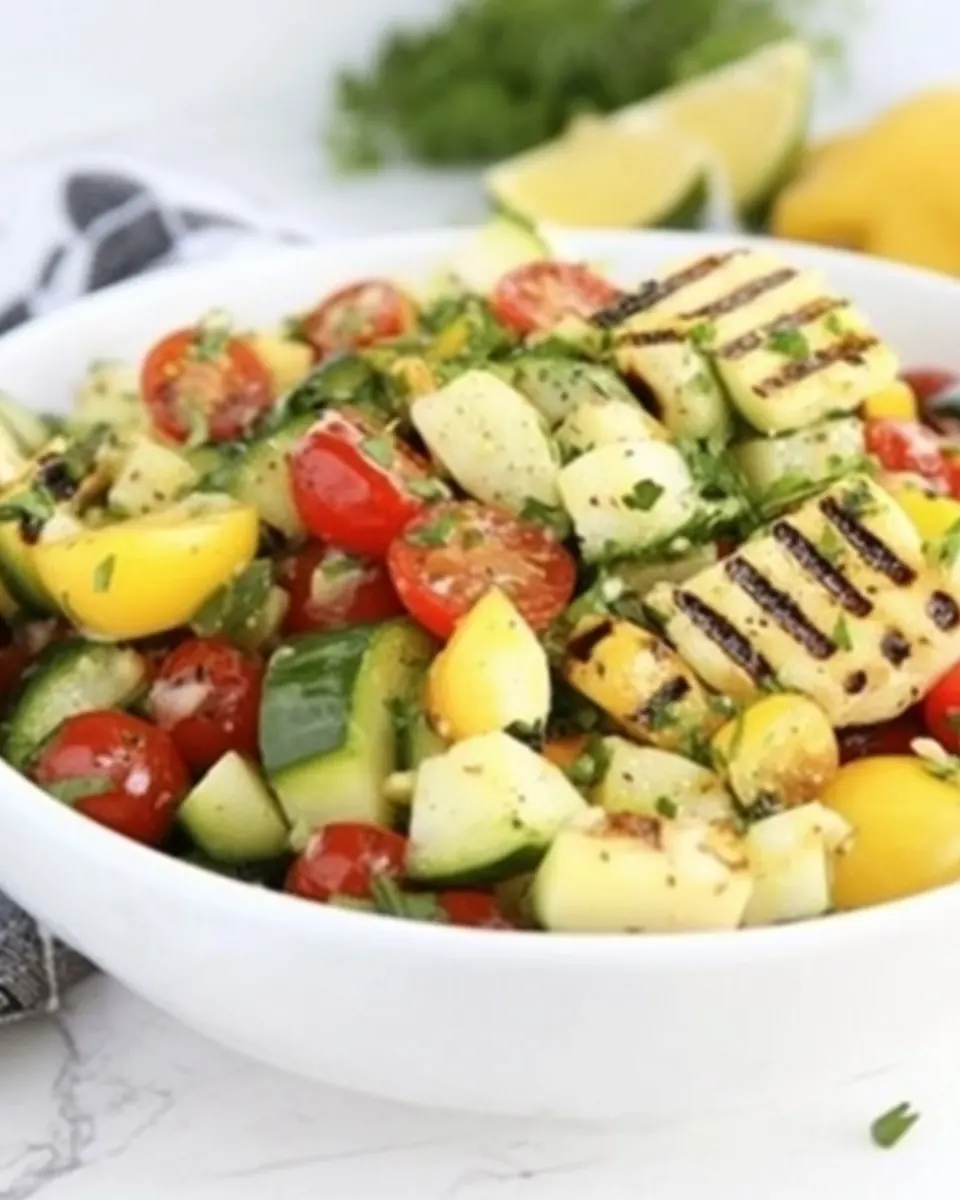
I love adapting this salad for different occasions, dietary needs, and flavor profiles. Below are practical customization ideas to make the salad lighter, heartier, or more herb forward depending on what you have on hand.
- Swap protein Add sliced grilled chicken breast as an optional topping to make the salad a satisfying main course that still celebrates the vegetables.
- Make it vegan Replace mayonnaise with 1 tsp Dijon mustard and honey with 1 tsp agave nectar in the dressing to maintain emulsification and sweetness without animal products.
- Boost creaminess Fold in chopped ripe avocado just before serving for a silky texture that pairs beautifully with the smoky vegetables.
- Increase herb intensity Double the chopped basil in the dressing if you want a more pronounced herbal note that lifts the entire salad.
- Serve warm or room temperature Keep the grilled vegetables warm while the greens stay cool for a contrast, or let everything come to room temperature for a more harmonious bowl.
- Use alternative oils Try a milder olive oil if your extra virgin oil is too pungent, the substitution will preserve the emulsion while adjusting the flavor balance.
Serving Suggestions
This salad adapts to many moments, from casual lunches to festive dinners, and it presents beautifully on a platter. Below are serving ideas, pairings, and storage tips to help you enjoy it across occasions.
- Summer lunch Serve Grilled Vegetable Salad with a light crusty bread and a pitcher of iced tea for an easy, breezy midday meal that celebrates seasonal produce.
- Weeknight dinner Add sliced grilled chicken breast for a complete, easy weeknight dinner that balances vegetables and protein without heavy sides.
- Potluck side Bring the salad at room temperature to a potluck, and offer optional toppings like crumbled feta cheese and sliced avocado on the side so guests can customize their plates.
- Ramadan iftar Break fast with this salad as a refreshing, light course, pairing it with warm pita and a bowl of soup for a balanced spread.
- Seasonal pairing Highlight it in summer when asparagus, zucchini, and sweet corn are at peak freshness to maximize flavor and value.
- Storage tips Store leftover dressing separately in an airtight container for up to three days and keep the salad refrigerated; combine just before serving to preserve texture.
- Presentation Arrange grilled vegetables on a large platter over shredded green lettuce, drizzle with dressing, then scatter cherry tomatoes and basil for a colorful, composed look.
- Meal prep Grill vegetables ahead and refrigerate in a single layer on a sheet tray, then reassemble the salad on serving day for quick entertaining.
- Occasion This salad works well at backyard barbecues as a vibrant side, or at dinners where you want something refreshing yet satisfying on the table.
- Serving temperature For fullest aroma and texture serve at room temperature; this highlights the char and herb notes more clearly than when fully chilled.
FAQ
Conclusion
This Grilled Vegetable Salad is special because it turns simple summer produce into a smoky, herb forward celebration of texture and flavor. The combination of charred zucchini, yellow squash, asparagus, and sweet corn with a creamy basil lemon dressing creates a balanced dish that works as a light main or an impressive side. I encourage you to try it on a warm evening, invite friends or family, and let the grill do the work while you enjoy the bright, satisfying results. It is the kind of recipe that feels both effortless and thoughtfully composed, perfect for making the most of seasonal vegetables.
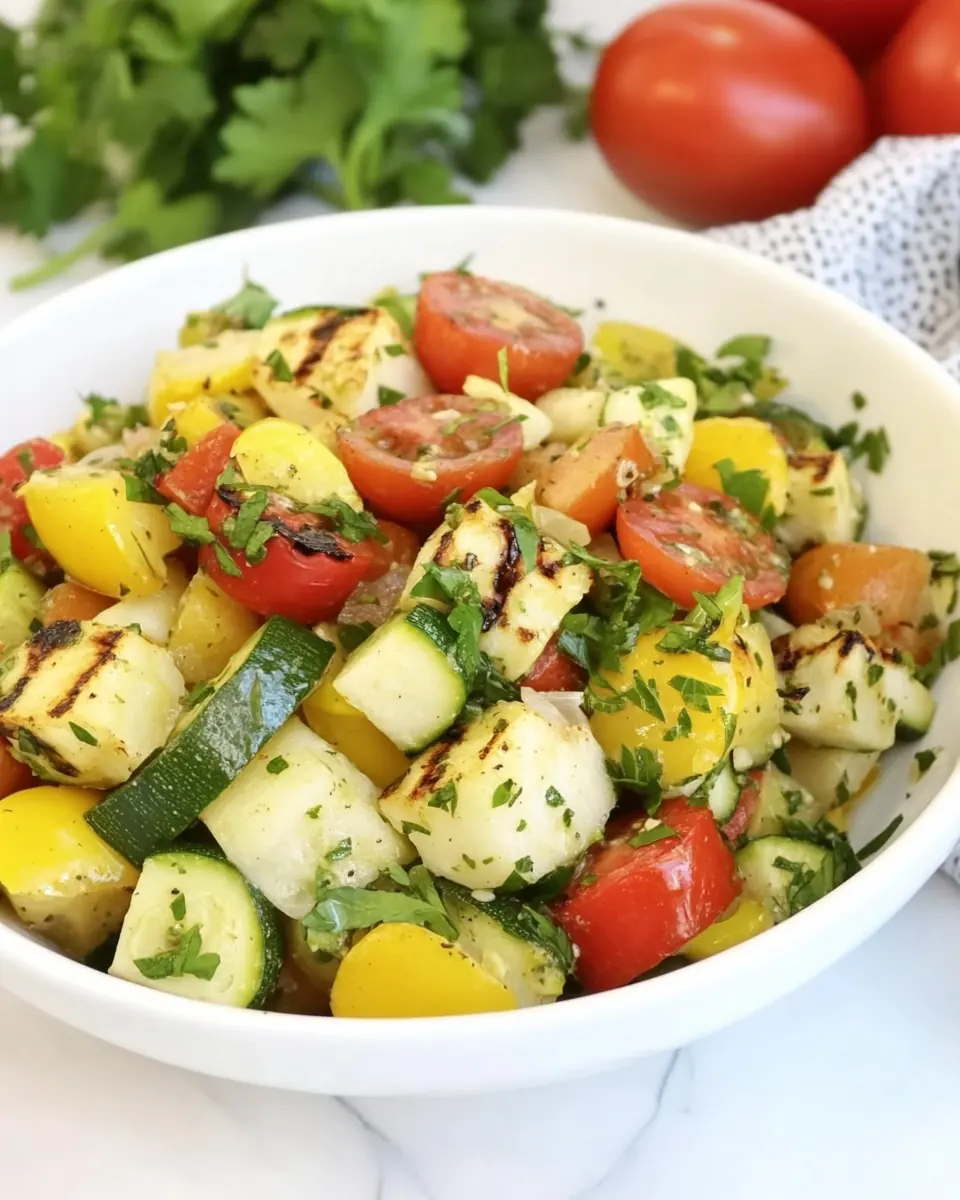
Grilled Vegetable Salad
Ingredients
Equipment
Method
- Preheat your grill over a medium flame. Score the fleshy cut side of the zucchini and squash halves with a few small shallow slits. This will help them cook faster and more evenly. Brush the cut sides of the squash lightly with olive oil. Sprinkle lightly with salt.: The smell of the grill warming up is the first real signal that the evening is beginning. You should hear a faint hiss as the grates heat and see a steady, even glow if using gas, or the light crackle of embers for charcoal. A medium flame ensures the vegetables cook through without burning on the outside, giving you that ideal charred edge. One common mistake is overheating the grill, which scorches the exterior while leaving the interior undercooked. To check, hover your hand above the grates; it should feel hot but not unbearably intense. I find wiping the grill with a lightly oiled cloth after preheating prevents sticking and encourages those attractive grill marks.
- Coat the asparagus and corn lightly on all sides with olive oil. Sprinkle lightly with salt.: You will notice a gentle cracking sound as your knife meets the flesh, and the shallow slits let heat penetrate more quickly, avoiding a raw center. Scoring also creates more surface area to pick up char and seasoning. If you cut too deep, the vegetables can break apart while flipping, so keep slits shallow. The visual cue to look for is slight translucence where the cuts are, which signals readiness for the grill. Use a steady hand and a sharp knife to keep the cuts clean and even.
- Put the zucchini, squash, asparagus, and corn on the hot grill and let them cook until they're tender and lightly charred. Flip the squash, zucchini and asparagus spears halfway through cooking; give the corn quarter turns every 4-5 minutes. The amount of time needed to cook each vegetable will be different-- the asparagus will be done first (don't let it burn), followed by the zucchini and squash, followed by the corn.: As you brush, the oil will glisten and carry the scent of fruitiness from the extra virgin olive oil . This step promotes even browning and prevents sticking. Apply a thin, even coat so the oil does not drip into flames, which could cause flare ups. A common oversight is over-oiling, which leads to greasy spots and uneven searing. The right amount produces a shiny surface that browns to a deep golden color under the heat.
- Remove the vegetables from the grill as they become tender. They should all be done cooking after about 20 minutes.: When salt meets the vegetable surfaces, you might see moisture bead up as it draws juices out, enhancing flavor and encouraging caramelization. Use just enough salt to season, since you will also season later. Avoid heavy salting before grilling which can draw out too much moisture and leave the vegetables limp. The best indicator is taste after a small grilled test piece, then adjust for the rest.
- Once the vegetables are grilled, let them cool to room temperature. Cut the zucchini and squash into large chunks and place in a large salad or mixing bowl.: Rubbing oil over the asparagus spears and corn locks in moisture and helps develop even char. You will feel a smooth sheen and smell a mild olive note as you work. If the pieces are unevenly coated, some areas will brown too fast, so take a moment to rotate them in your hands. A common slip is to skimp on oil, leading to dry, pale kernels or scorched asparagus tips. Ensure each piece has a consistent film for best results.
- Cut the asparagus spears into 1-inch pieces. Discard the tough ends. Add them to the bowl.: As they sizzle, you will hear a lively hiss and smell the sugars caramelizing into smoky aromatics. Watch for edges to darken and for the asparagus to brighten in color. Flip the squash, zucchini and asparagus spears halfway through cooking; give the corn quarter turns every 4 to 5 minutes so all sides develop even grill marks. Different vegetables finish at different times, so trust the texture rather than the clock. A common mistake is crowding the grill, which traps steam and prevents crisp char. Leave space so air circulates and you get those beautiful sear lines.
- Cut the corn off of the cob using a sharp knife. Add the grilled corn kernels to the bowl.: You will notice a subtle softness when pressing the flesh with tongs, and the aroma will shift from raw green to toasty and sweet. Transfer pieces to a tray as they finish, because overcooking on residual heat can make them mushy. Many cooks keep vegetables on the grill too long; pull them as soon as they give slightly under gentle pressure. Let them rest briefly to firm up before handling, which makes slicing easier and keeps juices intact.
- Add the halved cherry or grape tomatoes, shredded green lettuce, and chopped basil leaves to the bowl.: That warm, slightly caramelized scent signals completion. Timing varies by grill and veggie size but expect a combined grilling window around this length. If your pieces are thicker, add a few minutes and watch for color rather than relying on time alone. A frequent error is assuming exact times apply universally, so check each item visually and by touch to ensure tender, not overcooked, results.
- Toss the salad until well combined.: Cooling softens the heat and lets flavors settle, while preventing the lettuce from wilting when you combine everything. You will notice the steam dissipating and the aroma mellowing to a sweeter, woodsy note. If you toss while the vegetables are piping hot, the dressing can break down and become oily. Patience here rewards texture and keeps the salad balanced.
- Make your dressing. In a blender or food processor, combine the chopped basil leaves, lemon juice, mayonnaise, honey, and salt. Cover the blender.: As you slice, admire the browned edges and tender interior. Large chunks showcase the grill marks and allow the dressing to coat surfaces without turning the pieces to mush. A common misstep is cutting too small, which leads to a mushy salad with little visual appeal. Aim for bite size that holds its shape when tossed.
- Pulse a few times until the ingredients are combined.: The snap and bright green color should remain when you cut them, and discarding the tough ends ensures every bite is pleasant. The one inch length integrates well with the other chunks and kernels, creating balance. Avoid leaving fibrous ends which can be unpleasant to chew; bend an asparagus spear to find the natural break and trim accordingly.
- Scrape the sides of the blender with a spatula. Put the lid on the blender and open the pouring spout. Turn the blender on low. Drizzle the olive oil very slowly into the open pour spout. As the dressing emulsifies, it will splatter-- use your hand over the pour spout to keep the splatters contained.: When you slice the kernels away, you will see little pale pools where the kernels were removed and smell a concentrated toasted sweetness. Use a steady sawing motion to keep the kernels intact. A dull knife or improper technique can mash the kernels or send them flying; hold the cob upright on a stable surface for clean removal.
- When the olive oil is added, scrape the sides again and cover the pour spout. Blend for 60 more seconds until the basil is well blended and the dressing is creamy.: The tomatoes will release a faint perfume and their juices will mingle with the warm vegetables, brightening the mix. Shredded lettuce provides a cool bed, while the torn or chopped basil adds fragrant herb notes. Combine gently so the greens do not bruise; a gentle fold keeps textures distinct and visually appealing.
- Add the dressing to the salad. Toss until all the vegetables are well coated with dressing. Top salad with grilled chicken, ripe avocado, or feta cheese, if desired. Serve salad at room temperature for best flavor.: As you toss, notice the dressing starting to cling and the ingredients integrating visually into a colorful mosaic. Tossing distributes flavor and ensures every bite has some of each component. Avoid overmixing which breaks down the vegetables; use a few confident folds rather than frantic stirring. The sound here is subtle, a light rustle as leaves and vegetables move together.
- Vegan Substitution: To make this recipe vegan, substitute 1 tsp of Dijon mustard for the mayonnaise in the dressing and 1 tsp agave nectar for the honey.: The basil lemon dressing should smell bright and herbaceous out of the blender. Combining the chopped basil leaves , lemon juice, mayonnaise, honey, and salt gives the dressing a balanced backbone. If ingredients are not well blended, the dressing will separate. A common issue is adding oil too quickly which prevents emulsification, so measure and prepare to add the oil slowly for a creamy result.
- In a blender or food processor, combine the chopped basil leaves, lemon juice, mayonnaise, honey, and salt: Pulsing briefly brings everything into a cohesive mixture with a fresh green color and citric lift. You will hear the blades chop the basil into fragrant flecks and smell the lemon brighten the bowl. If the herbs remain in large pieces, the flavor will be uneven, so pulse until well broken down but not completely puréed.
- Cover the blender: A sealed jar prevents splatter and keeps the kitchen clean while you process. You may feel a slight vibration as the motor catches, and the aroma of basil and lemon will intensify. Leaving the blender uncovered risks messes when you blend at higher speeds, so always secure the lid snugly.
- Pulse a few times until the ingredients are combined: You will see a coarse, herb speckled mixture forming. The texture should be slightly chunky at this point, which helps the dressing have body. Overprocessing can produce an overly smooth result that lacks texture, so stop pulsing when the components look homogenous but still lively.
- Scrape the sides of the blender with a spatula: Scraping ensures no pockets of basil or mayo remain unincorporated. As you do this, you will notice flavor concentrated on the sides, so returning it to the center lets the next blending step address it. Neglecting this can lead to uneven dressing texture and flavor pockets.
- Put the lid on the blender and open the pouring spout: This setup lets you drizzle oil slowly while the blades run, which is crucial for a stable emulsion. You will hear a softer hum with the spout open and be prepared to pour the oil in a thin stream. If you add the oil too fast the dressing will break and become oily rather than creamy.
- Turn the blender on low: The low speed creates a gentle vortex that catches the oil and folds it into the other ingredients. You will notice the mixture become glossier and thicker as the oil incorporates. High speed at this stage can overheat the dressing and break the emulsion, so keep control with gentle power.
- Drizzle the olive oil very slowly into the open pour spout: As the oil hits the blades and folds into the mixture, the dressing will thicken and develop a smooth sheen. Expect a slight splatter which you can control by holding a hand over the spout. Rushing this step is the most common cause of separation, so patience rewards a silky, cohesive dressing.
- As the dressing emulsifies, it will splatter use your hand over the pour spout to keep the splatters contained: You will feel tiny droplets against your hand and hear gentle sloshing inside the blender. This protects your counter and keeps the dressing intact. If you are worried about heat or pressure, pause and allow things to settle before continuing to pour slowly.
- When the olive oil is added, scrape the sides again and cover the pour spout: This final scrape gathers any remaining basil and ensures full incorporation. The dressing should now appear smooth and homogeneous, with no visible pools of oil. Missing this scrape can leave flavor pockets that make the dressing inconsistent across the salad.
- Blend for 60 more seconds until the basil is well blended and the dressing is creamy: You will see a uniform pale green emulsion and smell an even, bright basil note. This final blend polishes texture and ensures the dressing clings to the vegetable surfaces. Overblending can warm the dressing, slightly altering the fresh flavor, so keep to around a minute for the best results.
- Add the dressing to the salad: As you pour, the dressing will sheen and immediately begin coating vegetables. Use tongs to fold everything together so the dressing distributes evenly. If you add too much at once, the salad can become soggy, so start with most of the dressing and reserve a little to adjust after tossing.
- Toss until all the vegetables are well coated with dressing: Listen for the soft swish as the ingredients move, and stop when each piece has a light, even coating. The salad should glisten without pooling oil at the bottom of the bowl. Over-tossing breaks down vegetables; a few confident folds will do the job.
- Top salad with grilled chicken, ripe avocado, or feta cheese, if desired: These toppings add creaminess or protein and change the dish from a side to a main. The avocado will bring a buttery mouthfeel, grilled chicken offers substance, and feta cheese provides saline contrast. Add them sparingly to complement rather than overpower the grilled vegetables.
- Serve salad at room temperature for best flavor: The harmony of warm vegetables and cool greens is most pronounced at room temperature. You will notice aromas open up and textures align perfectly. Chilling diminishes some of the charred nuance, so serve soon after tossing for the best expression of flavors.
- Vegan Substitution: To make this recipe vegan substitute 1 tsp of Dijon mustard for the mayonnaise in the dressing and 1 tsp agave nectar for the honey : This alternative keeps the dressing emulsified while replacing the two non vegan items. Dijon adds tang and acts as an emulsifier, while agave supplies sweetness. Be careful not to add too much sweetener; start small and taste. If you skip this adaptation, the dressing will not suit strict vegan diets.
Notes
- Swap protein Add sliced grilled chicken breast as an optional topping to make the salad a satisfying main course that still celebrates the vegetables.
- Make it vegan Replace mayonnaise with 1 tsp Dijon mustard and honey with 1 tsp agave nectar in the dressing to maintain emulsification and sweetness without animal products.
- Boost creaminess Fold in chopped ripe avocado just before serving for a silky texture that pairs beautifully with the smoky vegetables.
- Increase herb intensity Double the chopped basil in the dressing if you want a more pronounced herbal note that lifts the entire salad.
- Serve warm or room temperature Keep the grilled vegetables warm while the greens stay cool for a contrast, or let everything come to room temperature for a more harmonious bowl.
- Use alternative oils Try a milder olive oil if your extra virgin oil is too pungent, the substitution will preserve the emulsion while adjusting the flavor balance.