Easy Mushroom Gravy Recipe
Easy Mushroom Gravy Recipe is the kind of comfort I reach for when a simple dinner needs a lift, and I still remember the first time I made it for a friend who swore they did not like mushrooms, only to hear them quietly scrape their plate clean. I grew up with jarred gravies, but this version, made with fresh mushrooms and a buttery roux, changed my mind about what a quick sauce can do. I like how it sits between rustic and refined, working equally well spooned over mashed potatoes or alongside a simple roast.
On a cold evening, I’ll pull a skillet out, and the aroma of sizzling mushrooms and melting butter fills the kitchen, offering an instant cozy mood. This recipe has become my go to when I want something that tastes like effort without hours of work. Guests notice the depth of flavor, but it really comes from a couple of intentional moves: browning the mushrooms properly, and cooking the roux just long enough to get that toasty note.
One of my favorite memories with this Easy Mushroom Gravy Recipe is serving it at a small dinner where a friend declared it the best gravy they had ever had, then asked for the recipe. I like that it’s forgiving; if you only have a certain kind of milk or a different stock, it still turns out well. Over the years I tweaked little things to make it reliably smooth and savory, and I want to share those small techniques so you can make it at home with confidence.
Recipe Snapshot
10 mins
2 mins
8 mins
Easy
150 kcal
American
Gluten-Free, Low FODMAP
Dinner
Large skillet, Whisk, Knife, Paper towels
The Appeal of This Easy Mushroom Gravy Recipe
Deep, Honest Flavor
I love how the combination of toasted flour and nutty browned butter gives this gravy an umami backbone that feels far more complex than the few minutes it takes. When I take that first spoonful, the richness from the roux and the concentrated mushroom juices hit together, and you get both comfort and sophistication in one bite.
Exceptionally Versatile
We can use this gravy on everything from mashed potatoes to steamed vegetables. I often ladle it over roasted roots for a weeknight dinner, because it adds a luxurious mouthfeel without a lot of fuss. It also scales easily, so whether you need a little bowl for two or a pan for guests, it adapts.
Quick and Trustworthy
What made me keep this recipe was how fast it comes together, yet how reliably satisfying it is. With only a handful of pantry staples, you get a glossy sauce in under ten minutes. I appreciate recipes that respect my time, and this one rewards a small window of attention with a big payoff.
Friendly for Substitutions
I’m always swapping stock types depending on what’s on hand, and this gravy forgives that. Using a vegetable stock keeps it lighter, while beef stock deepens the savory notes. Milk choices vary the creaminess, so you can nudge the texture however you prefer.
Comfort Food That Feels Special
There is something about a warm gravy that instantly reads as home, and yet when you make it from scratch with fresh mushrooms it becomes memorable. I like serving it when I want to elevate a simple meal without turning the night into a big production.
Main Ingredients for Easy Mushroom Gravy Recipe
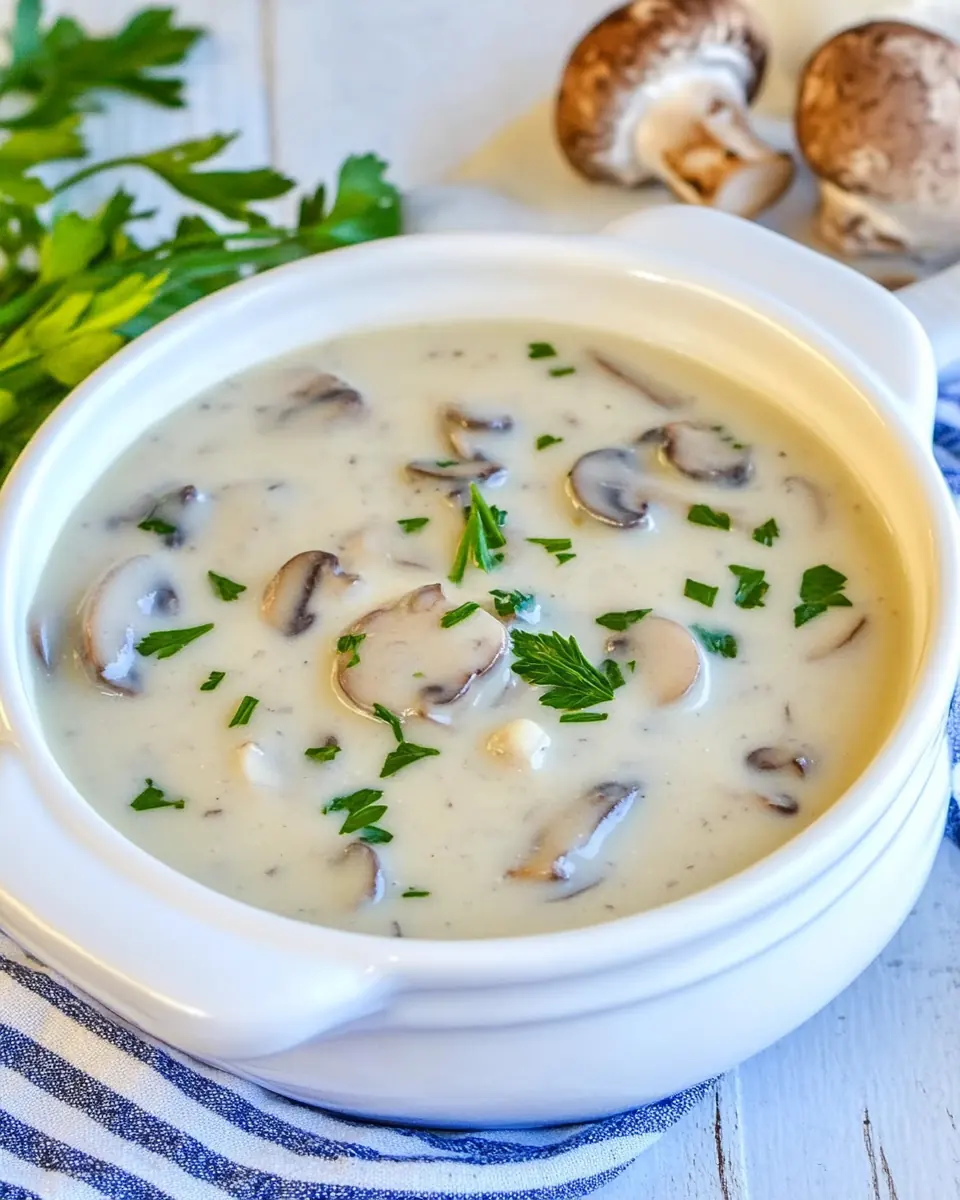
These ingredients keep the recipe focused and honest. The cast of characters is deliberately small so each element plays a defined role: the mushrooms bring earthiness, the butter and flour build the texture, and the stock plus milk tune the body and flavor. Together they form a balanced gravy that is both silky and deeply savory.
- 1/2 lb fresh button mushrooms, white or brown, sliced: Sliced to add a meaty, earthy texture and umami depth; sauté until golden to concentrate flavors and release moisture that forms the base of the gravy.
- 1 tbsp olive oil: Used to sauté and prevent sticking while contributing a mild fruity backbone; heat until shimmering before adding butter or mushrooms to ensure proper browning.
- 2 tbsp unsalted butter: Added to enrich the sauce with creamy, savory fat and to help brown the mushrooms; melt and foam slightly to develop nutty flavors before incorporating flour.
- 2 tbsp all-purpose flour: Whisked in as a thickening agent that creates body and sheen; cook briefly with the fat to remove raw starch taste and form a roux for smooth consistency.
- 1/2 cup chicken stock/broth, veggie or beef stock work also: Poured in to build savory backbone and deepen flavor complexity; simmer with the roux to adjust thickness and add stock-driven umami notes to the gravy.
- 1 cup milk, use whatever kind you have: Stirred in to lighten and mellow the sauce while contributing creaminess; warm gradually and combine with stock and roux for a silky mouthfeel.
- Salt and pepper to taste: Sprinkled to balance and elevate all flavors; season gradually while tasting to achieve the desired savory finish without overpowering the gravy.
Putting Together Easy Mushroom Gravy Recipe
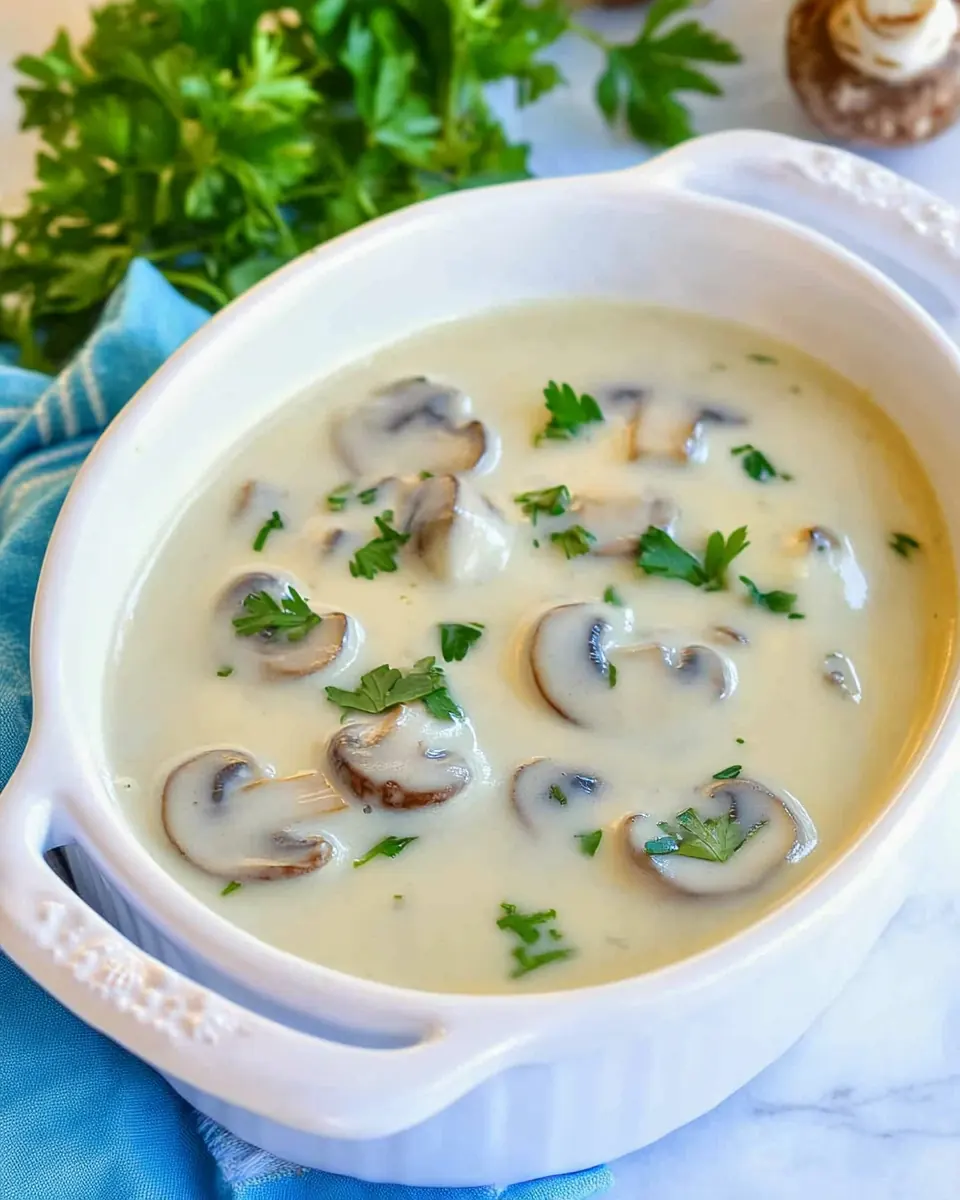
This gravy comes together quickly, but attention to moments matters. Below I expand each direction into sensory rich steps, explaining why each move makes a difference and common pitfalls to avoid.
- Rinse mushrooms (yes, I rinse my mushrooms), then pat them dry with paper towels and slice. Heat a large skillet over medium heat and add 1 tbsp olive oil. When oil is hot, add mushrooms and saute until golden and soft. Remove mushrooms from pan.: The first sensory cue you will notice is the earthy scent when you rinse and then slice the mushrooms , a damp but fresh aroma that turns fragrant when they hit heat. Patting them dry is crucial because surface moisture will steam the mushrooms instead of letting them brown, which removes the toasty notes you want. As you slice, watch the clean white or tan flesh; uniform thickness helps even cooking. A common error here is leaving them wet, which causes a soft rubbery texture rather than the pleasantly tender, slightly crisp edges you are aiming for. When the knife glides through and the pieces look glossy but not wet, you are ready.
- Add 2 tbsp butter to pan along with 2 tbsp flour. Whisk until your flour roux is a light golden brown (1-2 min).: You will see the olive oil shimmer and smell a faint fruity warmth as it becomes ready, but it should not smoke. Medium heat gives the best balance so the mushrooms begin to color without the fat burning. If your pan is too cool you will not get browning and the mushrooms will exude water; if it is too hot you risk scorching. A telltale sign that the pan is ready is when a single test slice sizzles gently and begins to color in about 30 to 60 seconds.
- Whisk in 1/2 cup stock then 1 cup milk and stir until hot and thickened.: As the mushrooms hit the pan you should hear an immediate sizzle, and in a few minutes they will begin to brown and shrink, releasing a concentrated, savory aroma. Stir them occasionally so they color on all sides, moving from pale to golden to a deeper caramel tone, and watch the edges crisp slightly. This browning creates Maillard flavors, which are essential for depth in the gravy. Avoid stirring constantly, which prevents browning, but do not leave them untouched to burn. If they release a lot of liquid and become soggy, the pan was crowded or too cool, which is the most common mistake.
- Add the mushrooms back to the pan, season with salt and pepper to taste and bring to a simmer. When gravy is at desired consistency, remove from heat (keep in mind it will still thicken slightly as it cools).: The moment the mushrooms are soft and golden, transfer them to a plate so you can use the pan for the roux. You will notice the pan has brown bits and concentrated juices, these fond pieces are flavor gold and will be integrated into the gravy. Leaving the mushrooms in while making the roux can overcook them and change texture, so remove them to preserve that perfect bite. A slip here is leaving them in the pan, which often leads to a gluey or overcooked result.
- Add 2 tbsp butter to pan along with 2 tbsp flour: When you add the butter it should melt and foam slightly, and combining it with the flour creates a paste that will thicken the sauce. Whisk them together so the mixture becomes smooth and takes on a light golden color in about one to two minutes, releasing a warm, nutty aroma. This step removes the raw flour taste and builds the base texture, so patience is rewarded. Overcooking the roux until it darkens too much will change the final color and flavor of the gravy, while undercooking leaves a starchy aftertaste.
- Whisk until your flour roux is a light golden brown (1 to 2 min): You will see the roux transition from pale to a warm tan, and the smell will shift from pasty to toasty. Whisk constantly so the heat is distributed evenly and no lumps form. A smooth, glossy paste signals readiness. If you smell anything bitter, the roux has started to burn and you should start again to avoid tainting the gravy. This careful cooking ensures a subtle, cooked flour flavor rather than rawness in the finished sauce.
- Whisk in 1/2 cup stock then 1 cup milk and stir until hot and thickened: Adding the stock first loosens the roux, and you will see the mixture turn fluid and fragrant as the pan fond dissolves into the liquid. Pour slowly while whisking to prevent lumps, then add the milk and continue to stir. As the sauce heats you will notice it go from glossy to velvety, thickening to coat the back of a spoon. The scent becomes rounded and savory, with the mushroom notes threading through. A common mistake is pouring cold liquids in too quickly, which can cause clumping; tempering with a little warm stock first helps it come together smoothly.
- Add the mushrooms back to the pan, season with salt and pepper to taste and bring to a simmer: Returning the mushrooms introduces the concentrated juices back into the sauce, and you will see the gravy take on flecks and texture. Season gradually so the salt enhances but does not overpower, tasting as you go. Bring just to a gentle simmer so the gravy thickens and the flavors meld, watching for small bubbles around the edges. Let it linger on the heat briefly so the mushrooms warm through and soak up the sauce. The usual mistake here is boiling vigorously, which can break the smoothness and make it too thin or grainy.
- When gravy is at desired consistency, remove from heat: As you lift the pan from the stove you will notice the gravy slows in movement, and it will continue to thicken slightly as it cools. The finished texture should be glossy and coat the back of a spoon without being pasty. If you find it too thick once cooled, stir in a splash of warm stock or milk to loosen it. Avoid overcooking which concentrates and can make it gluey, the best result is a silky, pourable gravy that clings to whatever it dresses.
Substitutions and Tips
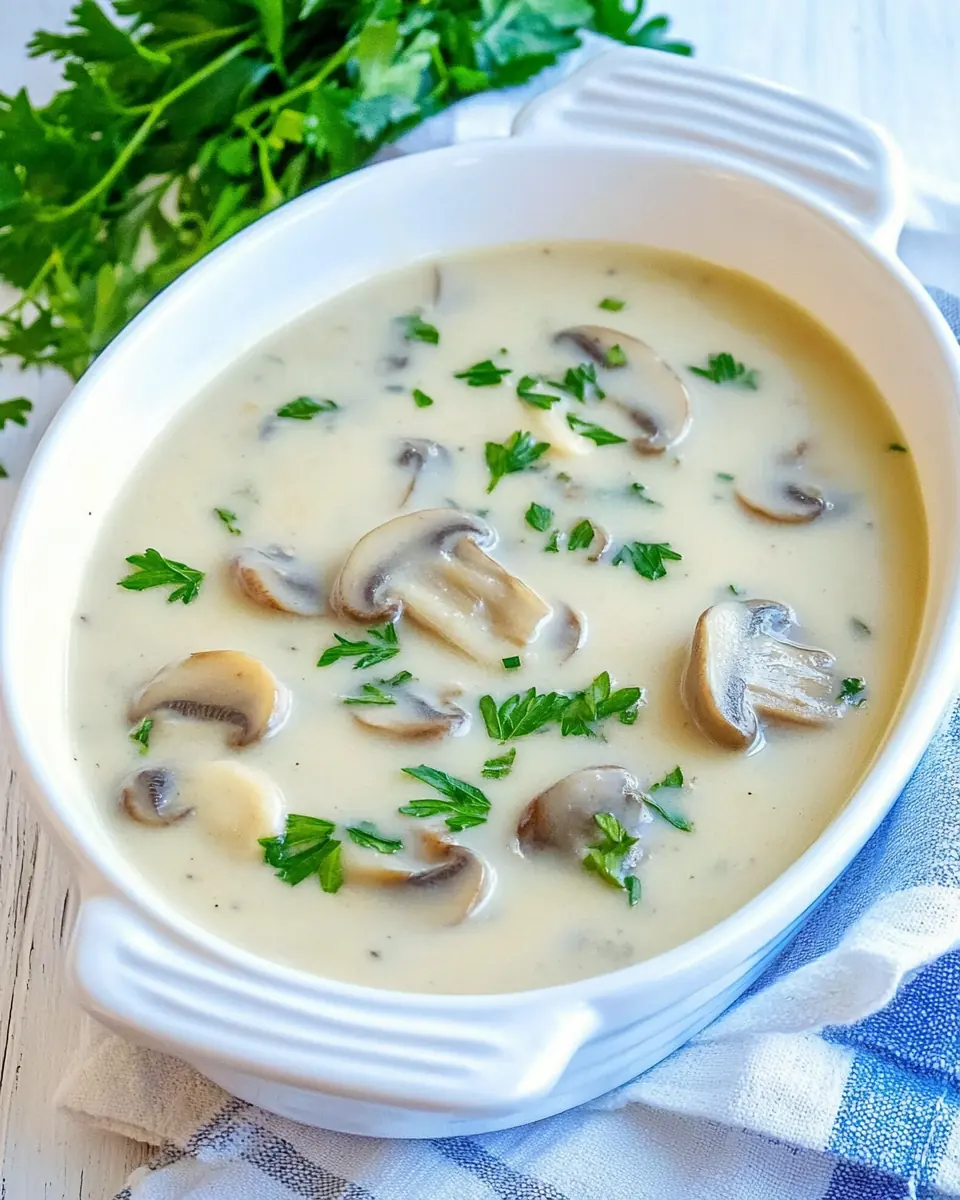
This section dives into practical swaps and technique notes I use when making this gravy. Read through and pick the tips that fit your pantry and schedule, each one is designed to keep the final sauce silky and flavorful.
- Use different stocks – Swap between chicken, vegetable, or beef stock to shift the flavor profile. Chicken keeps it neutral, vegetable makes it lighter, while beef intensifies the savory notes. Adjust salt levels based on how seasoned the stock is.
- Milk choices matter – Whole milk yields the creamiest texture, but lower fat milks will still work. Non dairy milks can be used though they may thin the sauce slightly, so choose a creamier plant milk if you want comparable richness.
- Texture control – If the gravy is too thin, simmer gently to reduce and concentrate flavor. If too thick, whisk in warm stock a tablespoon at a time until the body loosens without losing silkiness.
- Enhance umami without extra ingredients – Properly browning the mushrooms and cooking the roux fully brings deep savory notes without needing additional boosters. Patience in these two steps is usually enough.
- Make ahead and reheat – You can refrigerate the gravy for up to three days. Reheat gently over low heat while stirring, adding a splash of warm milk or stock to revive the texture.
- Adjust seasoning last – Always taste after the gravy has finished thickening because reduction changes the intensity of salt and pepper, and it is easier to add than remove.
Perfect Matches for Easy Mushroom Gravy Recipe
This gravy pairs beautifully with simple mains and a variety of occasions. Below I provide detailed serving ideas, storage tips, and suggestions for when this sauce shines most.
- Mashed potatoes – Spoon the gravy over warm mashed potatoes for a classic pairing, the velvety sauce clings to the lumps and creates a comforting plate that works for weeknight dinners or holiday sides.
- Roasted vegetables – Use as a finishing sauce for roasted root vegetables, the gravy adds moisture and savory depth that complements caramelized edges and earthy flavors.
- Simple protein – Drizzle over pan seared or baked proteins for extra richness; it elevates straightforward preparations without competing for attention.
- Casual dinners – Serve at a cozy family meal or a casual gathering, the gravy makes simple components feel special while being easy to prepare ahead.
- Storage and reheating – Refrigerate in an airtight container for up to three days, and reheat slowly over low heat, whisking in a bit of warm stock or milk if needed to restore silkiness.
- Seasonal pairing – In colder months, the rich, warm character of this gravy complements heartier fare and adds comfort to midwinter dinners.
FAQ
Conclusion
This Easy Mushroom Gravy Recipe stands out because it turns a handful of pantry staples into a silky, savory sauce with real depth. I encourage you to try it, even on a busy weeknight, because the steps are short and the results feel indulgent. Once you master the basics of browning the mushrooms and making a smooth roux, you have a versatile gravy that elevates simple sides and proteins. Serve it warm, taste as you go, and enjoy the little ritual of whisking together flavors that bring comfort and a bit of culinary pride.
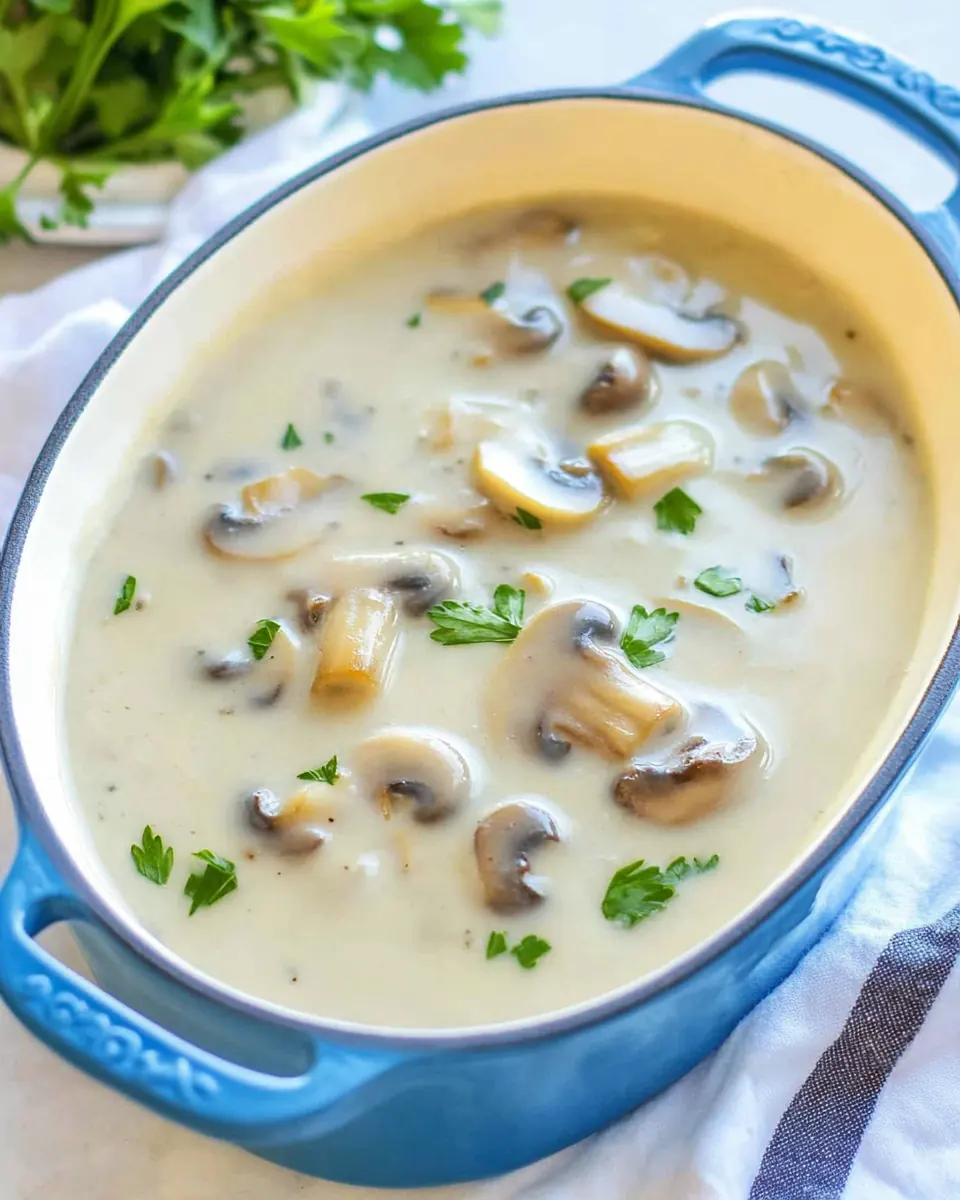
Easy Mushroom Gravy Recipe
Ingredients
Equipment
Method
- Rinse mushrooms (yes, I rinse my mushrooms), then pat them dry with paper towels and slice. Heat a large skillet over medium heat and add 1 tbsp olive oil. When oil is hot, add mushrooms and saute until golden and soft. Remove mushrooms from pan.: The first sensory cue you will notice is the earthy scent when you rinse and then slice the mushrooms , a damp but fresh aroma that turns fragrant when they hit heat. Patting them dry is crucial because surface moisture will steam the mushrooms instead of letting them brown, which removes the toasty notes you want. As you slice, watch the clean white or tan flesh; uniform thickness helps even cooking. A common error here is leaving them wet, which causes a soft rubbery texture rather than the pleasantly tender, slightly crisp edges you are aiming for. When the knife glides through and the pieces look glossy but not wet, you are ready.
- Add 2 tbsp butter to pan along with 2 tbsp flour. Whisk until your flour roux is a light golden brown (1-2 min).: You will see the olive oil shimmer and smell a faint fruity warmth as it becomes ready, but it should not smoke. Medium heat gives the best balance so the mushrooms begin to color without the fat burning. If your pan is too cool you will not get browning and the mushrooms will exude water; if it is too hot you risk scorching. A telltale sign that the pan is ready is when a single test slice sizzles gently and begins to color in about 30 to 60 seconds.
- Whisk in 1/2 cup stock then 1 cup milk and stir until hot and thickened.: As the mushrooms hit the pan you should hear an immediate sizzle, and in a few minutes they will begin to brown and shrink, releasing a concentrated, savory aroma. Stir them occasionally so they color on all sides, moving from pale to golden to a deeper caramel tone, and watch the edges crisp slightly. This browning creates Maillard flavors, which are essential for depth in the gravy. Avoid stirring constantly, which prevents browning, but do not leave them untouched to burn. If they release a lot of liquid and become soggy, the pan was crowded or too cool, which is the most common mistake.
- Add the mushrooms back to the pan, season with salt and pepper to taste and bring to a simmer. When gravy is at desired consistency, remove from heat (keep in mind it will still thicken slightly as it cools).: The moment the mushrooms are soft and golden, transfer them to a plate so you can use the pan for the roux. You will notice the pan has brown bits and concentrated juices, these fond pieces are flavor gold and will be integrated into the gravy. Leaving the mushrooms in while making the roux can overcook them and change texture, so remove them to preserve that perfect bite. A slip here is leaving them in the pan, which often leads to a gluey or overcooked result.
- Add 2 tbsp butter to pan along with 2 tbsp flour: When you add the butter it should melt and foam slightly, and combining it with the flour creates a paste that will thicken the sauce. Whisk them together so the mixture becomes smooth and takes on a light golden color in about one to two minutes, releasing a warm, nutty aroma. This step removes the raw flour taste and builds the base texture, so patience is rewarded. Overcooking the roux until it darkens too much will change the final color and flavor of the gravy, while undercooking leaves a starchy aftertaste.
- Whisk until your flour roux is a light golden brown (1 to 2 min): You will see the roux transition from pale to a warm tan, and the smell will shift from pasty to toasty. Whisk constantly so the heat is distributed evenly and no lumps form. A smooth, glossy paste signals readiness. If you smell anything bitter, the roux has started to burn and you should start again to avoid tainting the gravy. This careful cooking ensures a subtle, cooked flour flavor rather than rawness in the finished sauce.
- Whisk in 1/2 cup stock then 1 cup milk and stir until hot and thickened: Adding the stock first loosens the roux, and you will see the mixture turn fluid and fragrant as the pan fond dissolves into the liquid. Pour slowly while whisking to prevent lumps, then add the milk and continue to stir. As the sauce heats you will notice it go from glossy to velvety, thickening to coat the back of a spoon. The scent becomes rounded and savory, with the mushroom notes threading through. A common mistake is pouring cold liquids in too quickly, which can cause clumping; tempering with a little warm stock first helps it come together smoothly.
- Add the mushrooms back to the pan, season with salt and pepper to taste and bring to a simmer: Returning the mushrooms introduces the concentrated juices back into the sauce, and you will see the gravy take on flecks and texture. Season gradually so the salt enhances but does not overpower, tasting as you go. Bring just to a gentle simmer so the gravy thickens and the flavors meld, watching for small bubbles around the edges. Let it linger on the heat briefly so the mushrooms warm through and soak up the sauce. The usual mistake here is boiling vigorously, which can break the smoothness and make it too thin or grainy.
- When gravy is at desired consistency, remove from heat: As you lift the pan from the stove you will notice the gravy slows in movement, and it will continue to thicken slightly as it cools. The finished texture should be glossy and coat the back of a spoon without being pasty. If you find it too thick once cooled, stir in a splash of warm stock or milk to loosen it. Avoid overcooking which concentrates and can make it gluey, the best result is a silky, pourable gravy that clings to whatever it dresses.
Notes
- Use different stocks - Swap between chicken, vegetable, or beef stock to shift the flavor profile. Chicken keeps it neutral, vegetable makes it lighter, while beef intensifies the savory notes. Adjust salt levels based on how seasoned the stock is.
- Milk choices matter - Whole milk yields the creamiest texture, but lower fat milks will still work. Non dairy milks can be used though they may thin the sauce slightly, so choose a creamier plant milk if you want comparable richness.
- Texture control - If the gravy is too thin, simmer gently to reduce and concentrate flavor. If too thick, whisk in warm stock a tablespoon at a time until the body loosens without losing silkiness.
- Enhance umami without extra ingredients - Properly browning the mushrooms and cooking the roux fully brings deep savory notes without needing additional boosters. Patience in these two steps is usually enough.
- Make ahead and reheat - You can refrigerate the gravy for up to three days. Reheat gently over low heat while stirring, adding a splash of warm milk or stock to revive the texture.
- Adjust seasoning last - Always taste after the gravy has finished thickening because reduction changes the intensity of salt and pepper, and it is easier to add than remove.