Cranberry Upside Down Cake
Cranberry Upside Down Cake has been one of those recipes that greets me every cool morning in late fall, when the air smells like wood smoke and citrus peels. The first time I made it, I remember the bright pop of cranberries against the caramelized brown sugar, and how the whole house seemed to lift its mood just from that warm, tart scent. I still reach for this cake when I want something that feels festive without being fussy.
Over the years I have tinkered with the balance between sweet and tart, and I love how the simple batter and the crunchy cornmeal create an inviting contrast with the glossy fruit layer. When guests arrive, I usually keep the skillet on the counter, and the ritual of uncovering the cake, inverting it, and watching the cranberries settle into shiny jewel tones never gets old. Each slice tells a story of texture, from the syrupy bottom to the tender crumb above.
Recipe Snapshot
1 hr 10 mins
20 mins
50 mins
Medium
300 kcal
American
Gluten-Free, Low FODMAP
Desserts
Cast iron skillet, Stand mixer, Mixing bowl, Spatula, Oven
Why This Cranberry Upside Down Cake Works
1. A showstopper with minimal fuss
I cook for friends often, and I appreciate a dessert that looks impressive without hours of work. Because the Cranberry Upside Down Cake assembles in the skillet and bakes as a single piece, I can focus on company instead of complicated plating. The jewel tones of the cranberries glazed by the brown sugar always make people pause, and I love that it requires familiar pantry staples.
2. Balanced sweet and tart flavors
I like desserts that have tension, and this cake balances the deep, caramel notes from the brown sugar with the bright, biting tang of fresh or frozen cranberries. The batter itself is mildly sweet, so each bite highlights the fruit, not buries it. I find that this balance makes it versatile for holiday tables and weekday treats alike.
3. Textural contrast for interest
The inclusion of coarse cornmeal or polenta gives the crumb a subtle grit that plays well against the glossy, syrupy fruit layer. When I slice a piece, I can feel that satisfying contrast between the tender cake and the slightly toothy cornmeal, which keeps each bite interesting. That textural pairing is one of the reasons I keep coming back to this recipe.
4. Cozy seasonal appeal
Because cranberries are at their best in cooler months, this cake feels particularly right for fall gatherings and holiday spreads. The warm lemon zest brightens the profile, and serving it warm brings out the best aromas. I enjoy offering it for Thanksgiving because it offers something different from heavy pies yet still feels celebratory.
5. Friendly for home bakers
Even if you do not bake often, the techniques here are approachable. Creaming butter and sugar, folding in dry ingredients, and distributing fruit are foundational skills. I like that this cake teaches useful methods while delivering a reliably excellent result, so it is a great confidence builder.
What You’ll Need for Cranberry Upside Down Cake
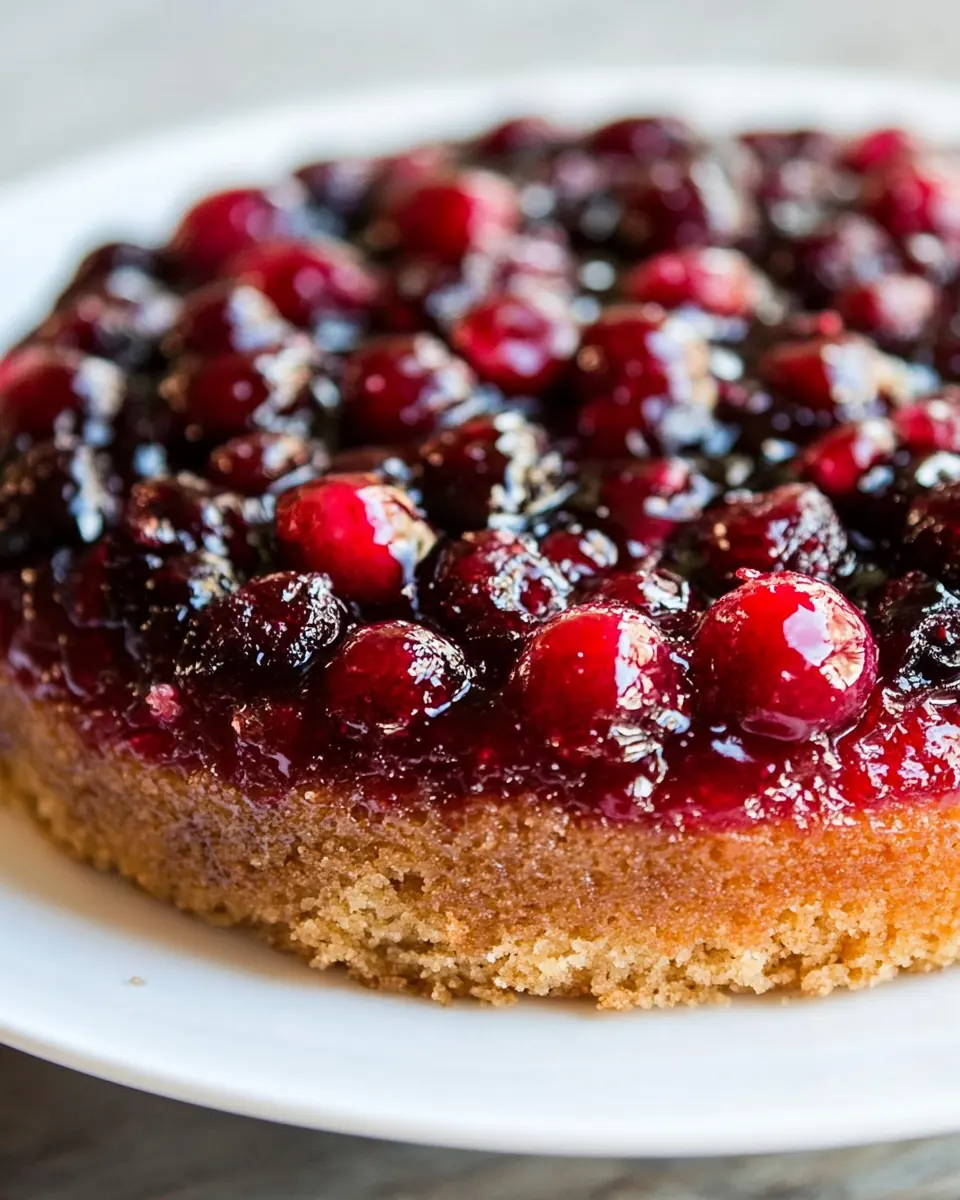
These ingredients create a simple, harmonious cake where each component plays a clear role. The brown sugar and butter form a glossy caramel base that shields and sweetens the cranberries, while the combination of all purpose flour and cornmeal gives the crumb both structure and subtle texture. The eggs and milk provide moisture and lift, and lemon zest and vanilla add aroma and balance.
- 4 tablespoons (55 g/2 ounces) unsalted butter, cubed: Melted and browned to create a glossy caramel layer that helps coat the cranberries and adds rich, nutty flavor to the cake’s topping.
- 3/4 cup (125 g) packed light brown sugar: Packed to provide deep molasses notes and moisture that combine with butter to form the caramelized base beneath the fruit.
- 3 cups (280 g/10 ounces) fresh or frozen cranberries: Tart and juicy fruits that balance sweetness, cook down into a saucy layer over the caramel, and contribute bright acidity and texture.
- 1 1/4 cups (175 g) all-purpose flour: All-purpose flour supplying structure and gluten that support the crumb while creating the cake’s tender body when combined with fats and liquids.
- 1/4 cup (50 g) coarse cornmeal or polenta: Coarse cornmeal or polenta contributing a slightly gritty texture and rustic corn flavor that contrasts the soft cake crumb.
- 1 1/2 teaspoons baking powder, preferably aluminum-free: Leavening powder giving lift and lightness by producing carbon dioxide during baking, ensuring the cake rises evenly and has a delicate crumb.
- 1/4 teaspoons salt: Salt enhancing and balancing sweetness, strengthening gluten slightly and sharpening overall flavors to make other ingredients pop.
- 1/2 cup (115 g/4 oz) unsalted butter, cubed, at room temperature: Softened unsalted butter creaming with sugar to incorporate air, add richness, and create a tender, moist crumb in the cake batter.
- 3/4 cup (150 g) granulated sugar: Granulated sugar sweetening and stabilizing the batter while aiding in aeration during creaming to produce a fine, tender texture.
- grated zest of one lemon: Finely grated lemon zest imparting concentrated citrus aroma and bright, fragrant acidity that lifts the overall flavor profile.
- 2 large eggs, at room temperature: Room–temperature eggs acting as binders and emulsifiers that provide structure, moisture, and stability while helping the cake rise.
- 1 teaspoon vanilla extract: Vanilla extract adding warm, rounded aroma and depth of flavor that complements the fruit and enhances sweetness perception.
- 1/2 cup (125 ml) whole or low fat milk, at room temperature: Milk at room temperature thinning the batter for proper consistency, contributing moisture, and reacting with leaveners to ensure even rise.
How to Prepare Cranberry Upside Down Cake
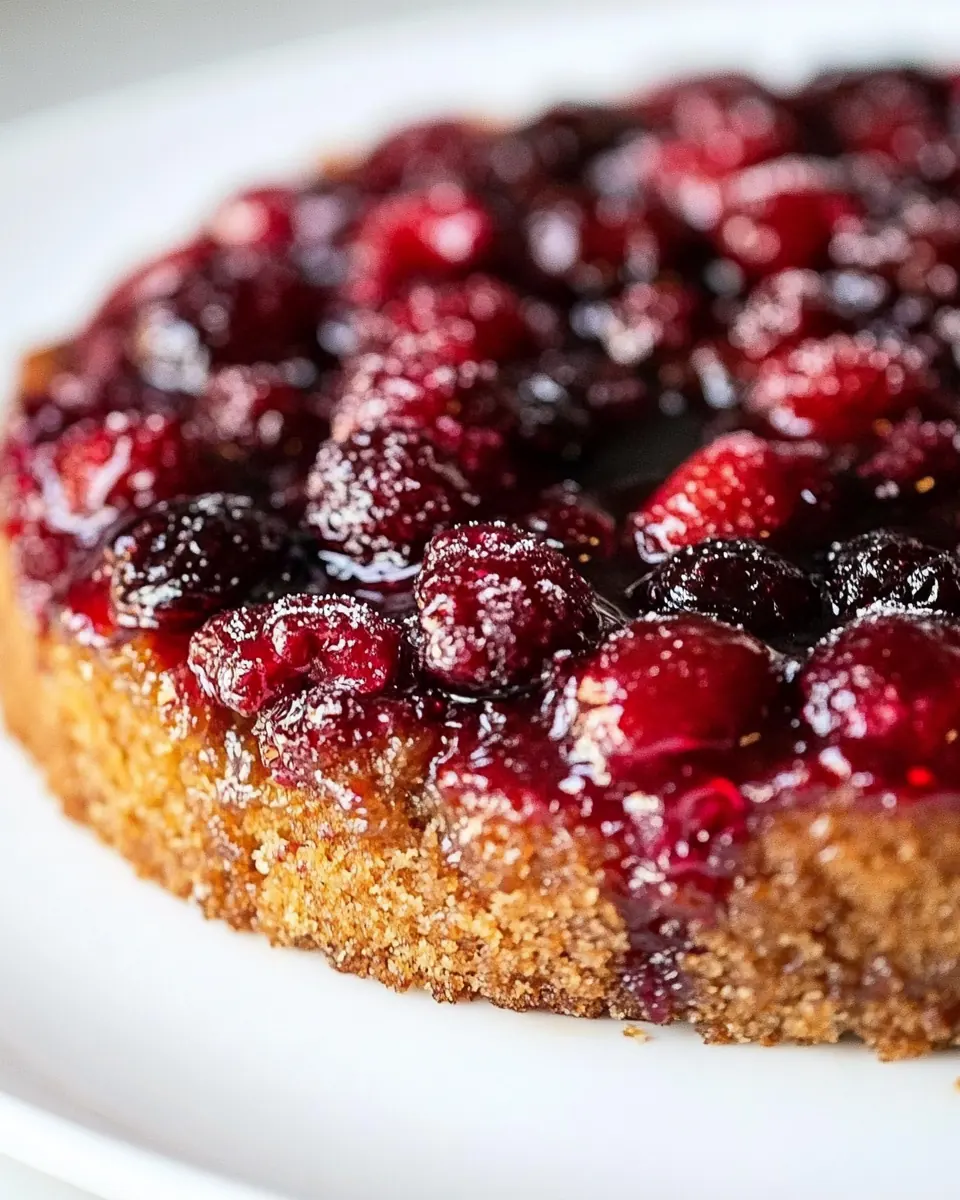
This cake comes together in a skillet, and the method is wonderfully tactile. You’ll start with melting butter and sugar, assemble a sifted dry mix, then cream butter and sugar before folding everything together. Pay attention to tactile and visual cues so you can sense when the batter and fruit are ready for the oven.
- In a 9- to 10-inch (23-25 cm) cast iron skillet, melt the 4 tablespoons of butter and the brown sugar together, stirring frequently, until the sugar is moistened and liquefied. When the mixture starts to bubble, remove from heat and set the pan aside.: You will notice the aroma immediately, a warm toasty note with deep caramel undertones, and the sugar will take on a glossy, syrupy sheen. This bubbling signals that the sugar has started to dissolve into the melted butter , creating a lacquer that will coat the cranberries . The reason I remove the skillet from heat at the first steady bubble is to avoid scorching, which ruins the clean caramel flavor. A common mistake is leaving it on the heat too long, which can make the sugar bitter. If the mixture thickens too fast, briefly lift the pan from heat and stir to cool it down.
- Preheat the oven to 350ºF (180ºC).: You should hear a quiet hum as the oven comes to temperature and the interior light will glow, signaling it's ready. I always preheat for at least 10 minutes to ensure even baking. The steady, moderate oven heat allows the cake to rise and set without browning the top too quickly. A typical error is putting the cake into an oven that is still warming, which can lead to uneven rise and a dense center. Use an oven thermometer if you doubt your oven's accuracy.
- In a small bowl, whisk together the flour, cornmeal or polenta, baking powder, and salt.: As you whisk, you'll notice the pale dusting of flour and the coarse specks of cornmeal, a visual sign that the dry elements are evenly distributed. This step is crucial to ensure the baking powder is spread uniformly, which promotes an even rise. If you skip this, you risk pockets of leavening that create odd holes or a lop sided rise. A common oversight is packing the measuring cups; spoon and level the flour for consistent results.
- In the bowl of a stand mixer, or by hand in a mixing bowl with a spatula, beat the 1/2 cup of butter, granulated sugar and lemon zest at medium high speed for 3 to 5 minutes, until very light and fluffy.: You will detect the mixture lighten in color and take on a ribbonlike texture as air incorporates. The lemon zest releases fragrant oils that perfume the butter, and the creamed mixture should feel airy to the touch. This mechanical aeration is why the cake becomes tender and not dense. A common mistake is stopping too soon, leaving the batter compact; aim for visible lightness and a slightly paler color.
- Reduce the speed of the mixer to medium and add the eggs one at a time, stopping the mixer to scrape down the sides. Mix in the vanilla extract.: Each egg should be fully integrated before adding the next, so the batter remains emulsified and stable. You'll see the mixture glossy again after the eggs go in, and small pockets of air will be suspended, which later expand in the oven. If you add eggs too quickly, the batter can split and become curdled, risking a heavy texture. Scraping the bowl prevents stray streaks of unmixed butter that will create uneven crumb.
- At low speed, add half of the flour mixture, then the milk, then the remaining dry ingredients, mixing just enough so that they’re all combined. Do not overmix.: Mixing gently at this stage preserves the air you have beaten into the batter, and you should stop when streaks of flour disappear. The batter should be cohesive but still soft and slightly glossy. Overmixing develops the gluten in the flour , which makes the cake tough rather than tender. If you see long elastic strings, you have mixed too much and the texture will suffer.
- Distribute the cranberries in the prepared pan over the brown sugar mixture and shake the pan so they are in a relatively even layer. Spoon the batter over the cranberries in four mounds, then use a spatula to spread the batter evenly over the fruit.: When you place the cranberries on top of the caramel, they should nestle and be coated lightly, creating small pools of syrup that glisten. Spoon the batter in mounds to avoid disturbing the fruit layer, and then gently coax the batter to cover without pushing the berries down. The visual cue is a smooth, even top with no large gaps. A frequent error is pressing the fruit too deep, which can cause the batter to sink and bake unevenly.
- Bake the cake until the top is golden brown and a toothpick inserted into the center comes out clean, about 50 minutes. Remove from the oven, wait 10 minutes, then run a knife around the cake. Place a serving platter overturned on top of the cake in the skillet, then using oven mitts to cover your hands, flip the two over simultaneously, until the cake releases from the pan.: As the oven transforms the batter, you will smell warm, nutty notes from the cornmeal and citrus, and the top should turn a gentle golden brown. The toothpick test ensures the center has set while keeping the topping moist. Allowing the cake to rest for 10 minutes helps the glaze settle so it will release cleanly. If you try to invert it too soon, the glaze can stick and tear the cake. Use a thin knife to loosen the edges fully and work confidently when flipping to avoid burns.
Ways to Customize
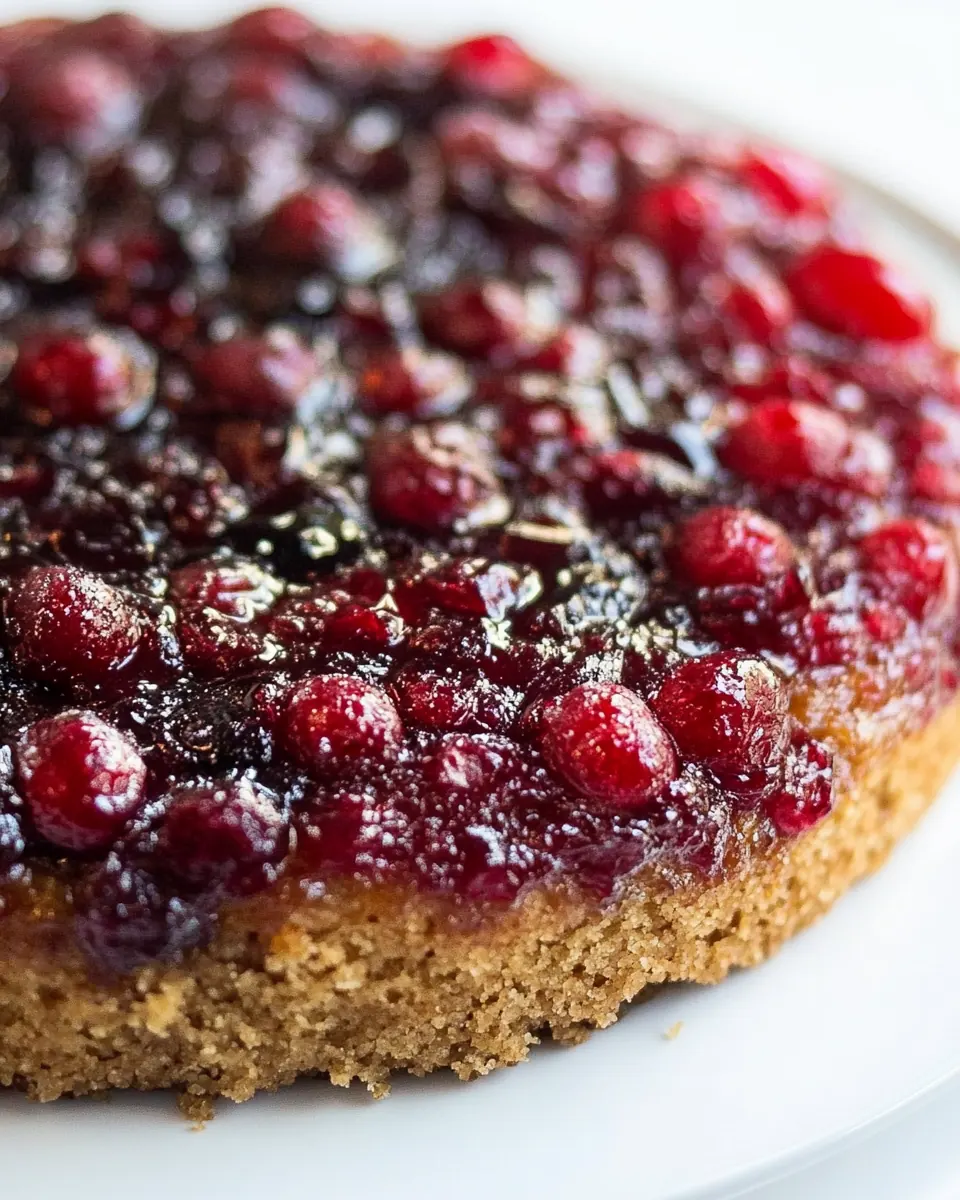
If you love making this cake your own, there are a few directions you can take it while staying true to the spirit of glossy fruit and tender crumb. Below are practical, tested ideas to tailor sweetness, texture, and presentation to your taste.
- Boost the citrus: Add more grated lemon zest or a touch of orange zest to brighten the fruit layer and lift the overall aroma.
- Toast the cornmeal: Gently toast the cornmeal in a dry skillet for a few minutes before mixing to deepen its nutty flavor.
- Swap sugars carefully: Use dark brown sugar for a deeper molasses note in the glaze, but reduce the amount slightly if you want less sweetness.
- Serve warm with care: Rewarm gently in a low oven to revive the glaze without drying the cake, and avoid microwaving which can make the crust gummy.
- Garnish for color: Scatter a few fresh cranberries or a sprinkling of extra lemon zest just before serving for a fresh visual pop.
- Adjust batter thickness: If the batter seems too thin, fold it less and chill for a few minutes before spreading to make it easier to manage over the fruit.
Pairing Suggestions for Cranberry Upside Down Cake
This cake works beautifully across occasions, from casual brunch to a holiday spread. Present it warm to release the aromas, or at room temperature for easier slicing. Here are serving suggestions to enhance the experience and make it fit the moment.
- Holiday table: Present the cake as an alternative to heavy pies at Thanksgiving, letting the tart cranberries offer a bright counterpoint to richer mains.
- Afternoon tea: Slice thinly and offer with hot tea or coffee, the cake sips well with warm beverages and highlights the lemon zest.
- Casual gatherings: Keep the skillet on the counter for self service, allowing guests to take warm slices, which keeps the presentation rustic and inviting.
- Storage tips: The cake is best the same day when warm, but it keeps well at room temperature for a day. Rewarm gently before serving to refresh the glaze.
- Seasonal pairing: In fall, pair with spiced tea or a lightly spiced cider to echo warm notes in the cake without overpowering the fruit.
FAQ
Conclusion
This Cranberry Upside Down Cake is special because it balances tart fruit, warm caramel, and a tender, slightly textured crumb in a single, elegant skillet presentation. I encourage you to try it when cranberries are at their best, or whenever you want a dessert that looks festive with minimal fuss. Sharing it warm brings out the aromas and is a lovely way to gather friends or family around the table.
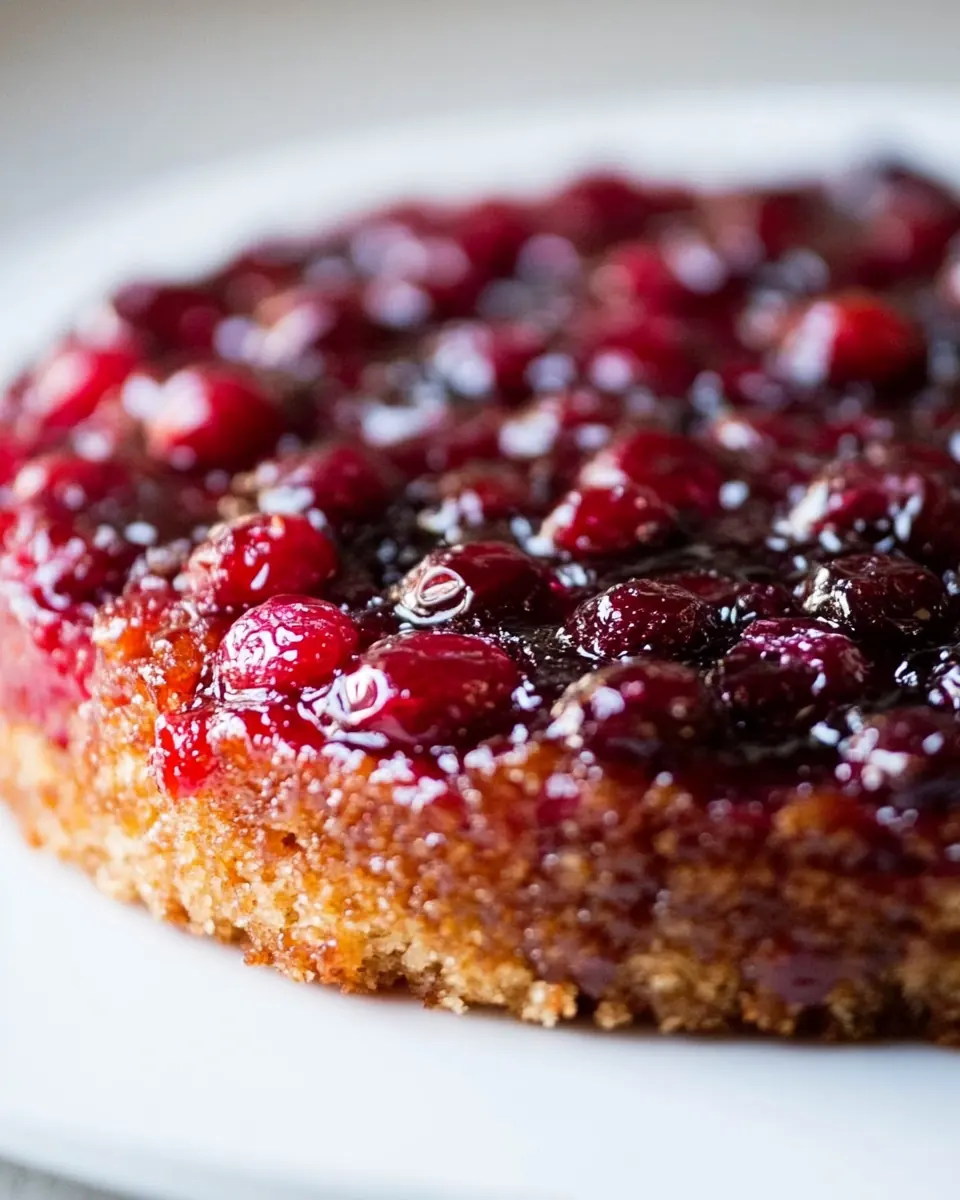
Cranberry Upside Down Cake
Ingredients
Equipment
Method
- In a 9- to 10-inch (23-25 cm) cast iron skillet, melt the 4 tablespoons of butter and the brown sugar together, stirring frequently, until the sugar is moistened and liquefied. When the mixture starts to bubble, remove from heat and set the pan aside.: You will notice the aroma immediately, a warm toasty note with deep caramel undertones, and the sugar will take on a glossy, syrupy sheen. This bubbling signals that the sugar has started to dissolve into the melted butter , creating a lacquer that will coat the cranberries . The reason I remove the skillet from heat at the first steady bubble is to avoid scorching, which ruins the clean caramel flavor. A common mistake is leaving it on the heat too long, which can make the sugar bitter. If the mixture thickens too fast, briefly lift the pan from heat and stir to cool it down.
- Preheat the oven to 350ºF (180ºC).: You should hear a quiet hum as the oven comes to temperature and the interior light will glow, signaling it's ready. I always preheat for at least 10 minutes to ensure even baking. The steady, moderate oven heat allows the cake to rise and set without browning the top too quickly. A typical error is putting the cake into an oven that is still warming, which can lead to uneven rise and a dense center. Use an oven thermometer if you doubt your oven's accuracy.
- In a small bowl, whisk together the flour, cornmeal or polenta, baking powder, and salt.: As you whisk, you'll notice the pale dusting of flour and the coarse specks of cornmeal, a visual sign that the dry elements are evenly distributed. This step is crucial to ensure the baking powder is spread uniformly, which promotes an even rise. If you skip this, you risk pockets of leavening that create odd holes or a lop sided rise. A common oversight is packing the measuring cups; spoon and level the flour for consistent results.
- In the bowl of a stand mixer, or by hand in a mixing bowl with a spatula, beat the 1/2 cup of butter, granulated sugar and lemon zest at medium high speed for 3 to 5 minutes, until very light and fluffy.: You will detect the mixture lighten in color and take on a ribbonlike texture as air incorporates. The lemon zest releases fragrant oils that perfume the butter, and the creamed mixture should feel airy to the touch. This mechanical aeration is why the cake becomes tender and not dense. A common mistake is stopping too soon, leaving the batter compact; aim for visible lightness and a slightly paler color.
- Reduce the speed of the mixer to medium and add the eggs one at a time, stopping the mixer to scrape down the sides. Mix in the vanilla extract.: Each egg should be fully integrated before adding the next, so the batter remains emulsified and stable. You'll see the mixture glossy again after the eggs go in, and small pockets of air will be suspended, which later expand in the oven. If you add eggs too quickly, the batter can split and become curdled, risking a heavy texture. Scraping the bowl prevents stray streaks of unmixed butter that will create uneven crumb.
- At low speed, add half of the flour mixture, then the milk, then the remaining dry ingredients, mixing just enough so that they’re all combined. Do not overmix.: Mixing gently at this stage preserves the air you have beaten into the batter, and you should stop when streaks of flour disappear. The batter should be cohesive but still soft and slightly glossy. Overmixing develops the gluten in the flour , which makes the cake tough rather than tender. If you see long elastic strings, you have mixed too much and the texture will suffer.
- Distribute the cranberries in the prepared pan over the brown sugar mixture and shake the pan so they are in a relatively even layer. Spoon the batter over the cranberries in four mounds, then use a spatula to spread the batter evenly over the fruit.: When you place the cranberries on top of the caramel, they should nestle and be coated lightly, creating small pools of syrup that glisten. Spoon the batter in mounds to avoid disturbing the fruit layer, and then gently coax the batter to cover without pushing the berries down. The visual cue is a smooth, even top with no large gaps. A frequent error is pressing the fruit too deep, which can cause the batter to sink and bake unevenly.
- Bake the cake until the top is golden brown and a toothpick inserted into the center comes out clean, about 50 minutes. Remove from the oven, wait 10 minutes, then run a knife around the cake. Place a serving platter overturned on top of the cake in the skillet, then using oven mitts to cover your hands, flip the two over simultaneously, until the cake releases from the pan.: As the oven transforms the batter, you will smell warm, nutty notes from the cornmeal and citrus, and the top should turn a gentle golden brown. The toothpick test ensures the center has set while keeping the topping moist. Allowing the cake to rest for 10 minutes helps the glaze settle so it will release cleanly. If you try to invert it too soon, the glaze can stick and tear the cake. Use a thin knife to loosen the edges fully and work confidently when flipping to avoid burns.
Notes
- Boost the citrus: Add more grated lemon zest or a touch of orange zest to brighten the fruit layer and lift the overall aroma.
- Toast the cornmeal: Gently toast the cornmeal in a dry skillet for a few minutes before mixing to deepen its nutty flavor.
- Swap sugars carefully: Use dark brown sugar for a deeper molasses note in the glaze, but reduce the amount slightly if you want less sweetness.
- Serve warm with care: Rewarm gently in a low oven to revive the glaze without drying the cake, and avoid microwaving which can make the crust gummy.
- Garnish for color: Scatter a few fresh cranberries or a sprinkling of extra lemon zest just before serving for a fresh visual pop.
- Adjust batter thickness: If the batter seems too thin, fold it less and chill for a few minutes before spreading to make it easier to manage over the fruit.