Baked Grapefruit Poppy Seed Doughnuts
Baked Grapefruit Poppy Seed Doughnuts came into my kitchen on a bright spring morning when I wanted something light, citrusy, and a little bit nostalgic. I was thinking about the doughnuts I loved as a kid, but wanted a version that felt fresher and less guilty, something I could serve after brunch without everyone feeling weighed down. The first bite of these treats—soft, tender inside with a whisper of citrus and a delightful pop from the seeds—felt like sunshine on a plate, and I kept coming back for another one while I sipped coffee and read the paper.
My approach to these doughnuts is straightforward and forgiving, which is why they have become a go to whenever a last minute sweet is needed. The batter comes together quickly, and the glaze is bright and simple, bringing out the floral bitterness of the grapefruit without overpowering the soft crumb. I remember the first time I zested the grapefruit into the sugar, and how the kitchen filled with a sharp, perfumed scent that made me smile. It felt like a small ceremony.
What I love most is how adaptable the recipe is. You can mix up the texture by using different milk, and the glaze thickness by adjusting how much grapefruit juice you whisk in. I often bake these when friends are dropping by because the pan fits neatly in the oven while I finish tidying up. They look impressive, but they are not fussy. The contrast between the soft dough and the crunch of poppy seeds is what keeps me reaching for them again and again.
Recipe Snapshot
26 mins
15 mins
11 mins
Medium
150 kcal
American
Gluten-Free, Low FODMAP
Desserts
Oven, Doughnut pan, Mixing bowls, Rubber spatula, Whisk
Why Try This Baked Grapefruit Poppy Seed Doughnuts
Bright Citrus Flavor That Feels Fancy
I fall for the way grapefruit lifts the whole treat. The zest folded into the sugar releases an aromatic oil that perfumes every bite, creating a complex citrus note that feels upscale but remains simple to execute. I like to think of it as an elegant shortcut, because the flavor punches above its effort.
Texture Contrast That Keeps You Coming Back
The tiny crunch of poppy seeds against the pillowy interior is addictive. I value texture in baking, and this recipe balances tender crumb and light exterior without needing deep frying. The seeds add bite and visual interest, which makes these doughnuts feel thoughtful and deliberate.
Quick and Accessible Baking
Because these are baked, not fried, they come together fast and cleanly. I appreciate recipes that free up stove space and reduce mess, and these let me chat with guests instead of standing over bubbling oil. The short bake time means you can pop a batch in during the last course of brunch and still have fresh doughnuts on the table.
Flexible and Friendly Ingredients
Most of the components are pantry staples like all purpose flour, granulated sugar, and confectioners’ sugar, so I rarely need a trip to the store. The milk can be swapped for what you have on hand, and the butter can be melted gently without fuss. That flexibility makes this a go to whenever a citrus craving hits.
Approachable for Home Bakers
I love recipes that build confidence, and this one does exactly that. The techniques are basic yet effective, so you learn something about batter handling and glazing without feeling overwhelmed. I enjoy watching home bakers surprise themselves with how professional these turn out.
What You Need for Baked Grapefruit Poppy Seed Doughnuts
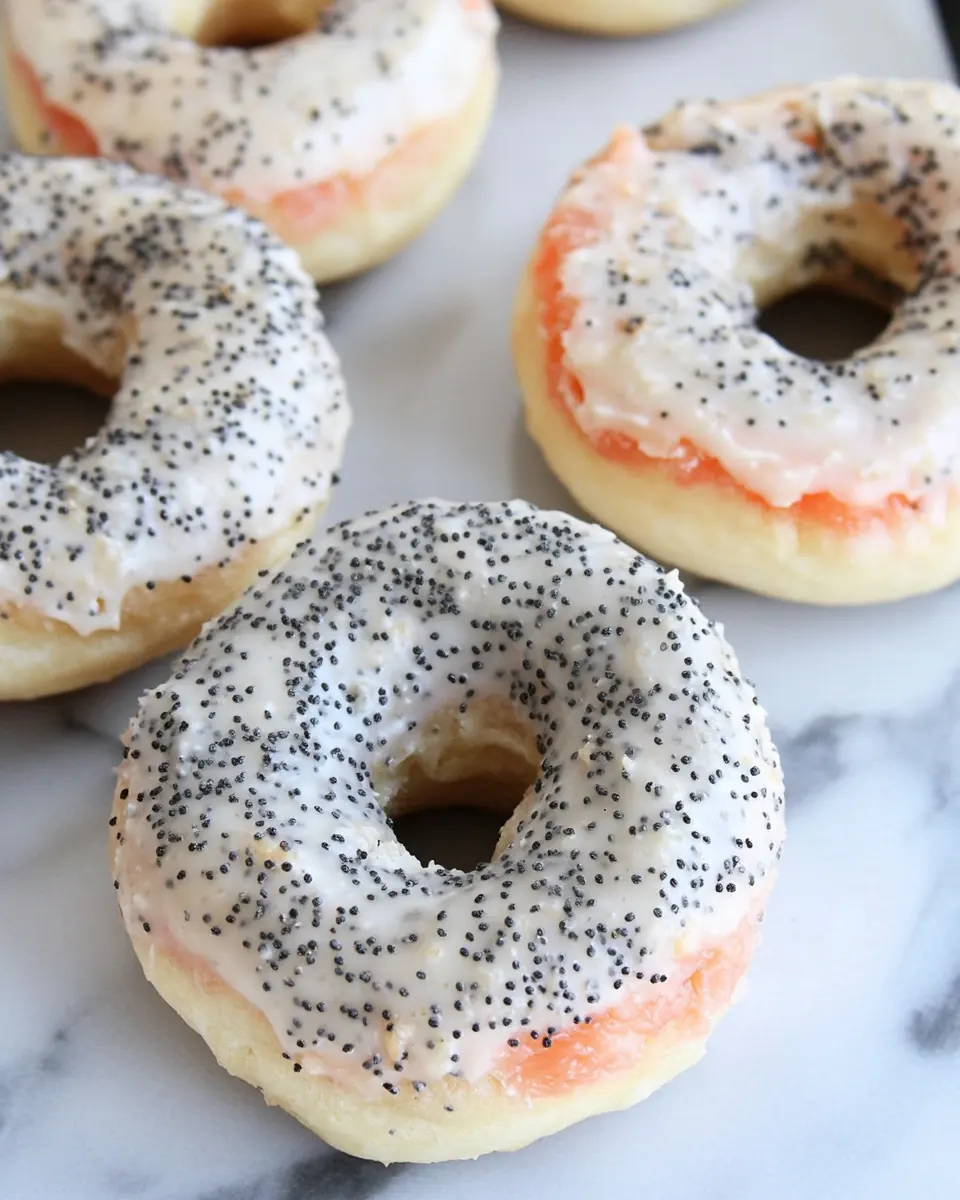
These ingredients work together to create a light, tender baked doughnut with a bright citrus finish. The dry and wet elements are kept separate until the end to avoid overmixing, while the poppy seeds and grapefruit add flavor and texture that lift a simple batter into something memorable. The key players are the flour for structure, the sugar and zest for flavor, and the butter and egg for richness.
- 1 1/4 cups all purpose flour: Provide structure and bulk to the doughnut batter, creating the framework that traps air during baking; sift or whisk for even texture and to prevent lumps for a tender crumb.
- 1 1/4 teaspoons baking powder: Leaven the doughnuts by releasing carbon dioxide when heated, helping them rise and become light; evenly distribute to avoid uneven puffing or dense spots.
- 1/2 teaspoons salt: Add balance to the sweetness and strengthen gluten slightly, enhancing overall flavor; dissolve well into the dry ingredients to ensure consistent seasoning.
- 3 tablespoons poppy seeds: Offer a subtle crunchy texture and a nutty, slightly floral flavor that complements citrus; stir into the batter so the seeds are evenly dispersed for uniform texture.
- 1/2 cup granulated sugar: Sweeten the batter and contribute to browning and moisture retention; cream with wet ingredients to fully dissolve and avoid grittiness in the finished doughnuts.
- 1 tablespoon grapefruit zest: Brighten the flavor with concentrated citrus oils, providing aromatic lift and depth; finely grate and mix into the batter to evenly distribute the zest's fragrance.
- 2 1/2 tablespoons unsalted butter, melted: Contribute richness and tenderize the crumb while adding flavor; melt gently and cool slightly before combining to incorporate smoothly without cooking the eggs.
- 1 large egg, at room temperature: Bind ingredients together, add moisture and richness, and help with structure and leavening; bring to room temperature for better emulsification and even baking.
- 1 teaspoon vanilla extract: Enhance overall flavor and aroma with warm, sweet notes that round out the other flavors; measure accurately to prevent overpowering the citrus and poppy seed elements.
- 1/4 cup milk (whole, reduced fat, skim, or almond should work fine here): Provide liquid to hydrate the dry ingredients and adjust batter consistency for proper rise and texture; choose milk type based on desired richness while maintaining the same volume.
- 1 1/4 cups confectioners' sugar: Form the base for the glaze, supplying sweetness and a smooth finish that sets glossy; sift to remove lumps and whisk with liquid until silky and pourable for glazing.
- 1 2 tablespoons grapefruit juice: Thin and flavor the glaze with bright acidity and citrus intensity, balancing the confectioners' sugar; start with less and add gradually to reach desired glaze consistency and taste.
Putting Together Baked Grapefruit Poppy Seed Doughnuts
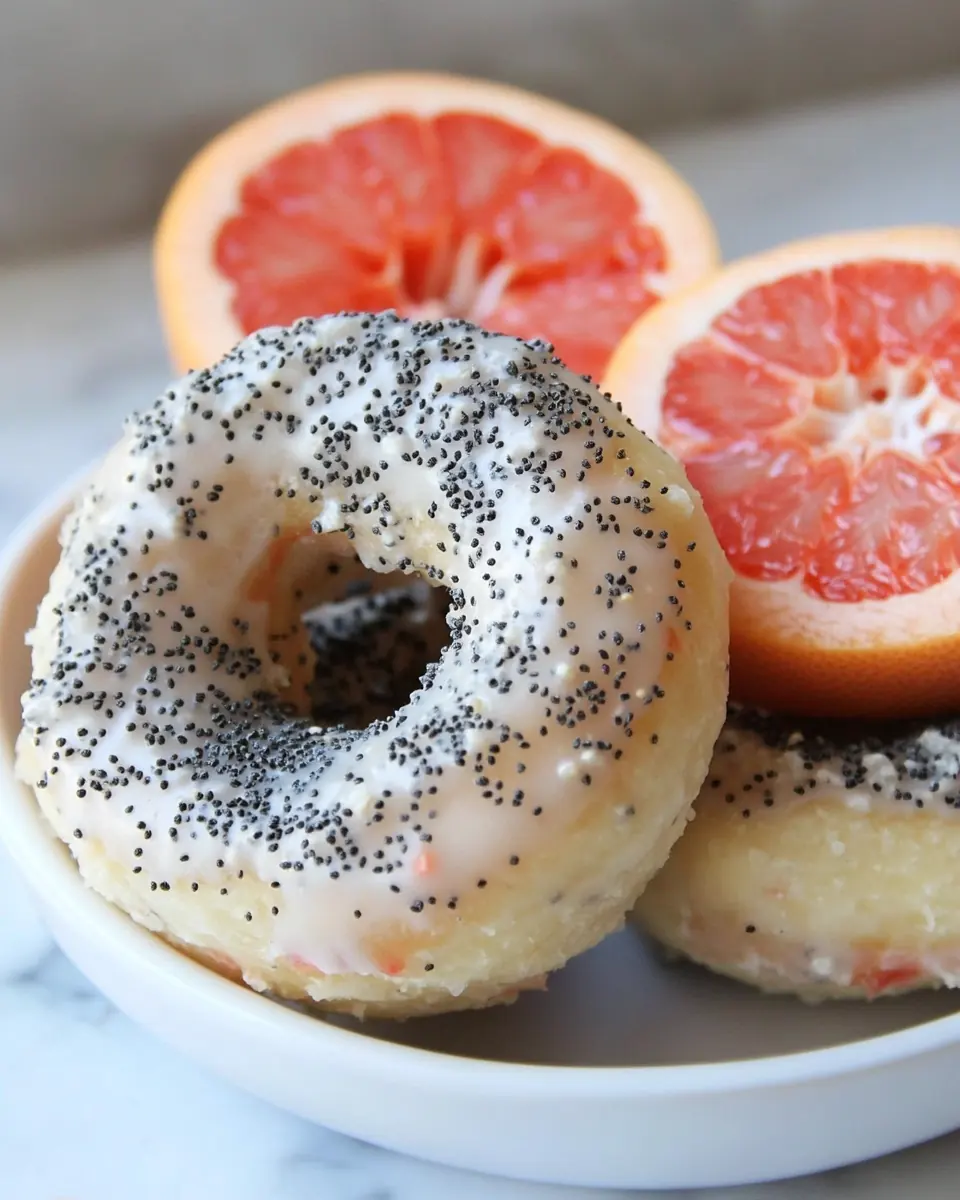
These instructions expand each original direction into rich, sensory steps so you can follow along with confidence. Take your time with the mixing and watch for visual cues to know everything is coming together properly.
- Preheat oven to 350 degrees (F). Generously grease a doughnut pan; set aside.: The warm, preheated oven creates an immediate lift as the batter hits heat, leading to a tender interior and lightly golden exterior. You should feel the steady hum of warmth as you slide the pan in, and the oven light will show the tops begin to set within minutes. Why this matters The even, consistent heat ensures rise and gentle browning without overcooking. Troubleshooting If your oven runs hot, reduce the temp a hair and check earlier to avoid a tough crust.
- In a small bowl whisk together flour, baking powder, salt, and poppy seeds; set aside.: As you whisk, notice the flour turns airy and the tiny black seeds pepper the mixture, promising texture. This dry mix ensures the leavening is distributed so every doughnut rises evenly. Why this matters Sifting or whisking prevents pockets of baking powder that could cause uneven bumps. Troubleshooting Avoid overwhisking the seeds into the flour until you combine, and be careful not to compact the flour when measuring.
- In a large bowl combine the granulated sugar and grapefruit zest; mix together with your fingers until zest is evenly distributed in the sugar. Add in the melted butter and beat until combined. Add in the egg and vanilla; beat well. Stir in milk.: Rubbing the zest into the sugar releases fragrant oils, and you will smell a bright citrus perfume that fills the bowl. The sugar will take on a slightly damp, glossy look as it absorbs those oils, creating a fragrant base. Why this matters This method amplifies grapefruit flavor throughout the batter, rather than having bitter flecks of zest in isolated bites. Troubleshooting If the zest feels too wet, pat it dry slightly before mixing to avoid creating clumps.
- Add in the dry ingredients and gently fold the mixture together using a rubber spatula, stirring only until mixture is evenly combined.: When you pour warm, melted butter into the sugared zest, you will see a silky sheen form as the fat melds with the sugar. The mixture should look glossy and slightly thick. Why this matters The butter coats flour proteins later, contributing to tenderness and mouthfeel. Troubleshooting If the butter is too hot it can scramble the egg when added later, so let it cool slightly first.
- Spoon the thick batter into the molds of your prepared pan, filling each mold up 2/3 of the way. Bake for 10-11 minutes, or until firm and lightly golden on the tops.: As you beat in the egg and vanilla , the batter becomes smoother and slightly aerated, with little ribbons forming as the mix incorporates. This step binds ingredients and helps trap air for lift. Why this matters Properly combined egg ensures a cohesive batter and even texture. Troubleshooting Mix until smooth but stop once homogenous to avoid over working the batter, which can lead to toughness.
- Remove pan from oven and allow doughnuts to cool for at least 10 minutes in the tray before transferring to a cooling rack to cool completely.: Adding the milk loosens the batter to the correct consistency, creating a pourable-thick texture that will fill the molds evenly. You should hear a gentle, quiet swish as you fold it in, and the color will lighten slightly. Why this matters Milk hydrates dry ingredients and influences tenderness; the fat content affects richness. Troubleshooting If the batter seems too runny, check your measuring; if too thick, add a splash more milk a teaspoon at a time.
- Once cool, dip each doughnut in glaze and serve! The glaze does take a few minutes to set, so you may want to wait about 5 minutes after glazing to dig in… but it's hard!: As you fold, watch for streaks of flour to vanish and for a smooth, cohesive batter studded with poppy seeds . The movement should be gentle, lifting and folding so you keep air in the mix. Why this matters Overmixing develops gluten and causes dense doughnuts, while gentle folding preserves tenderness. Troubleshooting If you see pockets of dry flour, fold a couple more times, but stop once uniformly combined.
- In a wide, shallow dish combine juice and sugar, and whisk to combine. Carefully dip cooled doughnuts in the glaze, and let rest for 5 minutes – if you can wait – before serving.: Filling to two thirds gives room for rise without spilling over, and the batter surface will hold small peaks that smooth slightly in the oven. The pans will feel substantial when you move them to the oven, and the batter should be evenly distributed for consistent baking. Why this matters Proper fill level ensures uniform shape and texture. Troubleshooting Overfilling leads to misshapen tops, while underfilling makes them too small and dry.
- Bake for 10 to 11 minutes, or until firm and lightly golden on the tops: During baking the aroma of butter and grapefruit will intensify, and the tops will take on a pale golden hue. You might hear a quiet settling, and a toothpick inserted should come out mostly clean. Why this matters Precise timing creates a tender interior and prevents a dry crumb. Troubleshooting Ovens vary, so start checking at ten minutes to avoid overbaking, which makes them dry.
- Remove pan from oven and allow doughnuts to cool for at least 10 minutes in the tray before transferring to a cooling rack to cool completely: Cooling in the pan helps the doughnuts set so they do not collapse, and you will feel the warmth slowly subside as the texture firms. The bottoms release more easily once they have rested, and transferring too soon can cause tearing. Why this matters Proper cooling preserves shape and crumb. Troubleshooting If you try to remove them while too warm, they may crumble or stick, so be patient for the ten minute rest.
- Once cool, dip each doughnut in glaze and serve: The glaze should be glossy and pourable, coating the doughnut and settling into a thin shell. When you dip, you will feel a slight resistance as the glaze adheres, and a gentle drip will show the right viscosity. Why this matters A properly set glaze adds sweetness and a tactile contrast to the tender doughnut. Troubleshooting If the glaze is too thin it will run off, so add more confectioners' sugar to thicken, or a touch more grapefruit juice to thin.
- In a wide, shallow dish combine juice and sugar, and whisk to combine: The juice and confectioners' sugar should be whisked until smooth and glossy, with the color brightening as it emulsifies. You will detect a fragrant citrus tang and the texture should be thick enough to coat a spoon. Why this matters Balancing the sugar and acid controls glaze opacity and flavor. Troubleshooting If it looks grainy, whisk more vigorously or sift the sugar before mixing to remove lumps.
- Carefully dip cooled doughnuts in the glaze, and let rest for 5 minutes before serving: As the glaze sets you will see it form a thin shell that catches the light, and the first crisp gives way to a soft interior. Waiting a few minutes allows the coating to firm, preventing sticky fingers. Why this matters Setting time yields a better eating experience and cleaner presentation. Troubleshooting Resist the urge to pile them up while wet or the glaze will stick them together.
Recipe Tips about Baked Grapefruit Poppy Seed Doughnuts
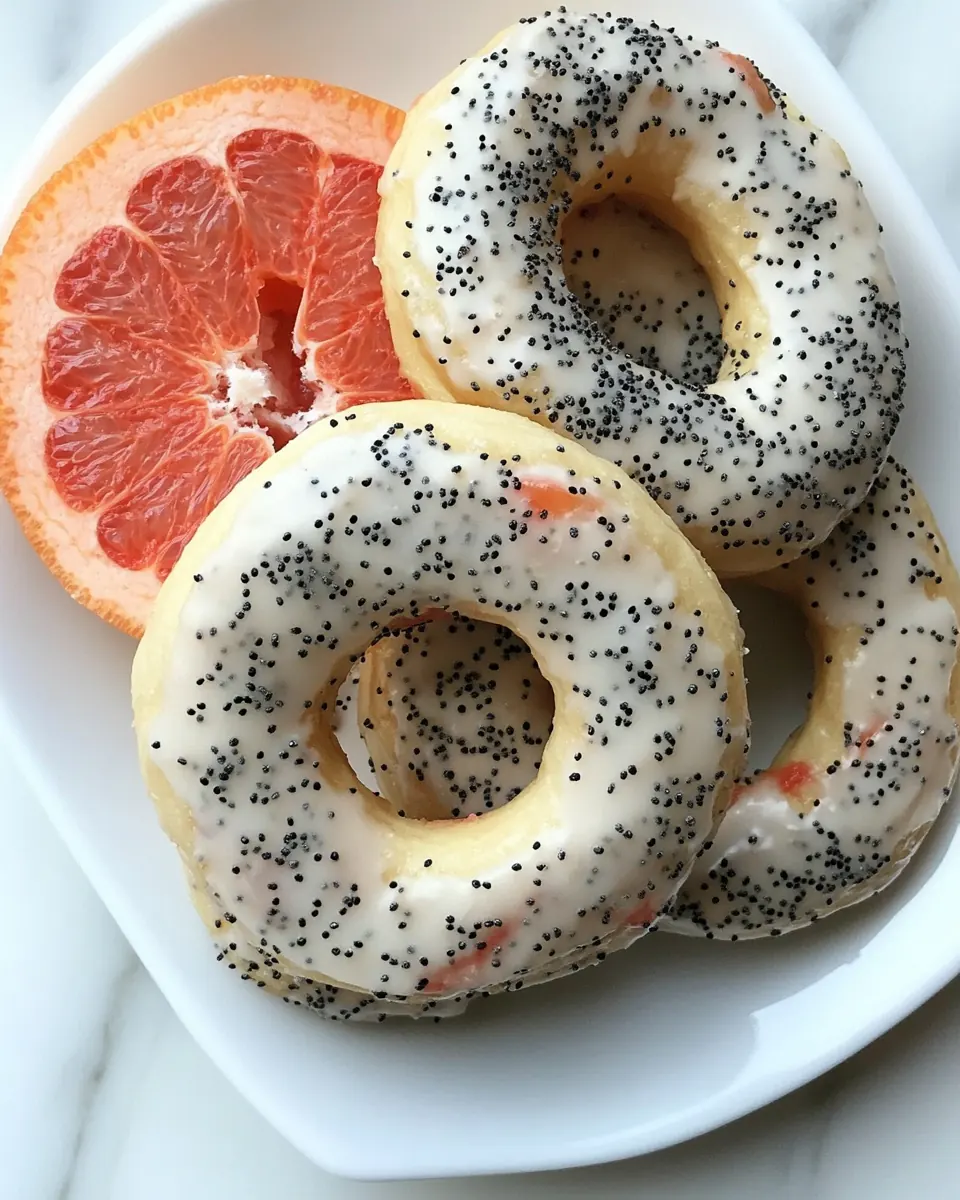
Here are practical tips that reflect how I actually bake these doughnuts at home. I include technique notes and small adjustments that make a measurable difference in texture and flavor.
- Bring the egg to room temperature for smoother incorporation and a more uniform crumb, which also helps the batter hold more air for better rise.
- Use fresh baking powder to guarantee proper lift; old leavening can make baked goods flat and dense, so check the date if you are unsure.
- Don’t overfill the molds, filling them two thirds full prevents overflow and ensures rounded tops that bake evenly without spillover.
- Rub zest into sugar to extract essential oils and make the grapefruit flavor more pronounced and aromatic throughout the doughnut.
- Let glaze set slightly before serving to avoid messy fingers and to achieve a glossy shell that looks and feels professional.
Side Dish Ideas for Baked Grapefruit Poppy Seed Doughnuts
These doughnuts pair well with light beverages and fresh fruit, and they work for casual brunches or more celebratory gatherings. Below are serving ideas, seasonal notes, and storage suggestions to keep them tasting their best.
- Breakfast spread: Serve alongside fresh berries and a pot of coffee for a sunny weekend meal; the citrus cuts through the richness and brightens the table.
- Brunch buffet: Arrange on a tiered stand with small bowls of jam and whipped cream so guests can customize their bites for a festive touch.
- Tea time: Pair with herbal or green tea; the light tannins complement the citrus glaze and keep the palate refreshed between bites.
- Seasonal gatherings: These shine in spring when citrus is crisp and flowers are blooming, making them appropriate for showers or a springtime Ramadan breakfast table.
- Storage tips: Store in an airtight container at room temperature for up to two days; refrigerate up to a week but note the glaze may soften. Rewarm gently in a low oven to refresh texture.
- Presentation: Dust with a touch of extra confectioners’ sugar or add a few extra poppy seeds on top of the glaze for contrast and visual polish.
FAQ
Conclusion
These Baked Grapefruit Poppy Seed Doughnuts stand out for their bright citrus character and tender, baked texture. They are approachable for home bakers and impressive enough for guests, offering a balanced contrast of soft crumb and tiny poppy seed crunch. Give them a try when you want a light, flavorful treat that feels both special and uncomplicated. I hope they become a regular in your rotation when fresh, citrusy sweets are called for.
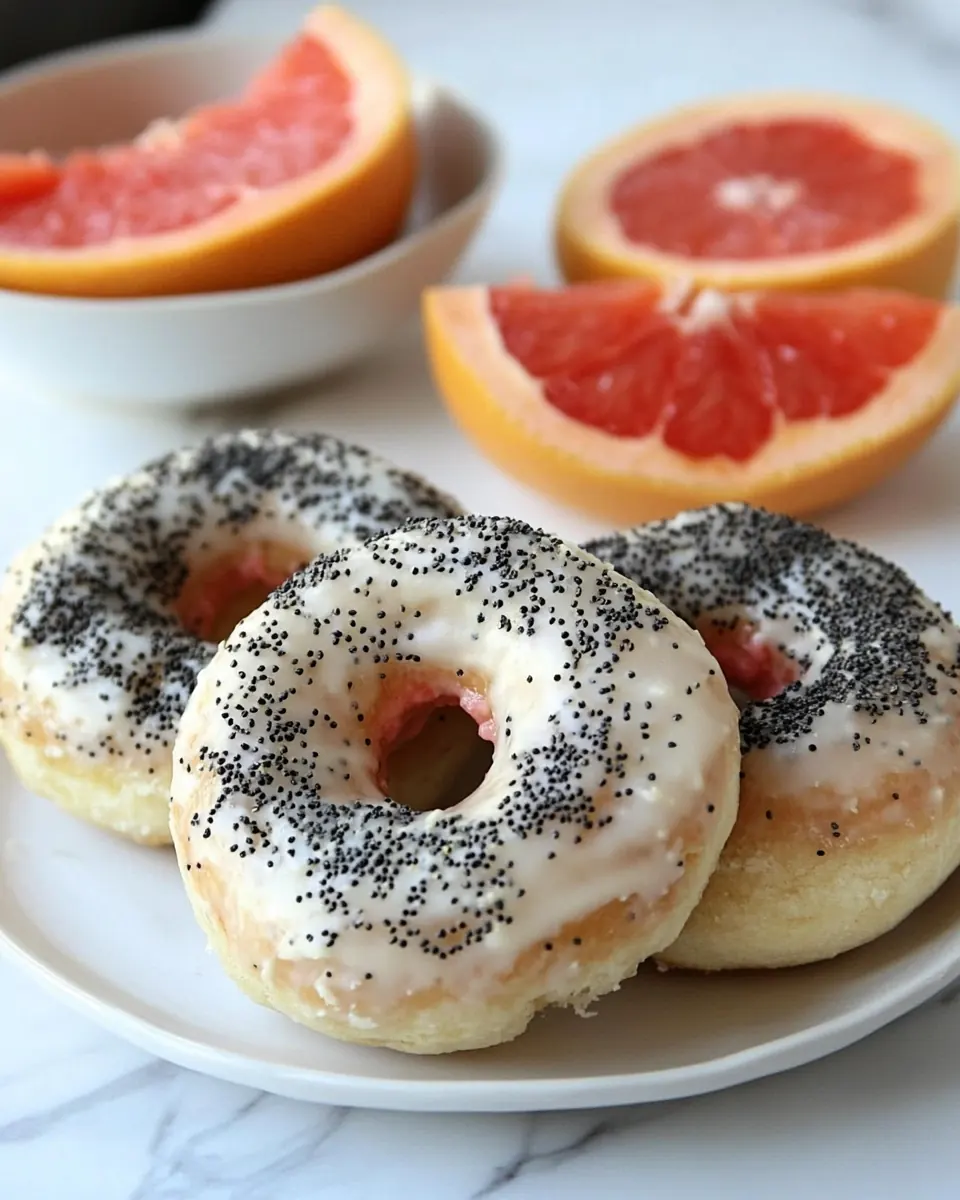
Baked Grapefruit Poppy Seed Doughnuts
Ingredients
Equipment
Method
- Preheat oven to 350 degrees (F). Generously grease a doughnut pan; set aside.: The warm, preheated oven creates an immediate lift as the batter hits heat, leading to a tender interior and lightly golden exterior. You should feel the steady hum of warmth as you slide the pan in, and the oven light will show the tops begin to set within minutes. Why this matters The even, consistent heat ensures rise and gentle browning without overcooking. Troubleshooting If your oven runs hot, reduce the temp a hair and check earlier to avoid a tough crust.
- In a small bowl whisk together flour, baking powder, salt, and poppy seeds; set aside.: As you whisk, notice the flour turns airy and the tiny black seeds pepper the mixture, promising texture. This dry mix ensures the leavening is distributed so every doughnut rises evenly. Why this matters Sifting or whisking prevents pockets of baking powder that could cause uneven bumps. Troubleshooting Avoid overwhisking the seeds into the flour until you combine, and be careful not to compact the flour when measuring.
- In a large bowl combine the granulated sugar and grapefruit zest; mix together with your fingers until zest is evenly distributed in the sugar. Add in the melted butter and beat until combined. Add in the egg and vanilla; beat well. Stir in milk.: Rubbing the zest into the sugar releases fragrant oils, and you will smell a bright citrus perfume that fills the bowl. The sugar will take on a slightly damp, glossy look as it absorbs those oils, creating a fragrant base. Why this matters This method amplifies grapefruit flavor throughout the batter, rather than having bitter flecks of zest in isolated bites. Troubleshooting If the zest feels too wet, pat it dry slightly before mixing to avoid creating clumps.
- Add in the dry ingredients and gently fold the mixture together using a rubber spatula, stirring only until mixture is evenly combined.: When you pour warm, melted butter into the sugared zest, you will see a silky sheen form as the fat melds with the sugar. The mixture should look glossy and slightly thick. Why this matters The butter coats flour proteins later, contributing to tenderness and mouthfeel. Troubleshooting If the butter is too hot it can scramble the egg when added later, so let it cool slightly first.
- Spoon the thick batter into the molds of your prepared pan, filling each mold up 2/3 of the way. Bake for 10-11 minutes, or until firm and lightly golden on the tops.: As you beat in the egg and vanilla , the batter becomes smoother and slightly aerated, with little ribbons forming as the mix incorporates. This step binds ingredients and helps trap air for lift. Why this matters Properly combined egg ensures a cohesive batter and even texture. Troubleshooting Mix until smooth but stop once homogenous to avoid over working the batter, which can lead to toughness.
- Remove pan from oven and allow doughnuts to cool for at least 10 minutes in the tray before transferring to a cooling rack to cool completely.: Adding the milk loosens the batter to the correct consistency, creating a pourable-thick texture that will fill the molds evenly. You should hear a gentle, quiet swish as you fold it in, and the color will lighten slightly. Why this matters Milk hydrates dry ingredients and influences tenderness; the fat content affects richness. Troubleshooting If the batter seems too runny, check your measuring; if too thick, add a splash more milk a teaspoon at a time.
- Once cool, dip each doughnut in glaze and serve! The glaze does take a few minutes to set, so you may want to wait about 5 minutes after glazing to dig in... but it's hard!: As you fold, watch for streaks of flour to vanish and for a smooth, cohesive batter studded with poppy seeds . The movement should be gentle, lifting and folding so you keep air in the mix. Why this matters Overmixing develops gluten and causes dense doughnuts, while gentle folding preserves tenderness. Troubleshooting If you see pockets of dry flour, fold a couple more times, but stop once uniformly combined.
- In a wide, shallow dish combine juice and sugar, and whisk to combine. Carefully dip cooled doughnuts in the glaze, and let rest for 5 minutes - if you can wait - before serving.: Filling to two thirds gives room for rise without spilling over, and the batter surface will hold small peaks that smooth slightly in the oven. The pans will feel substantial when you move them to the oven, and the batter should be evenly distributed for consistent baking. Why this matters Proper fill level ensures uniform shape and texture. Troubleshooting Overfilling leads to misshapen tops, while underfilling makes them too small and dry.
- Bake for 10 to 11 minutes, or until firm and lightly golden on the tops: During baking the aroma of butter and grapefruit will intensify, and the tops will take on a pale golden hue. You might hear a quiet settling, and a toothpick inserted should come out mostly clean. Why this matters Precise timing creates a tender interior and prevents a dry crumb. Troubleshooting Ovens vary, so start checking at ten minutes to avoid overbaking, which makes them dry.
- Remove pan from oven and allow doughnuts to cool for at least 10 minutes in the tray before transferring to a cooling rack to cool completely: Cooling in the pan helps the doughnuts set so they do not collapse, and you will feel the warmth slowly subside as the texture firms. The bottoms release more easily once they have rested, and transferring too soon can cause tearing. Why this matters Proper cooling preserves shape and crumb. Troubleshooting If you try to remove them while too warm, they may crumble or stick, so be patient for the ten minute rest.
- Once cool, dip each doughnut in glaze and serve: The glaze should be glossy and pourable, coating the doughnut and settling into a thin shell. When you dip, you will feel a slight resistance as the glaze adheres, and a gentle drip will show the right viscosity. Why this matters A properly set glaze adds sweetness and a tactile contrast to the tender doughnut. Troubleshooting If the glaze is too thin it will run off, so add more confectioners' sugar to thicken, or a touch more grapefruit juice to thin.
- In a wide, shallow dish combine juice and sugar, and whisk to combine: The juice and confectioners' sugar should be whisked until smooth and glossy, with the color brightening as it emulsifies. You will detect a fragrant citrus tang and the texture should be thick enough to coat a spoon. Why this matters Balancing the sugar and acid controls glaze opacity and flavor. Troubleshooting If it looks grainy, whisk more vigorously or sift the sugar before mixing to remove lumps.
- Carefully dip cooled doughnuts in the glaze, and let rest for 5 minutes before serving: As the glaze sets you will see it form a thin shell that catches the light, and the first crisp gives way to a soft interior. Waiting a few minutes allows the coating to firm, preventing sticky fingers. Why this matters Setting time yields a better eating experience and cleaner presentation. Troubleshooting Resist the urge to pile them up while wet or the glaze will stick them together.
Notes
- Bring the egg to room temperature for smoother incorporation and a more uniform crumb, which also helps the batter hold more air for better rise.
- Use fresh baking powder to guarantee proper lift; old leavening can make baked goods flat and dense, so check the date if you are unsure.
- Don’t overfill the molds, filling them two thirds full prevents overflow and ensures rounded tops that bake evenly without spillover.
- Rub zest into sugar to extract essential oils and make the grapefruit flavor more pronounced and aromatic throughout the doughnut.
- Let glaze set slightly before serving to avoid messy fingers and to achieve a glossy shell that looks and feels professional.