Cheese Grits with Corn and Vidalia Onion
Cheese Grits with Corn and Vidalia Onion has been one of those comforting bowls I reach for when I want something warm, familiar, and a little bit celebratory without fuss. The first time I cooked it I remember standing at the stove while the house filled with the sweet scent of Vidalia onion and corn, thinking how such humble ingredients could feel so special. I like how the cheese folds into the grits, creating a creamy texture that makes every spoonful feel like a small indulgence.
Over the years I have adapted the recipe for weeknight dinners and for leisurely weekend brunches. Once I learned to coax the best flavor from the onion by giving it a gentle, patient sauté, the whole dish transformed. The corn adds bright pops of sweetness that balance the savory, cheesy backbone, and that final hit of heat from a few dashes of Tabasco wakes everything up. I often serve this when friends drop by, because it looks rustic and feels like a warm hug without being heavy handed.
Recipe Snapshot
60 mins
20 mins
40 mins
Medium
350 kcal
American
Gluten-Free, Low FODMAP
Side Dishes
Heavy bottomed medium saucepan, Whisk, Knife
Why This Cheese Grits with Corn and Vidalia Onion Stands Out
Comforting Creaminess
I love how Cheese Grits with Corn and Vidalia Onion gives you that velvety mouthfeel from the grits combined with silky melted cheddar cheese and Parmesan cheese. The texture is the star here, and when you stir in the cheeses at the end the mixture goes glossy and luxurious. That creamy finish makes it an ideal side or a stand alone bowl for nights when you want simple comfort.
Sweet and Savory Contrast
The pairing of sweet Vidalia onion and fresh corn against the savory, salty cheeses creates a compelling contrast. I find each bite alternates between a gentle sweetness and a savory depth, which keeps the palate engaged. It is a flavor balance I come back to again and again.
Flexible and Crowd Friendly
This recipe scales easily, and because the core steps are straightforward, I often make a large pot for gatherings. You can keep it warm on low heat and stir occasionally, which makes it forgiving if your guests are late. I appreciate recipes that let me chat and sip wine while still producing excellent results.
Ingredient Driven Simplicity
What stands out most is how few ingredients deliver so much. With butter, milk, grits, and a handful of cheese, you get depth, texture, and richness. I like that this dish rewards careful technique more than rare ingredients, so it’s accessible but still feels elevated.
Textural Play
The corn kernels provide a pleasing pop against the smooth grits, while the sliced green onions add a fresh bite at the end. Those contrasts keep each mouthful interesting, and they are why I return to this bowl when I want a recipe that is both humble and memorable.
Cheese Grits with Corn and Vidalia Onion Shopping List
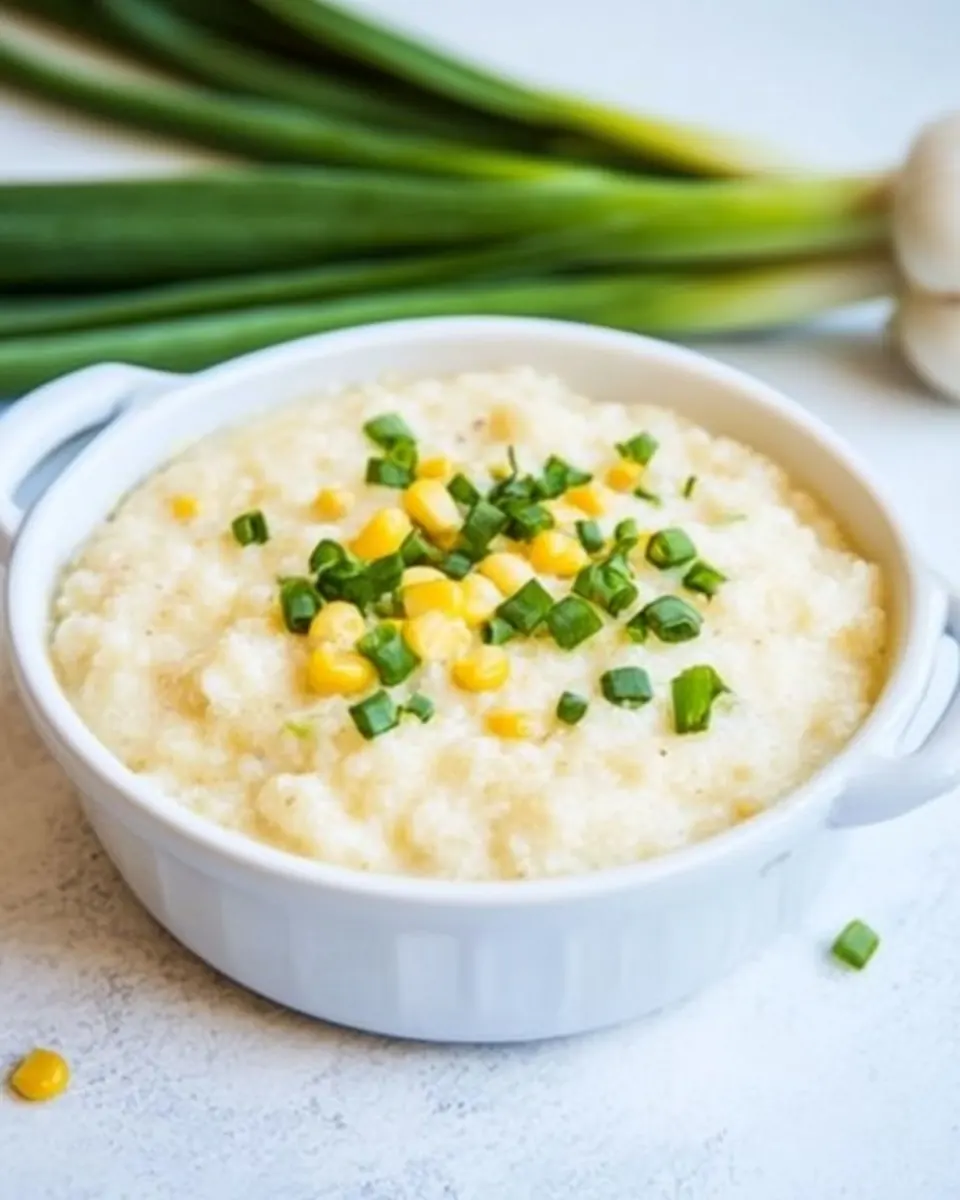
These ingredients are about harmony. I rely on the starchiness of grits to build a creamy base, while milk and butter round the mouthfeel. The key players are the sweet Vidalia onion and the fresh corn, which add brightness and texture, and the cheeses that bring savory depth. Each element supports the other so the final bowl feels balanced and satisfying.
- 1 tablespoon butter: Adds a rich, silky mouthfeel and helps sauté the onion until translucent, contributing a subtle buttery flavor that melds with the grits.
- 1 medium Vidalia diced, or any type sweet onion: Provides a sweet, mild onion flavor and aromatic base when diced and cooked; softens to add delicate texture and balance to the corn and grits.
- 2 ears corn, kernals cut from husks: Contributes fresh, sweet kernels that add natural sweetness, crunchy texture, and bursts of corn flavor; mixes into the grits for contrast and visual appeal.
- 2 cups whole milk: Creates a creamy, custardy texture when combined with grits and milkfat; adds richness and helps dissolve cheese for a velvety finish.
- 2 cups water: Forms the cooking liquid base for the grits, diluting the milk to achieve proper consistency while allowing the grits to hydrate and swell.
- Kosher salt and freshly ground black pepper: Season and elevate all flavors during cooking; provide salt for seasoning to taste and black pepper for warmth and subtle heat contrast.
- 1 cup stone-ground grits: Serves as the primary grain component that thickens and provides the classic creamy grits texture once simmered and fully hydrated.
- 2 tablespoons unsalted butter: Enhances creaminess and adds another layer of buttery flavor that rounds out the mouthfeel when stirred into finished grits.
- 1 cup shredded cheddar cheese: Impacts flavor deeply by melting into the hot grits to provide sharp, savory richness and depth; also contributes color and meltiness.
- 2 tablespoons grated Parmesan cheese: Introduces nutty, salty umami when grated into the grits; helps build complexity and complements the sharper cheddar.
- Tabasco sauce: Adds a touch of piquant heat and a few acidic vinegar notes; used sparingly to brighten and lift the overall flavor profile.
- green onions, sliced: Provides a fresh, oniony finish and bright green color when sliced and sprinkled on top; adds mild crunch and visual contrast.
Directions for Cheese Grits with Corn and Vidalia Onion
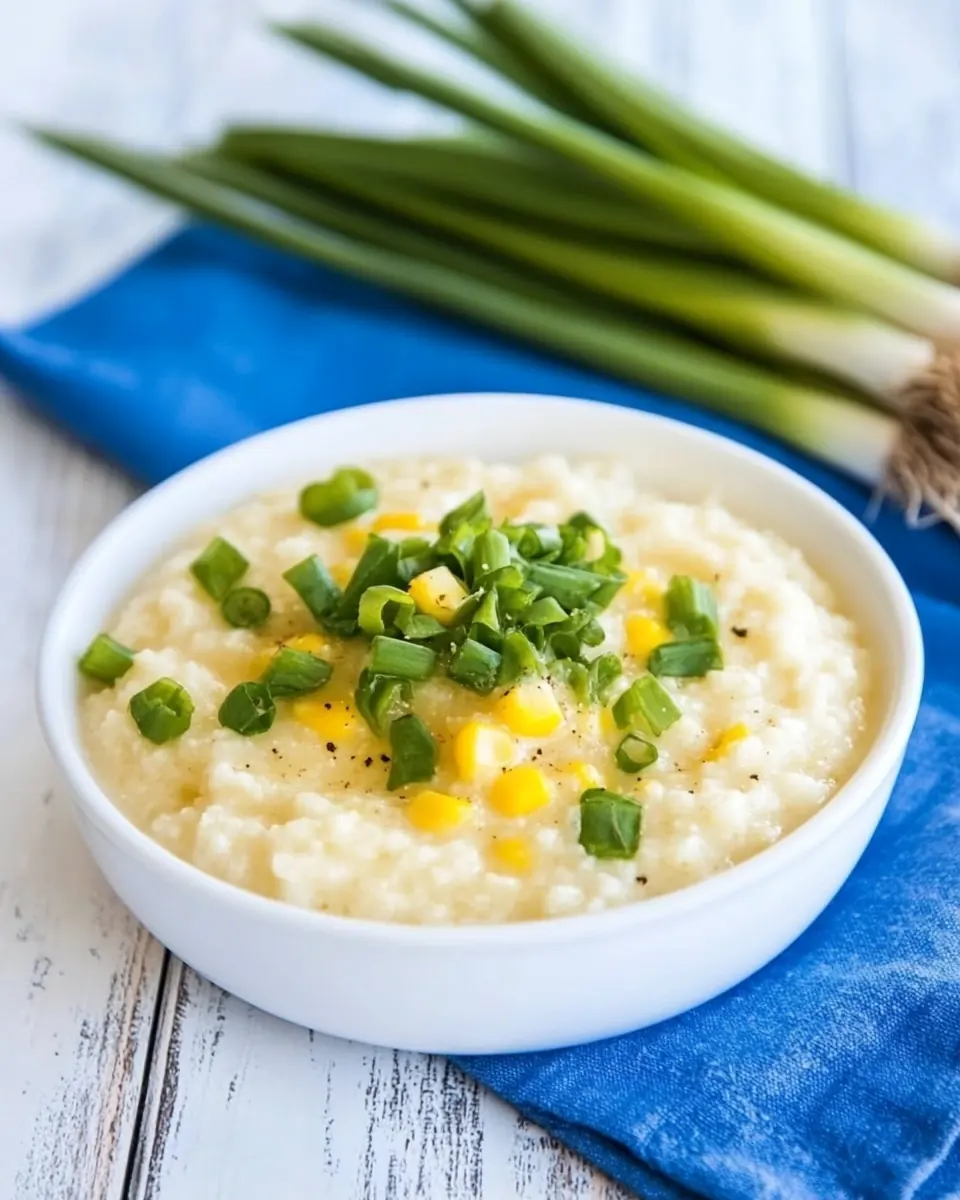
These directions respect tradition but encourage a gentle, attentive approach. Cooking grits is a slow conversation with the pot, so you want to listen closely to texture and aroma. Below I expand each step into rich guidance so you know how the dish should look, sound, and smell as it comes together.
- In a heavy-bottomed medium saucepan, melt butter over medium heat. Add onion and sauté, stirring frequently, for 3 minutes.: The moment the butter melts you should see a glossy pool and smell its creamy aroma, not a nutty browning scent. Using a heavy bottom pan distributes heat evenly so the onion softens rather than burning. If the butter browns quickly it means your heat is too high, so lower it. A common mistake is rushing this stage, which leads to unevenly cooked onion and a bitter edge.
- Add corn and continue to sauté for 3 minutes.: Right away the onion should become translucent and give off a gentle sweetness, filling the kitchen with an inviting aroma. Stirring frequently ensures even softening and prevents the edges from caramelizing too fast. You want tender pieces without significant color. If you notice browning sooner than three minutes, reduce the heat and continue to stir to avoid charring, which would alter the intended sweet profile.
- Add milk, water, and 1 teaspoon salt. Turn heat to high and bring to a boil.: When the corn hits the pan you will hear a light sizzle and taste a burst of fresh sweetness as the kernels warm. Sautéing briefly tenderizes the kernels and releases their natural sugars, enhancing contrast with the cheesy base. Keep stirring so no kernels stick and pop. Overcooking will make the corn lose its pop and become mealy, so watch the clock and the texture.
- When mixture boils, gradually whisk in the grits. If you mix them in too fast, they will clump.: At this point the pot will steam as the milk and water heat, and you should smell a creamy, almost custardy scent. Raising to high brings a controlled boil, which is necessary to properly hydrate the grits . Watch carefully because dairy can scald at the bottom; stirring once or twice while heating helps prevent scorching. If the liquid scalds, you will detect a burnt smell that will ruin the pot.
- Turn heat down to low and simmer, whisking every now and then, for 40-50 minutes. (The amount of times it takes to cook the grits will vary according to the brand. It is best to go by the cooking time on the package. Some will only take 20-30 minutes. Others can take up to 60 minutes.): As the liquid reaches a rolling boil the steam will be aromatic and the surface lively; slowly whisking in the grits prevents lumps and creates a smooth slurry. Add the grits in a slow, steady stream while whisking to incorporate them evenly. A common error is dumping them in too quickly, which causes clumps that are hard to break up later. The mixture will thicken as the grits absorb liquid, and a smooth texture signals correct incorporation.
- Stir in butter, both cheeses, and salt and pepper to taste.: During this patient simmer the scent becomes more nutty and deep, and you will notice the texture transition from grainy to creamy. Low heat prevents the mixture from sticking while allowing the grits to soften fully. Whisking occasionally breaks gentle skin and keeps the pot uniform. Brands vary in cooking time, so test a spoonful; if the center is still grainy, continue cooking. Avoid constant high heat, which will make the bottom scorch and create a burnt flavor.
- Add a few dashes of Tabasco sauce and green onions.: After removing from heat the glossy butter and melted cheddar cheese and Parmesan cheese should blend into a silky sauce, giving off a rich cheesy aroma. Stirring now ensures the fats emulsify into the grits , creating a luscious mouthfeel. Taste and adjust seasoning carefully because the cheeses add salt. A frequent mistake is over salting before adding cheese, resulting in an overly salty final dish.
- Add a few dashes of Tabasco sauce and green onions: The final dashes of Tabasco should brighten the bowl with a vinegary heat that cuts through the richness, and the sliced green onions add freshness and a slight crunch. Sprinkle them just before serving to keep their texture. If you add too much hot sauce at once you may overpower the subtle sweetness of the corn , so add a little, taste, and adjust gradually.
Expert Tips about Cheese Grits with Corn and Vidalia Onion
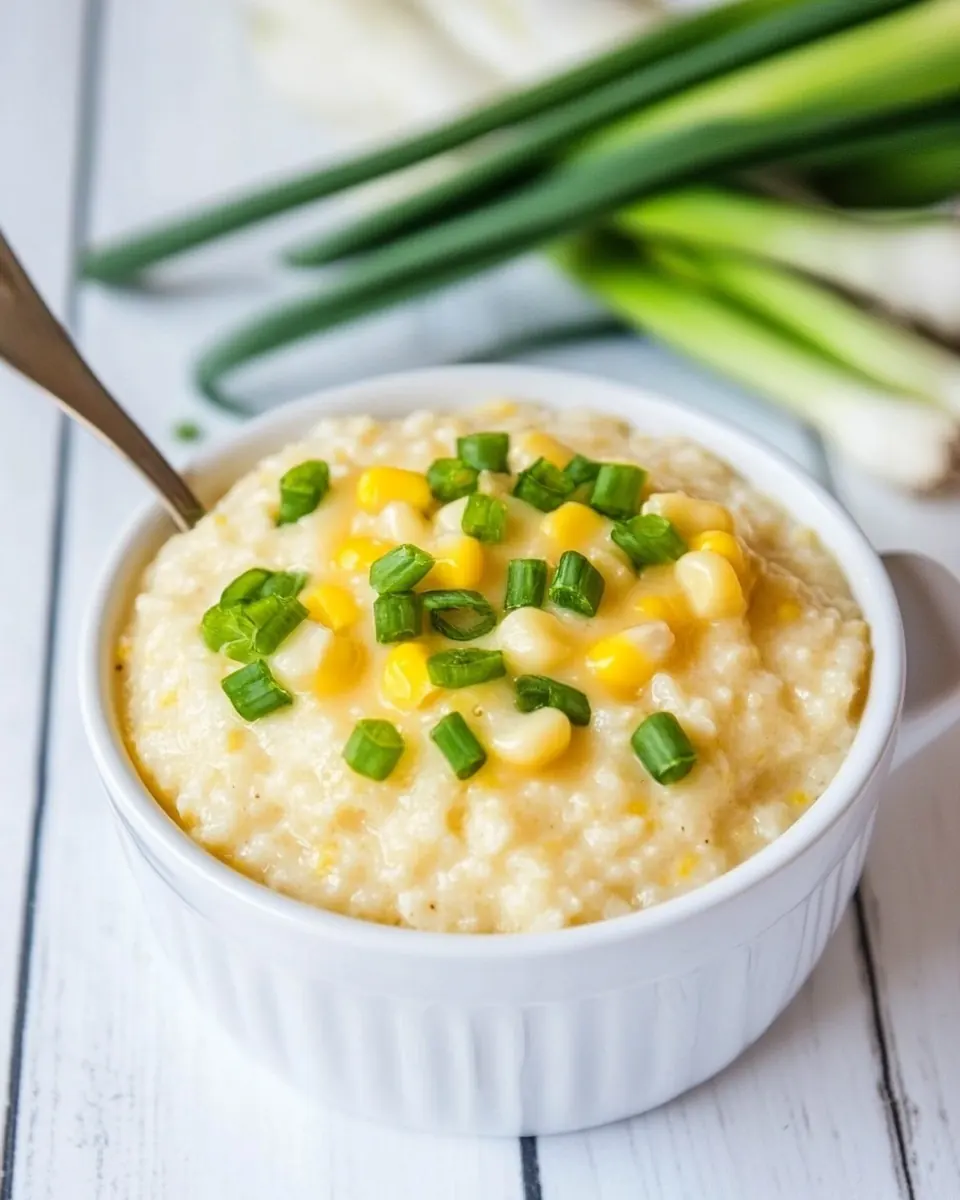
I like to think of these tips as a short course in coaxing maximum flavor from simple ingredients. A few technique tweaks and timing notes will take your bowl from good to unforgettable.
- Start with a heavy bottom pan to ensure even heat distribution so the grits cook consistently without scorching at the base.
- Fresh corn matters because it provides sweet, juicy kernels that contrast the creamy grits; cut it just before cooking for best flavor.
- Go low and slow on the simmer so the grits fully soften and release their starches, yielding a smoother, creamier texture.
- Use whole milk rather than low fat for a richer mouthfeel; the full fat content helps emulsify with the cheeses.
- Fold in cheeses off the heat to prevent separation, which keeps the sauce glossy and cohesive rather than grainy.
- Add Tabasco sparingly at the end, tasting as you go, to balance richness with a bright vinegary lift.
What to Serve With Cheese Grits with Corn and Vidalia Onion
This dish is versatile and pairs well with many meals. For a cozy dinner set it alongside roasted vegetables or a simple salad for contrast. For brunch serve with eggs or a light green to cut the richness. It also works well for gathering meals where you want a warming, shareable side.
- Rustic roasted vegetables like carrots or root vegetables provide earthy contrast and a textural balance to the creaminess.
- Simple green salad with a bright vinaigrette cleanses the palate between creamy bites.
- Soft poached eggs make this an indulgent brunch, the runny yolk marrying with the cheesy grits.
- Scale up for gatherings by keeping the pot warm on low and stirring occasionally so guests can serve themselves.
- Storage tips allow you to refrigerate leftovers in an airtight container for up to three days, and gently reheat with a splash of warm milk to restore creaminess.
- Seasonal pairing in summer highlights fresh corn, while in cooler months you can lean into the comforting, hearty nature of the bowl.
FAQ
Conclusion
What makes this recipe special is how simple, everyday ingredients transform into a deeply satisfying bowl with creamy texture and bright, sweet notes from corn and Vidalia onion. I encourage you to give it a try, whether for a cozy family dinner or a relaxed weekend brunch. The techniques are forgiving, the flavors are approachable, and the result feels like a thoughtful, home cooked gift to anyone at your table.
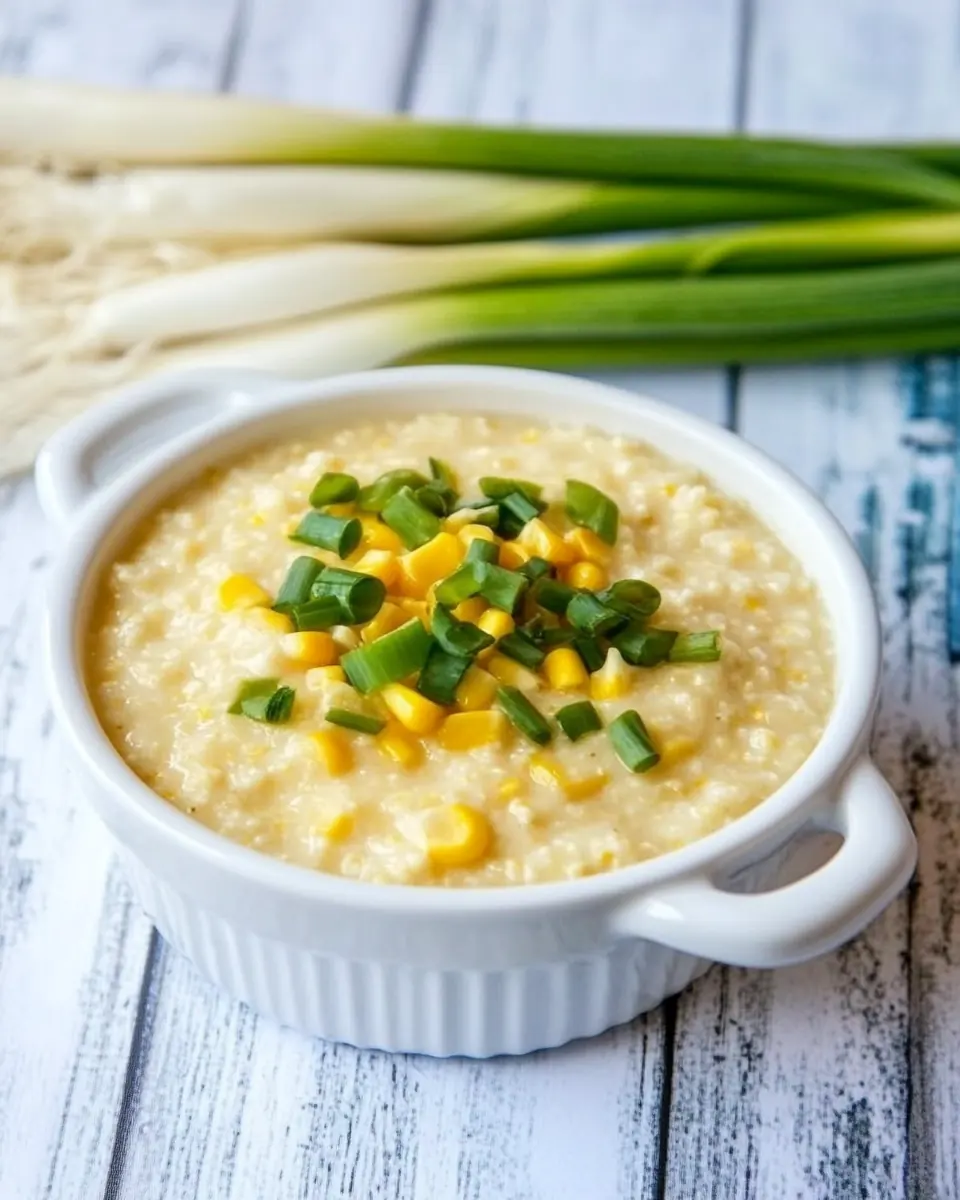
Cheese Grits with Corn and Vidalia Onion
Ingredients
Equipment
Method
- In a heavy-bottomed medium saucepan, melt butter over medium heat. Add onion and sauté, stirring frequently, for 3 minutes.: The moment the butter melts you should see a glossy pool and smell its creamy aroma, not a nutty browning scent. Using a heavy bottom pan distributes heat evenly so the onion softens rather than burning. If the butter browns quickly it means your heat is too high, so lower it. A common mistake is rushing this stage, which leads to unevenly cooked onion and a bitter edge.
- Add corn and continue to sauté for 3 minutes.: Right away the onion should become translucent and give off a gentle sweetness, filling the kitchen with an inviting aroma. Stirring frequently ensures even softening and prevents the edges from caramelizing too fast. You want tender pieces without significant color. If you notice browning sooner than three minutes, reduce the heat and continue to stir to avoid charring, which would alter the intended sweet profile.
- Add milk, water, and 1 teaspoon salt. Turn heat to high and bring to a boil.: When the corn hits the pan you will hear a light sizzle and taste a burst of fresh sweetness as the kernels warm. Sautéing briefly tenderizes the kernels and releases their natural sugars, enhancing contrast with the cheesy base. Keep stirring so no kernels stick and pop. Overcooking will make the corn lose its pop and become mealy, so watch the clock and the texture.
- When mixture boils, gradually whisk in the grits. If you mix them in too fast, they will clump.: At this point the pot will steam as the milk and water heat, and you should smell a creamy, almost custardy scent. Raising to high brings a controlled boil, which is necessary to properly hydrate the grits . Watch carefully because dairy can scald at the bottom; stirring once or twice while heating helps prevent scorching. If the liquid scalds, you will detect a burnt smell that will ruin the pot.
- Turn heat down to low and simmer, whisking every now and then, for 40-50 minutes. (The amount of times it takes to cook the grits will vary according to the brand. It is best to go by the cooking time on the package. Some will only take 20-30 minutes. Others can take up to 60 minutes.): As the liquid reaches a rolling boil the steam will be aromatic and the surface lively; slowly whisking in the grits prevents lumps and creates a smooth slurry. Add the grits in a slow, steady stream while whisking to incorporate them evenly. A common error is dumping them in too quickly, which causes clumps that are hard to break up later. The mixture will thicken as the grits absorb liquid, and a smooth texture signals correct incorporation.
- Stir in butter, both cheeses, and salt and pepper to taste.: During this patient simmer the scent becomes more nutty and deep, and you will notice the texture transition from grainy to creamy. Low heat prevents the mixture from sticking while allowing the grits to soften fully. Whisking occasionally breaks gentle skin and keeps the pot uniform. Brands vary in cooking time, so test a spoonful; if the center is still grainy, continue cooking. Avoid constant high heat, which will make the bottom scorch and create a burnt flavor.
- Add a few dashes of Tabasco sauce and green onions.: After removing from heat the glossy butter and melted cheddar cheese and Parmesan cheese should blend into a silky sauce, giving off a rich cheesy aroma. Stirring now ensures the fats emulsify into the grits , creating a luscious mouthfeel. Taste and adjust seasoning carefully because the cheeses add salt. A frequent mistake is over salting before adding cheese, resulting in an overly salty final dish.
- Add a few dashes of Tabasco sauce and green onions: The final dashes of Tabasco should brighten the bowl with a vinegary heat that cuts through the richness, and the sliced green onions add freshness and a slight crunch. Sprinkle them just before serving to keep their texture. If you add too much hot sauce at once you may overpower the subtle sweetness of the corn , so add a little, taste, and adjust gradually.
Notes
- Start with a heavy bottom pan to ensure even heat distribution so the grits cook consistently without scorching at the base.
- Fresh corn matters because it provides sweet, juicy kernels that contrast the creamy grits; cut it just before cooking for best flavor.
- Go low and slow on the simmer so the grits fully soften and release their starches, yielding a smoother, creamier texture.
- Use whole milk rather than low fat for a richer mouthfeel; the full fat content helps emulsify with the cheeses.
- Fold in cheeses off the heat to prevent separation, which keeps the sauce glossy and cohesive rather than grainy.
- Add Tabasco sparingly at the end, tasting as you go, to balance richness with a bright vinegary lift.