Cherry Tomato Pasta
Cherry Tomato Pasta is the kind of recipe that always brings me back to sun soaked afternoons in my kitchen, where the scent of olive oil and garlic feels like a warm welcome. The first time I made this, I was racing the sunset to finish a simple dinner, and that hurried, joyful cooking left a memory of small, sweet tomatoes bursting into a glossy, fragrant sauce. I still smile when I think of how a handful of everyday pantry items turned into something so vibrant and comforting.
Over the years I have leaned on this dish as a weeknight anchor, and I love how forgiving it is. You can chat with guests, sip something non alcoholic, or tidy up while the sauce reduces, and everything comes together without drama. The mix of juicy cherry tomatoes, bright basil, and the warmth of olive oil creates layers of flavor that feel both refined and homey. I often let the sauce bubble gently longer if I have a quiet evening, because patience deepens the flavor.
Recipe Snapshot
35 mins
10 mins
25 mins
Easy
400 kcal
Italian
Gluten-Free, Low FODMAP
Dinner
Large pan, Large pot, Colander, Tongs
Why This Cherry Tomato Pasta Stands Out
Simple ingredients that sing together
I love how Cherry Tomato Pasta uses humble components to create something more than the sum of its parts. The balance between sweet cherry tomatoes and the gentle heat from crushed red pepper makes every bite lively, while the olive oil and butter give the sauce a silky finish. I often say that striking the right salt level is the secret to unlocking those bright tomato notes.
Fast and forgiving cooking
This recipe adapts to your rhythm. I appreciate that you can keep the heat low and coax the onion to melt, avoiding charring, or you can finish the pasta in the sauce to marry flavors. If I have guests, I slightly undercook the pasta, because finishing it with the sauce ties everything together, texture wise.
Perfect for entertaining or solo meals
What draws me in is how this dish suits both a quiet dinner for one and a casual dinner for friends. It looks impressive on a plate without requiring fuss. The scattered torn basil leaves at the end provide an aromatic lift that always earns compliments.
Texture and contrast
I appreciate the contrast between juicy, softened cherry tomatoes and the slightly firm bite of al dente spaghetti. The reserved pasta water acts like culinary glue, giving body to the sauce while keeping it glossy and clingy. It is a neat trick I rely on every time.
A reliable weeknight winner
We keep this recipe in rotation because it is both quick and wildly satisfying. When life is busy, I want food that tastes thoughtful without demanding hours. Cherry Tomato Pasta fits that bill, delivering big flavor from minimal effort, which is why I keep coming back to it.
What You Need for Cherry Tomato Pasta
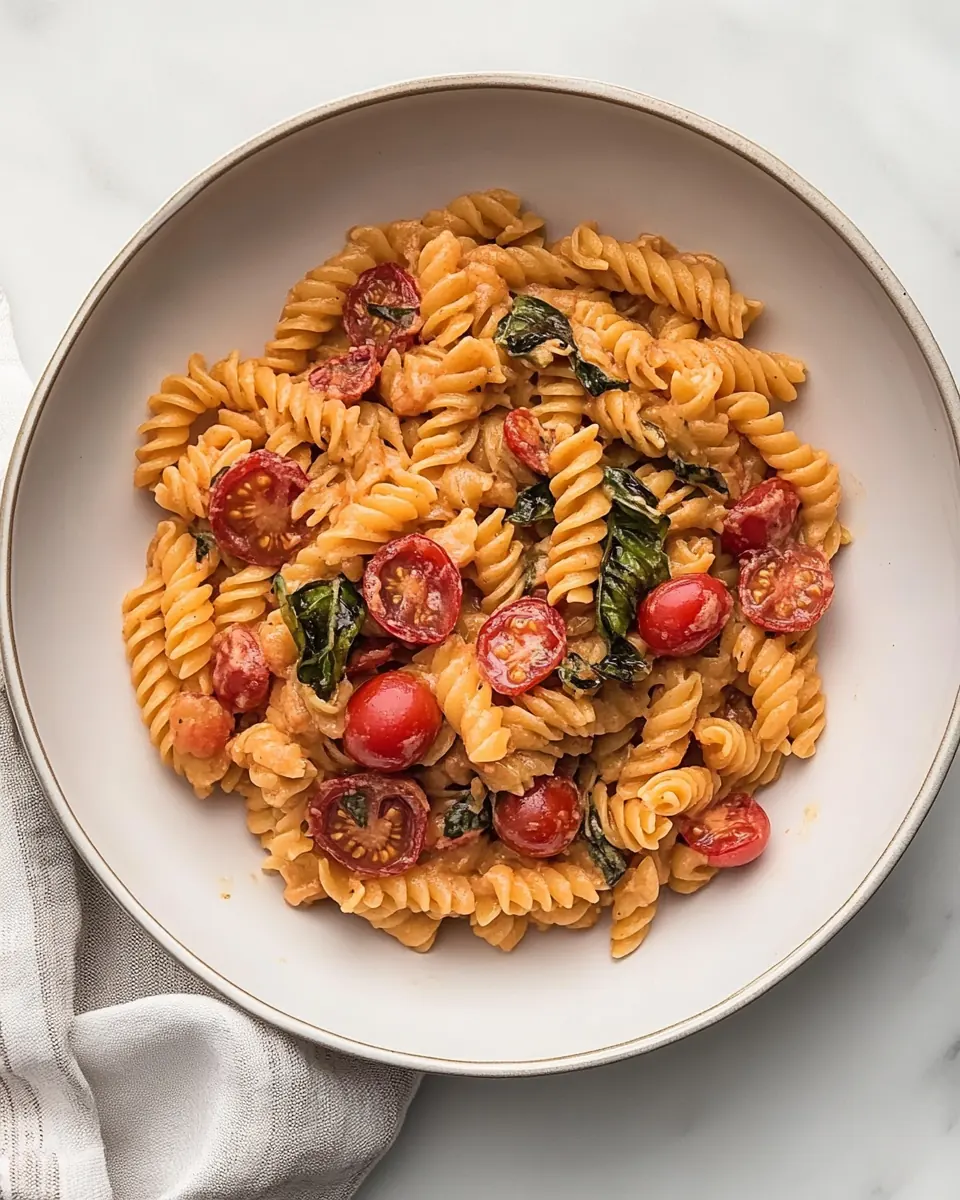
These ingredients are chosen to create a light, glossy sauce that cozy pasta clings to. The key players are the cherry tomatoes for sweetness and acidity, the olive oil for fruitiness, and the starchy saved pasta water to bind everything into a silky coating. Each item has a clear role, and together they form a simple but layered sauce.
- 1/3 cup olive oil: Enhance flavor and provide silky mouthfeel by coating pasta and melding sauce components; use high-quality extra virgin for best aroma and heat tolerance. Measure to control richness and caloric content while dispersing spices and aromatics evenly across the dish.
- 1 small onion, peeled and finely diced: Add savory sweetness and textural contrast by softening into translucent pieces that build the sauce base; finely dicing ensures even distribution and quick, uniform cooking. Sauté gently to release natural sugars and deepen overall flavor without overpowering other ingredients.
- Kosher salt: Season to taste and balance flavors throughout cooking and at the finish; kosher salt's coarse crystals help with even salting of pasta water and sauce. Adjust quantity gradually to avoid over-salting, tasting as the tomatoes and butter concentrate.
- 2 garlic cloves, peeled and minced: Provide aromatic depth and a pungent, sweet-savory backbone when minced and briefly sautéed; garlic should be cooked until fragrant but not burned to avoid bitterness. Add at the right time to infuse oil and then mellow into the sauce, complementing tomatoes.
- 1/2 teaspoon crushed red pepper: Impart gentle heat and a subtle smoky kick that lifts the sauce without dominating; crushed red pepper can be adjusted for preferred spiciness. Sprinkle early to bloom its flavors in oil, allowing heat to integrate with garlic and tomatoes.
- 22 ounces cherry tomatoes, halved: Contribute bright acidity, natural sweetness, and juicy texture that form the core of the sauce; halving speeds cooking and releases juices to create a vibrant, chunky base. Cook until skins soften and juices concentrate, balancing sweetness with salt and butter.
- 1 pound spaghetti, (or pasta of choice): Provide the primary starch and body of the dish; choose spaghetti or preferred pasta to capture the sauce and create the intended mouthfeel. Cook to al dente in well-salted water so the pasta holds shape and melds with the sauce when tossed.
- 2 tablespoons unsalted butter: Add richness, shine, and a smooth finish to the sauce when stirred in off heat; butter enriches flavor and helps bind sauce to pasta. Use unsalted butter to control overall seasoning and finish with small pieces to create a glossy emulsion.
- 1 handful of basil leaves, roughly chopped: Deliver fresh herbaceous brightness and a fragrant finish when roughly chopped and scattered over the pasta; basil adds aromatic lift and color contrast. Add at the end to preserve its volatile oils and vibrant flavor for maximum impact.
Recipe Steps for Cherry Tomato Pasta
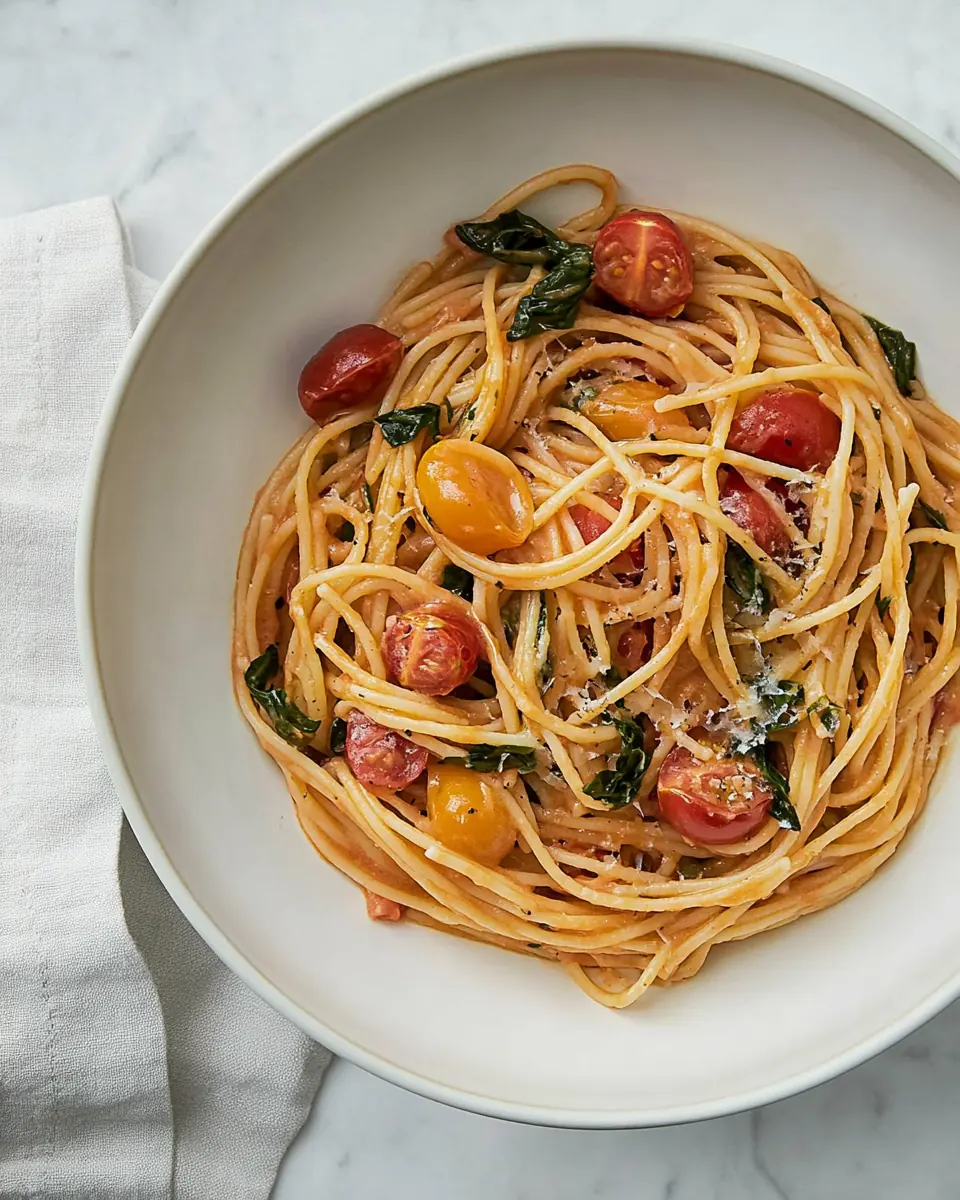
This sauce is relaxed but precise. I like to work at a calm pace, letting the onion soften and the cherry tomatoes burst into a glossy sauce while the pasta cooks. The following steps will guide you through technique, sensory cues, and common pitfalls so you get it right.
- In a large pan, set over medium heat, add the olive oil. When the olive oil is warm, add the diced Vidalia onions and few generous pinches of salt. Give it a mix and let them cook, covered, for 7 minutes. You really want the diced onions to melt in the pan with the olive oil. I like to make sure the heat is low enough so they slowly cook and don’t brown or burn.: A warm, fragrant beginning lets you coax flavor from the olive oil and aromatics. You should hear a gentle ripple of oil across the pan, and the surface will shimmer slightly, not smoke. This temperature extracts fruitiness without bitter notes. The common mistake is overheating, which can make the oil taste flat or burnt; if it smokes, remove the pan from heat and let it cool a touch before continuing.
- Next, add the minced garlic, crushed red pepper flakes and cherry tomatoes. Cook for an additional 5 minutes, covered, until the tomatoes are softened and have released a lot of their juices. Uncover and cook for an additional 5 to 7 minutes, until it thickens. Turn off the heat while we make the pasta.: As the onion meets the oil, you will smell the sweetening aroma as they begin to soften. The salt draws moisture out, helping the pieces to become translucent and tender. I watch for a gentle sizzle and a glossy sheen on the onion; that means they are sweating, not browning. If they start to brown too quickly, lower the heat, because caramelization will shift the profile away from the intended soft sweetness.
- Meanwhile, bring a pot of salted water to a boil. Cook your pasta until al dente. I usually cook it about 1 minute before al dente because I like to finish cooking the pasta in the pan with the sauce. Reserve about 3/4 cup of pasta water. Drain the pasta and turn your attention to the pan with the cherry tomatoes.: Covered cooking traps steam, allowing the onion to collapse into the oil and become almost jam like, which builds sauce body. During this time the kitchen fills with a mellow, sweet aroma. Check once or twice to ensure the heat remains low; if the onions begin to stick, add a splash of water. A common error is leaving the lid on too long without checking, which can encourage uneven cooking or sweating that creates too much liquid.
- To the sauce, add about 1/2 cup of pasta water and bring it to a rapid simmer. Cook for about 2 minutes; give it a taste and adjust the salt to taste. I added a few more pinches of salt. Add the pasta in, along with the butter and toss together for about a minute, until completely combined.: The desired texture is silky and nearly dissolved, which gives the sauce a smooth backbone. You should no longer see rigid onion edges, instead gentle, soft pieces. This melting action prevents sharp, raw onion notes in the finished dish. Rushing with high heat will preserve rawness or create unpleasant crisp bits, so be patient.
- I like to make sure the heat is low enough so they slowly cook and don’t brown or burn.: Low heat creates sweet, mellow flavors and avoids bitter char. You should observe no dark edges, just translucence and a light golden hue. If your pan runs hot, reduce the flame and stir more frequently. Burnt onion is hard to mask, so preventing browning at this stage is key.
- Next, add the minced garlic, crushed red pepper flakes and cherry tomatoes.: As you add the minced garlic and crushed red pepper, the aroma will brighten and the pan will smell fragrant and slightly spicy. When the cherry tomatoes hit the heat, they should hiss softly and begin to release juice. The immediate sensory cue is a sweeter, tomato forward scent. A typical mistake is adding garlic too early so it burns; add it only when the onions are soft and the pan is at a moderate temperature.
- Cook for an additional 5 minutes, covered, until the tomatoes are softened and have released a lot of their juices.: Covered, the cherry tomatoes will steam and collapse, filling the pan with glossy liquid that smells bright and tangy. You want them softened, not disintegrated; the skins may wrinkle and burst. If they are not releasing juice, increase the heat slightly, but never high enough to scorch. Avoid overcooking to the point of drying, which loses the fresh tomato brightness.
- Uncover and cook for an additional 5 to 7 minutes, until it thickens.: Uncovered simmering allows excess water to evaporate and the sauce to concentrate. You should see the liquid reduce into a syrupy glaze, and the aroma will become more intense. Stir occasionally and watch for bubbling that slows down as the sauce thickens. A common pitfall is walking away; if you let it reduce too far, it can become dry and lose silkiness.
- Turn off the heat while we make the pasta.: Pausing the sauce prevents over reduction and gives you a window to time the pasta. The sauce should still be juicy but slightly concentrated, and turning off the heat locks in that stage. If you leave it on, it may over reduce before the pasta is ready, so switching off is a mindful way to manage timing.
- Meanwhile, bring a pot of salted water to a boil.: The boiling water should roar, and the salt should season the pasta from within. I use enough salt so the water tastes like the sea, which enhances the final dish. A mistake is under salting the water, which results in bland pasta that no amount of sauce can fix.
- Cook your pasta until al dente.: The spaghetti should feel tender but with a slight bite in the center when you taste it. I usually pull it about one minute before al dente if I plan to finish it in the pan, because that final minute in the sauce perfects the texture. Overcooked pasta will be mushy and will not hold up when tossed with the sauce, so watch the timing carefully.
- I usually cook it about 1 minute before al dente because I like to finish cooking the pasta in the pan with the sauce.: Finishing the spaghetti in the sauce lets the pasta absorb flavor while the starch in the pasta water helps the sauce adhere. You will notice the sauce clinging more readily and the flavors melding. A frequent error is skipping the finish in the pan, which can leave the pasta tasting separate from the sauce.
- Reserve about 3/4 cup of pasta water.: The reserved pasta water is starchy and helps the sauce emulsify into a glossy coating. Keep it nearby and add gradually to tune sauce consistency. If you forget to reserve it, the sauce can be thin and have a harder time clinging to the pasta.
- Drain the pasta and turn your attention to the pan with the cherry tomatoes.: After draining, the spaghetti should still be slightly firm, and the sauce should be warm. This moment is where texture comes together. Avoid rinsing the pasta, because that washes away starch and prevents the sauce from binding.
- To the sauce, add about 1/2 cup of pasta water and bring it to a rapid simmer.: The bubbling action helps the sauce and starchy water marry into a cohesive emulsion. You will see the sauce become silkier and slightly glossy as it simmers. If the sauce seems too thin, simmer a bit longer; if too thick, add more reserved water. A common mistake is dumping all the reserved water at once, which can over dilute the sauce.
- Cook for about 2 minutes; give it a taste and adjust the salt to taste.: Tasting now lets you calibrate seasoning while the flavors are active. The sauce should taste bright with balanced salt and heat. I often add a pinch more salt to lift the tomatoes. Over salting is hard to correct, so add gradually and taste between adjustments.
- I added a few more pinches of salt.: Small salt adjustments can transform the sauce from flat to vivid. When you do this, the tomato sweetness will pop and the other flavors will feel more integrated. If you go too far, try adding a small pat of unsalted butter to mellow, but prevention is preferable to correction.
- Add the pasta in, along with the butter and toss together for about a minute, until completely combined.: The moment of tossing is sensory rich, with steam rising and the butter melting into a glossy finish. You will hear a soft sizzle and see the sauce cling to each strand of spaghetti . This merging moment creates cohesion and final texture. A common mistake is not tossing vigorously enough, which leaves uneven coating; use tongs or pasta forks to toss thoroughly.
Expert Tips about Cherry Tomato Pasta
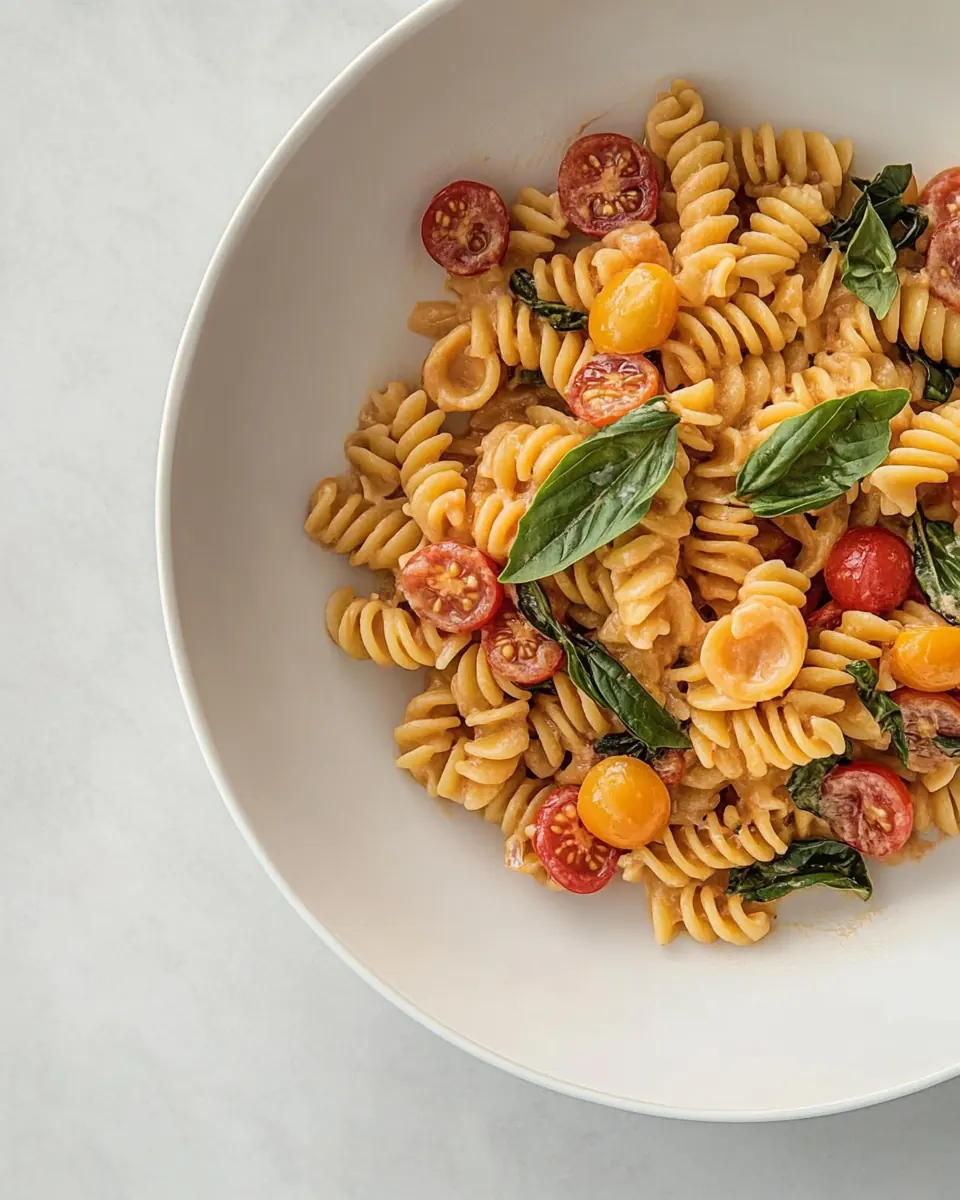
This compact list highlights pro level moves that elevate the dish without adding fuss. Each tip focuses on technique or ingredient selection to make your Cherry Tomato Pasta sing.
- Choose ripe cherry tomatoes because they offer concentrated sweetness and juiciness, which form the base of the sauce and reduce cooking needed to develop deep flavor.
- Use good quality olive oil since its fruitiness is a prominent flavor note; a fresh extra virgin oil makes the finished dish brighter and more complex.
- Under cook pasta slightly to finish in the sauce, which allows the spaghetti to absorb flavor and reach perfect al dente texture when tossed with the sauce.
- Always save pasta water because its starch is the secret to a glossy, clingy sauce that coats the pasta evenly, preventing a watery finish.
- Finish with butter off the heat to create a silky emulsion and round out acidity from the tomatoes without separating or overpowering the dish.
Best Served With
This pasta is versatile, and these serving ideas will help you pair it with complementary sides and occasions. The list covers textures, suitable moments, and storage handling so you can present it well.
- Light green salad for lunch, because a crisp salad offers textural contrast and bright acidity to balance the warm, silky pasta.
- Crusty bread for dinner, since tearing into warm bread lets you mop up any remaining glossy sauce on the plate, which is especially satisfying.
- Casual gatherings for weekend entertaining, as the dish scales well and looks appealing with torn basil scattered on top for color and aroma.
- Make ahead tips for storage, because you can refrigerate the sauce separately for up to three days and gently rewarm, adding a splash of pasta water to revive texture.
- Seasonal pairing for summer meals, given the ripe cherry tomatoes are at their peak, making this ideal for warm weather dining and light outdoor occasions.
FAQ
Conclusion
This Cherry Tomato Pasta highlights what makes simple cooking so satisfying: a handful of fresh ingredients transformed with thoughtful technique into something both comforting and bright. Try it when you want a fast weeknight meal that still feels special. I hope this version becomes a dependable favorite in your rotation, one you return to whenever you want an effortless, flavorful dinner.
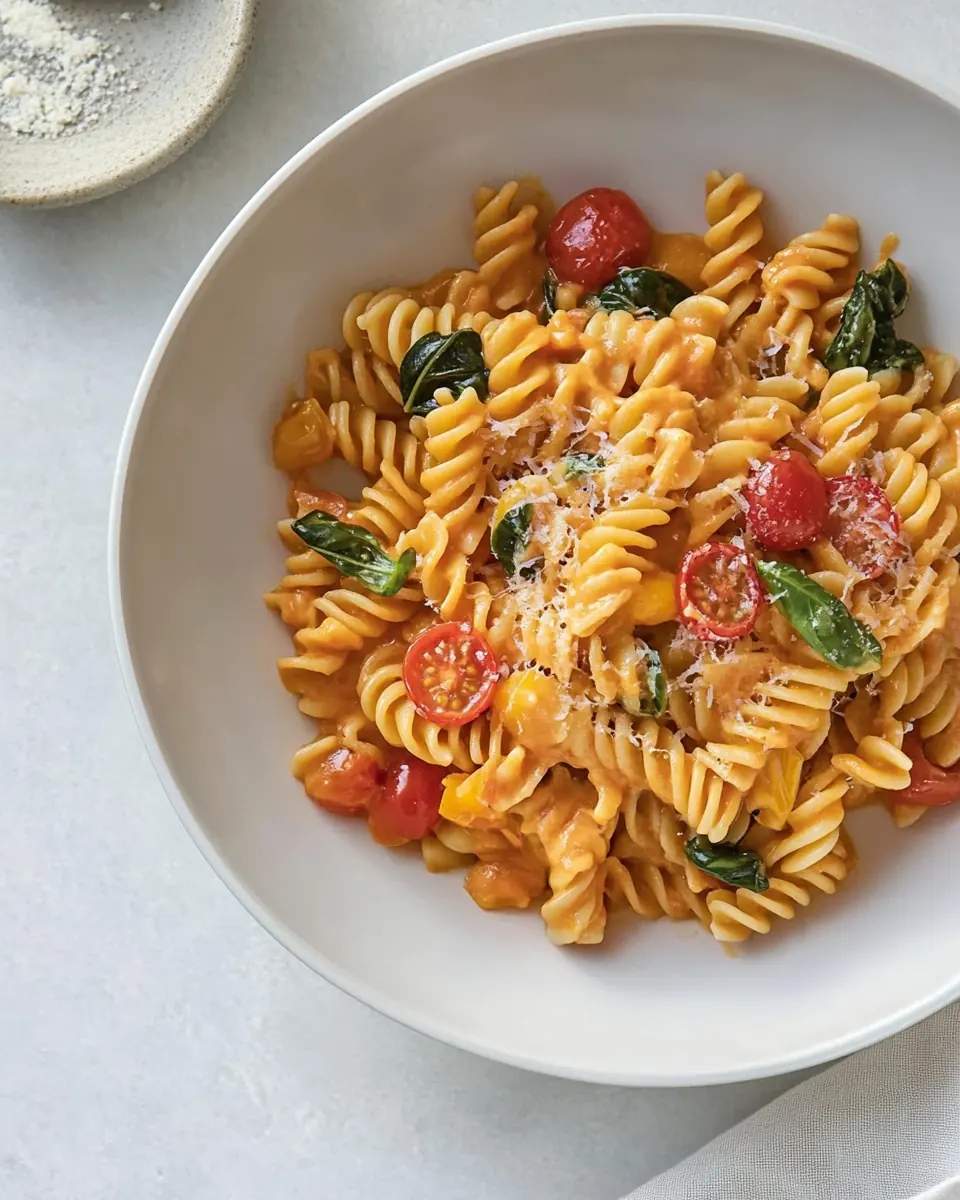
Cherry Tomato Pasta
Ingredients
Equipment
Method
- In a large pan, set over medium heat, add the olive oil. When the olive oil is warm, add the diced Vidalia onions and few generous pinches of salt. Give it a mix and let them cook, covered, for 7 minutes. You really want the diced onions to melt in the pan with the olive oil. I like to make sure the heat is low enough so they slowly cook and don’t brown or burn.: A warm, fragrant beginning lets you coax flavor from the olive oil and aromatics. You should hear a gentle ripple of oil across the pan, and the surface will shimmer slightly, not smoke. This temperature extracts fruitiness without bitter notes. The common mistake is overheating, which can make the oil taste flat or burnt; if it smokes, remove the pan from heat and let it cool a touch before continuing.
- Next, add the minced garlic, crushed red pepper flakes and cherry tomatoes. Cook for an additional 5 minutes, covered, until the tomatoes are softened and have released a lot of their juices. Uncover and cook for an additional 5 to 7 minutes, until it thickens. Turn off the heat while we make the pasta.: As the onion meets the oil, you will smell the sweetening aroma as they begin to soften. The salt draws moisture out, helping the pieces to become translucent and tender. I watch for a gentle sizzle and a glossy sheen on the onion; that means they are sweating, not browning. If they start to brown too quickly, lower the heat, because caramelization will shift the profile away from the intended soft sweetness.
- Meanwhile, bring a pot of salted water to a boil. Cook your pasta until al dente. I usually cook it about 1 minute before al dente because I like to finish cooking the pasta in the pan with the sauce. Reserve about 3/4 cup of pasta water. Drain the pasta and turn your attention to the pan with the cherry tomatoes.: Covered cooking traps steam, allowing the onion to collapse into the oil and become almost jam like, which builds sauce body. During this time the kitchen fills with a mellow, sweet aroma. Check once or twice to ensure the heat remains low; if the onions begin to stick, add a splash of water. A common error is leaving the lid on too long without checking, which can encourage uneven cooking or sweating that creates too much liquid.
- To the sauce, add about 1/2 cup of pasta water and bring it to a rapid simmer. Cook for about 2 minutes; give it a taste and adjust the salt to taste. I added a few more pinches of salt. Add the pasta in, along with the butter and toss together for about a minute, until completely combined.: The desired texture is silky and nearly dissolved, which gives the sauce a smooth backbone. You should no longer see rigid onion edges, instead gentle, soft pieces. This melting action prevents sharp, raw onion notes in the finished dish. Rushing with high heat will preserve rawness or create unpleasant crisp bits, so be patient.
- I like to make sure the heat is low enough so they slowly cook and don’t brown or burn.: Low heat creates sweet, mellow flavors and avoids bitter char. You should observe no dark edges, just translucence and a light golden hue. If your pan runs hot, reduce the flame and stir more frequently. Burnt onion is hard to mask, so preventing browning at this stage is key.
- Next, add the minced garlic, crushed red pepper flakes and cherry tomatoes.: As you add the minced garlic and crushed red pepper, the aroma will brighten and the pan will smell fragrant and slightly spicy. When the cherry tomatoes hit the heat, they should hiss softly and begin to release juice. The immediate sensory cue is a sweeter, tomato forward scent. A typical mistake is adding garlic too early so it burns; add it only when the onions are soft and the pan is at a moderate temperature.
- Cook for an additional 5 minutes, covered, until the tomatoes are softened and have released a lot of their juices.: Covered, the cherry tomatoes will steam and collapse, filling the pan with glossy liquid that smells bright and tangy. You want them softened, not disintegrated; the skins may wrinkle and burst. If they are not releasing juice, increase the heat slightly, but never high enough to scorch. Avoid overcooking to the point of drying, which loses the fresh tomato brightness.
- Uncover and cook for an additional 5 to 7 minutes, until it thickens.: Uncovered simmering allows excess water to evaporate and the sauce to concentrate. You should see the liquid reduce into a syrupy glaze, and the aroma will become more intense. Stir occasionally and watch for bubbling that slows down as the sauce thickens. A common pitfall is walking away; if you let it reduce too far, it can become dry and lose silkiness.
- Turn off the heat while we make the pasta.: Pausing the sauce prevents over reduction and gives you a window to time the pasta. The sauce should still be juicy but slightly concentrated, and turning off the heat locks in that stage. If you leave it on, it may over reduce before the pasta is ready, so switching off is a mindful way to manage timing.
- Meanwhile, bring a pot of salted water to a boil.: The boiling water should roar, and the salt should season the pasta from within. I use enough salt so the water tastes like the sea, which enhances the final dish. A mistake is under salting the water, which results in bland pasta that no amount of sauce can fix.
- Cook your pasta until al dente.: The spaghetti should feel tender but with a slight bite in the center when you taste it. I usually pull it about one minute before al dente if I plan to finish it in the pan, because that final minute in the sauce perfects the texture. Overcooked pasta will be mushy and will not hold up when tossed with the sauce, so watch the timing carefully.
- I usually cook it about 1 minute before al dente because I like to finish cooking the pasta in the pan with the sauce.: Finishing the spaghetti in the sauce lets the pasta absorb flavor while the starch in the pasta water helps the sauce adhere. You will notice the sauce clinging more readily and the flavors melding. A frequent error is skipping the finish in the pan, which can leave the pasta tasting separate from the sauce.
- Reserve about 3/4 cup of pasta water.: The reserved pasta water is starchy and helps the sauce emulsify into a glossy coating. Keep it nearby and add gradually to tune sauce consistency. If you forget to reserve it, the sauce can be thin and have a harder time clinging to the pasta.
- Drain the pasta and turn your attention to the pan with the cherry tomatoes.: After draining, the spaghetti should still be slightly firm, and the sauce should be warm. This moment is where texture comes together. Avoid rinsing the pasta, because that washes away starch and prevents the sauce from binding.
- To the sauce, add about 1/2 cup of pasta water and bring it to a rapid simmer.: The bubbling action helps the sauce and starchy water marry into a cohesive emulsion. You will see the sauce become silkier and slightly glossy as it simmers. If the sauce seems too thin, simmer a bit longer; if too thick, add more reserved water. A common mistake is dumping all the reserved water at once, which can over dilute the sauce.
- Cook for about 2 minutes; give it a taste and adjust the salt to taste.: Tasting now lets you calibrate seasoning while the flavors are active. The sauce should taste bright with balanced salt and heat. I often add a pinch more salt to lift the tomatoes. Over salting is hard to correct, so add gradually and taste between adjustments.
- I added a few more pinches of salt.: Small salt adjustments can transform the sauce from flat to vivid. When you do this, the tomato sweetness will pop and the other flavors will feel more integrated. If you go too far, try adding a small pat of unsalted butter to mellow, but prevention is preferable to correction.
- Add the pasta in, along with the butter and toss together for about a minute, until completely combined.: The moment of tossing is sensory rich, with steam rising and the butter melting into a glossy finish. You will hear a soft sizzle and see the sauce cling to each strand of spaghetti . This merging moment creates cohesion and final texture. A common mistake is not tossing vigorously enough, which leaves uneven coating; use tongs or pasta forks to toss thoroughly.
Notes
- Choose ripe cherry tomatoes because they offer concentrated sweetness and juiciness, which form the base of the sauce and reduce cooking needed to develop deep flavor.
- Use good quality olive oil since its fruitiness is a prominent flavor note; a fresh extra virgin oil makes the finished dish brighter and more complex.
- Under cook pasta slightly to finish in the sauce, which allows the spaghetti to absorb flavor and reach perfect al dente texture when tossed with the sauce.
- Always save pasta water because its starch is the secret to a glossy, clingy sauce that coats the pasta evenly, preventing a watery finish.
- Finish with butter off the heat to create a silky emulsion and round out acidity from the tomatoes without separating or overpowering the dish.