Creamy Tomato Soup
Creamy Tomato Soup is one of those bowls I turn to when I want comfort without fuss. The first time I made it, I was chasing a late autumn craving for warmth after a long day outside, and the roasted tomatoes filled my kitchen with a sweet, caramelized perfume that felt like a gentle hug. I remember pulling a chair up to the counter and stealing spoonfuls straight from the saucepan as it cooled, convinced I had discovered a new favorite.
Over the years I have tweaked the balance between tang and silkiness, learning that a small splash of balsamic vinegar brightens the whole pot, while a touch of light cream softens the edge into something spoonable and soothing. I love how simple ingredients, handled well, turn humble into memorable. This version keeps the focus on the roast, the basil aroma, and the finishing parmesan that gives each bite a salty lift. When I serve it, people always ask for the recipe and then, a few minutes later, for a second bowl.
Recipe Snapshot
30 mins
5 mins
25 mins
Medium
250 kcal
American
Keto, Gluten-Free
Soups
Oven, Baking tray, Food processor, Saucepan
Why This Creamy Tomato Soup Is a Winner
Roasted flavor with little effort
I adore how roasting the tomatoes, garlic, and onion concentrates flavor, making the soup taste deep and slightly sweet without hours on the stove. You get that layered complexity from one brief trip through the oven, which is perfect when I want maximum impact with minimal babysitting.
Velvety texture that comforts
The addition of light cream creates a luxurious mouthfeel that carries the tomato’s acidity, turning a rustic base into something silky. I often stir slowly as it simmers, watching the surface gloss over, and that texture makes spooning this soup feel indulgent yet approachable.
Fresh herb brightness
Basil plays a small but pivotal role, offering a green lift that prevents the soup from feeling flat. I reserve a bit of chopped basil to scatter on top, and that immediate aroma when it hits hot soup is always a small celebration.
Quick to make, big on comfort
This recipe fits into busy evenings beautifully. Between a fast prep and a short roast and simmer, you get a bowl that feels homemade without a lot of hands on time. I value recipes like this for weeknights and for times when I want to impress without perspire.
Flexible finishing touches
Topping the soup with grated parmesan adds savory depth and a slight textural pop as the cheese softens but does not fully melt. I sometimes drizzle a little extra virgin olive oil for sheen, but even without embellishments this soup shines because each ingredient pulls its weight.
What You Need for Creamy Tomato Soup
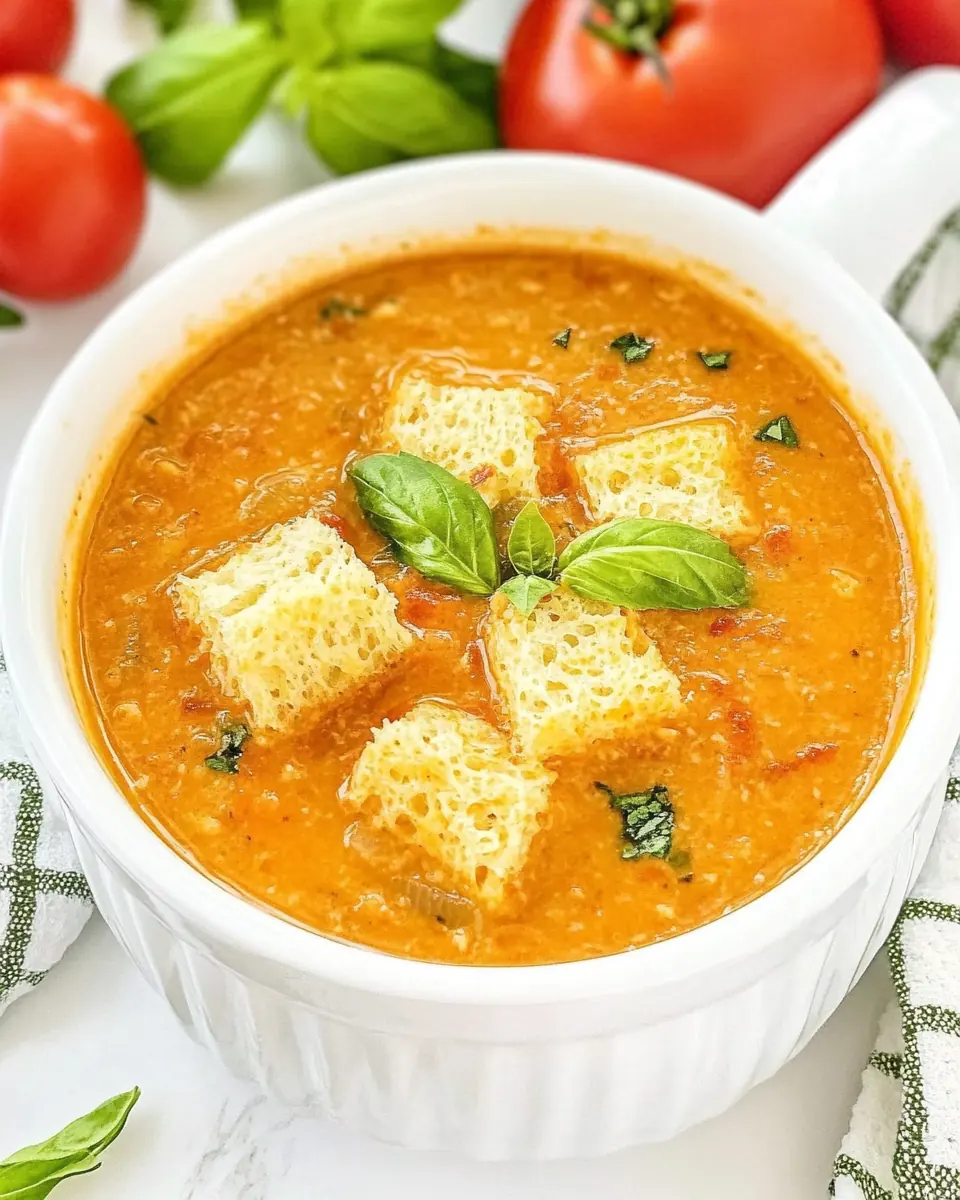
These ingredients are simple and intentional. They work together to build layers of taste: the tomatoes provide body and sweetness, garlic and onion create savory backbone, basil adds lift, and the finishing light cream and parmesan create a rounded, silky finish. Together they produce a soup that feels both rustic and refined.
- 1 pound tomatoes: Provide ripe, juicy tomatoes as the soup’s flavorful base, bringing natural sweetness and acidity that form the core of the broth. Roast or simmer them to concentrate flavor and develop a rich, velvety texture while allowing skins and seeds to be strained for smoothness.
- 2 cloves garlic: Mince aromatic garlic to add a savory, slightly pungent depth that enhances umami and balances the tomatoes’ acidity. Sauté gently to mellow sharpness and release fragrance without burning, contributing background warmth to the soup.
- 2 yellow onions quartered: Slice or quarter sweet yellow onions to build a caramelized foundation that lends natural sugars and complexity when cooked slowly. Cook until translucent or lightly browned to deepen the soup’s flavor profile and provide a silky mouthfeel once blended.
- 1/4 cup basil plus 2 tbs, chopped: Chop basil to offer bright, herbaceous notes that lift the tomato flavor and introduce a fresh, slightly peppery aroma. Reserve 2 tablespoons chopped to garnish and add at the end for a burst of color and fragrance, while the remainder can be cooked briefly to infuse subtle herbal nuances.
- 1 tablespoon olive oil: Heat olive oil to sauté aromatics and carry fat-soluble flavors, improving mouthfeel and rounding out the soup’s texture. Use a moderate amount to gently cook onions and garlic, helping to release their flavors without overpowering the tomatoes.
- 1 tablespoon balsamic vinegar: Stir in balsamic vinegar to contribute a touch of sweet acidity and depth, balancing the tomatoes’ brightness with subtle caramel-like complexity. Add sparingly to avoid dominating the soup, adjusting to taste to enhance overall harmony.
- 1/4 cup light cream: Pour light cream to enrich the soup with a smooth, creamy consistency that softens acidity and adds a delicate richness. Incorporate near the end of cooking to prevent curdling and to create a luscious, silky finish.
- 1/4 cup parmesan grated: Grate parmesan to introduce savory, umami-packed saltiness and a slightly nutty character that deepens the soup’s flavor. Sprinkle while serving or whisk into the hot soup to melt and integrate, boosting overall richness and mouthfeel.
How to Cook Creamy Tomato Soup
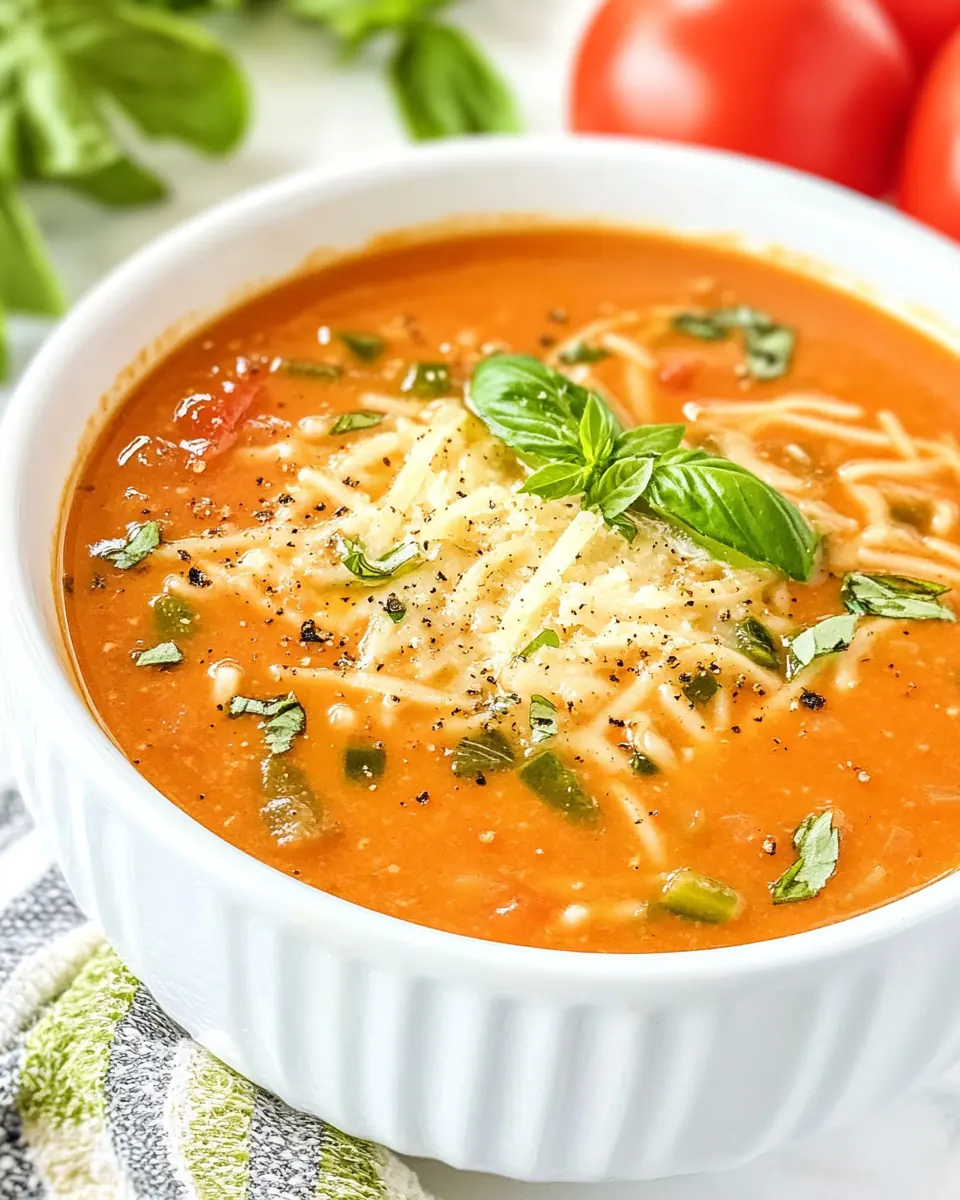
I like to keep the cooking flow relaxed and sensory driven so you can tell if things are on track. The steps below take you from oven to bowl, and each one has a clear cue to watch for so you can trust your senses. Follow along slowly the first time and you will internalize the visual and aromatic signals.
- Preheat oven to 350 degrees F: The kitchen will begin to warm and you should feel the air shift as the oven comes up to temperature, creating a steady environment for gentle roasting. This moderate heat encourages even caramelization on the tomato skins while softening the onion without rapidly charring, which preserves sweet flavors. A common mistake is setting the oven too hot, which can blacken the garlic and introduce bitterness, so wait until the oven reaches the correct temperature and use the center rack for even heat.
- Spread tomatoes, garlic, onion, and basil over a lined baking tray: As the vegetables lie on the tray you will notice the colors and the raw aromas of tomatoes and onion . Lining the tray helps prevent sticking and simplifies cleanup, and arranging everything in a single layer promotes uniform roasting rather than steaming. Press the vegetables gently so they make contact with the tray, and avoid overlapping, which can trap moisture and prevent browning.
- Drizzle with olive oil and balsamic: The glint of olive oil on the vegetables signals that they will brown nicely, and the scent of balsamic vinegar adds an immediate fruity tang. Tossing them so the oil and vinegar coat each piece encourages Maillard reactions that deepen flavor. Don’t overdress them, because too much liquid can pool on the tray and slow the roasting process.
- Bake for 20 minutes: During roasting you should see the tomato skins wrinkle and the edges of onion begin to caramelize, releasing a sweet, toasty aroma into the kitchen. The sound is subtle, more the hiss of juices than a sizzle, and the visual cue of golden brown is important. A typical pitfall is under roasting; if the vegetables look pale, give them another 5 to 10 minutes, watching carefully so the garlic does not burn.
- Once roasted, remove from oven and place into a food processor: The moment you transfer the warm vegetables the oven aroma intensifies, and handling them while hot helps them break down more easily. Using a food processor creates a smoother base quickly, but be careful when loading hot ingredients to avoid steam pressure; pulse gently at first. If you skip this and try to mash cold vegetables, the texture will be chunkier and the flavors less integrated.
- Process until smooth: As the blades whirl you will hear a steady hum and see the mixture turn glossy and uniform, releasing that concentrated tomato perfume. Stopping to scrape the sides ensures an even texture, and processing longer will produce a silkier result. Over processing is rarely a problem, but be cautious of splattering hot liquid when you open the processor; let steam escape slowly.
- Pour into a saucepan over medium low heat and stir in light cream: The soup should glisten as it hits the saucepan, and adding light cream creates a visible ribbon as you pour, then blends into a softer color. Heating gently preserves the cream’s stability and prevents curdling, while stirring helps everything harmonize. Avoid high heat here which can shock the dairy and create graininess, and always stir from the center outward for even melding.
- Let simmer for 5 minutes: A brief simmer will meld flavors and reduce any excess liquid, deepening the aroma and slightly thickening the body. You will see tiny bubbles at the edges and smell the union of roasted vegetables and cream. Stir occasionally to prevent sticking, and watch that the simmer remains low; a vigorous boil can separate the cream and change the mouthfeel.
- Top with parmesan and remaining basil: The final flourish of grated parmesan will melt into the hot soup, creating little tender flecks, while the fresh basil releases an herbal perfume at first contact. This finishing touch brightens and balances the savory base, and the visual contrast of green against red is inviting. A common oversight is adding the basil too early, which makes it lose color and aroma, so add just before serving for maximum effect.
Customization Ideas
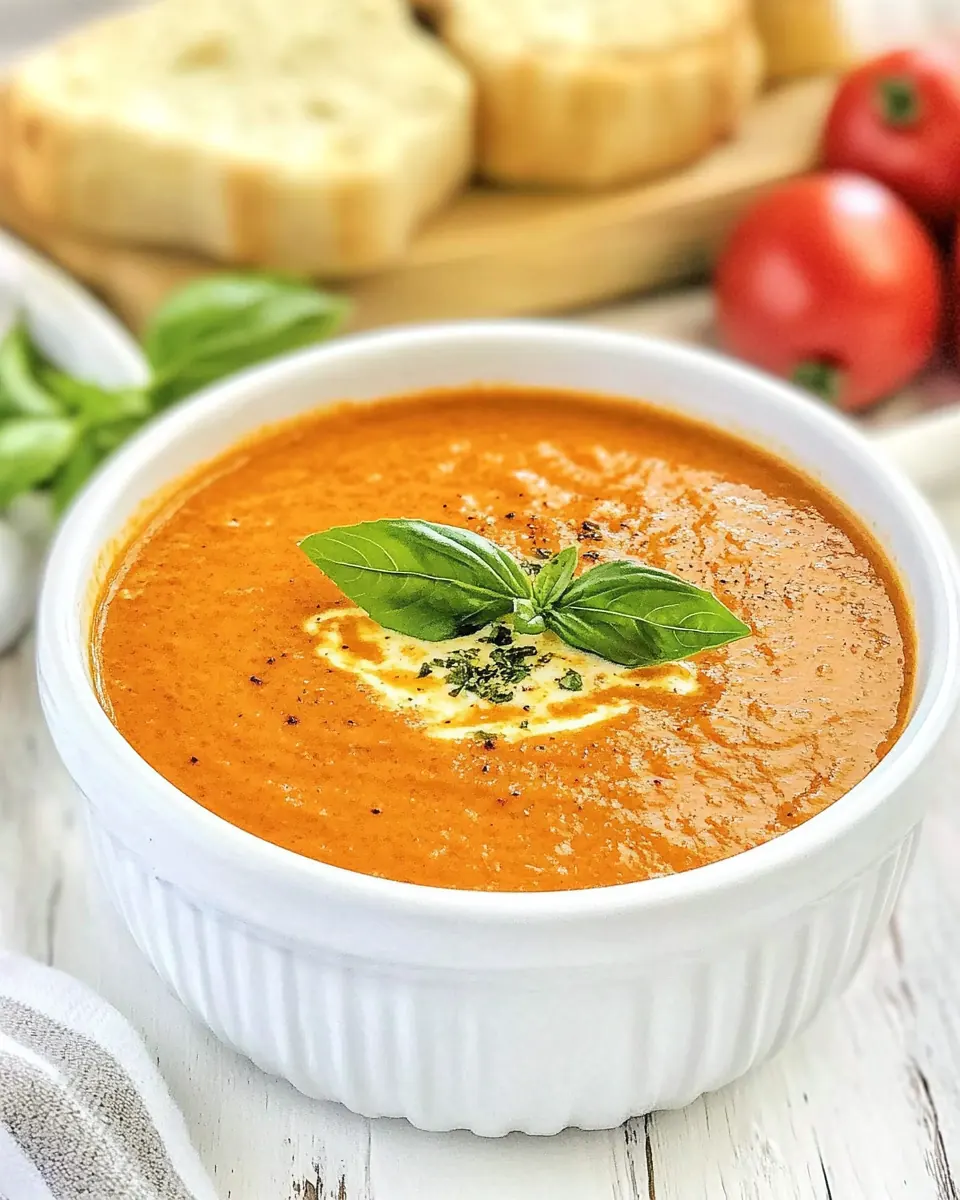
This soup is wonderfully adaptable. Below are ideas that respect the original ingredient list while offering small variations to suit mood and season. Each tip starts with a practical phrase to help you decide quickly.
- Boost the roast by giving the vegetables an extra five to eight minutes if you prefer deeper caramelization, watching carefully so the garlic does not turn bitter.
- Adjust the creaminess by increasing the light cream slightly for a richer texture, or reduce it if you want a brighter, more tomato forward profile.
- Finish with texture by sprinkling the top with a little more freshly grated parmesan at serving time to add a salty contrast that melts into the surface.
- Herb forward option leaves more chopped basil for garnish so each spoonful carries an immediate burst of fresh herb aroma.
- Vinegar balance suggests tasting after adding balsamic vinegar and adjusting a touch more if you want brighter acidity, adding slowly to avoid imbalance.
Serving This Creamy Tomato Soup
This soup is flexible across meals and occasions. Below I outline serving styles, pairings, and storage strategies so you can present it confidently for weeknight dinners or small gatherings. Use the list to pick a serving approach that matches the moment.
- Weeknight bowl Serve the soup warm with a sprinkle of parmesan and a few torn basil leaves for a quick, satisfying dinner that pairs well with a simple salad.
- Cozy lunch Accompany the soup with crusty bread for dipping, letting guests mop up the creamy base while enjoying the roasted flavors.
- Small gathering Present the soup in small cups topped with extra basil and cheese as an elegant starter that warms guests without filling them before the main.
- Storage tip Cool the soup completely before refrigerating in an airtight container for up to three days, reheating gently over low heat and stirring occasionally to keep the texture smooth.
- Seasonal pairing This soup sings in fall when tomatoes have that late season depth, and it complements roasted root vegetables or a light grain salad for a fuller meal.
- Serving style For a more rustic presentation, ladle the soup into pre warmed bowls and finish with a small pile of grated parmesan and a scatter of chopped basil.
FAQ
Conclusion
This Creamy Tomato Soup stands out because it transforms simple, fresh ingredients into a velvety, deeply flavored bowl with minimal fuss. I encourage you to roast the vegetables as described and take a moment to savor the aromas that develop, because that is where much of the magic lives. Serve it warm with a little extra grated parmesan and torn basil, and enjoy the comforting balance of sweet roasted tomato and silky cream in every spoonful. It’s an easy, satisfying recipe that becomes a reliable favorite for cozy nights and casual gatherings.
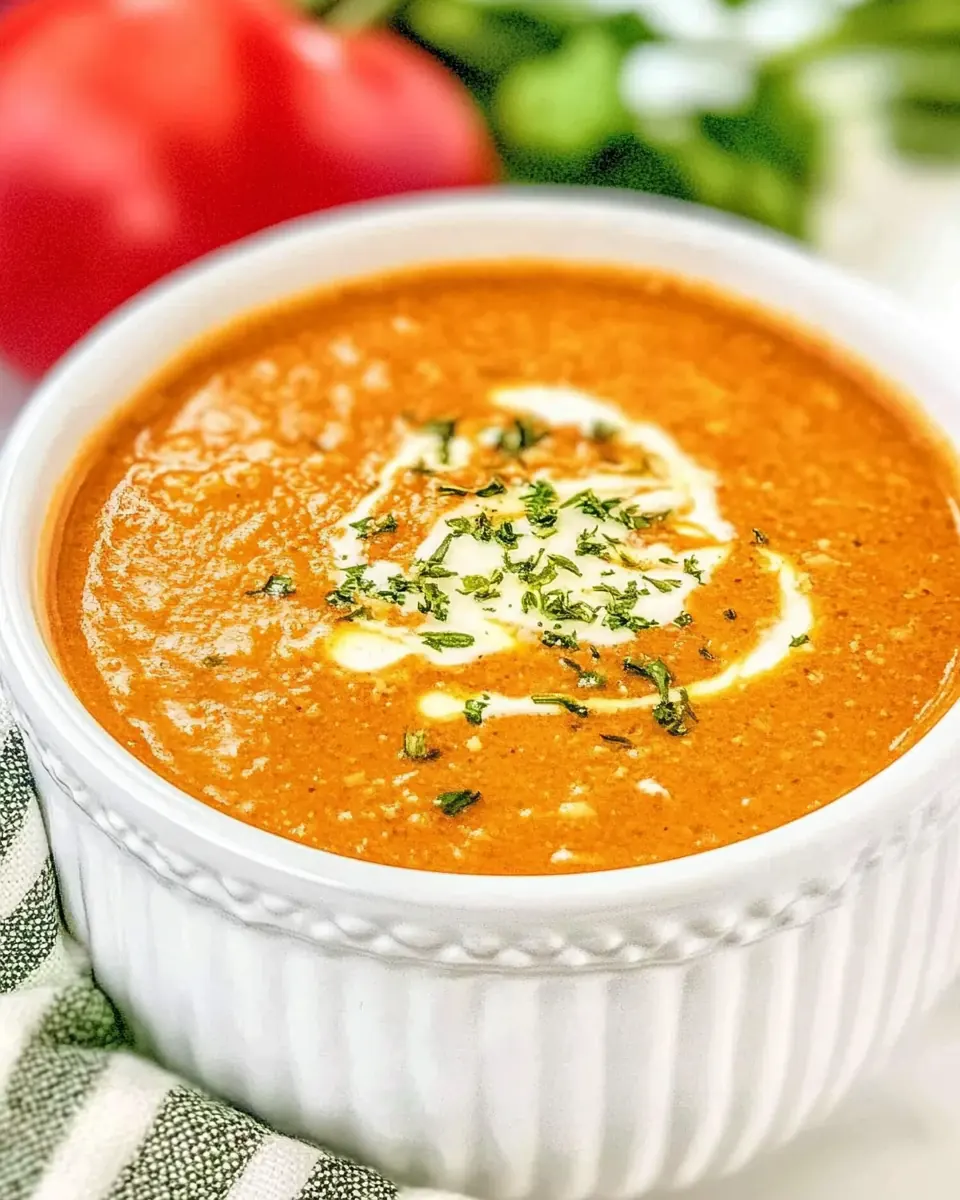
Creamy Tomato Soup
Ingredients
Equipment
Method
- Preheat oven to 350 degrees F: The kitchen will begin to warm and you should feel the air shift as the oven comes up to temperature, creating a steady environment for gentle roasting. This moderate heat encourages even caramelization on the tomato skins while softening the onion without rapidly charring, which preserves sweet flavors. A common mistake is setting the oven too hot, which can blacken the garlic and introduce bitterness, so wait until the oven reaches the correct temperature and use the center rack for even heat.
- Spread tomatoes, garlic, onion, and basil over a lined baking tray: As the vegetables lie on the tray you will notice the colors and the raw aromas of tomatoes and onion . Lining the tray helps prevent sticking and simplifies cleanup, and arranging everything in a single layer promotes uniform roasting rather than steaming. Press the vegetables gently so they make contact with the tray, and avoid overlapping, which can trap moisture and prevent browning.
- Drizzle with olive oil and balsamic: The glint of olive oil on the vegetables signals that they will brown nicely, and the scent of balsamic vinegar adds an immediate fruity tang. Tossing them so the oil and vinegar coat each piece encourages Maillard reactions that deepen flavor. Don’t overdress them, because too much liquid can pool on the tray and slow the roasting process.
- Bake for 20 minutes: During roasting you should see the tomato skins wrinkle and the edges of onion begin to caramelize, releasing a sweet, toasty aroma into the kitchen. The sound is subtle, more the hiss of juices than a sizzle, and the visual cue of golden brown is important. A typical pitfall is under roasting; if the vegetables look pale, give them another 5 to 10 minutes, watching carefully so the garlic does not burn.
- Once roasted, remove from oven and place into a food processor: The moment you transfer the warm vegetables the oven aroma intensifies, and handling them while hot helps them break down more easily. Using a food processor creates a smoother base quickly, but be careful when loading hot ingredients to avoid steam pressure; pulse gently at first. If you skip this and try to mash cold vegetables, the texture will be chunkier and the flavors less integrated.
- Process until smooth: As the blades whirl you will hear a steady hum and see the mixture turn glossy and uniform, releasing that concentrated tomato perfume. Stopping to scrape the sides ensures an even texture, and processing longer will produce a silkier result. Over processing is rarely a problem, but be cautious of splattering hot liquid when you open the processor; let steam escape slowly.
- Pour into a saucepan over medium low heat and stir in light cream: The soup should glisten as it hits the saucepan, and adding light cream creates a visible ribbon as you pour, then blends into a softer color. Heating gently preserves the cream’s stability and prevents curdling, while stirring helps everything harmonize. Avoid high heat here which can shock the dairy and create graininess, and always stir from the center outward for even melding.
- Let simmer for 5 minutes: A brief simmer will meld flavors and reduce any excess liquid, deepening the aroma and slightly thickening the body. You will see tiny bubbles at the edges and smell the union of roasted vegetables and cream. Stir occasionally to prevent sticking, and watch that the simmer remains low; a vigorous boil can separate the cream and change the mouthfeel.
- Top with parmesan and remaining basil: The final flourish of grated parmesan will melt into the hot soup, creating little tender flecks, while the fresh basil releases an herbal perfume at first contact. This finishing touch brightens and balances the savory base, and the visual contrast of green against red is inviting. A common oversight is adding the basil too early, which makes it lose color and aroma, so add just before serving for maximum effect.
Notes
- Boost the roast by giving the vegetables an extra five to eight minutes if you prefer deeper caramelization, watching carefully so the garlic does not turn bitter.
- Adjust the creaminess by increasing the light cream slightly for a richer texture, or reduce it if you want a brighter, more tomato forward profile.
- Finish with texture by sprinkling the top with a little more freshly grated parmesan at serving time to add a salty contrast that melts into the surface.
- Herb forward option leaves more chopped basil for garnish so each spoonful carries an immediate burst of fresh herb aroma.
- Vinegar balance suggests tasting after adding balsamic vinegar and adjusting a touch more if you want brighter acidity, adding slowly to avoid imbalance.