Cheese Wafers
Cheese Wafers are one of those small, crunchy wonders I reach for when I want something buttery, cheesy, and a little bit playful. The very first time I made them I remember the kitchen filling with a warm, toasty aroma of baked cheddar cheese, and I kept sneaking tastes while the batch cooled. They felt like the kind of snack that could elevate a simple afternoon tea or make a party spread feel homemade and thoughtful.
I often make a batch when friends pop over unexpectedly, because these bite sized crackers come together in a way that makes me look organized, even when I am not. Rolling out the dough on a sheet of waxed paper, cutting little shapes, and watching the edges go golden in the oven has become a small ritual for me. When served, the Cheese Wafers always disappear quickly, and there is something satisfying about handing someone a crisp, savory morsel and seeing their eyes light up.
Recipe Snapshot
35 mins
20 mins
15 mins
Medium
100 kcal
American
Gluten-Free, Low FODMAP
Appetizers
Food Processor
Why This Cheese Wafers Is a Winner
Pure, focused flavor
I love how Cheese Wafers concentrate simple ingredients into a powerful burst of taste. With just cheddar cheese, butter, and flour, every bite delivers that savory, slightly nutty profile that makes them addictive. I appreciate snacks that do not hide behind complex techniques, this one celebrates the essentials.
Textural delight
These wafers strike a lovely balance between crisp and tender. When you bite through one, you get a clean snap and an immediate melt of cheese on the palate. I enjoy how the thinness of the cracker lets the aromatic butter and cheese shine without being doughy or heavy.
Versatile and customizable
One of the reasons I keep making Cheese Wafers is how easily they adapt. You can sprinkle a raw pecan half on top for a nutty note, or leave them plain for a kid friendly crunch. I find that different cheeses gently shift the personality of the wafer, giving you many snack time identities from one basic method.
Make ahead friendly
I value recipes that respect a busy life, and these wafers are fantastic for that. The dough chills beautifully, so you can prepare it the night before and bake fresh crackers the next day. I especially like pulling them from the freezer and popping them in the oven for unexpected guests.
Party ready
When I host, Cheese Wafers become an effortless party pleaser. Their elegant shapes look intentional on a platter, and they pair well with spreads or simple olives if you want to create a snack board. Guests always comment on how crisp and flavorful they are, which is a lovely confidence boost for a home cook like me.
Ingredient List for Cheese Wafers
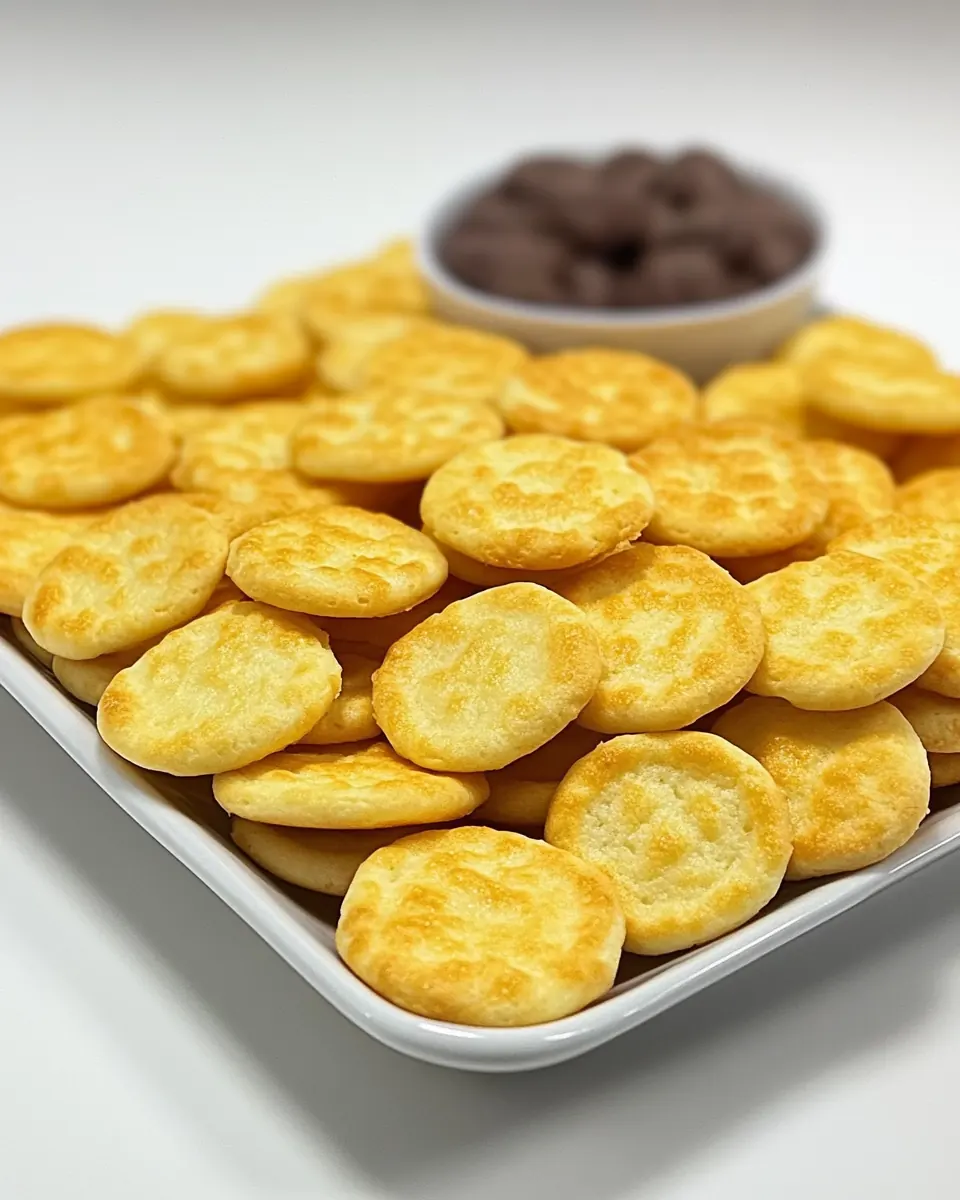
These ingredients are intentionally simple, each one playing a clear role in texture and taste. The grated cheddar cheese brings savory richness and binding through its natural oils. Cold butter contributes flakiness and a toasted aroma. The all purpose flour provides structure so the crackers hold their shape, while optional raw pecan halves add crunch and a toasty counterpoint when used. Together they form a harmony of crispness, saltiness, and buttery depth.
- 1/2 pounds harp cheddar cheese, grated (about 2 cups): Grated finely to provide sharp, savory flavor and tender melt; contributes the primary cheesy taste and creates crisp, flavorful wafers when baked. Adds fat and moisture that helps bind the dough while browning to a golden color for appealing texture.
- 5 tablespoons chilled butter, cut into cubes: Chilled and cubed to lend richness and flakiness; cuts into the flour to create small pockets of butter that melt during baking, producing delicate layers and a tender crumb. Provides necessary fat for mouthfeel and helps carry the cheese flavor without making the dough greasy.
- 1 cup all purpose flour, plus additional for sprinkling: Measured and sifted to form the structural base of the dough; combines with butter and cheese to create a cohesive dough that can be rolled and cut into thin wafers. Offers gluten-forming potential for slight chew while keeping overall texture crisp when used sparingly and handled with care.
- raw pecan halves, or other nut of preference () (optional): Optional and halved to introduce crunchy texture and nutty flavor contrast; can be pressed into or sprinkled atop the wafers before baking for added visual appeal and a toasted note. Allows customization of the recipe for additional richness and bite without altering the core cheese profile.
Making Cheese Wafers
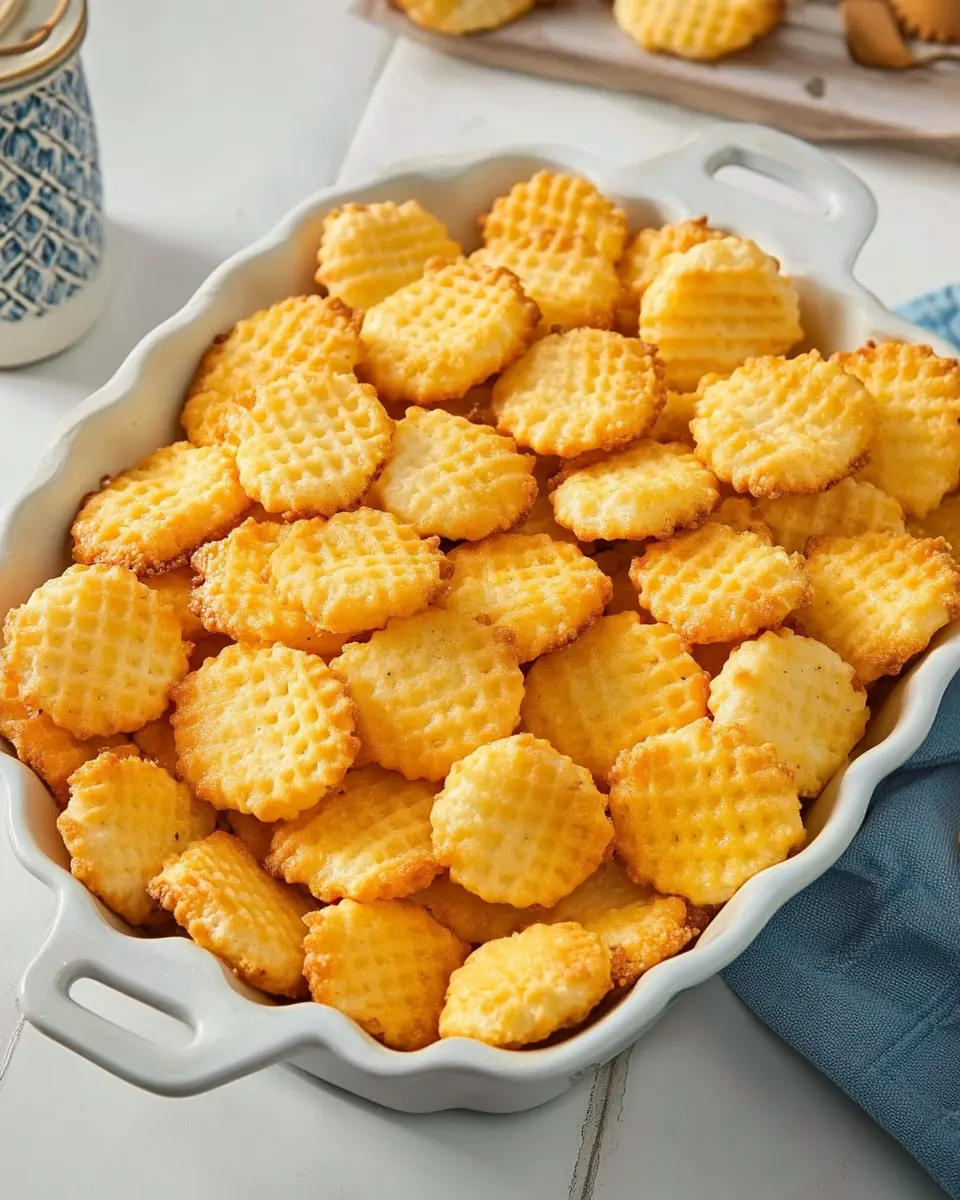
These instructions will guide you from a crumbly dough to crisp, golden wafers. Work methodically and keep your ingredients cool for the best texture. Take your time in the chilling step because it makes a measurable difference in how the crackers roll out and bake.
- Add the cheese, flour and butter to a food processor and combine (dough may be a bit crumbly, but it will stick together).: The first thing you will notice is the sound of blades working through the cold butter , a faint whir that soon yields a sandy, mealy mix studded with flecks of cheddar cheese . The aroma will be lightly tangy and buttery, and as the mixture comes together it should look like coarse crumbs that will come together when pressed. This texture matters because it prevents the dough from becoming dense, the tiny bits of butter melt in the oven producing flakiness. A common mistake here is overheating the butter , so pulse in short bursts and chill any bowl that feels warm. If your processor seems stuck, scrape the sides with a spatula and pulse again to ensure even mixing.
- Remove all the dough to a piece of parchment or waxed paper and shape into a thick flat circle. Cover with waxed paper and refrigerate for one hour or overnight.: When you press the mixture together by hand, you will feel it coalesce into a firm, cool disk. The surface will be slightly tacky, but should not be sticky. Refrigeration firms the fats, making the dough easier to roll and ensuring the crackers stay crisp rather than spreading during baking. You will notice the dough becomes denser and less fragile after chilling, which is the cue to move forward. A typical error is skipping the chill, and that leads to misshapen, greasy wafers, so resist the urge to bake immediately.
- Preheat oven to 400°F.: As the oven warms, you will catch a faint heat that prepares the space for immediate transformation, and this high temperature is key to quick setting and golden edges. Preheating ensures that the crackers begin to crisp right away, which locks in structure so they do not become flat. Listen for the oven to cycle down after reaching temperature, and place the racks in the middle for even browning. A pitfall is inserting crackers into an oven that has not fully heated, which causes uneven bake times and pale, limp centers, so use an oven thermometer if you doubt your oven accuracy.
- Open waxed paper and roll out dough on it into a 1/4 inch-thick piece.: Rolling the dough between sheets keeps hands clean and prevents sticking, and you will feel the dough give under the rolling pin into a smooth, even sheet. A consistent thickness ensures each wafer bakes uniformly; visually you should be able to see a continuous surface without cracks. If the dough resists rolling, let it rest a few minutes in the fridge to regain firmness. Beware of over flouring, which dries the dough and ruins the tender texture, so use a light dusting only when necessary.
- Take small cookie cutters and cut out into shapes (you could also take an empty plastic medicine bottle to make circle shaped crackers. Just make sure you clean out the bottle thoroughly first.).: Cutting shapes is tactile and satisfying, and you will hear the slight click as the cutter separates the dough. Arrange the shapes closely but not touching on your parchment lined sheet, and keep the scraps together for a second roll out to avoid waste. The visual cue is sharp, clean edges on the shapes; if edges look ragged, the dough may be too cold or too dry, so let scraps rest briefly before re rolling. A mistake is overworking the dough during repeated roll outs, which can toughen the crackers, so try to limit the number of re rolls.
- Place on a cookie sheet (preferably lined with a silpat or parchment paper). Add pecans or other nut on top (if preferred) and bake for 12-15 minutes. Let cool on sheet for 2 minutes before removing.: As the sheet goes into the oven you will soon smell a concentrated cheesy aroma that turns warm and toasty as proteins brown. Watch for edges to become a light golden color and the centers to stiffen, that is the sign they are ready. After removing them, the crackers will be soft but will crisp as they cool on the hot sheet, so leave them undisturbed for two minutes before transferring to a rack. The most common error is leaving them too long on the sheet where residual heat can darken the undersides, so timing is important. If using raw pecan halves , press them gently before baking so they stay attached.
- Serve.: Presenting these crackers warm accentuates the aroma, and you will notice the immediate contrast between the crackling bite and the rich, savory aftertaste of cheddar cheese . They are fragile when fresh, so handle them with care when plating. If you plan to make ahead, allow them to cool completely before storing in an airtight container to preserve crispness. One mistake is storing them while still warm, which traps steam and softens the wafers, so be patient and let them cool fully.
Recipe Tips about Cheese Wafers
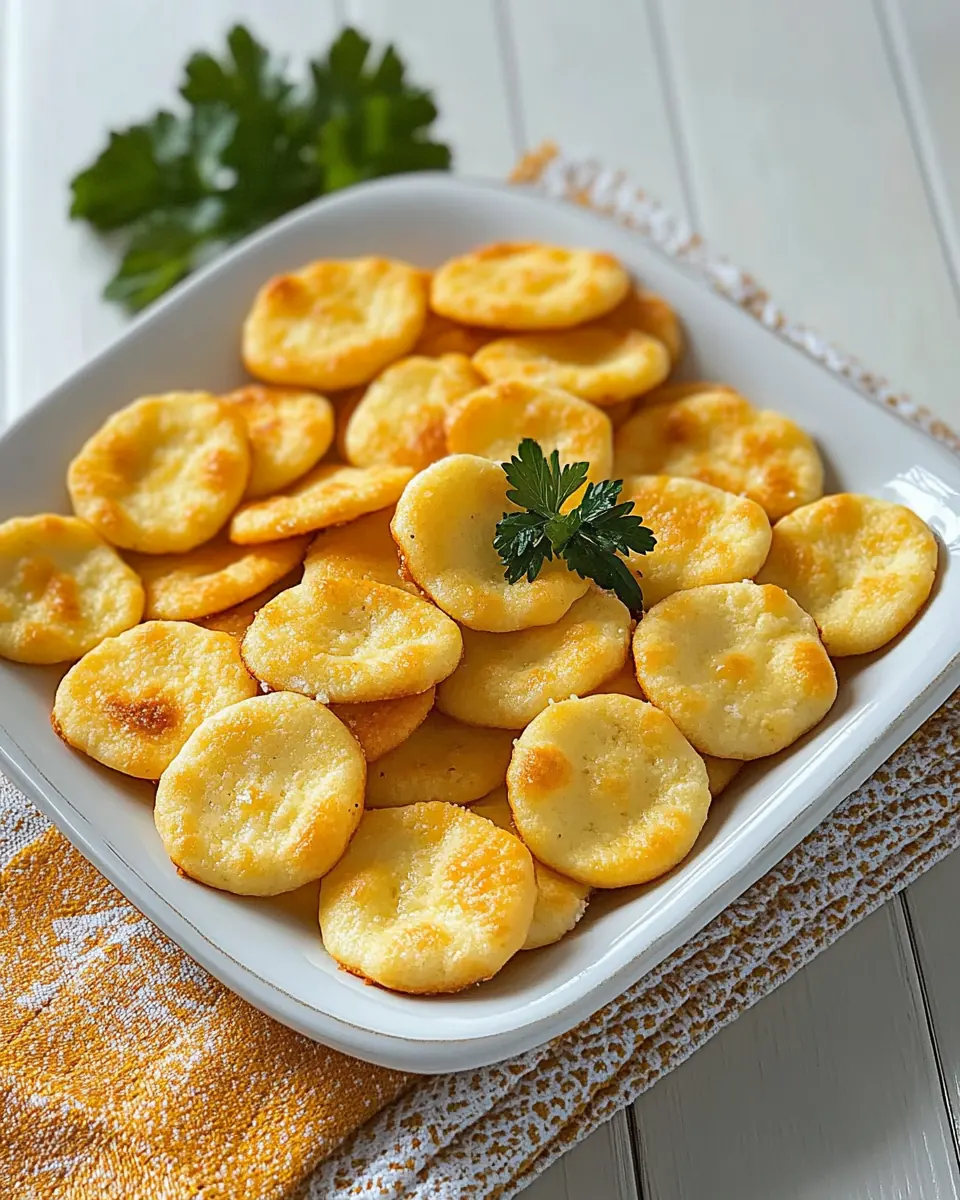
These tips will help you get the most from the recipe, whether you are baking for a casual snack or prepping for an event. I include practical options for variations and storage so you can make these crackers your own without guesswork.
- Keep everything cold, especially the butter and the dough, to ensure the wafers remain flaky and do not spread in the oven.
- Grate your own cheese rather than buying pre shredded, because freshly grated cheddar cheese melts and binds more naturally and avoids anti caking agents that can affect texture.
- Use parchment or a silpat on the baking sheet to prevent sticking and to help the bottoms brown evenly without burning.
- Limit re rolling of scraps to preserve tenderness, since over working the dough can make the wafers tough instead of crisp.
- Flash freeze for storage if you want to keep a large batch, then transfer to freezer bags to protect them for up to two months.
What to Serve Alongside Cheese Wafers
These crisp little crackers work well across many settings, from casual snacks to holiday spreads. They pair especially well with simple accompaniments and can be plated to suit brunch, tea time, or an evening gathering. Consider texture balance and temperature when arranging a small board.
- Soft cheeses and spreads like cream cheese or a herbed cheese spread complement the crispness and add a creamy contrast.
- Olives and pickles bring a briny brightness that cuts through the richness of the cheddar cheese.
- Fresh fruit such as sliced apples or grapes offers a sweet counterpoint and a pop of freshness on the plate.
- Charcuterie board elements can include nuts and dried fruits for a textural variety, making the crackers a natural vehicle for more elaborate bites.
- Occasions like afternoon tea, casual get togethers, or small holiday parties benefit from trays of these wafers because they are easy to pick up and pair with other finger foods.
- Storage tips include cooling completely before sealing in an airtight container at room temperature for up to a week, and for longer storage flash freezing on a tray before bagging.
- Seasonal pairings work well: in winter try warmer spiced accompaniments, and in spring choose lighter, fruit based sides for contrast.
FAQ
Conclusion
These Cheese Wafers are special because they turn a handful of humble pantry ingredients into a crunchy, savory snack that feels both elegant and homey. I encourage you to give them a try, whether for a lazy afternoon nibble or as part of a festive spread. They are forgiving, adaptable, and genuinely rewarding to make. Baking them is a small ritual with a big payoff, and I hope these crackers become a staple in your snack repertoire.
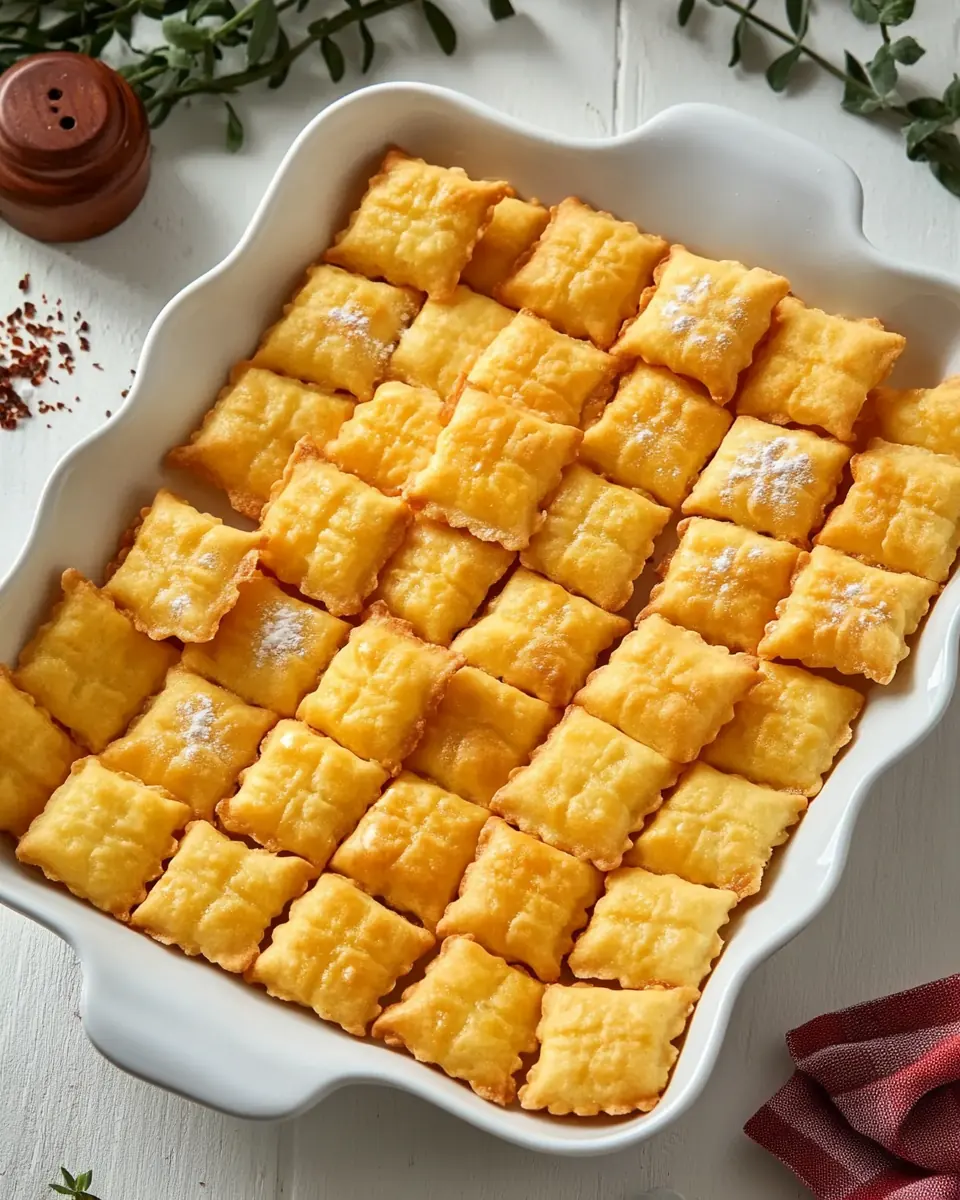
Cheese Wafers
Ingredients
Equipment
Method
- Add the cheese, flour and butter to a food processor and combine (dough may be a bit crumbly, but it will stick together).: The first thing you will notice is the sound of blades working through the cold butter , a faint whir that soon yields a sandy, mealy mix studded with flecks of cheddar cheese . The aroma will be lightly tangy and buttery, and as the mixture comes together it should look like coarse crumbs that will come together when pressed. This texture matters because it prevents the dough from becoming dense, the tiny bits of butter melt in the oven producing flakiness. A common mistake here is overheating the butter , so pulse in short bursts and chill any bowl that feels warm. If your processor seems stuck, scrape the sides with a spatula and pulse again to ensure even mixing.
- Remove all the dough to a piece of parchment or waxed paper and shape into a thick flat circle. Cover with waxed paper and refrigerate for one hour or overnight.: When you press the mixture together by hand, you will feel it coalesce into a firm, cool disk. The surface will be slightly tacky, but should not be sticky. Refrigeration firms the fats, making the dough easier to roll and ensuring the crackers stay crisp rather than spreading during baking. You will notice the dough becomes denser and less fragile after chilling, which is the cue to move forward. A typical error is skipping the chill, and that leads to misshapen, greasy wafers, so resist the urge to bake immediately.
- Preheat oven to 400°F.: As the oven warms, you will catch a faint heat that prepares the space for immediate transformation, and this high temperature is key to quick setting and golden edges. Preheating ensures that the crackers begin to crisp right away, which locks in structure so they do not become flat. Listen for the oven to cycle down after reaching temperature, and place the racks in the middle for even browning. A pitfall is inserting crackers into an oven that has not fully heated, which causes uneven bake times and pale, limp centers, so use an oven thermometer if you doubt your oven accuracy.
- Open waxed paper and roll out dough on it into a 1/4 inch-thick piece.: Rolling the dough between sheets keeps hands clean and prevents sticking, and you will feel the dough give under the rolling pin into a smooth, even sheet. A consistent thickness ensures each wafer bakes uniformly; visually you should be able to see a continuous surface without cracks. If the dough resists rolling, let it rest a few minutes in the fridge to regain firmness. Beware of over flouring, which dries the dough and ruins the tender texture, so use a light dusting only when necessary.
- Take small cookie cutters and cut out into shapes (you could also take an empty plastic medicine bottle to make circle shaped crackers. Just make sure you clean out the bottle thoroughly first.).: Cutting shapes is tactile and satisfying, and you will hear the slight click as the cutter separates the dough. Arrange the shapes closely but not touching on your parchment lined sheet, and keep the scraps together for a second roll out to avoid waste. The visual cue is sharp, clean edges on the shapes; if edges look ragged, the dough may be too cold or too dry, so let scraps rest briefly before re rolling. A mistake is overworking the dough during repeated roll outs, which can toughen the crackers, so try to limit the number of re rolls.
- Place on a cookie sheet (preferably lined with a silpat or parchment paper). Add pecans or other nut on top (if preferred) and bake for 12-15 minutes. Let cool on sheet for 2 minutes before removing.: As the sheet goes into the oven you will soon smell a concentrated cheesy aroma that turns warm and toasty as proteins brown. Watch for edges to become a light golden color and the centers to stiffen, that is the sign they are ready. After removing them, the crackers will be soft but will crisp as they cool on the hot sheet, so leave them undisturbed for two minutes before transferring to a rack. The most common error is leaving them too long on the sheet where residual heat can darken the undersides, so timing is important. If using raw pecan halves , press them gently before baking so they stay attached.
- Serve.: Presenting these crackers warm accentuates the aroma, and you will notice the immediate contrast between the crackling bite and the rich, savory aftertaste of cheddar cheese . They are fragile when fresh, so handle them with care when plating. If you plan to make ahead, allow them to cool completely before storing in an airtight container to preserve crispness. One mistake is storing them while still warm, which traps steam and softens the wafers, so be patient and let them cool fully.
Notes
- Keep everything cold, especially the butter and the dough, to ensure the wafers remain flaky and do not spread in the oven.
- Grate your own cheese rather than buying pre shredded, because freshly grated cheddar cheese melts and binds more naturally and avoids anti caking agents that can affect texture.
- Use parchment or a silpat on the baking sheet to prevent sticking and to help the bottoms brown evenly without burning.
- Limit re rolling of scraps to preserve tenderness, since over working the dough can make the wafers tough instead of crisp.
- Flash freeze for storage if you want to keep a large batch, then transfer to freezer bags to protect them for up to two months.