Caramel Pie
Caramel Pie has been the dessert that signals celebration in my family for as long as I can remember. The very first time I made Caramel Pie, I was nervous about the caramel step, but the moment I tasted that silky filling against a crisp crust I knew this would become my go to showstopper. I learned to relax into the process, and now I love the ritual of stirring, testing, and waiting while the flavors deepen.
My kitchen often smells like toasted sugar on days I make Caramel Pie, and guests always ask for the story behind it. I tell them about the grandmother who taught me to whisk patiently, the afternoon when a rushed pour turned into a learning moment, and the evenings we spent sharing slices with tea. These memories are folded into every bite, and I want you to feel confident making this pie at home.
Recipe Snapshot
2 hr 30 mins
120 mins
30 mins
Hard
350 kcal
American
Gluten-Free, Low FODMAP
Desserts
Oven, Heavy bottomed saucepan, Small skillet, Whisk, Pie plate
The Best Thing About This Caramel Pie
Comforting, timeless flavor
I adore this pie because the combination of brown sugar and caramel creates a warm, nostalgic sweetness that feels like a hug. When I serve Caramel Pie, people slow down, they savor the creamy texture, and the room calms. It is one of those desserts that reads as both homey and special, a rare balance.
Textural contrast that sings
The crispness of the 19-inch pie crust against the smooth, slightly dense caramel filling is what makes this recipe memorable. I always aim for that contrast because it gives each forkful a satisfying bite and a velvety finish.
Simple, dependable ingredients
There is honesty in the ingredient list. With staples like brown sugar, milk, and egg yolks, the recipe is approachable. I appreciate recipes where technique matters more than obscure items, and this one rewards gentle attention.
Flexible timing for busy cooks
One of my favorite things is that you can prepare many parts ahead of time. The pie firms up beautifully in the refrigerator, allowing you to make it the day before a gathering. That planning freedom makes it a reliable choice when I want dessert that looks impressive without last minute stress.
Great for sharing and celebrations
This pie travels well to potlucks and holiday tables, and it feels celebratory without being fussy. I personally like topping it with a cloud of whipped cream just before serving, it lightens each bite and makes the pie feel festive.
What You Need for Caramel Pie
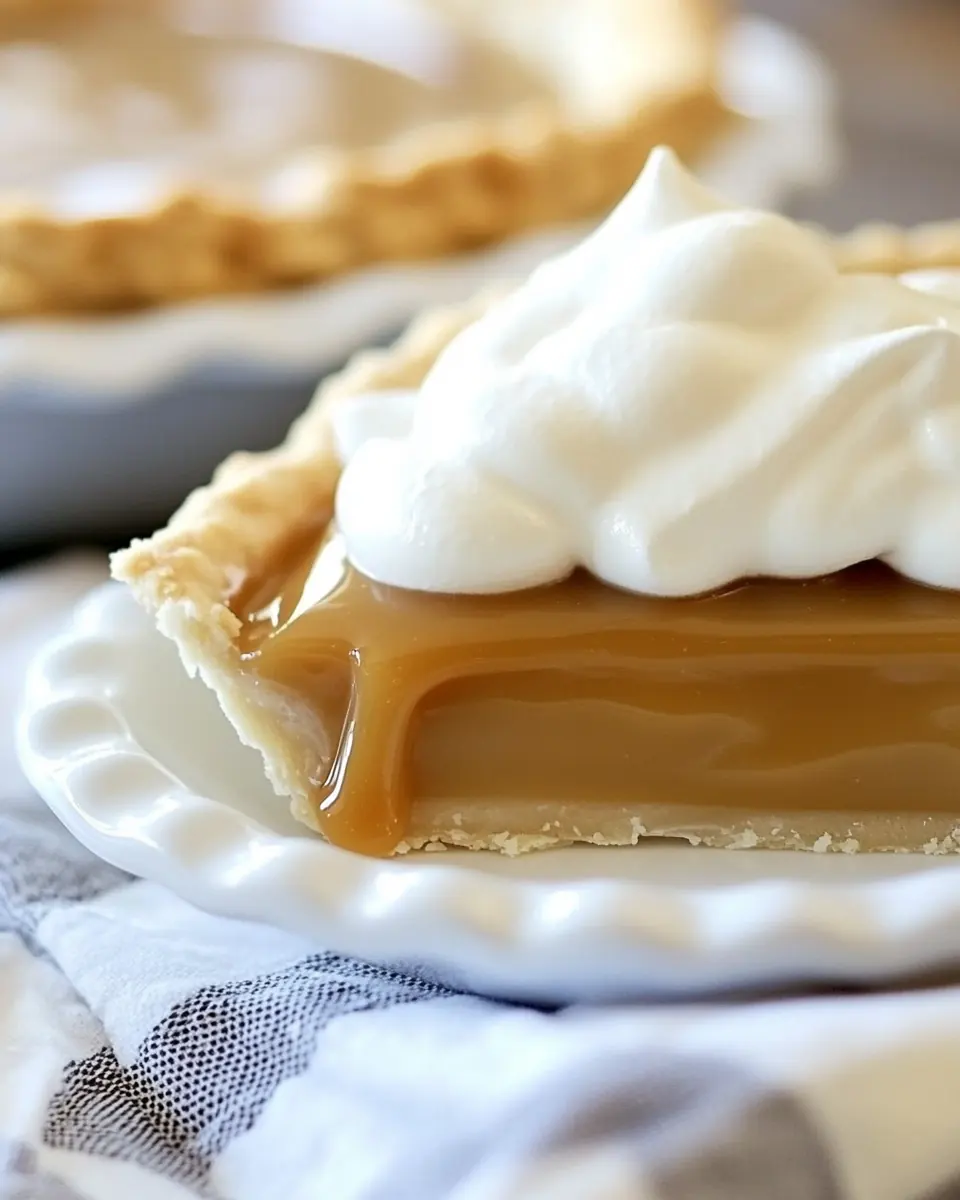
These ingredients work together like a small orchestra. The 19-inch pie crust provides structure and crunch, while the dairy and egg yolks create a custardy, silky body. Sugars do double duty, one building depth in the filling and the other caramelizing for that toasty, complex note. Each component plays a clear role in flavor and texture.
- 19 inch pie crust: Provide a sturdy, prebaked base that holds the filling and sets the structure of the caramel pie; choose a blind-baked 19-inch pie crust to prevent sogginess and ensure even baking. Chill briefly after baking to firm the butter and maintain crisp edges when the filling is poured in. Trim and crimp the edges as needed to fit the large 19-inch pan and support slicing and serving.
- 1 cup (213 g) packed brown sugar: Add deep, molasses-rich sweetness and moisture to the caramel filling while contributing to the characteristic brown color and toffee notes. Pack firmly when measuring to ensure consistent sweetness and texture throughout the custard-like caramel. Combine with other sugars and fats to create a balanced caramel flavor and slightly chewy texture where appropriate.
- 1/4 cup (30 g) all-purpose flour: Thicken the filling slightly and stabilize the custard by absorbing excess moisture and preventing separation; sift or whisk the flour in with the sugars for even distribution. Help the mixture set when cooked, producing a smoother, less runny caramel custard without imparting a noticeable floury taste. Use sparingly to maintain a silky texture.
- 1/2 teaspoon (1 g) kosher salt: Balance sweetness and enhance flavor depth while helping control the overall seasoning so the caramel isn't cloying. Dissolve evenly into the milk and cream mixture to ensure a consistent savory-sweet profile throughout the filling. Use a measured amount to complement the sugar without making the custard taste salty.
- 1/2 cup (114 g) milk: Dilute and carry flavors while providing the liquid base required for the custard; heat gently with half and half before tempering into the egg yolks. Contribute a lighter dairy component that keeps the filling from becoming overly rich while still supporting caramelization. Combine with half and half to achieve the desired custard creaminess.
- 1/2 cup (114 g) half and half: Enrich the custard with higher fat content to create a silky, creamy mouthfeel and to help the caramel set with a luxurious texture. Heat together with milk to create a cohesive warm dairy base for tempering the egg yolks, ensuring smooth incorporation. Adjust richness by proportion to balance density and sliceability of the pie.
- 4 (56 g) large egg yolks: Thicken and enrich the custard, providing emulsifying proteins that set into a smooth, custardy texture when gently cooked and cooled. Temper slowly with warmed dairy to avoid scrambling, then cook to the proper temperature so the yolks thicken the caramel without curdling. Whisk thoroughly to incorporate evenly and provide a glossy finish.
- 1 1/2 teaspoons (7 g) vanilla extract: Enhance and round out the caramel flavors with warm, aromatic vanilla, tying together the dairy and sugar components for a more complex profile. Add near the end of cooking or after removing from heat to preserve its delicate aromatic compounds. Use measured vanilla to avoid overpowering the caramelized sugar notes.
- 1 cup (198 g) granulated sugar: Caramelize to develop deep, complex sweetness and act as the primary sweetener and concentrating agent for the filling; cook carefully until amber to avoid bitterness. Dissolve gradually or make a caramel base, then combine with dairy and yolks to create the custard texture. Handle with caution when hot, as liquid caramel reaches very high temperatures.
- 2 tablespoons (28 g) butter: Contribute rich, buttery flavor and help create a smooth, glossy caramel by incorporating near the end of cooking off the heat. Add to temper the caramel, improving spreadability and mouthfeel so the filling slices cleanly. Use softened butter to blend seamlessly into the warmed sugar and dairy mixture.
- Whipped cream, for serving: Garnish and provide a light, airy contrast to the dense, sweet caramel filling while adding a creamy, refreshing finish to each slice. Pipe or dollop just before serving so it retains volume and a fresh appearance. Season lightly or sweeten to taste if desired to complement the pie's sweetness.
Step by Step Guide for Caramel Pie
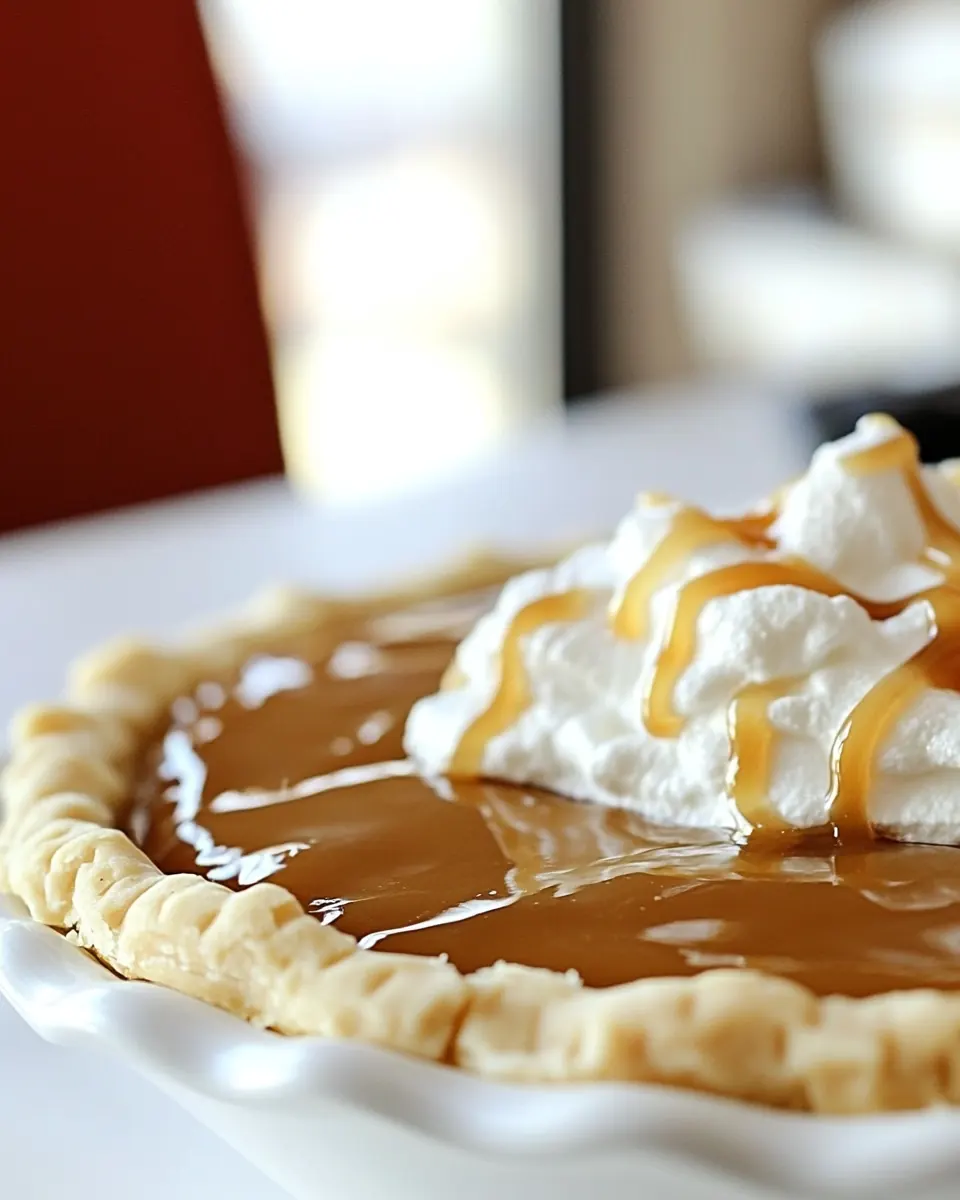
I like to move through the steps calmly, giving attention to texture and timing. Below I expand each direction into sensory rich narration so you can follow along with confidence. Keep a whisk and a clean dish towel nearby, it makes handling hot pans easier.
- Preheat oven to 425 degrees. Place pie crust into pie plate and bake for 8 minutes. Remove pie crust from oven and set aside.: The kitchen fills with a warm, toasty aroma as the shell starts to firm up, and you should see the edges take on a faint golden hue, a visual cue that the structure is forming. This brief high temperature bakes the crust enough to resist sogginess once the filling is added, creating a crisp rim and base. A common mistake is underbaking the shell, which leads to a soggy bottom, so keep an eye on the color and avoid opening the oven repeatedly which cools it down. Use a weight or dock the dough beforehand if you tend to get bubbles, that keeps the base even. When you remove it, set it on a cooling rack so air can circulate and the bottom stays crisp.
- To prepare the caramel pie filling, add brown sugar, flour, salt, milk, half and half, and egg yolks to a heavy bottomed, 3-4 quart saucepan over medium heat. Whisk together to combine. Continue to whisk until thick and creamy. Remove from the heat, add vanilla extract.: As you whisk, the mixture slowly loosens and then begins to thicken, releasing a sweet, warm scent that hints at toffee. The heavy bottomed pan is essential because it spreads heat consistently, preventing hot spots that can scramble the yolks. The moment the custard becomes thick and coats the back of a spoon, you know the proteins and starch have set, creating that silky body. A typical pitfall is turning the heat too high; if you see sudden bubbling or hear aggressive simmering, lower the flame to maintain a gentle steam. After removing from heat, the vanilla will bloom on contact, lifting the aroma, so add it off the heat to preserve its fragrance.
- Add granulated sugar and butter to a small skillet over medium heat. Stir constantly until the sugar has melted and caramelized. Slowly pour, whisking as you do, into the warm cream mixture until well combined.: The sugar will first clump, then melt into a clear liquid, and finally take on an amber tone that smells of toasted nuts and molasses, that is the cue to move quickly. Stirring constantly helps the sugar melt evenly, and adding the butter introduces gloss and richness to the caramel, smoothing any graininess. When you pour into the warm custard, whisk steadily so the hot caramel disperses and does not seize. A common error is waiting too long and allowing the sugar to burn, which leaves a bitter taste, so remove it from heat the instant it reaches a deep golden amber. As you combine, listen for a faint hiss and watch for a uniform texture, the final mixture should be glossy and cohesive.
- Pour into prepared pie crust and allow to cool for about 10 minutes. Place a piece of plastic wrap onto the caramel portion of the pie and place into the refrigerator for 1-3 hours to overnight to allow the pie to firm.: Pouring the filling, you will see it level out and settle into the shell, reflecting light with a buttery sheen. Letting it rest briefly at room temperature helps the heat dissipate and prevents a rapid chill that might create condensation. Laying plastic wrap directly on the surface keeps a skin from forming and ensures an even set. The refrigerator slow firms the filling so its texture becomes sliceable; impatience here leads to a runny pie, so allow at least an hour and ideally several for the best texture. If you find the surface sticky after chilling, that is normal, and the whipped cream will help balance it when served.
- When ready to serve, remove the pie from the refrigerator and carefully remove the plastic wrap from the top of the caramel.: As you lift the plastic, you may notice a faint glossy sheen return to the surface, and the aroma of caramel will freshen. Remove the wrap slowly to avoid pulling the filling, and check the edges for clean separation which signals a proper set. A mistake to avoid is leaving the pie at room temperature too long after removing the wrap because the filling softens quickly; serve within a short window for the best slices. If a slight stickiness remains, a thin spatula warmed in hot water helps to remove the wrap without marring the surface.
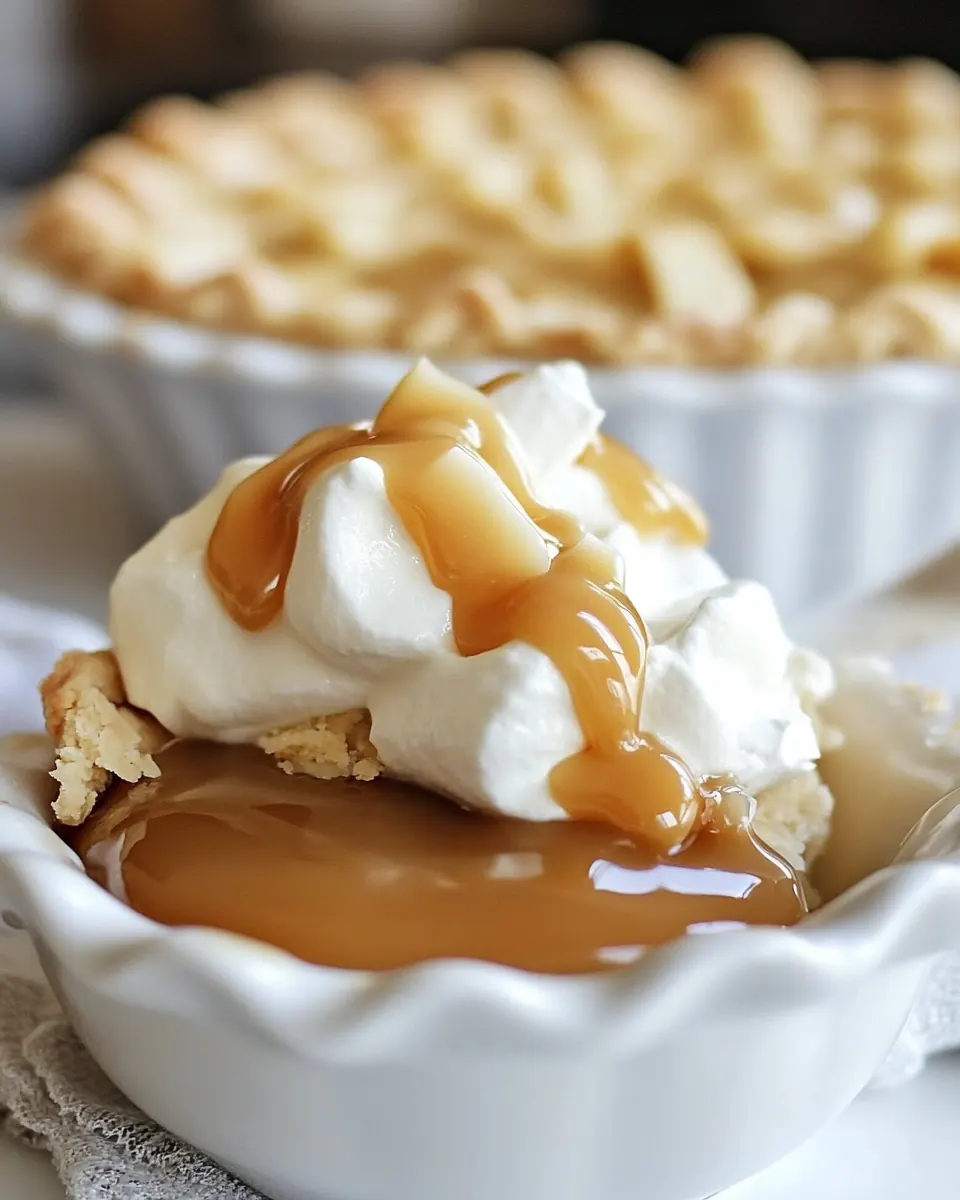
- As the pie is resting, pour whipping cream and granulated sugar into a medium glass bowl. Whip until stiff peaks have formed in the whipping cream. Use to top the caramel pie.: The cream will start softly, then thicken, and finally hold peaks that stand up when the whisk is lifted, giving a pillowy texture that contrasts beautifully with the dense filling. The sound changes as air is incorporated, moving from liquid slosh to a more muffled rhythm, and the bowl will feel cool and slightly heavier as it aerates. Overwhipping leads to grainy butter, so stop when firm peaks form but before it begins to separate. Spoon or pipe the whipped cream right before serving so it keeps its lift and adds a fresh coolness to each bite.
- Store pie in the refrigerator to keep the caramel firm.: Chilling preserves texture and prevents the caramel from becoming too soft at room temperature, and it also slows any weeping from the whipped cream. The pie will maintain its best quality for several days if covered well, though the crust may gradually soften over time. A common oversight is leaving it uncovered, which dries the surface, so keep it wrapped or in a sealed container. When ready to enjoy later, trim any edges that have lost crispness and serve slightly chilled for ideal contrast.
Recipe Variations about Caramel Pie
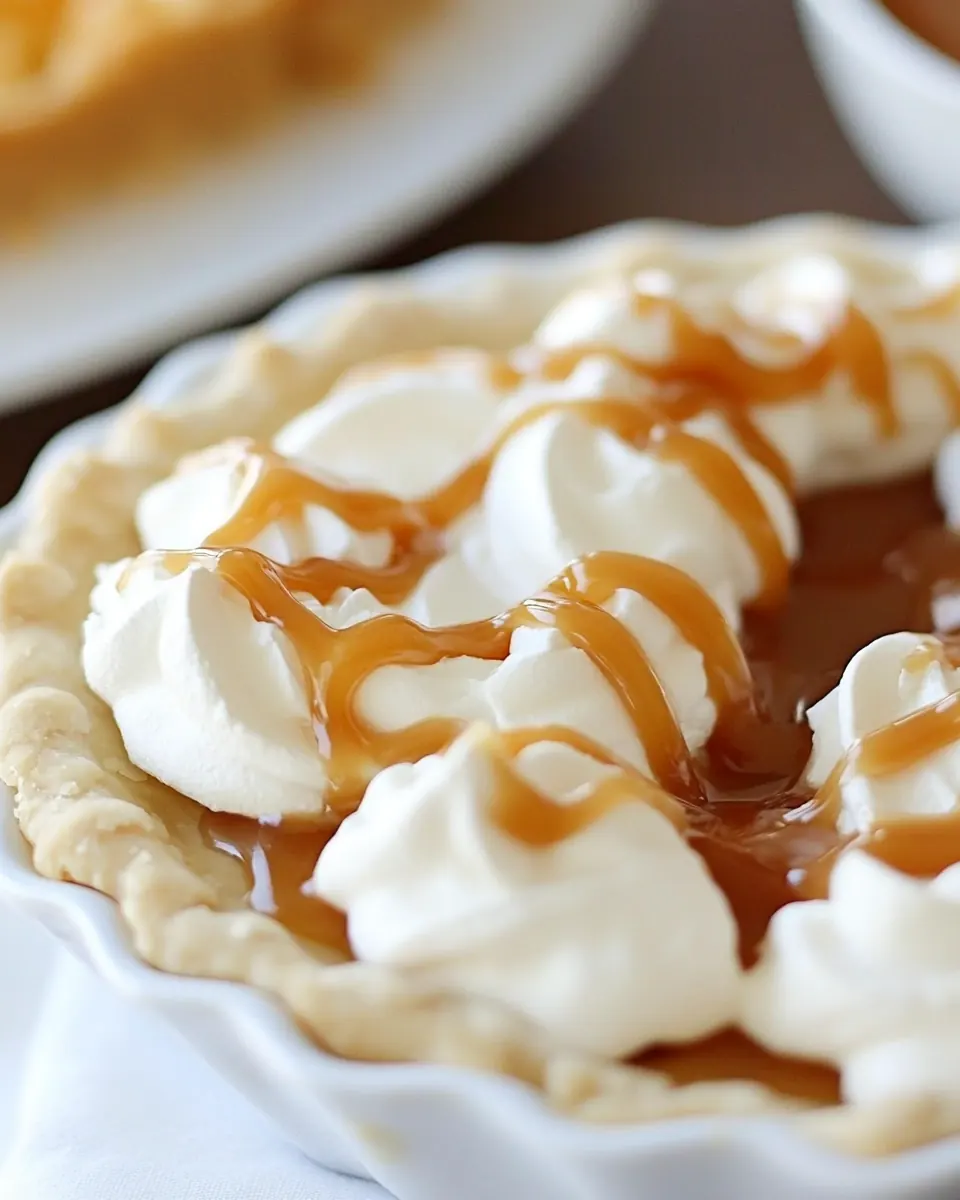
I like to tweak small details to suit the season or occasion, and these variations let you adapt the recipe without changing its soul. Each suggestion focuses on technique and timing so the pie keeps its characteristic creaminess and caramel depth.
- Swap the crust style: Try a sturdier, pre baked shell if you want a very crisp edge, it holds the filling better for transport.
- Make ahead strategy: Prepare the filling a day earlier and refrigerate, then assemble and chill, this cuts hands on time the day of serving.
- Whipped cream finish: Add a touch more sugar to the whipped cream if you prefer a sweeter contrast to the slightly bitter caramel.
- Caramel color cue: Pull the sugar from heat at a deep amber for richer flavor, but not too dark or it will taste bitter.
- Serving temperature: Serve slightly chilled to maintain texture, letting it sit 10 minutes at room temperature softens it just enough for easy slicing.
Serving Ideas for Caramel Pie
This pie feels right at holiday tables and casual gatherings alike. I recommend planning the timing so the pie chills fully, and pairing it with bright, simple accompaniments to balance the sweetness.
- Slice with a hot knife: Run a knife under hot water and dry it between cuts for clean, neat slices.
- Pair with bright fruit: Serve a small bowl of sliced apples or tart pears on the side to contrast the caramel richness.
- Casual potlucks: Transport the pie chilled in a sturdy dish, and add the whipped cream just before serving to keep it fresh.
- Holiday table: Offer smaller slices alongside coffee for after dinner, it gives guests a sweet finish without being heavy.
- Storage tips: Keep the pie covered in the refrigerator for up to three days to preserve the filling and crust as long as possible.
- Seasonal pairings: In fall, serve with spiced tea or a light apple compote, it amplifies the cozy flavors.
FAQ
Conclusion
Caramel Pie stands out because of its comforting combination of a crisp crust and a luxuriously smooth caramel filling, providing both texture and deep, toasted sugar flavor. Give it a try the next time you want a dessert that feels special yet approachable; the careful steps are well rewarded with a memorable result. I hope you enjoy the process as much as the slices you share, and that this recipe becomes one of your reliable favorites for gatherings and cozy evenings alike.
Caramel Pie
Ingredients
Equipment
Method
- Preheat oven to 425 degrees. Place pie crust into pie plate and bake for 8 minutes. Remove pie crust from oven and set aside.: The kitchen fills with a warm, toasty aroma as the shell starts to firm up, and you should see the edges take on a faint golden hue, a visual cue that the structure is forming. This brief high temperature bakes the crust enough to resist sogginess once the filling is added, creating a crisp rim and base. A common mistake is underbaking the shell, which leads to a soggy bottom, so keep an eye on the color and avoid opening the oven repeatedly which cools it down. Use a weight or dock the dough beforehand if you tend to get bubbles, that keeps the base even. When you remove it, set it on a cooling rack so air can circulate and the bottom stays crisp.
- To prepare the caramel pie filling, add brown sugar, flour, salt, milk, half and half, and egg yolks to a heavy bottomed, 3-4 quart saucepan over medium heat. Whisk together to combine. Continue to whisk until thick and creamy. Remove from the heat, add vanilla extract.: As you whisk, the mixture slowly loosens and then begins to thicken, releasing a sweet, warm scent that hints at toffee. The heavy bottomed pan is essential because it spreads heat consistently, preventing hot spots that can scramble the yolks. The moment the custard becomes thick and coats the back of a spoon, you know the proteins and starch have set, creating that silky body. A typical pitfall is turning the heat too high; if you see sudden bubbling or hear aggressive simmering, lower the flame to maintain a gentle steam. After removing from heat, the vanilla will bloom on contact, lifting the aroma, so add it off the heat to preserve its fragrance.
- Add granulated sugar and butter to a small skillet over medium heat. Stir constantly until the sugar has melted and caramelized. Slowly pour, whisking as you do, into the warm cream mixture until well combined.: The sugar will first clump, then melt into a clear liquid, and finally take on an amber tone that smells of toasted nuts and molasses, that is the cue to move quickly. Stirring constantly helps the sugar melt evenly, and adding the butter introduces gloss and richness to the caramel, smoothing any graininess. When you pour into the warm custard, whisk steadily so the hot caramel disperses and does not seize. A common error is waiting too long and allowing the sugar to burn, which leaves a bitter taste, so remove it from heat the instant it reaches a deep golden amber. As you combine, listen for a faint hiss and watch for a uniform texture, the final mixture should be glossy and cohesive.
- Pour into prepared pie crust and allow to cool for about 10 minutes. Place a piece of plastic wrap onto the caramel portion of the pie and place into the refrigerator for 1-3 hours to overnight to allow the pie to firm.: Pouring the filling, you will see it level out and settle into the shell, reflecting light with a buttery sheen. Letting it rest briefly at room temperature helps the heat dissipate and prevents a rapid chill that might create condensation. Laying plastic wrap directly on the surface keeps a skin from forming and ensures an even set. The refrigerator slow firms the filling so its texture becomes sliceable; impatience here leads to a runny pie, so allow at least an hour and ideally several for the best texture. If you find the surface sticky after chilling, that is normal, and the whipped cream will help balance it when served.
- When ready to serve, remove the pie from the refrigerator and carefully remove the plastic wrap from the top of the caramel.: As you lift the plastic, you may notice a faint glossy sheen return to the surface, and the aroma of caramel will freshen. Remove the wrap slowly to avoid pulling the filling, and check the edges for clean separation which signals a proper set. A mistake to avoid is leaving the pie at room temperature too long after removing the wrap because the filling softens quickly; serve within a short window for the best slices. If a slight stickiness remains, a thin spatula warmed in hot water helps to remove the wrap without marring the surface.
- As the pie is resting, pour whipping cream and granulated sugar into a medium glass bowl. Whip until stiff peaks have formed in the whipping cream. Use to top the caramel pie.: The cream will start softly, then thicken, and finally hold peaks that stand up when the whisk is lifted, giving a pillowy texture that contrasts beautifully with the dense filling. The sound changes as air is incorporated, moving from liquid slosh to a more muffled rhythm, and the bowl will feel cool and slightly heavier as it aerates. Overwhipping leads to grainy butter, so stop when firm peaks form but before it begins to separate. Spoon or pipe the whipped cream right before serving so it keeps its lift and adds a fresh coolness to each bite.
- Store pie in the refrigerator to keep the caramel firm.: Chilling preserves texture and prevents the caramel from becoming too soft at room temperature, and it also slows any weeping from the whipped cream. The pie will maintain its best quality for several days if covered well, though the crust may gradually soften over time. A common oversight is leaving it uncovered, which dries the surface, so keep it wrapped or in a sealed container. When ready to enjoy later, trim any edges that have lost crispness and serve slightly chilled for ideal contrast.
Notes
- Swap the crust style: Try a sturdier, pre baked shell if you want a very crisp edge, it holds the filling better for transport.
- Make ahead strategy: Prepare the filling a day earlier and refrigerate, then assemble and chill, this cuts hands on time the day of serving.
- Whipped cream finish: Add a touch more sugar to the whipped cream if you prefer a sweeter contrast to the slightly bitter caramel.
- Caramel color cue: Pull the sugar from heat at a deep amber for richer flavor, but not too dark or it will taste bitter.
- Serving temperature: Serve slightly chilled to maintain texture, letting it sit 10 minutes at room temperature softens it just enough for easy slicing.