Roast Acorn Squash
Roast Acorn Squash has been a quiet star on my autumn table for years, the kind of recipe I reach for when I want something simple yet fully satisfying. The first time I made it I remember the kitchen filling with a warm, earthy aroma as the oven coaxed out the squash‘s natural sweetness. That moment stuck with me, because a handful of humble ingredients turned into something that felt composed and a little bit special.
I like how Roast Acorn Squash asks for almost nothing from you, beyond a little attention and the willingness to let heat do the work. Over time I’ve adjusted the drizzle, the timing, and the way I slice the squash, and each tiny change nudged the final dish into a more comforting place. Friends who stop by for impromptu dinners often end up asking for the recipe, which always makes me smile.
Recipe Snapshot
52 mins
2 mins
50 mins
Medium
150 kcal
American
Vegan, Gluten-Free
Side Dishes
Oven, Baking sheet, Parchment paper, Knife, Cutting board
Why Try This Roast Acorn Squash
1. Pure seasonal flavor
I adore how Roast Acorn Squash showcases the natural sweetness of the squash without masking it. As it roasts, the flesh caramelizes around the edges, giving you pockets of deep, nutty flavor. I find myself reaching for this when I want a dish that celebrates produce rather than hides it.
2. Ridiculously simple technique
This recipe is honest and unpretentious. With a quick roast and a final drizzle of maple syrup, the transformation feels almost magical. I love that you do not need specialized tools or complicated steps, which makes this perfect for busy weeknights or a relaxed weekend.
3. Versatile and crowd friendly
I serve Roast Acorn Squash as a side at casual dinners and more formal meals alike. It pairs beautifully with a wide range of mains because the flavors are balanced, not overpowering. I often make a double batch when guests are coming, because leftovers reheat beautifully.
4. Comforting textures
The contrast between the slightly crisp edges and the tender, melt in your mouth interior is a big reason I keep returning to this recipe. The olive oil helps the wedges brown, while the maple syrup adds that glossy finish and gentle sweetness that lingers.
5. Minimal ingredients, maximum impact
There is something deeply satisfying about a recipe that asks for only a few pantry staples and delivers rich results. I like that Roast Acorn Squash is forgiving, so even cooks with limited experience can produce an impressive dish.
What You’ll Need for Roast Acorn Squash
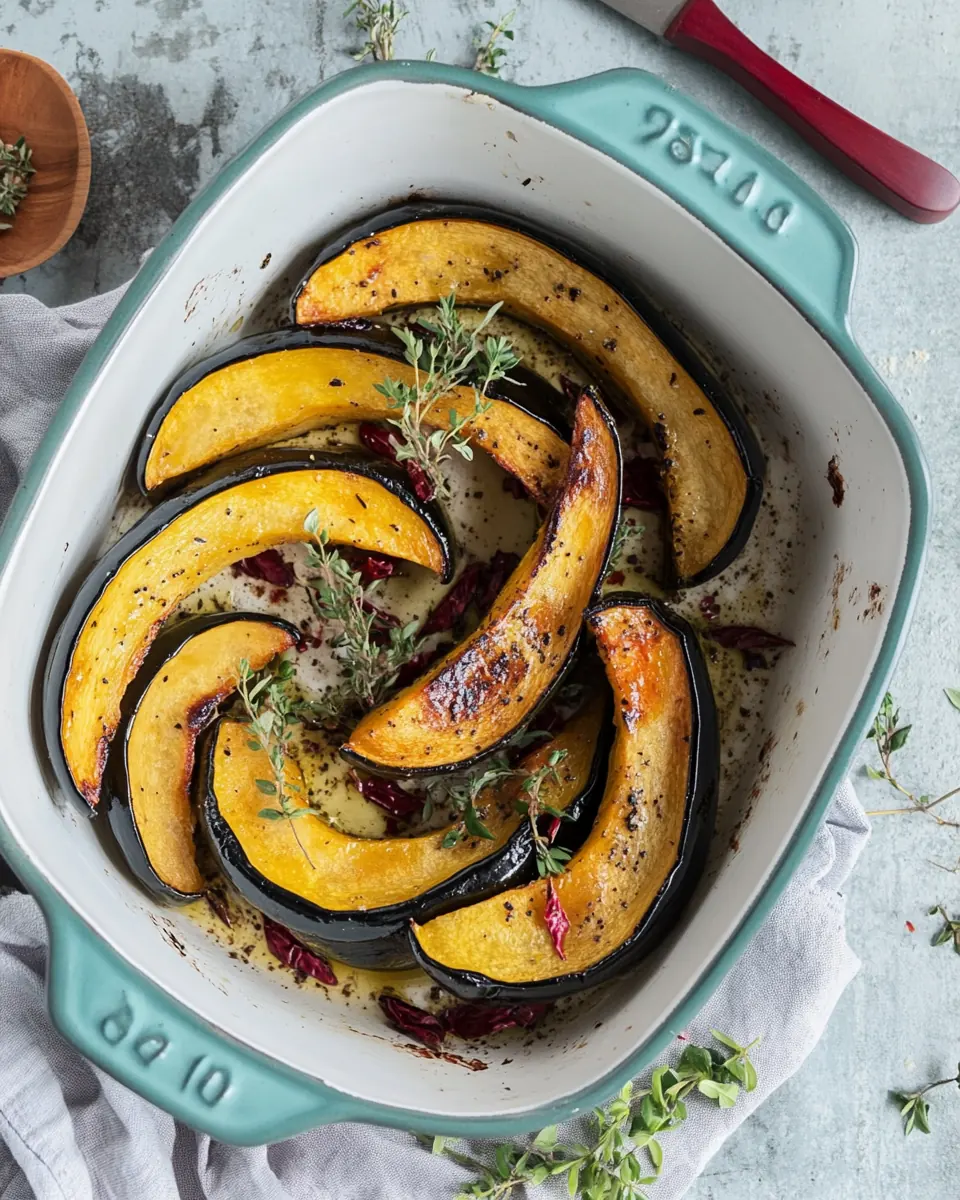
These ingredients are chosen to highlight the squash itself. The list is short because the goal is clarity, not complication. The key players are the acorn squash which provides sweetness and texture, the olive oil which encourages browning, the kosher salt which amplifies flavor, and the maple syrup which adds a glossy, sweet finish. Together they create a balanced profile of savory and sweet, with pleasing contrasts in mouthfeel.
- 1 acorn squash: Halve and scoop to expose the flesh and create a baking vessel; roasting concentrates its sweet, nutty flavor and softens the texture for easy serving. Use the cavity to hold glazes or fillings and roast cut-side up for caramelized edges and tender interior.
- 2 tablespoons olive oil: Drizzle or brush to promote even browning and prevent sticking while roasting; olive oil also helps carry and meld other flavors, contributing a fruity, slightly peppery richness. Choose a high-quality oil for better aroma and to aid in achieving a crisped surface.
- 1/2 teaspoon kosher salt: Season generously to enhance and balance the natural sweetness of the squash; kosher salt brings out savory notes and reduces bitterness while helping flavors penetrate as it roasts. Sprinkle evenly and adjust to taste after cooking, since roasting can concentrate saltiness.
- 2 tablespoons maple syrup: Brush or drizzle before or during roasting to amplify caramelization and add a complementary sweet glaze; maple syrup provides depth, a subtle hint of smokiness, and glossy finish. Add toward the end of roasting to prevent excessive burning while still creating sticky, flavorful edges.
The Method for Roast Acorn Squash
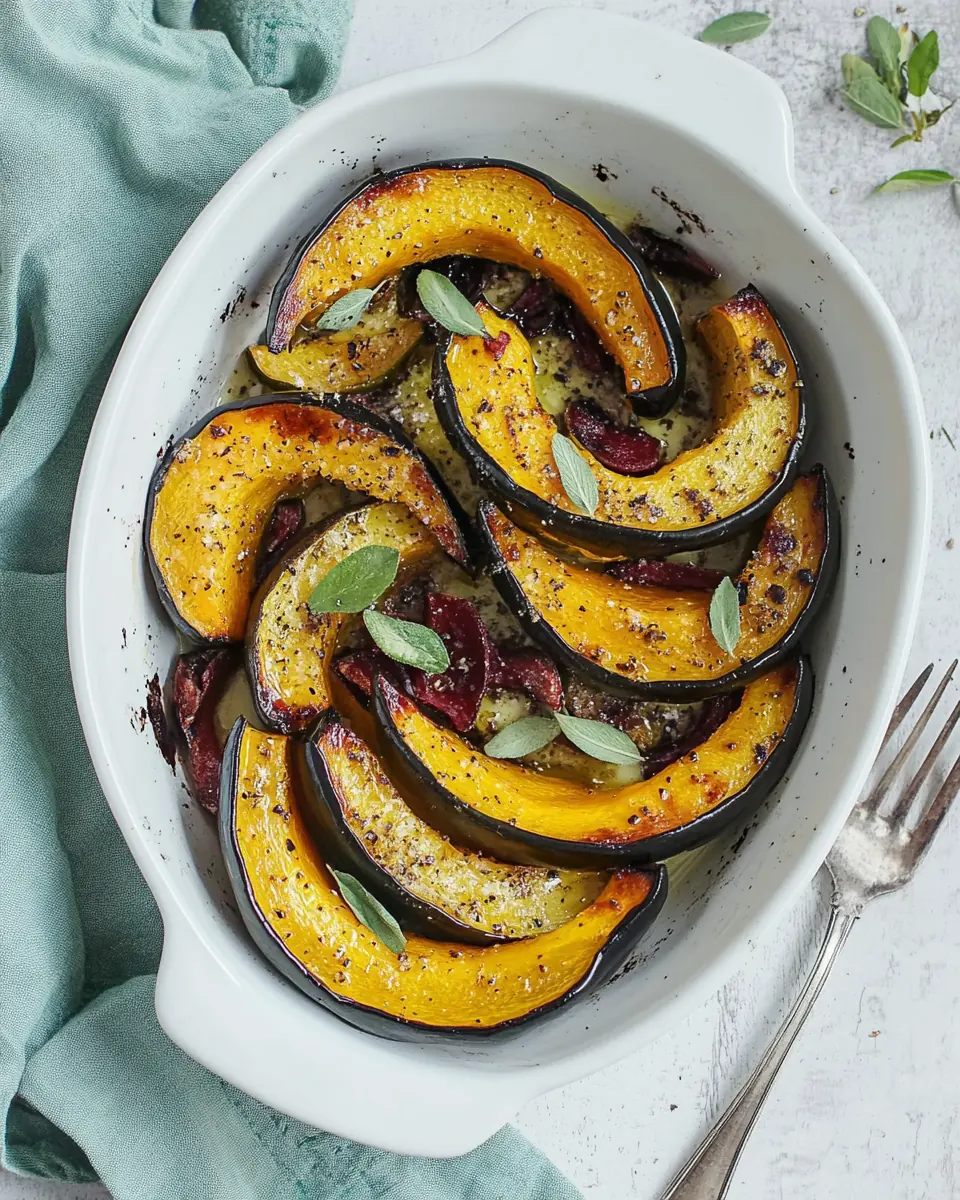
I like to keep the cooking flow relaxed and focused on sensory cues. The oven does most of the heavy lifting here, so my introductions are quick and practical. Follow these steps and pay attention to aroma and color changes for the best results.
- Preheat oven to 400 degrees and line a baking sheet with parchment paper.: As the oven comes up to temperature you will notice a faint warmth that makes the kitchen feel cozy. This step ensures an even, consistent heat so the acorn squash cooks through uniformly, and the parchment prevents sticking and makes cleanup effortless. If the oven is not fully preheated you may see uneven browning and longer cook time, so wait until the thermostat signals readiness. A common misstep is skipping the lining, which can cause the wedges to adhere and tear when turned, losing those caramelized bits.
- Cut acorn squash lengthwise in half, then into wedges.: When you slice the acorn squash , you should hear a clean, crisp sound as the knife passes through the skin, followed by the hollow thud of seeds in the cavity. Cutting it lengthwise gives larger wedges that hold their shape, and it exposes more surface area for browning. The flesh will be dense and slightly moist; aim for even thickness so each piece roasts at the same rate. A frequent error is uneven cuts that leave thin edges overcooked while the center remains firm, so take your time and stabilize the squash on the cutting board.
- Place the squash wedges on a baking sheet, drizzle with olive oil and sprinkle with salt.: As you arrange the wedges you will see the oil sheen highlight the textures, and the salt will sit like tiny crystals on the surface. The oil encourages Maillard browning along the exposed flesh, producing nutty aromas as it roasts. Toss or brush so each wedge gets a thin coating; this ensures crisp edges and a tender interior. Avoid overcrowding the pan, which leads to steaming instead of roasting and results in limp wedges rather than caramelized ones.
- Bake for 30 minutes.: During this initial roast stage you should notice the kitchen filling with a roasted, almost chestnut like scent, and the edges will begin to darken. The flesh will soften and become easier to pierce with a fork, signaling progress. This phase allows the sugars in the squash to gently caramelize without burning, which builds deep flavor. Opening the oven too often cools the cavity and lengthens cooking time, so check visually near the end rather than frequently peeking.
- Drizzle the squash with maple syrup and toss to coat.: When you add the maple syrup , a sweet, woody aroma will mingle with the savory roast notes, and the syrup will form a glossy layer on the wedges. Tossing helps the syrup adhere and distribute, creating a thin glaze that will deepen in color during the final roast. Be gentle when tossing to avoid bruising the delicate flesh. A pitfall is pouring syrup onto cold squash, which can collect and burn later, so ensure the wedges are warm enough to accept the glaze evenly.
- Bake for an additional 20 minutes or until tender.: In the finishing stage listen for a subtle sizzle as the syrup caramelizes; visually you want golden brown edges and a soft, yielding center. The final texture should be creamy without being mushy, and the surface should have a few darker, caramelized spots. This step locks in that glossy finish and enhances contrast between crisp edges and tender interior. Overcooking will dry the squash and can produce a bitter char, so test with a fork and remove when it yields easily.
- Serve.: As you plate the wedges the aroma will be inviting, and the glossy, golden surfaces will catch the light. Serve warm so the texture remains soft and the glaze feels fresh. If you let it sit too long, the exterior can lose its appeal and the syrup may become sticky as it cools, so plan to present shortly after roasting. A common mistake is leaving it on the hot pan, which continues cooking and can push the flesh past ideal tenderness.
Customization Ideas
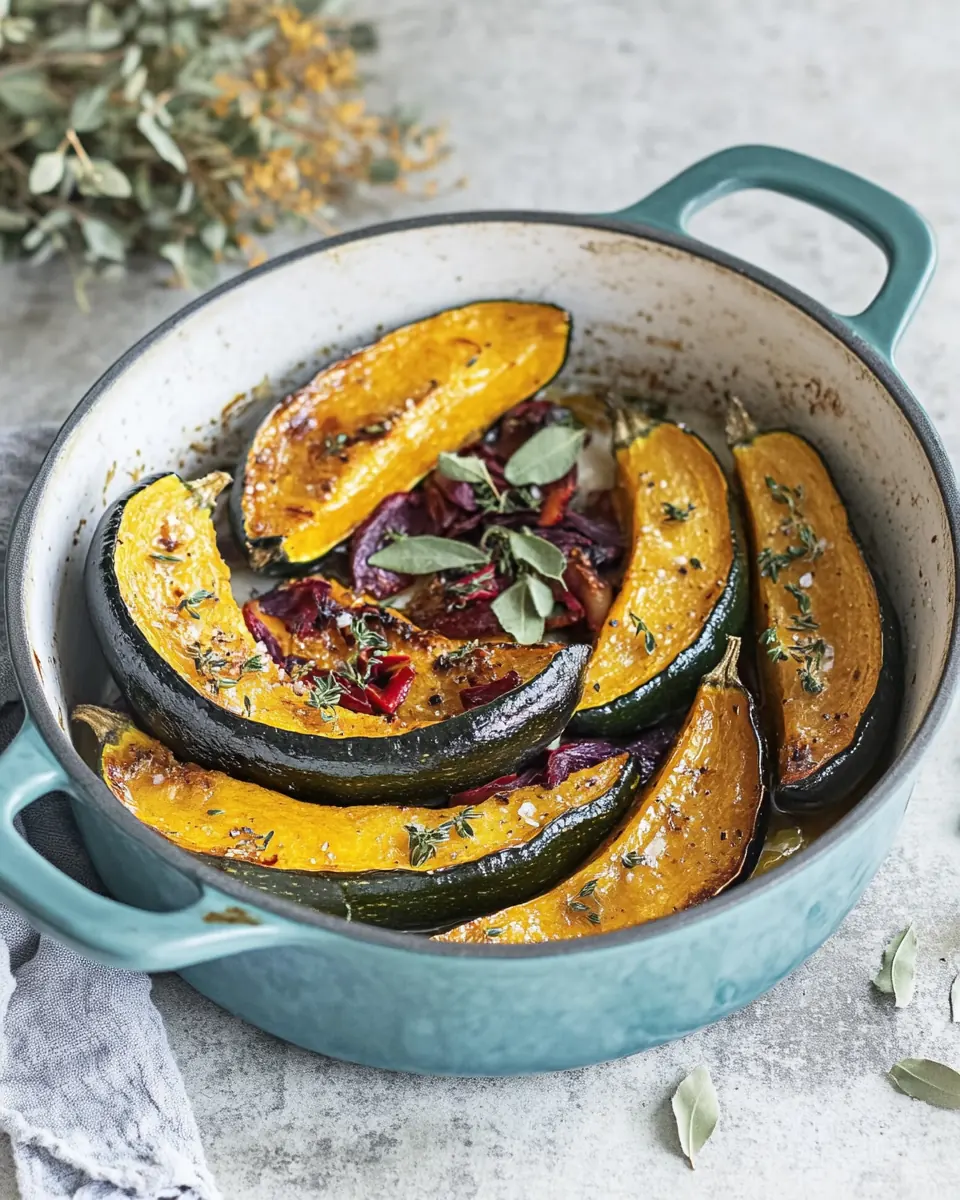
This squash recipe is an excellent canvas for small changes that personalize it. Below are practical, flavor forward suggestions to adapt the dish for different moods and meals, while keeping the core technique intact.
- Swap the glaze: Try a lighter drizzle of maple balanced with a tiny squeeze of citrus if you want a brighter finish without changing roast dynamics.
- Adjust seasoning: If you prefer more savory, add a whisper more kosher salt or a small pinch of your favorite mild herbs to lift the flavor.
- Oil choice matters: Use extra virgin olive oil for fruitier notes, or a neutral oil if you want the squash flavor to remain utterly pure.
- Serve warm: For best texture, present the wedges right from the oven so the contrast between crisp edges and tender centers is most pronounced.
- Make ahead: Roast the squash slightly underdone and finish glazing just before serving to keep it fresh for guests.
How to Serve Roast Acorn Squash
Roast Acorn Squash works beautifully across occasions, from casual dinners to holiday spreads. It pairs well with proteins, stands in as a vegetarian main when served with grains, and complements richer mains by adding a bright, sweet edge. Think of it as flexible table fare that uplifts the meal without demanding center stage.
- As a side for dinners: Plate warm wedges alongside roasted or grilled mains to add a gently sweet counterpoint.
- For holiday menus: Use it as part of a fall or winter spread where its color and warmth enhance seasonal platters.
- Light lunch option: Serve on a bed of greens for a simple, nourishing midday meal.
- Storage tips: Refrigerate leftovers in an airtight container for up to four days, and reheat gently so the glaze does not toughen.
- Seasonal pairings: Think roasted root vegetables or warm grain salads to complete a comforting autumn plate.
FAQ
Conclusion
Roast Acorn Squash stands out because it turns a few simple ingredients into a warm, flavorful side that feels both rustic and refined. Give it a try on a cozy evening or as part of a seasonal spread, and you will likely find it returning to your menu again and again. The ease of preparation, comforting textures, and natural sweetness make this a recipe that delivers big on satisfaction with minimal fuss. Enjoy the process, and let the oven do the gentle work while you focus on the rest of your meal.
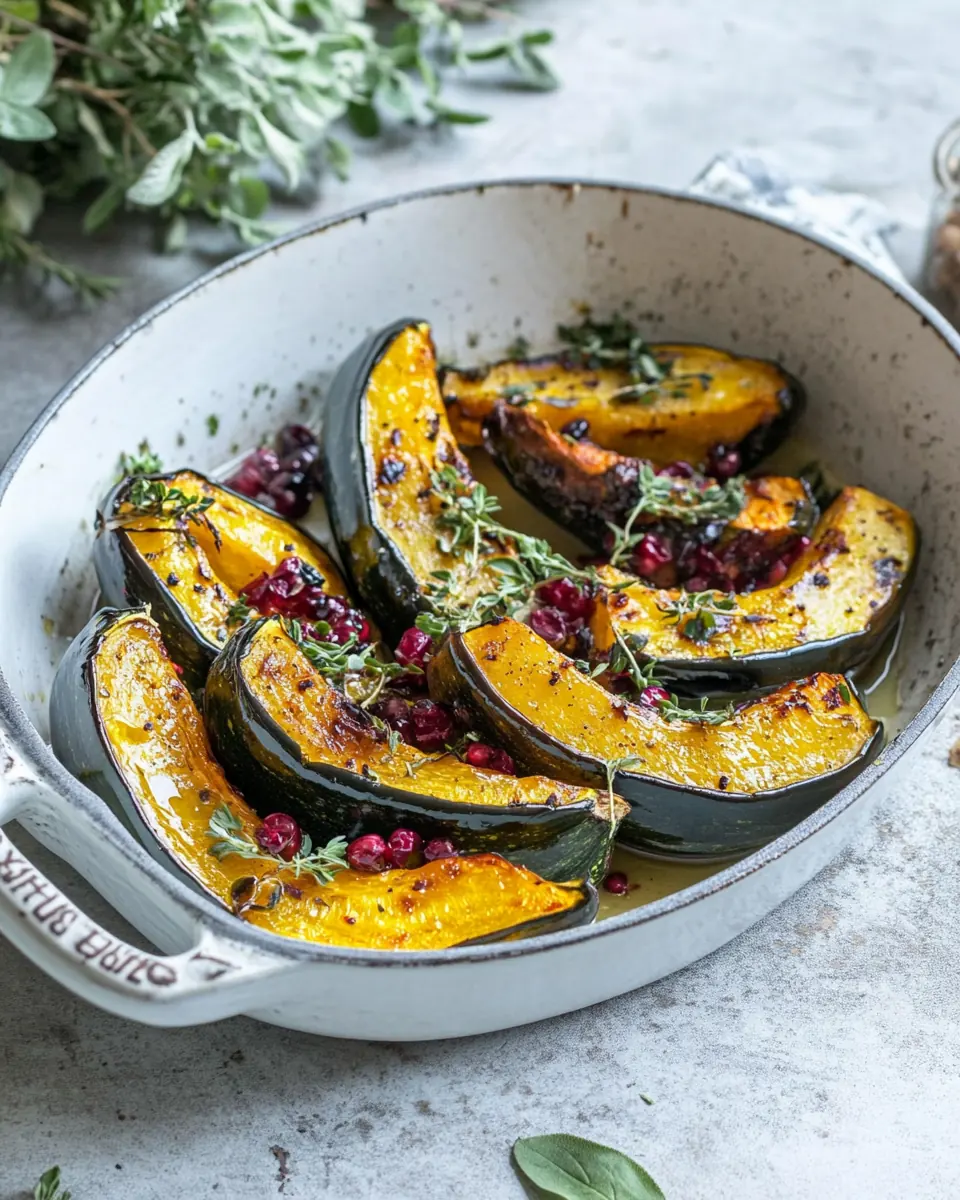
Roast Acorn Squash
Ingredients
Equipment
Method
- Preheat oven to 400 degrees and line a baking sheet with parchment paper.: As the oven comes up to temperature you will notice a faint warmth that makes the kitchen feel cozy. This step ensures an even, consistent heat so the acorn squash cooks through uniformly, and the parchment prevents sticking and makes cleanup effortless. If the oven is not fully preheated you may see uneven browning and longer cook time, so wait until the thermostat signals readiness. A common misstep is skipping the lining, which can cause the wedges to adhere and tear when turned, losing those caramelized bits.
- Cut acorn squash lengthwise in half, then into wedges.: When you slice the acorn squash , you should hear a clean, crisp sound as the knife passes through the skin, followed by the hollow thud of seeds in the cavity. Cutting it lengthwise gives larger wedges that hold their shape, and it exposes more surface area for browning. The flesh will be dense and slightly moist; aim for even thickness so each piece roasts at the same rate. A frequent error is uneven cuts that leave thin edges overcooked while the center remains firm, so take your time and stabilize the squash on the cutting board.
- Place the squash wedges on a baking sheet, drizzle with olive oil and sprinkle with salt.: As you arrange the wedges you will see the oil sheen highlight the textures, and the salt will sit like tiny crystals on the surface. The oil encourages Maillard browning along the exposed flesh, producing nutty aromas as it roasts. Toss or brush so each wedge gets a thin coating; this ensures crisp edges and a tender interior. Avoid overcrowding the pan, which leads to steaming instead of roasting and results in limp wedges rather than caramelized ones.
- Bake for 30 minutes.: During this initial roast stage you should notice the kitchen filling with a roasted, almost chestnut like scent, and the edges will begin to darken. The flesh will soften and become easier to pierce with a fork, signaling progress. This phase allows the sugars in the squash to gently caramelize without burning, which builds deep flavor. Opening the oven too often cools the cavity and lengthens cooking time, so check visually near the end rather than frequently peeking.
- Drizzle the squash with maple syrup and toss to coat.: When you add the maple syrup , a sweet, woody aroma will mingle with the savory roast notes, and the syrup will form a glossy layer on the wedges. Tossing helps the syrup adhere and distribute, creating a thin glaze that will deepen in color during the final roast. Be gentle when tossing to avoid bruising the delicate flesh. A pitfall is pouring syrup onto cold squash, which can collect and burn later, so ensure the wedges are warm enough to accept the glaze evenly.
- Bake for an additional 20 minutes or until tender.: In the finishing stage listen for a subtle sizzle as the syrup caramelizes; visually you want golden brown edges and a soft, yielding center. The final texture should be creamy without being mushy, and the surface should have a few darker, caramelized spots. This step locks in that glossy finish and enhances contrast between crisp edges and tender interior. Overcooking will dry the squash and can produce a bitter char, so test with a fork and remove when it yields easily.
- Serve.: As you plate the wedges the aroma will be inviting, and the glossy, golden surfaces will catch the light. Serve warm so the texture remains soft and the glaze feels fresh. If you let it sit too long, the exterior can lose its appeal and the syrup may become sticky as it cools, so plan to present shortly after roasting. A common mistake is leaving it on the hot pan, which continues cooking and can push the flesh past ideal tenderness.
Notes
- Swap the glaze: Try a lighter drizzle of maple balanced with a tiny squeeze of citrus if you want a brighter finish without changing roast dynamics.
- Adjust seasoning: If you prefer more savory, add a whisper more kosher salt or a small pinch of your favorite mild herbs to lift the flavor.
- Oil choice matters: Use extra virgin olive oil for fruitier notes, or a neutral oil if you want the squash flavor to remain utterly pure.
- Serve warm: For best texture, present the wedges right from the oven so the contrast between crisp edges and tender centers is most pronounced.
- Make ahead: Roast the squash slightly underdone and finish glazing just before serving to keep it fresh for guests.