Fried Tobacco Onions
Fried Tobacco Onions first won me over on a busy weeknight when I needed something crunchy, salty, and wildly satisfying that did not require a lot of fuss. I remember pulling a single onion from the crisper, thinking I would quickly fry a few rings to lift a simple meal. One turn of the mandolin and a fast dunk in a tangy batter later, I had a plate of golden, whisper thin slices that vanished faster than I could plate them.
That evening taught me how a humble onion can transform into something almost snackable, almost addictive, with little more than flour, a well seasoned dredge, and hot oil. I love how the edges curl as they hit the skillet, the tiny pops and sizzles as moisture escapes, and the soft sweet interior that peeks through a crisp, bronzed exterior. The first bite always surprises me, because the heat mellows the bite and elevates the natural sweetness of the onion, while the seasoned coating adds a smoky, savory kiss.
I keep this recipe in my arsenal for casual dinners, impromptu guests, or when I want to dress up a sandwich. It pairs with almost anything and yet holds its own as a snack. Over time I tuned the batter and the seasoning so the coating clings without becoming gummy, and I learned exactly when to pull a batch from the oil so it is crunchy but not overdone. If you enjoy a crisp texture with layers of flavor, Fried Tobacco Onions will quickly become a go to treat in your kitchen.
Recipe Snapshot
19 mins
15 mins
4 mins
Medium
250 kcal
American
Gluten-Free, Low FODMAP
Appetizers
Mandolin, Medium pot, Thermometer, Slotted spoon, Sheet tray with rack
What Sets This Fried Tobacco Onions Apart
1. Crunch with character
I adore how Fried Tobacco Onions deliver a contrast of textures. The outer crust becomes impossibly crisp while the inner slices stay tender and slightly sweet. When you hear that high pitched sizzle as they hit the oil, you know the texture is developing. That crunch draws people in and keeps them reaching for another piece.
2. Simple pantry power
These onions rely on pantry staples like flour, buttermilk, and a touch of seasoning, which means you can pull them together quickly. I like recipes that let the ingredient quality shine, and here the technique matters more than exotic components. You get big flavor from minimal items.
3. Versatile serving options
I find myself serving Fried Tobacco Onions as a snack, a sandwich topper, or a side to soak up sauces. They lift simple meals and add a celebratory note to casual spreads. You can scale the batches easily, which is perfect when people pop by unexpectedly.
4. Quick to make
The whole process moves fast once the oil is hot. From slicing to frying, you are looking at only a few focused minutes per batch. That speed makes this recipe an excellent weeknight trick when you want an impressive element without a lot of time invested.
5. Room for creativity
While the base is straightforward, you can tweak spices and frying times to find your favorite profile. I like a southwestern spice mix for a smoky lift, but you could easily adapt the seasoning to suit your mood. This flexibility is part of why I come back to these onions again and again.
What to Buy for Fried Tobacco Onions
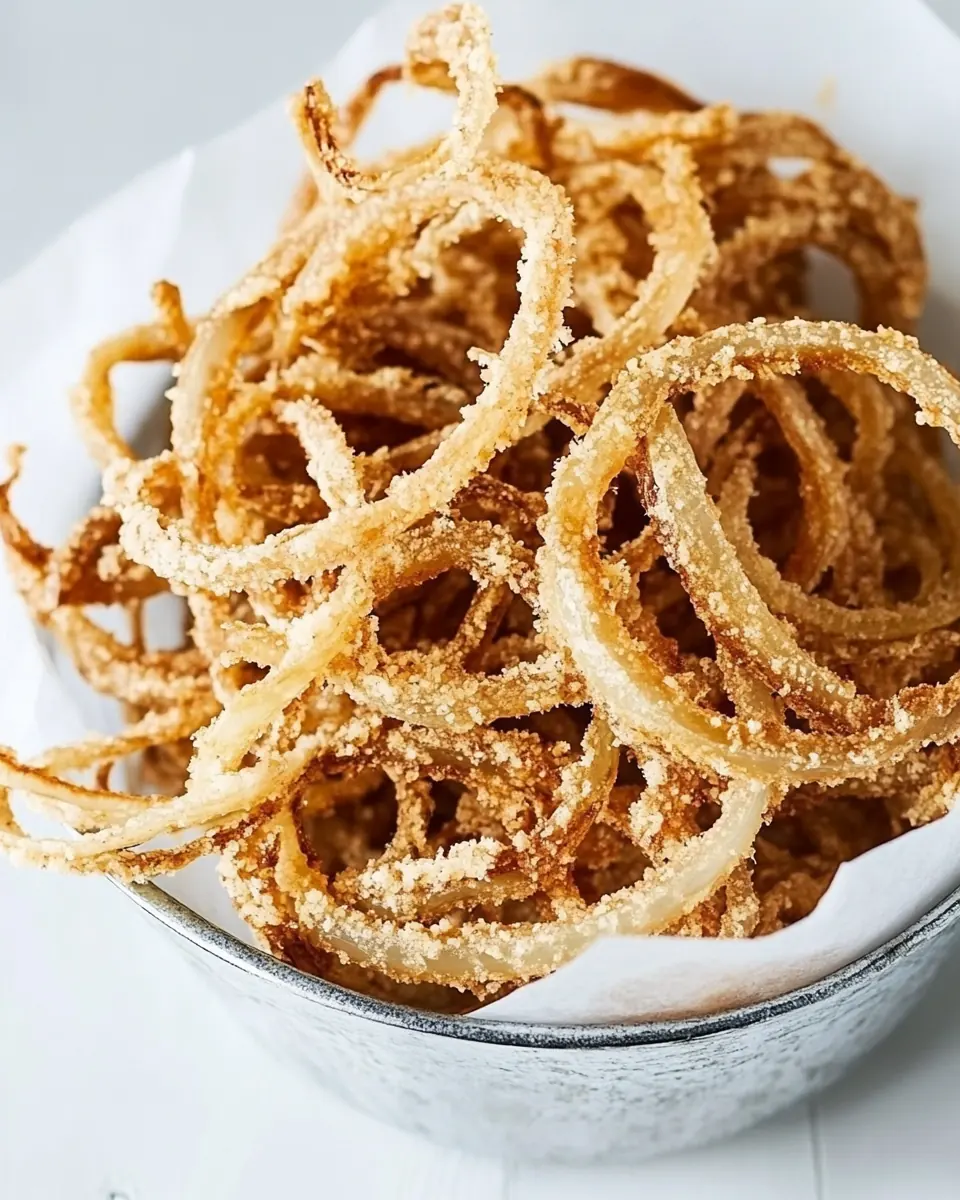
These components are intentionally simple so each player can contribute distinctly to the final crunchy bite. The onion is the star, the buttermilk and egg create a tangy, adhesive bath, and the flour plus southwest seasoning form the crisp shell. The frying oil is the workhorse that delivers even heat and that golden color we crave.
- 1 large yellow onion: Slice thin and caramelize slowly to develop sweet, mellow flavor that complements fried texture and adds a golden color to the finished dish. Use as the main component that crisps during frying and provides layered, tender rings beneath the seasoned crust.
- 1 cup buttermilk: Soak sliced onions in to tenderize and help the coating adhere while contributing a subtle tang that balances the savory seasoning. Use cold buttermilk to create a slightly acidic bath that reacts with flour for a lighter, more cohesive batter.
- 1 large egg: Whisk together with buttermilk to create a binding custard that helps the flour and seasoning cling to the onion slices. Provide structure and slight richness to the batter, aiding in browning and creating a crisp exterior.
- 2 cups flour: Dredge and coat soaked onion rings to form the primary dry base of the batter, creating a crisp, golden shell when fried. Combine with seasoning to control texture and thickness of the crust for even frying.
- 3 tablespoons southwest seasoning: Season the flour or batter to infuse bold, smoky-spicy flavors that define the dish’s profile and enhance the onion’s natural sweetness. Sprinkle or mix into the dry coating to ensure each ring has a balanced, zesty finish.
- oil for frying: Heat to the proper temperature to quickly crisp the coated onions and seal in moisture while achieving an even, golden brown exterior. Choose a neutral oil with a high smoke point and maintain steady heat for consistent frying results.
How to Prepare Fried Tobacco Onions
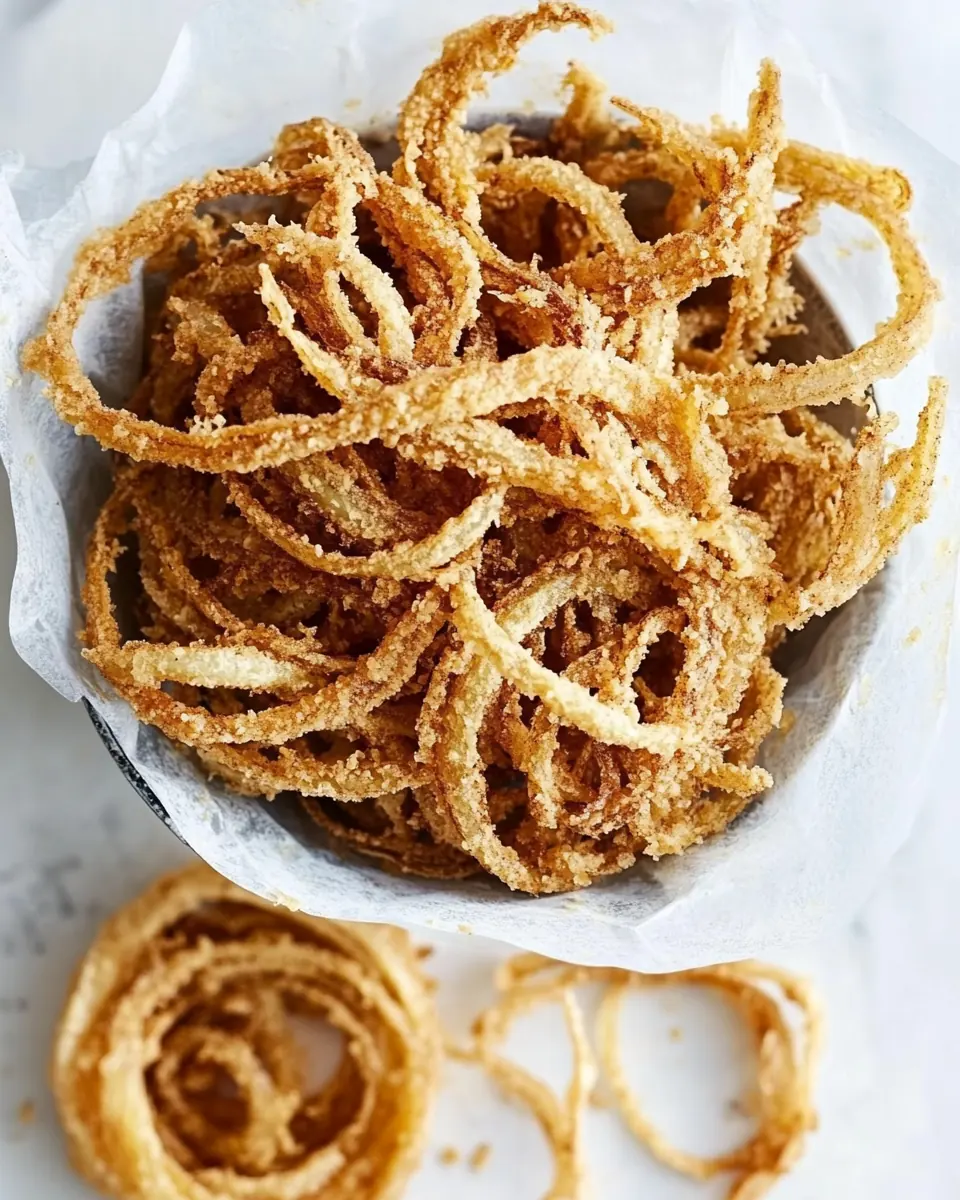
Frying these onions is a rhythmic process that rewards attention. The prep is straightforward, but the frying needs focus on temperature and timing so each slice comes out uniformly crisp. Work in small batches, and have a cool rack or paper towels ready to drain properly.
- Remove the ends and peel the onion.: The aroma at this stage is clean and vegetal, with a faint sulfur edge that fades as you slice. Properly trimmed onions give even rings that separate easily, which matters for uniform frying. A common error is leaving root ends intact, which holds layers together and prevents the slices from separating into individual strands.
- Thinly slice it using a mandolin. They should be almost translucent.: The sound of the blade is steady and precise, and the resulting slices look delicate and paper thin. Translucent slices fry quickly and develop a lacy, crisp texture. If the slices are uneven, they will cook at different rates, so steady, consistent pressure on the mandolin is key. Keep fingers safe with the guard to avoid injury.
- Next, in a deep bowl or cake dish, whisk together the buttermilk, egg, salt, and pepper until combined. Set it aside.: The wet mixture smells tangy and rich once the buttermilk and egg come together. This bath helps tenderize the onion edges slightly and ensures the flour adheres. If you skip the rest period you risk uneven adhesion, so let it rest briefly for cohesion.
- In a separate deep bowl or cake dish, mix the flour with the southwest seasonings. Set it aside.: The aroma of the spices blooms when combined with the flour , promising a savory crust. This dry mix needs to be well blended so every piece gets consistent seasoning. Pockets of unblended seasoning will cause some bites to be overpowering, so whisk thoroughly.
- Fill a medium-sized pot of oil filled to the halfway mark to 350°.: When heated to about 350° , the oil gives a steady sizzle and a faint shimmer on the surface. This temperature crisps the coating quickly without burning it. Use a thermometer to maintain accuracy because oil that is too hot will darken the crust while leaving the inside undercooked, and oil that is too cool will create greasy, oillogged pieces.
- Take a handful of the sliced onions and place them in the buttermilk-egg mixture pan and mix until coated.: The slices should glisten and feel slightly heavier as the wet mix clings. The buttermilk bath adds tang and helps the surface become tacky enough for the flour to adhere. If you crowd the bowl you can end up with clumps, so work with small portions for even coating.
- Shake off any excess buttermilk and transfer them to the pan with seasoned flour and thoroughly mix until the onions are breaded on all sides.: The tactile feedback is important here, you will feel the flour cling and a faint dustiness on the fingers. Properly dusted slices look evenly pale and slightly textured. Overworking them into the flour can create a thick, cakey layer; instead, gently toss until each slice is coated.
- Remove any excess flour and place in the hot oil and fry them for 2 to 4 minutes.: As the slices hit the oil you will hear an eager, lively sizzle, and tiny bubbles will race up the edges. Watch for a golden, amber color as the cue to pull them; this usually appears within about 2 to 4 minutes depending on thickness. Leaving them longer risks a bitter, overly dark crust, so monitor closely.
- Using a slotted spoon move the onions around so they don’t clump together and cook evenly.: Gentle stirring prevents clusters and encourages even contact with hot oil. The sound softens as moisture leaves and the pieces separate, and you will notice edges curling and darkening uniformly. If you skip this step the batch may form glued clumps that cook unevenly and trap steam, making them soggy rather than crisp.
- Place on a sheet tray with a rack or paper towels and drain any excess oil. Cook in batches.: The moment they leave the oil you will smell caramelized sugars and toasted notes, and the coating sets quickly as they cool. A rack preserves the underside crispness while paper towels absorb excess oil. Crowding the tray will steam the onions and ruin the texture, so arrange in a single layer.
- Serve hot or keep warm.: Fresh from the oil the surface crackles beneath your fingers, and the aroma is strong and inviting. To keep them crisp for serving, hold them in a warm oven on a rack rather than stacking them, which causes steam and sogginess. A typical mistake is covering the tray tightly, which traps steam and softens the crust.
Helpful Hints
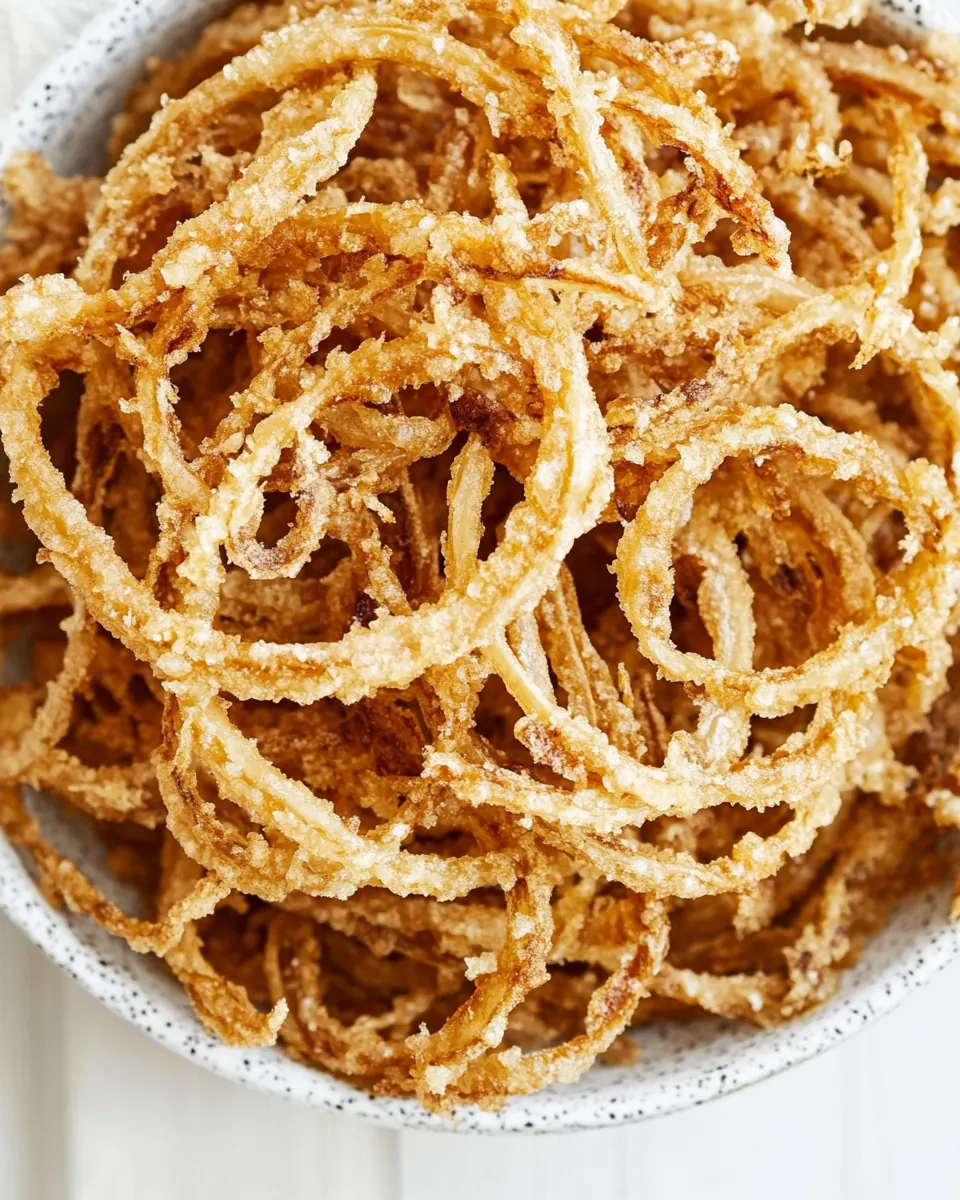
These short hints will help you refine technique and timing so Fried Tobacco Onions come out perfectly each time. Focus on temperature control, slice thickness, and draining strategy.
- Slice thin and consistent, use a mandolin guard to keep slices uniformly thin which ensures even frying and predictable timings.
- Maintain oil temperature, a reliable thermometer prevents the oil from dropping too low when you add batches, which keeps the crust from soaking up oil.
- Pat excess buttermilk, shake slices gently before flouring to avoid clumpy batter and to achieve a light, even coating.
- Fry in small batches, overcrowding the pot lowers the oil temperature and leads to unevenly cooked onions.
- Drain on a rack, this preserves airflow so bottoms stay crisp rather than becoming soggy on paper towels.
Perfect Pairings for Fried Tobacco Onions
These crunchy onions are flexible at the table and can act as a star snack or a supporting side. Consider the balance of textures and flavors when planning what to serve with them.
- As a snack, serve them warm next to dipping sauces for casual get togethers or game nights.
- As a sandwich topper, pile them on burgers or hearty sandwiches to add crunch and savory heat.
- For dinner sides, pair with roasted vegetables or grilled mains where the crispness provides contrast.
- Occasions, they work well for parties, casual dinners, and Ramadan if served alongside family style plates.
- Storage tips, refrigerate in a covered container for up to four days, and re-crisp in a 350° oven for several minutes before serving.
- Seasonal pairings, they brighten comfort food menus in cooler months and complement lighter summer plates when served alongside salads or grilled items.
FAQ
Conclusion
Fried Tobacco Onions shine because they turn a single humble onion into a crunchy, flavorful treat with little fuss. The interplay of a tangy wet bath and well seasoned flour yields a crisp shell and sweet interior that people love. Give them a try when you want an easy but striking side or snack, and you might find yourself reaching for this method whenever you want big texture with minimal effort.
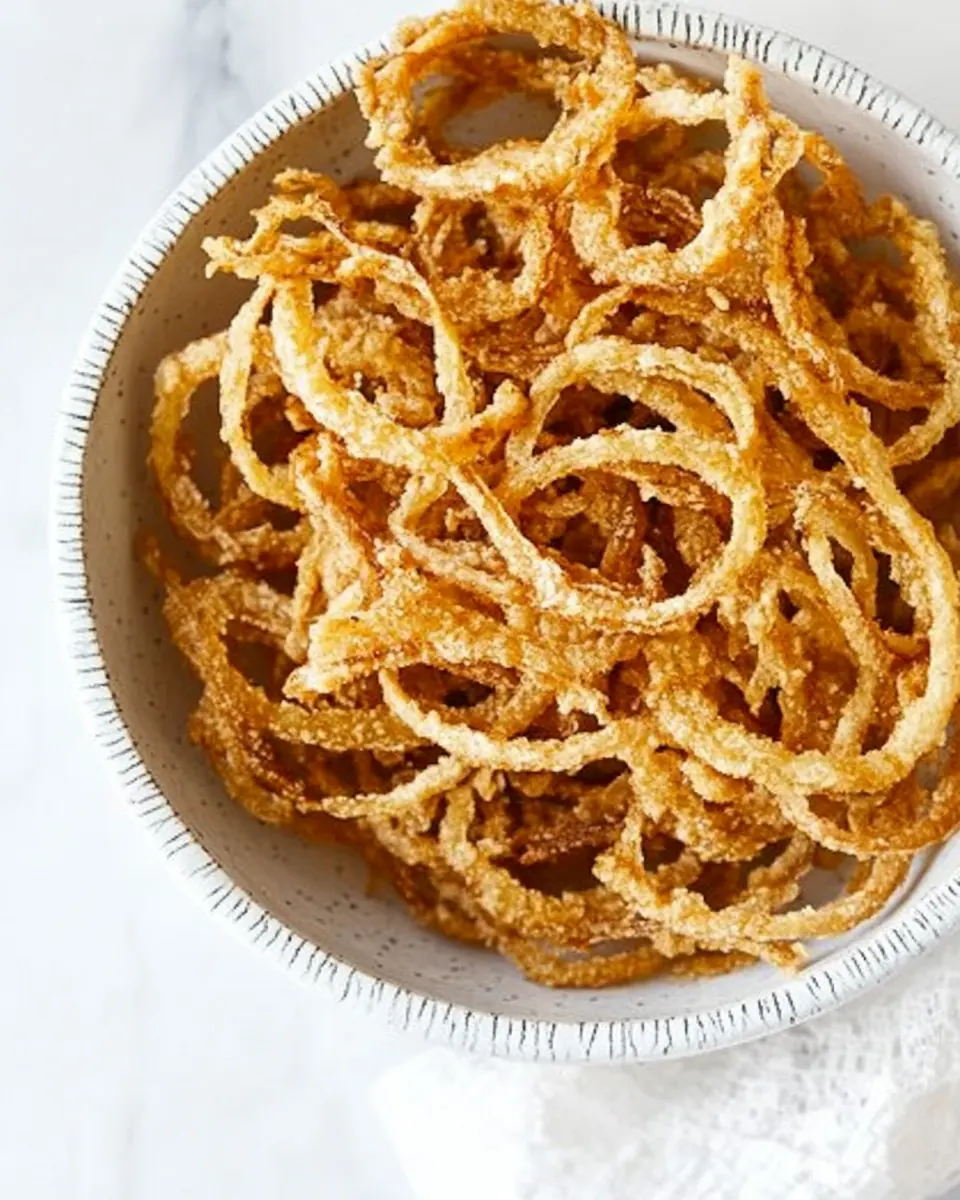
Fried Tobacco Onions
Ingredients
Equipment
Method
- Remove the ends and peel the onion.: The aroma at this stage is clean and vegetal, with a faint sulfur edge that fades as you slice. Properly trimmed onions give even rings that separate easily, which matters for uniform frying. A common error is leaving root ends intact, which holds layers together and prevents the slices from separating into individual strands.
- Thinly slice it using a mandolin. They should be almost translucent.: The sound of the blade is steady and precise, and the resulting slices look delicate and paper thin. Translucent slices fry quickly and develop a lacy, crisp texture. If the slices are uneven, they will cook at different rates, so steady, consistent pressure on the mandolin is key. Keep fingers safe with the guard to avoid injury.
- Next, in a deep bowl or cake dish, whisk together the buttermilk, egg, salt, and pepper until combined. Set it aside.: The wet mixture smells tangy and rich once the buttermilk and egg come together. This bath helps tenderize the onion edges slightly and ensures the flour adheres. If you skip the rest period you risk uneven adhesion, so let it rest briefly for cohesion.
- In a separate deep bowl or cake dish, mix the flour with the southwest seasonings. Set it aside.: The aroma of the spices blooms when combined with the flour , promising a savory crust. This dry mix needs to be well blended so every piece gets consistent seasoning. Pockets of unblended seasoning will cause some bites to be overpowering, so whisk thoroughly.
- Fill a medium-sized pot of oil filled to the halfway mark to 350°.: When heated to about 350° , the oil gives a steady sizzle and a faint shimmer on the surface. This temperature crisps the coating quickly without burning it. Use a thermometer to maintain accuracy because oil that is too hot will darken the crust while leaving the inside undercooked, and oil that is too cool will create greasy, oillogged pieces.
- Take a handful of the sliced onions and place them in the buttermilk-egg mixture pan and mix until coated.: The slices should glisten and feel slightly heavier as the wet mix clings. The buttermilk bath adds tang and helps the surface become tacky enough for the flour to adhere. If you crowd the bowl you can end up with clumps, so work with small portions for even coating.
- Shake off any excess buttermilk and transfer them to the pan with seasoned flour and thoroughly mix until the onions are breaded on all sides.: The tactile feedback is important here, you will feel the flour cling and a faint dustiness on the fingers. Properly dusted slices look evenly pale and slightly textured. Overworking them into the flour can create a thick, cakey layer; instead, gently toss until each slice is coated.
- Remove any excess flour and place in the hot oil and fry them for 2 to 4 minutes.: As the slices hit the oil you will hear an eager, lively sizzle, and tiny bubbles will race up the edges. Watch for a golden, amber color as the cue to pull them; this usually appears within about 2 to 4 minutes depending on thickness. Leaving them longer risks a bitter, overly dark crust, so monitor closely.
- Using a slotted spoon move the onions around so they don’t clump together and cook evenly.: Gentle stirring prevents clusters and encourages even contact with hot oil. The sound softens as moisture leaves and the pieces separate, and you will notice edges curling and darkening uniformly. If you skip this step the batch may form glued clumps that cook unevenly and trap steam, making them soggy rather than crisp.
- Place on a sheet tray with a rack or paper towels and drain any excess oil. Cook in batches.: The moment they leave the oil you will smell caramelized sugars and toasted notes, and the coating sets quickly as they cool. A rack preserves the underside crispness while paper towels absorb excess oil. Crowding the tray will steam the onions and ruin the texture, so arrange in a single layer.
- Serve hot or keep warm.: Fresh from the oil the surface crackles beneath your fingers, and the aroma is strong and inviting. To keep them crisp for serving, hold them in a warm oven on a rack rather than stacking them, which causes steam and sogginess. A typical mistake is covering the tray tightly, which traps steam and softens the crust.
Notes
- Slice thin and consistent, use a mandolin guard to keep slices uniformly thin which ensures even frying and predictable timings.
- Maintain oil temperature, a reliable thermometer prevents the oil from dropping too low when you add batches, which keeps the crust from soaking up oil.
- Pat excess buttermilk, shake slices gently before flouring to avoid clumpy batter and to achieve a light, even coating.
- Fry in small batches, overcrowding the pot lowers the oil temperature and leads to unevenly cooked onions.
- Drain on a rack, this preserves airflow so bottoms stay crisp rather than becoming soggy on paper towels.