Chocolate Chip Pudding Cookies
Chocolate Chip Pudding Cookies have been my go to for whenever I need a comforting tray of cookies that feel both nostalgic and a touch clever. The first time I made them I remember the soft, pillowy crumb and the way the chocolate chips glinted as the cookies settled, and from that moment I kept the recipe tucked into my back pocket for bake sales, last minute guests, and quiet Sunday afternoons.
These cookies are the sort of thing I make when I want to impress without fussing. I like how the instant pudding powder quietly changes the texture without shouting its presence, and how a modest chill in the fridge helps the dough behave during baking. Over the years I have learned small habits that lift the final result, little changes that make the cookies more reliably tender and perfectly shaped.
Recipe Snapshot
45 mins
35 mins
10 mins
Medium
150 kcal
American
Gluten-Free, Low FODMAP
Desserts
Large mixing bowl, Mixer, Medium bowl, Baking sheet, Parchment paper or silicone mat, Cooling rack, Measuring cups and spoons
Why This Chocolate Chip Pudding Cookies Is a Winner
Unexpected Tenderness
I love how Chocolate Chip Pudding Cookies deliver a tender crumb that still holds its shape. The instant pudding mix adds moisture and structure at the same time, so you get cookies that are soft in the center yet not cakey. When I bite into one fresh from the baking sheet, the interior feels almost custardy, while the edges give a gentle resistance.
Reliable Results Every Time
One reason I keep returning to this recipe is consistency. Even when I am rushing, the dough is forgiving. I find that resting the dough for a short while makes scooping more precise and the cookies spread predictably in the oven. For busy home bakers, that predictability is a small miracle.
Chocolate Focused, Not Overwhelming
The balance of semi sweet chocolate chips and slightly caramelized brown sugar creates a satisfying chocolate forward bite. I often sneak a peek midway through baking, enjoying the scent of warm chocolate and browned butter notes even when the butter started at room temperature.
Simple, Friendly Ingredients
What appeals to me is how accessible the ingredient list is. You do not need specialty supplies or obscure flours, just pantry stalwarts like all purpose flour, sugar, and an instant pudding packet. This makes the cookies approachable when you want to whip something up on short notice.
Great for Sharing and Gifting
These cookies carry well and make a warm, welcome gift. I like packaging them in a simple box or a paper bag tied with string. They feel homemade but a little refined, and people often ask what makes them so soft, which is the perfect compliment.
Chocolate Chip Pudding Cookies Shopping List
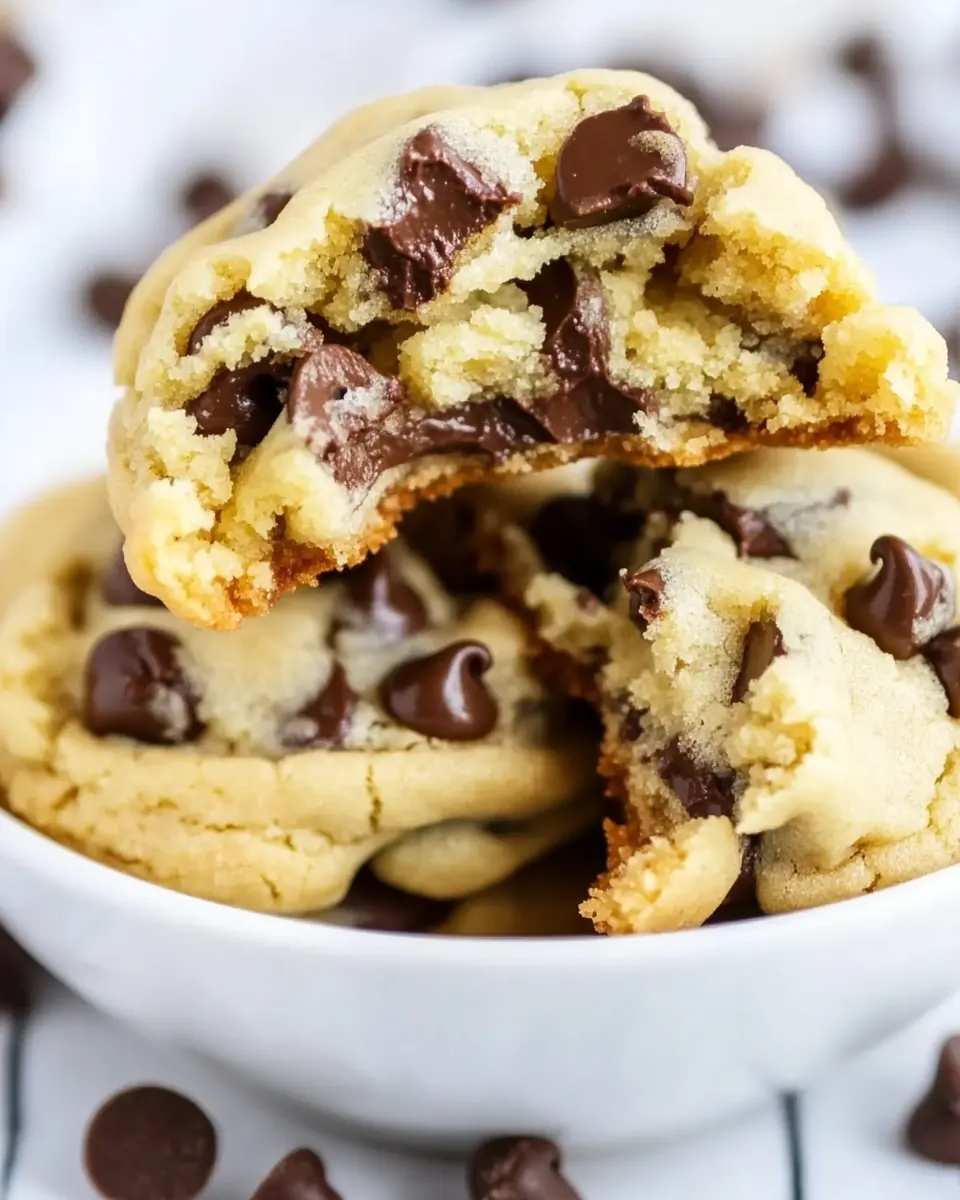
I believe great cookies start with smart, straightforward ingredients that work together. Here the key players are the butter for richness, sugars for sweetness and browning, the instant pudding for moisture and tender crumb, and the chocolate chips for pockets of melty indulgence. These elements combine to produce cookies that are soft yet structured, with a familiar chocolate chip profile enhanced by a silkier interior.
- 1 cup unsalted butter (room temperature): Cream thoroughly to create a light, aerated base that helps with spreading and texture; contributes rich flavor and tender crumb when baked. Use at room temperature to ensure even incorporation with sugars and eggs for a smooth dough. Adds moisture and richness that balances the dry ingredients while promoting a soft cookie interior.
- 1/2 cup brown sugar: Provide deep, caramel-like sweetness and moisture while aiding in overall chewiness and color development during baking. Cream with butter to dissolve and integrate well, helping to create a tender structure. Balances the sweetness of granulated sugar for a more complex flavor.
- 1/2 cup granulated sugar: Contribute clean sweetness and help with creaming to incorporate air into the dough, promoting lift and structure. Dissolve with butter and brown sugar to form a smooth, homogeneous mixture that browns evenly. Help balance textures so cookies are not overly dense.
- 2 eggs (room temperature): Bind the ingredients together while adding structure, moisture, and richness; eggs also help with leavening through steam and coagulation. Use at room temperature to achieve even mixing and a consistent dough. Contribute to a tender yet set crumb and help emulsify fats and liquids for uniform texture.
- 1 teaspoon vanilla extract: Add a warm, aromatic sweetness that enhances the overall flavor profile and complements the vanilla notes in the instant pudding. Stir into the wet ingredients to distribute flavor evenly throughout the dough. Helps round out and brighten the cookie’s taste without overpowering other elements.
- 2 1/2 cups all-purpose flour: Provide the bulk of the cookie’s dry structure and determine texture ranging from tender to chewy depending on mixing and flour amount. Sift or measure accurately to maintain proper dough hydration and prevent overly dense cookies. Interacts with leaveners to create the desired rise and crumb.
- 3.4 ounces instant vanilla pudding mix: Introduce concentrated vanilla flavor while contributing additional structure and moisture through its starches and sugars, yielding a soft, cake-like texture. Mix into the dry ingredients to distribute evenly, where it helps retain moisture and slightly change dough consistency. Enhances overall flavor and produces a tender bite.
- 1 teaspoon baking powder: Act as a chemical leavener to provide lift and lightness, working with the baking soda to control the rise and browning of the cookies. Measure precisely to avoid an overly metallic or bitter taste, and combine with other dry ingredients for even distribution. Helps set the cookie’s shape and texture during baking.
- 1 teaspoon baking soda: React with acidic components (such as brown sugar and pudding mix) to produce carbon dioxide for additional leavening and spreading control. Use alongside baking powder to balance the leavening and achieve proper rise and chewiness. Also contributes to browning and a slightly crisp edge when combined correctly.
- 1/2 teaspoon salt: Enhance and balance flavors while tightening gluten development just enough to affect texture, preventing cookies from tasting flat or overly sweet. Dissolve into the dry mixture to ensure even seasoning throughout the dough. Helps bring out the chocolate and vanilla flavors without being detectable on its own.
- 1 1/2 cups semi-sweet chocolate chips: Provide rich pockets of chocolate flavor and varying texture, adding chewiness and bursts of sweetness throughout the cookie. Stir into the dough at the end to avoid overmixing and to ensure even distribution for consistent bites. Melt slightly during baking to create gooey centers while some chips remain intact for texture contrast.
Step by Step Instructions for Chocolate Chip Pudding Cookies
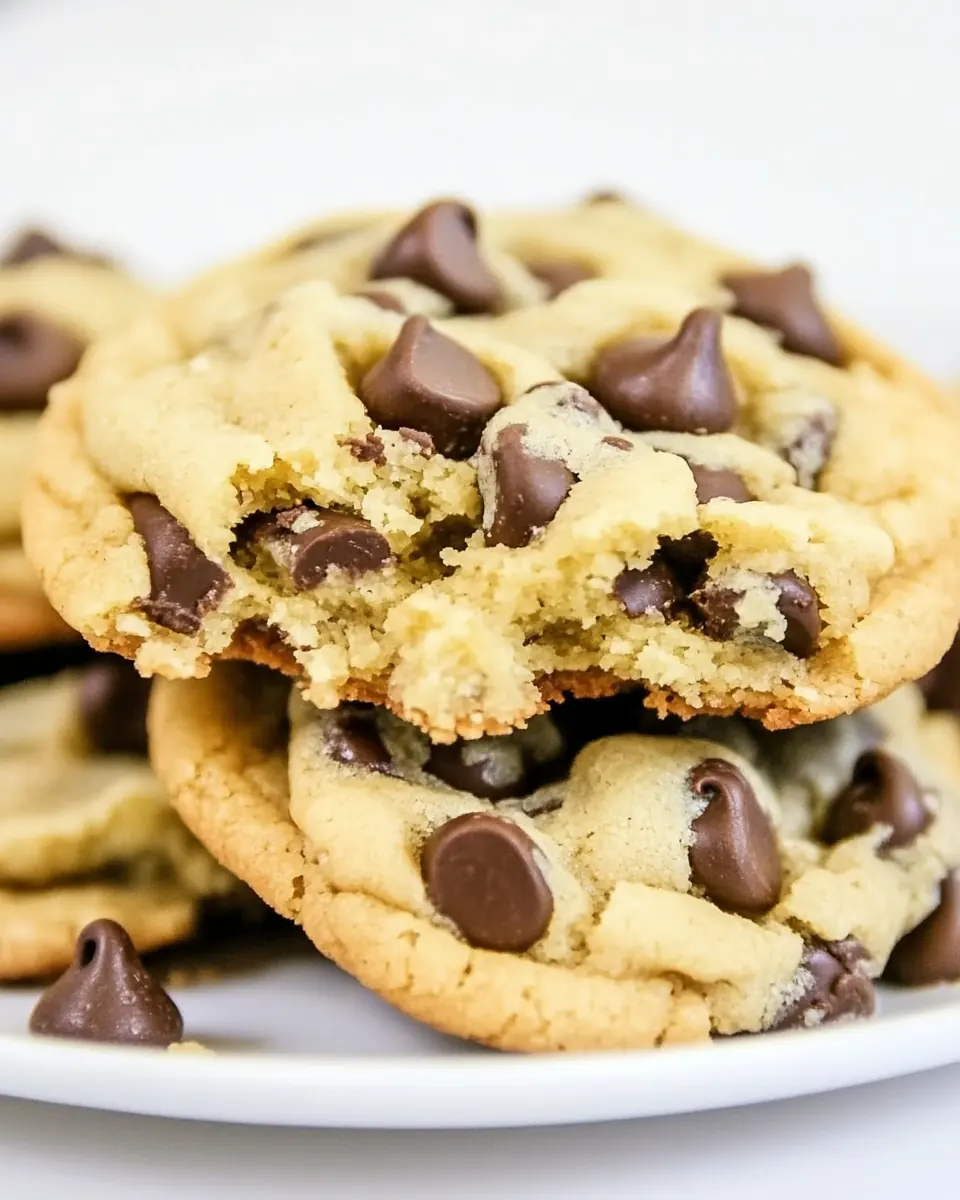
These directions will guide you from mixing to cooling with attention to small details that change the final cookie. Read through each core step, then follow the sensory cues and troubleshooting notes so your batch turns out just how you like it.
- In a large mixing bowl, on medium speed, cream together the butter, brown sugar and granulated sugar for 1 to 2 minutes. Add the eggs, one at a time, and vanilla extract and continue to mix for an additional 1 to 2 minutes or until all the ingredients are incorporated.: You will notice the butter and sugars transform into a pale, fluffy cream with a slightly glossy surface, and the aroma becomes sweet and buttery. This aeration helps the cookies rise gently and contributes to a tender interior. If the mixture looks greasy, the butter was too warm, and you should chill slightly before continuing. Avoid undercreaming, which can leave the sugars gritty and prevent proper incorporation of the eggs.
- In a medium bowl, mix together the all-purpose flour, instant vanilla pudding mix (just the dry powder – do not make the pudding), baking powder, baking soda and salt.: As you add each egg, the batter will loosen and become silkier, and you will see streaks disappear as it becomes homogenous. The batter should look smooth and slightly glossy, with a pleasant vanilla scent developing. If you see curdling, it usually means the butter and eggs were at very different temperatures, so scrape the bowl and mix gently until smooth. Overmixing at this stage can incorporate too much air, leading to flatter cookies.
- While your mixer is on low, slowly add your dry ingredients to your wet ingredients just until they are incorporated. Do not over mix.: The dry mixture should be evenly combined so that the leaveners and salt are distributed uniformly. You will notice the powdery, pale tones of the flour contrasted with the finer pudding granules. Whisking briefly removes lumps and ensures every bite rises the same. If you skip this step, pockets of baking soda can create odd flavor pockets or uneven texture.
- Fold your chocolate chips into your batter evenly.: As the dry mix disappears into the batter, you will see the dough thicken and take on a slightly denser sheen. Stop mixing as soon as streaks of flour vanish so the gluten does not overdevelop, which would make the cookies tough. If you notice the mixer struggling or the dough becoming sticky and elastic, you may have overmixed; chill the dough briefly to relax the gluten before continuing.
- Chill your batter for 30 minutes or until your oven has time to pre-heat.: Folding by hand lets you feel the dough and ensures gentle incorporation so the chips remain distributed without deflating the dough. You should see pockets of dark chocolate contrasted against the pale dough, and the batter should feel soft and slightly tacky. If the chips clump, gently separate them with your spatula; do not overwork the dough, or the texture will suffer.
- Preheat the oven to 350°F. Line a large rimmed baking sheet with parchment paper or a silicone mat.: Chilling firms the dough, which reduces spread and concentrates flavors. The chilled dough will feel more solid and easier to scoop, and the cookies will develop a slightly chewier texture after baking. If you skip chilling, the cookies may spread too thin and bake faster, losing that tender center. If the dough becomes rock hard, let it rest briefly at room temperature until scoopable.
- Scoop 1 inch (or 1 tablespoon) sized balls of cookie dough and place them 2 inches apart on your prepared baking sheet. You can use any leftover chips to place 3 to 4 on top of your dough balls if you want to make your cookies a little prettier.: Preheating creates an environment where cookies set properly, and the lined sheet prevents sticking and promotes even browning. The oven should be at full temperature before the cookies go in, otherwise they can spread erratically. If your oven runs hot or cold, use an oven thermometer to adjust accordingly, because inconsistent heat changes the final texture.
- Bake for 10 minutes. Do not overbake your cookies. They should just look set (not raw) in the middle.: The dough balls should look uniform and slightly rounded; spacing helps heat circulate so they bake evenly. You might press a few extra chocolate chips on top for a prettier finish and a burst of chocolate on the top surface. If the dough sticks to your scoop, dip it in cold water between scoops, and avoid crowding the sheet which causes merging and uneven baking.
- Once baked, transfer your cookies to a cooling rack for 5 minutes or until they cool completely.: Watch for the edges to set and gain a light golden color while the centers still look slightly soft. The aroma will be warm and chocolate forward, with a hint of caramel from the sugars. Removing them too late results in dry cookies, so take them out while the middle looks just set. If the tops puff too much, your oven may be too hot, so lower the temperature slightly next time.
- Once baked, transfer your cookies to a cooling rack for 5 minutes or until they cool completely: As cookies cool, they finish setting and develop their final texture, and the chocolate chips begin to firm but stay melty inside. The bottoms should feel set and not doughy when lifted. If you leave them on the hot sheet too long they will continue cooking and may become firmer than desired, so move them promptly to cool air.
Customization Ideas
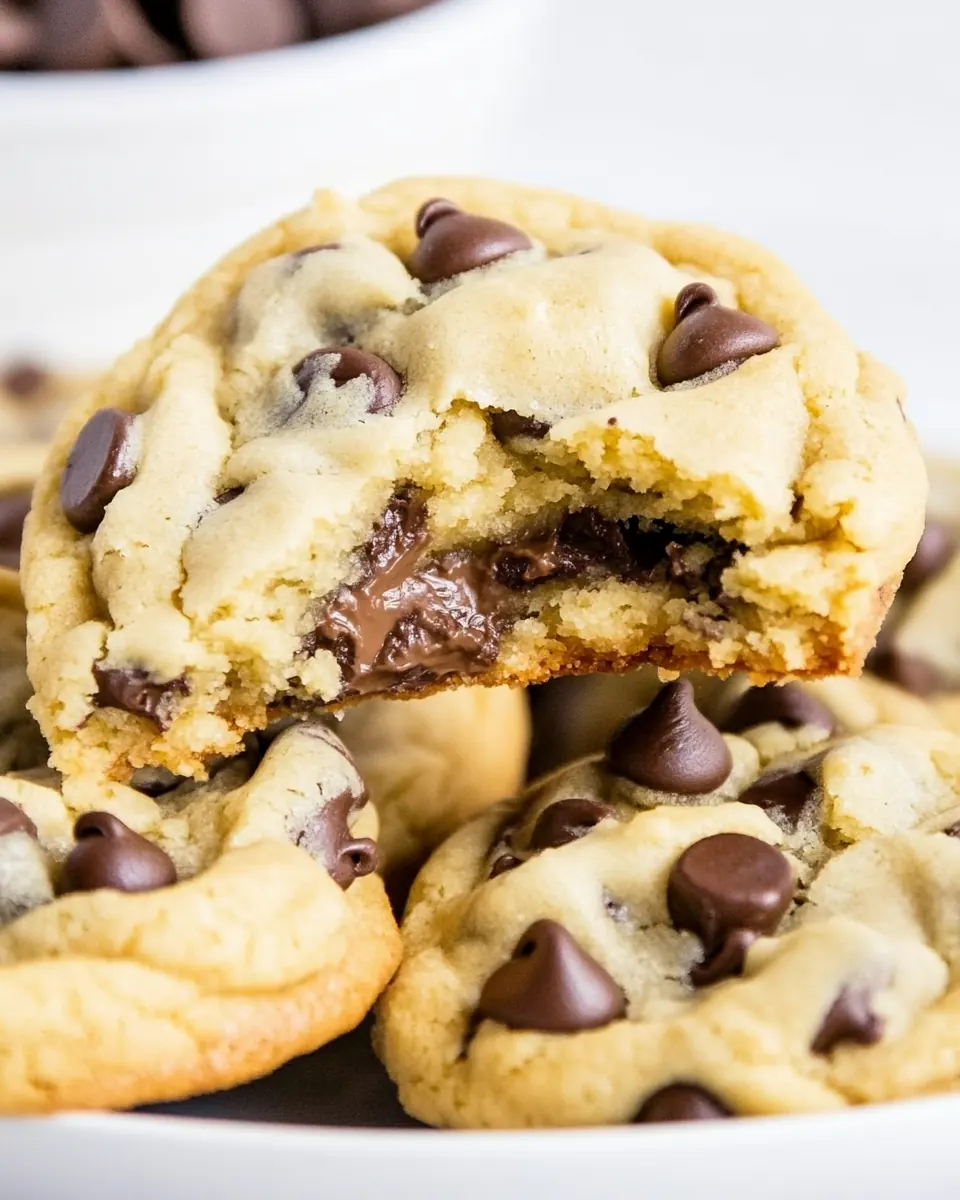
Small tweaks can personalize these cookies while keeping the same comforting texture. Below are practical, tested ideas that let you play with flavor, texture, and presentation without breaking the recipe.
- Swap chocolate chip ratios Change how chocolate forward the cookies are by adjusting the semi-sweet chocolate chips amount, or press a few extra on top before baking for a glossy, bakery style finish.
- Adjust sugar balance Increase the brown sugar slightly for chewier, moister cookies, or reduce it a touch if you prefer a lighter sweetness and crisper edges.
- Chill time variations For thicker cookies, chill the dough longer than 30 minutes; for a faster bake, skip chilling but expect more spread.
- Presentation touches Press extra chips or a sprinkle of coarse sugar on top just before baking to create attractive, camera ready cookies.
- Batch freezing Scoop dough onto a tray and freeze, then transfer to a bag for fresh baked cookies directly from the freezer, adding a minute or two to baking time.
How to Enjoy Chocolate Chip Pudding Cookies
These cookies are versatile enough for casual snacking, gifting, or a sweet finish to a meal. They travel well, and the soft centers hold up for a day or two at room temperature in an airtight container. Below are ideas for occasions, pairings, and storage to help you get the most from every batch.
- Casual snack Pack a few in a lunchbox with fruit and a small treat for a balanced afternoon bite that feels indulgent but simple.
- After dinner treat Serve warm with a cold beverage for a cozy finish to a family meal, the contrast of warm cookie and cool drink is comforting.
- Bake sale or party Arrange on a platter with a few extra chocolate chips pressed on top for visual appeal; they are attractive and universally loved.
- Gift giving Layer in a small box with parchment and tie with string for a homemade gift that feels thoughtful and approachable.
- Storage tips Keep in an airtight container at room temperature for up to three days, or freeze baked cookies for longer storage and thaw at room temperature before serving.
- Seasonal pairing These cookies fit any season, they are equally welcome at summer picnics or winter cookie exchanges because of their familiar, comforting flavor profile.
FAQ
Conclusion
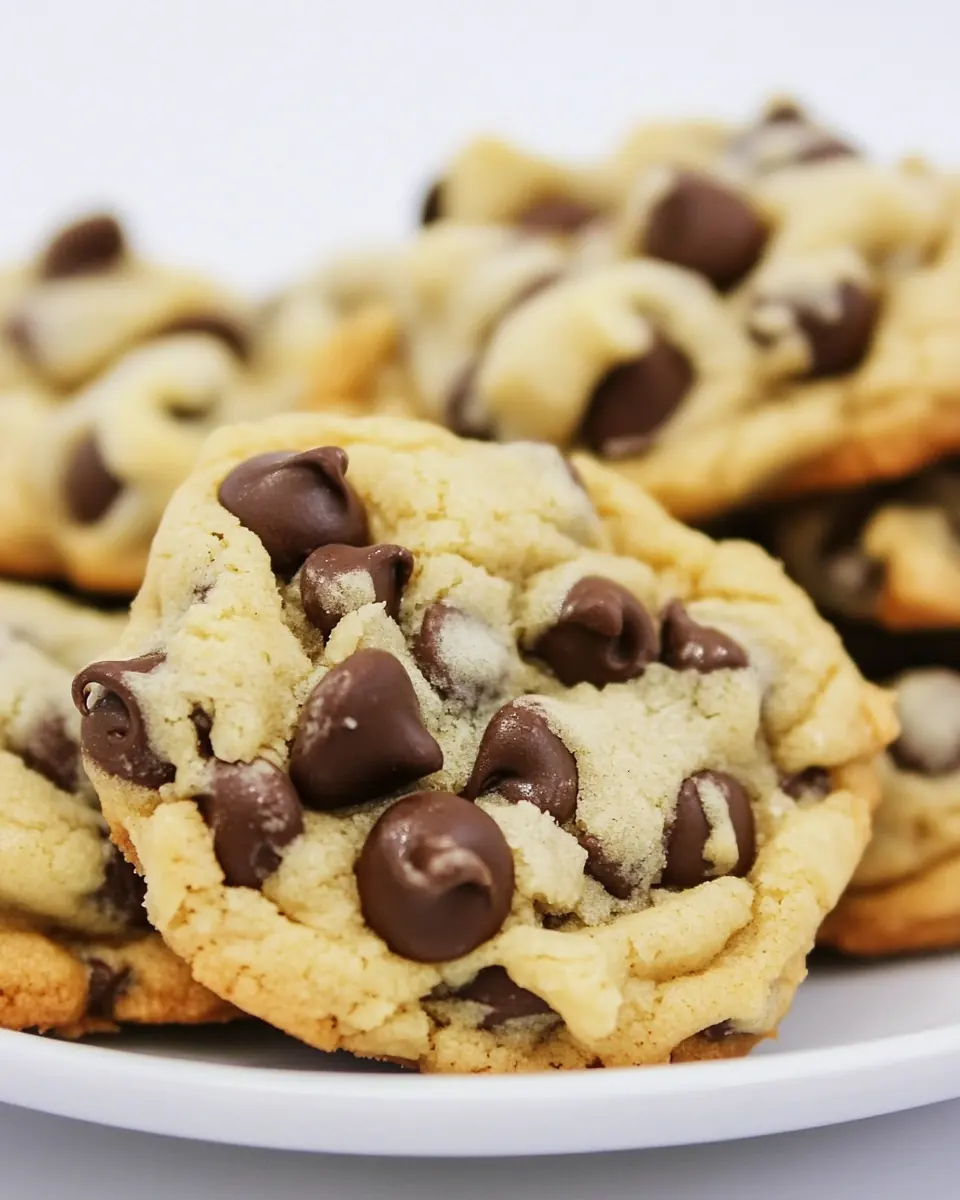
What makes these Chocolate Chip Pudding Cookies special is the way the instant pudding mix creates a tender, almost custard like interior while the chips give pockets of molten chocolate in every bite. The recipe is forgiving and consistent, so you can rely on it for everything from weekday baking to special occasions. Give the method a try, experiment with small tweaks like chilling time, and you will find a go to cookie that friends and family ask for again and again. I hope this batch becomes one of your favorites for comfort baking and sharing.
Chocolate Chip Pudding Cookies
Ingredients
Equipment
Method
- In a large mixing bowl, on medium speed, cream together the butter, brown sugar and granulated sugar for 1 to 2 minutes. Add the eggs, one at a time, and vanilla extract and continue to mix for an additional 1 to 2 minutes or until all the ingredients are incorporated.: You will notice the butter and sugars transform into a pale, fluffy cream with a slightly glossy surface, and the aroma becomes sweet and buttery. This aeration helps the cookies rise gently and contributes to a tender interior. If the mixture looks greasy, the butter was too warm, and you should chill slightly before continuing. Avoid undercreaming, which can leave the sugars gritty and prevent proper incorporation of the eggs.
- In a medium bowl, mix together the all-purpose flour, instant vanilla pudding mix (just the dry powder - do not make the pudding), baking powder, baking soda and salt.: As you add each egg, the batter will loosen and become silkier, and you will see streaks disappear as it becomes homogenous. The batter should look smooth and slightly glossy, with a pleasant vanilla scent developing. If you see curdling, it usually means the butter and eggs were at very different temperatures, so scrape the bowl and mix gently until smooth. Overmixing at this stage can incorporate too much air, leading to flatter cookies.
- While your mixer is on low, slowly add your dry ingredients to your wet ingredients just until they are incorporated. Do not over mix.: The dry mixture should be evenly combined so that the leaveners and salt are distributed uniformly. You will notice the powdery, pale tones of the flour contrasted with the finer pudding granules. Whisking briefly removes lumps and ensures every bite rises the same. If you skip this step, pockets of baking soda can create odd flavor pockets or uneven texture.
- Fold your chocolate chips into your batter evenly.: As the dry mix disappears into the batter, you will see the dough thicken and take on a slightly denser sheen. Stop mixing as soon as streaks of flour vanish so the gluten does not overdevelop, which would make the cookies tough. If you notice the mixer struggling or the dough becoming sticky and elastic, you may have overmixed; chill the dough briefly to relax the gluten before continuing.
- Chill your batter for 30 minutes or until your oven has time to pre-heat.: Folding by hand lets you feel the dough and ensures gentle incorporation so the chips remain distributed without deflating the dough. You should see pockets of dark chocolate contrasted against the pale dough, and the batter should feel soft and slightly tacky. If the chips clump, gently separate them with your spatula; do not overwork the dough, or the texture will suffer.
- Preheat the oven to 350°F. Line a large rimmed baking sheet with parchment paper or a silicone mat.: Chilling firms the dough, which reduces spread and concentrates flavors. The chilled dough will feel more solid and easier to scoop, and the cookies will develop a slightly chewier texture after baking. If you skip chilling, the cookies may spread too thin and bake faster, losing that tender center. If the dough becomes rock hard, let it rest briefly at room temperature until scoopable.
- Scoop 1 inch (or 1 tablespoon) sized balls of cookie dough and place them 2 inches apart on your prepared baking sheet. You can use any leftover chips to place 3 to 4 on top of your dough balls if you want to make your cookies a little prettier.: Preheating creates an environment where cookies set properly, and the lined sheet prevents sticking and promotes even browning. The oven should be at full temperature before the cookies go in, otherwise they can spread erratically. If your oven runs hot or cold, use an oven thermometer to adjust accordingly, because inconsistent heat changes the final texture.
- Bake for 10 minutes. Do not overbake your cookies. They should just look set (not raw) in the middle.: The dough balls should look uniform and slightly rounded; spacing helps heat circulate so they bake evenly. You might press a few extra chocolate chips on top for a prettier finish and a burst of chocolate on the top surface. If the dough sticks to your scoop, dip it in cold water between scoops, and avoid crowding the sheet which causes merging and uneven baking.
- Once baked, transfer your cookies to a cooling rack for 5 minutes or until they cool completely.: Watch for the edges to set and gain a light golden color while the centers still look slightly soft. The aroma will be warm and chocolate forward, with a hint of caramel from the sugars. Removing them too late results in dry cookies, so take them out while the middle looks just set. If the tops puff too much, your oven may be too hot, so lower the temperature slightly next time.
- Once baked, transfer your cookies to a cooling rack for 5 minutes or until they cool completely: As cookies cool, they finish setting and develop their final texture, and the chocolate chips begin to firm but stay melty inside. The bottoms should feel set and not doughy when lifted. If you leave them on the hot sheet too long they will continue cooking and may become firmer than desired, so move them promptly to cool air.
Notes
- Swap chocolate chip ratios Change how chocolate forward the cookies are by adjusting the semi-sweet chocolate chips amount, or press a few extra on top before baking for a glossy, bakery style finish.
- Adjust sugar balance Increase the brown sugar slightly for chewier, moister cookies, or reduce it a touch if you prefer a lighter sweetness and crisper edges.
- Chill time variations For thicker cookies, chill the dough longer than 30 minutes; for a faster bake, skip chilling but expect more spread.
- Presentation touches Press extra chips or a sprinkle of coarse sugar on top just before baking to create attractive, camera ready cookies.
- Batch freezing Scoop dough onto a tray and freeze, then transfer to a bag for fresh baked cookies directly from the freezer, adding a minute or two to baking time.