Blackened Shrimp
Blackened Shrimp has been one of those recipes that always brings back the smell of summer nights at my neighborhood market, the sizzle of a hot pan, and the small joyful chaos of friends crowded around my kitchen counter. I remember the first time I nailed the seasoning balance, how the spices created a crust that snapped when I bit into a perfectly cooked piece of shrimp, sending a warm, peppery aroma through the room. That moment reminded me that simple ingredients, treated with attention, can feel like a celebration.
Over the years I’ve adjusted proportions and timing until the technique felt intuitive. I like to think of Blackened Shrimp as a quick little ritual, one that turns an ordinary weeknight into something a bit more focused and satisfying. The key is the contrast between the smoky spice rub and the tender, slightly sweet flesh of the shrimp. I often find myself pausing to inhale that fragrant steam as it rises from the skillet, and I suspect you will too.
Recipe Snapshot
15 mins
10 mins
5 mins
Easy
250 kcal
American
Gluten-Free, Paleo
Dinner
Skillet, Mixing bowl, Tongs
The Beauty of This Blackened Shrimp
Bold flavor in minutes
I love how Blackened Shrimp delivers intense, layered taste with very little hands on time. The spice mix browns quickly, giving a rich crust that reads as smoky and slightly sweet, which makes this a brilliant choice when you want big impact fast.
Versatile for many occasions
This recipe is as comfortable on a casual weeknight as it is plated for guests. I often double the batch for gatherings because the spices travel well and the finished shrimp stays lively even as it cools.
Simple ingredient list
What draws me to this dish is how few pantry staples are needed. With a handful of spices, some olive oil, and fresh shrimp, you get a dish that feels composed and restaurant worthy without a long shopping list.
Textural payoff
The contrast between the crisp, blackened exterior and the succulent interior is what keeps me coming back. When cooked properly, each bite offers a slight crunch followed by a juicy, tender bite of shrimp, and it always feels like a small victory.
Customizable heat and aroma
I appreciate that the recipe lets you tune the warmth and aromatics. I sometimes nudge the cayenne up a pinch for company who like heat, while keeping the brown sugar and paprika steady to preserve that caramelized edge and deep color.
Key Ingredients for Blackened Shrimp
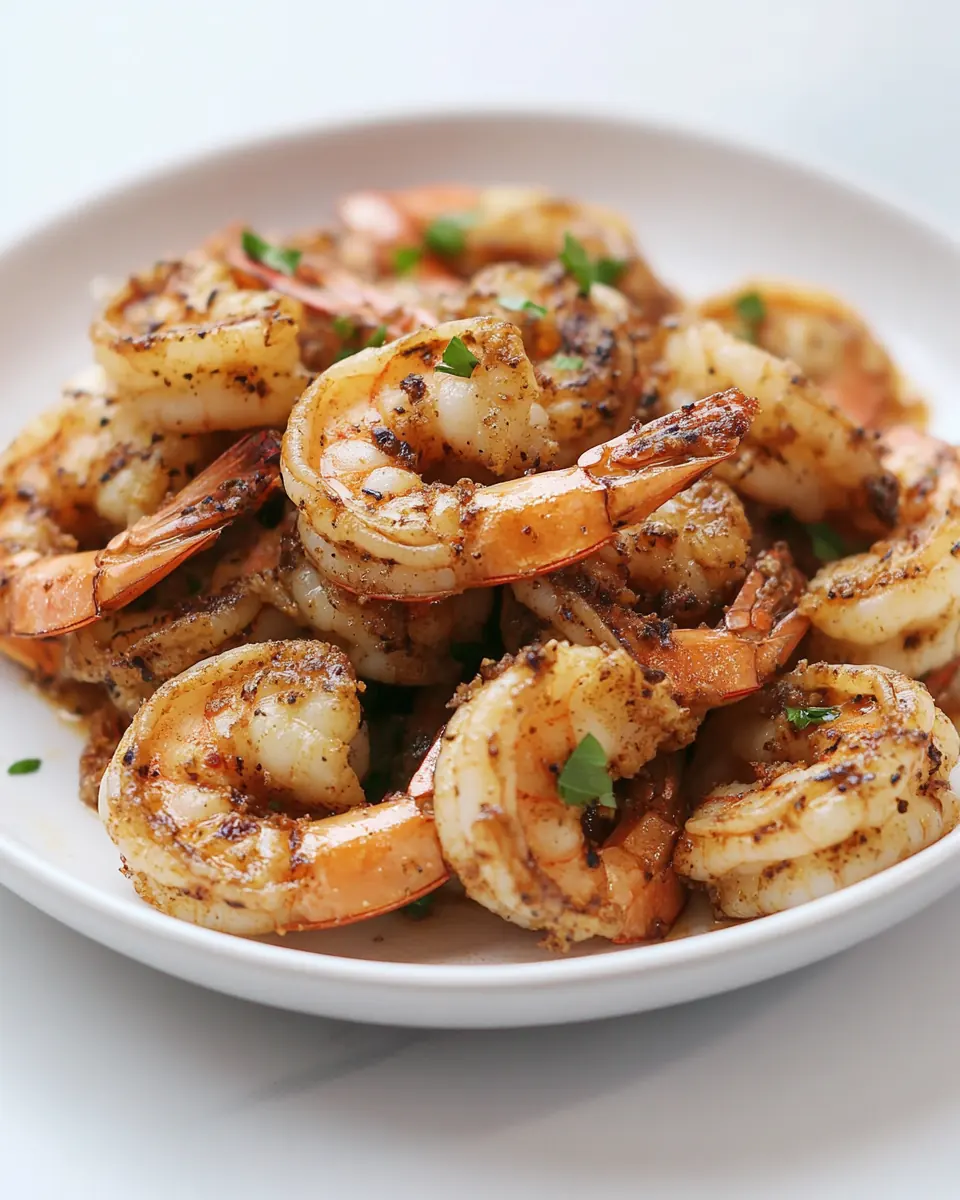
The philosophy behind these ingredients is straightforward: build a compact, intensely flavored spice rub, coat the shrimp for even seasoning, and use high heat to create a crisp, aromatic exterior. Each element has a job, from the oily sheen that helps the spices bloom, to the brown sugar that promotes caramelization. Together they produce a pronounced crust and a juicy interior.
- 1 pound large shrimp peeled, deveined, and patted dry with paper towels: Pat dry and prepare as the primary protein; provides sweet, briny flavor and tender texture when cooked quickly. Helps carry the blackened spice coating and absorbs seasoning for even flavor distribution. Cook until opaque and firm to preserve juiciness and avoid toughness.
- 1 tablespoon olive oil: Lightly coat to help spices adhere and promote even browning; contributes a subtle fruity flavor and healthy fats. Facilitates the formation of a crisp exterior on the shrimp when seared in a hot skillet. Use sparingly to prevent greasiness while ensuring proper contact with the pan.
- 3 garlic cloves minced: Finely mince to release aromatic oils and pungent flavor; adds savory depth and a subtle sharpness that complements the spice mix. Incorporate into the oil or rub to infuse the shrimp during cooking without overpowering. Balances heat with its aromatic, slightly sweet notes.
- 1 teaspoon paprika: Provide a mild smoky sweetness that enhances the overall blackened profile and deepens color on the crust. Blend into the spice mix to contribute warmth and a rounded flavor that pairs well with chili and cumin. Use measured amounts to avoid masking more delicate shrimp flavors.
- 3/4 teaspoon garlic powder: Add a concentrated garlic aroma in dry form that intensifies savory notes without adding moisture. Include in the rub for consistent distribution and long-lasting flavor that melds with fresh garlic. Works well to boost umami and enhance the overall seasoning.
- 3/4 teaspoon dried oregano: Contribute an earthy, slightly bitter herbal note that brightens the spice blend and echoes classic Cajun flavors. Mix into the seasoning to add complexity and a Mediterranean herbal undertone. Complements both the heat and sweetness elements in the rub.
- 2 teaspoons chili powder: Deliver the primary heat element and a warm, slightly smoky chili backbone to the seasoning mix. Use as a dominant spice for traditional blackened flavor, balancing against sweeter and savory components. Adjust quantity to control overall spiciness of the dish.
- 1/2 teaspoon onion powder: Provide a mild, sweet onion flavor in concentrated form that supports savory depth without adding moisture. Blend into the dry rub to round out the spice profile and enhance overall aroma. Helps create a fuller, more balanced seasoning.
- 2 pinch cayenne pepper: Introduce sharp, potent heat in small amounts to elevate spiciness and provide a lingering kick. Sprinkle judiciously in the rub to intensify the blackened effect without overwhelming other spices. Use caution for sensitivity to capsaicin but include for characteristic fire.
- 1/4 teaspoon black pepper: Supply a fragrant, warm spice note that layers with paprika and cumin to enhance complexity and aroma. Add to the seasoning to provide subtle bite and aromatic contrast to sweeter ingredients. Helps to tie together savory and hot elements.
- 3/4 teaspoon salt: Bring necessary saltiness to season and enhance all other flavors, ensuring the shrimp tastes balanced and well-seasoned. Dissolve into the rub so the shrimp is evenly seasoned throughout. Adjust to taste while remembering it concentrates as the dish reduces.
- 3/4 teaspoon cumin: Add an earthy, warm, slightly citrusy undertone that deepens savory notes and complements chili and paprika. Blend into the spice mix to provide aromatic complexity and a hint of smoky warmth. Works well to balance sweetness and heat in the rub.
- 1 1/2 teaspoons brown sugar: Contribute molasses-like sweetness and caramel notes that balance the heat and enhance browning of the crust. Sprinkle into the seasoning to mellow harsh spices and create a more rounded flavor profile. Small amounts help create a glossy, flavorful sear.
- Freshly chopped cilantro for garnish: Garnish freshly chopped to add bright, herbaceous freshness and a pop of color that contrasts the darkened crust. Scatter over finished shrimp to lift heavy spices with a clean, citrusy finish. Use just before serving to preserve vibrant aroma and texture.
Cooking Method for Blackened Shrimp
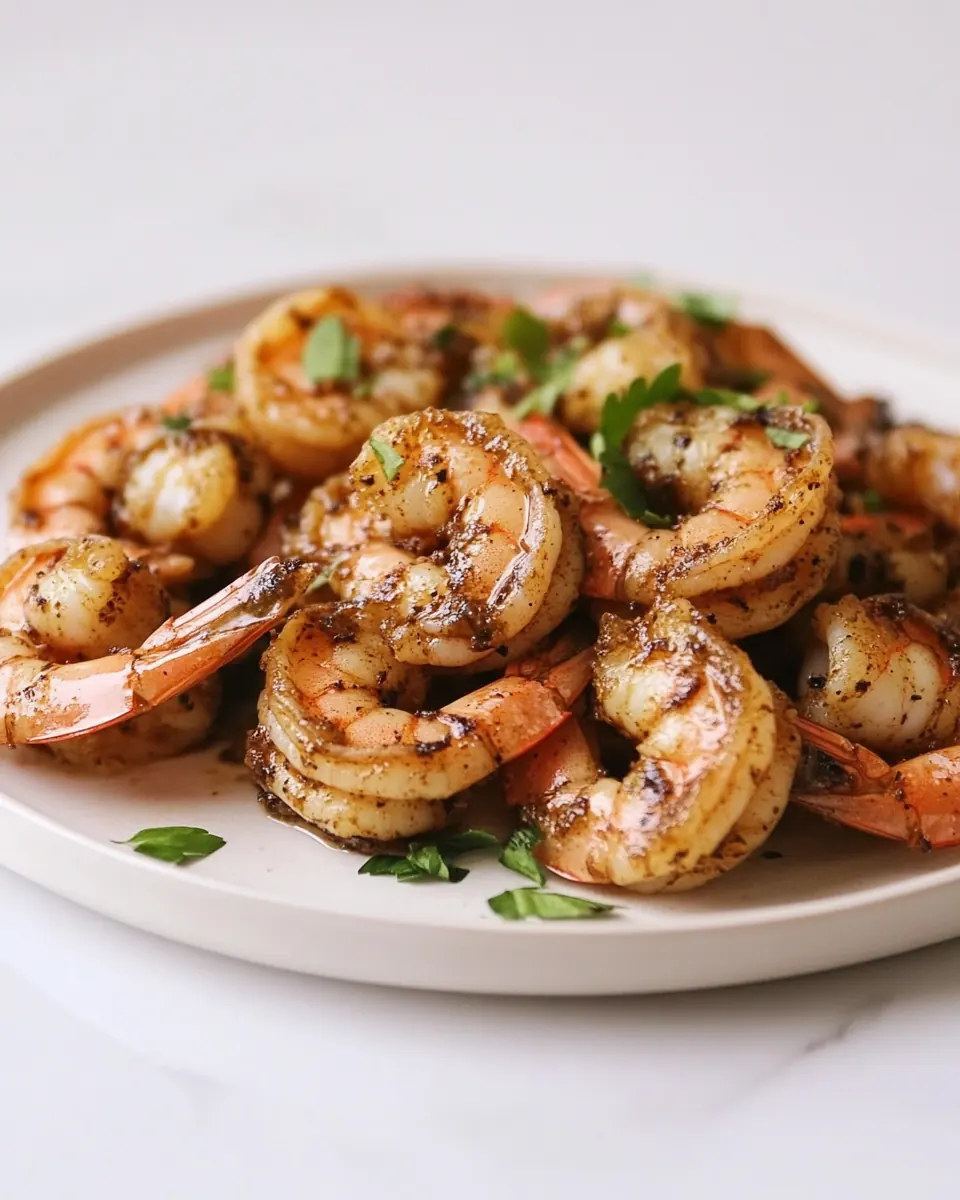
Cooking this dish is about timing and attention, not complexity. You will build the spice blend, coat the shrimp, and use a hot skillet to achieve that signature crust while preserving tenderness. Keep your senses engaged and adjust heat as needed so the spices darken without burning.
- In a small bowl, combine paprika, garlic powder, dried oregano, onion powder, cayenne pepper, chili powder, black pepper, brown sugar, cumin, and salt.: You will notice the dry aroma intensify as you mix, a fragrant medley that signals the backbone of the dish. Mixing evenly matters because each pinch contributes to the final crust and flavor harmony. Use a spoon to break up any clumps, especially in the brown sugar and paprika. A common mistake is uneven mixing, which causes pockets of overly sweet or overly spicy coating on the shrimp . If clumps appear, rub the mix between your fingers to aerate and distribute the spices uniformly.
- Place shrimp in a bowl and drizzle with olive oil. Add the mixed spices and toss to coat evenly.: The oil acts like glue, helping the spice blend adhere and bloom when it hits heat. As you toss, you should see the shrimp go from pale to mottled with the rub, a visual cue that seasoning is thorough. Work quickly so the shrimp do not sit long and draw out moisture which can reduce crisping. A common issue is overcoating, which creates a heavy paste that can prevent a clean sear. Shake off excess before the pan so you preserve the right texture.
- Heat a skillet over medium-high heat. Add seasoned shrimp and cook for about 2-3 minutes on the first side, adding more oil to the pan if needed.: The skillet should be hot enough that the shrimp sizzles on contact, producing an immediate fragrant browning sound. That initial sear creates the crust, locking in juices. Watch the color transition at the edges; they will turn opaque and golden where the spices caramelize. A frequent pitfall is overcrowding the pan which traps steam, leading to a softer exterior rather than a blackened crust. If you hear no sizzle, raise the heat slightly and ensure the pan surface is dry before adding more shrimp .
- Mix in minced garlic and flip the shrimp, cooking them another 2-3 minutes or until cooked through and opaque.: The garlic added at this stage browns gently without burning, releasing sweet roasted notes that mingle with the charred spices. When flipping, listen for the change in sizzle and check the underside for a deep, evenly browned crust. The shrimp will curl slightly and firm up as the flesh becomes opaque. Avoid overcooking, which makes shrimp rubbery and dry; remove from heat as soon as the center shows no translucence. A common error is adding garlic too early, causing bitterness from burning, so time it as recommended.
- Remove the shrimp from the skillet and sprinkle with freshly chopped cilantro.: The final toss of cilantro releases a bright, herbaceous scent that contrasts beautifully with the warm spice mix. As you plate, the garnish adds color and a fresh finish that lightens each bite. Let the shrimp rest for a minute so the residual heat finishes cooking without pounding the crust. A mistake to avoid is piling the shrimp in a heap straight from the pan which can steam them and soften the blackened edges. Arrange with a little space so the crust remains crisp.
Customization Ideas
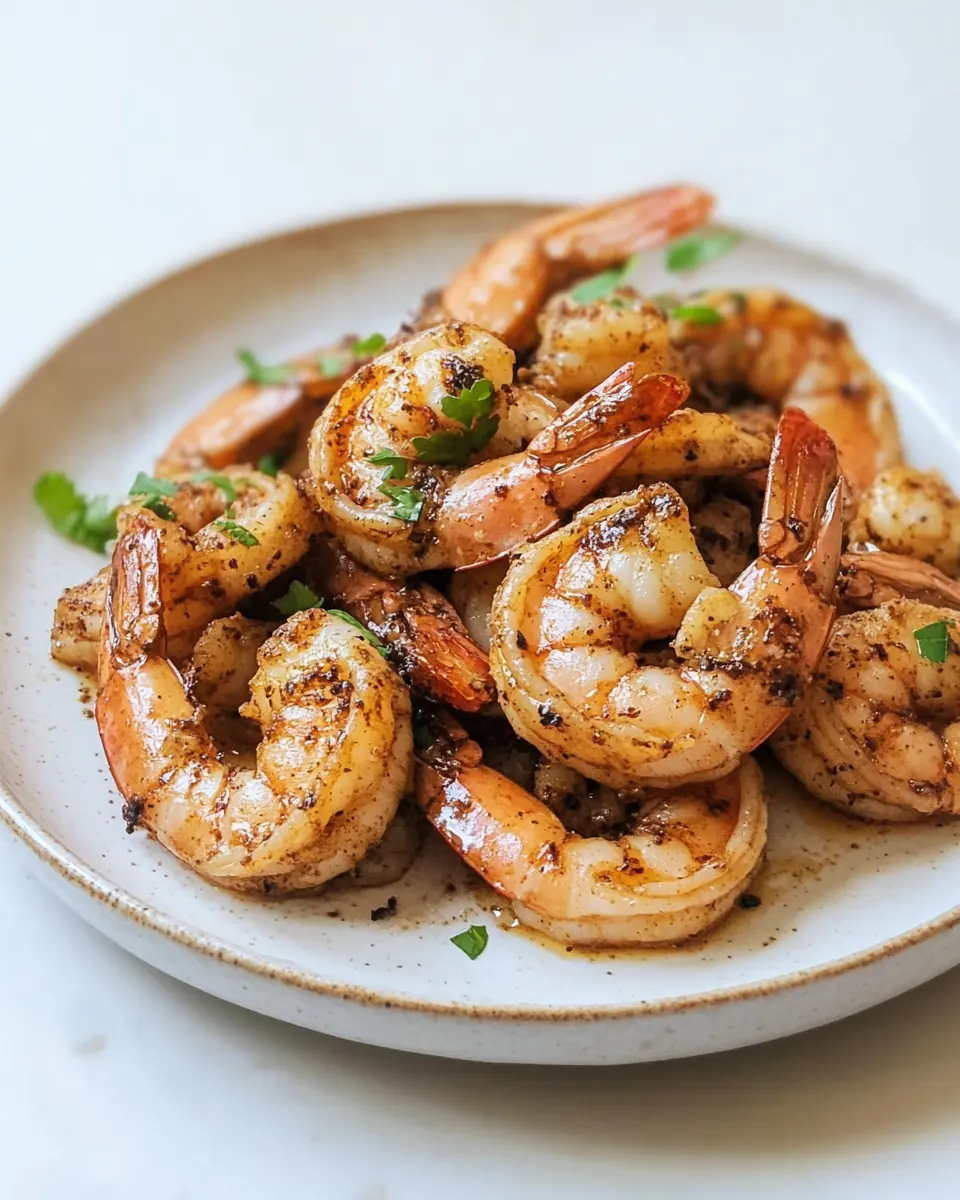
If you want to tweak the recipe, there are many small changes that can tailor heat, sweetness, or presentation. Below are practical, tested ideas that keep the spirit of Blackened Shrimp while letting you personalize the result.
- Boost the smoky notes by using smoked paprika in place of regular paprika, which deepens the roasted aroma and mimics a grill like char even when using a skillet.
- Adjust the heat by changing the cayenne amount; add one additional pinch at a time so you can find the right balance without overwhelming the natural sweetness of the shrimp.
- Make it citrus bright by adding a squeeze of fresh lime over the finished shrimp, the acidity lifts the spices and provides a refreshing counterpoint.
- Add more herb finish with chopped parsley mixed into the cilantro for a slightly different herbal profile that still keeps the dish fresh.
- Turn it into a salad by serving the blackened pieces over greens and a light vinaigrette, which transforms the meal into a lighter, more composed plate without changing the cooking method.
- Make-ahead seasoning by mixing the dry rub in larger batches and storing it in an airtight jar, so you can quickly coat shrimp for future meals with consistent results.
What to Pair With Blackened Shrimp
Blackened Shrimp is flexible at the table, pairing well with simple sides or more composed accompaniments. Below are thoughtful pairings and serving suggestions to suit different occasions, from casual lunches to festive dinners.
- Steamed rice or seasoned rice helps absorb the spice and creates a neutral base that highlights the blackened crust.
- Grilled or roasted vegetables such as zucchini or bell peppers provide a smoky companion that echoes the seared flavors.
- Fresh green salad with a citrus vinaigrette cuts through the richness and adds a crisp contrast for a lighter meal.
- Soft tortillas allow you to build tacos, adding sliced avocado or a crisp slaw for texture and cooling elements.
- Occasion suggestions include casual weeknight dinners, backyard summer gatherings, or a quick, elegant lunch when you want something fast and flavorful.
- Storage tips recommend refrigerating leftovers in an airtight container for up to two days; reheat briefly in a hot skillet to revive the crust, avoid microwaving which softens the texture.
- Seasonal pairings work well in summer when fresh cilantro and citrus are in peak condition, offering bright accompaniments to the warm spice profile.
FAQ
Conclusion
What makes this recipe special is the dramatic contrast between a deeply spiced, blackened exterior and the sweet, tender interior of the shrimp. I encourage you to try it because it proves that a handful of pantry spices and a hot skillet can produce a restaurant style result at home. Give yourself permission to experiment with the heat level and garnishes, and enjoy how quickly and dependably this dish elevates an ordinary meal into something memorable.
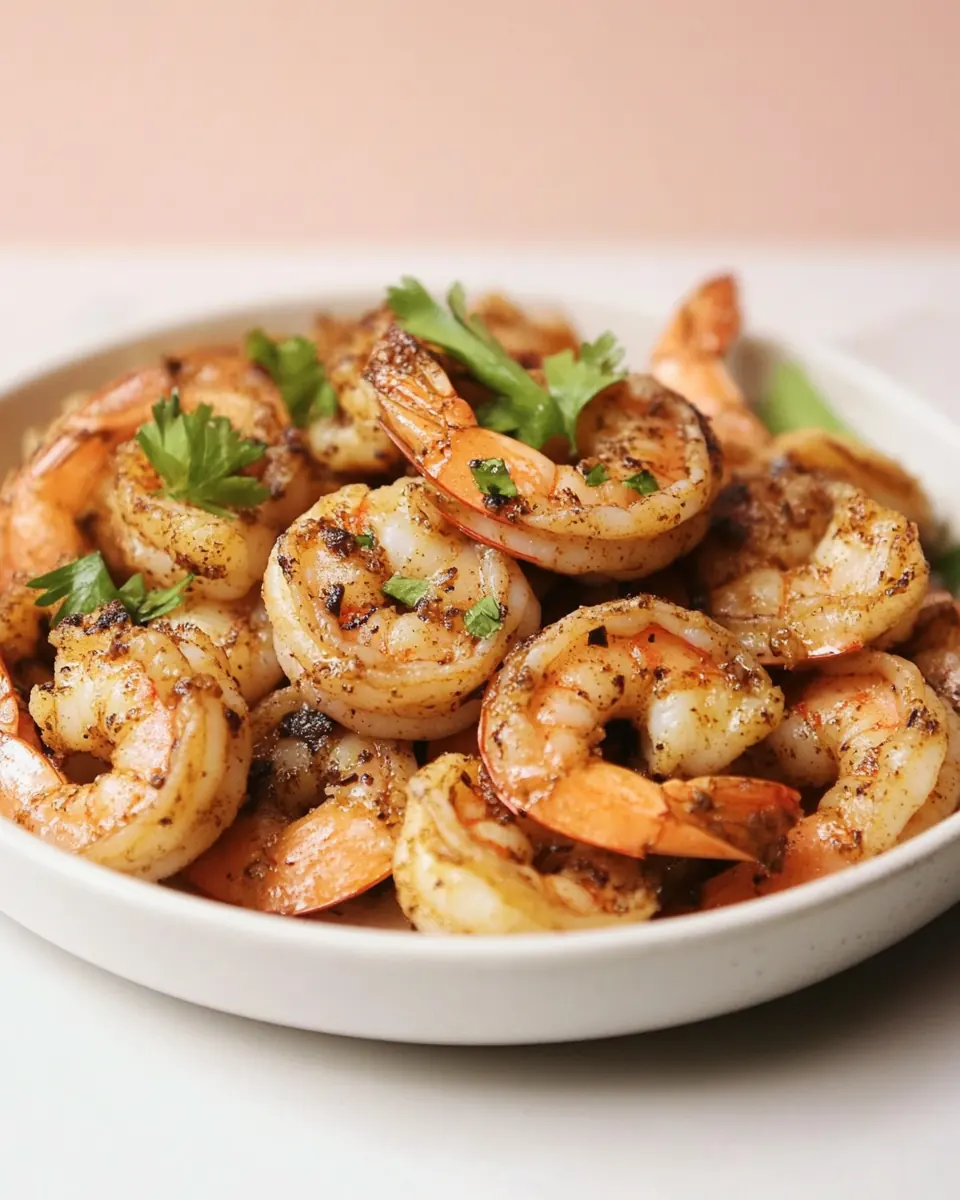
Blackened Shrimp
Ingredients
Equipment
Method
- In a small bowl, combine paprika, garlic powder, dried oregano, onion powder, cayenne pepper, chili powder, black pepper, brown sugar, cumin, and salt.: You will notice the dry aroma intensify as you mix, a fragrant medley that signals the backbone of the dish. Mixing evenly matters because each pinch contributes to the final crust and flavor harmony. Use a spoon to break up any clumps, especially in the brown sugar and paprika. A common mistake is uneven mixing, which causes pockets of overly sweet or overly spicy coating on the shrimp . If clumps appear, rub the mix between your fingers to aerate and distribute the spices uniformly.
- Place shrimp in a bowl and drizzle with olive oil. Add the mixed spices and toss to coat evenly.: The oil acts like glue, helping the spice blend adhere and bloom when it hits heat. As you toss, you should see the shrimp go from pale to mottled with the rub, a visual cue that seasoning is thorough. Work quickly so the shrimp do not sit long and draw out moisture which can reduce crisping. A common issue is overcoating, which creates a heavy paste that can prevent a clean sear. Shake off excess before the pan so you preserve the right texture.
- Heat a skillet over medium-high heat. Add seasoned shrimp and cook for about 2-3 minutes on the first side, adding more oil to the pan if needed.: The skillet should be hot enough that the shrimp sizzles on contact, producing an immediate fragrant browning sound. That initial sear creates the crust, locking in juices. Watch the color transition at the edges; they will turn opaque and golden where the spices caramelize. A frequent pitfall is overcrowding the pan which traps steam, leading to a softer exterior rather than a blackened crust. If you hear no sizzle, raise the heat slightly and ensure the pan surface is dry before adding more shrimp .
- Mix in minced garlic and flip the shrimp, cooking them another 2-3 minutes or until cooked through and opaque.: The garlic added at this stage browns gently without burning, releasing sweet roasted notes that mingle with the charred spices. When flipping, listen for the change in sizzle and check the underside for a deep, evenly browned crust. The shrimp will curl slightly and firm up as the flesh becomes opaque. Avoid overcooking, which makes shrimp rubbery and dry; remove from heat as soon as the center shows no translucence. A common error is adding garlic too early, causing bitterness from burning, so time it as recommended.
- Remove the shrimp from the skillet and sprinkle with freshly chopped cilantro.: The final toss of cilantro releases a bright, herbaceous scent that contrasts beautifully with the warm spice mix. As you plate, the garnish adds color and a fresh finish that lightens each bite. Let the shrimp rest for a minute so the residual heat finishes cooking without pounding the crust. A mistake to avoid is piling the shrimp in a heap straight from the pan which can steam them and soften the blackened edges. Arrange with a little space so the crust remains crisp.
Notes
- Boost the smoky notes by using smoked paprika in place of regular paprika, which deepens the roasted aroma and mimics a grill like char even when using a skillet.
- Adjust the heat by changing the cayenne amount; add one additional pinch at a time so you can find the right balance without overwhelming the natural sweetness of the shrimp.
- Make it citrus bright by adding a squeeze of fresh lime over the finished shrimp, the acidity lifts the spices and provides a refreshing counterpoint.
- Add more herb finish with chopped parsley mixed into the cilantro for a slightly different herbal profile that still keeps the dish fresh.
- Turn it into a salad by serving the blackened pieces over greens and a light vinaigrette, which transforms the meal into a lighter, more composed plate without changing the cooking method.
- Make-ahead seasoning by mixing the dry rub in larger batches and storing it in an airtight jar, so you can quickly coat shrimp for future meals with consistent results.