Cherry Bread
Cherry Bread is one of those recipes I reach for when I want a simple, comforting loaf that still feels celebratory. The first time I made this loaf I was chasing a memory of a bakery slice that was soft, a little tangy from sour cream, and studded with bright, jewel like cherries. I remember the sticky, fruity scent that filled my kitchen, and how neighbors stopped by asking what smelled so good.
Over the years I’ve tweaked the balance of liquid and flour so the crumb stays tender while the cherries stay suspended, and I always smile when I slice through and see the pink flecks that come from a touch of maraschino juice. Baking this Cherry Bread became my go to for small gatherings, school bake sales, and mornings when I want something prettier than a plain loaf. I love that it travels well, slices cleanly, and takes less fuss than a layer cake.
Every batch tells a little story, whether I swapped in a splash more almond or folded the cherries a beat gentler. When you pull the loaf from the oven and the aroma hits you, you will understand why I keep this recipe in heavy rotation. It is approachable, forgiving, and full of nostalgia.
Recipe Snapshot
1 hr 5 mins
15 mins
50 mins
Medium
230 kcal
American
Gluten-Free, Low FODMAP
Desserts
Mixing bowl, Whisk, Sifter, Loaf pan, Wire cooling rack
Why This Cherry Bread Stands Out
Bright, nostalgic flavor
I love how Cherry Bread captures the flavor of those preserved cherries without being cloying. The combination of maraschino juice and a hint of almond extract lifts the profile so every bite feels special, yet familiar. It is a little like finding a favorite song in the middle of a playlist, comforting and instantly enjoyable.
Moist, tender crumb
I find the mix of vegetable oil, sour cream, and eggs creates a loaf that stays soft for days. The fat from the oil and the tang from the sour cream keep the crumb supple, which means you get moist slices without the heaviness that sometimes comes from too much butter.
Pretty and showy with minimal effort
One of the reasons I keep making this loaf is how it looks with almost no effort. The scattered pieces of maraschino cherries create a festive interior, and the simple glaze dries to a pretty sheen. If I show up to brunch with this on the table, people immediately think I spent more time than I did.
Forgiving technique
I appreciate recipes that don’t demand perfection, and Cherry Bread is forgiving. You do not need to beat batter until perfect, and a few lumps are fine. That means less stress, and more chance of success for home bakers who want great results without fuss.
Versatile for occasions
This loaf fits many moments, whether it is a weekday breakfast, a holiday brunch, or a sweet end to a picnic. I use it when I want something that can be portioned easily and pairs well with tea or coffee. Its simplicity makes it a reliable choice all year round.
Ingredients Required for Cherry Bread
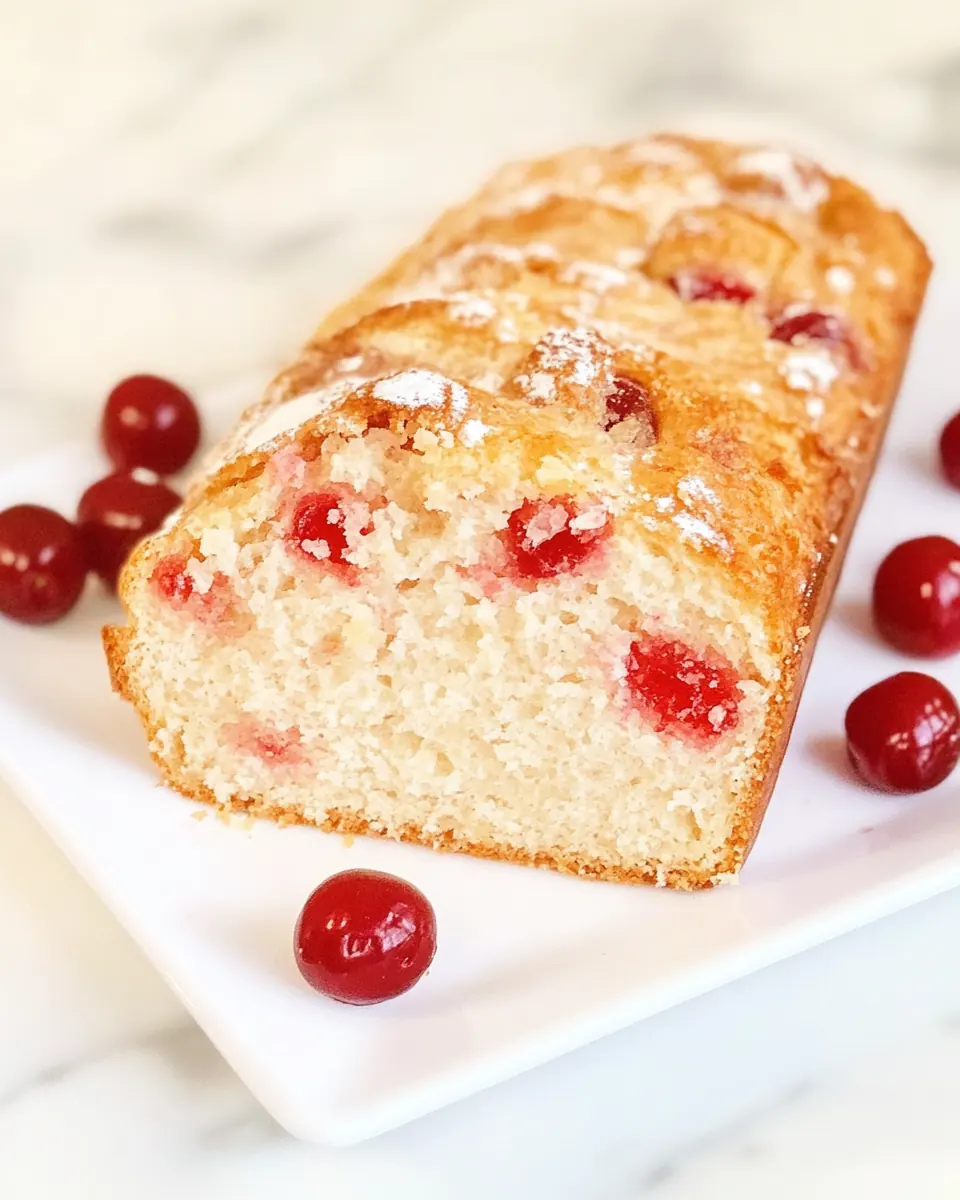
The ingredients for Cherry Bread are straightforward and work in harmony to create a tender, flavorful loaf. The wet ingredients add moisture and richness, the dry ingredients provide structure, and the cherries bring bursts of color and sweetness. Key players like all purpose flour and baking powder form the backbone, while sour cream and vegetable oil ensure a soft crumb. The small amounts of almond extract and vanilla extract round out the aroma.
- 3/4 cup granulated sugar: Sweeten the batter and promote browning; granulated sugar provides structure by interacting with fats and eggs, helping create a tender crumb. Adjust sweetness level if using very sweet cherries or glaze to maintain balance in the finished bread.
- 1 teaspoon almond extract: Enhance the aroma with a concentrated almond flavor that complements cherries; almond extract adds depth without additional liquid. Use sparingly to avoid overpowering the delicate vanilla and cherry notes in the loaf.
- 1 teaspoon vanilla extract: Add warm, familiar flavor and fragrance; vanilla extract rounds out the taste profile and accentuates other flavors. Incorporate into the wet ingredients early so the aroma is evenly distributed throughout the batter.
- 1/2 cup vegetable oil: Moisten and tenderize the crumb while contributing to richness; vegetable oil keeps the bread soft and helps retain moisture longer than butter. Choose a neutral oil to avoid interfering with the cherry and almond flavors.
- 1/2 cup milk: Provide additional liquid and a touch of dairy richness; milk helps hydrate the flour and contributes to a smooth batter consistency. Use the specified amount to maintain the intended texture and crumb structure.
- 1/4 cup maraschino cherry juice: Introduce subtle cherry flavor and color while adding extra moisture; maraschino cherry juice reinforces the cherry theme without adding solids. Measure carefully because the juice can increase overall sweetness and liquid balance.
- 2 large eggs: Bind ingredients and add richness; large eggs provide structure through coagulation while contributing lift and stability to the loaf. Beat them with the sugar to incorporate air for a lighter texture.
- 1/2 cup sour cream: Contribute tang, moisture, and richness; sour cream tenderizes the crumb and adds a slight tang that balances sweetness. Fold gently into the batter to maintain a moist, dense-yet-tender loaf.
- 2 cups all-purpose flour: Form the bulk of the dry structure; all-purpose flour supplies gluten proteins that give the bread its framework and chew. Sift or whisk with leavening agents to ensure even distribution and prevent pockets of dry flour.
- 1/2 teaspoon salt: Enhance flavor complexity and control fermentation; salt strengthens gluten and balances sweetness while improving overall taste. Dissolve into the dry ingredients to ensure even seasoning throughout the bread.
- 1 1/2 teaspoons baking powder: Provide leavening lift for a light crumb; baking powder releases gas when heated to help the bread rise. Combine with flour and distribute evenly to avoid uneven rising or dense spots.
- 16 ounces maraschino cherries (chopped): Add concentrated bursts of cherry flavor and chewy texture; chopped maraschino cherries create pockets of sweetness and visual appeal. Drain and pat dry if necessary to prevent excess moisture from weighing down the batter.
- 1 cup powdered sugar: Create a sweet finishing glaze and add visual contrast; powdered sugar dissolves smoothly to form a glossy topping. Whisk with liquid until silky for drizzling over the cooled loaf.
- 2 to 3 tablespoons heavy whipping cream (or milk): Adjust glaze consistency and add richness; heavy whipping cream or milk thins powdered sugar while contributing creaminess. Add gradually until the glaze reaches a pourable, spreadable texture.
- 1/2 teaspoon almond extract: Reinforce the almond flavor in the glaze or batter; almond extract boosts the nutty, marzipan-like notes that pair well with cherries. Use sparingly in the glaze to avoid an artificial or cloying taste.
- 1 to 2 drops cherry extract (or 1 tablespoon maraschino juice): Intensify cherry aroma and flavor in small amounts; a drop or two of cherry extract or extra maraschino juice heightens the fruitiness of the glaze or batter. Add incrementally, tasting as you go, because extracts are highly concentrated.
Making This Cherry Bread
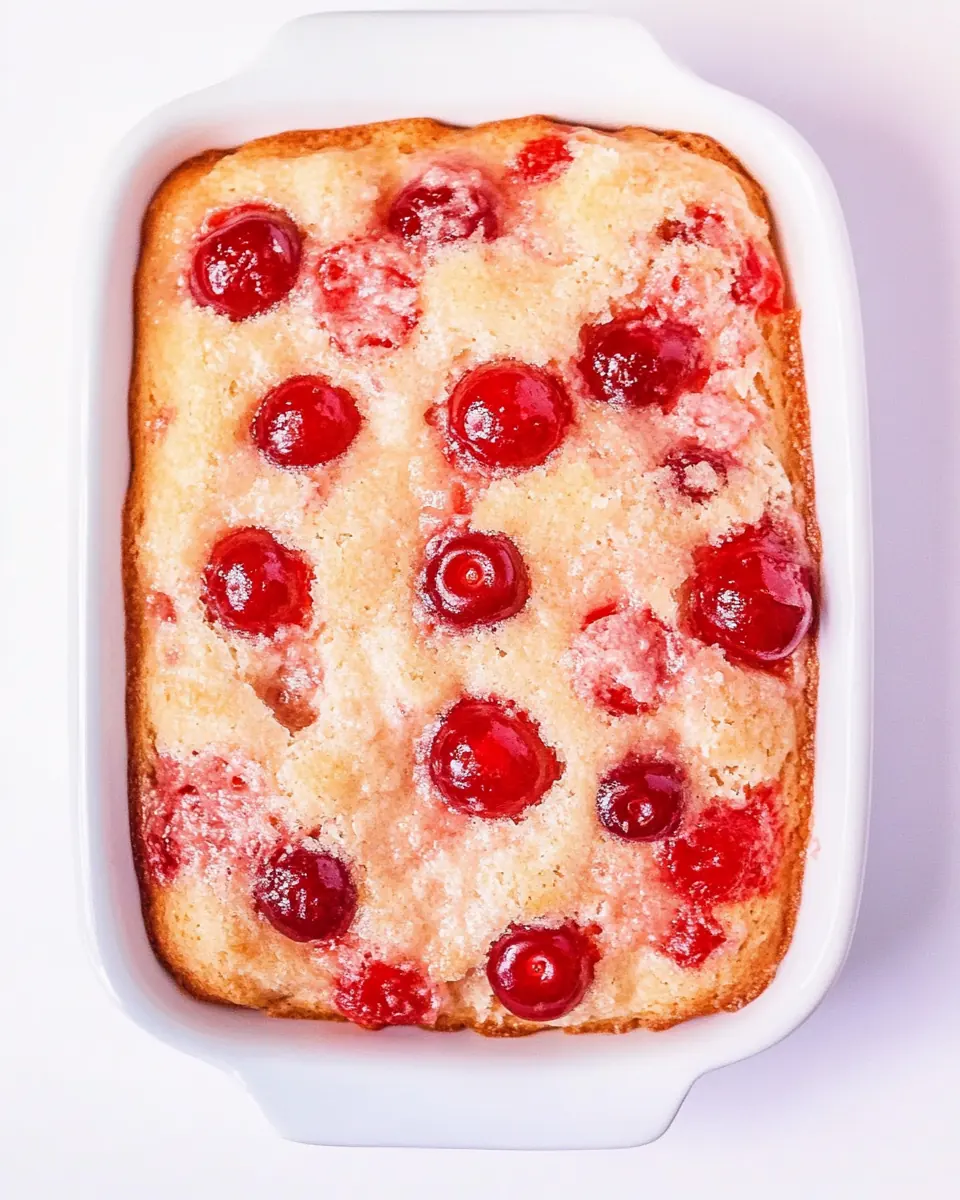
This recipe is steady and approachable, so even if you are new to quick breads you will find it manageable. I like to set out ingredients in order so nothing gets missed. Keep your maraschino cherries drained and chopped before you start mixing to make assembly quick and calm.
- Preheat the oven to 350°F.: Warm, comforting aromas develop as soon as the loaf goes into a properly heated oven. You should feel the gentle heat radiating from the oven when you open it, and the internal temperature will promote even rise, which prevents a gummy center. If your oven runs hot, an oven thermometer will save you from overbrowning. A common mistake is skipping preheating, which can lead to uneven texture and dense crumb.
- In a large mixing bowl, combine sugar, almond extract, vanilla, vegetable oil, milk, cherry juice, eggs, and sour cream. Whisk to combine well.: The bowl will quickly fill with an inviting, perfumed steam from the extracts and cherry juice as you whisk. Texturally you want a glossy, cohesive mixture where the oil has distributed and the eggs are integrated, not separated. Whisk briskly but avoid over aeration, which can cause too much rise and then collapse. One error is adding cold eggs straight from the fridge which can make the oil seize; room temperature eggs blend more smoothly.
- In a separate bowl, sift together flour, salt, and baking powder.: Sifting creates tiny air pockets that contribute to a lighter crumb and removes lumps, giving a uniform flour mixture. You will see a soft powder falling like snow into the bowl, and it should smell clean and wheaty. Not sifting can leave pockets of leavener which create uneven rise and small tunnels in the crumb.
- Drain maraschino cherries from the rest of the juice (you've already used 1/4 cup of the juice in the bread batter) and coarsely chop the cherries into halves and/or quarters.: Draining stops the cherries from adding too much liquid which would weigh down the batter. As you chop, notice the glossy sheen and how the fruit holds its color, and aim for mostly even pieces so each slice has consistent distribution. Avoid very small bits which can release more juice and color the crumb unevenly.
- Sprinkle 1 to 2 tablespoons of the flour mixture over the cherries and toss to combine.: Coating the cherries in flour muffles their tendency to sink and helps them suspend in the batter. You will feel the dry dusting and see the cherries take on a matte finish, which is the cue to proceed. A frequent mistake is skipping this step, which often results in cherries concentrated at the bottom of the loaf.
- Stir the remaining flour mixture into the milk/eggs mixture. Stir just until wet and dry ingredients are combined – lumps and streaks of flour in the batter are fine.: As you fold in the flour, watch the batter change from glossy to slightly more structured, with ribbons of flour disappearing. The goal is to avoid overmixing, which tightens gluten and yields a dense loaf. Expect small streaks of flour and a batter that falls slowly from the spoon. Over-beating at this stage is a top mistake that leads to a chewy texture.
- Gently fold the cherries into the batter to distribute evenly, but do not overmix.: Folding should feel gentle, like cradling the batter, preserving the cherries and avoiding release of excess juice. You will see bright pockets of color distributed through the batter. If you mix vigorously, the cherries will break down and bleed, which changes both texture and appearance.
- Pour batter into a greased or parchment-lined 9×5 loaf pan.: The batter should pour with a ribbon like motion and settle evenly in the pan. Greasing or lining ensures easy release and clean slices later. Tap the pan lightly on the counter to release any large air bubbles, and smooth the top with a spatula. A sticky mistake is using too small a pan which causes overflow and uneven baking.
- Bake for 55 to 60 minutes or until a toothpick inserted into the center of the bread comes out clean. Cover bread with aluminum foil after 45 minutes to prevent it from over-browning on top.: As the loaf bakes you will notice the top turn a warm golden brown and the kitchen will fill with sweet, fruity aroma. The internal crumb sets and the toothpick test should come out with a few moist crumbs but no raw batter. Covering with foil after the initial browning helps avoid an overly dark crust while allowing the center to finish cooking. Opening the oven frequently is a common trap that causes uneven rise and longer bake times.
- Remove from the oven and cool. (You can turn the bread out onto a wire cooling rack after it has cooled for an initial 10 minutes in the pan.): The loaf releases a deeper cherry scent as it cools and will firm up, making slicing cleaner. Letting it rest in the pan for ten minutes helps the structure hold, then transferring to a rack prevents sogginess from trapped steam. Slicing too soon can lead to a gooey center and torn slices, so patience is rewarded here.
- Whisk together the ingredients for the glaze. Drizzle the glaze over the bread. The glaze will set, dry to the touch after about 30 minutes.: The glaze should be smooth and glossy, and as you pour it will fall in thin ribbons that create a pretty lace across the top. Once set it offers a delicate sheen and a sweet finishing note. If the glaze is too thin it will pool, and if too thick it will clump, so adjust with small amounts of cream or powdered sugar until you reach the right silky consistency.
Ways to Adapt This Recipe
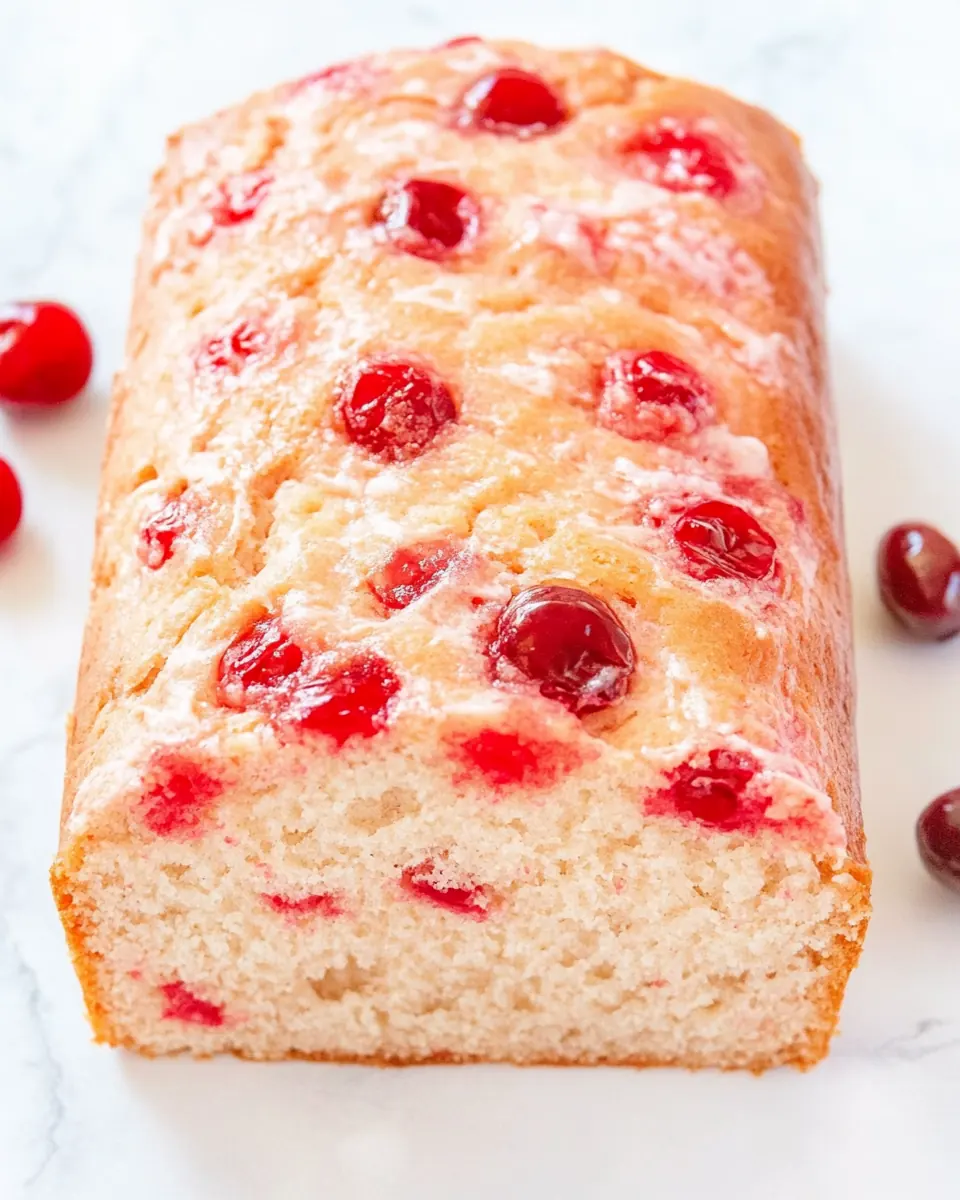
This section offers flexible ideas for tailoring Cherry Bread to your pantry and preferences. Small swaps and technique tweaks can adjust texture, color, and sweetness without changing the loaf’s character. Below are practical, tested options I use when experimenting.
- Lighten the crumb: Swap half of the vegetable oil for unsweetened applesauce to reduce fat while keeping moisture, but expect a slightly denser texture.
- Increase cherry intensity: Stir in an extra tablespoon of maraschino cherry juice or a drop more cherry extract to amplify color and aroma, adjusting glaze sugar if needed.
- Make it tangier: Replace the sour cream with plain Greek yogurt of similar fat content for a tang forward profile and slightly firmer crumb.
- Glaze variations: Swap heavy cream for milk in the glaze for a lighter finish, or add an extra 1/4 teaspoon almond extract for a more pronounced nutty perfume.
- Presentation tweak: After glazing, scatter a few finely chopped maraschino cherries on top for a decorative touch that reinforces the flavor visually.
Best Served With
Cherry Bread is versatile on the table and pairs beautifully with morning beverages and light afternoon spreads. Slice it thinly for brunch, or serve thicker pieces for dessert. It works well across seasons, making it a handy option for many occasions.
- Morning coffee or tea: The bread pairs perfectly with a cup of coffee or hot tea, as the warm beverage complements the fruity sweetness and almond notes.
- Brunch spread: Offer slices alongside fruit salad and yogurt for a balanced brunch, the bread adds a sweet, showy element that is easy to share.
- Picnic friendly: Wrapped tightly, slices travel well and make a lovely picnic treat, staying moist without refrigeration for several hours.
- Holiday or gathering: Use as a plated sweet during small holiday breakfasts where a pretty loaf adds a festive touch without fuss.
- Storage tips: Keep the loaf wrapped at room temperature for two days, or refrigerate for up to five days. For longer storage, slice and freeze portions for up to three months, thawing gently before serving.
- Seasonal pairings: In spring and summer, pair with fresh berries; in cooler months, serve with spiced tea to accent the almond and cherry flavors.
FAQ
Conclusion
Cherry Bread stands out for its tender crumb, bright cherry bursts, and a simple glaze that makes each slice feel special. It is approachable enough for everyday baking yet pretty enough for company, offering a reliable balance of moisture and flavor. I encourage you to give it a try this week; assemble the ingredients, enjoy the fragrant bake time, and savor a slice with your favorite cup of coffee or tea. Baking it is a small act that delivers big comfort and a touch of nostalgia.
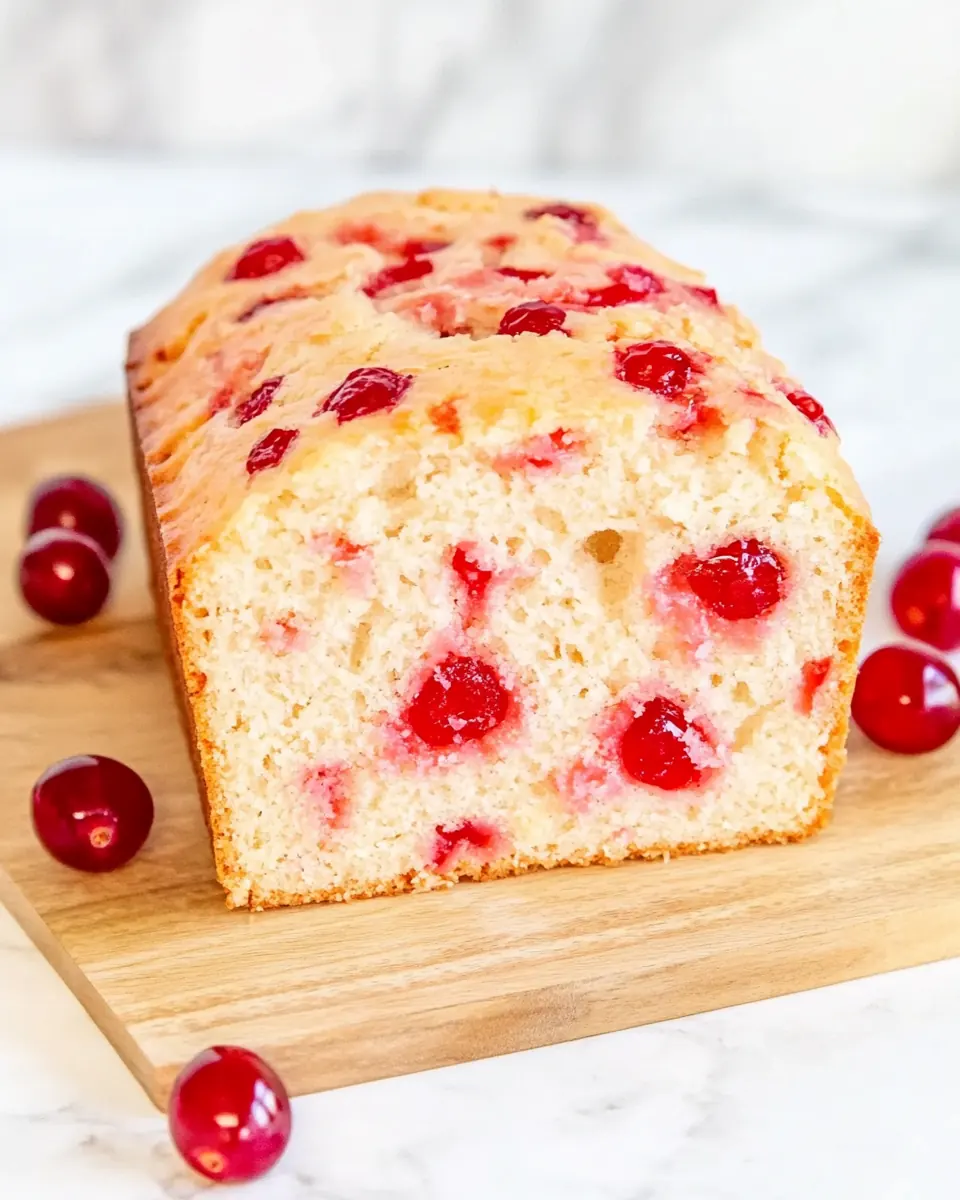
Cherry Bread
Ingredients
Equipment
Method
- Preheat the oven to 350°F.: Warm, comforting aromas develop as soon as the loaf goes into a properly heated oven. You should feel the gentle heat radiating from the oven when you open it, and the internal temperature will promote even rise, which prevents a gummy center. If your oven runs hot, an oven thermometer will save you from overbrowning. A common mistake is skipping preheating, which can lead to uneven texture and dense crumb.
- In a large mixing bowl, combine sugar, almond extract, vanilla, vegetable oil, milk, cherry juice, eggs, and sour cream. Whisk to combine well.: The bowl will quickly fill with an inviting, perfumed steam from the extracts and cherry juice as you whisk. Texturally you want a glossy, cohesive mixture where the oil has distributed and the eggs are integrated, not separated. Whisk briskly but avoid over aeration, which can cause too much rise and then collapse. One error is adding cold eggs straight from the fridge which can make the oil seize; room temperature eggs blend more smoothly.
- In a separate bowl, sift together flour, salt, and baking powder.: Sifting creates tiny air pockets that contribute to a lighter crumb and removes lumps, giving a uniform flour mixture. You will see a soft powder falling like snow into the bowl, and it should smell clean and wheaty. Not sifting can leave pockets of leavener which create uneven rise and small tunnels in the crumb.
- Drain maraschino cherries from the rest of the juice (you've already used 1/4 cup of the juice in the bread batter) and coarsely chop the cherries into halves and/or quarters.: Draining stops the cherries from adding too much liquid which would weigh down the batter. As you chop, notice the glossy sheen and how the fruit holds its color, and aim for mostly even pieces so each slice has consistent distribution. Avoid very small bits which can release more juice and color the crumb unevenly.
- Sprinkle 1 to 2 tablespoons of the flour mixture over the cherries and toss to combine.: Coating the cherries in flour muffles their tendency to sink and helps them suspend in the batter. You will feel the dry dusting and see the cherries take on a matte finish, which is the cue to proceed. A frequent mistake is skipping this step, which often results in cherries concentrated at the bottom of the loaf.
- Stir the remaining flour mixture into the milk/eggs mixture. Stir just until wet and dry ingredients are combined – lumps and streaks of flour in the batter are fine.: As you fold in the flour, watch the batter change from glossy to slightly more structured, with ribbons of flour disappearing. The goal is to avoid overmixing, which tightens gluten and yields a dense loaf. Expect small streaks of flour and a batter that falls slowly from the spoon. Over-beating at this stage is a top mistake that leads to a chewy texture.
- Gently fold the cherries into the batter to distribute evenly, but do not overmix.: Folding should feel gentle, like cradling the batter, preserving the cherries and avoiding release of excess juice. You will see bright pockets of color distributed through the batter. If you mix vigorously, the cherries will break down and bleed, which changes both texture and appearance.
- Pour batter into a greased or parchment-lined 9×5 loaf pan.: The batter should pour with a ribbon like motion and settle evenly in the pan. Greasing or lining ensures easy release and clean slices later. Tap the pan lightly on the counter to release any large air bubbles, and smooth the top with a spatula. A sticky mistake is using too small a pan which causes overflow and uneven baking.
- Bake for 55 to 60 minutes or until a toothpick inserted into the center of the bread comes out clean. Cover bread with aluminum foil after 45 minutes to prevent it from over-browning on top.: As the loaf bakes you will notice the top turn a warm golden brown and the kitchen will fill with sweet, fruity aroma. The internal crumb sets and the toothpick test should come out with a few moist crumbs but no raw batter. Covering with foil after the initial browning helps avoid an overly dark crust while allowing the center to finish cooking. Opening the oven frequently is a common trap that causes uneven rise and longer bake times.
- Remove from the oven and cool. (You can turn the bread out onto a wire cooling rack after it has cooled for an initial 10 minutes in the pan.): The loaf releases a deeper cherry scent as it cools and will firm up, making slicing cleaner. Letting it rest in the pan for ten minutes helps the structure hold, then transferring to a rack prevents sogginess from trapped steam. Slicing too soon can lead to a gooey center and torn slices, so patience is rewarded here.
- Whisk together the ingredients for the glaze. Drizzle the glaze over the bread. The glaze will set, dry to the touch after about 30 minutes.: The glaze should be smooth and glossy, and as you pour it will fall in thin ribbons that create a pretty lace across the top. Once set it offers a delicate sheen and a sweet finishing note. If the glaze is too thin it will pool, and if too thick it will clump, so adjust with small amounts of cream or powdered sugar until you reach the right silky consistency.
Notes
- Lighten the crumb: Swap half of the vegetable oil for unsweetened applesauce to reduce fat while keeping moisture, but expect a slightly denser texture.
- Increase cherry intensity: Stir in an extra tablespoon of maraschino cherry juice or a drop more cherry extract to amplify color and aroma, adjusting glaze sugar if needed.
- Make it tangier: Replace the sour cream with plain Greek yogurt of similar fat content for a tang forward profile and slightly firmer crumb.
- Glaze variations: Swap heavy cream for milk in the glaze for a lighter finish, or add an extra 1/4 teaspoon almond extract for a more pronounced nutty perfume.
- Presentation tweak: After glazing, scatter a few finely chopped maraschino cherries on top for a decorative touch that reinforces the flavor visually.