Asparagus Pasta with White Beans
Asparagus Pasta with White Beans came into my weeknight rotation on a day when the farmers market basket was overflowing with fresh green stalks and I wanted something that felt special without fuss.
I remember standing at my counter, sun pooling on the cutting board, nursing a cup of tea while deciding between a full meal or a simple pasta. The combination of tender asparagus and creamy white beans felt like a gentle compromise, something that would be both nourishing and bright. I pulled out a small handful of toasted hazelnuts, because texture makes a dish sing, and that crunch became the finishing note I didn’t know I needed.
Over the years I’ve played with this formula, swapping pasta shapes, adjusting lemon and cheese levels, and learning how to coax the sauce from the beans and their starchy liquid. It’s the sort of recipe that welcomes improvisation, yet rewards restraint. When guests arrive unexpectedly, I reach for this because it’s quick, adaptable, and reliably comforting. You get the silk of linguine or pappardelle, the snap of shaved asparagus, the buttery backdrop, and the savory lift of parmesan all in one pan.
Recipe Snapshot
35 mins
20 mins
15 mins
Medium
400 kcal
Italian
Gluten-Free, Vegan
Dinner
Oven, Large pot, Skillet, Baking sheet, Knife, Cutting board
Why This Asparagus Pasta with White Beans Hits Different
Bright seasonal flavor
I love how Asparagus Pasta with White Beans showcases spring produce, especially when the asparagus is young and sweet. The shaved stalks keep a lively texture, so you taste the season in every bite. This is one of those recipes that feels like sunshine on a plate, and I purposely let the natural flavors lead rather than overwhelm them.
Minimal fuss, maximum payoff
Because much of the sauce comes from the white beans and their liquid, you don’t need long simmering or dozens of steps. I often toss everything together in the skillet while the pasta finishes, and that short timing keeps the dish fresh and vibrant. If you enjoy easy weeknight dinners, this one hits the mark and comes together quickly.
Textural contrast
The toasted hazelnuts add an earthy crunch that contrasts beautifully with the silky pasta and creamy beans. I always toast nuts lightly so they pop with flavor without becoming bitter. That crunch lifts the dish, making each forkful more interesting and satisfying.
Bright acid to balance richness
A squeeze of lemon juice and a touch of lemon zest brighten the buttery, cheesy base, keeping the flavors balanced. I like to add lemon off heat so the aroma stays vibrant. This acidic element prevents the dish from feeling heavy, especially when serving for a cozy dinner.
Flexible and forgiving
This recipe is forgiving if your pantry is a little bare. The core idea of pasta plus a creamy bean sauce with fresh asparagus lets you adapt amounts and ratios without losing the essence. I appreciate recipes that let me roam a bit, because cooking should feel freeing rather than rigid.
What to Gather for Asparagus Pasta with White Beans
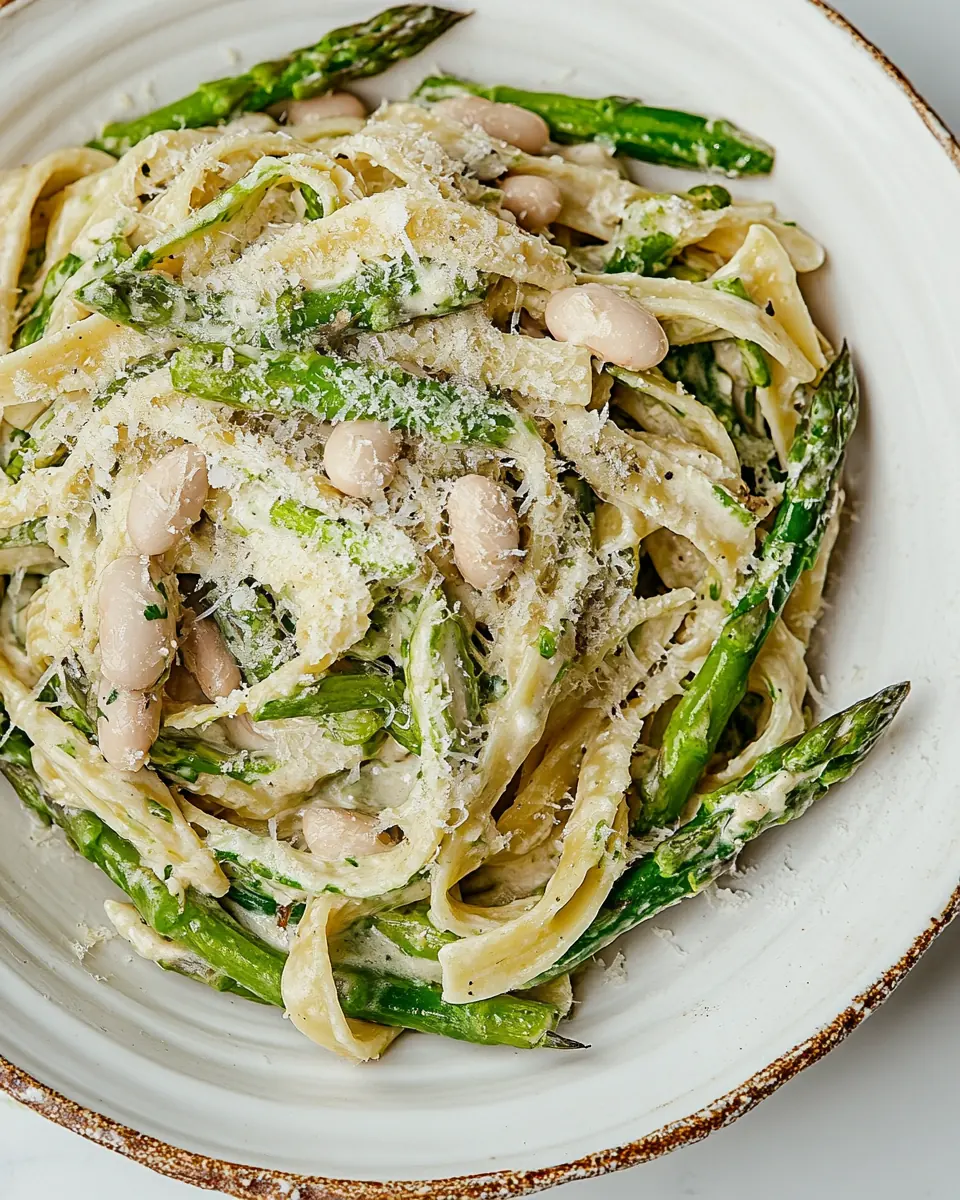
These ingredients work together because they balance creaminess, brightness, and texture. The white beans build a naturally creamy sauce when combined with a little butter and reserved pasta water. The asparagus provides fresh, vegetal notes and a pleasant snap. Parmesan and butter offer umami and silk, while the hazelnuts add toasted crunch for contrast. Lemon lifts everything so the dish stays lively rather than heavy.
- 1/4 cup toasted hazelnuts (cracked): Toasted and cracked for a crunchy, nutty finish that adds texture contrast and rich flavor to each bite; scatter over the pasta just before serving to preserve crunch and aroma.
- 1/4 pound asparagus: Trimmed and cut into bite-sized pieces to provide fresh, grassy flavor and a tender-crisp vegetable element that cooks quickly with the pasta and beans.
- 4 ounces linguine or pappardelle: Cooked until al dente to form the hearty base of the dish; choose linguine or pappardelle for their ability to catch sauce and beans between strands or folds.
- 2 tablespoons butter: Melted to create a glossy, silky coating that helps bind the beans, cheese, and lemon together; contributes a subtle richness and mouthfeel to the sauce.
- 1 large garlic clove (minced): Minced finely to release pungent, aromatic flavor that infuses the butter and oil; provides savory depth and a gentle garlic bite without overpowering the other components.
- 1 cup small white beans in their liquid (like navy beans): Added with its cooking liquid to introduce creamy body and protein, contributing a smooth texture and mild, slightly nutty flavor that complements the asparagus and cheese.
- 1 tablespoon lemon juice: Squeezed to deliver bright acidity that balances the richness of butter and cheese; lifts flavors and adds a fresh citrus note that ties the components together.
- 1/2 teaspoon lemon zest: Zested to impart concentrated citrus oils for an aromatic lift; provides subtle, bitter-sweet brightness that enhances both asparagus and cheese.
- 1/2 cup to 3/4 cup grated parmesan cheese: Grated to melt into the warm pasta, creating savory, umami-rich creaminess that binds ingredients and adds salty depth; quantity can be adjusted for desired cheesiness.
- 2 tablespoons minced basil: Minced finely to add a fresh herbal note and fragrant finish; stirs into the pasta near the end to preserve its vibrant color and aroma.
- 1/2 teaspoon ea salt: Added sparingly to season and enhance all flavors; measured amount ensures a balanced savory profile without overwhelming the delicate asparagus and beans.
- Black pepper (for topping): Freshly ground and sprinkled as a finishing touch to add sharp, warming spice and contrast; adjust to taste to complement acidity and richness.
Preparation Steps for Asparagus Pasta with White Beans
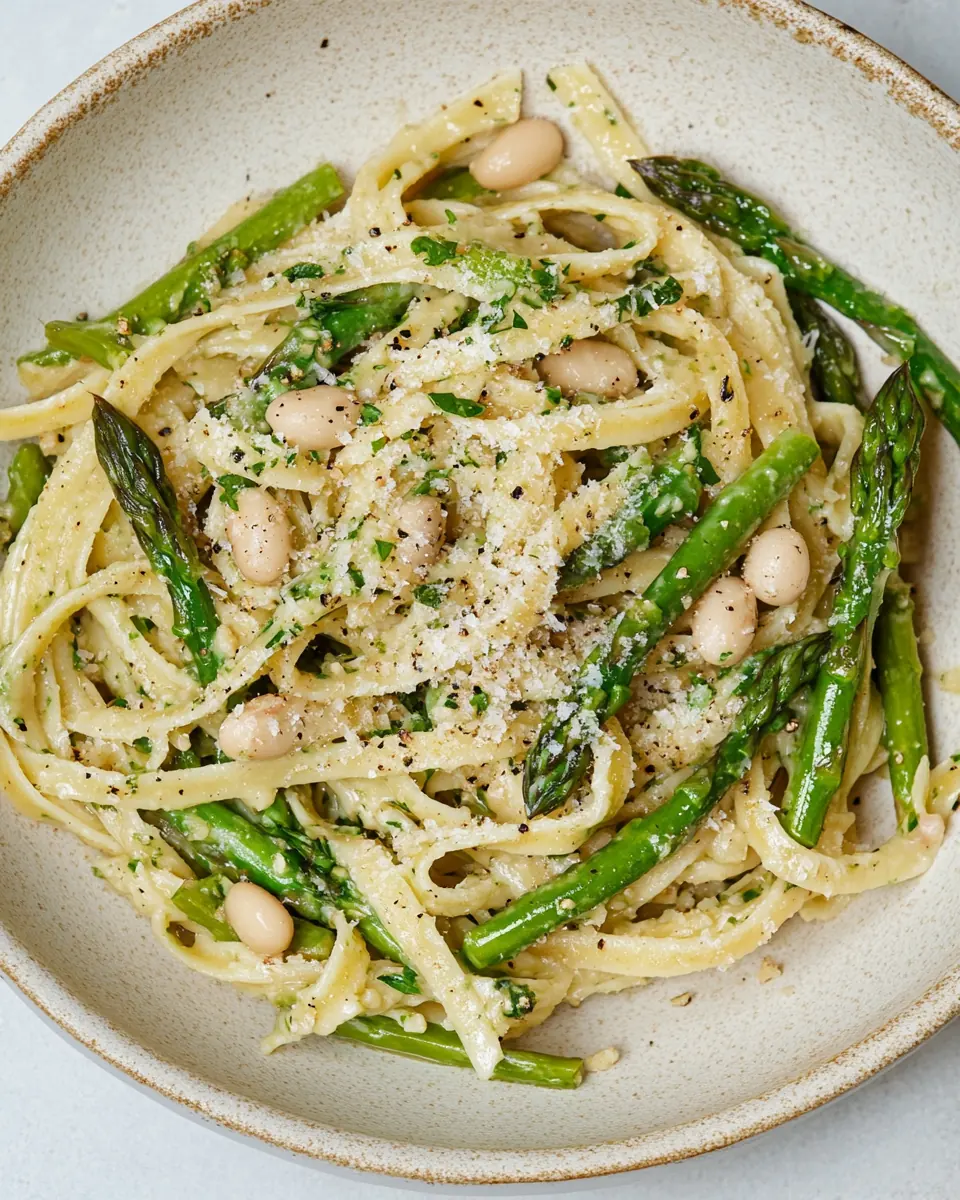
I like to approach cooking this dish as a gentle choreography, timing the pasta pot and skillet so they meet at the perfect moment. The following steps expand on the original directions with sensory cues, practical why s, and what to watch for along the way.
- First, place the hazelnuts in the oven and let roast until it is fragrant and golden; 12 to 15 minutes or so.: Notice the warm nutty aroma as the hazelnuts toast, and watch their color shift from pale to golden brown, which signals caramelized oils releasing flavor. You should hear a faint popping and see them become slightly darker at the edges, a cue they are ready. This step builds a toasty contrast against the creamier elements in the dish, and skipping it will lose that textural highlight. A common mistake is leaving them too long, which creates a bitter aftertaste, so check them at around 10 minutes and shake the pan to ensure even browning.
- Start the water and bring it to a boil and a separate skillet to make the pasta on the stovetop.: The boil should be vigorous enough that a wooden spoon placed in the water shows steady movement, which prevents pasta from sticking and helps the starch release into the water. Meanwhile, warming the skillet prepares you to finish the sauce while the pasta cooks, keeping everything in sync. If the water is under salted, the pasta will taste flat, so season well. Avoid an aggressive rolling boil that splatters, and use a large pot so the pasta has room to move.
- Place a stalk of asparagus against a flat handle or spatula. Place the tip downward and your thumb securing the asparagus in place. Shave, down towards the counter. Repeat and flip the stalk as needed then repeat with remaining asparagus.: As you shave the asparagus , you should feel a slight resistance followed by a thin ribbon peeling away, resulting in delicate slices that cook quickly. The aroma is fresh and green, and the texture becomes silky rather than fibrous, which makes each bite pleasant. This technique prevents woody strands and keeps the vegetable tender. A common error is shaving too thickly, producing chewy ribbons, so aim for thin, even strokes for consistent cooking.
- Once the asparagus is good to go, add the pasta to the boiling water and start cooking. Cook according to the package directions.: When you drop the pasta it should sink then rise gently as the water returns to a boil, indicating proper temperature. Stir early and periodically to avoid clumping. Cooking to al dente gives a pleasant chew that holds up while you finish the sauce in the skillet, and slightly undercooking by a minute helps avoid mushy final texture. The frequent mistake is overcooking, which results in a limp bite that will soak up too much sauce and lose structure.
- As the pasta is cooking, heat the skillet over medium heat and add the butter. Let melt then add the garlic. Cook until fragrant and just golden, about 2 minutes. Stir in the beans with their liquid and cook until the liquid begins to thicken.: The butter should shimmer and smell creamy once melted; the minced garlic will release an immediate aromatic burst that perfumes the pan. Adding the white beans with their liquid creates a starchy, velvety base as the bean liquid reduces slightly. You will see tiny bubbles and a glossy sheen when the liquid starts to thicken, which means it is ready to embrace the pasta. Avoid browning the garlic, which turns bitter; lower the heat if it darkens too quickly. If the bean liquid reduces too much, you can loosen it later with reserved pasta water.
- Once this happens, transfer the cooked pasta to the pan, reserving some of the pasta water. Add the shaved asparagus now as well. Cook over low until the pasta combines with the beans and the asparagus is heated. Add a splash or two of water as needed to thin the sauce. Taste and add salt as needed.: At this point you will hear a gentle sizzle as the warm pasta hits the bean sauce, and the sauce should cling to the noodles forming a glossy coating. The shaved asparagus will wilt in seconds, turning slightly brighter green and tender, which signals readiness. Stirring releases starch that helps the sauce adhere. If the mixture seems dry, add a spoonful of reserved pasta water, watching the texture change to a silky, cohesive emulsion. The common slip here is over thinning the sauce, so add water sparingly and taste, because seasoning can become diluted.
- Turn off the heat and add the lemon juice, parmesan, and basil. Taste again and adjust the flavors if needed (more lemon, parmesan, or basil). Serve with black pepper, the toasted hazelnuts, and more cheese.: With the heat off, the parmesan will melt gently into the warm sauce, turning it creamy without becoming gluey. Stir in the lemon juice which will awaken the aromatics and lift the overall profile, and the minced basil will release its sweet, peppery fragrance. Finish with cracked black pepper and scattered toasted hazelnuts for crunch. The plate should smell bright, and the sauce should coat each strand of pasta. Avoid adding cheese while still on high heat as it can clump, and always taste before final seasoning to prevent over salting.
Variations to Try
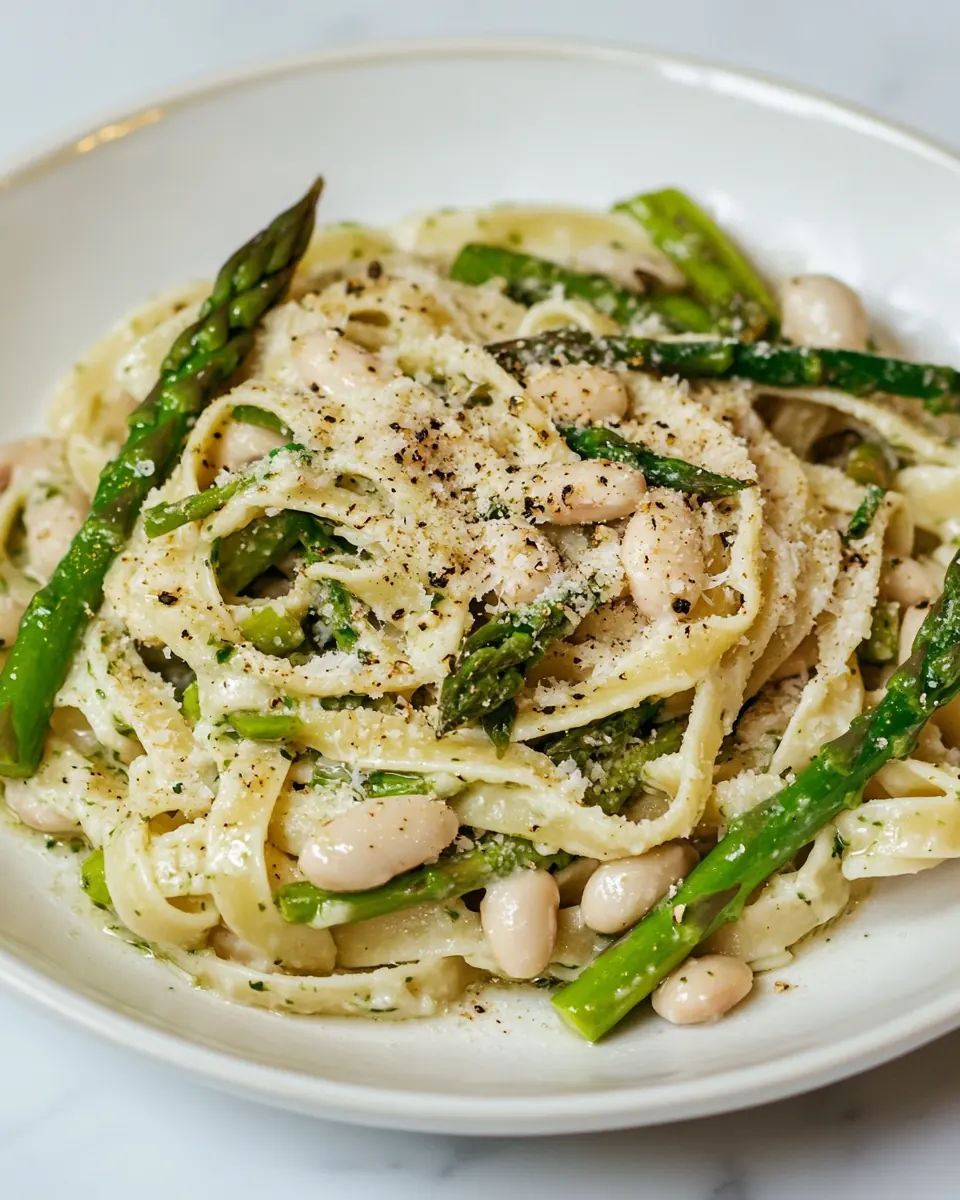
I like to experiment with small swaps to tailor this dish to the moment, keeping the structure intact while playing with texture and flavor. Below are ideas expanded from the recipe notes and common pantry-friendly variations.
- Make it vegan: Omit the parmesan and use a plant based butter alternative, and rely on extra white beans and a touch more lemon for brightness; this keeps the sauce creamy while staying dairy free. I recommend adding a sprinkle of nutritional yeast if you enjoy a cheesy note, but its omission still leaves a satisfying dish because the beans and lemon carry the flavor.
- Switch the pasta shape: Try pappardelle for broader ribbons that hold more sauce, or choose a thin linguine for a lighter mouthfeel; each shape changes the bite and how the sauce adheres. The cooking time will vary slightly, so watch for al dente to maintain texture through the final toss.
- Boost the crunch: Increase the amount of toasted hazelnuts and pulse them coarsely for toasted bits that scatter throughout; they add a rustic element and make the dish more substantial and texturally complex. Make sure nuts are cooled before chopping to avoid sogginess.
- Herb swap: Replace part of the basil with a touch of parsley for a brighter, slightly peppery finish; different herbs modulate the final aroma and pair especially well with lemon. Add delicate herbs at the end to preserve their fresh flavor.
- Adjust cheese level: If you prefer a lighter dish, reduce the parmesan and rely more on lemon and bean creaminess; alternatively, increase to the upper range for a richer, more savory experience. Add cheese gradually and taste to avoid overpowering the delicate asparagus.
Great Combinations for Asparagus Pasta with White Beans
This recipe pairs well with simple sides and occasions that celebrate spring produce. I often serve it for a casual weeknight dinner or a light weekend lunch when friends drop by. Below are serving ideas, storage tips, and seasonal pairings in list format to help you plan the full meal.
- Light salad starter: A crisp green salad with a lemon vinaigrette complements the warm, creamy pasta, bringing a refreshing contrast to the plate.
- Crisp vegetables: Roasted asparagus tips or steamed spring vegetables finished with a squeeze of lemon echo the flavors in the dish for a harmonious table.
- Occasions: Serve for a relaxed dinner with friends, a springtime lunch, or a simple celebratory meal when fresh market asparagus is at its peak.
- Storage: Cool leftovers quickly and store in an airtight container for up to two days; the pasta may absorb sauce, so stir in a splash of water when reheating to restore silkiness.
- Seasonal pairing: This shines in spring when asparagus is tender and abundant, but it also works when you find good quality stalks at other times of year.
- Serving style: Serve family style from the skillet or plate individually, finishing with extra toasted hazelnuts and freshly cracked black pepper at the table.
FAQ
Conclusion
Asparagus Pasta with White Beans shines because it balances creamy, bright, and crunchy elements in a single, easy skillet finish. The dish is quick enough for weeknights yet special enough for guests, thanks to toasted hazelnuts and shaved asparagus that elevate simple pantry items. I encourage you to give it a try, and to play with the lemon and cheese levels until it feels just right for your palate. Enjoy the fresh flavors of spring and the satisfaction of a meal that feels both wholesome and indulgent.
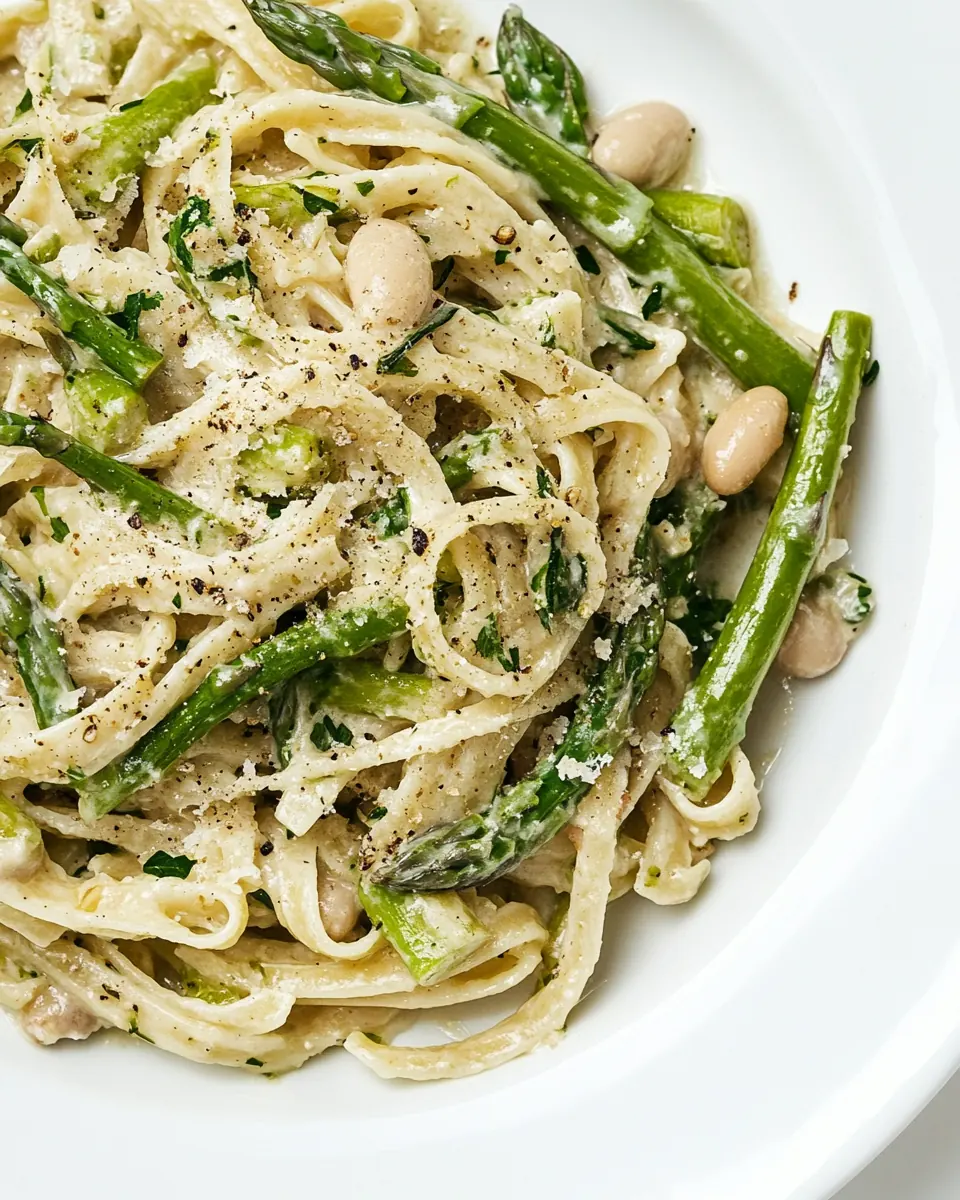
Asparagus Pasta with White Beans
Ingredients
Equipment
Method
- First, place the hazelnuts in the oven and let roast until it is fragrant and golden; 12 to 15 minutes or so.: Notice the warm nutty aroma as the hazelnuts toast, and watch their color shift from pale to golden brown, which signals caramelized oils releasing flavor. You should hear a faint popping and see them become slightly darker at the edges, a cue they are ready. This step builds a toasty contrast against the creamier elements in the dish, and skipping it will lose that textural highlight. A common mistake is leaving them too long, which creates a bitter aftertaste, so check them at around 10 minutes and shake the pan to ensure even browning.
- Start the water and bring it to a boil and a separate skillet to make the pasta on the stovetop.: The boil should be vigorous enough that a wooden spoon placed in the water shows steady movement, which prevents pasta from sticking and helps the starch release into the water. Meanwhile, warming the skillet prepares you to finish the sauce while the pasta cooks, keeping everything in sync. If the water is under salted, the pasta will taste flat, so season well. Avoid an aggressive rolling boil that splatters, and use a large pot so the pasta has room to move.
- Place a stalk of asparagus against a flat handle or spatula. Place the tip downward and your thumb securing the asparagus in place. Shave, down towards the counter. Repeat and flip the stalk as needed then repeat with remaining asparagus.: As you shave the asparagus , you should feel a slight resistance followed by a thin ribbon peeling away, resulting in delicate slices that cook quickly. The aroma is fresh and green, and the texture becomes silky rather than fibrous, which makes each bite pleasant. This technique prevents woody strands and keeps the vegetable tender. A common error is shaving too thickly, producing chewy ribbons, so aim for thin, even strokes for consistent cooking.
- Once the asparagus is good to go, add the pasta to the boiling water and start cooking. Cook according to the package directions.: When you drop the pasta it should sink then rise gently as the water returns to a boil, indicating proper temperature. Stir early and periodically to avoid clumping. Cooking to al dente gives a pleasant chew that holds up while you finish the sauce in the skillet, and slightly undercooking by a minute helps avoid mushy final texture. The frequent mistake is overcooking, which results in a limp bite that will soak up too much sauce and lose structure.
- As the pasta is cooking, heat the skillet over medium heat and add the butter. Let melt then add the garlic. Cook until fragrant and just golden, about 2 minutes. Stir in the beans with their liquid and cook until the liquid begins to thicken.: The butter should shimmer and smell creamy once melted; the minced garlic will release an immediate aromatic burst that perfumes the pan. Adding the white beans with their liquid creates a starchy, velvety base as the bean liquid reduces slightly. You will see tiny bubbles and a glossy sheen when the liquid starts to thicken, which means it is ready to embrace the pasta. Avoid browning the garlic, which turns bitter; lower the heat if it darkens too quickly. If the bean liquid reduces too much, you can loosen it later with reserved pasta water.
- Once this happens, transfer the cooked pasta to the pan, reserving some of the pasta water. Add the shaved asparagus now as well. Cook over low until the pasta combines with the beans and the asparagus is heated. Add a splash or two of water as needed to thin the sauce. Taste and add salt as needed.: At this point you will hear a gentle sizzle as the warm pasta hits the bean sauce, and the sauce should cling to the noodles forming a glossy coating. The shaved asparagus will wilt in seconds, turning slightly brighter green and tender, which signals readiness. Stirring releases starch that helps the sauce adhere. If the mixture seems dry, add a spoonful of reserved pasta water, watching the texture change to a silky, cohesive emulsion. The common slip here is over thinning the sauce, so add water sparingly and taste, because seasoning can become diluted.
- Turn off the heat and add the lemon juice, parmesan, and basil. Taste again and adjust the flavors if needed (more lemon, parmesan, or basil). Serve with black pepper, the toasted hazelnuts, and more cheese.: With the heat off, the parmesan will melt gently into the warm sauce, turning it creamy without becoming gluey. Stir in the lemon juice which will awaken the aromatics and lift the overall profile, and the minced basil will release its sweet, peppery fragrance. Finish with cracked black pepper and scattered toasted hazelnuts for crunch. The plate should smell bright, and the sauce should coat each strand of pasta. Avoid adding cheese while still on high heat as it can clump, and always taste before final seasoning to prevent over salting.
Notes
- Make it vegan: Omit the parmesan and use a plant based butter alternative, and rely on extra white beans and a touch more lemon for brightness; this keeps the sauce creamy while staying dairy free. I recommend adding a sprinkle of nutritional yeast if you enjoy a cheesy note, but its omission still leaves a satisfying dish because the beans and lemon carry the flavor.
- Switch the pasta shape: Try pappardelle for broader ribbons that hold more sauce, or choose a thin linguine for a lighter mouthfeel; each shape changes the bite and how the sauce adheres. The cooking time will vary slightly, so watch for al dente to maintain texture through the final toss.
- Boost the crunch: Increase the amount of toasted hazelnuts and pulse them coarsely for toasted bits that scatter throughout; they add a rustic element and make the dish more substantial and texturally complex. Make sure nuts are cooled before chopping to avoid sogginess.
- Herb swap: Replace part of the basil with a touch of parsley for a brighter, slightly peppery finish; different herbs modulate the final aroma and pair especially well with lemon. Add delicate herbs at the end to preserve their fresh flavor.
- Adjust cheese level: If you prefer a lighter dish, reduce the parmesan and rely more on lemon and bean creaminess; alternatively, increase to the upper range for a richer, more savory experience. Add cheese gradually and taste to avoid overpowering the delicate asparagus.