Changua
Changua is the kind of breakfast that feels like a warm conversation, one I often return to on chilly mornings. The first time I tasted this Colombian milk and egg soup was at a friend’s kitchen table, steam fogging the window as we traded stories, and that simple bowl has been my comfort ritual ever since.
I love how Changua is both humble and soulful, a dish that uses just a few pantry staples yet yields something unexpectedly cozy. When I make it, I think about small traditions, like peeling back the lid to a simmering pot and catching the scent of milk and scallions, the gentle swirl of rising steam, and the quiet attention required to nestle eggs without breaking their golden centers. Those moments of focus feel like a small act of care, whether I am cooking for myself or for friends.
Over the years I’ve tweaked little details, but I always keep the spirit intact: creamy broth, tender poached eggs, and a bright hit of cilantro. It is a soup that asks for nothing fancy, and rewards that restraint with comfort. If you have crusty toasted bread, bring it alongside to sop up the broth, and you have a breakfast that warms from the inside out.
Recipe Snapshot
20 mins
5 mins
15 mins
Easy
250 kcal
Colombian
Gluten-Free, Keto
Soups
Medium pot, Ladle, Small bowl
The Best Thing About This Changua
Simple, Honest Flavor
I love Changua because its flavor profile is straightforward yet comforting. The combination of warm milk and a little water produces a silky broth that lets the delicate taste of the eggs shine through. There are no competing elements, just gentle savory notes from scallions and the herbal lift of cilantro.
Speed and Ease
One big reason I come back to this recipe is how fast it is. With about fifteen minutes of hands on the stove you can have a nourishing bowl. For busy mornings this is a winner, and the small ingredient list makes it stress free to prepare.
Textural Comfort
The contrast between the soft, custardy eggs and the warm, slightly creamy broth is what hooks me. When the yolk breaks into the soup it creates ribbons of richness that coat the spoon. That interplay of silky and tender is satisfying in a way that feels both rustic and refined.
Adaptable and Inviting
I appreciate that Changua is welcoming to improvisation. You can serve it with crusty toasted bread or simply enjoy it as is. The recipe is forgiving, so it is a great dish to make when you want something restorative without complicated instructions.
Cultural Warmth
Finally, this soup carries warmth from another place and time. It is a small culinary bridge, connecting my kitchen to Colombian morning tables. Preparing it feels like participating in a tradition, and that personal connection is why I cherish this dish.
Ingredients to Make Changua
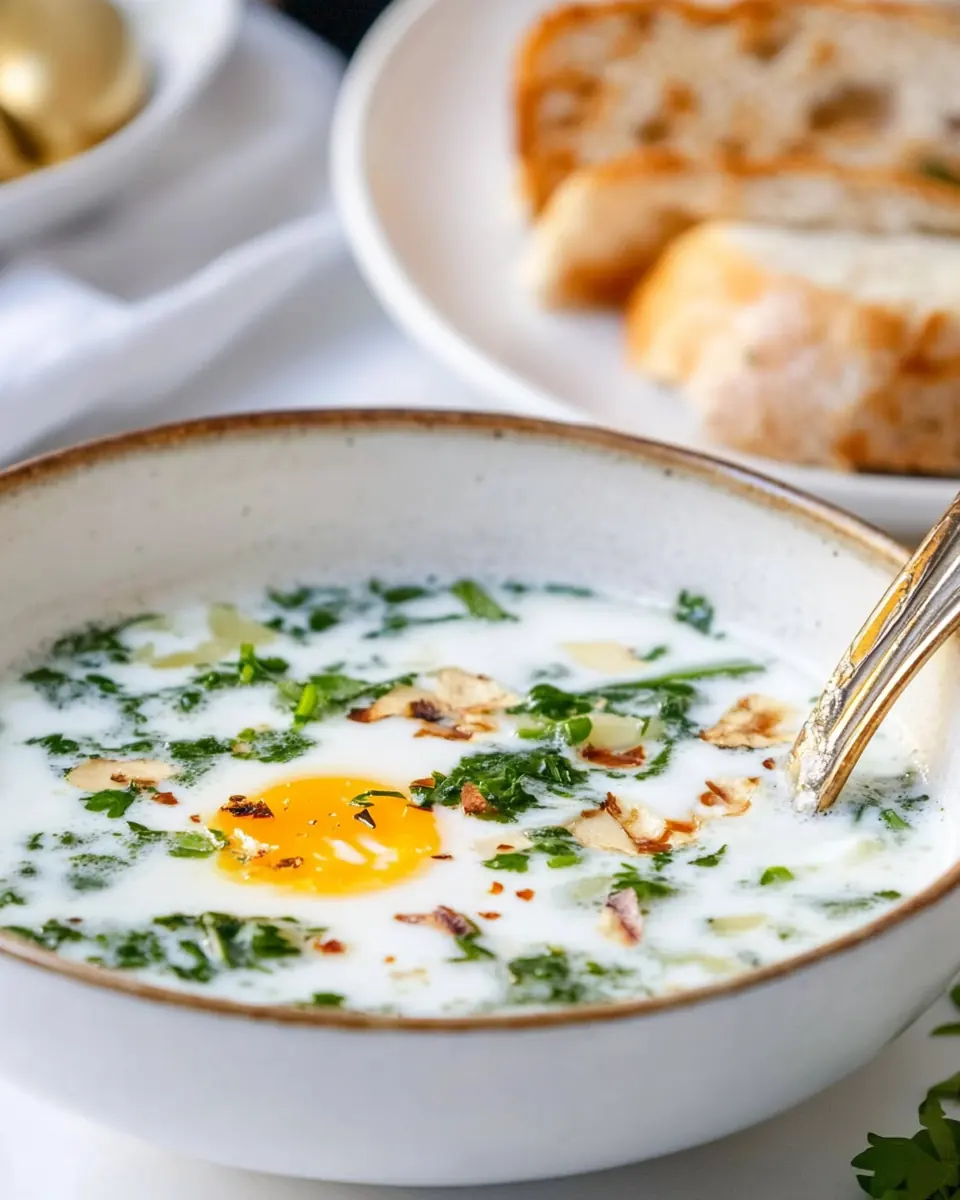
These ingredients are intentionally minimal, and they work together to create a soup that is creamy, light, and aromatic. The key players are the milk for body, the eggs for richness, and the fresh herbs and aromatics for brightness. Because the list is short, each component matters, so I focus on freshness and gentle cooking to bring out the best.
- 3 cups 2% milk: Provide the creamy liquid base for the soup, lending mild richness and a subtle dairy sweetness; simmer gently to prevent scalding and curdling while eggs poach.
- 3 cups water: Contribute to the cooking liquid and help balance flavors and concentration; combine with milk to achieve the proper broth consistency and adjust heat for gentle simmering.
- 4 large eggs: Add protein and silky texture when cracked directly into the simmering liquid; poach until whites are set but yolks remain slightly runny for traditional mouthfeel.
- 1/4 cup chopped fresh cilantro, plus more for garnish (stems and leaves): Offer bright, herbaceous notes with both stems and leaves contributing aromatic freshness; chop and stir in near the end to preserve fragrance and color, reserving some for garnish.
- 3 medium scallions, chopped: Provide mild allium sharpness and subtle crunch when chopped; cook briefly with the broth to soften while releasing savory, aromatic compounds that complement the eggs.
- kosher salt and fresh cracked pepper, to taste: Season the dish to taste, enhancing and balancing the milk and water base while controlling sodium and heat; add gradually and taste as you go to avoid over-salting.
- crusty toasted bread, for serving (optional): Serve as an optional accompaniment, adding textural contrast and soaking up the flavorful broth; toast to a sturdy crispness so it holds up when dipped into the soup.
Recipe Steps for Changua
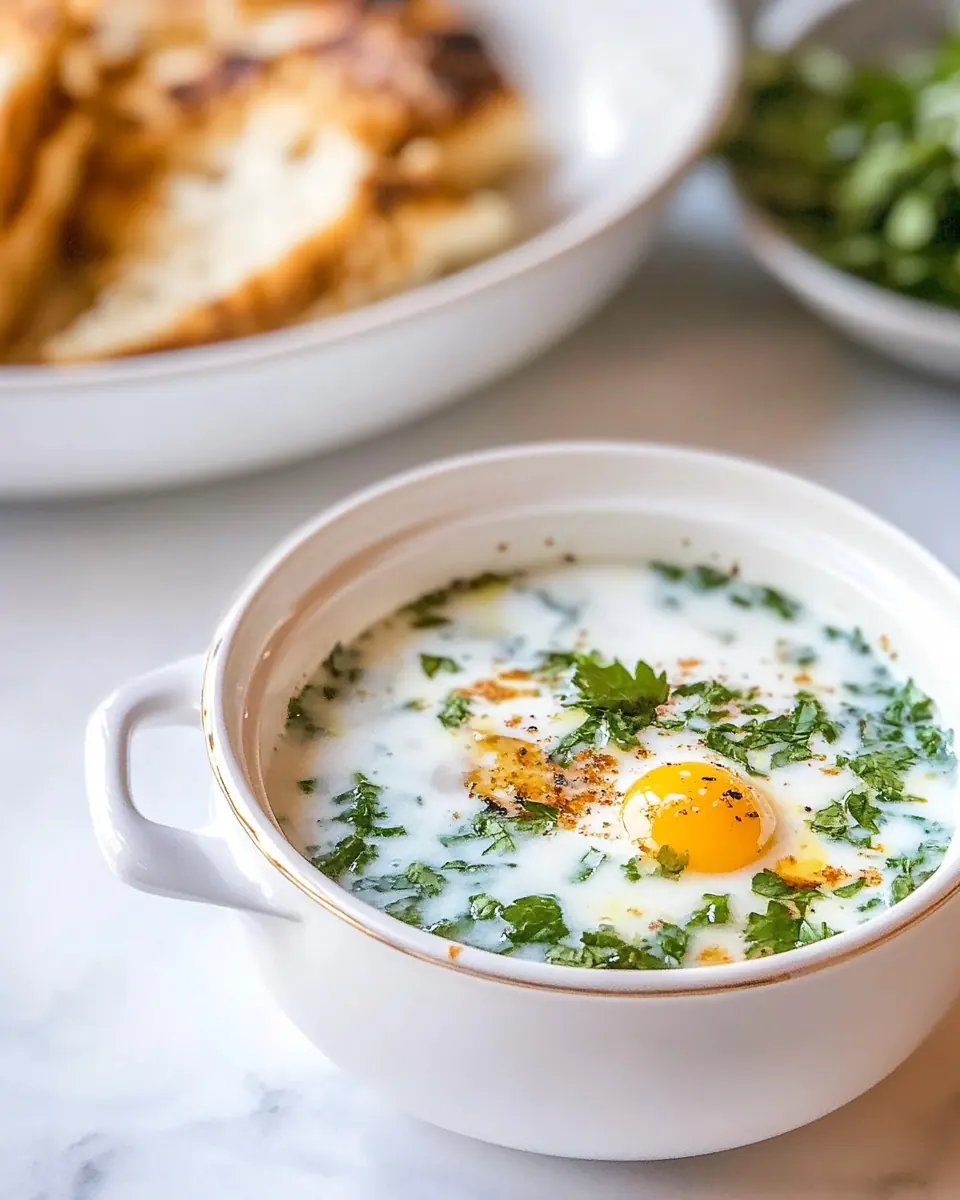
These steps guide you through building the soup from a gently heated broth to perfectly poached eggs. I like to cook slowly and pay attention to subtle cues, because small changes in heat and timing make a big difference in texture. Keep your tools close and taste as you go.
- Place the milk and water in a medium pot and bring to a boil. Add the scallions, salt and pepper and cook for 3 minutes.: As the liquid warms you will notice a thin veil of steam rising and a soft milky scent filling the kitchen, signaling the beginnings of the soup. Bring the mixture up gradually over medium heat so the milk does not scorch, stirring occasionally to ensure even heating. You want small bubbles forming around the edge before it reaches a boil, that visual cue prevents a sudden boil over. A common mistake is raising the heat too high which can cause the milk to foam and spill, so keep it controlled and watch the pot.
- Reduce the heat to medium and carefully add the eggs, without breaking the yolks.: Once the liquid is hot, the aroma of softened scallions will bloom, providing a subtle oniony backbone. Simmer gently for about three minutes so the scallions release their flavor into the broth without browning, which keeps the soup bright. Taste and adjust with a pinch of kosher salt and some fresh cracked pepper , because seasoning early helps layer the flavors. Avoid overcooking the scallions , as they can become mushy and lose their fresh note.
- Poach the eggs for 3 minutes or longer if you like it cooked well in the center; add the cilantro.: Lowering the heat creates a gentle simmer, perfect for poaching. Crack each egg into a small bowl first to check for shells and to make placement easier, then slide them into the broth close to the surface. You will hear a soft settling sound as the whites begin to firm, and the visual should be delicate white clouds forming around intact yolks. If the heat is too high the whites will overcook and break apart, so maintain that gentle simmer to achieve tender texture.
- To serve, gently place an egg in four shallow bowls, then ladle in the soup, about 1 1/2 cups each. Serve warm with toasted bread on the side and garnish with more fresh cilantro.: During cooking, watch the whites transition from translucent to opaque, and you can occasionally tilt the pot to check the firmness. At about three minutes the yolks will still be runny, and the aroma of the warmed cilantro added at this stage will lift the broth with fresh herbal notes. Stir the cilantro in gently so it mingles with the soup, not so roughly that the eggs break. A frequent error is leaving the eggs too long which yields fully set yolks, so time them based on your preferred doneness.
- To serve, gently place an egg in four shallow bowls, then ladle in the soup, about 1 1/2 cups each: As you assemble, you will notice the glossy sheen of the broth and the soft mound of the poached egg in each bowl. Ladling from the pot, aim for a balance between broth and egg so each serving feels complete. The sound of the soup as it pours is a small, satisfying cue, and finishing with a sprig of chopped cilantro brightens the presentation. Be careful while ladling to avoid breaking the yolk prematurely; maintain a steady hand for best results.
- Serve warm with toasted bread on the side and garnish with more fresh cilantro: Presenting the bowls warm enhances the aromas and textures, and the toasted bread adds a crunchy counterpoint to the soft soup. The garnish of additional cilantro provides a fresh finish and a pop of color. One misstep to avoid is serving the soup too hot, which can mask subtle flavors and make the yolk more likely to break when cut, so allow it a brief moment to cool before eating.
Tips for Success
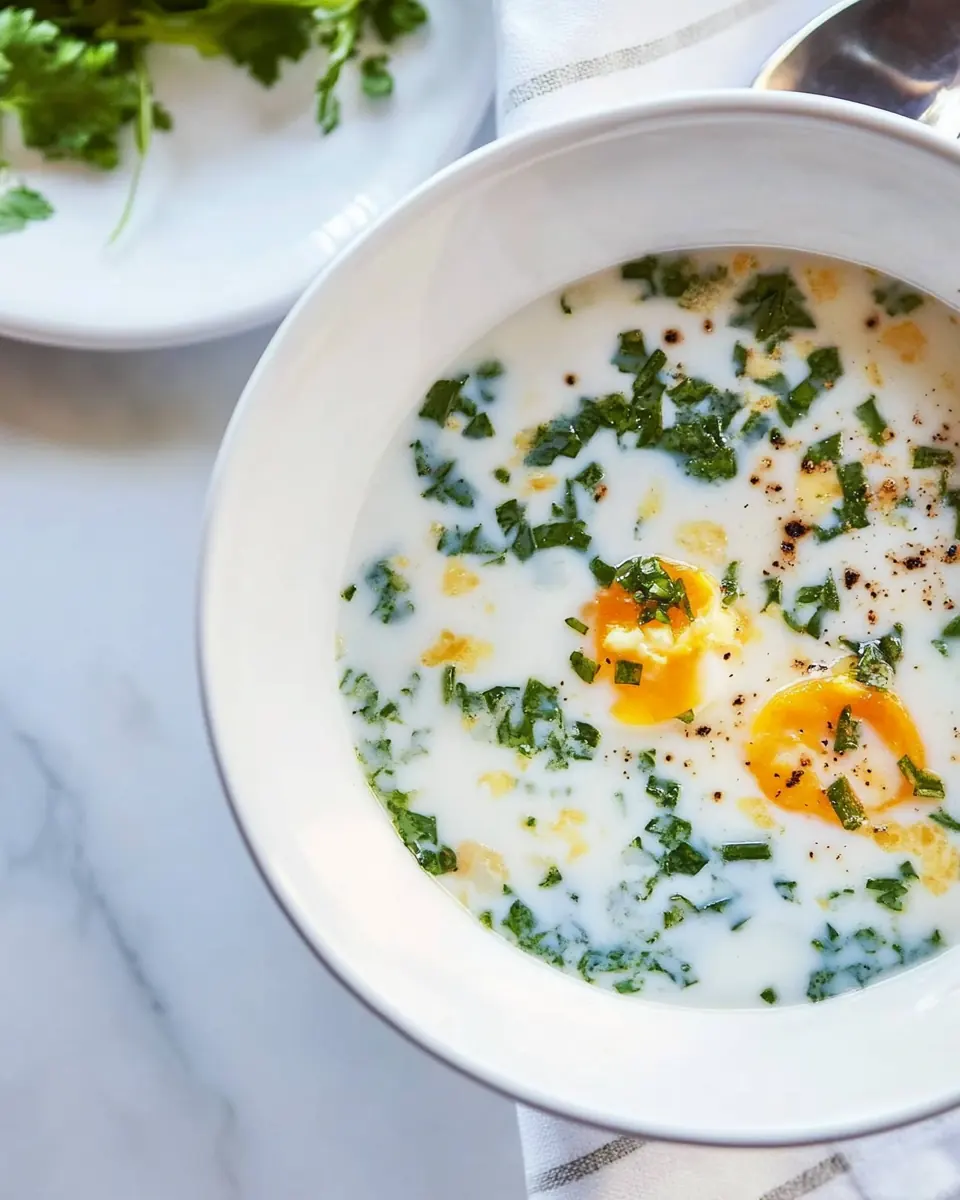
A few carefully chosen techniques will elevate your bowl of Changua. These tips focus on timing, temperature, and small rituals that preserve texture and amplify flavor. Keep them nearby while you cook.
- Control the heat: Maintaining a gentle simmer prevents the milk from boiling over and ensures the eggs poach evenly without becoming rubbery.
- Use bowls for eggs: Cracking each egg into a small bowl first helps you slide them into the broth smoothly and reduces the risk of shells or broken yolks.
- Fresh herbs last: Add the chopped cilantro at the end to keep its flavor bright and fragrant instead of muted by long cooking.
- Season gradually: Salt little by little since the broth concentrates slightly as it simmers; tasting along the way avoids overseasoning.
- Toasted bread on the side: Serve with crusty toasted bread to introduce contrast in texture and a vehicle for soaking up the creamy broth.
How to Enjoy Changua
Changua is wonderfully versatile for morning rituals or a light meal any time of day. Serve it simply and let the textures and warmth be the focus. Below are thoughtful serving ideas and practical storage notes presented as a list so you can scan and choose what works for you.
- Breakfast tradition: Offer Changua as a warming morning bowl, pairing each serving with crusty toasted bread to dip and scoop.
- Brunch centerpiece: Make a small pot for friends, set out bowls of extra chopped cilantro and cracked pepper, and let guests finish their bowls to taste.
- Light lunch option: Serve alongside a simple salad for contrast, using the soup as the protein rich component thanks to the eggs.
- Seasonal pairing: In chilly months, enjoy Changua to warm up; its gentle creaminess feels especially comforting in colder weather.
- Storage advice: Refrigerate leftovers within two hours, store in an airtight container, and reheat gently over low heat to preserve the texture of the broth; note that poached eggs are best eaten fresh.
- Serving temperature: Serve warm rather than scalding, so the delicate aromas of the cilantro and the texture of the eggs remain pleasant.
FAQ
Conclusion
Changua stands out for its comforting simplicity and the way a few humble ingredients combine to create a quietly luxurious breakfast. It is an inviting, easy to prepare soup that highlights the tenderness of poached eggs and the mild creaminess of the milk based broth. I encourage you to make it on a cool morning or whenever you want an uncomplicated, soothing meal that feels nourishing. Share a pot with someone you care about, or savor a peaceful solo bowl, and let the gentle flavors do the rest.
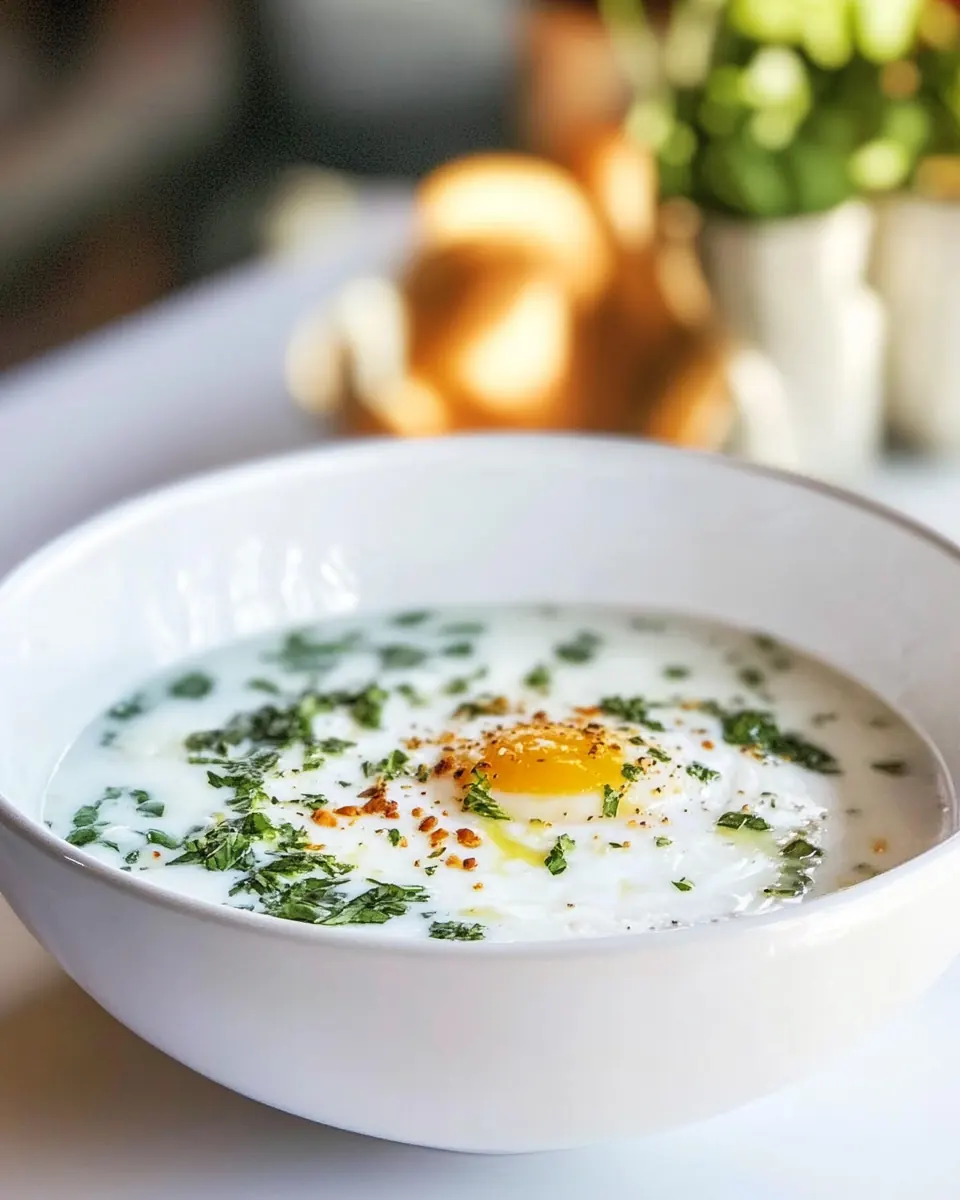
Changua
Ingredients
Equipment
Method
- Place the milk and water in a medium pot and bring to a boil. Add the scallions, salt and pepper and cook for 3 minutes.: As the liquid warms you will notice a thin veil of steam rising and a soft milky scent filling the kitchen, signaling the beginnings of the soup. Bring the mixture up gradually over medium heat so the milk does not scorch, stirring occasionally to ensure even heating. You want small bubbles forming around the edge before it reaches a boil, that visual cue prevents a sudden boil over. A common mistake is raising the heat too high which can cause the milk to foam and spill, so keep it controlled and watch the pot.
- Reduce the heat to medium and carefully add the eggs, without breaking the yolks.: Once the liquid is hot, the aroma of softened scallions will bloom, providing a subtle oniony backbone. Simmer gently for about three minutes so the scallions release their flavor into the broth without browning, which keeps the soup bright. Taste and adjust with a pinch of kosher salt and some fresh cracked pepper , because seasoning early helps layer the flavors. Avoid overcooking the scallions , as they can become mushy and lose their fresh note.
- Poach the eggs for 3 minutes or longer if you like it cooked well in the center; add the cilantro.: Lowering the heat creates a gentle simmer, perfect for poaching. Crack each egg into a small bowl first to check for shells and to make placement easier, then slide them into the broth close to the surface. You will hear a soft settling sound as the whites begin to firm, and the visual should be delicate white clouds forming around intact yolks. If the heat is too high the whites will overcook and break apart, so maintain that gentle simmer to achieve tender texture.
- To serve, gently place an egg in four shallow bowls, then ladle in the soup, about 1 1/2 cups each. Serve warm with toasted bread on the side and garnish with more fresh cilantro.: During cooking, watch the whites transition from translucent to opaque, and you can occasionally tilt the pot to check the firmness. At about three minutes the yolks will still be runny, and the aroma of the warmed cilantro added at this stage will lift the broth with fresh herbal notes. Stir the cilantro in gently so it mingles with the soup, not so roughly that the eggs break. A frequent error is leaving the eggs too long which yields fully set yolks, so time them based on your preferred doneness.
- To serve, gently place an egg in four shallow bowls, then ladle in the soup, about 1 1/2 cups each: As you assemble, you will notice the glossy sheen of the broth and the soft mound of the poached egg in each bowl. Ladling from the pot, aim for a balance between broth and egg so each serving feels complete. The sound of the soup as it pours is a small, satisfying cue, and finishing with a sprig of chopped cilantro brightens the presentation. Be careful while ladling to avoid breaking the yolk prematurely; maintain a steady hand for best results.
- Serve warm with toasted bread on the side and garnish with more fresh cilantro: Presenting the bowls warm enhances the aromas and textures, and the toasted bread adds a crunchy counterpoint to the soft soup. The garnish of additional cilantro provides a fresh finish and a pop of color. One misstep to avoid is serving the soup too hot, which can mask subtle flavors and make the yolk more likely to break when cut, so allow it a brief moment to cool before eating.
Notes
- Control the heat: Maintaining a gentle simmer prevents the milk from boiling over and ensures the eggs poach evenly without becoming rubbery.
- Use bowls for eggs: Cracking each egg into a small bowl first helps you slide them into the broth smoothly and reduces the risk of shells or broken yolks.
- Fresh herbs last: Add the chopped cilantro at the end to keep its flavor bright and fragrant instead of muted by long cooking.
- Season gradually: Salt little by little since the broth concentrates slightly as it simmers; tasting along the way avoids overseasoning.
- Toasted bread on the side: Serve with crusty toasted bread to introduce contrast in texture and a vehicle for soaking up the creamy broth.