15 Minute Soba Noodle Soup
15 Minute Soba Noodle Soup has been my go to on evenings when I want something warm, simple, and honestly comforting in the truest sense. I remember the first time I tossed a handful of mushrooms and baby bok choy into a quick broth and watched the steam carry that bonito aroma around the kitchen, and I knew I had a winner. I love how this bowl feels like a small, tidy celebration of texture, with slippery soba noodles and the bite of scallion, and it became my shortcut to calm after a long day.
There is something about the ritual of assembling a soup that soothes me, from the quick boil of water to the soft peel of a hard boiled egg. Over the years I adapted the base to be uncomplicated yet flavorful. The 15 Minute Soba Noodle Soup is one of those recipes I reach for when I want real, honest food without a fuss, and it always feels like a tiny, restorative meal. Friends who taste it often comment on the rich savory notes, which come from using a ready made bonito flavored soup base, making busy nights taste intentional.
Recipe Snapshot
15 mins
10 mins
5 mins
Easy
350 kcal
Japanese
Paleo, Gluten-Free
Soups
Pot, Colander, Bowl, Tongs
Why You’ll Love This 15 Minute Soba Noodle Soup
Speed without sacrificing flavor
I adore that 15 Minute Soba Noodle Soup delivers a full flavored bowl in a flash. When I am juggling work and life, I want something that respects my time yet still tastes like I cared. The concentrated bonito flavored soup base lifts the broth so you get umami depth with almost no hands on time, and the process feels satisfying rather than rushed.
Balanced textures in every spoonful
One of my favorite reasons to make this soup is the contrast between the silky soba noodles, the tender snap of baby bok choy, and the delicate chew of buna shimeji mushroom. That textural conversation makes each bite interesting, and I enjoy how the halved hard boiled egg adds creaminess that ties everything together.
Minimal but thoughtful ingredient list
I value recipes that respect ingredients and make each one matter. With only a handful of components like water, the soup base, and a few garnishes, the flavors remain focused. Because the list is short, I can highlight quality, like fresh scallion and toasted white sesame, and the result feels far greater than the sum of its parts.
Versatile and approachable
This bowl adapts to whatever I have on hand, while still being approachable for anyone new to Asian flavors. I find it an excellent bridge recipe to introduce friends to soba noodles and Japanese pantry items, all while being forgiving if your timing is slightly off. It is a dependable, weeknight friendly staple in my kitchen rotation.
Comfort food that still feels light
Finally, 15 Minute Soba Noodle Soup gives comfort without weighing you down. The broth is light but savory, which means I can enjoy a satisfying bowl and still feel energized after dinner. For me, that balance is everything, especially on busy or chilly evenings when you want to feel nourished quickly.
Ingredients Required for 15 Minute Soba Noodle Soup
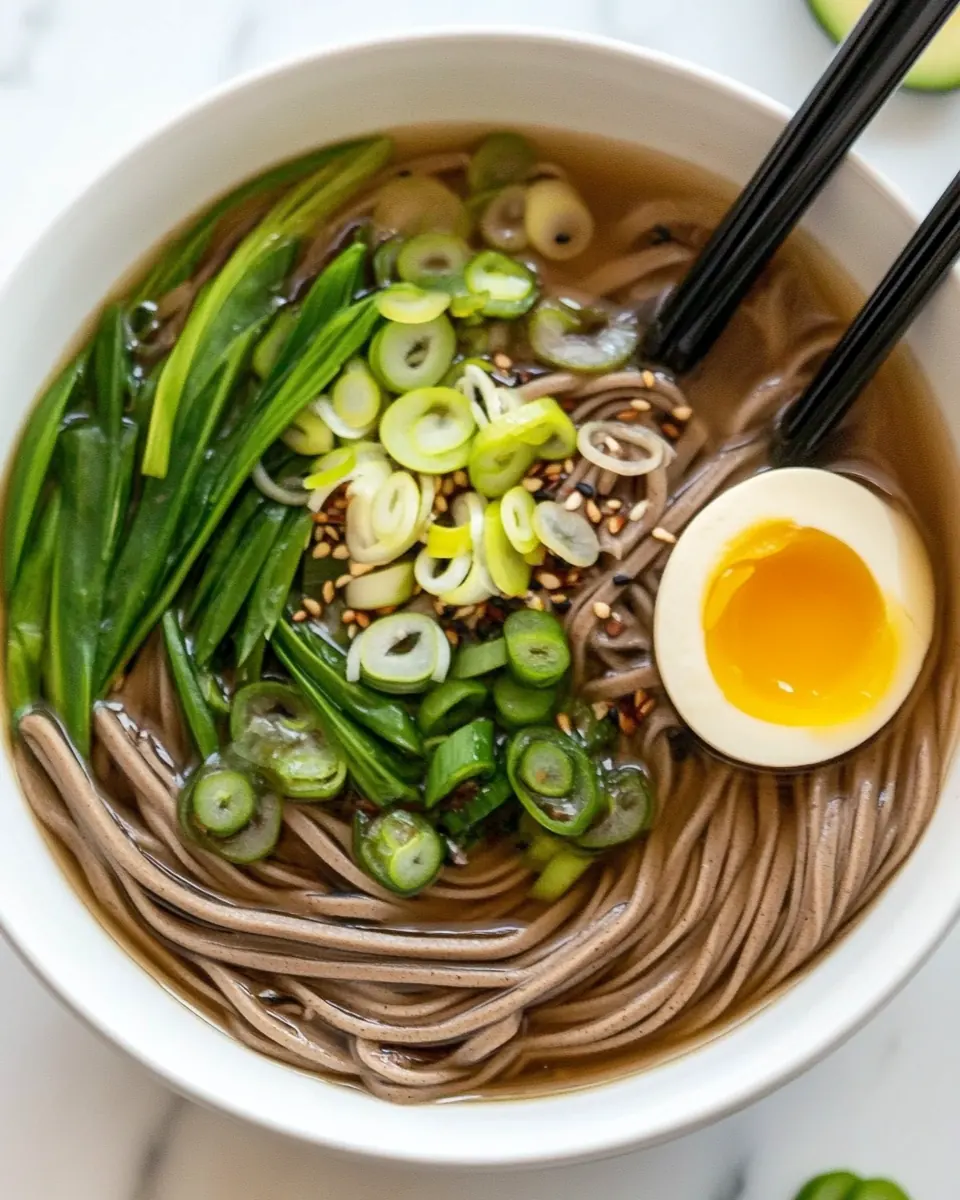
These ingredients are deliberately simple and complementary. The philosophy here is clarity, each element playing a key role to build a quick, umami forward bowl. The soba noodles provide the backbone and satisfying chew, while the soup base delivers depth. Vegetables like buna shimeji mushroom and baby bok choy bring freshness and texture, and the finishing touches, white sesame and scallion, give aroma and brightness.
- 1 bundle soba noodles: Soak and separate to prevent clumping; provides the chewy buckwheat texture central to the soup. Cooks quickly in boiling liquid, absorbing flavors while maintaining a pleasant firmness when drained properly.
- 1 1/2 cups water: Dilute and simmer as the cooking liquid base; carries and balances the concentrated soup base to create a flavorful broth. Adjust volume slightly to control soup intensity and achieve the desired noodle-to-broth ratio.
- 2 tablespoons bonito flavored soup base, Mizkan: Season and umami-enhance as the concentrated flavoring; dissolves into hot water to create a savory backbone. Can be adjusted to taste for saltiness and depth without additional stock.
- 1 oz (30 g) buna shimeji mushroom: Tear apart and cook briefly to add delicate, slightly nutty mushroom flavor and tender bite. Releases mild umami and soaks up broth, contributing texture contrast against noodles and greens.
- 1 bunch baby bok choy: Trim and separate leaves to add crisp, leafy greens with a mild cabbage-like flavor when wilted. Cooks quickly in hot broth, providing freshness, color, and a nutrient boost to the soup.
- 1 hard-boiled egg, halved: Halve and add as a creamy, rich protein element topped in the bowl for visual appeal and extra texture. Provides a silky yolk and soft white that complements the savory broth and noodles.
- white sesame: Toast and sprinkle to add a nutty crunch and subtle sesame aroma as a finishing garnish. Enhances mouthfeel and visual contrast while reinforcing Asian flavor notes.
- scallion, chopped: Chop finely and scatter to add a fresh, sharp oniony bite and bright green color as a finishing touch. Enhances aroma and provides a crisp contrast to the warm, savory broth.
Recipe Directions for 15 Minute Soba Noodle Soup
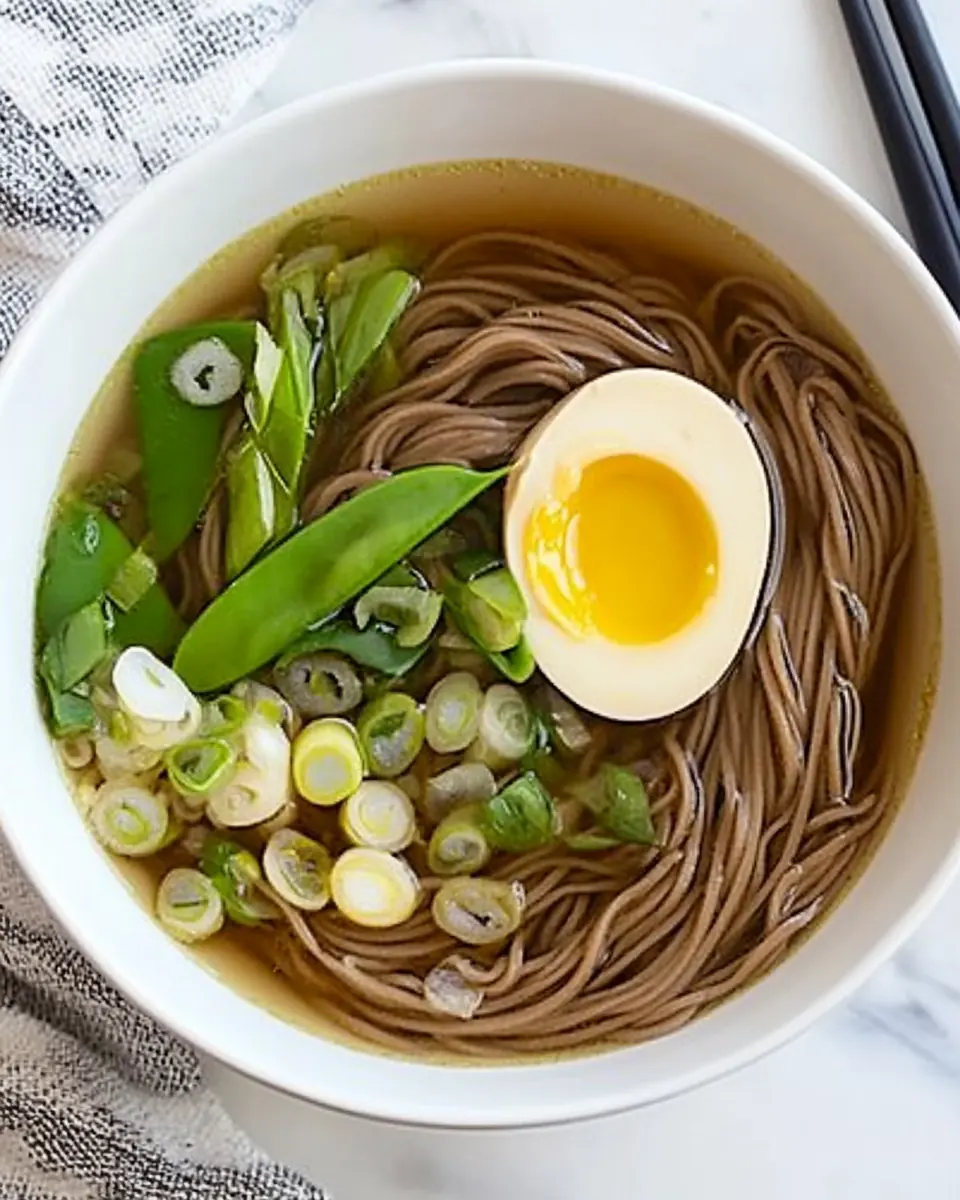
This recipe flows quickly, so a little organization goes a long way. I like to have my vegetables prepped and soba noodles ready at hand before I bring any water to a boil. Keep your garnishes nearby so you can finish the bowl immediately, preserving texture and aroma.
- Heat a pot of water and bring it to a boil. Cook the soba noodles until al dente, about 5 minutes. Drain and set aside in a bowl.: The moment you sense the water moving from quiet to lively, you will hear a steady bubbling that signals the right stage to add the soba noodles . The air will fill with a faint minerality from the water, and the surface will shimmer with motion. This vigorous boil is important because it prevents the noodles from clumping as they hit the water, and it helps the cooking temperature recover quickly after adding them. A common mistake is adding noodles to water that is only simmering, which can make them gummy and unevenly cooked. If your pot is too small, the water may foam over, so use a pot with enough headroom and stir gently after adding the noodles to separate them.
- In the meantime, heat 1 1/2 cups of water and bring it to a boil. Add the Mizkan (Bonito Flavored) Soup Base, along with the mushrooms and baby bok choy. Boil for about 1 minute, or until they are cooked.: As the soba noodles cook, you will notice their color deepen slightly and their strands loosen in the pot. Gently lift a strand with tongs to test for a slight resistance in the center, that tactile cue tells you the texture is right. The cooking water may foam a bit because of the starch, which is normal; skim if it threatens to boil over. Overcooking will yield a limp texture and diminished bite, while undercooking results in a chalky center. Drain promptly once al dente to stop carryover cooking.
- Add the egg on top of the soba noodles, then pour the soup over them. Top with sesame seeds and scallions.: After draining, the soba noodles should be separated and cooling slightly, releasing a whisper of fragrance. Transferring them to a warm serving bowl keeps them from clumping and allows you to arrange the final composition. If you notice any sticky clumps, a quick rinse under cool water will help, but be mindful this can cool the noodles too much; only rinse if needed. A mistake at this stage is leaving noodles in a colander with steam trapped, which softens them further; spread them gently in the bowl instead.
- In the meantime, heat 1 1/2 cups of water and bring it to a boil: As you heat the measured water , take in the subtle difference between plain boiling water and the moment you add the soup base. A small rolling boil is ideal to dissolve the broth concentrate uniformly. Precise control of the boil ensures the seasoning integrates evenly without concentrating in one hot pocket. A frequent error is overheating and vigorously boiling after adding delicate ingredients, which can break down texture.
- Add the Mizkan (Bonito Flavored) Soup Base, along with the mushrooms and baby bok choy: When the bonito flavored soup base dissolves, it will instantly perfume the kitchen with smoky, savory top notes, and your broth will take on a deeper tone. Add the buna shimeji mushroom and baby bok choy so the vegetables blanch gently and absorb flavor. Cook them just until tender, watching for the bok choy stems to become translucent and the mushroom caps to soften. Overcooking the greens will make them limp and dull, while undercooking leaves them too firm; timing here preserves crisp tender contrast.
- Boil for about 1 minute, or until they are cooked: That brief boil will set the texture, and you should notice steam carrying the savory aroma of the broth. The baby bok choy leaves will wilt and the stems will shift from opaque to a lighter tone, while the buna shimeji mushroom will become tender and release a subtle earthiness. This quick cook preserves brightness and prevents grainy stems or mushy caps. A common slip is leaving them extra long because the heat is too aggressive; once they reach tender, remove from high heat promptly.
- Add the egg on top of the soba noodles, then pour the soup over them: Placing the halved hard boiled egg on the noodles creates an attractive center, and pouring the hot broth over it warms the yolk and white without overcooking. You'll hear a gentle hiss as the steaming broth meets the cooler bowl, and the aroma will intensify. This approach ensures even temperature distribution and keeps the yolk texture pleasant. Avoid pouring from too high above the bowl, which can splash and disrupt the presentation.
- Top with sesame seeds and scallions: Finishing with a scattering of white sesame and chopped scallion adds crunch and aromatic lift. The sesame will offer tiny pops of toasted nuttiness, while the scallion contributes a fresh, sharp counterpoint. Add these last to preserve their texture and fragrance. A mistake I see is adding garnishes too early, which softens them and mutes their impact in the finished bowl.
Pro Tips and Tweaks
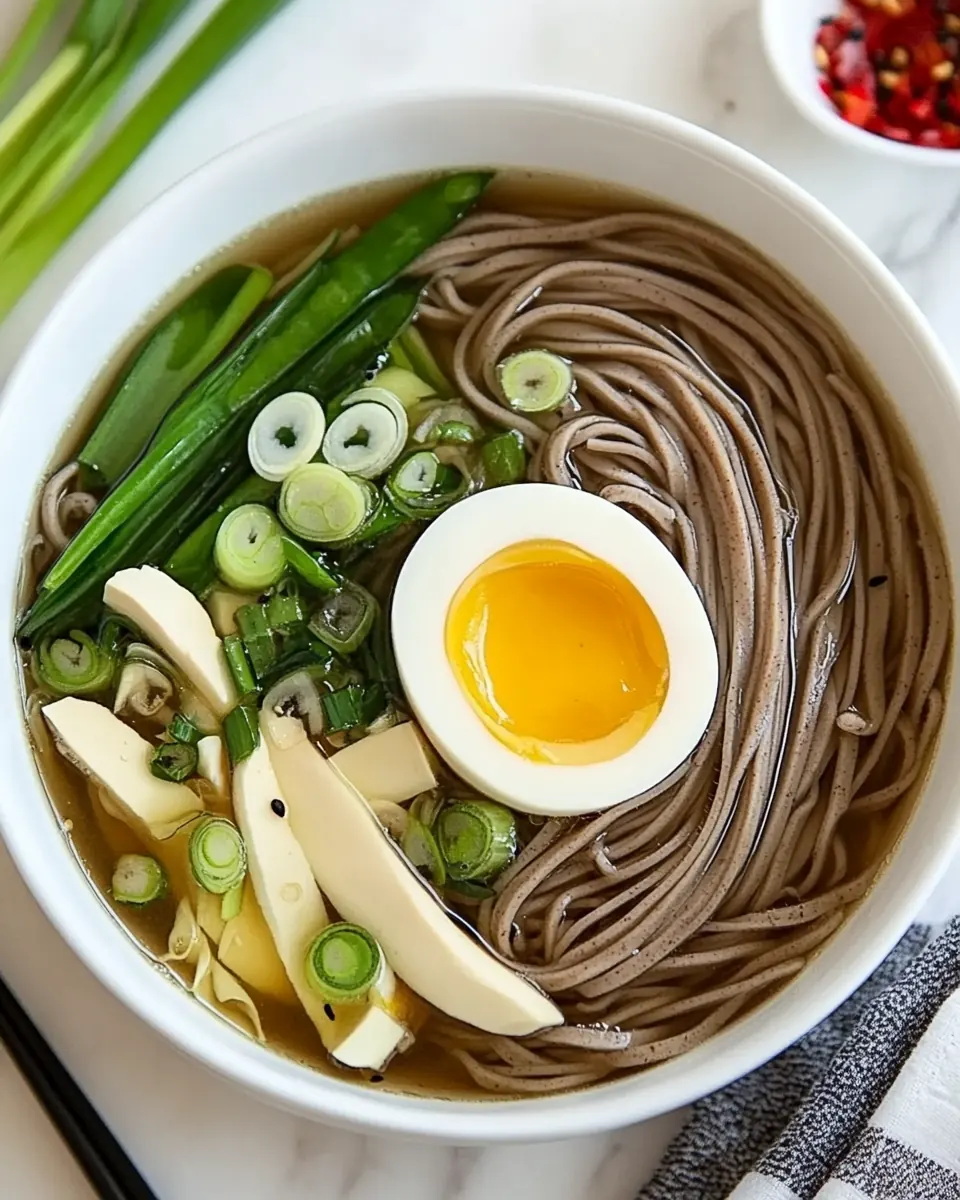
I like to share practical notes that make this soup sing. These tips expand on small choices that change texture, aroma, and overall satisfaction. Read through and pick the tweaks that fit your pantry and timing.
- Control the broth strength Use the recommended two tablespoons of the bonito flavored soup base for a balanced profile, then taste and adjust by adding tiny spoonfuls if you want deeper umami.
- Protect noodle texture Avoid overcooking the soba noodles by testing early and draining as soon as they are al dente to preserve their signature chew.
- Stagger vegetable cooking Add thicker baby bok choy stems first, then leaves later so everything finishes evenly and nothing becomes overly soft.
- Garnish last Scatter white sesame and chopped scallion right before serving to maintain crunch and brightness in each bite.
- Quick egg prep Make your hard boiled egg earlier and cool it in an ice bath for easier peeling and neater halves when plating.
Great Combinations for 15 Minute Soba Noodle Soup
This soup can anchor many simple meals, and the right accompaniments elevate it into a memorable dinner. I like to think in terms of texture contrast, seasonal pairing, and occasions where a fast bowl is ideal. Below are ideas for sides, serving contexts, storage, and seasonal notes.
- Light side salad A crisp green salad with a tangy dressing balances the warm bowl, offering a refreshing contrast that works well for lunch or a light dinner.
- Steamed vegetables Extra steamed vegetables like carrots or snap peas provide crunch and color, making the meal more substantial while keeping it healthy for a weeknight family dinner.
- Casual gatherings This bowl is perfect for intimate weeknight gatherings, when you want to serve something cozy without spending hours in the kitchen, ideal for small dinner parties or casual visits.
- Storage tips Store broth separately from the soba noodles to prevent them from becoming soggy. Keep vegetables and garnishes in airtight containers in the fridge for up to two days.
- Seasonal pairings In winter, a warm bowl like this pairs well with simple roasted root vegetables, while in milder months it complements lighter summer salads and chilled side dishes.
- Occasions This dish is excellent for a quick lunch, a soothing late night meal, or during times when you need something nourishing that comes together fast, such as after a busy workday or during study sessions.
- Presentation Serve in warmed bowls and add the hard boiled egg last for an appealing centerpiece; a final drizzle of warm broth over the egg creates a harmonious final touch.
FAQ
Conclusion
This recipe stands out because it balances speed, texture, and deep savory flavor in a single comforting bowl. I encourage you to try the 15 Minute Soba Noodle Soup the next time you need a rapid meal that still feels thoughtful and nourishing. Give it a go tonight, savor the interplay of nutty noodles, tender vegetables, and the umami rich broth, and notice how a few intentional ingredients can transform a quick dish into something memorable.
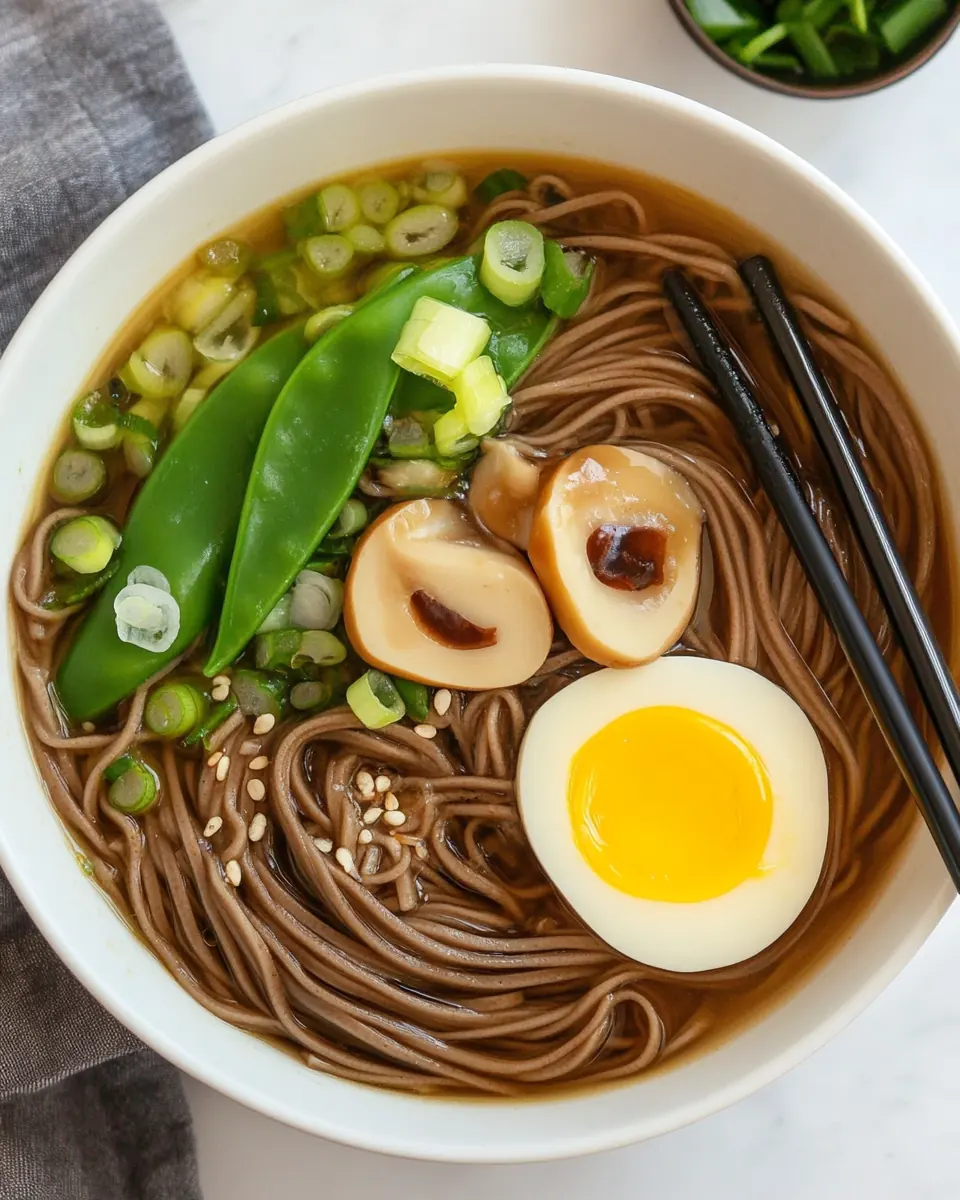
15 Minute Soba Noodle Soup
Ingredients
Equipment
Method
- Heat a pot of water and bring it to a boil. Cook the soba noodles until al dente, about 5 minutes. Drain and set aside in a bowl.: The moment you sense the water moving from quiet to lively, you will hear a steady bubbling that signals the right stage to add the soba noodles . The air will fill with a faint minerality from the water, and the surface will shimmer with motion. This vigorous boil is important because it prevents the noodles from clumping as they hit the water, and it helps the cooking temperature recover quickly after adding them. A common mistake is adding noodles to water that is only simmering, which can make them gummy and unevenly cooked. If your pot is too small, the water may foam over, so use a pot with enough headroom and stir gently after adding the noodles to separate them.
- In the meantime, heat 1 1/2 cups of water and bring it to a boil. Add the Mizkan (Bonito Flavored) Soup Base, along with the mushrooms and baby bok choy. Boil for about 1 minute, or until they are cooked.: As the soba noodles cook, you will notice their color deepen slightly and their strands loosen in the pot. Gently lift a strand with tongs to test for a slight resistance in the center, that tactile cue tells you the texture is right. The cooking water may foam a bit because of the starch, which is normal; skim if it threatens to boil over. Overcooking will yield a limp texture and diminished bite, while undercooking results in a chalky center. Drain promptly once al dente to stop carryover cooking.
- Add the egg on top of the soba noodles, then pour the soup over them. Top with sesame seeds and scallions.: After draining, the soba noodles should be separated and cooling slightly, releasing a whisper of fragrance. Transferring them to a warm serving bowl keeps them from clumping and allows you to arrange the final composition. If you notice any sticky clumps, a quick rinse under cool water will help, but be mindful this can cool the noodles too much; only rinse if needed. A mistake at this stage is leaving noodles in a colander with steam trapped, which softens them further; spread them gently in the bowl instead.
- In the meantime, heat 1 1/2 cups of water and bring it to a boil: As you heat the measured water , take in the subtle difference between plain boiling water and the moment you add the soup base. A small rolling boil is ideal to dissolve the broth concentrate uniformly. Precise control of the boil ensures the seasoning integrates evenly without concentrating in one hot pocket. A frequent error is overheating and vigorously boiling after adding delicate ingredients, which can break down texture.
- Add the Mizkan (Bonito Flavored) Soup Base, along with the mushrooms and baby bok choy: When the bonito flavored soup base dissolves, it will instantly perfume the kitchen with smoky, savory top notes, and your broth will take on a deeper tone. Add the buna shimeji mushroom and baby bok choy so the vegetables blanch gently and absorb flavor. Cook them just until tender, watching for the bok choy stems to become translucent and the mushroom caps to soften. Overcooking the greens will make them limp and dull, while undercooking leaves them too firm; timing here preserves crisp tender contrast.
- Boil for about 1 minute, or until they are cooked: That brief boil will set the texture, and you should notice steam carrying the savory aroma of the broth. The baby bok choy leaves will wilt and the stems will shift from opaque to a lighter tone, while the buna shimeji mushroom will become tender and release a subtle earthiness. This quick cook preserves brightness and prevents grainy stems or mushy caps. A common slip is leaving them extra long because the heat is too aggressive; once they reach tender, remove from high heat promptly.
- Add the egg on top of the soba noodles, then pour the soup over them: Placing the halved hard boiled egg on the noodles creates an attractive center, and pouring the hot broth over it warms the yolk and white without overcooking. You'll hear a gentle hiss as the steaming broth meets the cooler bowl, and the aroma will intensify. This approach ensures even temperature distribution and keeps the yolk texture pleasant. Avoid pouring from too high above the bowl, which can splash and disrupt the presentation.
- Top with sesame seeds and scallions: Finishing with a scattering of white sesame and chopped scallion adds crunch and aromatic lift. The sesame will offer tiny pops of toasted nuttiness, while the scallion contributes a fresh, sharp counterpoint. Add these last to preserve their texture and fragrance. A mistake I see is adding garnishes too early, which softens them and mutes their impact in the finished bowl.
Notes
- Control the broth strength Use the recommended two tablespoons of the bonito flavored soup base for a balanced profile, then taste and adjust by adding tiny spoonfuls if you want deeper umami.
- Protect noodle texture Avoid overcooking the soba noodles by testing early and draining as soon as they are al dente to preserve their signature chew.
- Stagger vegetable cooking Add thicker baby bok choy stems first, then leaves later so everything finishes evenly and nothing becomes overly soft.
- Garnish last Scatter white sesame and chopped scallion right before serving to maintain crunch and brightness in each bite.
- Quick egg prep Make your hard boiled egg earlier and cool it in an ice bath for easier peeling and neater halves when plating.