Pecan Shortbread Cookies
Pecan Shortbread Cookies started showing up in my kitchen the moment I fell hard for baking with nuts, and they quickly became my go to when I wanted something buttery yet a little unexpected. The first batch I made was for a neighborhood potluck, and I remember how the bowl smelled warm and nutty while I pulsed the pecans into a fragrant breadcrumb that hinted at the cookie ahead. I kept sneaking tastes of the raw dough, marveling at the way the pecans and maple syrup played clean and cozy together.
Over time I learned small tricks that turned those first decent cookies into the ones people asked me to bring to gatherings. The texture balance between crumbly shortbread and that gentle chew from the maple syrup became my signature. I also discovered two paths for these cookies, one for when I want them purely raw and tender, and another for when I crave the slightly crisped edges that only a warm oven can give. Both feel like home.
Recipe Snapshot
40 mins
10 mins
30 mins
Easy
150 kcal
American
Paleo, Vegan
Desserts
Food processor, Cookie scoop, Dehydrator or oven, Parchment or Teflex liners
Why This Pecan Shortbread Cookies Is So Good
Simple pantry magic
I love that Pecan Shortbread Cookies ask for so little, yet deliver so much. With just a handful of items like pecans, coconut flour, salt, and maple syrup, you get a cookie that tastes elevated without fuss. This recipe proves that high impact does not need long ingredient lists, and I often reach for it when my pantry looks sparse.
Two finishing styles
What keeps me coming back is the flexibility. I make them raw when I want a soft, tender bite and dehydrated depth, and I bake them if I want a toasted edge and a slightly firmer cookie. Each method brings its own personality, which is something I enjoy sharing with friends who can never decide which they prefer.
Nut forward flavor
The pecans are the star, offering a buttery, caramel like warmth that pairs beautifully with maple syrup. I like how the nutty aroma fills the kitchen as soon as the processor runs. When I teach this recipe to friends, I always point out how important the nut grind is, because it defines the mouthfeel of the cookie.
Health conscious and satisfying
These cookies are naturally free from refined white flours and rely on coconut flour and nuts, which gives them a satisfying density. I find they keep me content with one or two, rather than a large handful, making them a smart choice when I want a little treat without overdoing it.
Make ahead and portable
I appreciate how well these store and travel. Whether I’m packing a picnic or prepping snacks for a busy week, Pecan Shortbread Cookies hold up nicely in an airtight container. That dependability makes them a recipe I return to time and again.
What to Gather for Pecan Shortbread Cookies
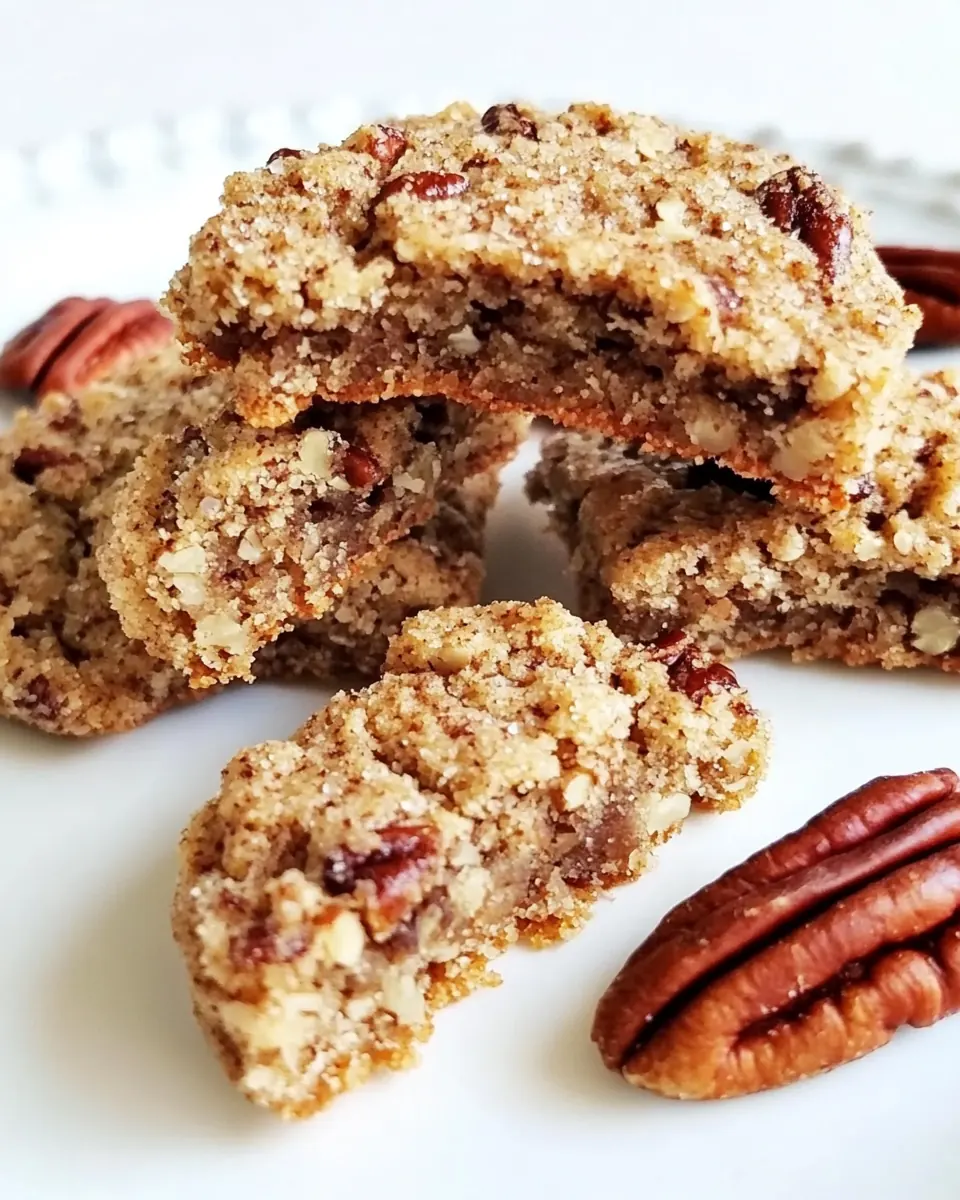
These ingredients are pared down to essentials, and each one pulls its weight. The pecans bring rich fat and crunch, while the coconut flour gives structure without overt heaviness. A pinch of salt sharpens the flavors, and the maple syrup binds everything with natural sweetness. Together, they create a shortbread that is nut forward, gently sweet, and reliable.
- 2 cups dry pecans: Provide a rich, toasty base by contributing deep, buttery pecan flavor and pleasant crunch when chopped; helps create a nutty backbone that complements the cookie's sweet and buttery profile. Add natural oils that tenderize the crumb and enhance mouthfeel, making the shortbread feel more substantial and satisfying.
- 1/4 cup coconut flour: Act as a low-carb, absorbent flour substitute that stabilizes the dough and keeps the cookies tender without added gluten. Provide a subtle, mildly sweet coconut note while helping control moisture so the cookies hold their shape during baking.
- 1/2 teaspoons ea salt: Enhance overall flavor balance by adding essential seasoning that sharpens sweetness and rounds out the nutty and maple notes; prevents the cookies from tasting flat. Promote proper dough chemistry by subtly strengthening the gluten-free structure and improving perceived richness.
- 1/2 cup maple syrup: Contribute natural sweetness and moisture, providing a gentle caramel-like maple flavor that complements pecans; helps bind ingredients and keeps cookies tender. Act as a liquid sweetener that caramelizes slightly during baking, contributing to golden color and rich flavor.
Putting Together Pecan Shortbread Cookies
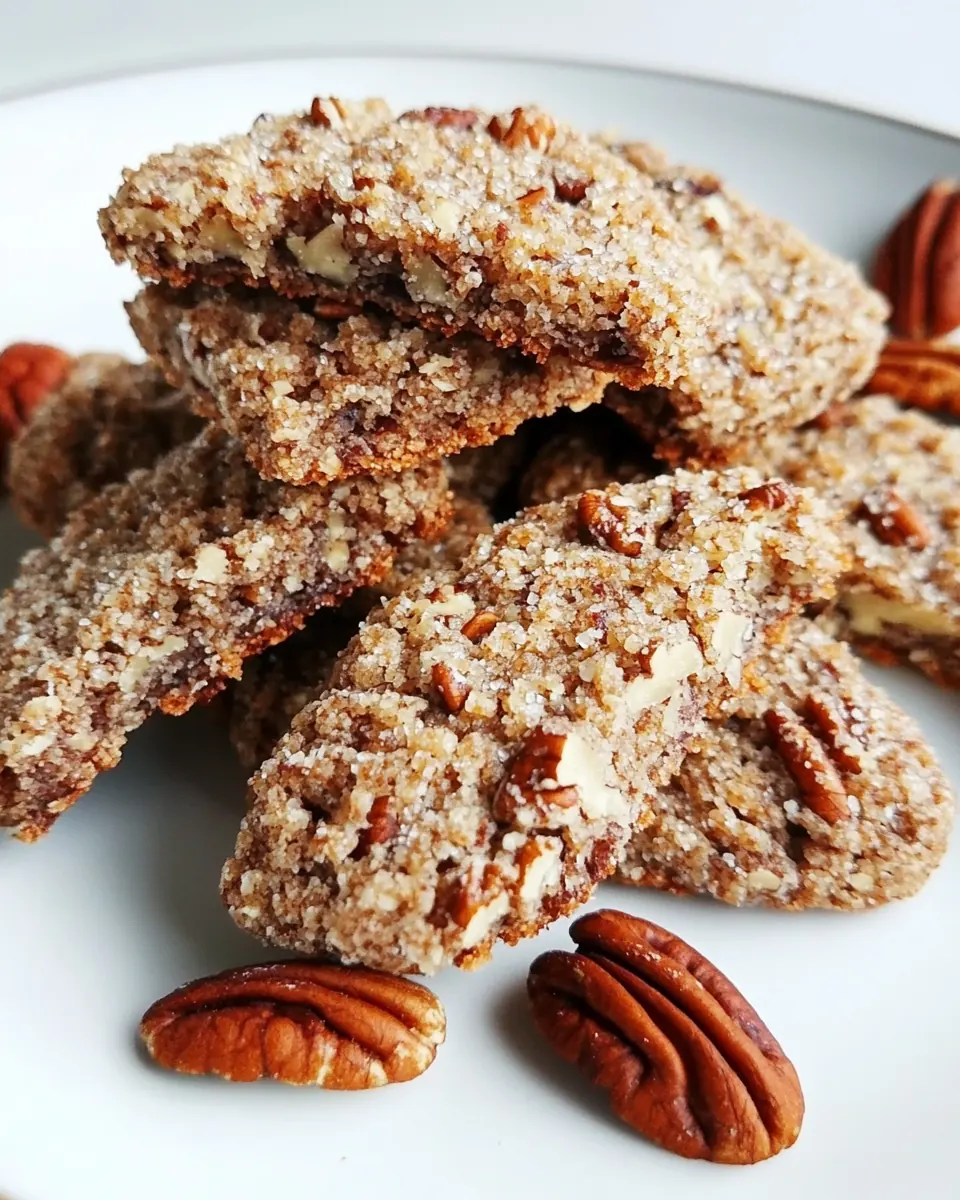
Assembling these cookies is straightforward, but I like to move slowly and deliberately so the texture comes out just right. I walk you through each phase, from grinding the pecans to choosing raw versus baked finishes, and include little checks so you know when things are where they should be.
- Place the pecans in a food processor and pulse until the nuts are finely ground. Do not to overprocess. Add the coconut flour and salt, and pulse to combine. Add the maple syrup, and pulse until the dough starts to stick together.: The room will fill with a warm, toasty aroma as the pecans break down into fine crumbs, a signal the oils are releasing and flavor is building. Listen for a change in the sound from coarse churning to a smoother, quieter whir, and watch for a sandy texture with tiny flecks of oil. Why this matters, I learned, is that an even nut crumb creates the ideal shortbread mouthfeel, offering tender layering without heavy chew. A common mistake is to run the processor too long, which makes the mixture gloppy and leads to oily, dense cookies. If you see clumps forming, stop and scrape the bowl, then pulse in short bursts to regain control.
- Make It Raw: Using a cookie scoop or a spoon, scoop the batter by rounded tablespoonfuls onto a Teflex-lined tray. Use the palm of your hand to gently flatten the cookies to about 1/3 inch thick. Dehydrate at 110°F for about 4 hours, carefully flipping the cookies over onto a mesh-lined tray halfway through, until they feel dry and firm.: As you add the coconut flour and salt , you will notice the mixture tighten slightly and the nutty scent sharpen. The action here is quick, just enough to distribute the dry elements so they marry with the nut crumbs. This step matters because coconut flour soaks liquid aggressively, and even distribution prevents pockets of dry flour later. A frequent pitfall is overpulsing which can cause the flour to be worked into small clumps; instead, use short pulses and visually inspect until everything looks uniform and slightly drier than wet, not powdery.
- Make It Baked: Preheat the oven to 300°F. Using a cookie scoop or a spoon, scoop the batter by rounded tablespoonfuls onto a parchment-paper-lined baking sheet. Use the palm of your hand to gently flatten the cookies to about 1/3 inch thick. Bake for 9 to 11 minutes, until the cookies are dry on top. Let cool completely on the baking sheet before handling (or else they will crumble).: When you pour in the maple syrup , the mixture will glisten and begin to cohere, shifting from loose crumbs to a tacky mass. The scent becomes sweeter and more rounded, and if you press some between your fingers it should hold together gently. This bind is crucial because it keeps the cookies from crumbling while still letting the shortbread remain delicate. Be wary of overprocessing here, which can produce a paste and alter the texture to be too dense. If the dough seems too loose, a light extra pulse or a touch more coconut flour can help, but add conservatively.
- Store the cookies in an airtight container at room temperature for up to 2 days, in the refrigerator for up to a week, or in the freezer for up to a month.: Using a cookie scoop or a spoon, scoop the batter by rounded tablespoonfuls onto a Teflex-lined tray : The raw route yields tender, chewy cookies that feel lightly set rather than crisp. The dough should feel cool to the touch and slightly sticky; as you scoop and place each mound, press gently with your palm to flatten to about 1/3 inch thick. You will notice a glossy surface from the maple syrup that dulls slightly as it dehydrates. Dehydrating at 110°F for about 4 hours removes moisture slowly, preserving a soft interior and firm exterior. A common error is crowding the trays, which prevents even airflow and yields uneven drying; leave space and rotate trays if your dehydrator has hot spots.
- Use the palm of your hand to gently flatten the cookies to about 1/3 inch thick: Flattening by hand creates consistent thickness, which matters for uniform drying or baking. The cookies should feel firm but yielding when pressed, and the edges should be smooth rather than ragged. For raw cookies, this shape ensures moisture leaves evenly during dehydration. Many people press too hard and compact the dough, creating a dense center, so use a light touch and steady pressure instead.
- Dehydrate at 110°F for about 4 hours, carefully flipping the cookies over onto a mesh-lined tray halfway through, until they feel dry and firm: As they dry, you will hear a faint whisper of air through the dehydrator and see the surfaces go from glossy to matte. The aroma becomes more concentrated and nut forward. Flipping halfway encourages even drying and prevents the bottoms from staying damp. The critical 'why' is that low heat preserves the fresh nut oils and prevents toasting, maintaining a raw quality. A mistake to avoid is drying at too high a temperature, which cooks the cookies rather than dehydrating them, changing texture and flavor.
- Make It Baked: Preheat the oven to 300°F : When you choose to bake, the oven heat creates slightly crisped edges while keeping a tender center. Preheating to 300°F ensures a gentle bake that dries the cookies without burning the sugars in the maple syrup . The smell shifts from raw nutty to lightly toasted, and the tops lose their glossy sheen. Do not skip preheating, because starting in a cold oven can lead to inconsistent texture.
- Using a cookie scoop or a spoon, scoop the batter by rounded tablespoonfuls onto a parchment-paper-lined baking sheet: Scooping onto parchment helps the cookies bake evenly and prevents sticking. Leave spacing between mounds because they will spread slightly and need room to form tidy edges. The batter should look and feel like it did for the raw version, tacky but cohesive. A common oversight is using an unlined tray, which can cause uneven browning and make transferring delicate cookies difficult.
- Use the palm of your hand to gently flatten the cookies to about 1/3 inch thick: Flatten so that each cookie bakes uniformly, producing a consistent top color and texture. The edges will start to show the earliest signs of toasting, and the centers will remain paler. Pressing too thin will make them brittle; too thick and the center remains underdone. Aim for steady, even pressure to get the signature shortbread silhouette.
- Bake for 9 to 11 minutes, until the cookies are dry on top: As they bake, listen for the faint quiet that comes as moisture leaves. The surface should look matte and slightly firm to the touch, and the edges may take on a gentle golden tone. This timing is tuned to produce dry tops without overcrisping. Overbaking leads to brittle cookies that crumble, while underbaking leaves them too soft to transfer without breaking, so watch closely in the final minutes.
- Let cool completely on the baking sheet before handling: Cooling is when structure sets, and the cookies will firm up as residual heat dissipates. If you try to move them too soon they will crumble; patience rewards you with intact, pretty cookies. A common mistake is impatience, lifting them warm and causing breakage, so give them adequate time to stabilize.
- Store the cookies in an airtight container at room temperature for up to 2 days, in the refrigerator for up to a week, or in the freezer for up to a month: Proper storage maintains texture and flavor. At room temperature the cookies stay pleasantly tender, refrigeration extends freshness but can firm them, and freezing preserves longer term quality. Make sure the container is truly airtight to prevent staling. A typical error is leaving them exposed to air which leads to dryness and loss of the bright nutty aroma.
Make It Your Own
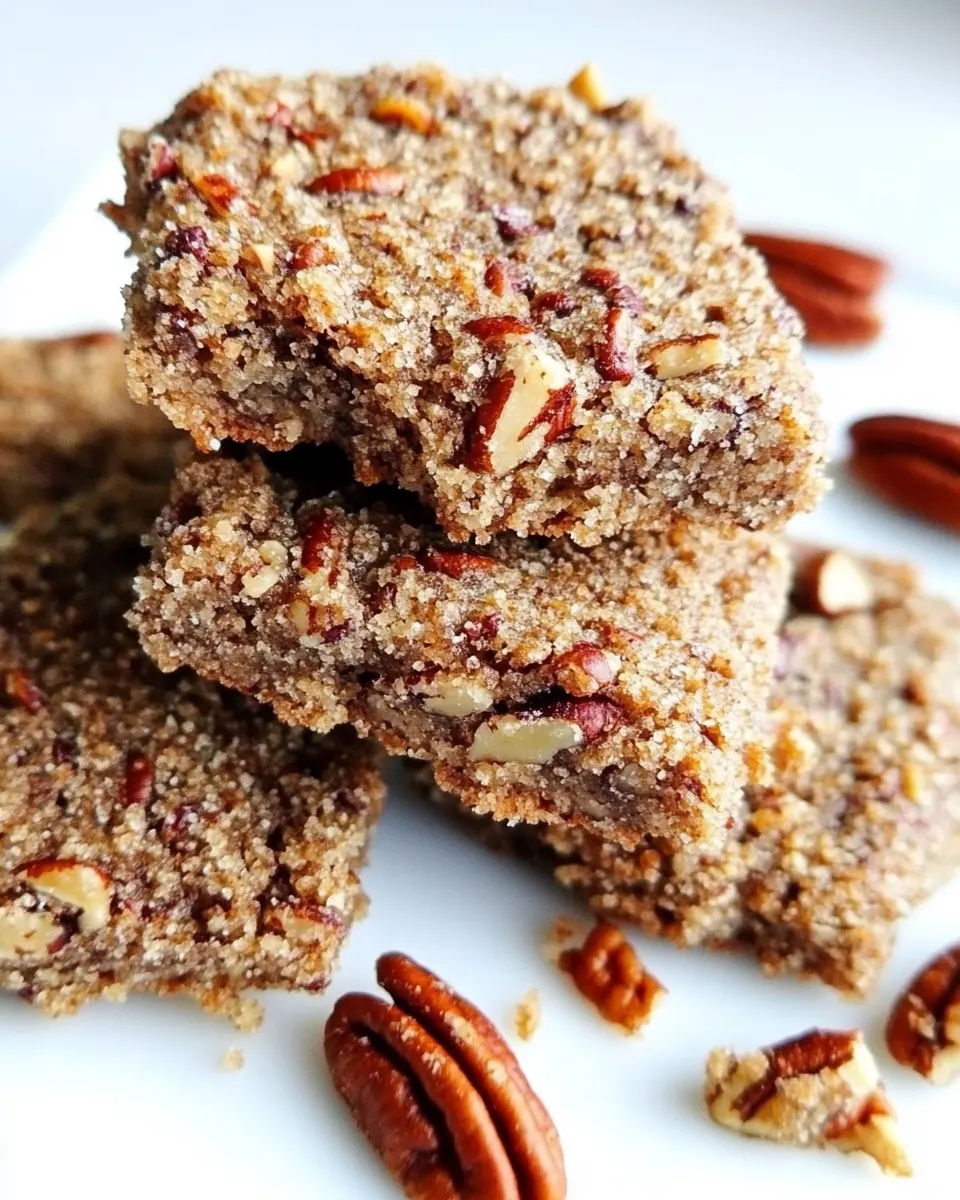
I like tweaking little details to make Pecan Shortbread Cookies feel personalized. The following tips are practical ways to vary texture, presentation, and storage without changing the core ingredients. Use them as a jumping off point and adapt based on how you like your cookies to finish.
- Lightly toast the pecans first if you prefer a deeper caramel flavor, but watch them closely so they do not burn.
- Pulse evenly for texture so the crumbs are uniform, which ensures consistent bite and avoids gummy spots in the dough.
- Chill the dough briefly when it feels too soft to scoop, this firms it up and makes shaping much easier.
- Use parchment or Teflex liners to prevent sticking and promote even browning on the baked version.
- Store in layers with parchment when freezing to prevent the cookies from sticking together and to retain their shape.
Serving This Pecan Shortbread Cookies
These cookies are versatile for many occasions, and how you present them can elevate a simple bite into a memorable moment. Below are ways I like to serve them, from casual snacks to special gatherings, and practical storage notes to keep them tasting fresh.
- Casual coffee break, place a few on a small plate beside your mug for a nutty, slightly sweet companion to morning or afternoon coffee.
- Tea time, arrange them on a tiered platter for a small gathering, their compact size makes them ideal for nibbling with light conversation.
- Gift box, wrap a stack in parchment and tie with twine for a homemade edible present that travels well and feels thoughtful.
- Picnic snack, pack them in an airtight container as a tidy, portable sweet that won’t make a mess and pairs well with fruit.
- Storage tip, keep at room temperature for short term, refrigerate for up to a week, or freeze for longer storage, always in an airtight container to protect texture.
- Seasonal pairing, serve during fall gatherings when the nutty, warm maple notes feel especially fitting alongside spiced beverages.
FAQ
Conclusion
These Pecan Shortbread Cookies shine because they turn a handful of simple, quality ingredients into a comforting, nut forward treat that is both approachable and memorable. If you enjoy recipes that reward a little attention with big flavor, give this one a try and choose the finishing method that fits your mood, raw or baked. I hope you find as much joy making and sharing them as I have, whether you tuck them into a picnic, gift them to a friend, or enjoy a quiet moment with a cup of tea.
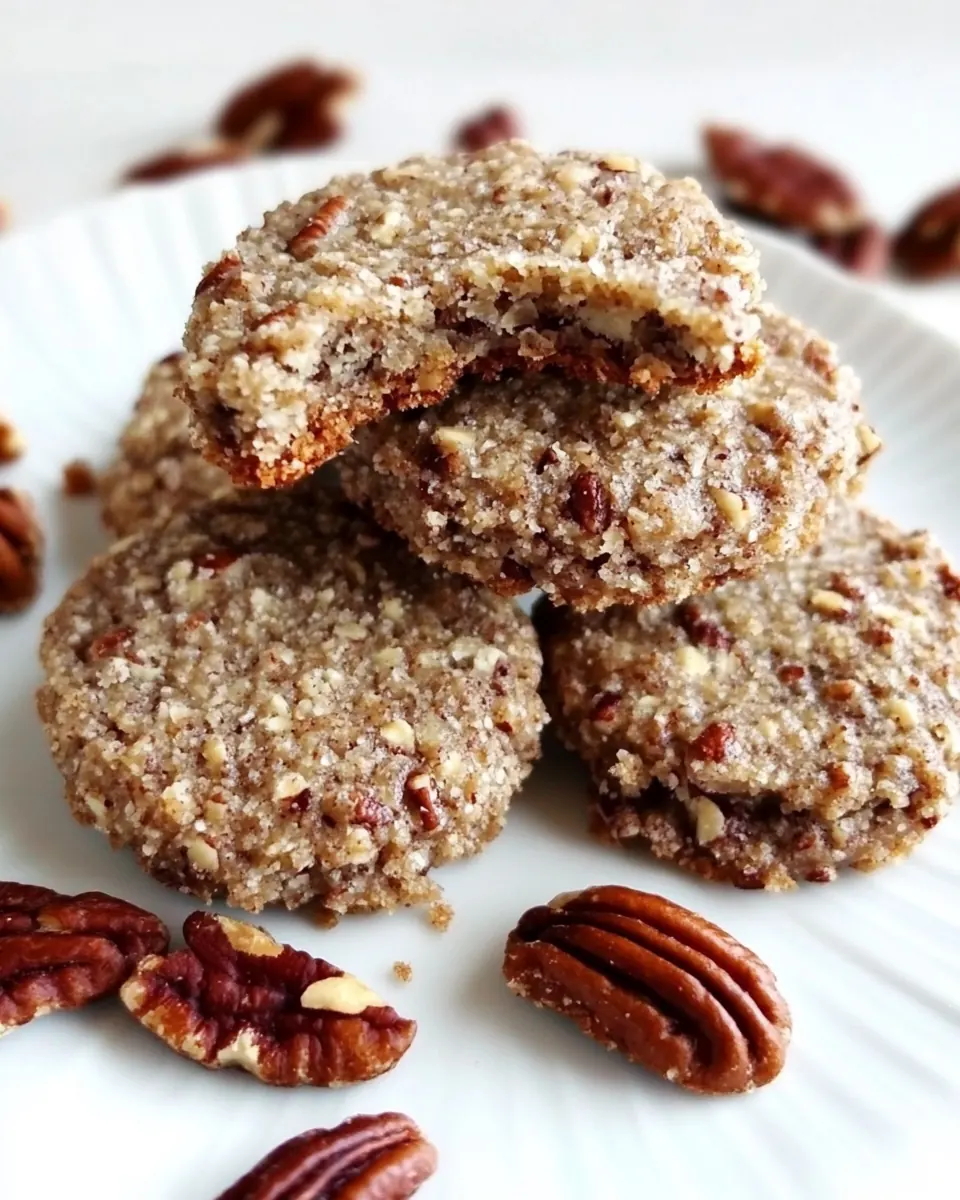
Pecan Shortbread Cookies
Ingredients
Equipment
Method
- Place the pecans in a food processor and pulse until the nuts are finely ground. Do not to overprocess. Add the coconut flour and salt, and pulse to combine. Add the maple syrup, and pulse until the dough starts to stick together.: The room will fill with a warm, toasty aroma as the pecans break down into fine crumbs, a signal the oils are releasing and flavor is building. Listen for a change in the sound from coarse churning to a smoother, quieter whir, and watch for a sandy texture with tiny flecks of oil. Why this matters, I learned, is that an even nut crumb creates the ideal shortbread mouthfeel, offering tender layering without heavy chew. A common mistake is to run the processor too long, which makes the mixture gloppy and leads to oily, dense cookies. If you see clumps forming, stop and scrape the bowl, then pulse in short bursts to regain control.
- Make It Raw: Using a cookie scoop or a spoon, scoop the batter by rounded tablespoonfuls onto a Teflex-lined tray. Use the palm of your hand to gently flatten the cookies to about 1/3 inch thick. Dehydrate at 110°F for about 4 hours, carefully flipping the cookies over onto a mesh-lined tray halfway through, until they feel dry and firm.: As you add the coconut flour and salt , you will notice the mixture tighten slightly and the nutty scent sharpen. The action here is quick, just enough to distribute the dry elements so they marry with the nut crumbs. This step matters because coconut flour soaks liquid aggressively, and even distribution prevents pockets of dry flour later. A frequent pitfall is overpulsing which can cause the flour to be worked into small clumps; instead, use short pulses and visually inspect until everything looks uniform and slightly drier than wet, not powdery.
- Make It Baked: Preheat the oven to 300°F. Using a cookie scoop or a spoon, scoop the batter by rounded tablespoonfuls onto a parchment-paper-lined baking sheet. Use the palm of your hand to gently flatten the cookies to about 1/3 inch thick. Bake for 9 to 11 minutes, until the cookies are dry on top. Let cool completely on the baking sheet before handling (or else they will crumble).: When you pour in the maple syrup , the mixture will glisten and begin to cohere, shifting from loose crumbs to a tacky mass. The scent becomes sweeter and more rounded, and if you press some between your fingers it should hold together gently. This bind is crucial because it keeps the cookies from crumbling while still letting the shortbread remain delicate. Be wary of overprocessing here, which can produce a paste and alter the texture to be too dense. If the dough seems too loose, a light extra pulse or a touch more coconut flour can help, but add conservatively.
- Store the cookies in an airtight container at room temperature for up to 2 days, in the refrigerator for up to a week, or in the freezer for up to a month.: Using a cookie scoop or a spoon, scoop the batter by rounded tablespoonfuls onto a Teflex-lined tray : The raw route yields tender, chewy cookies that feel lightly set rather than crisp. The dough should feel cool to the touch and slightly sticky; as you scoop and place each mound, press gently with your palm to flatten to about 1/3 inch thick. You will notice a glossy surface from the maple syrup that dulls slightly as it dehydrates. Dehydrating at 110°F for about 4 hours removes moisture slowly, preserving a soft interior and firm exterior. A common error is crowding the trays, which prevents even airflow and yields uneven drying; leave space and rotate trays if your dehydrator has hot spots.
- Use the palm of your hand to gently flatten the cookies to about 1/3 inch thick: Flattening by hand creates consistent thickness, which matters for uniform drying or baking. The cookies should feel firm but yielding when pressed, and the edges should be smooth rather than ragged. For raw cookies, this shape ensures moisture leaves evenly during dehydration. Many people press too hard and compact the dough, creating a dense center, so use a light touch and steady pressure instead.
- Dehydrate at 110°F for about 4 hours, carefully flipping the cookies over onto a mesh-lined tray halfway through, until they feel dry and firm: As they dry, you will hear a faint whisper of air through the dehydrator and see the surfaces go from glossy to matte. The aroma becomes more concentrated and nut forward. Flipping halfway encourages even drying and prevents the bottoms from staying damp. The critical 'why' is that low heat preserves the fresh nut oils and prevents toasting, maintaining a raw quality. A mistake to avoid is drying at too high a temperature, which cooks the cookies rather than dehydrating them, changing texture and flavor.
- Make It Baked: Preheat the oven to 300°F : When you choose to bake, the oven heat creates slightly crisped edges while keeping a tender center. Preheating to 300°F ensures a gentle bake that dries the cookies without burning the sugars in the maple syrup . The smell shifts from raw nutty to lightly toasted, and the tops lose their glossy sheen. Do not skip preheating, because starting in a cold oven can lead to inconsistent texture.
- Using a cookie scoop or a spoon, scoop the batter by rounded tablespoonfuls onto a parchment-paper-lined baking sheet: Scooping onto parchment helps the cookies bake evenly and prevents sticking. Leave spacing between mounds because they will spread slightly and need room to form tidy edges. The batter should look and feel like it did for the raw version, tacky but cohesive. A common oversight is using an unlined tray, which can cause uneven browning and make transferring delicate cookies difficult.
- Use the palm of your hand to gently flatten the cookies to about 1/3 inch thick: Flatten so that each cookie bakes uniformly, producing a consistent top color and texture. The edges will start to show the earliest signs of toasting, and the centers will remain paler. Pressing too thin will make them brittle; too thick and the center remains underdone. Aim for steady, even pressure to get the signature shortbread silhouette.
- Bake for 9 to 11 minutes, until the cookies are dry on top: As they bake, listen for the faint quiet that comes as moisture leaves. The surface should look matte and slightly firm to the touch, and the edges may take on a gentle golden tone. This timing is tuned to produce dry tops without overcrisping. Overbaking leads to brittle cookies that crumble, while underbaking leaves them too soft to transfer without breaking, so watch closely in the final minutes.
- Let cool completely on the baking sheet before handling: Cooling is when structure sets, and the cookies will firm up as residual heat dissipates. If you try to move them too soon they will crumble; patience rewards you with intact, pretty cookies. A common mistake is impatience, lifting them warm and causing breakage, so give them adequate time to stabilize.
- Store the cookies in an airtight container at room temperature for up to 2 days, in the refrigerator for up to a week, or in the freezer for up to a month: Proper storage maintains texture and flavor. At room temperature the cookies stay pleasantly tender, refrigeration extends freshness but can firm them, and freezing preserves longer term quality. Make sure the container is truly airtight to prevent staling. A typical error is leaving them exposed to air which leads to dryness and loss of the bright nutty aroma.
Notes
- Lightly toast the pecans first if you prefer a deeper caramel flavor, but watch them closely so they do not burn.
- Pulse evenly for texture so the crumbs are uniform, which ensures consistent bite and avoids gummy spots in the dough.
- Chill the dough briefly when it feels too soft to scoop, this firms it up and makes shaping much easier.
- Use parchment or Teflex liners to prevent sticking and promote even browning on the baked version.
- Store in layers with parchment when freezing to prevent the cookies from sticking together and to retain their shape.