Garlic Noodles
Garlic Noodles is one of those recipes I turn to when I want big flavor with minimal fuss.
I remember the first time I made these noodles for friends on a rainy evening, juggling a crowded stovetop and a playlist that insisted on skipping songs. The kitchen filled with the warm, toasty aroma of garlic sizzling in butter, and everyone hovered nearby, drawn by that unmistakable scent. We laughed, traded stories, and the bowl disappeared faster than I expected. That night taught me how this simple combination of pantry staples can feel decadent and comforting at once.
Since then, I’ve adapted the method depending on what I have on hand. Sometimes I reach for pantry-friendly Asian noodles, other times I use spaghetti. I love how a splash of soy sauce and a whisper of fish sauce deepen the savory notes without making the dish heavy. The final dusting of Parmesan cheese adds a creamy, salty finish that keeps people coming back for seconds.
Recipe Snapshot
20 mins
10 mins
10 mins
Easy
450 kcal
Asian
Gluten-Free, Low FODMAP
Dinner
HexClad 10 Inch Hybrid Stainless Steel Wok Pan with Stay-Cool Handle
The Beauty of This Garlic Noodles
Comfort with Minimal Fuss
I adore how Garlic Noodles delivers maximum satisfaction with very little prep. I often make this when I want a cozy meal without a long shopping list, and the result always feels indulgent enough for company.
Layered Umami That Feels Gourmet
Between the soy sauce, oyster sauce, and fish sauce, the dish builds complex umami that tastes like something from a restaurant. I savor how these elements mingle with browned garlic to create savory depth, while a touch of brown sugar balances the saltiness.
Versatile and Crowd Friendly
I’ve served this as a quick family dinner, a late night snack, and a potluck contribution. It scales elegantly, and you can switch the noodles depending on what you have. That adaptability makes it a go to for busy nights.
Textural Contrast and Bright Finish
The soft, slippery noodles contrast beautifully with crisped edges where the pan touches the pasta. Finishing with grated Parmesan cheese and bright green onions gives the dish a creamy, slightly crunchy lift, which keeps each bite interesting.
Fast to Make, Big on Flavor
I love recipes that respect time, and Garlic Noodles hits that note perfectly. From boiling the noodles to tossing them with sauce, you can be at the table quickly, and the flavors only get better if you let leftovers rest for an hour or so.
Garlic Noodles Ingredients
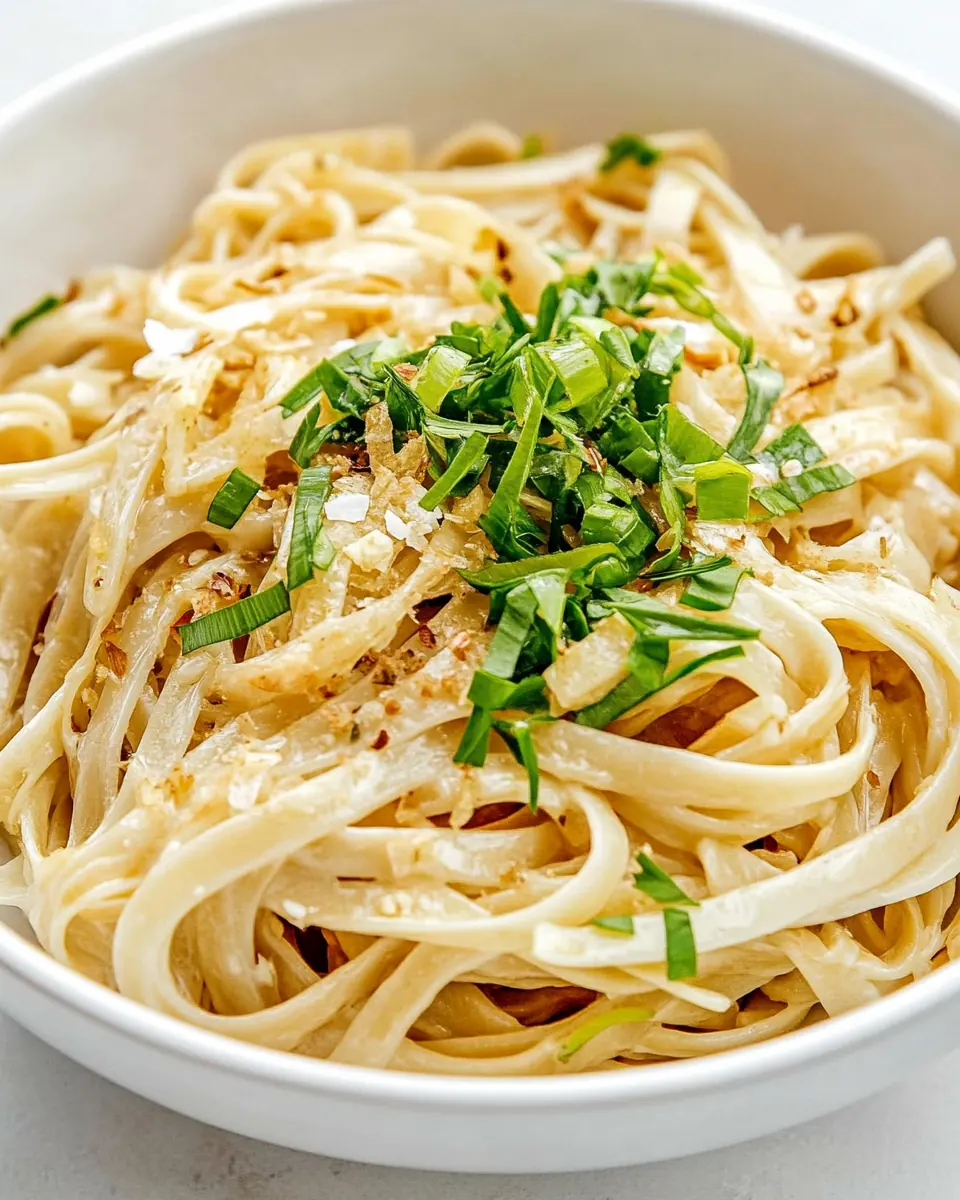
These ingredients are all about balance and familiarity. The core players, like garlic, butter, and soy sauce, form the savory backbone. Secondary players, such as Parmesan cheese and green onions, add texture and brightness. Together they create a rich, savory sauce that clings to the noodles and makes each bite sing.
- 1 pound Asian noodles (or spaghetti, I used Hakka style noodles): Provide a sturdy base of starch and texture, cooking to al dente so it holds the garlicky sauce without becoming mushy; Asian noodles like Hakka or spaghetti both absorb flavors well and create the dish’s signature slippery mouthfeel.
- 1 bulb garlic (minced): Add intense aromatic depth when minced finely, releasing savory, slightly sweet and pungent notes that infuse the butter and sauces; be careful to lightly brown to avoid bitterness while maximizing fragrance.
- 4 tablespoons unsalted butter: Contribute rich, creamy mouthfeel and help carry the garlic and umami flavors throughout the noodles; gently melt and brown to develop a nutty aroma that melds with soy and oyster sauces.
- 2 tablespoons soy sauce (low sodium): Introduce salty, savory umami and a touch of sweetness to balance the richness; low-sodium soy sauce lets you control overall salt while providing a dark, savory backbone.
- 2 tablespoons oyster sauce: Bring deep savory umami and a subtle sweetness with a thicker texture that helps cling sauce to the noodles; adds complexity and a slightly briny depth.
- 1 tablespoon fish sauce: Add concentrated salty, savory, slightly fishy umami that enhances overall complexity and layers of flavor in small amounts without overpowering.
- 1 teaspoon brown sugar: Provide a hint of molasses-like sweetness to balance salt and acidity, smoothing out the flavors and preventing the dish from tasting overly salty or sharp.
- 1/2 cup Parmesan cheese (grated): Offer salty, nutty, umami richness and a slightly granular texture that complements the saucy noodles; stirring through at the end adds creaminess and savory depth.
- black pepper (Freshly ground, to taste): Season with freshly ground pepper to add a bright, slightly floral heat that lifts the garlic and cheese, enhancing overall complexity to taste.
- 2 green onions (sliced ()) (optional): Garnish with fresh, mild onion notes and a pop of color; sliced green onions add a crisp, slightly sharp finish that complements the rich noodles.
Making Garlic Noodles
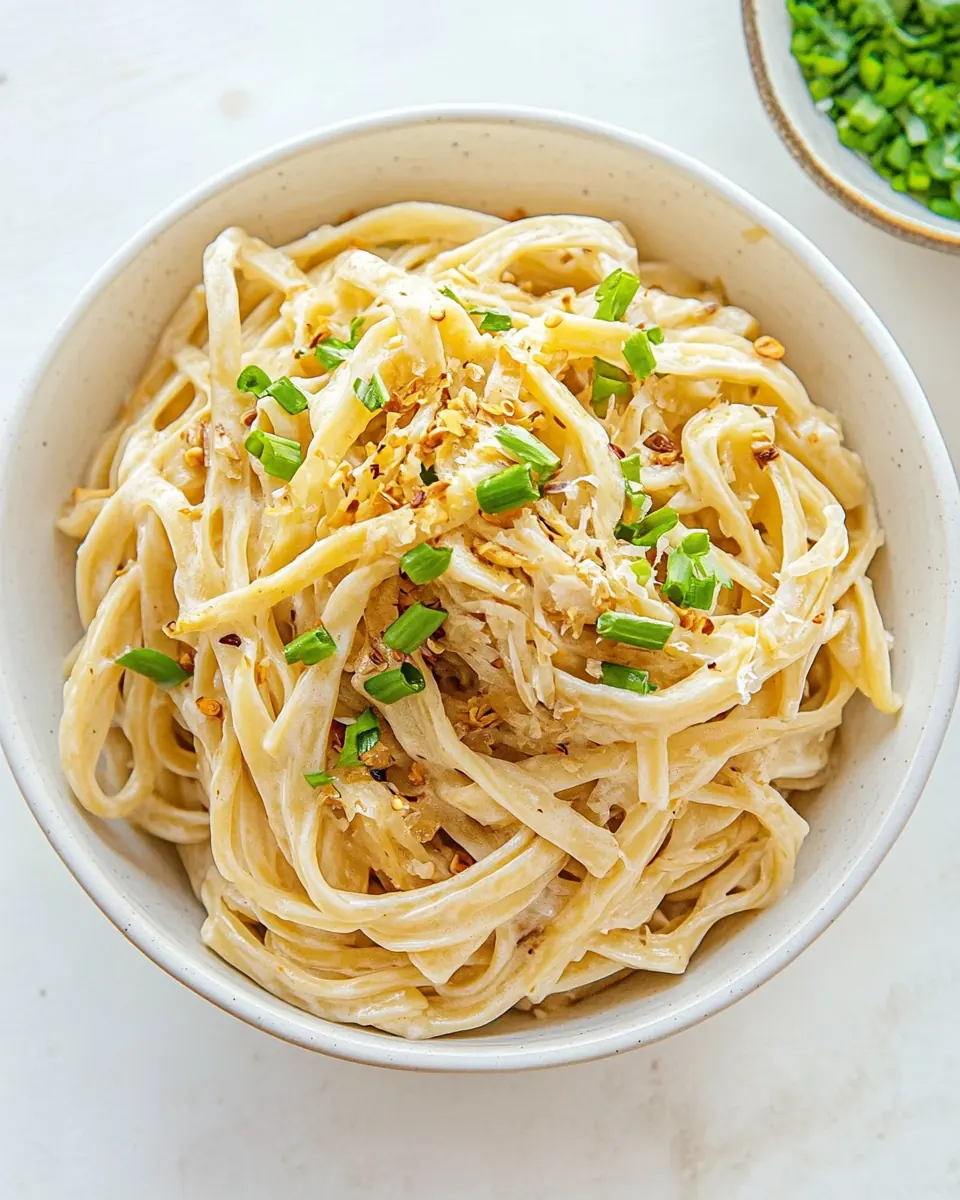
I like to approach the cooking rhythm deliberately: get your sauce prepped, have the noodles ready, and keep your pan hot but controlled. That way, each step feels intentional and you avoid overcooking the delicate elements. Below I expand the original directions into rich, sensory steps so you know exactly what to look for at every turn.
- Bring a large pot of salted water to a boil. Cook the Asian noodles or spaghetti according to the package instructions until al dente. Drain and set aside.: The kitchen will smell faintly of mineral and warmth as the water reaches a rolling boil, a sign that it is ready to properly season the noodles . Use enough salt so the water tastes like the sea, this seasons the pasta from within. A common mistake is under salting the water, which leads to bland noodles even after saucing. Listen for a steady bubbling noise, and watch for steam rising vigorously before adding the pasta.
- In a small bowl, whisk together the soy sauce, oyster sauce, fish sauce, and brown sugar. Set aside.: You will notice the noodles shift from stiff to supple as they cook; taste a strand one to two minutes before the shortest time on the package to check for firmness with a slight chew. Al dente texture helps the sauce cling and prevents mushiness. Overcooking is a frequent error here, resulting in limp strands that fall apart when tossed.
- In a large skillet or wok, melt the butter over medium heat. Add the minced garlic and sauté until fragrant and slightly golden, about 2-3 minutes. Be careful not to burn the garlic.: After draining, the noodles will steam and continue to soften slightly, so let them rest briefly rather than tossing them in the sauce immediately. If you suspect clumping, toss with a small splash of neutral oil to keep strands separate. A common pitfall is leaving the noodles to sit wet in the colander for too long, which cools them and makes them absorb sauce unevenly later on.
- Add the cooked noodles to the skillet and pour the sauce over the noodles. Toss to combine and coat the noodles evenly with the sauce. Cook for an additional 2-3 minutes, stirring occasionally, until the noodles are heated through.: The mixture will smell savory and slightly sweet, with salty depth from the sauces. Whisk until the brown sugar has dissolved and the liquids are homogeneous, this ensures even seasoning when added to the noodles. Skipping this step can produce unevenly seasoned bites, because dry sugar might not integrate quickly enough in the hot pan.
- Stir in the grated Parmesan cheese until well combined.: Letting the sauce rest briefly lets the flavors meld, creating a more rounded profile when heated. The combined sauces should look glossy and slightly viscous, ready to coat the noodles . A common mistake is adding ingredients piecemeal to the pan, which can lead to uneven caramelization and an inconsistent sauce texture.
- Season with freshly ground black pepper to taste. Garnish with sliced green onions if desired.: You will hear a gentle sizzle as the butter liquefies and spreads across the pan, signaling an even cooking surface. Medium heat lets the butter brown slightly without burning, adding toasty notes. Cooking on too high heat risks browning the butter too quickly, creating bitter flavors instead of the desirable nutty aroma.
- Add the minced garlic and sauté until fragrant and slightly golden about 2 to 3 minutes: The transformation is sensory: raw sharpness becomes warm, sweet, and aromatic as the minced garlic softens and develops pale gold edges. Stir frequently for even color. Watch closely, because garlic moves from golden to burnt faster than most ingredients, and burnt garlic will impart bitterness to the whole dish.
- Be careful not to burn the garlic: If the garlic starts darkening too quickly, lower the heat and lift the pan from the burner briefly to halt the cooking. The ideal moment is when the kitchen fills with an inviting roasted garlic scent, not acrid smoke. A frequent oversight is walking away during this brief stage, which often results in an unpleasant aftertaste.
- Add the cooked noodles to the skillet and pour the sauce over the noodles: When the sauce hits the hot pan, it should hiss softly and begin to bubble slightly, releasing steam and amplifying aroma. The noodles will absorb the glossy sauce, changing color and becoming brilliantly coated. If you find pockets of sauce collecting instead of coating, reduce heat slightly and stir in short bursts to encourage even coverage.
- Toss to combine and coat the noodles evenly with the sauce: Use tongs or a pair of forks to lift and fold the noodles, ensuring the sauce reaches every strand. The look you want is uniform sheen and a slight pooling of sauce under the noodles. Inadequate tossing leads to uneven bites, where some noodles are saturated and others are dry.
- Cook for an additional 2 to 3 minutes stirring occasionally until the noodles are heated through: This step lets the sauce marry the noodle surface and for any residual moisture to evaporate, concentrating flavor. You will see small bubbles in the sauce and feel the heat radiating off the pan. Overcooking here can dry out the noodles, so keep the time short and the movement steady.
- Stir in the grated Parmesan cheese until well combined: The grated Parmesan cheese will melt into the warm noodles, creating a creamy coating that softens and enriches the sauce. Work quickly off heat if possible, to avoid the cheese turning stringy. A common mistake is adding cold cheese directly to a too hot pan, which can clump rather than melt evenly.
- Season with freshly ground black pepper to taste: Freshly cracked pepper releases volatile oils that brighten the rich profile, adding a subtle heat. Grind directly over the bowl for maximum aroma. Relying on pre ground pepper often yields a flatter, less aromatic result.
- Garnish with sliced green onions if desired: The sliced green onions contribute a crisp, vegetal snap and a fresh color contrast that lifts the dish. Scatter them on just before serving so they keep their texture. Adding them too early can cause wilting and reduce the bright bite they provide.
Substitutions and Tips
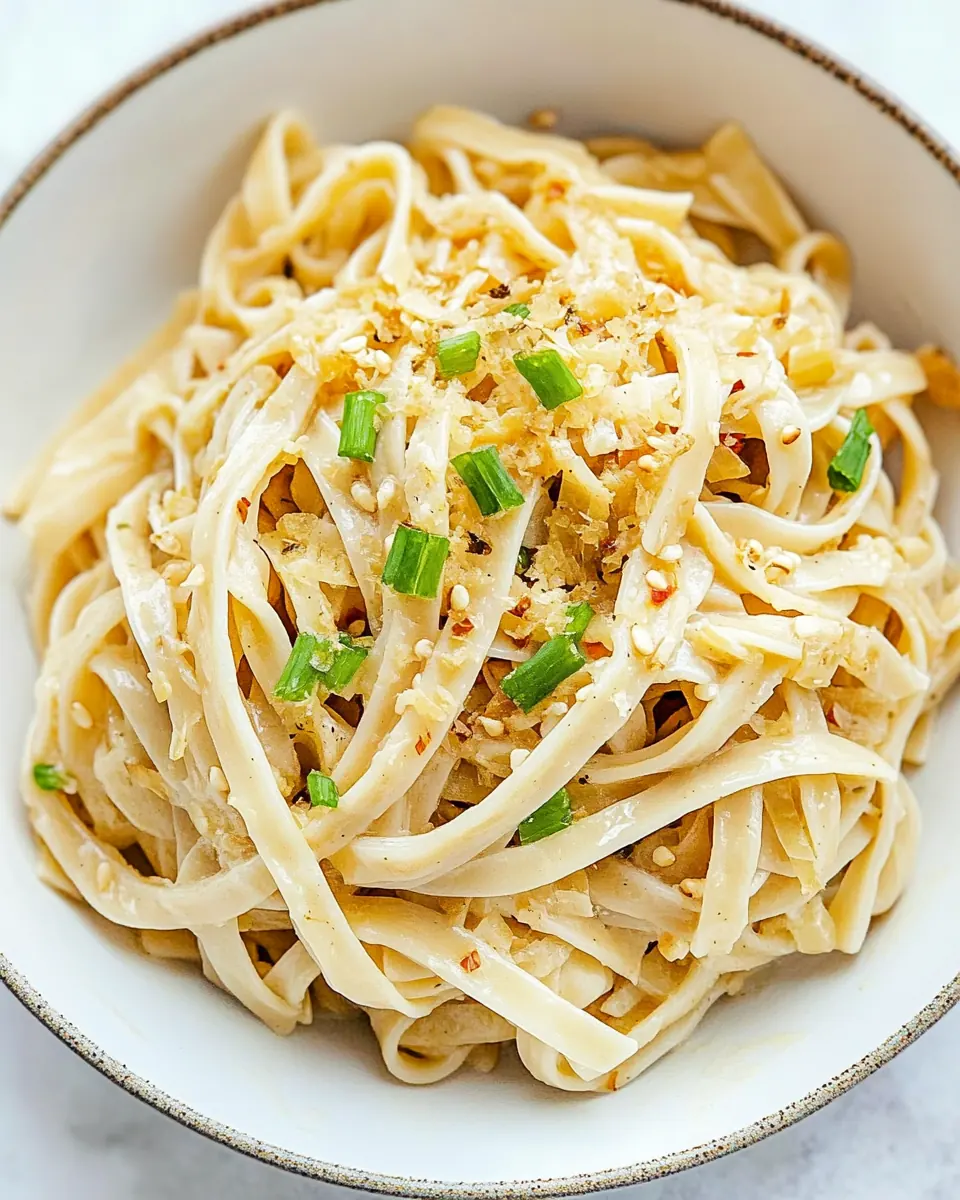
I like to keep substitutions practical so you can make Garlic Noodles with what you already have. Below are detailed tips and tweaks that preserve the dish integrity while offering options for dietary needs or pantry limits.
- Fresh garlic matters Use fresh minced garlic when possible for the brightest flavor; jarred minced garlic can be used in a pinch but lacks the aromatic punch of freshly minced cloves.
- Gluten free option Swap in rice noodles and use tamari instead of soy sauce to keep the umami while accommodating gluten free diets; cooking times may vary so check the rice noodles early to avoid overcooking.
- Cheese alternative If you do not have Parmesan cheese, a hard grating cheese with a salty bite works, but add gradually to control saltiness and texture.
- Vegetable boost Add crunchy vegetables like snap peas or thinly sliced bell pepper at the end, tossing briefly to retain color and crispness without diluting the core flavors.
- Control sodium Choose low sodium soy sauce and taste before adding extra salt, because the combination of sauces and Parmesan cheese already contributes substantial saltiness.
- Texture tricks For slightly chewier noodles, undercook the pasta by a minute, then finish in the sauce to reach perfect doneness while absorbing flavor.
Serve This Garlic Noodles With
Garlic Noodles is versatile enough for casual dinners and special gatherings. I enjoy pairing it with bright sides or simple proteins to round out the plate. Below are serving suggestions and storage notes to help you plan the meal.
- Light vegetable sides Serve with a crisp green salad or quick pickled cucumbers to contrast the rich, savory noodles and add a refreshing bite.
- Family dinners This is perfect for weeknight meals where you want something quick, comforting, and crowd pleasing without lengthy cleanup.
- Occasions Bring this to potlucks or casual gatherings; it travels well and stays flavorful at room temperature for a while.
- Storage Store leftovers in an airtight container in the refrigerator for up to 3 days; reheat gently with a splash of water to restore silkiness.
- Seasonal pairings In cooler months pair with roasted vegetables for a hearty plate, while in warmer months keep sides light and herb forward to balance the richer noodle base.
- Presentation Finish with a sprinkle of extra Parmesan cheese and a few sliced green onions for color and contrast right before serving.
FAQ
Conclusion
What makes this Garlic Noodles recipe special is its ability to deliver deep, layered savory flavor with minimal effort and pantry friendly ingredients. The combination of browned garlic, buttery mouthfeel, and an umami rich sauce creates a dish that feels both comforting and elevated. I encourage you to give it a try on a busy weeknight or when you want a simple dish that still impresses. It comes together quickly, stores well for leftovers, and adapts easily to what you already have in your kitchen.
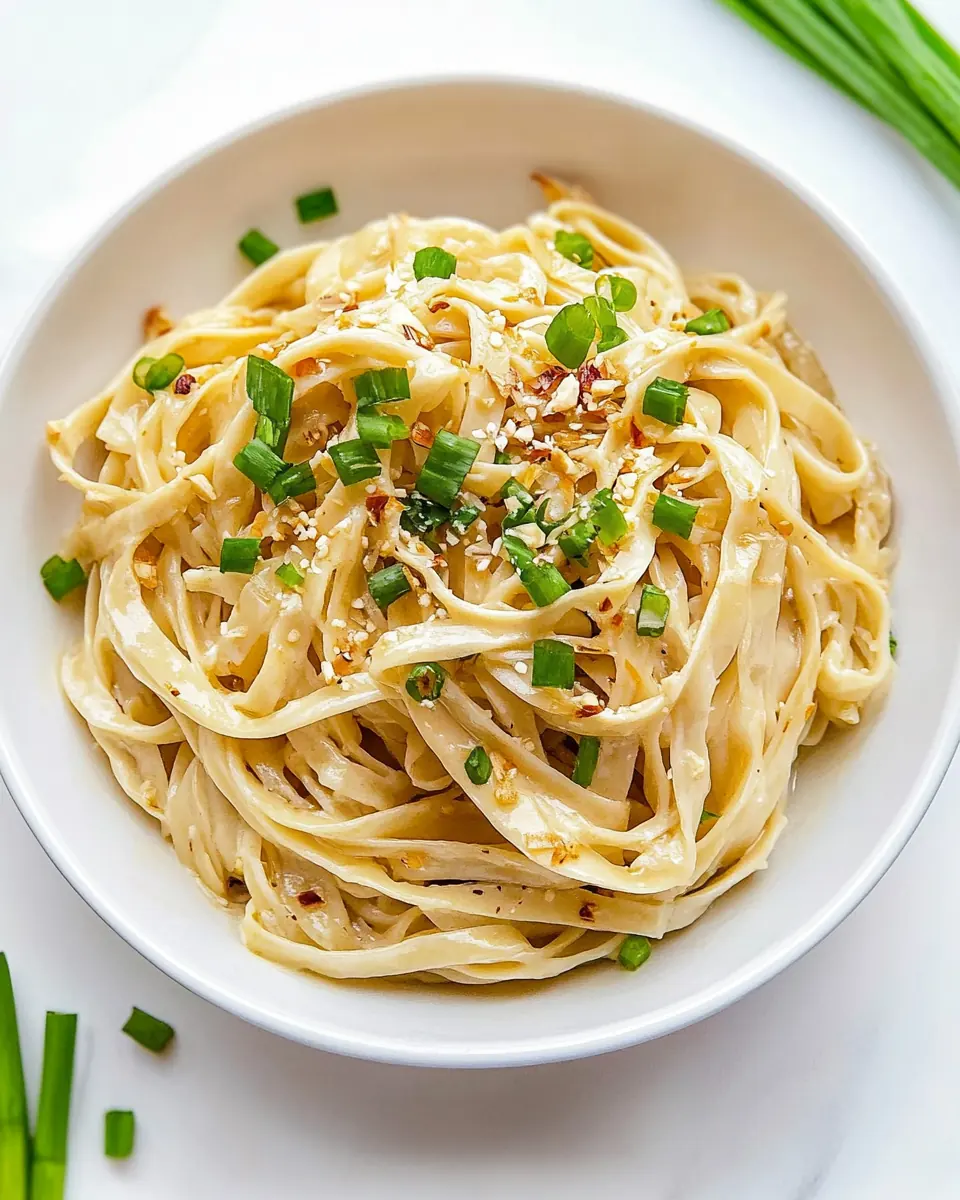
Garlic Noodles
Ingredients
Equipment
Method
- Bring a large pot of salted water to a boil. Cook the Asian noodles or spaghetti according to the package instructions until al dente. Drain and set aside.: The kitchen will smell faintly of mineral and warmth as the water reaches a rolling boil, a sign that it is ready to properly season the noodles . Use enough salt so the water tastes like the sea, this seasons the pasta from within. A common mistake is under salting the water, which leads to bland noodles even after saucing. Listen for a steady bubbling noise, and watch for steam rising vigorously before adding the pasta.
- In a small bowl, whisk together the soy sauce, oyster sauce, fish sauce, and brown sugar. Set aside.: You will notice the noodles shift from stiff to supple as they cook; taste a strand one to two minutes before the shortest time on the package to check for firmness with a slight chew. Al dente texture helps the sauce cling and prevents mushiness. Overcooking is a frequent error here, resulting in limp strands that fall apart when tossed.
- In a large skillet or wok, melt the butter over medium heat. Add the minced garlic and sauté until fragrant and slightly golden, about 2-3 minutes. Be careful not to burn the garlic.: After draining, the noodles will steam and continue to soften slightly, so let them rest briefly rather than tossing them in the sauce immediately. If you suspect clumping, toss with a small splash of neutral oil to keep strands separate. A common pitfall is leaving the noodles to sit wet in the colander for too long, which cools them and makes them absorb sauce unevenly later on.
- Add the cooked noodles to the skillet and pour the sauce over the noodles. Toss to combine and coat the noodles evenly with the sauce. Cook for an additional 2-3 minutes, stirring occasionally, until the noodles are heated through.: The mixture will smell savory and slightly sweet, with salty depth from the sauces. Whisk until the brown sugar has dissolved and the liquids are homogeneous, this ensures even seasoning when added to the noodles. Skipping this step can produce unevenly seasoned bites, because dry sugar might not integrate quickly enough in the hot pan.
- Stir in the grated Parmesan cheese until well combined.: Letting the sauce rest briefly lets the flavors meld, creating a more rounded profile when heated. The combined sauces should look glossy and slightly viscous, ready to coat the noodles . A common mistake is adding ingredients piecemeal to the pan, which can lead to uneven caramelization and an inconsistent sauce texture.
- Season with freshly ground black pepper to taste. Garnish with sliced green onions if desired.: You will hear a gentle sizzle as the butter liquefies and spreads across the pan, signaling an even cooking surface. Medium heat lets the butter brown slightly without burning, adding toasty notes. Cooking on too high heat risks browning the butter too quickly, creating bitter flavors instead of the desirable nutty aroma.
- Add the minced garlic and sauté until fragrant and slightly golden about 2 to 3 minutes: The transformation is sensory: raw sharpness becomes warm, sweet, and aromatic as the minced garlic softens and develops pale gold edges. Stir frequently for even color. Watch closely, because garlic moves from golden to burnt faster than most ingredients, and burnt garlic will impart bitterness to the whole dish.
- Be careful not to burn the garlic: If the garlic starts darkening too quickly, lower the heat and lift the pan from the burner briefly to halt the cooking. The ideal moment is when the kitchen fills with an inviting roasted garlic scent, not acrid smoke. A frequent oversight is walking away during this brief stage, which often results in an unpleasant aftertaste.
- Add the cooked noodles to the skillet and pour the sauce over the noodles: When the sauce hits the hot pan, it should hiss softly and begin to bubble slightly, releasing steam and amplifying aroma. The noodles will absorb the glossy sauce, changing color and becoming brilliantly coated. If you find pockets of sauce collecting instead of coating, reduce heat slightly and stir in short bursts to encourage even coverage.
- Toss to combine and coat the noodles evenly with the sauce: Use tongs or a pair of forks to lift and fold the noodles, ensuring the sauce reaches every strand. The look you want is uniform sheen and a slight pooling of sauce under the noodles. Inadequate tossing leads to uneven bites, where some noodles are saturated and others are dry.
- Cook for an additional 2 to 3 minutes stirring occasionally until the noodles are heated through: This step lets the sauce marry the noodle surface and for any residual moisture to evaporate, concentrating flavor. You will see small bubbles in the sauce and feel the heat radiating off the pan. Overcooking here can dry out the noodles, so keep the time short and the movement steady.
- Stir in the grated Parmesan cheese until well combined: The grated Parmesan cheese will melt into the warm noodles, creating a creamy coating that softens and enriches the sauce. Work quickly off heat if possible, to avoid the cheese turning stringy. A common mistake is adding cold cheese directly to a too hot pan, which can clump rather than melt evenly.
- Season with freshly ground black pepper to taste: Freshly cracked pepper releases volatile oils that brighten the rich profile, adding a subtle heat. Grind directly over the bowl for maximum aroma. Relying on pre ground pepper often yields a flatter, less aromatic result.
- Garnish with sliced green onions if desired: The sliced green onions contribute a crisp, vegetal snap and a fresh color contrast that lifts the dish. Scatter them on just before serving so they keep their texture. Adding them too early can cause wilting and reduce the bright bite they provide.
Notes
- Fresh garlic matters Use fresh minced garlic when possible for the brightest flavor; jarred minced garlic can be used in a pinch but lacks the aromatic punch of freshly minced cloves.
- Gluten free option Swap in rice noodles and use tamari instead of soy sauce to keep the umami while accommodating gluten free diets; cooking times may vary so check the rice noodles early to avoid overcooking.
- Cheese alternative If you do not have Parmesan cheese, a hard grating cheese with a salty bite works, but add gradually to control saltiness and texture.
- Vegetable boost Add crunchy vegetables like snap peas or thinly sliced bell pepper at the end, tossing briefly to retain color and crispness without diluting the core flavors.
- Control sodium Choose low sodium soy sauce and taste before adding extra salt, because the combination of sauces and Parmesan cheese already contributes substantial saltiness.
- Texture tricks For slightly chewier noodles, undercook the pasta by a minute, then finish in the sauce to reach perfect doneness while absorbing flavor.