Candy Cane Cookies
Candy Cane Cookies have always been the cookie that brings back brisk evenings and kitchen laughter in my family.
One year I volunteered to bring treats to a neighborhood cookie swap, and I wanted something festive yet approachable, something that would make people smile before they even tasted it. I remember the first batch I made, the tiny hands that wanted to help rolling dough, and the joyful mess of flour on the counter. That first sentence of praise was earned when a neighbor asked for the recipe on the spot, and another asked if I could teach her to twist the dough just right. Over time I adjusted the sugar, softened the butter a touch more, and learned how much coloring gives the best stripe without overpowering the dough. Those small changes made these cookies reliably tender and cheery.
I love how Candy Cane Cookies invite conversation, because shaping them is as much about the shared ritual as the final bite. I often make them with a playlist of holiday songs in the background, and the scent of butter and vanilla fills the room as I roll ropes of dough. The memories tied to these cookies go beyond the ingredients, they are little rituals that mark time, from children learning to twist ropes, to gifting a simple tin to a new friend. Baking them feels like a gentle act of celebration, simple enough for a weeknight project, yet special enough for a festive spread.
Recipe Snapshot
40 mins
20 mins
20 mins
Medium
120 kcal
American
Gluten-Free, Low FODMAP
Desserts
Mixing bowl, Baking sheet, Wire cooling rack
What’s Great About This Candy Cane Cookies
Festive Visual Appeal
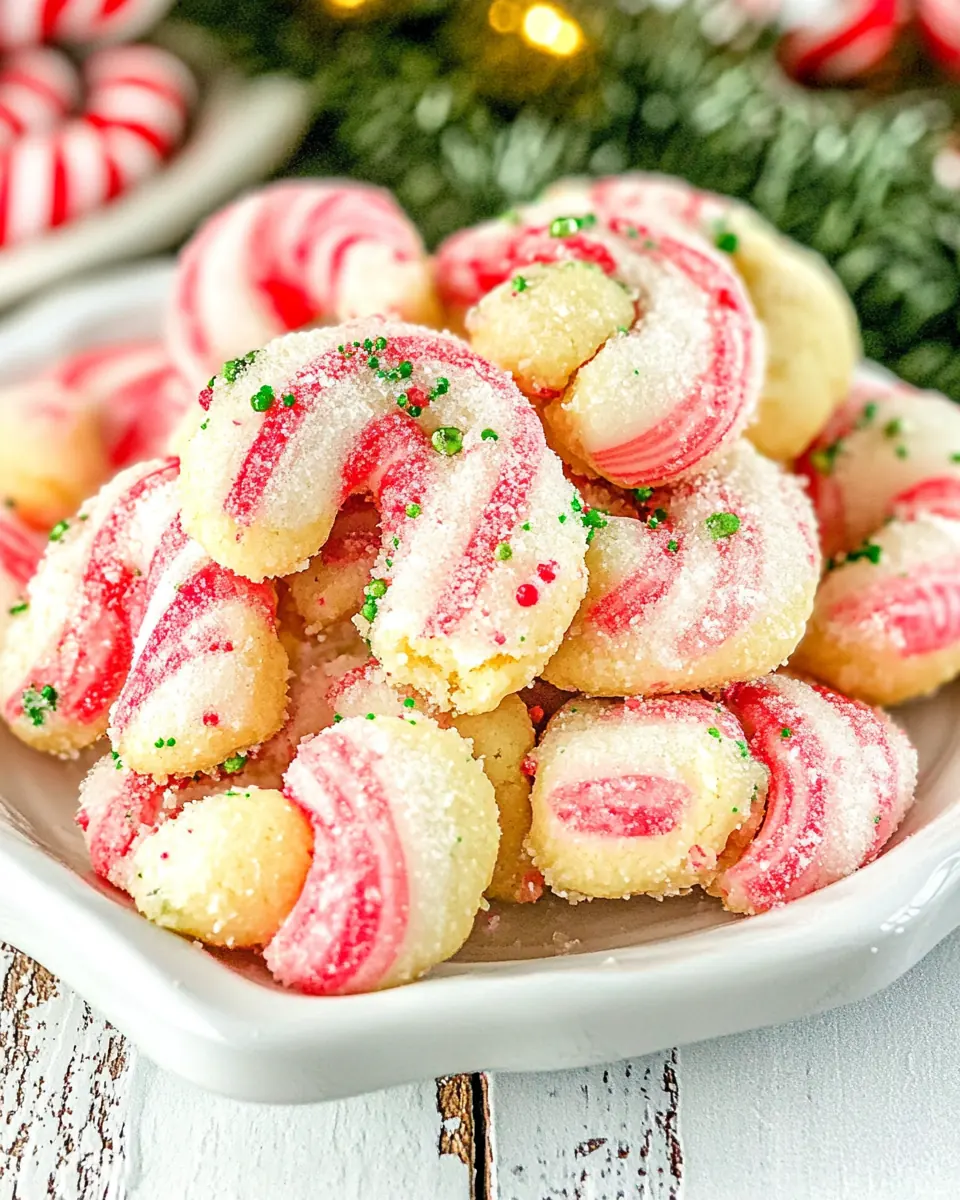
I can never resist the way Candy Cane Cookies look on a platter. The twisted red and white ropes make an immediate statement, they are bright, cheerful, and perfect for holiday displays. When I arrange them, guests always comment first on the presentation, so they set the mood before the first bite.
Simple, Approachable Technique
I love that these cookies do not demand advanced skills. The dough comes together quickly with basic mixing and a short chilling step, and the rolling and twisting process is forgiving. I often teach friends how to make them, and they are surprised how addictive the shaping becomes.
Balanced Texture
What keeps me returning to this recipe is the texture, soft but with a slight tender bite. The little contrast between the smooth, buttery crumb and the faint crisp at the edges creates a satisfying mouthfeel. I pay attention to chilling and baking time, because those steps are what lock in that texture.
Flexible for Gifting
These cookies travel well, which I appreciate when I take tins to neighbors. They store nicely for several days when kept in an airtight container, and the powdered sugar garnish can be added right before serving for a fresh look. I’ve learned to keep extras separate from anything that might damage their shape during transport.
Kid Friendly and Fun
I value recipes that bring people together, and these cookies are a hands on activity that kids adore. Rolling ropes, twisting stripes, and shaping the hooks engages little bakers and creates memories. Over the years this recipe has become a holiday staple in our house for that exact reason.
Shopping List for Candy Cane Cookies
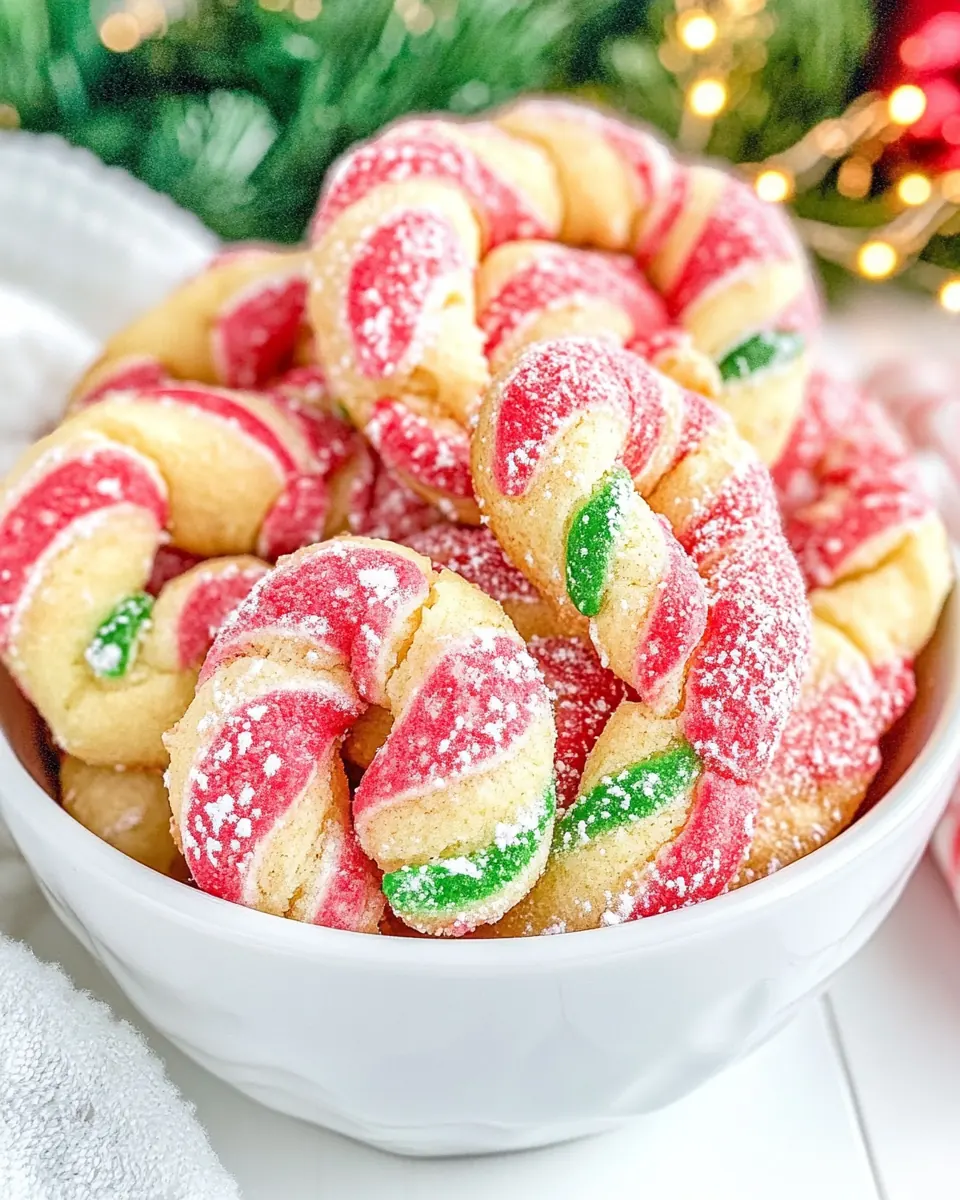
These ingredients form a classic, straightforward cookie dough that balances structure, sweetness, and flavor. The key players are the butter for richness, granulated sugar for sweetness and structure, all purpose flour and leavening for texture, and small amounts of milk and vanilla extract to round out the dough. The finishing touches of red food coloring and powdered sugar provide the signature look and gentle surface sweetness.
- 1/2 cup butter softened: Creamed until light and fluffy to provide richness and a tender, melt-in-your-mouth texture to the cookies. Acts as the primary fat, helping to carry flavors and create a soft crumb while aiding in spread during baking.
- 3/4 cup granulated sugar: Beaten with butter to add sweetness and structure while contributing to slight crunch and browning on the cookie edges. Helps dissolve into the dough for consistent texture and enhances overall flavor balance.
- 1 teaspoon vanilla extract: Added for aromatic flavor, contributing a warm, familiar note that complements the sweet and minty profile of the cookies. Enhances depth and rounds out the overall flavor without overpowering other ingredients.
- 2 cups all purpose flour: Whisked into the dough to form the bulk of the structure, providing flour proteins and starches that create the cookie base. Balances moisture and fat to achieve the desired chewiness and holds other ingredients together during baking.
- 1/2 teaspoon baking soda: Sprinkled into the dry mix to act as a leavening modifier that influences rise and texture. Works with baking chemistry to ensure a light crumb and prevent overly dense cookies.
- 1/2 teaspoon salt: Blended into the dough to enhance flavor and control gluten development, also helping to balance the chemical leaveners. Ensures proper seasoning and prevents the cookies from tasting flat or overly sweet.
- 4 tablespoons milk: Stirred in to adjust dough consistency, contributing moisture that allows ingredients to bind and creating a softer, workable dough. Helps achieve the right spreading and tenderness in the finished cookie.
- red food coloring: Dosed into part of the dough to create festive red stripes or swirls, adding visual appeal and a hint of flavor depending on the type used. Provides color contrast for a classic candy cane appearance without significantly altering texture.
- powdered sugar: Used for dusting or coating to prevent sticking and add a delicate, snowy sweetness to the finished cookies. Can be applied to folded dough or finished cookies to enhance presentation and add a fine, powdery finish.
How to Assemble Candy Cane Cookies
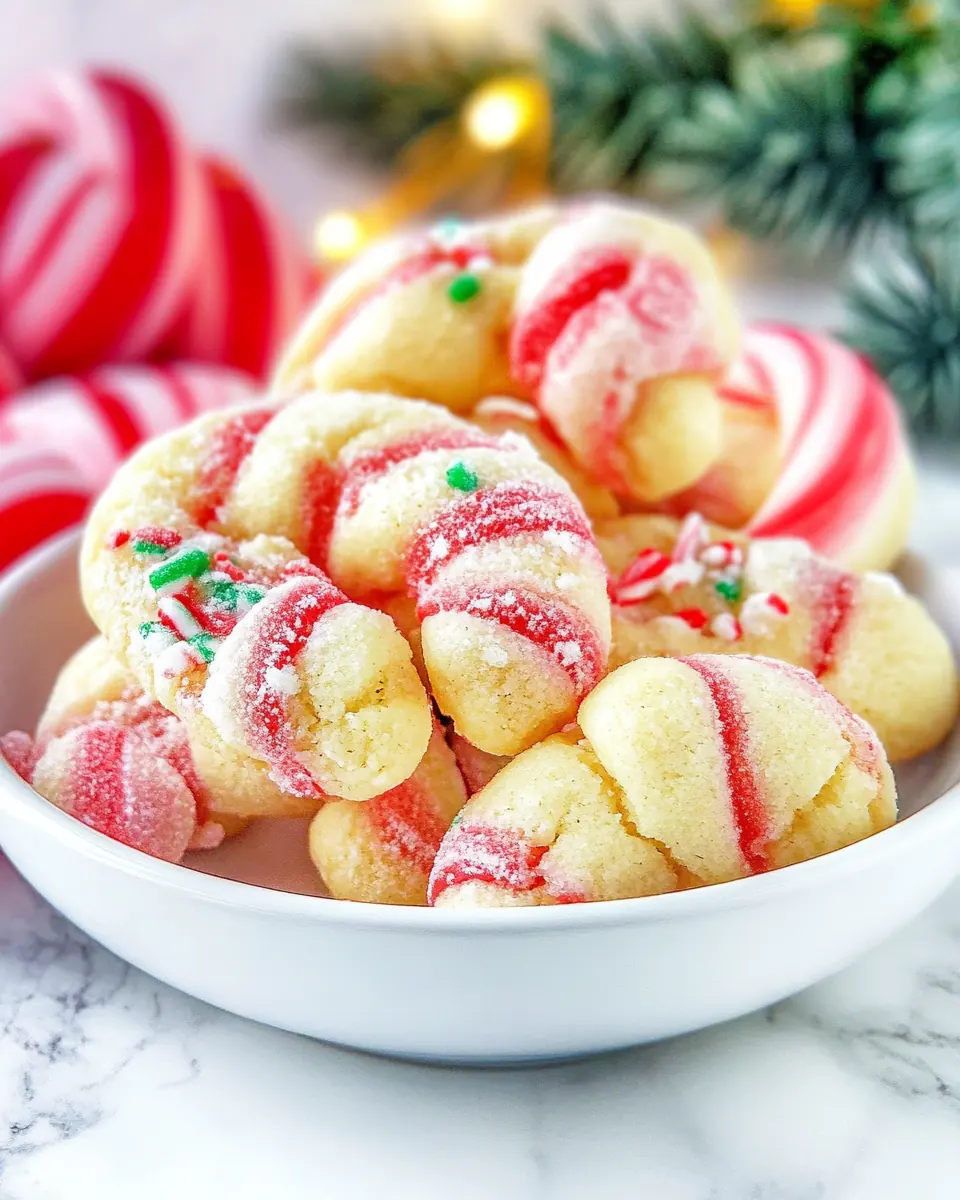
Putting these cookies together is a satisfying, tactile process that rewards patience. The recipe moves from creaming to shaping, with a short chill, and then careful rolling and twisting to achieve the classic candy cane look. Below are the cleaned core steps expanded with sensory cues, reasons, and troubleshooting tips to help you succeed.
- In a large mixing bowl, mix butter and sugar together. Add vanilla extract and mix until well combined.: The mixture should feel light and airy when properly creamed, with a faint sweet aroma and a pale, slightly fluffy appearance. Use a paddle or a sturdy spoon and work long enough that the butter and granulated sugar meld into a smooth mass, you should hear a subtle change as sugar crystals begin to integrate. This step matters because incorporating air at this stage produces a tender crumb in the finished cookie. If you hurry, you will end up with dense cookies, so take your time and scrape the sides of the bowl often. A common mistake is using butter that is too cold, which will not cream properly, or too warm, which will make the batter greasy. If creaming stalls, chill the bowl briefly and continue.
- In a separate bowl, combine flour, add baking soda and salt until well mixed. Add to butter mixture and stir together. This mixture will be dry and you may need to work with your hand until a crumbly dough is formed.: As the vanilla extract folds in, you will notice a warm, inviting scent that instantly makes the dough feel more complete. The motion should be gentle, just enough to distribute the flavor evenly so every bite tastes balanced. This matters because even small amounts of flavoring enhance perception of sweetness and richness. Avoid overmixing at this point, which can change texture. If the vanilla pools or seems uneven, pause and stir by hand to ensure uniformity.
- Add milk and stir together until a soft dough is formed. Divide dough into 2 equal parts, and add red food coloring (as much as needed to reach the color you desire) to one half of the dough, stirring well to combine.: Mixing the all purpose flour , baking soda , and salt creates an even distribution of leavener and seasoning, which prevents pockets of uneven rise or salty bites. You should see a uniform pale powder with no visible streaks. Sifting is optional but helps aerate the flour. This step matters because even distribution yields consistent texture and flavor. A typical error is dumping the leavening on top without blending, leading to uneven texture. If you spot lumps, whisk until smooth.
- Cover dough and place in refrigerator to chill for 30 minutes.: When the dry mixture meets the creamed butter mixture, the dough will look crumbly at first, with small clumps forming as flour hydrates. Use a sturdy spoon, folding gently until clumps form and there are no large dry pockets. The reason this stage feels dry is that the recipe intentionally keeps the dough firm enough to roll. If you stir too aggressively you may develop gluten, resulting in tougher cookies. If the dough feels too dry to come together, proceed to the next step where milk is added to bring it together.
- When ready to bake, preheat oven to 350 degrees F. Divide each ball of dough (colored and plain) into four equal sized portions. By hand roll each piece of dough into a ball shape, then roll each ball into a rope shape that is approximately 20″ long.: As you incorporate the milk , the dough will turn silky and pliable, with a slight sheen under kitchen lights and a tender, slightly tacky feel. This step matters because moisture concentration determines how well you can roll the dough into ropes. Work gently so the dough remains cohesive but not sticky. A common mistake is adding too much liquid at once, yielding a gummy dough. If you end up with sticky dough, chill it briefly to firm up before shaping.
- To create the candy cane look, place a red dough rope and white dough rope next to each other, and cut the ropes into five equal size pieces. Twist the ropes and shape into the standard candy cane shape and appearance. Gently transfer onto a baking sheet. Repeat the same process with remaining dough. Make sure to leave a bit of space between the cookies on the cookie sheets.: When you split the dough, each portion should be roughly the same weight so your stripes are balanced. Knead the red food coloring into one half until color is uniform and vivid, kneading with light, patient strokes. Gel color is ideal because it gives saturated hue without altering dough hydration. This matters because even coloring ensures consistent appearance across cookies. A usual misstep is uneven coloring, which results in marbled rather than striped dough. If color stains your hands, use gloves or dust with a little flour to prevent transfer.
- Bake for approximately 20 minutes or until starting to turn a light golden brown. Remove from oven and allow cookies to cool on baking sheet, place on a wire cooling rack, for approximately ten minutes prior to moving.: Chilling firms the fat, making the dough much easier to roll and shape. You will notice the dough feel denser and less sticky after chilling, and it will hold ropes and twists without sagging. This step is critical for preserving shape during baking, because warm dough will spread. A common error is skipping chilling, which yields misshapen cookies. If you need to chill longer, the dough tolerates up to an hour, just let it warm slightly before rolling if it becomes too stiff.
- Once cookies have cooled completely, sprinkle with powdered sugar.: The oven should reach the steady, even heat of 350 degrees F before you place cookies inside, so they set quickly and brown properly at the edges. While it preheats you should divide and roll the dough, keeping the surface lightly floured. Proper oven temperature matters for texture and color, preventing underbaked centers or burned edges. A common mistake is placing cookies into an underheated oven, which can cause excessive spread. Use an oven thermometer if you suspect your oven runs hot or cold.
- Divide each ball of dough into four equal sized portions and roll into ropes approximately 20 inches long: When you form ropes, the dough should feel smooth and slightly cool to the touch, with a consistent thickness along the length. Rolling should be even, applying gentle pressure until the rope is uniform, and you will hear a soft, quiet friction as dough moves on the counter. This step matters because uniform ropes produce even twists and predictable baking. One mistake is pressing too hard, which compresses the dough and ruins the texture; if that happens, reshape gently and chill briefly.
- Place a red dough rope and white dough rope next to each other, cut into five equal pieces, twist and shape into candy cane shape: As you pair ropes and twist, you should see the stripes align and spiral together. The dough will flex and hold shape, and you can slightly curve the top to create the hook. This technique matters because the visual candy cane identity relies on neat twisting. Avoid over twisting which can flatten the ropes. If pieces unstick, a light dab of water at the seam helps them adhere without altering flavor.
- Gently transfer onto a baking sheet leaving space between cookies: Lift carefully and place each shaped cookie onto the prepared sheet, spacing them so air circulates between pieces and they can brown evenly. You may sense a faint resistance when the dough is ready to bake, meaning it will keep its shape. This placement matters because crowding causes cookies to fuse. The common error is crowding the sheet, so bake in batches if needed. If cookies spread too much while baking, reduce oven temperature slightly next batch.
- Bake for approximately 20 minutes or until starting to turn a light golden brown: While baking you will notice a warm, buttery aroma transforming into a deeper, toasted note, and the edges will become slightly golden while centers remain tender. Timing is important to achieve the ideal texture, so watch for visual cues rather than relying only on a timer. A typical mistake is overbaking, which yields dry cookies; remove them when the edges just begin to color. If your oven runs hot, check five minutes early.
- Remove from oven and allow cookies to cool on baking sheet for approximately ten minutes prior to moving: The cookies continue to set as they cool, with steam leaving the center and edges firming slightly. Leaving them on the sheet prevents tearing while they are still delicate, and after ten minutes they will lift cleanly. This matters because cooling stabilizes structure. A frequent error is moving them too soon, which can cause breakage. If one sticks, slide a thin spatula underneath and let it rest a few more minutes.
- Once cookies have cooled completely, sprinkle with powdered sugar: The final dusting of powdered sugar adds a soft, snowy appearance and a gentle surface sweetness, settling into crevices and enhancing presentation. The powdered sugar should be applied when cookies are cool to avoid melting into the surface. This finishing touch matters for aesthetics and a subtle flavor lift. A mistake is sifting sugar onto warm cookies, which will dissolve the powder; wait until fully cool for the best effect.
Recipe Tips about Candy Cane Cookies
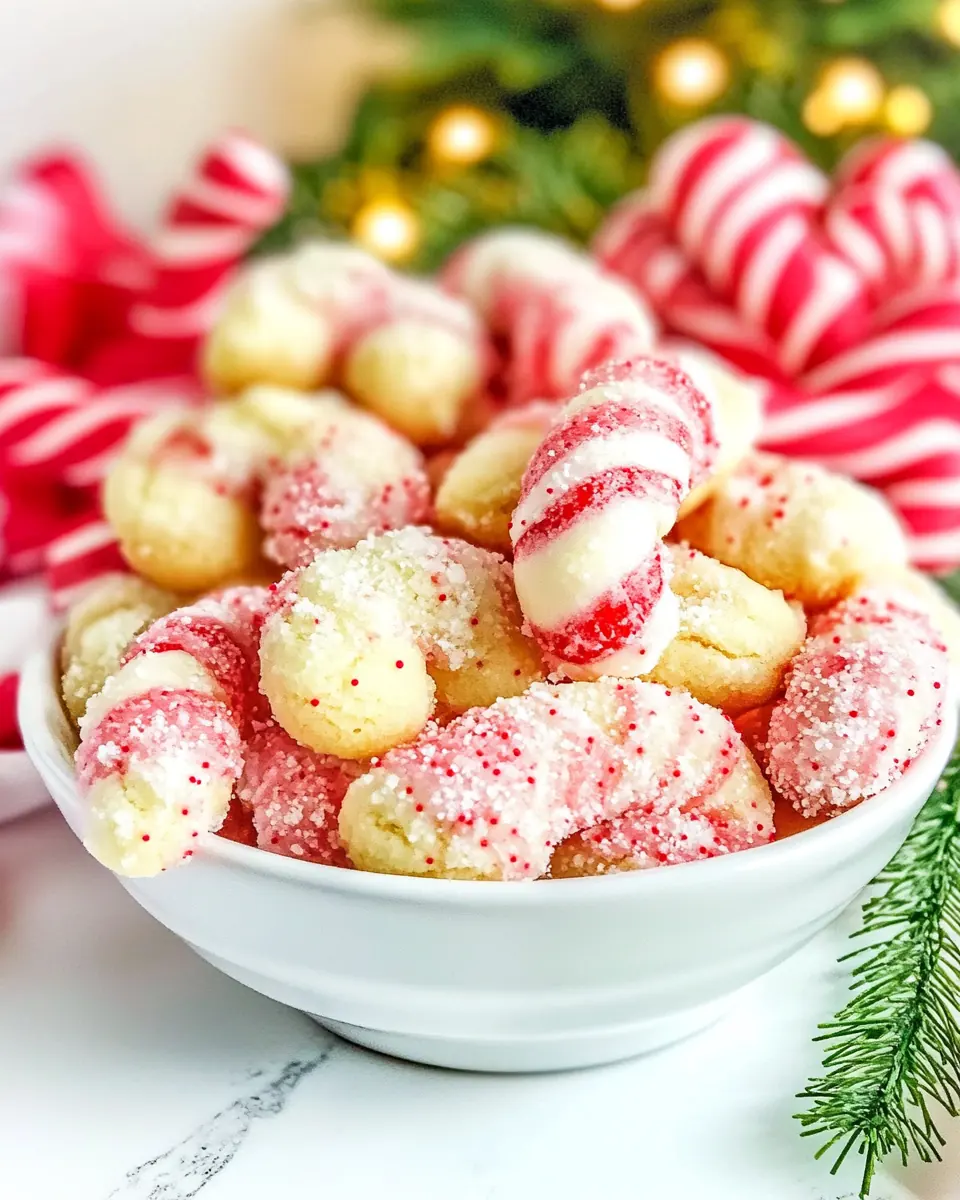
These tips reflect years of making these cookies for swaps and gatherings. They focus on texture, color, and transportability so your cookies look as good as they taste.
- Keep the butter just soft so it creams smoothly with the sugar without becoming greasy, which preserves dough consistency and prevents spreading.
- Chill for at least 30 minutes to firm the fat, making shaping easier and helping the cookies retain their twisted shape while baking.
- Use gel food coloring to achieve bright red stripes without altering dough hydration, which keeps the texture intact.
- Roll ropes evenly to ensure uniform baking and tidy stripes, inconsistent ropes will lead to uneven thickness and bake times.
- Cool on the sheet briefly before transferring to a rack, this prevents tearing and lets the cookies set properly.
Pairing Suggestions for Candy Cane Cookies
These serving suggestions consider occasions, storage, and complementary pairings that highlight the cookies’ festive nature. They are ideal for gift boxes, dessert trays, or cozy snack moments. Below are practical ideas and seasonal uses in a clear list format.
- Holiday cookie exchange, arrange Candy Cane Cookies on a platter with other small cookies for variety and visual impact, they pair well with simple sugar cookies or nutty shortbreads.
- Gift tin, layer cookies gently with parchment and secure the lid, adding a hand written note for a personal touch, perfect for neighbors and friends during the season.
- After school snack, place a few cookies on a small plate for a festive treat that kids can help portion, these are also a fun classroom contribution when wrapped individually.
- Dessert table, use them as a colorful element among cakes and bars, their striped pattern brings contrast and a seasonal theme to the spread.
- Storage tip, keep in an airtight container at room temperature for up to a week, add a sheet of parchment between layers to protect finishes like powdered sugar.
- Seasonal pairing, serve with warm beverages for winter gatherings, they complement mild, creamy drinks and add a playful visual accent to any tray.
FAQ
Conclusion
What makes these Candy Cane Cookies special is how a few simple ingredients combine to produce a festive, tender cookie with an unmistakable visual twist. The shaping ritual and the final powdered sugar dusting turn an ordinary baking session into a memorable holiday activity. Give them a try with friends or family and enjoy the small, joyful moments of rolling, twisting, and sharing. These cookies are approachable, forgiving, and full of seasonal charm, perfect for gifting or simply brightening a winter afternoon.
Candy Cane Cookies
Ingredients
Equipment
Method
- In a large mixing bowl, mix butter and sugar together. Add vanilla extract and mix until well combined.: The mixture should feel light and airy when properly creamed, with a faint sweet aroma and a pale, slightly fluffy appearance. Use a paddle or a sturdy spoon and work long enough that the butter and granulated sugar meld into a smooth mass, you should hear a subtle change as sugar crystals begin to integrate. This step matters because incorporating air at this stage produces a tender crumb in the finished cookie. If you hurry, you will end up with dense cookies, so take your time and scrape the sides of the bowl often. A common mistake is using butter that is too cold, which will not cream properly, or too warm, which will make the batter greasy. If creaming stalls, chill the bowl briefly and continue.
- In a separate bowl, combine flour, add baking soda and salt until well mixed. Add to butter mixture and stir together. This mixture will be dry and you may need to work with your hand until a crumbly dough is formed.: As the vanilla extract folds in, you will notice a warm, inviting scent that instantly makes the dough feel more complete. The motion should be gentle, just enough to distribute the flavor evenly so every bite tastes balanced. This matters because even small amounts of flavoring enhance perception of sweetness and richness. Avoid overmixing at this point, which can change texture. If the vanilla pools or seems uneven, pause and stir by hand to ensure uniformity.
- Add milk and stir together until a soft dough is formed. Divide dough into 2 equal parts, and add red food coloring (as much as needed to reach the color you desire) to one half of the dough, stirring well to combine.: Mixing the all purpose flour , baking soda , and salt creates an even distribution of leavener and seasoning, which prevents pockets of uneven rise or salty bites. You should see a uniform pale powder with no visible streaks. Sifting is optional but helps aerate the flour. This step matters because even distribution yields consistent texture and flavor. A typical error is dumping the leavening on top without blending, leading to uneven texture. If you spot lumps, whisk until smooth.
- Cover dough and place in refrigerator to chill for 30 minutes.: When the dry mixture meets the creamed butter mixture, the dough will look crumbly at first, with small clumps forming as flour hydrates. Use a sturdy spoon, folding gently until clumps form and there are no large dry pockets. The reason this stage feels dry is that the recipe intentionally keeps the dough firm enough to roll. If you stir too aggressively you may develop gluten, resulting in tougher cookies. If the dough feels too dry to come together, proceed to the next step where milk is added to bring it together.
- When ready to bake, preheat oven to 350 degrees F. Divide each ball of dough (colored and plain) into four equal sized portions. By hand roll each piece of dough into a ball shape, then roll each ball into a rope shape that is approximately 20″ long.: As you incorporate the milk , the dough will turn silky and pliable, with a slight sheen under kitchen lights and a tender, slightly tacky feel. This step matters because moisture concentration determines how well you can roll the dough into ropes. Work gently so the dough remains cohesive but not sticky. A common mistake is adding too much liquid at once, yielding a gummy dough. If you end up with sticky dough, chill it briefly to firm up before shaping.
- To create the candy cane look, place a red dough rope and white dough rope next to each other, and cut the ropes into five equal size pieces. Twist the ropes and shape into the standard candy cane shape and appearance. Gently transfer onto a baking sheet. Repeat the same process with remaining dough. Make sure to leave a bit of space between the cookies on the cookie sheets.: When you split the dough, each portion should be roughly the same weight so your stripes are balanced. Knead the red food coloring into one half until color is uniform and vivid, kneading with light, patient strokes. Gel color is ideal because it gives saturated hue without altering dough hydration. This matters because even coloring ensures consistent appearance across cookies. A usual misstep is uneven coloring, which results in marbled rather than striped dough. If color stains your hands, use gloves or dust with a little flour to prevent transfer.
- Bake for approximately 20 minutes or until starting to turn a light golden brown. Remove from oven and allow cookies to cool on baking sheet, place on a wire cooling rack, for approximately ten minutes prior to moving.: Chilling firms the fat, making the dough much easier to roll and shape. You will notice the dough feel denser and less sticky after chilling, and it will hold ropes and twists without sagging. This step is critical for preserving shape during baking, because warm dough will spread. A common error is skipping chilling, which yields misshapen cookies. If you need to chill longer, the dough tolerates up to an hour, just let it warm slightly before rolling if it becomes too stiff.
- Once cookies have cooled completely, sprinkle with powdered sugar.: The oven should reach the steady, even heat of 350 degrees F before you place cookies inside, so they set quickly and brown properly at the edges. While it preheats you should divide and roll the dough, keeping the surface lightly floured. Proper oven temperature matters for texture and color, preventing underbaked centers or burned edges. A common mistake is placing cookies into an underheated oven, which can cause excessive spread. Use an oven thermometer if you suspect your oven runs hot or cold.
- Divide each ball of dough into four equal sized portions and roll into ropes approximately 20 inches long: When you form ropes, the dough should feel smooth and slightly cool to the touch, with a consistent thickness along the length. Rolling should be even, applying gentle pressure until the rope is uniform, and you will hear a soft, quiet friction as dough moves on the counter. This step matters because uniform ropes produce even twists and predictable baking. One mistake is pressing too hard, which compresses the dough and ruins the texture; if that happens, reshape gently and chill briefly.
- Place a red dough rope and white dough rope next to each other, cut into five equal pieces, twist and shape into candy cane shape: As you pair ropes and twist, you should see the stripes align and spiral together. The dough will flex and hold shape, and you can slightly curve the top to create the hook. This technique matters because the visual candy cane identity relies on neat twisting. Avoid over twisting which can flatten the ropes. If pieces unstick, a light dab of water at the seam helps them adhere without altering flavor.
- Gently transfer onto a baking sheet leaving space between cookies: Lift carefully and place each shaped cookie onto the prepared sheet, spacing them so air circulates between pieces and they can brown evenly. You may sense a faint resistance when the dough is ready to bake, meaning it will keep its shape. This placement matters because crowding causes cookies to fuse. The common error is crowding the sheet, so bake in batches if needed. If cookies spread too much while baking, reduce oven temperature slightly next batch.
- Bake for approximately 20 minutes or until starting to turn a light golden brown: While baking you will notice a warm, buttery aroma transforming into a deeper, toasted note, and the edges will become slightly golden while centers remain tender. Timing is important to achieve the ideal texture, so watch for visual cues rather than relying only on a timer. A typical mistake is overbaking, which yields dry cookies; remove them when the edges just begin to color. If your oven runs hot, check five minutes early.
- Remove from oven and allow cookies to cool on baking sheet for approximately ten minutes prior to moving: The cookies continue to set as they cool, with steam leaving the center and edges firming slightly. Leaving them on the sheet prevents tearing while they are still delicate, and after ten minutes they will lift cleanly. This matters because cooling stabilizes structure. A frequent error is moving them too soon, which can cause breakage. If one sticks, slide a thin spatula underneath and let it rest a few more minutes.
- Once cookies have cooled completely, sprinkle with powdered sugar: The final dusting of powdered sugar adds a soft, snowy appearance and a gentle surface sweetness, settling into crevices and enhancing presentation. The powdered sugar should be applied when cookies are cool to avoid melting into the surface. This finishing touch matters for aesthetics and a subtle flavor lift. A mistake is sifting sugar onto warm cookies, which will dissolve the powder; wait until fully cool for the best effect.
Notes
- Keep the butter just soft so it creams smoothly with the sugar without becoming greasy, which preserves dough consistency and prevents spreading.
- Chill for at least 30 minutes to firm the fat, making shaping easier and helping the cookies retain their twisted shape while baking.
- Use gel food coloring to achieve bright red stripes without altering dough hydration, which keeps the texture intact.
- Roll ropes evenly to ensure uniform baking and tidy stripes, inconsistent ropes will lead to uneven thickness and bake times.
- Cool on the sheet briefly before transferring to a rack, this prevents tearing and lets the cookies set properly.