Chicken Fajita Lettuce Wraps
Chicken Fajita Lettuce Wraps became my go to when I wanted something bright, hands on, and quick after a long day in the kitchen. The first time I made them I was racing the sunset to get dinner on the table, and the ease of assembling each wrap while everyone chatted at the counter felt like a small celebration. I remember the sizzle as the chicken hit the hot skillet, the sweet perfume of softened onion and roasted bell pepper, and the cool snap of the lettuce leaves as we tucked in our fillings.
Since then, these wraps have shown up at casual weeknight meals, summer alfresco dinners, and busy nights when I need a simple, satisfying option. I love how each person can build their own, piling on avocado, tangy salsa, or a dollop of sour cream. The recipe fits right into my rotation because it balances quick cooking with big flavors, and you can scale it up without losing the essence of what makes it fun to eat.
Recipe Snapshot
20 mins
5 mins
15 mins
Easy
350 kcal
Mexican
Keto, Gluten-Free
Dinner
Skillet, Tongs, Plate
What Makes This Chicken Fajita Lettuce Wraps Special
Speed without sacrifice
I adore how Chicken Fajita Lettuce Wraps deliver bold, roasted flavors in under 30 minutes. When I am pressed for time, I still want something that tastes thought out, not thrown together. The short saut茅 keeps the chicken juicy and the vegetables vibrant, which is what sells this dish to any skeptic.
Fresh and customizable
One reason I keep coming back to these wraps is the build your own format. I like setting out the lettuce, cooked chicken, peppers and onions, and toppings so guests can customize. It makes dinner social, and everyone gets exactly what they want on their plate.
Light but satisfying
These wraps feel lighter than a traditional tortilla fajita, yet they remain filling thanks to the protein and creamy toppings like avocado and sour cream. I often recommend them when someone in my circle wants something low carb but still hearty and comforting.
Ideal for summer gatherings
Because of the crisp lettuce and fresh pico de gallo or salsa, this recipe shines in warm weather. I find it perfect for casual cookouts where people graze and mingle, and it travels well if you need to transport toppings and keep the components separate.
Minimal clean up
Finally, the one skillet method means I am not stuck washing a stack of pans afterward. A single skillet does the browning and softening, and the self serve style keeps the table tidy. That practicality keeps this dish on my weekly rotation.
Essential Ingredients for Chicken Fajita Lettuce Wraps
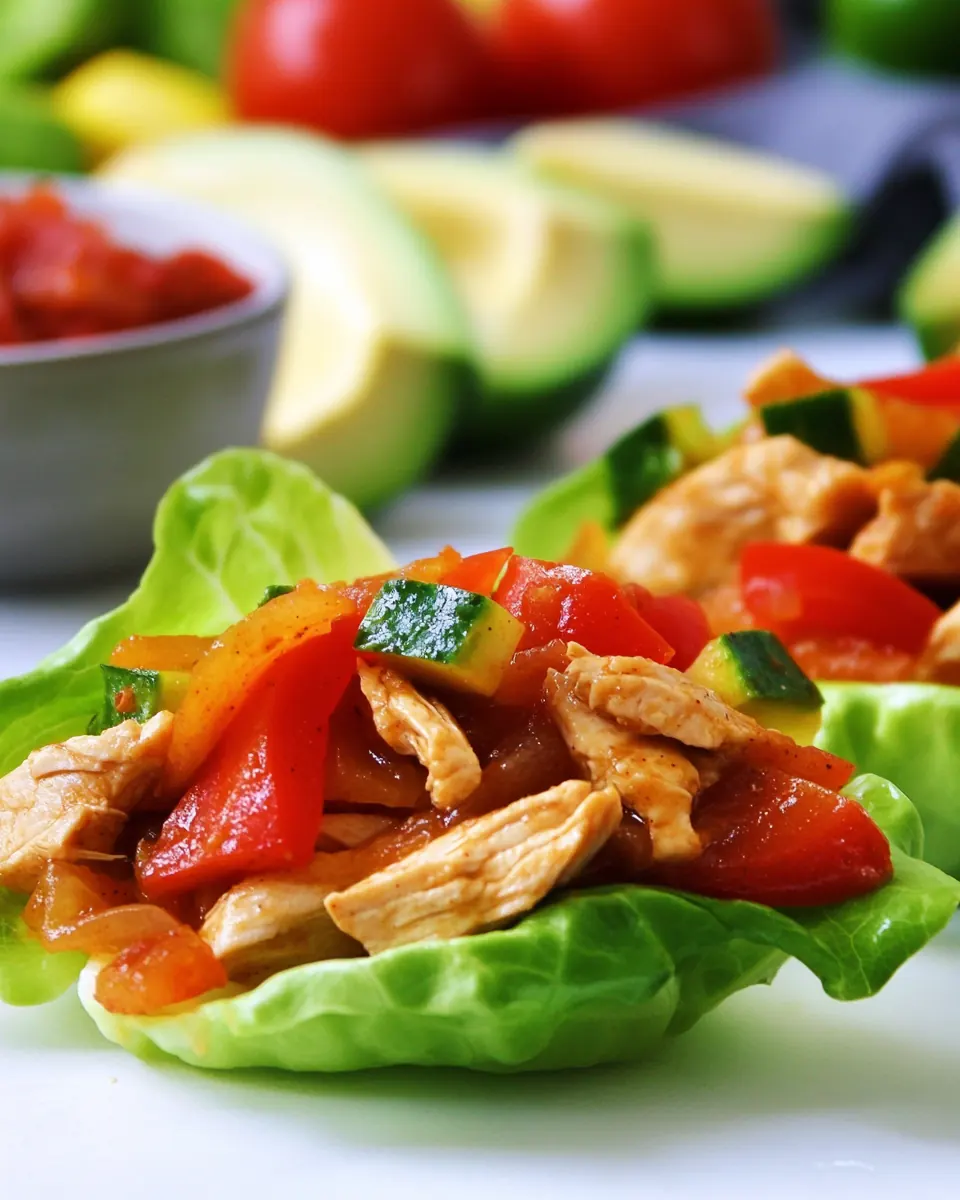
These ingredients are chosen to create a balance of savory, sweet, and creamy textures. The chicken is the main protein that soaks up the sizzling pan flavors, while the bell pepper and onion add bright vegetal notes and a touch of crunch. The lettuce acts as a crisp, cool vessel that contrasts the warm filling, and the toppings bring acidity and creaminess to round each bite.
- 1 tablespoon olive oil: Drizzle olive oil to coat the pan and prevent sticking while adding a light, fruity flavor that helps brown the chicken and vegetables evenly.
- 1 pound chicken tenderloins: Slice chicken tenderloins into strips to provide the primary protein for the wraps, cooking quickly and absorbing seasonings for tender, juicy bites.
- 1 bell pepper, any color, sliced: Slice bell pepper into thin strips to introduce sweet, crisp texture and bright color that complements the savory chicken and onions.
- 1 medium onion, sliced: Slice the medium onion to add pungent, sweet-savory layers when sautéed, contributing depth and caramelized richness to the fajita filling.
- 5 dashes Worcestershire sauce, or Coconut Aminos: Splash Worcestershire sauce or Coconut Aminos to bring umami, tangy-salty notes that enhance the overall savory profile and balance the vegetables.
- 1 large head lettuce, Boston, Bibb, or Iceberg: Separate lettuce leaves from the head to create crisp, sturdy cups for assembling the fajita fillings while offering a refreshing, low-carb wrap alternative.
- sour cream: Spoon sour cream as a cool, tangy topping that adds creaminess and helps mellow spicy or acidic elements in each assembled wrap.
- avocado, sliced: Slice avocado to add creamy, buttery texture and healthy fats that enrich mouthfeel and provide a mellow contrast to spiced chicken.
- pico de gallo: Scoop pico de gallo to contribute fresh, zesty flavors with diced tomato, onion, cilantro, and lime that brighten each bite and add freshness.
- salsa: Spoon salsa to provide a saucy, flavorful topping with varying heat and acidity that lifts the fajita components and adds moisture.
Putting Together Chicken Fajita Lettuce Wraps
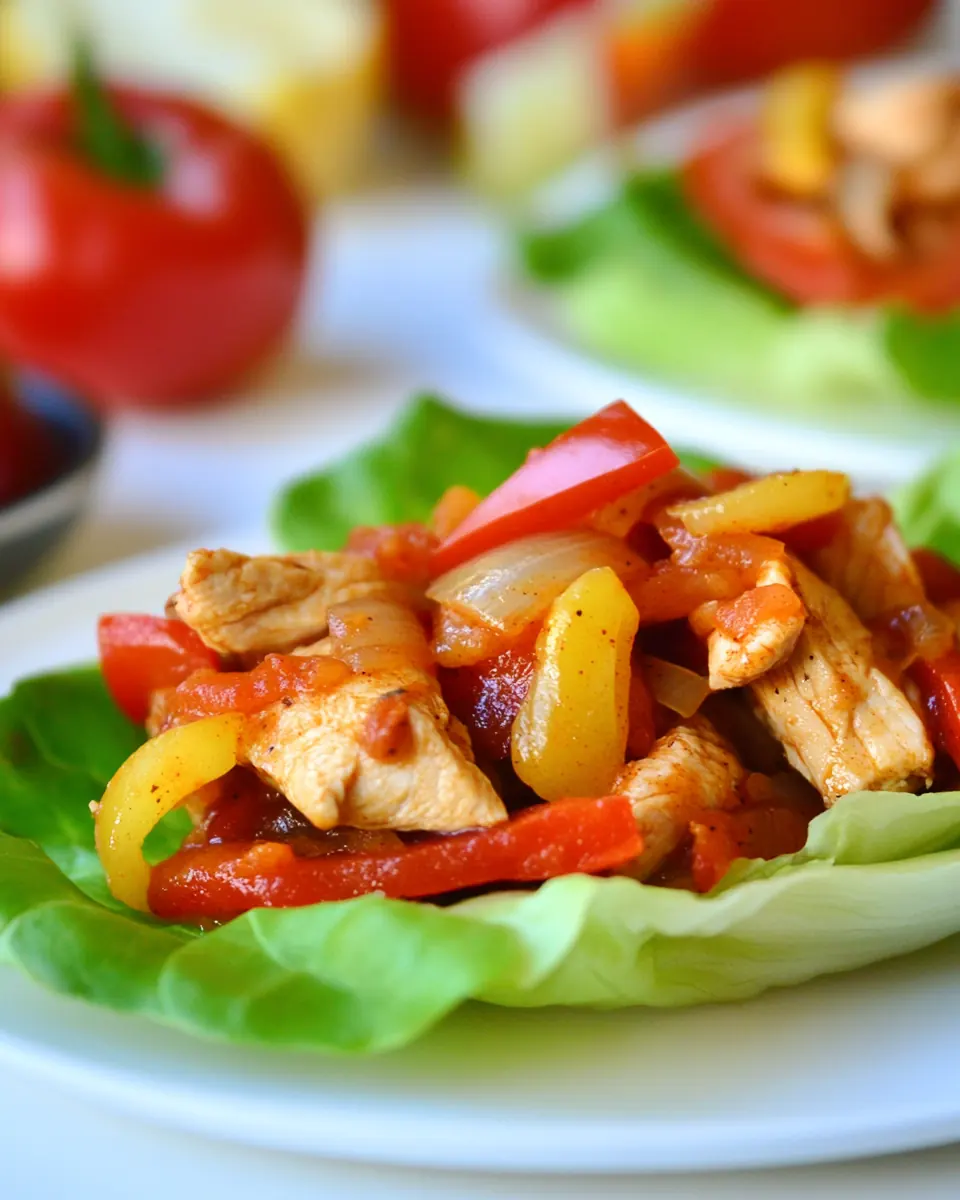
Pulling this meal together is satisfying because the steps are straightforward and the sensory rewards are immediate. Below I expand the original directions into a detailed, sensory rich guide so you can hear the sizzle and know exactly when to stop cooking.
- Drizzle olive oil into skillet over medium heat. Add chicken tenderloins and cook until browned on one side, about 5 minutes. Using tongs, turn chicken to the other side. Once cooked throughout, remove from skillet to a plate and set aside. Toss peppers and onions into skillet and add Worcestershire sauce. Using tongs, move peppers and onions around in the skillet to make sure they are coated and cook on all sides. Once browned and tender, about 3 minutes, add back chicken along with any drippings. Remove from heat and set aside for serving.: The moment the olive oil warms, you should see a faint shimmer and smell a light, fruity aroma. That shimmer tells you the oil is hot enough to sear without burning. A proper medium heat gives you a steady sizzle when the chicken hits the pan; too low and you will get pale, steamed meat, too high and the oil will smoke and impart bitterness. A common mistake is crowding the skillet, which cools the surface and prevents browning.
- Arrange lettuce leaves, chicken and peppers, and all toppings for a self-serve fajita lettuce wrap station.: As the chicken makes contact, listen for an energetic sizzle and watch edges turn opaque. Browning creates complex flavors through caramelization, and after about 5 minutes you should see a golden crust form on that side. If the meat sticks badly, it likely needs a bit more time before turning. Avoid flipping too early or you will tear the surface and lose the fond.
- Using tongs, turn chicken to the other side: When you flip, the release from the pan should be clean, and you will notice the second side catching color. The scent will deepen as the heat penetrates. Turning with tongs lets you control contact pressure so you do not flatten the tenderloins. A mistake here is pressing down, which squeezes juices out and dries the meat.
- Once cooked throughout, remove from skillet to a plate and set aside: The chicken should register opaque in the center and feel springy, with juices running clear. Resting on a plate preserves juiciness and allows carryover cooking to finish gently. If you skip resting and slice immediately, the juices will escape and the meat will be drier.
- Toss peppers and onions into skillet and add Worcestershire sauce: When you add the sliced bell pepper and onion , they should hit the hot pan with a lively hiss and begin to soften within moments. The Worcestershire sauce will steam and mingle, adding savory umami notes that cling to the vegetables. Stir them so the sauce distributes; failing to coat evenly leaves pockets of under seasoned veg.
- Using tongs, move peppers and onions around in the skillet to make sure they are coated and cook on all sides: Rotate the vegetables so each side gets contact with the pan and a bit of char. You want a mix of tender flesh and slightly blistered skin, which adds sweetness and texture contrast. Keep an eye on timing because overcooking will make them limp and lose their bright color, a common pitfall for busy cooks.
- Once browned and tender, about 3 minutes, add back chicken along with any drippings: When the veg shows golden edges and fragrant steam, return the chicken and the juices to the skillet so flavors recombine. The meat will reheat and pick up pan flavors; that final minute of mingling seals the dish. If you rush this step you may serve lukewarm chicken, so allow a few moments for everything to come together.
- Remove from heat and set aside for serving: Pull the skillet off the burner and inhale the sweet roasted aroma. Let the pan rest so the heat evens out before transferring components to the table. Leaving the skillet on the heat can continue cooking and over soften the vegetables, which reduces their texture contrast.
- Arrange lettuce leaves, chicken and peppers, and all toppings for a self-serve fajita lettuce wrap station: Lay out the lettuce as cool, crisp boats and pile on warm chicken and roasted veg. Add bowls of sour cream , sliced avocado , pico de gallo , and salsa so everyone can customize. The variety of textures is important here, as the crisp lettuce balances the warm, juicy filling. A common oversight is not drying lettuce leaves well enough, which causes soggy wraps; always pat them dry thoroughly.
Making Adjustments
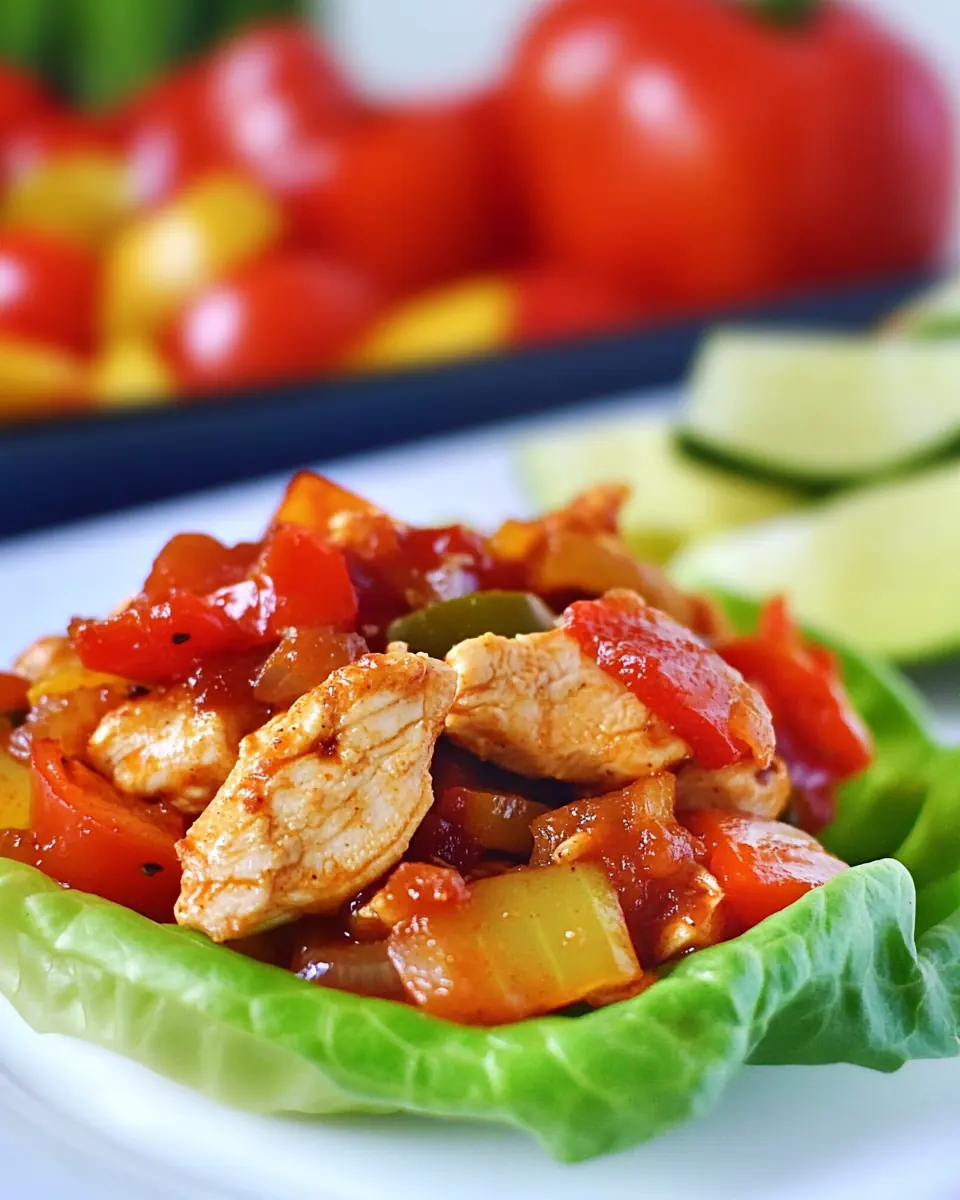
I like suggesting practical swaps and small tweaks that keep the spirit of Chicken Fajita Lettuce Wraps intact while accommodating tastes and pantry limits. Below are focused tips to help you tune heat, texture, and presentation.
- Adjust the heat If you want spicier wraps, pick a bolder salsa or add a few dashes of hot sauce to your pico de gallo. Taste as you go so the heat complements the other flavors instead of overwhelming them.
- Keep it juicy To retain moisture in the chicken, avoid slicing immediately after cooking. Let the meat rest briefly on a plate so the juices redistribute and the texture stays tender.
- Make it kid friendly If you are serving picky eaters, separate the components and let them build plain wraps with just chicken and lettuce. Offer sour cream on the side as a milder topping.
- Prevent soggy wraps Place wet toppings like pico de gallo or salsa in small bowls and let guests spoon them on, rather than preassembling, to keep the lettuce crisp.
- Use the right lettuce Choose Boston or Bibb for tender, foldable leaves or Iceberg for extra crunch. Each gives a slightly different bite, so pick based on your texture preference.
Serving Ideas for Chicken Fajita Lettuce Wraps
These wraps are perfect for casual gatherings, outdoor meals, or light dinners. I often set a spread of bowls for toppings so everyone can assemble their own. Below are detailed serving suggestions to match occasions and palates.
- Weeknight family dinner Lay out bowls of sliced avocado, sour cream, pico de gallo, and salsa. Let each person build their wrap, which keeps dinner interactive and low stress.
- Summer cookout Serve chilled lettuce leaves alongside warm chicken and vegetables. The contrast of cool and hot is especially refreshing on warm evenings.
- Light lunch Plate two or three assembled wraps with a side salad for a satisfying midday meal that is on the lighter side yet filling thanks to the chicken and avocado.
- Party grazing table Create a self serve station with small plates so guests can mix and match toppings. It makes for an easy, social way to feed a crowd without formal plating.
- Storage and make ahead Keep the cooked chicken and vegetables in an airtight container in the fridge for up to three days, and store toppings separately. Reheat briefly in a skillet to revive the sear before assembling.
FAQ
Conclusion
What makes these Chicken Fajita Lettuce Wraps special is their balance of quick searing, bright fresh toppings, and the satisfying contrast between warm filling and crisp lettuce. Give them a try when you want a hands on dinner that is both light and deeply flavorful. I hope this becomes one of those recipes you reach for when you want to feed people quickly, keep cleanup minimal, and still serve something that tastes like you put in effort and care.
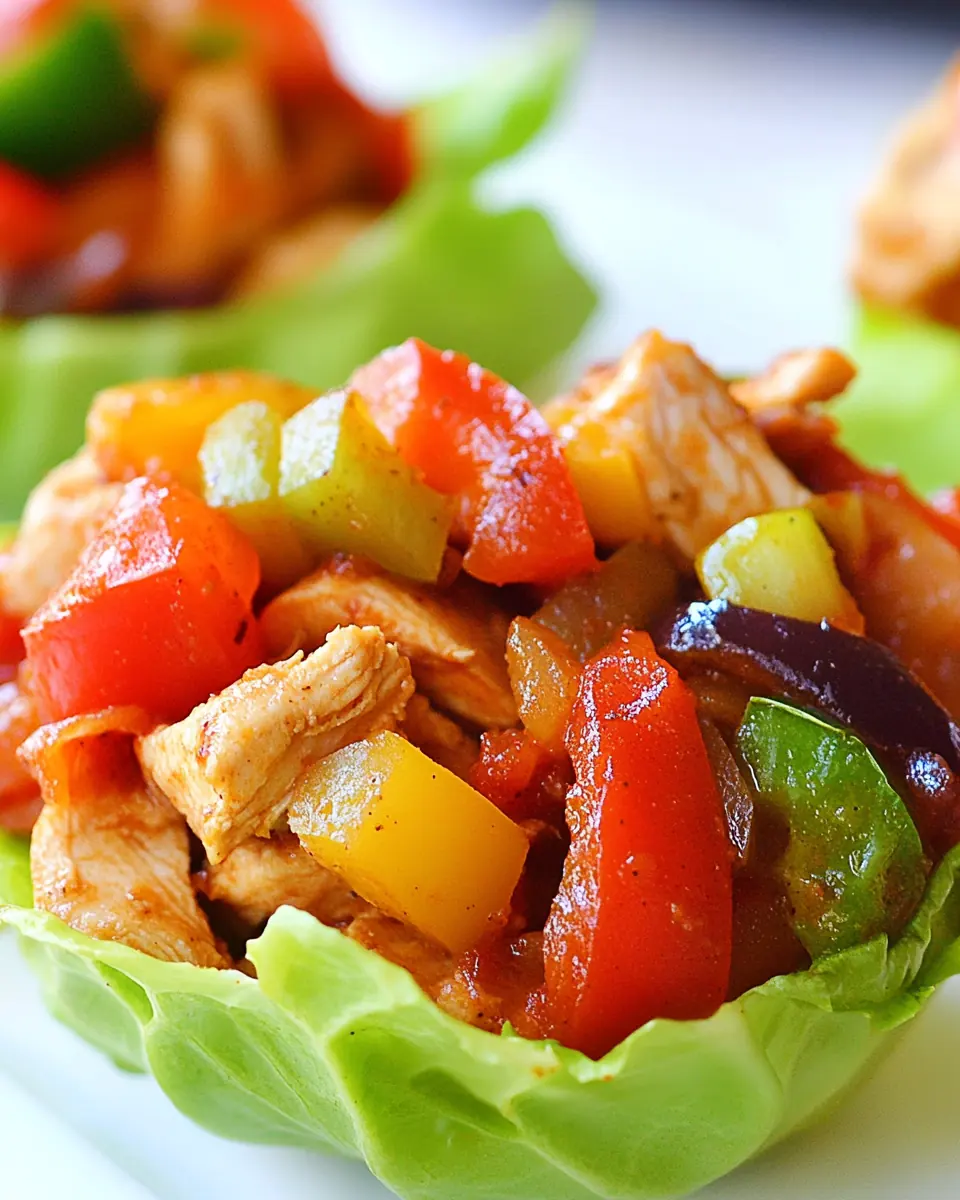
Chicken Fajita Lettuce Wraps
Ingredients
Equipment
Method
- Drizzle olive oil into skillet over medium heat. Add chicken tenderloins and cook until browned on one side, about 5 minutes. Using tongs, turn chicken to the other side. Once cooked throughout, remove from skillet to a plate and set aside. Toss peppers and onions into skillet and add Worcestershire sauce. Using tongs, move peppers and onions around in the skillet to make sure they are coated and cook on all sides. Once browned and tender, about 3 minutes, add back chicken along with any drippings. Remove from heat and set aside for serving.: The moment the olive oil warms, you should see a faint shimmer and smell a light, fruity aroma. That shimmer tells you the oil is hot enough to sear without burning. A proper medium heat gives you a steady sizzle when the chicken hits the pan; too low and you will get pale, steamed meat, too high and the oil will smoke and impart bitterness. A common mistake is crowding the skillet, which cools the surface and prevents browning.
- Arrange lettuce leaves, chicken and peppers, and all toppings for a self-serve fajita lettuce wrap station.: As the chicken makes contact, listen for an energetic sizzle and watch edges turn opaque. Browning creates complex flavors through caramelization, and after about 5 minutes you should see a golden crust form on that side. If the meat sticks badly, it likely needs a bit more time before turning. Avoid flipping too early or you will tear the surface and lose the fond.
- Using tongs, turn chicken to the other side: When you flip, the release from the pan should be clean, and you will notice the second side catching color. The scent will deepen as the heat penetrates. Turning with tongs lets you control contact pressure so you do not flatten the tenderloins. A mistake here is pressing down, which squeezes juices out and dries the meat.
- Once cooked throughout, remove from skillet to a plate and set aside: The chicken should register opaque in the center and feel springy, with juices running clear. Resting on a plate preserves juiciness and allows carryover cooking to finish gently. If you skip resting and slice immediately, the juices will escape and the meat will be drier.
- Toss peppers and onions into skillet and add Worcestershire sauce: When you add the sliced bell pepper and onion , they should hit the hot pan with a lively hiss and begin to soften within moments. The Worcestershire sauce will steam and mingle, adding savory umami notes that cling to the vegetables. Stir them so the sauce distributes; failing to coat evenly leaves pockets of under seasoned veg.
- Using tongs, move peppers and onions around in the skillet to make sure they are coated and cook on all sides: Rotate the vegetables so each side gets contact with the pan and a bit of char. You want a mix of tender flesh and slightly blistered skin, which adds sweetness and texture contrast. Keep an eye on timing because overcooking will make them limp and lose their bright color, a common pitfall for busy cooks.
- Once browned and tender, about 3 minutes, add back chicken along with any drippings: When the veg shows golden edges and fragrant steam, return the chicken and the juices to the skillet so flavors recombine. The meat will reheat and pick up pan flavors; that final minute of mingling seals the dish. If you rush this step you may serve lukewarm chicken, so allow a few moments for everything to come together.
- Remove from heat and set aside for serving: Pull the skillet off the burner and inhale the sweet roasted aroma. Let the pan rest so the heat evens out before transferring components to the table. Leaving the skillet on the heat can continue cooking and over soften the vegetables, which reduces their texture contrast.
- Arrange lettuce leaves, chicken and peppers, and all toppings for a self-serve fajita lettuce wrap station: Lay out the lettuce as cool, crisp boats and pile on warm chicken and roasted veg. Add bowls of sour cream , sliced avocado , pico de gallo , and salsa so everyone can customize. The variety of textures is important here, as the crisp lettuce balances the warm, juicy filling. A common oversight is not drying lettuce leaves well enough, which causes soggy wraps; always pat them dry thoroughly.
Notes
- Adjust the heat If you want spicier wraps, pick a bolder salsa or add a few dashes of hot sauce to your pico de gallo. Taste as you go so the heat complements the other flavors instead of overwhelming them.
- Keep it juicy To retain moisture in the chicken, avoid slicing immediately after cooking. Let the meat rest briefly on a plate so the juices redistribute and the texture stays tender.
- Make it kid friendly If you are serving picky eaters, separate the components and let them build plain wraps with just chicken and lettuce. Offer sour cream on the side as a milder topping.
- Prevent soggy wraps Place wet toppings like pico de gallo or salsa in small bowls and let guests spoon them on, rather than preassembling, to keep the lettuce crisp.
- Use the right lettuce Choose Boston or Bibb for tender, foldable leaves or Iceberg for extra crunch. Each gives a slightly different bite, so pick based on your texture preference.