Birthday Pie
Birthday Pie has always been my go to when I want a cake that feels like a party but bakes like a cozy, dependable classic. The first time I made it I was juggling a dozen little details for a family get together, and the way the batter came together made me grin, because it was forgiving and joyful at once. I remember the tiny flecks of rainbow sprinkles peeking through the batter, and how everyone at the table leaned in a little closer when I sliced through that tender crumb.
I grew up around celebration desserts that were loud in flavor and simple in technique, and this version captures that spirit. There is something so satisfying about stirring butter and two kinds of sugar until the bowl warms and smells faintly of caramel. The little ritual of folding in the sprinkles feels like adding confetti to a moment, and the gentle almond note in the batter always makes me smile. Over time I have learned to read the cues the cake gives me, the way the edge starts to pull away from the pan, and how the surface blushes to a light golden tone.
When I bring out this cake at celebrations, people ask for the recipe not because it is flashy, but because it is steady and reliably delicious. I like that it looks special while being straightforward to make. Sometimes I pipe a cloud of buttercream on top, other times I keep it simple with a scattering of sprinkles. Either way, the result is the same, a soft, tender cake that tastes like a warm memory. Try it and you might find yourself reaching for it whenever you need a small, bright cake to mark a good day.
Recipe Snapshot
55 mins
20 mins
35 mins
Medium
360 kcal
American
Gluten-Free, Low FODMAP
Desserts
Stand mixer, Paddle attachment, 10-inch fluted round removable-bottom tart pan, Offset spatula, Pastry bag, Wire rack
Why Try This Birthday Pie
Comforting Texture That Everyone Recognizes
I adore how Birthday Pie delivers a soft, tender crumb that feels familiar and crowd friendly. The combination of creamed butter and sugars creates a structure that is both moist and springy, so every forkful feels comforting. I always notice guests closing their eyes for a second when they taste it, and that reaction tells me the texture is doing its job.
Playful, Nostalgic Visuals
This cake is a little bit nostalgic because of the rainbow sprinkles folded into the batter and scattered on top. I love how those tiny bursts of color peek through the crumb and translate youthful energy to the plate. It’s ideal when you want a celebratory look without fussing with elaborate decorations.
Flavor Built on Simple, High Impact Elements
The aromatic duet of vanilla extract and almond extract elevates the profile without overpowering it. I find that pairing those extracts with the richness of creamed butter and a touch of buttermilk gives the cake a rounded, slightly tangy finish. It’s the kind of flavor balance that invites seconds.
Accessible Technique for Home Bakers
You don’t need to be a pro to get great results. The method follows classic creaming and alternating flour and liquid additions. I like that it teaches reliable techniques, like how to know when batter is properly combined, while forgiving small mistakes. That makes it a recipe I feel comfortable sharing with new bakers.
Pairs Beautifully with Buttercream
Whether you pipe a delicate swirl or a playful bloom of buttercream, this cake responds well. The tender crumb holds piping nicely without collapsing, so the decorative options are wide open. I appreciate that it performs equally well under a minimalist glaze or a celebratory mound of frosting.
Ingredients for Birthday Pie
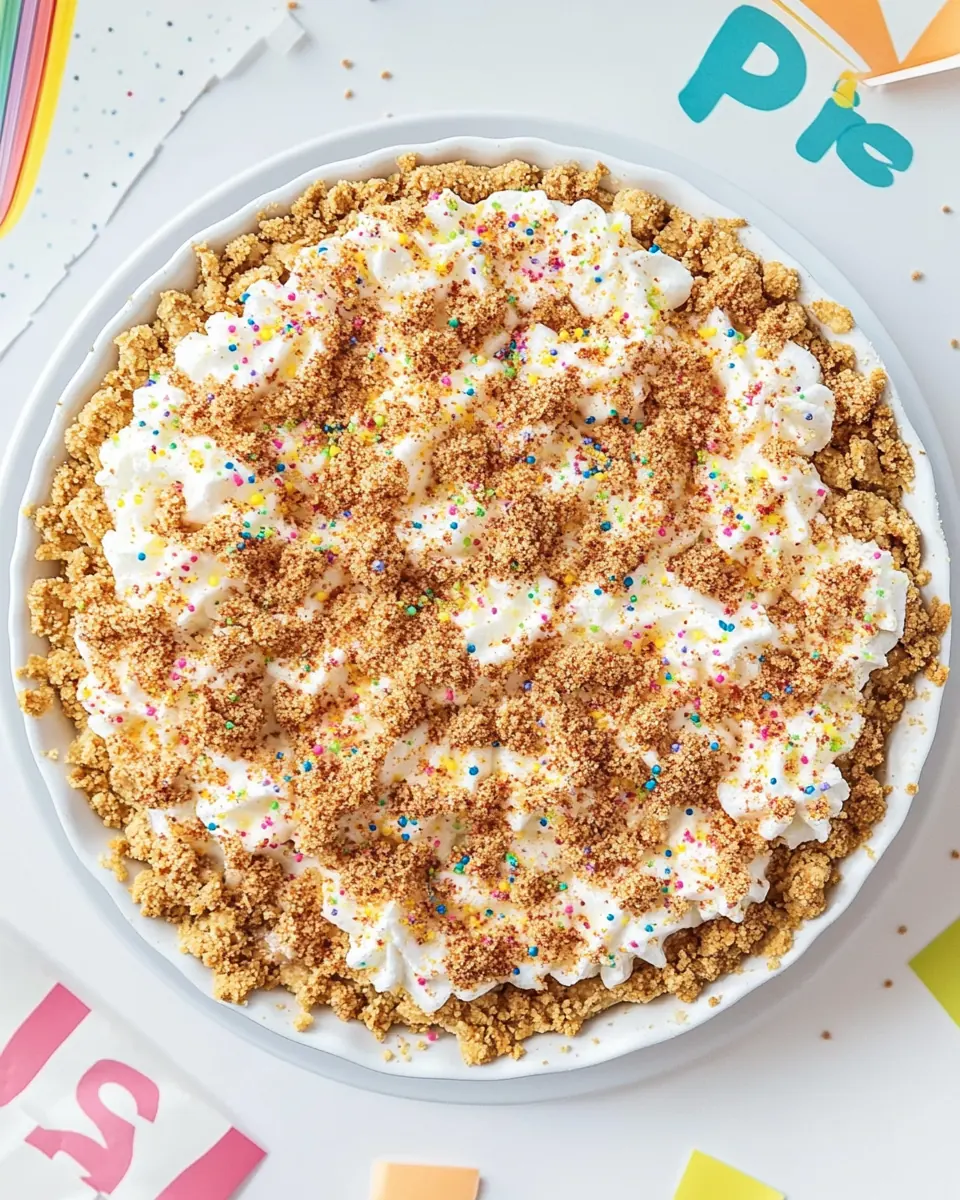
These ingredients come together with a clear philosophy: richness from butter, structure from cake flour, and brightness from extracts and buttermilk. The sprinkles are a joyful flourish that add color and a hint of sugary crunch. Together they create a tender, flavorful cake that is easy to dress up with buttercream.
- 3/4 cup (170 grams) unsalted butter, softened: Creamed to create a rich, tender base and incorporate air for lightness; contributes butterfat that enhances flavor and texture in the final pie.
- 3/4 cup (150 grams) granulated sugar: Sweetened to balance richness and provide structure when creamed with butter; helps caramelize slightly during baking for flavor depth.
- cup (73 grams) firmly packed light brown sugar: Packed to provide moisture and a hint of molasses complexity; helps tenderize the crumb and deepen the overall sweetness profile.
- 1 large egg (50 grams), room temperature: Beaten to emulsify fats and liquids, adding structure and stability; provides lift and helps produce a cohesive batter when mixed with other ingredients.
- 1 large egg yolk (19 grams), room temperature: Added separately to boost richness and tenderness without adding extra liquid; concentrates fat and flavor to improve mouthfeel and texture.
- 1 1/2 teaspoon (6 grams) vanilla extract: Measured to impart warm, sweet aromatics and round out flavors; supports the overall flavor profile with a familiar vanilla note.
- 1/2 teaspoon (2 grams) almond extract: Included sparingly to provide a nutty, floral note that complements vanilla; enhances complexity without overpowering the other flavors.
- 1 1/2 cup (188 grams) unbleached cake flour: Sifted and folded gently to form the cake’s structure while keeping it tender; lower-protein cake flour ensures a fine, soft crumb.
- 1 teaspoon (3 grams) kosher salt: Sprinkled into the dry mix to regulate gluten formation and flavor; balances the sweetness and enhances the overall savory-sweet profile.
- 1/4 teaspoon (1.25 grams) baking powder: Added in small amount to help the batter rise slightly and achieve lightness; works with the other leavening and liquid ingredients for proper texture.
- cup (80 grams) whole buttermilk, room temperature: Poured in to provide tangy moisture and react with leavening agents; buttermilk contributes acidity that tenderizes and brightens flavor.
- cup (64 grams) plus 1 tablespoon (10 grams) rainbow sprinkles*, divided: Measured and divided to add color and a celebratory crunch; most sprinkled into batter and reserved for topping to maintain visual appeal.
- Vanilla-Almond Buttercream (recipe follows): Prepared separately as a sweet, creamy topping to finish the pie; buttercream adds richness, pipeable texture, and extra vanilla–almond flavor.
How to Make Birthday Pie
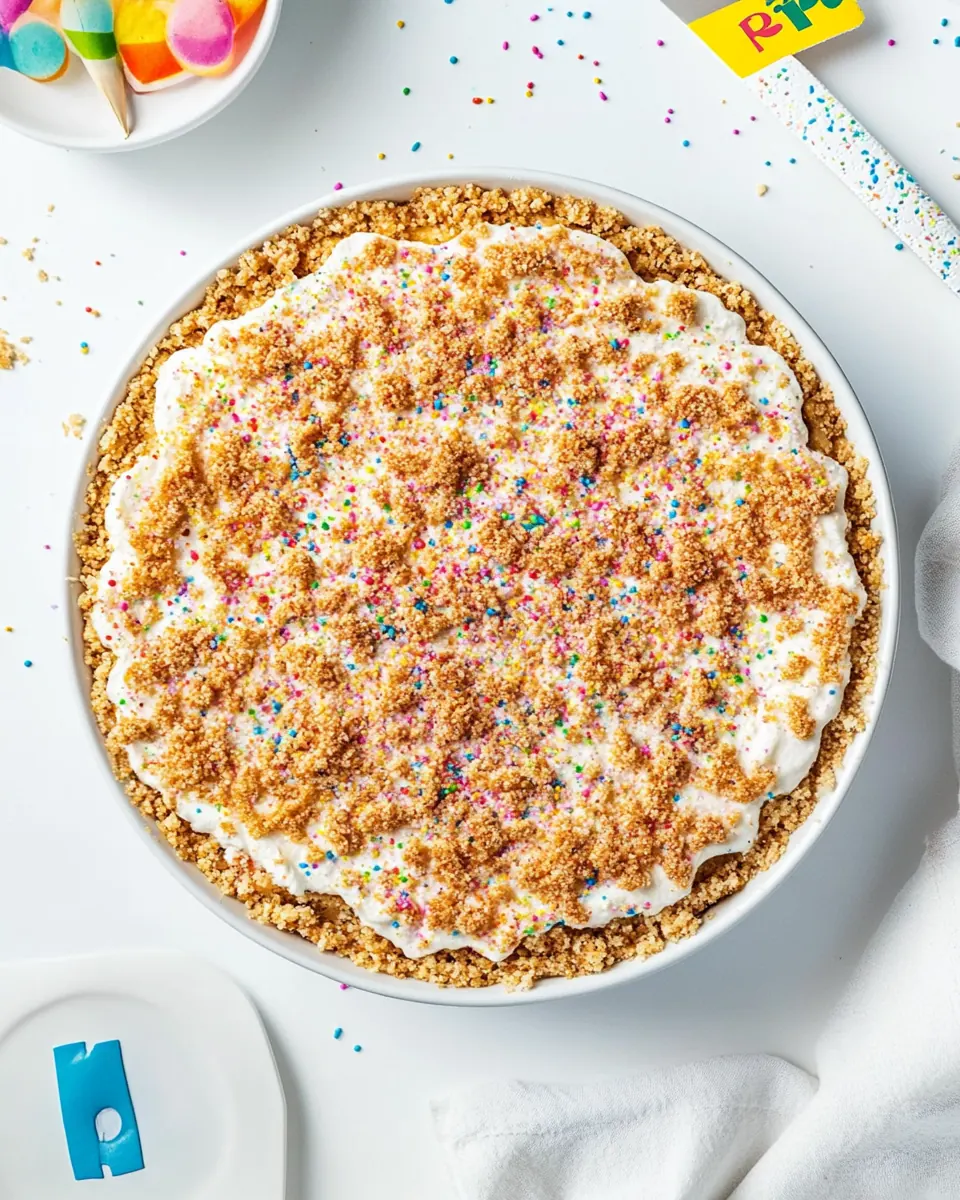
This cake comes together through classic creaming and alternating additions, and the steps are comforting in their predictability. Follow the cues of texture and aroma for the best results. I will walk you through each stage and point out the signs to look for so you can bake with confidence.
- Preheat oven to 325°F (170°C).: The oven warms and creates an even baking environment, giving the cake a gentle, consistent rise so the crumb stays tender rather than dry. You should feel the slight radiant warmth when opening the oven, and the preheated air helps set the batter quickly. If the oven is too cool the cake will take longer and may sink in the center, so always allow it to fully reach temperature. Avoid placing the pan in a cold oven or opening the door repeatedly while baking, which causes temperature fluctuations and uneven texture.
- In the bowl of a stand mixer fitted with the paddle attachment, beat butter and sugars at medium-low speed just until combined. Increase mixer speed to medium; beat until fluffy, 3 to 4 minutes, stopping to scrape sides of bowl. Add egg and egg yolk, one at a time, beating well after each addition. Beat in extracts.: Right after creaming you will notice a pale, aerated mixture that smells faintly sweet and buttery, a sign that air has been incorporated for lift. The sound shifts from dull scraping to a lighter, almost whispering beat as sugars dissolve into the butter . Adding the egg and extra yolk enriches the batter, increasing moisture and silkiness. If you rush and add eggs while the fats are too cold you may see curdling, which is fixable by beating in a small spoonful of the dry ingredients, but avoid it by ensuring ingredients are room temperature. Scrape the bowl so no streaks of unincorporated butter remain, which would create uneven pockets in the final cake.
- In a large bowl, whisk together flour, salt, and baking powder. With mixer on low speed, gradually add flour mixture to butter mixture alternately with buttermilk, beginning and ending with flour mixture, beating just until combined after each addition. Gently fold in 1/3 cup (64 grams) sprinkles.: As you alternate the dry mix and buttermilk , the batter will steady into a smooth, ribbon like texture that falls slowly from the spatula. This alternating technique prevents overworking gluten and keeps the crumb tender. The batter should look homogenous before you fold in the sprinkles; gentle folding preserves their shape and color. If you overmix at this stage the cake can become tough, so stop as soon as streaks of flour disappear. Watch for the visual cue that the batter has a soft sheen and the speckles of sprinkles are evenly distributed.
- Spray a tall-sided 10-inch fluted round removable-bottom tart pan with baking spray with flour. Spoon batter into prepared pan, smoothing top with a small offset spatula. Sprinkle remaining 1 tablespoon (10 grams) sprinkles on top.: Greasing and flouring the pan ensures the cake will release cleanly from the removable bottom. When you spoon the batter in, you should see a smooth surface that reflects light slightly, not dry or cracked. Using an offset spatula helps create an even top so it bakes uniformly. The final sprinkle of color on top adds a festive touch and signals where to slice for best presentation. Avoid overfilling the pan; leave a small margin for rise so the cake does not spill over.
- Bake until a wooden pick inserted in center comes out clean, 30 to 35 minutes. Let cool in pan for 10 minutes. Carefully remove sides of pan; let cool completely on pan base on a wire rack.: In the oven you will notice the aroma deepen to a caramel like note and the top will take on a light golden hue. The cake should spring back gently when pressed and a bamboo pick will come out clean, meaning crumbs clinging but no raw batter. Cooling in the pan for 10 minutes stabilizes the structure so it can be removed intact. If you rush the removal the cake may break, so be patient and use the cool down window to prepare your buttercream. One common error is underbaking; if the center jiggles the cake needs more time.
- Using a large offset spatula, carefully loosen cake from pan base; place cake on a serving plate. Spoon Vanilla-Almond Buttercream into a pastry bag fitted with a coupler; pipe buttercream on top of cooled cake using assorted small piping tips (Wilton No. 10, Wilton No. 21, Wilton No. 199). Garnish with sprinkles, if desired.: The final assembly is tactile and rewarding, the smoothness of the buttercream contrasting with the soft crumb underneath. As you pipe, the buttercream should hold distinct edges and ridges from the tips, showing that the frosting is the right stiffness. The scent of vanilla and almond will float up, and the sprinkles add a cheerful crunch. If the buttercream is too soft it will not hold shape, so chill briefly and try again. Avoid piping onto a warm cake, it will melt the frosting and ruin your design.
Substitutions and Tips
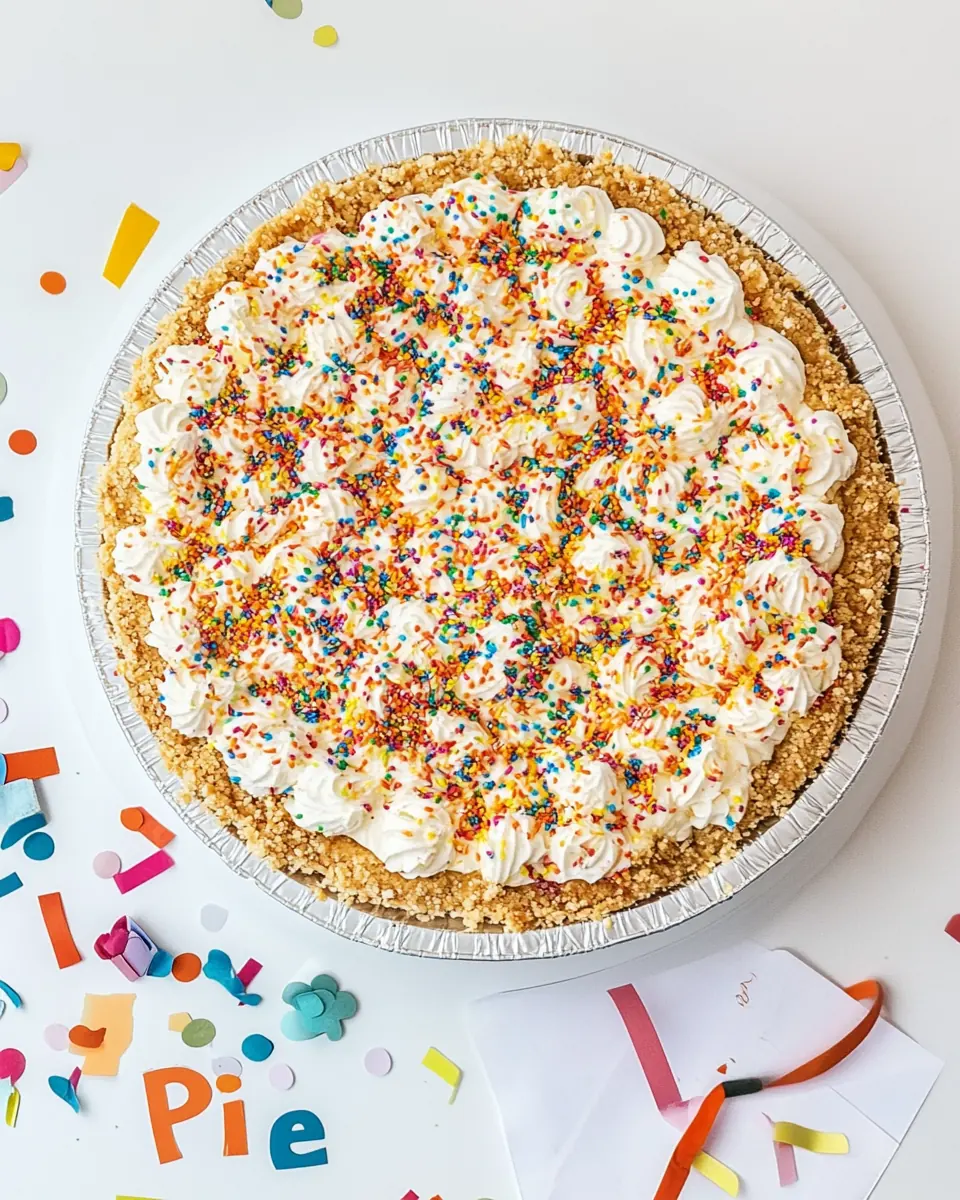
I wrote these tips to help you feel confident while baking Birthday Pie. They cover texture, timing, and flavor choices so you can adjust confidently without changing the heart of the recipe. Read through them before you begin and keep them handy as you bake.
- Soften butter properly: If your butter is too hard, cut it into small cubes and let it sit for 20 to 30 minutes, or gently warm it in the microwave in 5 second bursts on low power, checking frequently to prevent melting.
- Measure flour accurately: Spoon and level your cake flour into the measuring cup instead of scooping directly, which prevents a dense texture from excess flour.
- Room temperature eggs: Place eggs in warm water for 10 minutes to bring them to room temperature quickly if you forgot to set them out.
- Fresh sprinkles tip: Use jimmies style sprinkles rather than nonpareils to avoid color bleeding into the batter during mixing.
- Buttermilk swap: If you do not have buttermilk, make a quick substitute by adding 1 tablespoon of white vinegar to a measuring cup and filling with whole milk to the required amount, then let sit for 5 minutes.
- Cooling patience: Let the cake cool completely on the pan base before piping buttercream to prevent melting and sliding of decorations.
Serve This Birthday Pie With
This cake is versatile for celebration tables, casual tea times, or a simple dessert after dinner. I like to keep serving suggestions practical and varied so the cake fits different occasions. Here are detailed pairing ideas, storage notes, and serving styles to match the moment.
- Party centerpiece: Present the cake on a pedestal with bright sprinkles scattered around the base, and provide small dessert forks so guests can sample without committing to large slices. This works well for birthdays and family gatherings.
- Afternoon tea: Serve thin slices with a cup of tea or coffee; the small portion highlights the tender crumb and buttery notes. Offer a light fruit on the side if you want contrast.
- Holiday casual dessert: For relaxed holiday meals, slice the cake and plate with a dollop of lightly whipped cream to keep the dessert feeling homey and familiar.
- Make ahead and storage: Store unfrosted cake layers wrapped tightly in plastic wrap at room temperature for up to two days, or refrigerate up to five days. Frosted cake will keep in the refrigerator, covered, for three to four days. For longer storage, freeze wrapped slices for up to one month and thaw in the refrigerator overnight.
- Seasonal pairings: In spring and summer, accompany slices with fresh berries for brightness. In cooler months, serve with warm spiced tea to highlight the almond and vanilla notes.
- Serving temperature: Bring the cake to cool room temperature before serving if refrigerated, so the buttercream softens slightly and the crumb is at its most tender.
FAQ
Conclusion
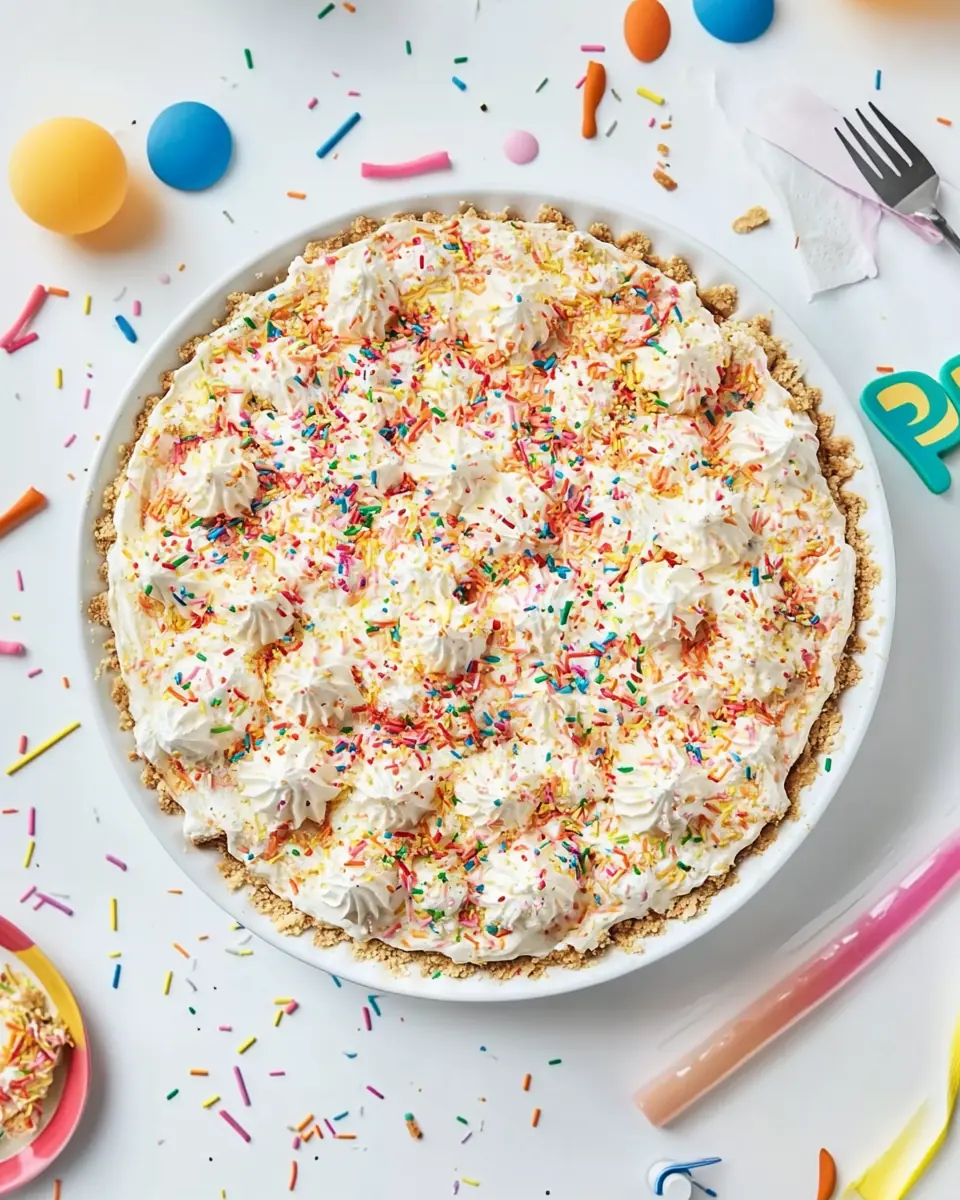
Birthday Pie stands out because it combines a tender, buttery crumb with playful sprinkles and a bright vanilla almond flavor, resulting in a cake that feels celebratory yet approachable. I encourage you to give it a try for your next small party or cozy gathering, because it is the kind of recipe that reliably brings smiles without complicated technique. Enjoy the ritual of making it, and savor how a few simple ingredients can create a sweet, memorable moment.
Birthday Pie
Ingredients
Equipment
Method
- Preheat oven to 325°F (170°C).: The oven warms and creates an even baking environment, giving the cake a gentle, consistent rise so the crumb stays tender rather than dry. You should feel the slight radiant warmth when opening the oven, and the preheated air helps set the batter quickly. If the oven is too cool the cake will take longer and may sink in the center, so always allow it to fully reach temperature. Avoid placing the pan in a cold oven or opening the door repeatedly while baking, which causes temperature fluctuations and uneven texture.
- In the bowl of a stand mixer fitted with the paddle attachment, beat butter and sugars at medium-low speed just until combined. Increase mixer speed to medium; beat until fluffy, 3 to 4 minutes, stopping to scrape sides of bowl. Add egg and egg yolk, one at a time, beating well after each addition. Beat in extracts.: Right after creaming you will notice a pale, aerated mixture that smells faintly sweet and buttery, a sign that air has been incorporated for lift. The sound shifts from dull scraping to a lighter, almost whispering beat as sugars dissolve into the butter . Adding the egg and extra yolk enriches the batter, increasing moisture and silkiness. If you rush and add eggs while the fats are too cold you may see curdling, which is fixable by beating in a small spoonful of the dry ingredients, but avoid it by ensuring ingredients are room temperature. Scrape the bowl so no streaks of unincorporated butter remain, which would create uneven pockets in the final cake.
- In a large bowl, whisk together flour, salt, and baking powder. With mixer on low speed, gradually add flour mixture to butter mixture alternately with buttermilk, beginning and ending with flour mixture, beating just until combined after each addition. Gently fold in 1/3 cup (64 grams) sprinkles.: As you alternate the dry mix and buttermilk , the batter will steady into a smooth, ribbon like texture that falls slowly from the spatula. This alternating technique prevents overworking gluten and keeps the crumb tender. The batter should look homogenous before you fold in the sprinkles; gentle folding preserves their shape and color. If you overmix at this stage the cake can become tough, so stop as soon as streaks of flour disappear. Watch for the visual cue that the batter has a soft sheen and the speckles of sprinkles are evenly distributed.
- Spray a tall-sided 10-inch fluted round removable-bottom tart pan with baking spray with flour. Spoon batter into prepared pan, smoothing top with a small offset spatula. Sprinkle remaining 1 tablespoon (10 grams) sprinkles on top.: Greasing and flouring the pan ensures the cake will release cleanly from the removable bottom. When you spoon the batter in, you should see a smooth surface that reflects light slightly, not dry or cracked. Using an offset spatula helps create an even top so it bakes uniformly. The final sprinkle of color on top adds a festive touch and signals where to slice for best presentation. Avoid overfilling the pan; leave a small margin for rise so the cake does not spill over.
- Bake until a wooden pick inserted in center comes out clean, 30 to 35 minutes. Let cool in pan for 10 minutes. Carefully remove sides of pan; let cool completely on pan base on a wire rack.: In the oven you will notice the aroma deepen to a caramel like note and the top will take on a light golden hue. The cake should spring back gently when pressed and a bamboo pick will come out clean, meaning crumbs clinging but no raw batter. Cooling in the pan for 10 minutes stabilizes the structure so it can be removed intact. If you rush the removal the cake may break, so be patient and use the cool down window to prepare your buttercream. One common error is underbaking; if the center jiggles the cake needs more time.
- Using a large offset spatula, carefully loosen cake from pan base; place cake on a serving plate. Spoon Vanilla-Almond Buttercream into a pastry bag fitted with a coupler; pipe buttercream on top of cooled cake using assorted small piping tips (Wilton No. 10, Wilton No. 21, Wilton No. 199). Garnish with sprinkles, if desired.: The final assembly is tactile and rewarding, the smoothness of the buttercream contrasting with the soft crumb underneath. As you pipe, the buttercream should hold distinct edges and ridges from the tips, showing that the frosting is the right stiffness. The scent of vanilla and almond will float up, and the sprinkles add a cheerful crunch. If the buttercream is too soft it will not hold shape, so chill briefly and try again. Avoid piping onto a warm cake, it will melt the frosting and ruin your design.
Notes
- Soften butter properly: If your butter is too hard, cut it into small cubes and let it sit for 20 to 30 minutes, or gently warm it in the microwave in 5 second bursts on low power, checking frequently to prevent melting.
- Measure flour accurately: Spoon and level your cake flour into the measuring cup instead of scooping directly, which prevents a dense texture from excess flour.
- Room temperature eggs: Place eggs in warm water for 10 minutes to bring them to room temperature quickly if you forgot to set them out.
- Fresh sprinkles tip: Use jimmies style sprinkles rather than nonpareils to avoid color bleeding into the batter during mixing.
- Buttermilk swap: If you do not have buttermilk, make a quick substitute by adding 1 tablespoon of white vinegar to a measuring cup and filling with whole milk to the required amount, then let sit for 5 minutes.
- Cooling patience: Let the cake cool completely on the pan base before piping buttercream to prevent melting and sliding of decorations.