Best French Toast
Best French Toast has been my go to weekend comfort since I first tried it on a rainy Saturday morning in a tiny bakery. I remember the warm, egg soaked bread arriving at the table, the edges crisped to a golden brown, the kitchen filling with a sweet, toasty aroma that made everyone at the table fall quiet. That first bite taught me how a few simple pantry staples can turn into something that feels indulgent and celebratory.
Over the years I have tweaked the technique and the ingredients until the result is reliably tender inside and crisp at the edges. I like the ritual of whisking the milk, the eggs, and the vanilla, then quickly dipping each slice of bread so it soaks just enough to be custardy without collapsing. Friends often ask why my version never gets soggy, and the secret lies in timing, the right bread, and a hot skillet finished in a warm oven when needed.
On casual mornings I keep things simple, but on slower days I arrange fruit, sauces, and powdered sugar while the toast sizzles. I enjoy serving it for birthday breakfasts and relaxed brunches, and I love how adaptable it is to what I have on hand. That flexibility means you can make Best French Toast with pantry staples and still produce something that looks and tastes special without fuss.
Recipe Snapshot
25 mins
10 mins
15 mins
Medium
300 kcal
American
Gluten-Free, Low FODMAP
Breakfast
Cast iron skillet, Sheet pan, Shallow dish, Whisk, Spatula
Why This Best French Toast Hits Different
Classic Comfort with Minimal Fuss
I love that Best French Toast transforms everyday bread into a cozy, almost luxurious plate with very little effort. When I am short on time, this recipe still delivers a satisfying, creamy interior and a lightly crisp exterior, which makes it a dependable choice for busy mornings.
Custardy Interior, Crisp Edges
The interplay of beaten eggs and milk creates a custard that soaks into thicker sliced bread, giving a tender, eggy center while a hot skillet forms a golden crust. I find that this contrast is what keeps people coming back for seconds.
Built for Sharing
It scales beautifully when friends drop by. I often double or triple the mixture and fry in batches, keeping finished slices warm in the oven. The result is consistent and crowd friendly, which is why I reach for this recipe when hosting casual brunches.
Flexible Toppings and Pairings
The base is a blank canvas. Simple toppings like maple syrup or powdered sugar are lovely, but you can also brighten the plate with fresh fruit or a fruit sauce. I like that you can easily adapt it to what is seasonal or what guests prefer.
Reliable Technique
After making this many times I have learned a few small habits that make a big difference: quick dips instead of long soaks, a well heated skillet, and a short rest in a warm oven if you are making larger batches. Those little moves make the technique forgiving, even for home cooks who are still gaining confidence.
Main Ingredients for Best French Toast
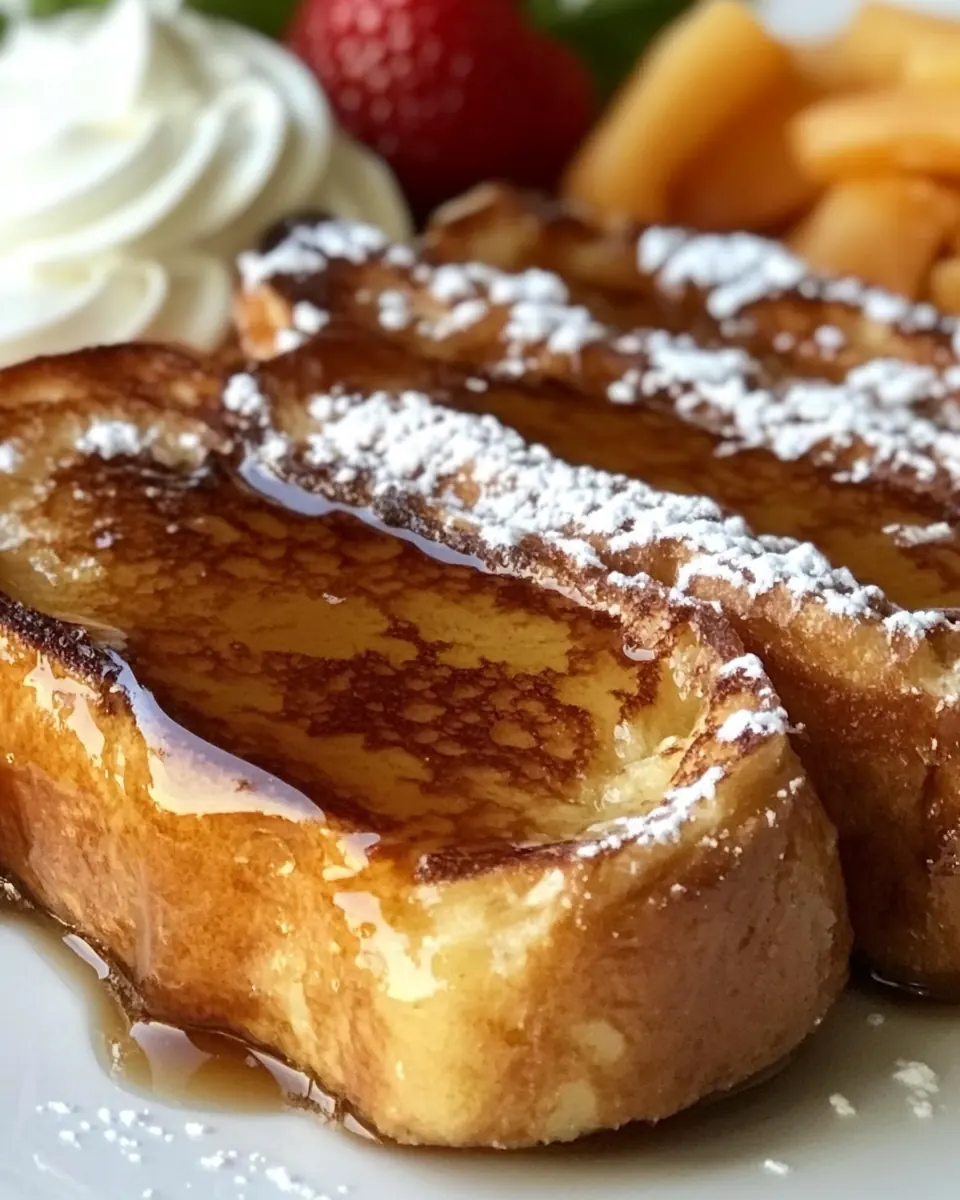
These ingredients are straightforward yet purposeful. Each one plays a specific role in creating the texture and flavor: the eggs provide structure and custardy richness, the milk thins the mixture for easy dipping, the vanilla lends aromatic sweetness, and butter builds that golden crust. Together they form a simple batter that soaks into thick slices of bread without becoming soggy, producing a plate that is both comforting and refined.
- 3/4 cup milk: Combine with eggs to create a rich custard base that soaks into bread; provides moisture and helps thin the batter for smooth coating. Contributes a subtle dairy flavor and aids in producing tender, golden interiors when cooked.
- 3 large eggs: Whisk thoroughly to bind the custard mixture and add structure; eggs create steam while cooking which lightens the texture of the finished toast. Supply protein and richness that help set the slices into a cohesive, sliceable result.
- 1/4 teaspoons salt: Enhance overall flavor by balancing sweetness and rounding other tastes; adds a faint savory note that accentuates the custard profile. Assist in controlling fermentation or off-flavors if using enriched breads, ensuring a clean finish.
- 2 tablespoons granulated sugar: Sweeten the custard to provide caramelization during cooking and to contrast the bread's neutral starches; helps form an appealing browned crust. Dissolve into the milk-and-egg mixture to distribute sweetness evenly throughout each slice.
- 1 1/2 teaspoons pure vanilla extract: Impart aromatic floral and sweet notes that brighten the custard and mimic classic French toast flavors; small amount goes a long way in elevating the dish. Blend into the liquid base to unify the aroma and enhance perceived sweetness without adding sugar.
- 2 tablespoons butter: Coat the cooking surface and add buttery flavor while promoting even browning; melts to create crisp, flavorful edges on the bread. Use to prevent sticking and to contribute a rich mouthfeel to each slice as it cooks.
- 12 bread slices: Provide the structural base that soaks up the custard and browns to form the final texture; choose day-old or sturdier slices for best absorption without falling apart. Slice quantity determines yield and serving size, so adjust thickness for desired custardy center vs. crisp exterior.
How to Cook Best French Toast
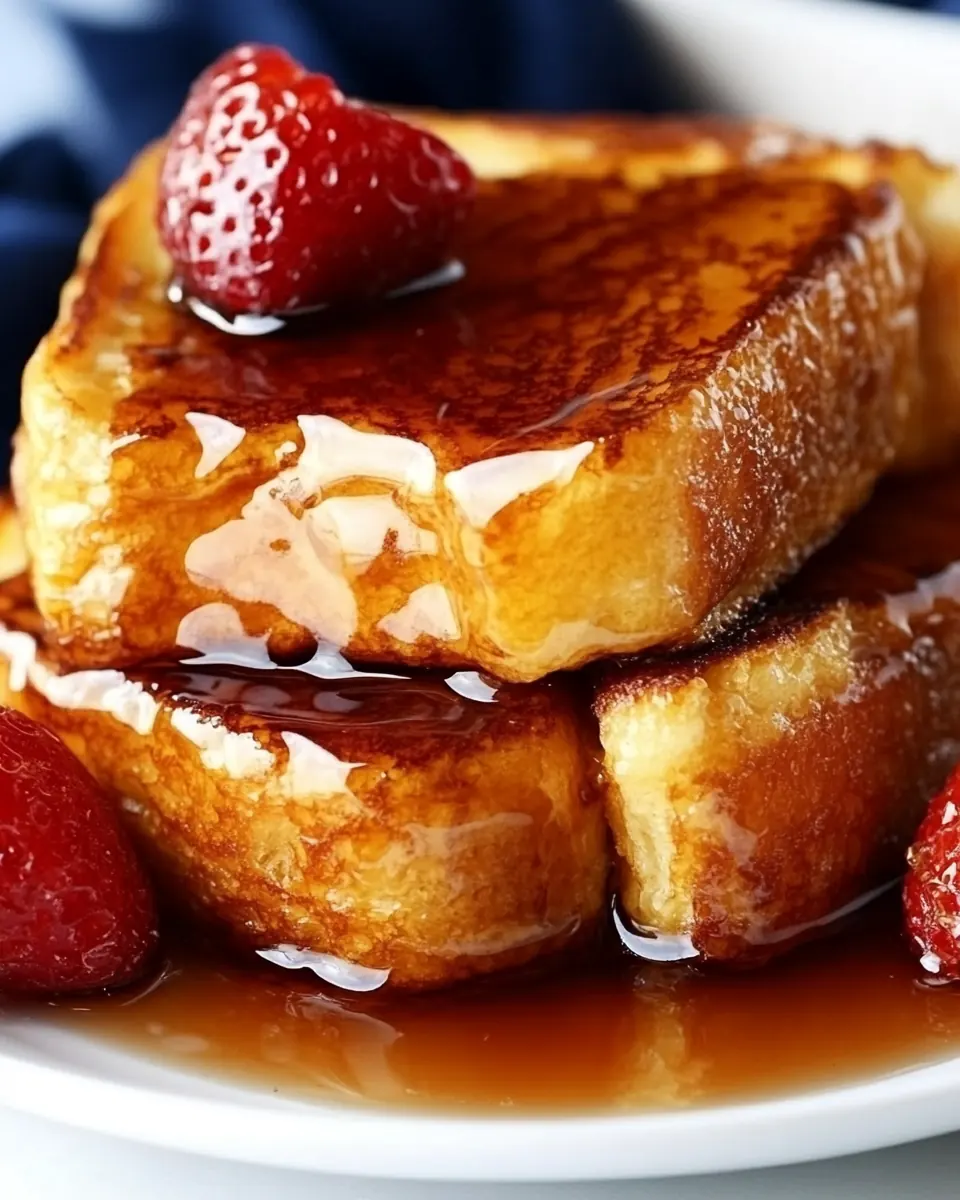
This method is friendly and tactile, and I walk you through the sensory clues you need to hit perfect results. Keep your workspace organized, preheat the pan so it is hot enough to sear, and plan to work quickly when dipping bread so slices stay intact. Below, each step includes tips on what to listen for and see, and how to avoid common pitfalls.
- If you want to keep the fried French toast warm, preheat the oven to 250° F. Prep a sheet pan.: The warm oven helps maintain crispness without continuing to cook the interior too much. You should feel gentle warmth from the oven and see the sheet pan ready to hold finished slices. A common error is using too high an oven temperature which will dry the toast out rather than keeping it tender.
- In a shallow dish (pasta bowl works great), whisk milk, eggs, salt, sugar, and vanilla. Whisk until smooth.: Right away you will notice the aroma of vanilla lifting from the bowl and the custard taking on a pale yellow hue. The sound is a steady whisking rhythm, and the surface should look homogeneous, with no streaks of egg white. If the mixture looks separated, keep whisking; poor mixing leads to uneven texture.
- Preheat griddle. I use a cast iron skillet because it distributes the heat evenly and creates a perfect texture.: As the skillet heats you might see a faint shimmer on the cooking surface, and it should be hot enough that a drop of water skitters across. Cast iron gives a steady, even sear, producing an even golden color. A mistake here is not waiting long enough, which causes the toast to absorb fat and become greasy.
- Melt a little bit of butter in skillet.: The butter should foam gently and then settle into a clear, fragrant pool without burning. You will smell nutty, toasted butter notes, and the surface will glisten. If the butter smokes quickly, lower the heat, because burned butter will give an off taste.
- Dip each bread slice on each side, do not let it sit in the mixture.: You should hear a soft pat as excess custard falls back into the dish and see the bread change color slightly as it soaks. The goal is even coating without saturation. Leaving slices to soak too long risks a gummy interior and collapsing when you try to fry.
- Place dipped slice in a skillet and fry for 2 to 3 minutes.: Listen for a steady sizzle that tells you the surface is searing, and watch the edges begin to turn a warm, golden brown. The surface should feel firm when nudged with a spatula. Frying too briefly leaves the center undercooked; fry long enough to form a crust.
- Just before flipping, sprinkle the un-fried side with about 1/4 teaspoon of granulated sugar.: The sugar will start to melt and create tiny, amber spots that deepen the crust flavor. You may notice a slight crackle as the sugar hits the hot surface. Using too much sugar can cause excessive caramelization and bitter burnt spots.
- Flip the slice and fry on the other side.: You should see an even golden color develop and smell a rich, toasty aroma. The second side usually takes a bit less time, and pressing gently will reveal a custardy interior that remains resilient. Overbrowning here can hide the gentle custard inside, so monitor closely.
- Place fried slices on the prepared sheet pan and keep warm in the oven or serve right away.: The tray should be warm to the touch, and the toast will stay crisp on the outside while the interior relaxes into a tender custard. Crowding the pan can trap steam and soften the crust, so space slices out if possible.
- Serve French toast with maple syrup, powdered sugar, fresh fruit, fruit sauce, or whipped cream.: You will see glistening syrup pooling, powdered sugar dusting the surface, and vibrant fruit colors creating contrast. Taste combinations balance sweet and bright elements against the rich custard. A frequent misstep is piling too many toppings which can overwhelm the delicate custard texture.
Tips and Tricks about Best French Toast
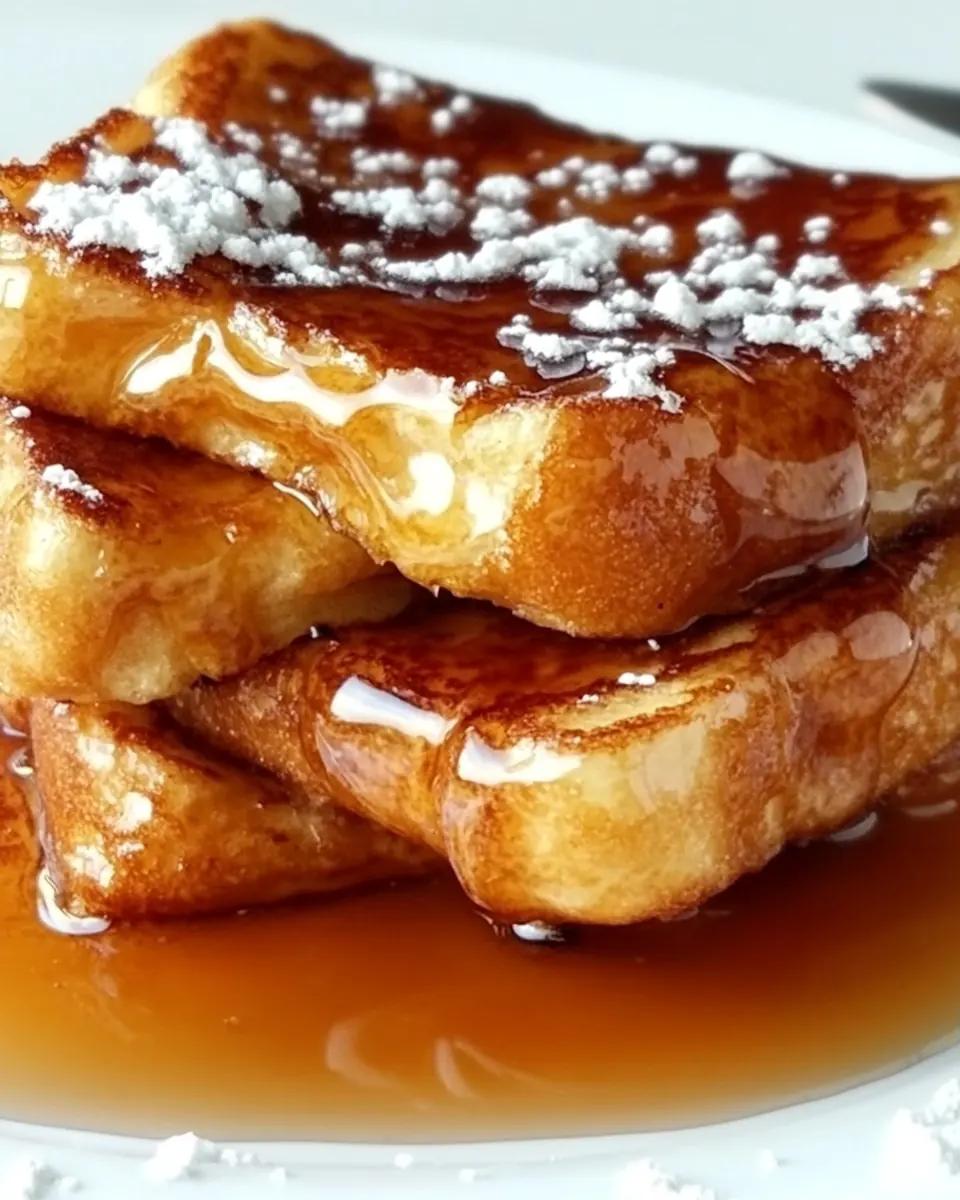
I like to think of these tips as little habits that add up to reliably great results. Below are practical pointers I use almost every time I make Best French Toast, expanded so you can adapt them to your kitchen and tastes.
- Choose the right bread Use brioche or another thick sliced loaf because it soaks custard without falling apart and yields a tender center.
- Temper the custard Whisk the eggs and milk thoroughly so the texture is uniform and you avoid streaks of cooked egg on the toast.
- Control the heat Maintain a medium to medium high skillet temperature so the surface browns nicely without burning the butter.
- Quick dip Dip each slice briefly on both sides to prevent the bread from becoming overly saturated and gummy.
- Keep warm Use a low oven to hold slices while you finish frying the batch, which keeps them crisp and warm for serving.
Perfect Matches for Best French Toast
Serving Best French Toast well is about balance and atmosphere. Think complementary textures and bright flavors to offset the rich custard, and choose pairings that suit the occasion, whether a quick family breakfast or a leisurely brunch with friends.
- Simple syrup and fruit Serve with warm maple syrup and a bowl of fresh berries for a classic, crowd pleasing plate.
- Whipped cream and compotes A spoonful of lightly sweetened whipped cream and a tart fruit compote introduces contrast against the custardy toast.
- Brunch spread Pair with coffee, tea, and a selection of fresh fruit to create an inviting brunch setup that feels thoughtful but effortless.
- Occasion suggestions This dish works well for relaxed weekend breakfasts, birthday mornings, and small celebratory brunches when you want something special yet simple.
- Storage advice Store leftover slices in an airtight container in the refrigerator and reheat briefly in a hot skillet to refresh the crust and warm the center.
- Seasonal pairings In cooler months, serve with warm fruit sauces or stewed apples, while warm weather invites fresh berries and citrusy compotes.
FAQ
Conclusion
What makes this recipe special is how a handful of simple ingredients and a reliable technique produce a tender, custardy interior with a golden, slightly crisp exterior. Give Best French Toast a try on your next slow morning or when guests drop by, and you will find it both comforting and impressive. It is forgiving enough for everyday cooking yet adaptable for fancier brunch spreads, so experiment with toppings and enjoy the warm, nostalgic flavors that always bring people to the table.
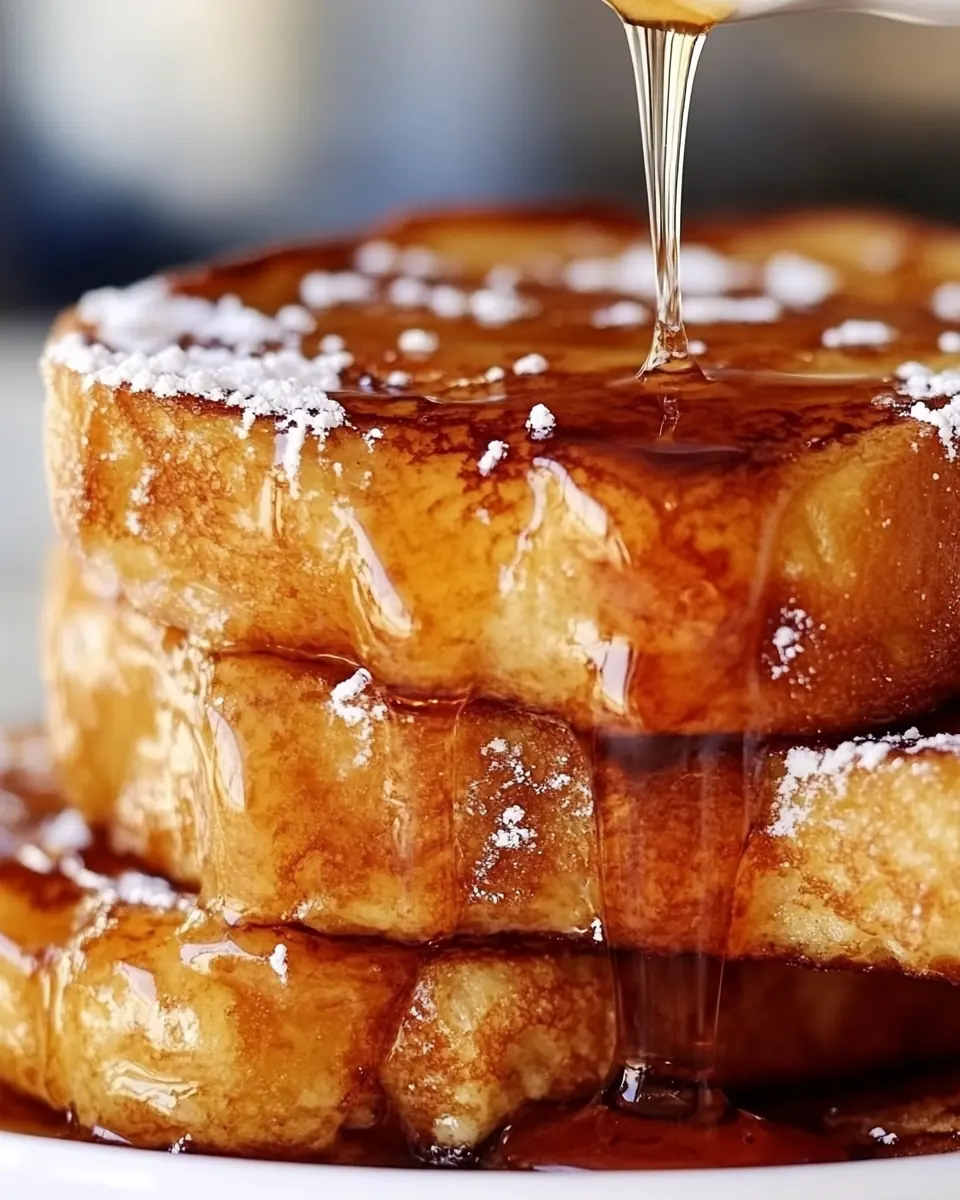
Best French Toast
Ingredients
Equipment
Method
- If you want to keep the fried French toast warm, preheat the oven to 250° F. Prep a sheet pan.: The warm oven helps maintain crispness without continuing to cook the interior too much. You should feel gentle warmth from the oven and see the sheet pan ready to hold finished slices. A common error is using too high an oven temperature which will dry the toast out rather than keeping it tender.
- In a shallow dish (pasta bowl works great), whisk milk, eggs, salt, sugar, and vanilla. Whisk until smooth.: Right away you will notice the aroma of vanilla lifting from the bowl and the custard taking on a pale yellow hue. The sound is a steady whisking rhythm, and the surface should look homogeneous, with no streaks of egg white. If the mixture looks separated, keep whisking; poor mixing leads to uneven texture.
- Preheat griddle. I use a cast iron skillet because it distributes the heat evenly and creates a perfect texture.: As the skillet heats you might see a faint shimmer on the cooking surface, and it should be hot enough that a drop of water skitters across. Cast iron gives a steady, even sear, producing an even golden color. A mistake here is not waiting long enough, which causes the toast to absorb fat and become greasy.
- Melt a little bit of butter in skillet.: The butter should foam gently and then settle into a clear, fragrant pool without burning. You will smell nutty, toasted butter notes, and the surface will glisten. If the butter smokes quickly, lower the heat, because burned butter will give an off taste.
- Dip each bread slice on each side, do not let it sit in the mixture.: You should hear a soft pat as excess custard falls back into the dish and see the bread change color slightly as it soaks. The goal is even coating without saturation. Leaving slices to soak too long risks a gummy interior and collapsing when you try to fry.
- Place dipped slice in a skillet and fry for 2 to 3 minutes.: Listen for a steady sizzle that tells you the surface is searing, and watch the edges begin to turn a warm, golden brown. The surface should feel firm when nudged with a spatula. Frying too briefly leaves the center undercooked; fry long enough to form a crust.
- Just before flipping, sprinkle the un-fried side with about 1/4 teaspoon of granulated sugar.: The sugar will start to melt and create tiny, amber spots that deepen the crust flavor. You may notice a slight crackle as the sugar hits the hot surface. Using too much sugar can cause excessive caramelization and bitter burnt spots.
- Flip the slice and fry on the other side.: You should see an even golden color develop and smell a rich, toasty aroma. The second side usually takes a bit less time, and pressing gently will reveal a custardy interior that remains resilient. Overbrowning here can hide the gentle custard inside, so monitor closely.
- Place fried slices on the prepared sheet pan and keep warm in the oven or serve right away.: The tray should be warm to the touch, and the toast will stay crisp on the outside while the interior relaxes into a tender custard. Crowding the pan can trap steam and soften the crust, so space slices out if possible.
- Serve French toast with maple syrup, powdered sugar, fresh fruit, fruit sauce, or whipped cream.: You will see glistening syrup pooling, powdered sugar dusting the surface, and vibrant fruit colors creating contrast. Taste combinations balance sweet and bright elements against the rich custard. A frequent misstep is piling too many toppings which can overwhelm the delicate custard texture.
Notes
- Choose the right bread Use brioche or another thick sliced loaf because it soaks custard without falling apart and yields a tender center.
- Temper the custard Whisk the eggs and milk thoroughly so the texture is uniform and you avoid streaks of cooked egg on the toast.
- Control the heat Maintain a medium to medium high skillet temperature so the surface browns nicely without burning the butter.
- Quick dip Dip each slice briefly on both sides to prevent the bread from becoming overly saturated and gummy.
- Keep warm Use a low oven to hold slices while you finish frying the batch, which keeps them crisp and warm for serving.