Easy Lemon Orzo Faux Risotto
Easy Lemon Orzo Faux Risotto began as one of those weeknight rescues I leaned on during busy spring evenings when I wanted comfort without heaviness.
I remember the first time I made this, the aroma of onion softening in butter and olive oil filled the kitchen and made me slow down, even though I was short on time. It felt cozy and bright at once, like sunshine folded into a bowl. I loved how the tiny orzo swelled and absorbed broth the way risotto does, yet it moved faster and demanded less fuss. That balance of creamy texture and lemony lift is exactly why this dish became a staple for me.
Over the years I tweaked small things, like adding a bit more parmesan cheese right at the end for silkiness, and saving some lemon zest to sprinkle on top for a fresh pop. Friends who tried it asked for the recipe because it felt elevated but not pretentious. I often serve it when I want something that pairs easily with roasted vegetables or a simple protein, and it always seems to hit the comfort spot without weighing us down.
Recipe Snapshot
40 mins
10 mins
30 mins
Easy
350 kcal
Italian
Gluten-Free, Low FODMAP
Dinner
3-quart high-sided saute pan or 12-inch skillet, Wooden spoon or spatula, Measuring cups and spoons
Why You’ll Love This Easy Lemon Orzo Faux Risotto
Comfort without the fuss
I adore how Easy Lemon Orzo Faux Risotto gives the luxurious mouthfeel of risotto without the babysitting. The orzo cooks faster than arborio rice, so you get creamy results with less stirring. For busy nights when I want something soothing, this recipe delivers the texture of a slow cooked dish in a fraction of the time.
Bright lemon lift
The lemon in this recipe is not just an afterthought. I use both lemon zest and lemon juice to layer brightness so every bite tastes fresh. I find that the zest provides aromatic oils and the juice adds that clean tang that cuts through the richness of the butter and parmesan cheese, making the dish feel vibrant rather than cloying.
Flexible pantry cooking
One reason I reach for this recipe is pantry friendliness. A package of orzo, a box of broth, and a small handful of staples is all you need. I love recipes that let me improvise, and this one handles small swaps well, so long as you keep the core steps intact. That makes it ideal for weeknights, casual dinner parties, or when you want to stretch ingredients into something special.
Textural satisfaction
There is a satisfying contrast between the silky body from gradual broth absorption and the slight bite of al dente orzo. When I cook this, I listen for a gentle simmer and watch for the surface to shimmer as the liquid reduces. That sensory feedback tells me the dish is developing the right creaminess without becoming gummy.
Simple, elegant finish
Finishing with parmesan cheese and chopped Italian parsley makes this feel finished and restaurant worthy. The cheese melts into the pasta giving a glossy coat, while bright herb and extra zest add color and freshness. Serving it feels thoughtful, even if the prep was quick.
What to Gather for Easy Lemon Orzo Faux Risotto
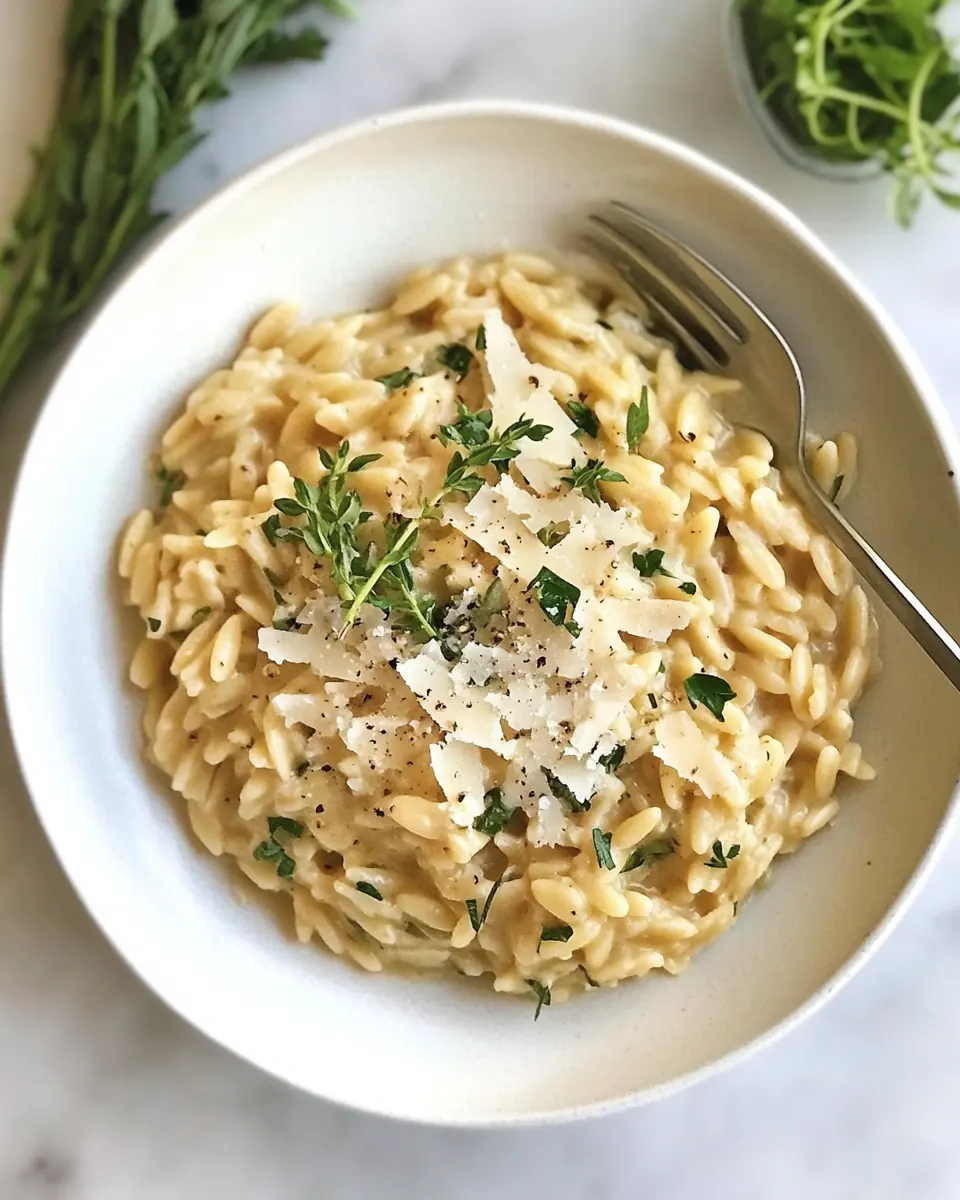
These ingredients are chosen to create a balance of creaminess, brightness, and savory depth. The tiny grain like orzo soaks up flavor, the broth builds the body, and the acidic touch from lemon juice keeps the bite lively. Key players like butter and parmesan cheese give richness, while onion and parsley bring aromatic layers that keep each forkful interesting.
- 2 tablespoons butter: Melted to provide a rich, silky base and help sauté aromatics while adding a mild creamy flavor to the dish; contributes to the luxurious mouthfeel typical of risotto-style preparations.
- 1 teaspoon olive oil: Used sparingly to prevent sticking and promote even browning while contributing a subtle fruity flavor; helps balance the butter for a more stable sauté without burning.
- 1 cup diced onion, (about 1 medium onion): Diced to release sweet, savory flavor and aromatic moisture when softened; builds foundational savory depth and complements the pasta with a tender texture once cooked.
- 116 ounce package DeLallo organic whole wheat orzo pasta: Cooked as the starch component to mimic the creaminess of risotto while absorbing flavorful liquids; offers a firmer bite and quick-cooking convenience compared to arborio rice.
- 4 5 cups chicken or vegetable broth, 1 (32-ounce) box or can and 1 (15-ounce) can: Simmered gradually to hydrate the orzo and create a creamy emulsion as the starch is released; supplies savory seasoning and depth depending on chicken or vegetable choice.
- Zest of 2 lemons, divided: Grated finely to brighten and impart concentrated citrus oils and fragrance; split use allows for garnishing and infusion during cooking for layered lemon flavor.
- Juice from 1 lemon or 1/4 cup: Squeezed to add bright acidity that balances richness and enhances overall flavor; provides fresh citrus tang that lifts the dish and harmonizes with parmesan.
- 3/4 teaspoon kosher salt or to taste: Measured to season and enhance overall flavors while controlling saltiness; adjustable to taste to ensure the orzo and broth are properly seasoned during cooking.
- 1/2 teaspoon freshly ground black pepper or to taste: Added to season with a warm, pungent bite and to balance lemon and cheese flavors; freshly ground improves aroma and integrates into the finished dish.
- 1/2 cup grated parmesan cheese: Stirred in to contribute savory, umami richness and creamy texture while enhancing saltiness and binding the sauce; grated finely to melt smoothly into the orzo.
- 1/4 cup chopped Italian parsley: Chopped and sprinkled to provide fresh herbal brightness and color contrast; adds a clean, slightly peppery note that complements lemon and cheese.
Instructions for Easy Lemon Orzo Faux Risotto
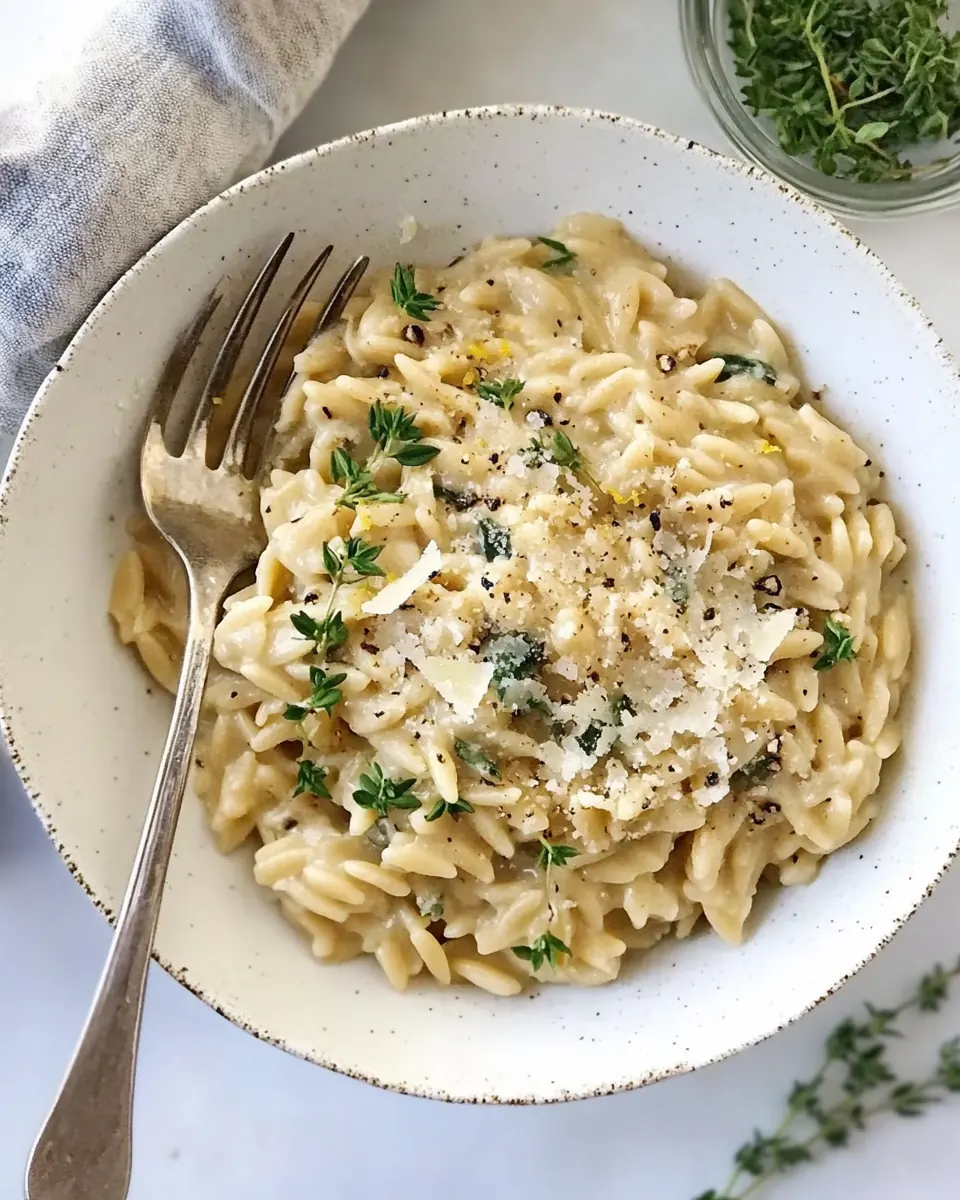
I approach the cooking of Easy Lemon Orzo Faux Risotto like a gentle guided process rather than a rush. The goal is to coax the orzo into creaminess through gradual liquid addition and attentive stirring. Below, each step expands on sensory cues and troubleshooting to help you get consistent results.
- Melt the butter and olive oil in a 3-quart, 10-inch, high-sided saute pan or a 12-inch skillet. Add the onion and cook for 4-5 minutes, stirring often, until the onion becomes soft and transparent. If the onion begins to brown, reduce the heat to medium-low.: When the butter and olive oil first heat, you will notice a soft shimmer across the pan and a faint buttery aroma. The combination raises the smoke point and gives a satiny coating so the onion sweats rather than browns quickly. Work at medium heat, watching the fats so the butter melts smoothly but does not sizzle aggressively. If you hear loud popping, lower the heat, because overheating can brown the butter and introduce a toasty, slightly bitter note you do not want here. A common error is using too high a flame, which rushes the onion and prevents that soft, sweet flavor development that forms the base of the dish.
- Add the orzo to the skillet and mix into the onions. Add enough broth to cover the orzo, and gently stir, then bring to a low boil, and reduce to a simmer so that the pasta gently bubbles. Stir often, until the broth is absorbed or about 10 minutes. Add the lemon juice and half of the lemon zest to the risotto and continue adding the broth 1/2 to 1 cup at a time, stirring often, until the liquid is absorbed and the pasta is al dente, about 30 minutes.: As you stir, look for the onion to turn glossy and slightly translucent, releasing a warm, sweet fragrance. The gentle movement helps sweat the pieces evenly, creating a mellow background flavor. If the edges start to brown, reduce to medium low heat, because browning will shift the taste from sweet to caramelized, altering the intended profile. One mistake to avoid is leaving the onion unattended, which can quickly take it from translucent to browned.
- Remove from the heat, season with kosher salt and freshly ground black pepper and stir in the parmesan cheese. Sprinkle with the Italian parsley and the remaining lemon zest.: This step is about control, not speed. The smell will change from sweet to nutty if browning starts, which is fine in many dishes but not for this delicate risotto style. Turning down the heat keeps the onion tender and allows flavors to build gently. New cooks sometimes overcompensate and turn off the heat entirely, but a low steady warmth is what helps the layers develop without drying the pan.
- Add the orzo to the skillet and mix into the onions: When the orzo hits the warm pan, it will make a soft toasty scent for a moment as the little pasta warms. Toss it with the onion so each piece is lightly coated in fat, which primes the grains to absorb broth evenly. Stirring at this point distributes flavors and prevents sticking. One slip is adding cold broth too fast, which can shock the orzo and cause uneven cooking.
- Add enough broth to cover the orzo, and gently stir, then bring to a low boil, and reduce to a simmer so that the pasta gently bubbles: The visual cue here is a gentle shimmer and small, steady bubbles not a rolling boil. That soft simmer allows the starches to release gradually, creating creaminess. Stir to prevent the orzo from sticking and to encourage even absorption. If it bubbles aggressively, the liquid can evaporate too quickly and leave undercooked centers, so lower the heat to maintain the right pace.
- Stir often, until the broth is absorbed or about 10 minutes: You will feel the spoon move through a thicker, more cohesive mass as the first round of liquid reduces. The aroma deepens and the texture shifts from loose to slightly creamy. Frequent stirring helps coax out starch without making the dish gluey. A frequent pitfall is under stirring, which can leave dry pockets or cause the bottom to scorch.
- Add the lemon juice and half of the lemon zest to the risotto and continue adding the broth 1/2 to 1 cup at a time, stirring often, until the liquid is absorbed and the pasta is al dente: The moment you add the lemon juice , the scent brightens noticeably, and the flavor cuts through the richness. Adding broth in small increments encourages a slow release of starch, giving that creamy coating around each grain of orzo . Watch for the surface to look glossy and slightly thickened between additions, and taste a piece to check for that tender yet firm bite. If you pour too much liquid at once, the process becomes longer and you lose control over texture.
- About 30 minutes: As you near the end of the cooking window, the orzo will be plump, tender, and the pan will show a thin sheen of sauce. The scent will be a mingling of citrus, savory broth, and sweet onion . This is the time to fine tune seasoning, because the texture is set and any additional salt or pepper will be absorbed. A frequent mistake is skipping the tasting, which can leave the dish underseasoned or overly tart.
- Remove from the heat, season with kosher salt and freshly ground black pepper and stir in the parmesan cheese: Off the heat, the residual warmth melts the parmesan cheese into a velvety coating rather than causing it to clamp up. You will see the surface go glossy and silkier as the cheese dissolves, and the aroma deepens into umami richness. Add salt sparingly because both the broth and cheese bring sodium. A common error is stirring in cheese on high heat, which can make the texture grainy and separated.
- Sprinkle with the Italian parsley and the remaining lemon zest: The final garnishes add color and a fresh lift. The herb gives a green brightness, and the reserved lemon zest delivers an immediate citrus perfume when you plate. Scatter them at the end so they retain color and aroma. Overcooking the parsley will dull its freshness, so add it just before serving.
Ways to Adapt This Recipe
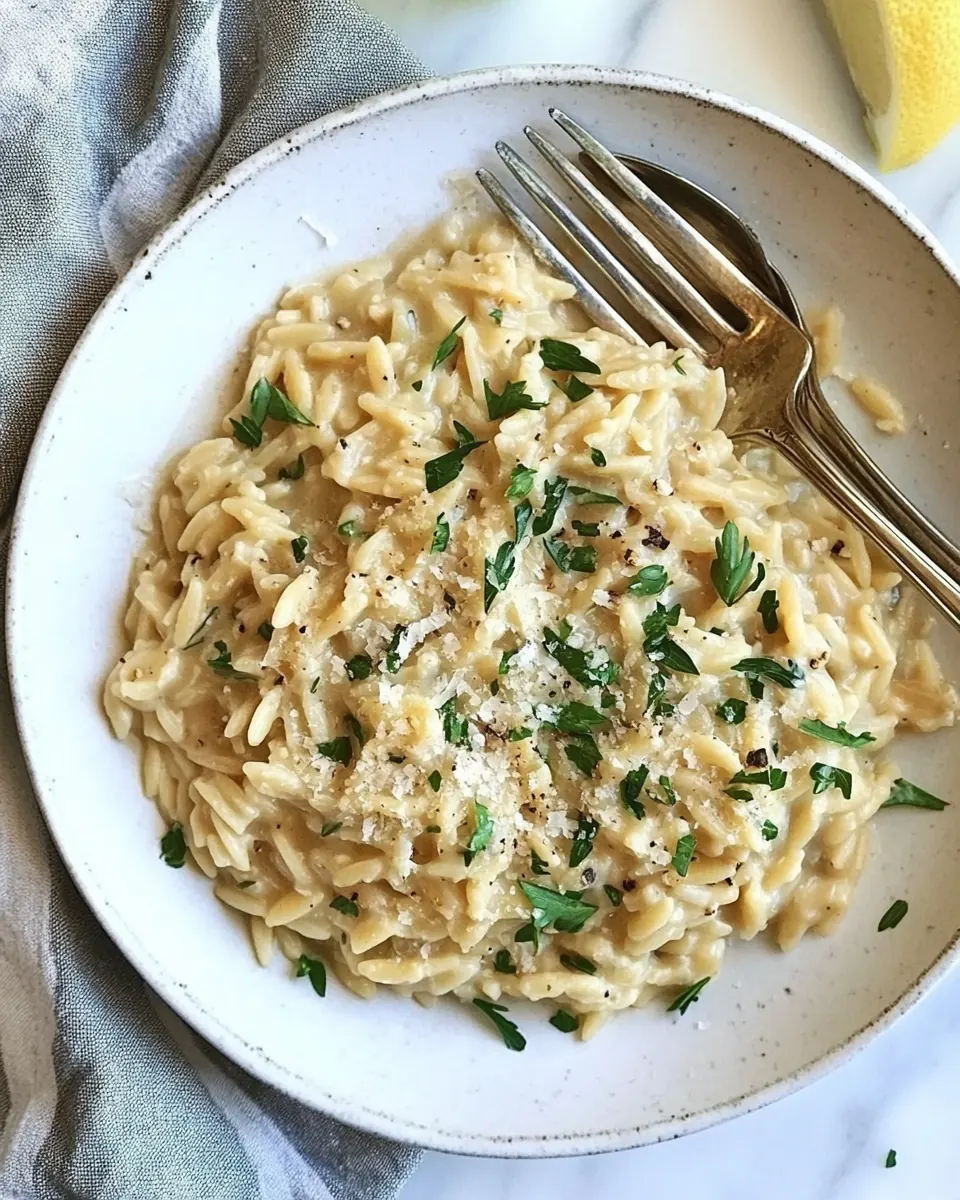
This section offers practical adaptations and small variations to personalize Easy Lemon Orzo Faux Risotto. Each tip begins with a bolded phrase for quick scanning, followed by detailed guidance so you can confidently tweak the recipe.
- Boost herb flavor: Add extra fresh chopped Italian parsley at the end for more herbaceous brightness, or stir in a spoonful more right before serving to let those oils mingle with the warm parmesan cheese.
- Adjust lemon intensity: If you prefer a milder citrus note, use the zest of one lemon and the juice of half a lemon, then taste and add more if needed to achieve a balanced brightness.
- Swap broth type carefully: Choose low sodium chicken or vegetable broth so you can control salt levels; richer broths will deepen flavor but may require less added salt later.
- Make it creamier: Stir in an extra tablespoon of butter or a splash of cream off the heat for a silkier finish, adding slowly and tasting as you go to avoid overpowering the lemon.
- Play with pasta texture: If the whole wheat orzo cooks firmer than you like, check it a few minutes earlier and extend simmer time with small broth additions until it reaches your preferred doneness.
- Control sodium: Hold back on the kosher salt until after you add the parmesan cheese, because the cheese contributes significant saltiness and you can adjust more precisely at the end.
Serving This Easy Lemon Orzo Faux Risotto
This recipe shines when plated warm and simple. Think about balance, texture, and color when serving, and consider the occasion so the dish complements the meal naturally.
- Serve warm as a main: Spoon generous portions into shallow bowls, garnish with extra lemon zest and chopped Italian parsley, and offer extra parmesan cheese at the table for guests to sprinkle.
- Side dish for spring dinners: Pair with roasted vegetables or a light protein to keep the plate bright and seasonal, making the most of the lemon notes and fresh herb finish.
- Casual entertaining: Keep a warm pan on the stove and finish with parmesan cheese and parsley in front of guests so the aroma feels inviting and homemade.
- Storage tips: Cool leftovers quickly and store in an airtight container in the refrigerator for up to three days. Reheat gently with a splash of broth to revive creaminess, stirring over low heat until warmed through.
- Occasion flexibility: This is great for weeknight dinners, springtime lunches, or buffet style gatherings, because it travels well and maintains its bright, comforting character.
FAQ
Conclusion
Easy Lemon Orzo Faux Risotto stands out because it blends creamy, comforting texture with a bright citrus lift that feels both sophisticated and effortless. This recipe encourages you to slow down just enough to coax flavor from simple ingredients, delivering a dish that feels special with minimal fuss. I hope you give it a try on a weeknight or when you need a crowd pleasing side that still tastes like you cared. Serve it warm, garnish with extra zest and parsley, and enjoy the balance of rich and bright that makes this meal so satisfying.
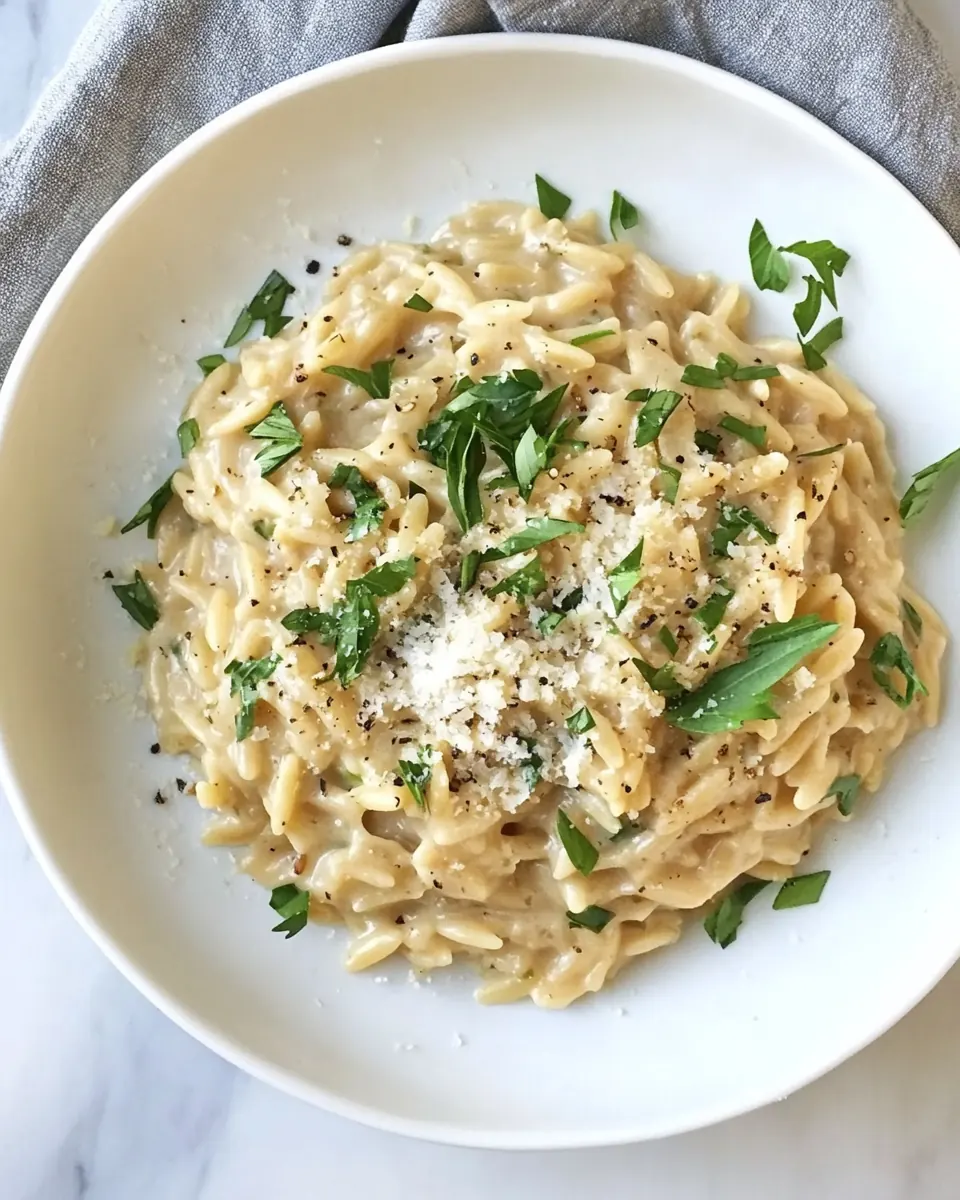
Easy Lemon Orzo Faux Risotto
Ingredients
Equipment
Method
- Melt the butter and olive oil in a 3-quart, 10-inch, high-sided saute pan or a 12-inch skillet. Add the onion and cook for 4-5 minutes, stirring often, until the onion becomes soft and transparent. If the onion begins to brown, reduce the heat to medium-low.: When the butter and olive oil first heat, you will notice a soft shimmer across the pan and a faint buttery aroma. The combination raises the smoke point and gives a satiny coating so the onion sweats rather than browns quickly. Work at medium heat, watching the fats so the butter melts smoothly but does not sizzle aggressively. If you hear loud popping, lower the heat, because overheating can brown the butter and introduce a toasty, slightly bitter note you do not want here. A common error is using too high a flame, which rushes the onion and prevents that soft, sweet flavor development that forms the base of the dish.
- Add the orzo to the skillet and mix into the onions. Add enough broth to cover the orzo, and gently stir, then bring to a low boil, and reduce to a simmer so that the pasta gently bubbles. Stir often, until the broth is absorbed or about 10 minutes. Add the lemon juice and half of the lemon zest to the risotto and continue adding the broth 1/2 to 1 cup at a time, stirring often, until the liquid is absorbed and the pasta is al dente, about 30 minutes.: As you stir, look for the onion to turn glossy and slightly translucent, releasing a warm, sweet fragrance. The gentle movement helps sweat the pieces evenly, creating a mellow background flavor. If the edges start to brown, reduce to medium low heat, because browning will shift the taste from sweet to caramelized, altering the intended profile. One mistake to avoid is leaving the onion unattended, which can quickly take it from translucent to browned.
- Remove from the heat, season with kosher salt and freshly ground black pepper and stir in the parmesan cheese. Sprinkle with the Italian parsley and the remaining lemon zest.: This step is about control, not speed. The smell will change from sweet to nutty if browning starts, which is fine in many dishes but not for this delicate risotto style. Turning down the heat keeps the onion tender and allows flavors to build gently. New cooks sometimes overcompensate and turn off the heat entirely, but a low steady warmth is what helps the layers develop without drying the pan.
- Add the orzo to the skillet and mix into the onions: When the orzo hits the warm pan, it will make a soft toasty scent for a moment as the little pasta warms. Toss it with the onion so each piece is lightly coated in fat, which primes the grains to absorb broth evenly. Stirring at this point distributes flavors and prevents sticking. One slip is adding cold broth too fast, which can shock the orzo and cause uneven cooking.
- Add enough broth to cover the orzo, and gently stir, then bring to a low boil, and reduce to a simmer so that the pasta gently bubbles: The visual cue here is a gentle shimmer and small, steady bubbles not a rolling boil. That soft simmer allows the starches to release gradually, creating creaminess. Stir to prevent the orzo from sticking and to encourage even absorption. If it bubbles aggressively, the liquid can evaporate too quickly and leave undercooked centers, so lower the heat to maintain the right pace.
- Stir often, until the broth is absorbed or about 10 minutes: You will feel the spoon move through a thicker, more cohesive mass as the first round of liquid reduces. The aroma deepens and the texture shifts from loose to slightly creamy. Frequent stirring helps coax out starch without making the dish gluey. A frequent pitfall is under stirring, which can leave dry pockets or cause the bottom to scorch.
- Add the lemon juice and half of the lemon zest to the risotto and continue adding the broth 1/2 to 1 cup at a time, stirring often, until the liquid is absorbed and the pasta is al dente: The moment you add the lemon juice , the scent brightens noticeably, and the flavor cuts through the richness. Adding broth in small increments encourages a slow release of starch, giving that creamy coating around each grain of orzo . Watch for the surface to look glossy and slightly thickened between additions, and taste a piece to check for that tender yet firm bite. If you pour too much liquid at once, the process becomes longer and you lose control over texture.
- About 30 minutes: As you near the end of the cooking window, the orzo will be plump, tender, and the pan will show a thin sheen of sauce. The scent will be a mingling of citrus, savory broth, and sweet onion . This is the time to fine tune seasoning, because the texture is set and any additional salt or pepper will be absorbed. A frequent mistake is skipping the tasting, which can leave the dish underseasoned or overly tart.
- Remove from the heat, season with kosher salt and freshly ground black pepper and stir in the parmesan cheese: Off the heat, the residual warmth melts the parmesan cheese into a velvety coating rather than causing it to clamp up. You will see the surface go glossy and silkier as the cheese dissolves, and the aroma deepens into umami richness. Add salt sparingly because both the broth and cheese bring sodium. A common error is stirring in cheese on high heat, which can make the texture grainy and separated.
- Sprinkle with the Italian parsley and the remaining lemon zest: The final garnishes add color and a fresh lift. The herb gives a green brightness, and the reserved lemon zest delivers an immediate citrus perfume when you plate. Scatter them at the end so they retain color and aroma. Overcooking the parsley will dull its freshness, so add it just before serving.
Notes
- Boost herb flavor: Add extra fresh chopped Italian parsley at the end for more herbaceous brightness, or stir in a spoonful more right before serving to let those oils mingle with the warm parmesan cheese.
- Adjust lemon intensity: If you prefer a milder citrus note, use the zest of one lemon and the juice of half a lemon, then taste and add more if needed to achieve a balanced brightness.
- Swap broth type carefully: Choose low sodium chicken or vegetable broth so you can control salt levels; richer broths will deepen flavor but may require less added salt later.
- Make it creamier: Stir in an extra tablespoon of butter or a splash of cream off the heat for a silkier finish, adding slowly and tasting as you go to avoid overpowering the lemon.
- Play with pasta texture: If the whole wheat orzo cooks firmer than you like, check it a few minutes earlier and extend simmer time with small broth additions until it reaches your preferred doneness.
- Control sodium: Hold back on the kosher salt until after you add the parmesan cheese, because the cheese contributes significant saltiness and you can adjust more precisely at the end.