Grandma’s Oatmeal Cookies
Grandma’s Oatmeal Cookies are the kind of cookies I reach for when I want to feel rooted, cozy, and a little bit indulgent all at once. My first bite of these came from a battered tin at a family reunion, and the memory of that chewy texture and warm cinnamon whisper stayed with me. I still think of the tin, the chatter, and the faintly nutty aroma as the cookies disappeared, and that scene is part of why I keep making them when I need comfort food that doubles as an easy crowd pleaser.
I don’t treat these like fussy desserts, they are honest, everyday treats. Over the years I tweaked the mixing order and the oven placement until each batch came out reliably golden edged and soft in the center. When I make Grandma’s Oatmeal Cookies now, I picture my cousin dunking one into tea and my neighbor sneaking one while pretending not to. These cookies are not flashy, they are homey, they hold stories.
Recipe Snapshot
25 mins
15 mins
10 mins
Easy
150 kcal
American
Gluten-Free, Vegan
Desserts
Electric mixer, Cookie sheet, Parchment paper, Wire rack, Measuring cups
Why This Grandma’s Oatmeal Cookies Is a Winner
Comfort in a Cookie
I love Grandma’s Oatmeal Cookies because they deliver a familiar, chewy texture that feels like a hug. The oats give chew, the cinnamon gives warmth, and the sugars give a caramelized edge, so every bite is balanced between soft and slightly crisp. I often reach for them when I want something reliably comforting, and they almost always hit the mark.
Simple Pantry Staples
One of the reasons I keep coming back to these is how few, straightforward ingredients they require. You likely have all purpose flour, old fashioned oats, and granulated white sugar on hand. That makes these an excellent last minute bake when guests arrive or when you need a quick batch for lunchboxes. I appreciate recipes that don’t make me run to the store.
Versatile and Customizable
These cookies are a forgiving canvas, so I often swap or adjust the mix-ins to suit who I am baking for. Whether you prefer chopped walnuts for crunch, or raisins for chew, the structure of the cookie supports either choice without collapsing. I’ve learned that stirring the oats in last helps maintain their texture, so the cookies remain hearty rather than gummy.
Kid Friendly and Crowd Ready
When I host gatherings, the batch size is generous and the cookies travel well. They appeal to kids and adults alike, and because the recipe scales cleanly, I don’t worry about running out. I like serving them on a simple platter with a pot of tea, and watching them vanish within an hour.
Reliable Baking Technique
The technique here is forgiving yet teaches good habits, like creaming the fats and sugars for even texture, sifting the dry ingredients to prevent pockets of baking soda, and spotting the right moment to remove the cookies so they finish with a tender center. I find that paying attention to these little steps yields consistently excellent cookies.
Ingredients for Grandma’s Oatmeal Cookies
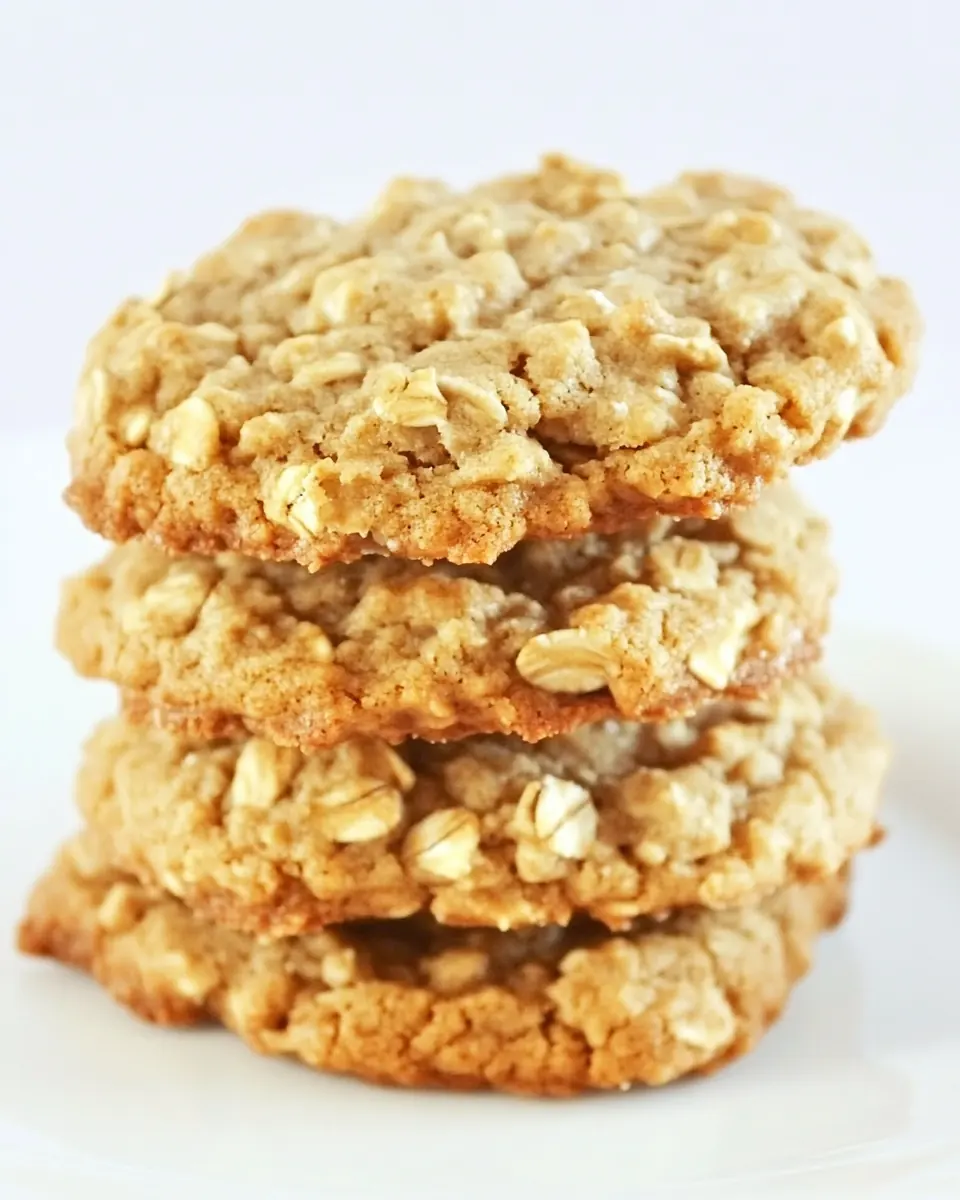
These ingredients form a straightforward, old fashioned cookie. The base of shortening and sugars creates a tender, slightly crisp edge, while old fashioned oats provide chew and rustic texture. The dry ingredients like all purpose flour, baking soda, and salt stabilize the cookie and balance sweetness. Simple helpers, such as vanilla extract and ground cinnamon, add depth and warmth, while optional mix ins like chopped walnuts or raisins bring contrast and personality.
- 1 cup shortening: Provide a solid fat that creates tender, flaky texture and helps cookies spread evenly when baked; creaming with sugars aerates the dough for lift and structure.
- 1 cup packed light brown sugar: Add deep, caramel-like sweetness and moisture while contributing a slight chewiness and rich color; helps balance flavors and enhances overall cookie complexity.
- 1 cup granulated white sugar: Contribute clean, sweet flavor and help with structure and browning; works with creamed shortening to create light, tender crumb and desired sweetness level.
- 2 large eggs, well beaten: Bind wet and dry ingredients while providing moisture and leavening support from trapped air; beaten eggs contribute richness, color, and tender texture to the cookies.
- 1 tablespoon vanilla extract: Impart warm, familiar aromatic notes that enhance and round out the cookie flavors; small amount amplifies sweetness and complements cinnamon and brown sugar.
- 1 1/2 cups all purpose flour: Provide the primary structural backbone and bulk of the dough by supplying gluten and starch; measured amount balances tenderness and holds the mix of oats and add-ins together.
- 1 teaspoon salt: Balance and enhance sweetness while controlling flavor and strengthening gluten slightly; small amount also helps regulate dough hydration and overall taste profile.
- 1 teaspoon baking soda: Act as a chemical leavening agent that reacts with acids to produce carbon dioxide for lift and slight spread; correct amount ensures proper texture without metallic aftertaste.
- 1 tablespoon ground cinnamon: Deliver warm, spicy aroma and flavor that defines the cookie’s character; used to complement brown sugar and oats and to create a classic cinnamon profile.
- 3/4 cup chopped walnuts or raisins (see Recipe Notes): Contribute crunchy texture or chewy bursts of sweetness depending on choice, adding flavor contrast and interest to the oat cookie; can be swapped according to preference per recipe notes.
- 3 cups old-fashioned oats (do not use quick-cooking oats): Provide hearty chew, rustic texture, and a nutty flavor while absorbing moisture to create a substantial, satisfying cookie; old-fashioned oats maintain their shape and bite during baking.
Putting Together Grandma’s Oatmeal Cookies
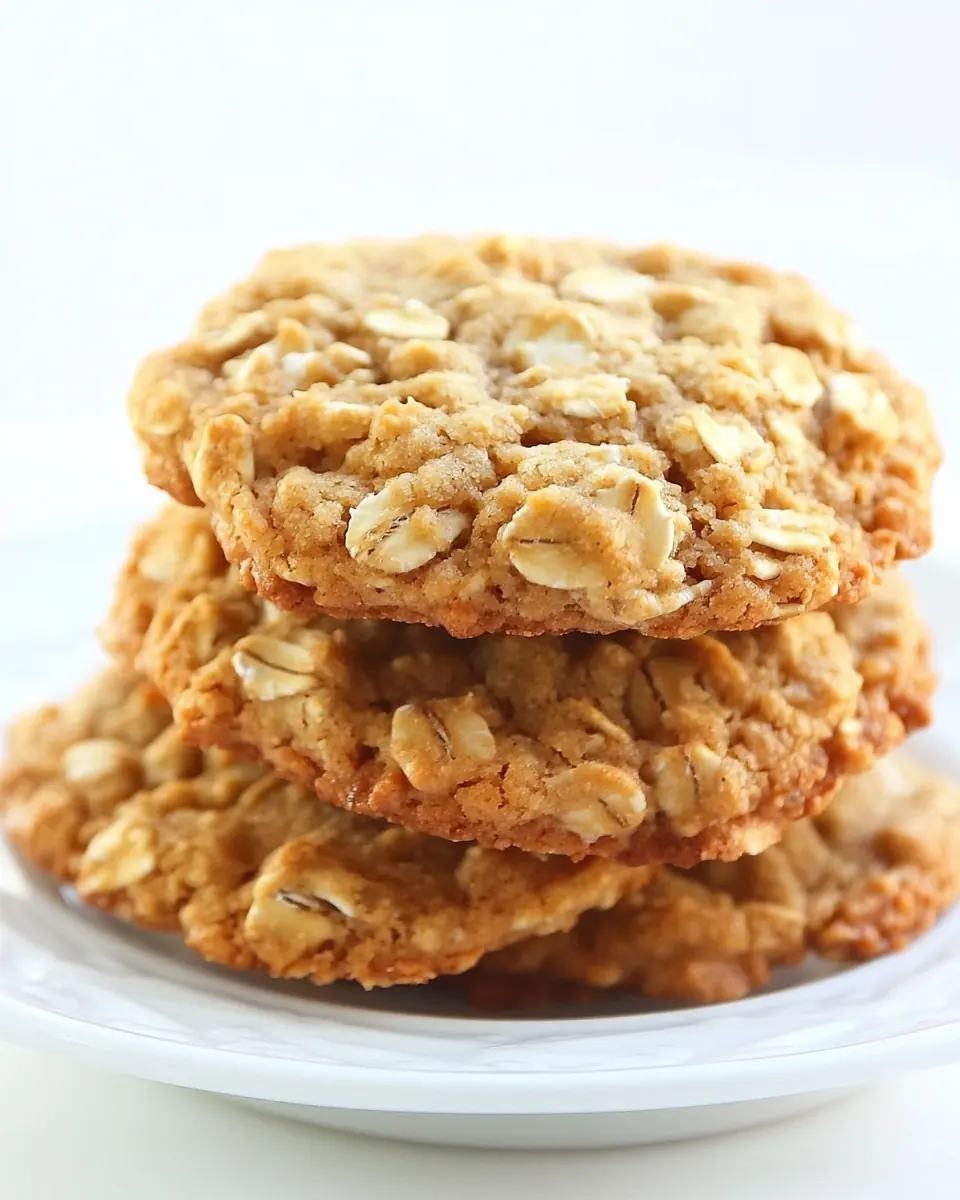
Bringing these cookies to life feels like stepping through a familiar rhythm. The recipe follows classic pastry procedures, and each stage rewards attention to texture and timing. I like to play music while I bake, it helps me watch the dough and notice when the cookies shift from raw to done. Below, I expand the directions into detailed, sensory rich steps so you know exactly what to look for and how to avoid common pitfalls.
- Preheat the oven to 350 degrees F. Line cookie sheet with parchment paper, or spray with nonstick spray.: Warmth fills the kitchen as the oven comes up to temperature, and that dry, toasty scent primes the space for baking. Preheating ensures cookies bake evenly so they set properly and do not spread too much, which matters for texture. Lining the cookie sheet prevents sticking and promotes golden bottoms, while parchment helps lift cookies cleanly. A common mistake is not allowing the oven to fully preheat, which can lead to uneven baking and underdone centers. If your oven runs hot, use an oven thermometer to confirm the temperature.
- In a large bowl, use an electric mixer to cream together the shortening and sugars. Add the eggs and vanilla and beat well. Set aside.: The inevitable light, airy mixture you see when creaming is vital, it traps tiny pockets of air that help the cookies rise slightly and give a tender crumb. You should notice the texture going from grainy to smoother, and the color lightening a touch. When you add the beaten eggs and vanilla extract , the batter becomes glossy and cohesive. If you undercream, the cookies can be dense, and overbeating after adding eggs can cause excess liquid, changing spread. Use medium speed and scrape the bowl so everything blends uniformly.
- Sift together the flour, salt, baking soda and cinnamon. Add the dry ingredients to the wet and mix well. Add the nuts and/or raisins, if desired. Stir in the oats last.: The sifted dry mix should smell faintly spicy from the ground cinnamon and look uniformly pale. Folding the dry into the wet gradually prevents streaks of flour and helps maintain a tender texture. Adding mix ins before the oats helps them distribute, and stirring in the old fashioned oats last preserves their shape and chew. If you mix the oats too early or overwork the dough, they can break down, resulting in a gummy cookie. Watch for a dough that looks cohesive but not greasy, and that the oats are evenly scattered.
- Spoon out by rounded teaspoonfuls onto greased cookie sheets. Bake for 10 minutes. Remove to a wire rack and cool completely.: As you portion the dough, you will notice a slightly sticky, malleable consistency that holds shape but will spread a bit while baking. Aim for evenly sized mounds to ensure even bake time. While baking, listen for faint bubbling and watch the edges for a gentle deepening of color, which signals readiness. The centers will still look soft when you pull them, they firm as they cool on the wire rack. A common error is overbaking, which yields hard, dry cookies, so err on the side of a slightly underbaked center for a tender chew. Cooling on wire racks prevents steam from soggy bottoms and lets the cookies set properly.
Tips and Variations
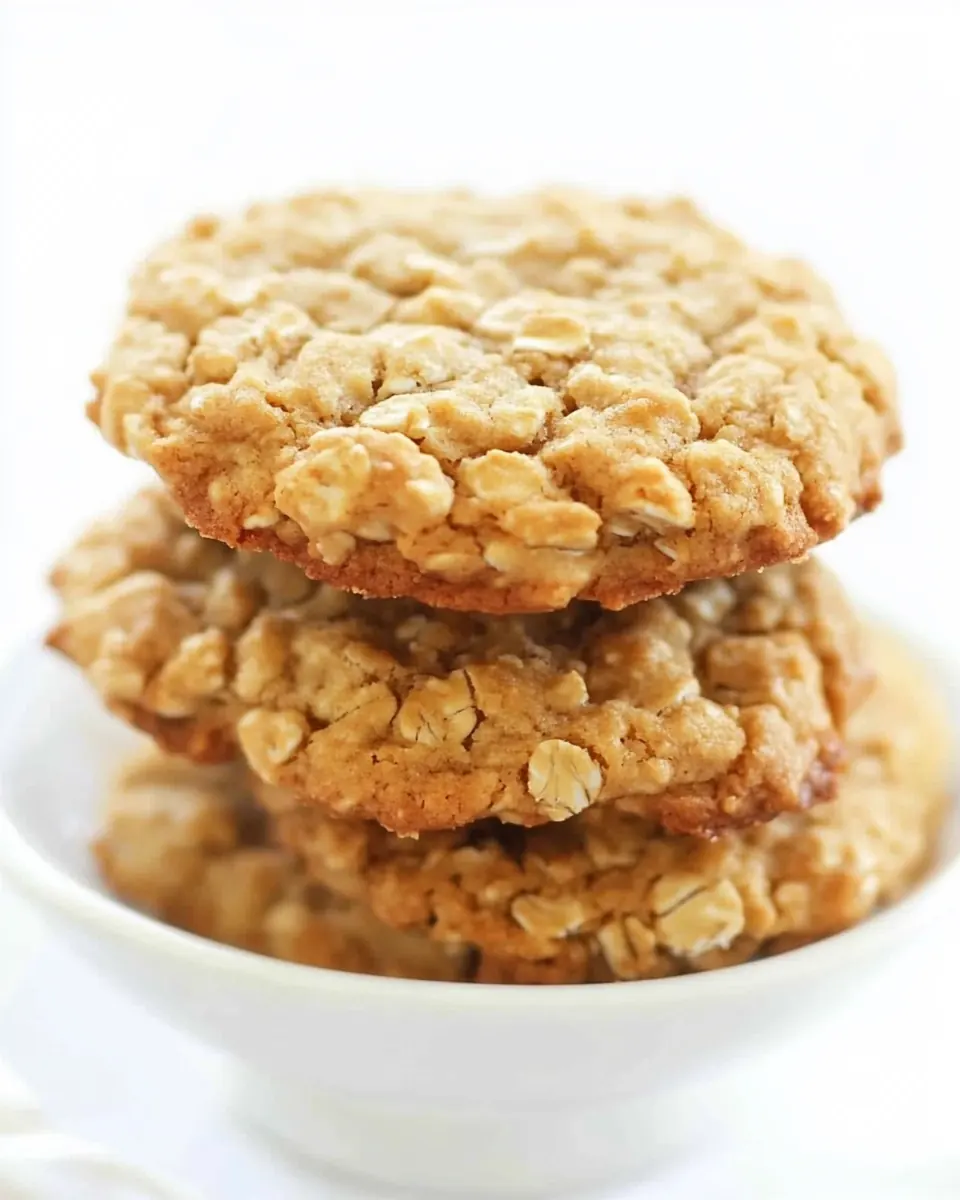
These tips help you adapt Grandma’s Oatmeal Cookies to your pantry and preferences while keeping the classic texture intact. Below I expand on recipe notes and common adjustments so every batch meets expectations. Read through them and pick the ones that suit your baking style.
- Mix ins balance If you want raisins and nuts together, follow the recipe note of using 1 cup raisins and reducing nuts to 1/2 cup, this keeps the dough proportions stable and prevents overly dense cookies.
- Oven placement Bake one sheet at a time on the center rack for the most even heat exposure, rotating only if your oven has hot spots to avoid uneven browning.
- Parchment vs spray Parchment paper gives the most reliable nonstick surface and promotes even bottom browning, while nonstick spray can work in a pinch but may lead to slightly crisper bottoms.
- Cookie size consistency Use a rounded teaspoon or a small cookie scoop to portion dough, which ensures uniform baking time and predictable results across the batch.
- Storage Store cooled cookies in an airtight container at room temperature for up to five days, and separate layers with parchment to prevent sticking and preserve texture.
Perfect Matches for Grandma’s Oatmeal Cookies
These serving suggestions show how Grandma’s Oatmeal Cookies fit into gatherings and everyday moments, whether you want a simple snack or a shareable platter for visitors. Below I outline pairing ideas, occasions, and storage guidance in detail to help you serve them confidently.
- Casual tea or coffee breaks Serve a platter of cookies with a pot of tea or coffee, they pair especially well with warm beverages where the cinnamon and brown sugar aromas mingle.
- Lunchbox addition Pack one or two cookies in lunchboxes for a familiar treat, they travel well and add a homey touch to a midday meal.
- Party platter Arrange the cookies on a large plate for potlucks or family gatherings, they are easy to replenish and appeal to a wide range of palates.
- Seasonal gifting Wrap batches in simple cellophane or tins for neighbor gifts during holidays or school events, they convey warmth and tradition.
- Storage and freezing Freeze baked cookies in airtight containers for up to two months, and thaw at room temperature when ready to enjoy to preserve their chew and texture.
FAQ
Conclusion
Grandma’s Oatmeal Cookies stand out for their comforting chew, warm cinnamon notes, and simple pantry driven ingredients. They are forgiving to make, friendly for crowds, and perfect for sharing at informal gatherings or tucking into lunchboxes. Give them a try when you want a dependable, nostalgia tinged cookie that rewards attention to a few small details. Baking these will remind you why certain recipes become family favorites, and you may find yourself handing out hugs disguised as cookies.
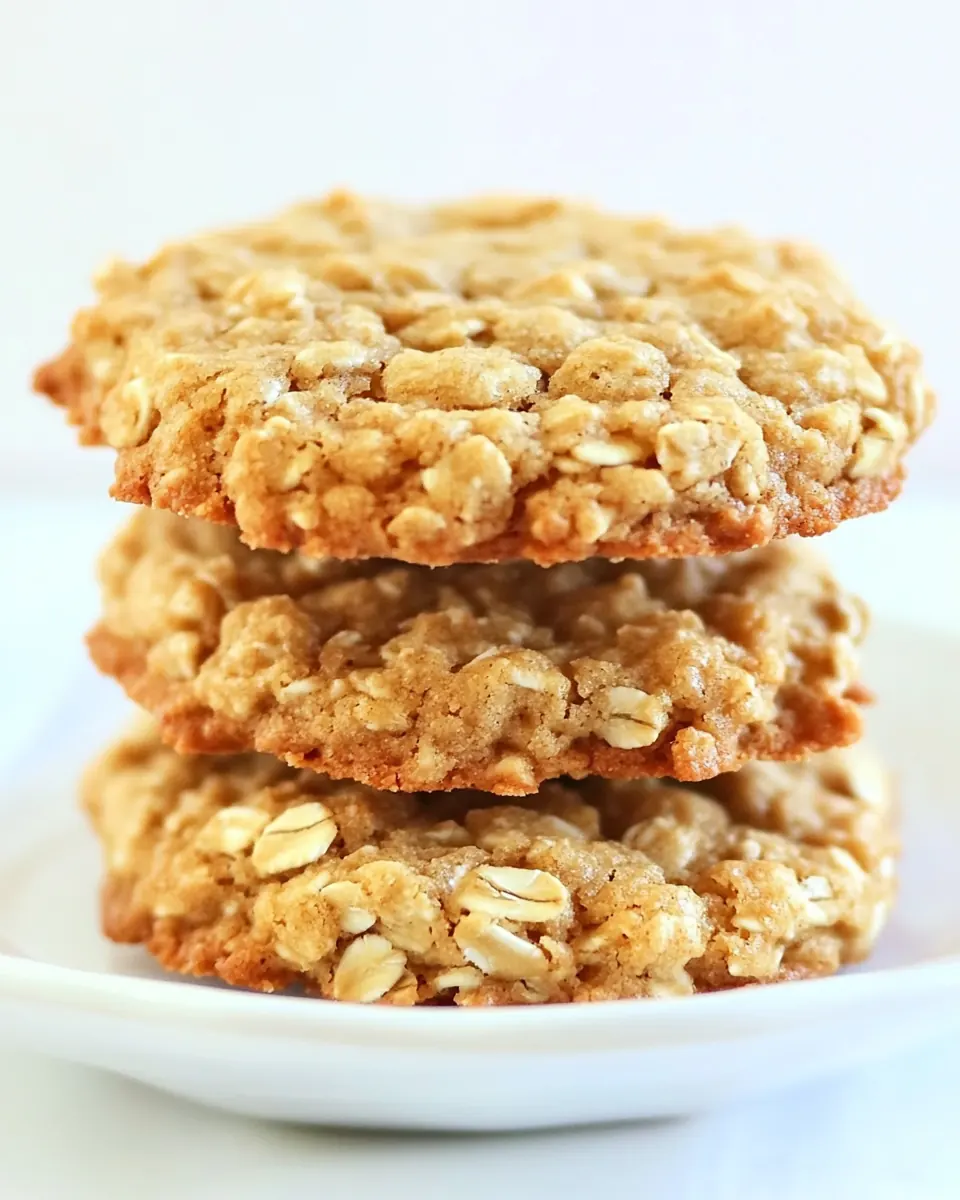
Grandma’s Oatmeal Cookies
Ingredients
Equipment
Method
- Preheat the oven to 350 degrees F. Line cookie sheet with parchment paper, or spray with nonstick spray.: Warmth fills the kitchen as the oven comes up to temperature, and that dry, toasty scent primes the space for baking. Preheating ensures cookies bake evenly so they set properly and do not spread too much, which matters for texture. Lining the cookie sheet prevents sticking and promotes golden bottoms, while parchment helps lift cookies cleanly. A common mistake is not allowing the oven to fully preheat, which can lead to uneven baking and underdone centers. If your oven runs hot, use an oven thermometer to confirm the temperature.
- In a large bowl, use an electric mixer to cream together the shortening and sugars. Add the eggs and vanilla and beat well. Set aside.: The inevitable light, airy mixture you see when creaming is vital, it traps tiny pockets of air that help the cookies rise slightly and give a tender crumb. You should notice the texture going from grainy to smoother, and the color lightening a touch. When you add the beaten eggs and vanilla extract , the batter becomes glossy and cohesive. If you undercream, the cookies can be dense, and overbeating after adding eggs can cause excess liquid, changing spread. Use medium speed and scrape the bowl so everything blends uniformly.
- Sift together the flour, salt, baking soda and cinnamon. Add the dry ingredients to the wet and mix well. Add the nuts and/or raisins, if desired. Stir in the oats last.: The sifted dry mix should smell faintly spicy from the ground cinnamon and look uniformly pale. Folding the dry into the wet gradually prevents streaks of flour and helps maintain a tender texture. Adding mix ins before the oats helps them distribute, and stirring in the old fashioned oats last preserves their shape and chew. If you mix the oats too early or overwork the dough, they can break down, resulting in a gummy cookie. Watch for a dough that looks cohesive but not greasy, and that the oats are evenly scattered.
- Spoon out by rounded teaspoonfuls onto greased cookie sheets. Bake for 10 minutes. Remove to a wire rack and cool completely.: As you portion the dough, you will notice a slightly sticky, malleable consistency that holds shape but will spread a bit while baking. Aim for evenly sized mounds to ensure even bake time. While baking, listen for faint bubbling and watch the edges for a gentle deepening of color, which signals readiness. The centers will still look soft when you pull them, they firm as they cool on the wire rack. A common error is overbaking, which yields hard, dry cookies, so err on the side of a slightly underbaked center for a tender chew. Cooling on wire racks prevents steam from soggy bottoms and lets the cookies set properly.
Notes
- Mix ins balance If you want raisins and nuts together, follow the recipe note of using 1 cup raisins and reducing nuts to 1/2 cup, this keeps the dough proportions stable and prevents overly dense cookies.
- Oven placement Bake one sheet at a time on the center rack for the most even heat exposure, rotating only if your oven has hot spots to avoid uneven browning.
- Parchment vs spray Parchment paper gives the most reliable nonstick surface and promotes even bottom browning, while nonstick spray can work in a pinch but may lead to slightly crisper bottoms.
- Cookie size consistency Use a rounded teaspoon or a small cookie scoop to portion dough, which ensures uniform baking time and predictable results across the batch.
- Storage Store cooled cookies in an airtight container at room temperature for up to five days, and separate layers with parchment to prevent sticking and preserve texture.