Cheesy Potato Casserole
Cheesy Potato Casserole has been the kind of comfort food that follows me from potluck to holiday table, and I still get the same warm grin when someone comes back for seconds. The first time I made this, I remember balancing a hot 9 by 13 pan on my knees as I navigated a crowded kitchen, the scent of melting cheddar cheese and baked potato filling the air. That memory sticks because it captures what this dish does best, it turns simple pantry ingredients into something unabashedly cozy.
Over the years I have tweaked how I assemble it, learning little tricks that changed texture and melt in ways that felt miraculous at the time. I love the way the edges crisp while the center stays creamy, and how the combination of three cheeses gives depth without fuss. Guests often ask for the recipe, and I say it is less a secret and more a friendly ritual that rewards a hands off approach.
Recipe Snapshot
1 hr 10 mins
10 mins
60 mins
Medium
320 kcal
American
Gluten-Free, Keto
Side Dishes
8 qt Mixing Bowl, Rotary Cheese Grater, 9×13 inch Baking Dish
The Beauty of This Cheesy Potato Casserole
Comfortingly familiar flavors
I adore that this casserole tastes like childhood dinner table memories, the kind that wrap you in warmth. Using familiar pantry staples makes it approachable, and I find people immediately relax when they see those cheeses and hash browns come together.
Effortless assembly
I often pull this together between activities, because you do not need fiddly prep work. Mix, spread, and bake, that simplicity is a genuine reason I keep this in rotation for busy nights or when I am feeding a crowd.
Texture contrast that sings
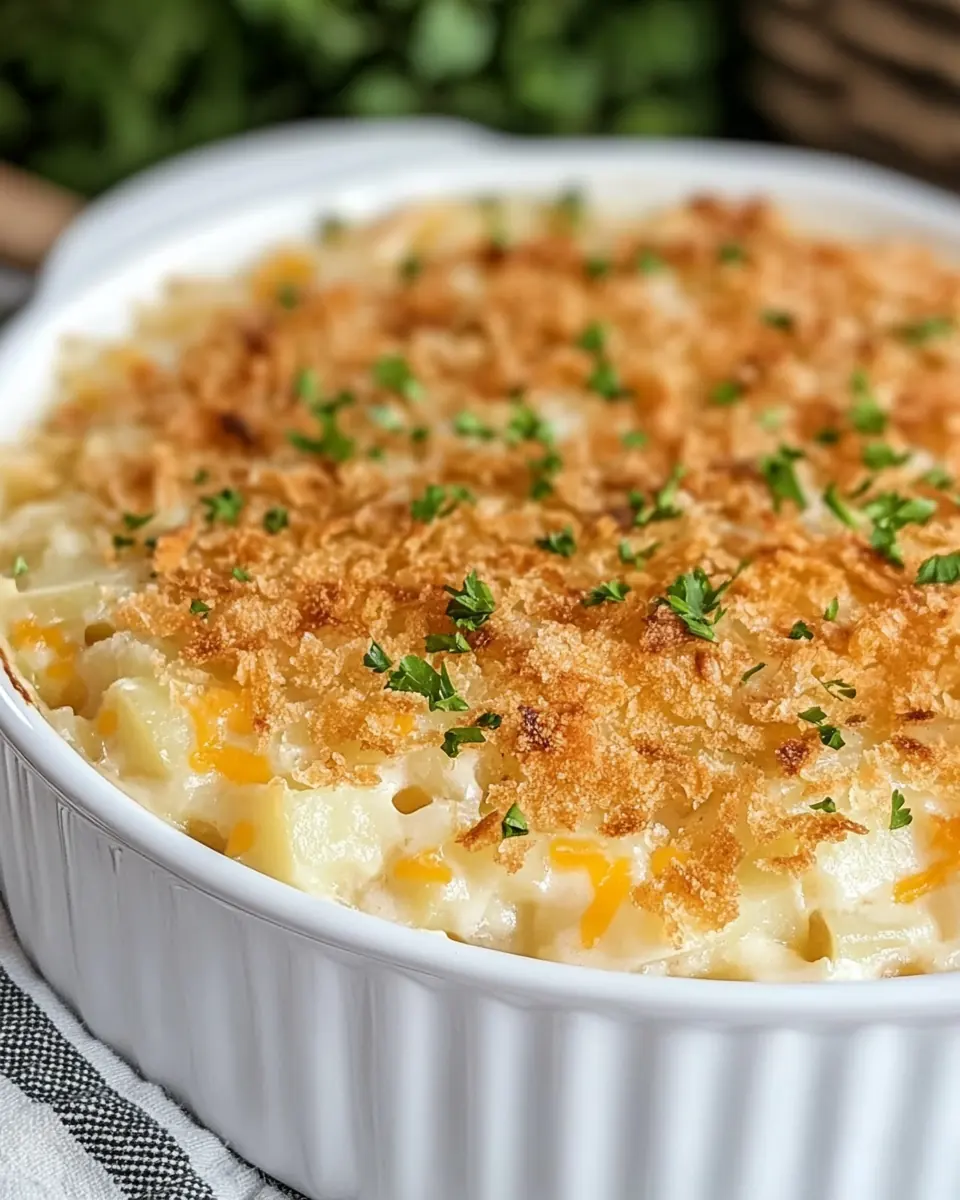
I love the contrast between the creamy interior and the slightly golden edges, it creates bite to bite interest. The grated Parmesan cheese and shredded cheddar cheese help form a savory top crust that makes the casserole feel composed rather than mushy.
Flexible and forgiving
I value recipes that tolerate small mistakes, and this one does. You can assemble chilled ingredients, adjust baking time if your pan is fuller, and still get an excellent result, which is why I recommend it for cooks at any level.
Great for sharing
Whether it is a weeknight family meal or a potluck, this dish scales and travels well. I like that it stays satisfying even when reheated, so people can help themselves without losing the charm of the original bake.
Ingredients to Make Cheesy Potato Casserole
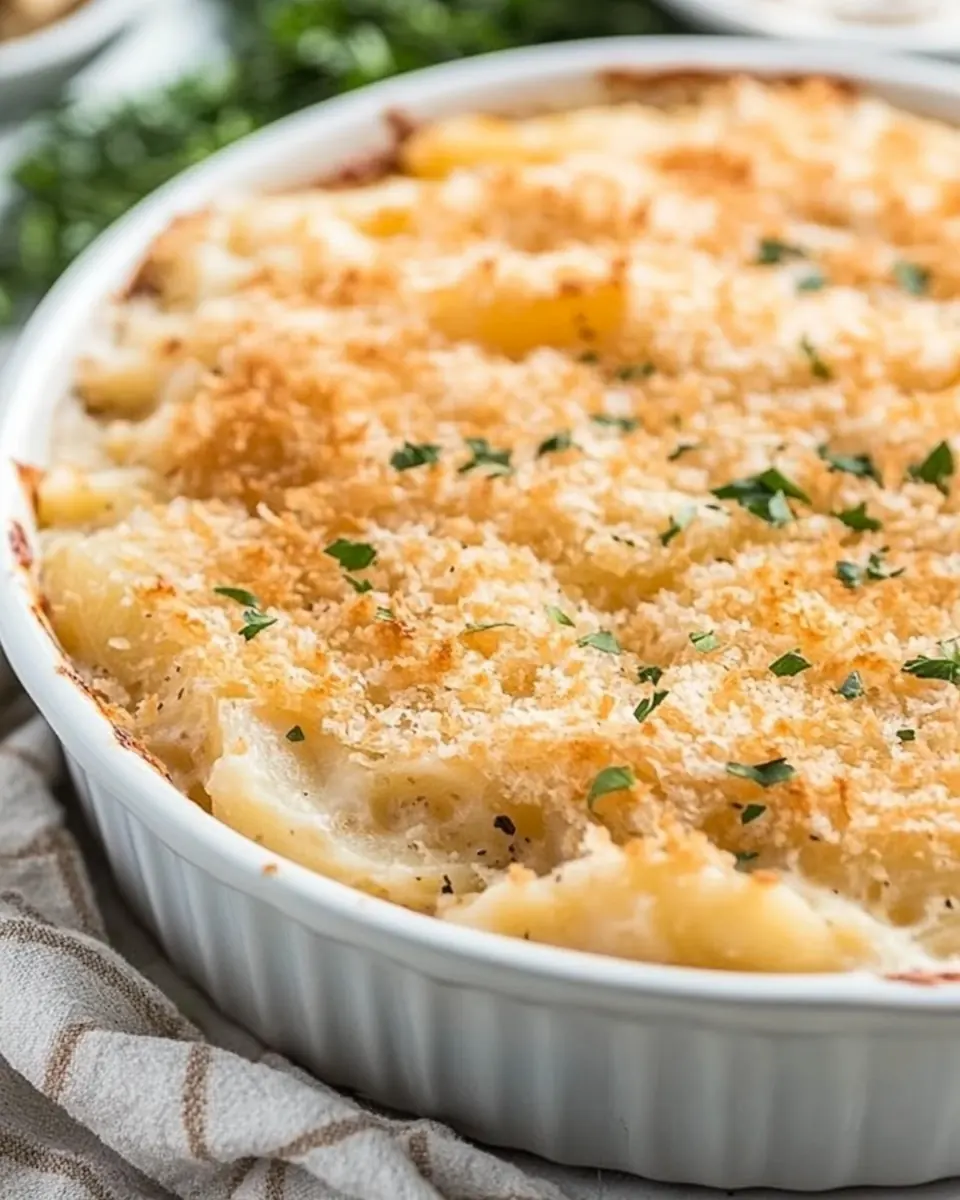
These ingredients create a straightforward harmony of creamy and savory notes. The frozen shredded hash browns give body and a rustic texture, while the canned soup and sour cream provide a silky binder. The trio of cheddar cheese, Parmesan cheese, and Swiss cheese layer flavor and help build a pleasing crust.
- 1 (32-oz) bag frozen shredded hash browns: Provide a base of tender, lightly crisp potato strands that form the bulk of the casserole; thaw before using to ensure even cooking and moisture distribution. Add texture and absorb flavors from the soup and seasonings while creating a hearty, comforting foundation for the dish.
- 2 (10.5-oz) cans Cream of Potato soup: Creamy, savory condensed soup that binds the casserole and contributes a rich potato-forward flavor and velvety sauce. Stir in evenly to moisten the hash browns and allow the casserole to bake into a cohesive, saucy consistency.
- 1 cup sour cream: Add creaminess and tang to lighten the dish and balance the savory soups and cheeses; mix thoroughly for an even, smooth texture. Use full-fat sour cream for best mouthfeel and to help prevent dryness during baking.
- 1 tsp garlic powder: Enhance overall savory depth with a warm, aromatic note that complements the cheeses and potatoes; sprinkle evenly to avoid concentrated pockets. Combine with other seasonings to build layered flavor without overpowering the casserole.
- 1/2 tsp pepper: Provide mild heat and depth to balance the creaminess and cheese; distribute uniformly to maintain a balanced seasoning profile. Adjust amount slightly to taste but keep subtle to preserve the casserole's comforting character.
- 2 cups shredded cheddar cheese: Melt into gooey, sharp pockets that deliver bold cheesy flavor and a pleasing pull when served; mix most into the casserole and reserve a little for topping. Choose a medium to sharp cheddar for pronounced taste that stands up to the other dairy components.
- 1 cup grated Parmesan cheese: Add a nutty, salty finish and a slightly granular texture that enhances savory complexity; sprinkle into the mixture and on top for a golden savory crust. Use freshly grated Parmesan for the best flavor intensity and melting behavior.
- 1/2 cup shredded Swiss cheese: Meld into the cheese blend with a mild, slightly sweet nuttiness that promotes a smooth, melty texture and subtle contrast to sharper cheeses. Sprinkle within or on top to contribute to a well-rounded, creamy cheese profile.
Cooking Method for Cheesy Potato Casserole
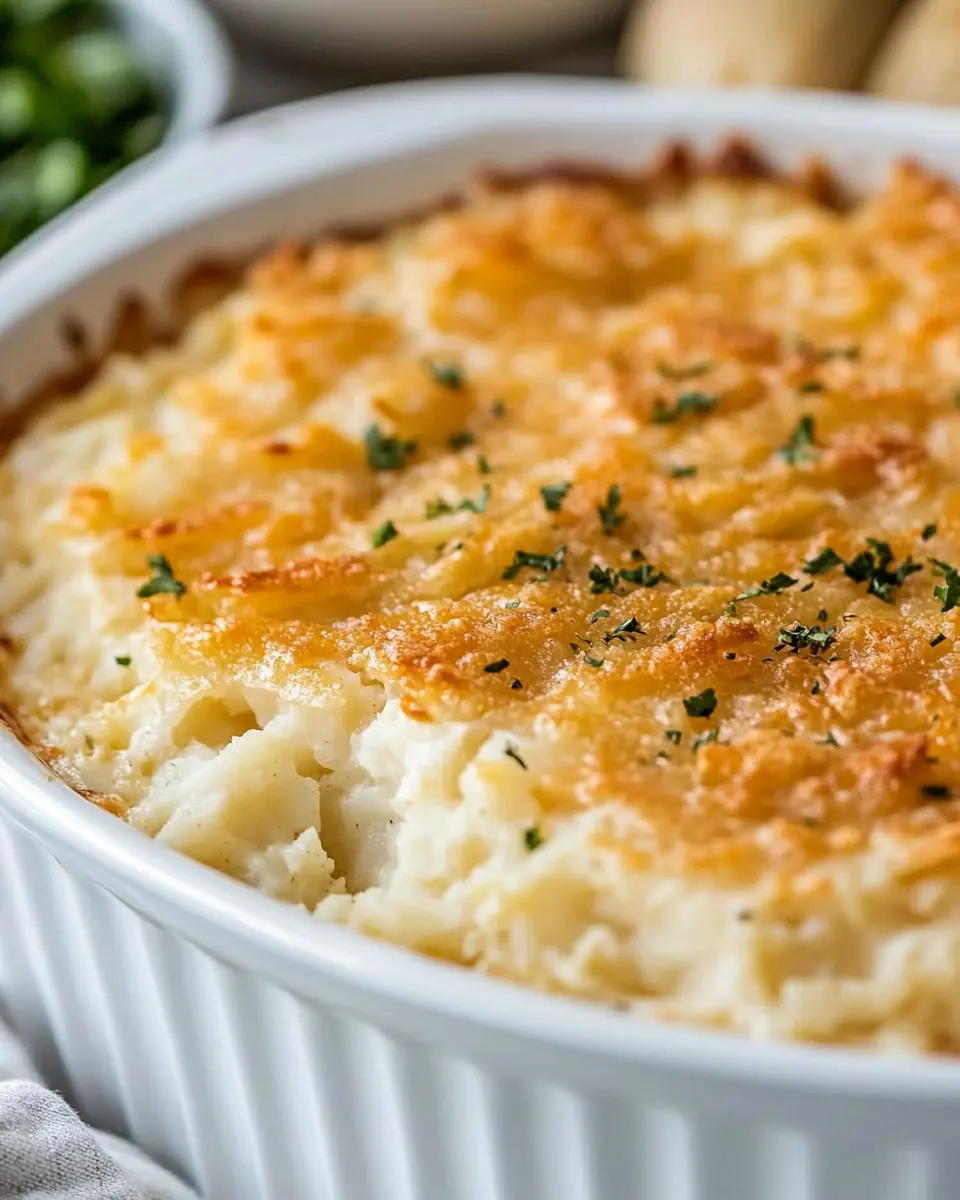
This casserole is a friendly bake that rewards straightforward technique. I like to move through the steps with attention to rhythm, giving each phase enough time so the textures develop. Follow the sequence and keep an eye on visual cues to know when it is perfectly done.
- Preheat oven to 350ºF. Lightly spray a 9 x 13 x 2-inch pan with cooking spray.: There is a comforting scent when an oven warms to 350ºF , a low, even heat that allows the interior to set without drying. You should feel the warmth radiate from the oven as you slide the pan in later, and the spray prevents sticking, which keeps the edges intact for serving. Why this matters, the even oven heat ensures the hash browns steam and the cheeses melt gradually, producing a creamy center. A common mistake is not preheating long enough, which can extend bake time and alter texture. If your oven runs hot, watch for overbrowning and reduce the time slightly.
- In a large bowl, combine the soup, sour cream, garlic powder and pepper. Stir in cheese and hash browns.: As you stir, the mixture will take on a glossy, slightly thick sheen and a faint aroma of garlic and tangy dairy. This step builds the seasoned sauce that coats the hash browns , so it is where the foundational flavor is set. Mixing thoroughly prevents pockets of concentrated seasoning that can taste uneven after baking. One reason this matters is a consistent binder ensures every forkful holds together. A typical error is under-stirring, which leaves lumps of soup or dollops of sour cream , so scrape the bowl sides and stir until uniform in color.
- Spread potato mixture into prepared pan.: When you fold in the shredded and grated cheeses, you will notice the mixture grow visually richer, flecked with orange and off white. The shredded cheddar cheese and Parmesan cheese begin to meld with the binder, and the frozen hash browns will look coated rather than dry. This coating is crucial, as it prevents dryness and helps the potatoes absorb flavor during baking. The sound here is subtle, the soft scrape of spoon on bowl, but the visual cue is key, you want every shred covered. A common pitfall is adding the cheeses unevenly, so work in portions and fold gently to distribute them without overworking the potatoes.
- Bake uncovered for 55 to 60 minutes.: As you transfer the mix, the surface should feel dense but spreadable, and smoothing the top encourages even browning. Use an offset spatula or the back of a spoon to create a uniform thickness so the center cooks at the same rate as the edges. Why this step matters, an even layer avoids dry edges or an undercooked center, yielding a consistent texture from corner to corner. Watch out for overpacking the pan which can make the center dense; instead, press lightly and level the surface.
- Bake uncovered for 55 to 60 minutes: During the long bake the casserole will transform, releasing a toasty, savory aroma as the cheeses melt and the surface slowly takes on golden notes. You will see bubbling at the edges and a slight pull when you jiggle the pan, signals that the interior has set. The texture should be creamy yet cohesive, not runny; the edges will be attractively browned and slightly crisp. This timeframe at 350ºF allows moisture to reduce just enough for structure while keeping the center luscious. A frequent error is removing it too soon, when the center still looks too loose, so rely on those bubbling and jiggle cues. If the top is browning too quickly, tent with foil lightly to prevent overbrowning while the middle finishes baking.
Make It Your Own
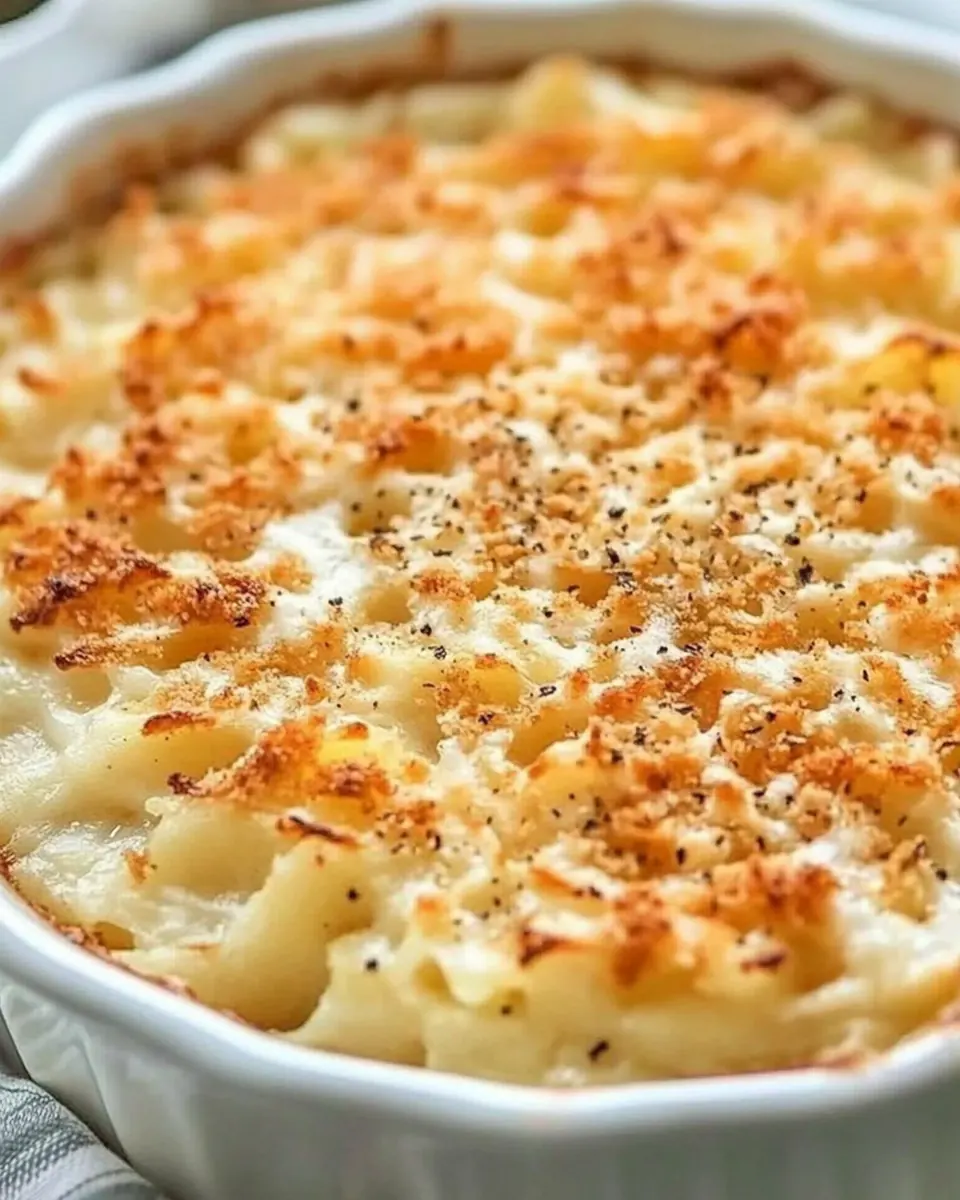
I like to think of this section as permission to tweak for taste and convenience. Small changes can nudge the casserole toward nuttier, tangier, or creamier depending on what you prefer. Below are expanded tips that reflect what I use and recommend.
- Freeze Ahead Convenience: You can assemble the casserole and freeze it before baking, wrapped tightly, for an easy meal later. When ready to bake, thaw in the refrigerator overnight and add a few extra minutes to the bake time as needed. This saves hands on a busy day, and I often make two pans so one goes in the freezer.
- Chilled Assembly: If you make the dish and refrigerate before baking, remember it will take slightly longer in the oven because chilled ingredients lower the starting temperature. I find adding five to ten minutes usually does the trick, and it still develops a beautiful top crust.
- Even Cheese Distribution: Mix cheeses in stages to ensure they are evenly dispersed. I grate some by hand and fold half in, then sprinkle the rest on top for a more pronounced golden finish. This approach balances melty interior texture with a flavorful top.
- Watch Oven Hot Spots: If your oven browns unevenly, rotate the pan halfway through baking for an even finish. I learned this the hard way when one side browned while the other remained pale, so a simple quarter turn or rotation fixes that.
- Serve After Resting: Let the pan sit for at least ten minutes before slicing, it helps the casserole hold shape and improves forkful presentation. I always slice at the table, because the steam settles and the flavors integrate beautifully during that short rest.
What Goes Well With This Cheesy Potato Casserole
This casserole pairs well with a variety of simple sides and occasions, making it versatile across seasons and gatherings. I keep suggestions practical so you can pick complementary flavors and textures. Consider serving styles and storage notes to make the meal flow smoothly for your event.
- Light green salad for balance: A crisp salad with a tangy vinaigrette cuts through the richness and refreshes the palate between bites.
- Steamed vegetables for color: Simple steamed or roasted vegetables add color and fiber, making the plate feel complete without competing with the casserole.
- Weeknight dinner option: Serve with a rotisserie chicken or a simple protein for a family friendly, easy weeknight dinner where the casserole can pull the meal together.
- Potluck and holidays: This dish scales well for potlucks and holiday spreads, where it functions as a reliable side that most guests enjoy.
- Storage and reheating: Refrigerate leftovers in an airtight container up to three days, reheat covered in a 325 degree oven until warmed through to preserve moisture.
- Seasonal pairings: In colder months it feels like a hearty mainstay, while in transitional seasons pairing with lighter sides keeps the plate balanced.
FAQ
Conclusion
This Cheesy Potato Casserole stands out because it transforms pantry staples into a reliably creamy, cheesy, and comforting dish that everyone can enjoy. Give it a try the next time you need a crowd pleasing side or an easy family dinner, you will appreciate how little effort yields big rewards. I hope the tips and steps here make the process feel straightforward, and that the next time you bake it your kitchen fills with the same irresistible aroma that made it a favorite in my home.
Cheesy Potato Casserole
Ingredients
Equipment
Method
- Preheat oven to 350ºF. Lightly spray a 9 x 13 x 2-inch pan with cooking spray.: There is a comforting scent when an oven warms to 350ºF , a low, even heat that allows the interior to set without drying. You should feel the warmth radiate from the oven as you slide the pan in later, and the spray prevents sticking, which keeps the edges intact for serving. Why this matters, the even oven heat ensures the hash browns steam and the cheeses melt gradually, producing a creamy center. A common mistake is not preheating long enough, which can extend bake time and alter texture. If your oven runs hot, watch for overbrowning and reduce the time slightly.
- In a large bowl, combine the soup, sour cream, garlic powder and pepper. Stir in cheese and hash browns.: As you stir, the mixture will take on a glossy, slightly thick sheen and a faint aroma of garlic and tangy dairy. This step builds the seasoned sauce that coats the hash browns , so it is where the foundational flavor is set. Mixing thoroughly prevents pockets of concentrated seasoning that can taste uneven after baking. One reason this matters is a consistent binder ensures every forkful holds together. A typical error is under-stirring, which leaves lumps of soup or dollops of sour cream , so scrape the bowl sides and stir until uniform in color.
- Spread potato mixture into prepared pan.: When you fold in the shredded and grated cheeses, you will notice the mixture grow visually richer, flecked with orange and off white. The shredded cheddar cheese and Parmesan cheese begin to meld with the binder, and the frozen hash browns will look coated rather than dry. This coating is crucial, as it prevents dryness and helps the potatoes absorb flavor during baking. The sound here is subtle, the soft scrape of spoon on bowl, but the visual cue is key, you want every shred covered. A common pitfall is adding the cheeses unevenly, so work in portions and fold gently to distribute them without overworking the potatoes.
- Bake uncovered for 55 to 60 minutes.: As you transfer the mix, the surface should feel dense but spreadable, and smoothing the top encourages even browning. Use an offset spatula or the back of a spoon to create a uniform thickness so the center cooks at the same rate as the edges. Why this step matters, an even layer avoids dry edges or an undercooked center, yielding a consistent texture from corner to corner. Watch out for overpacking the pan which can make the center dense; instead, press lightly and level the surface.
- Bake uncovered for 55 to 60 minutes: During the long bake the casserole will transform, releasing a toasty, savory aroma as the cheeses melt and the surface slowly takes on golden notes. You will see bubbling at the edges and a slight pull when you jiggle the pan, signals that the interior has set. The texture should be creamy yet cohesive, not runny; the edges will be attractively browned and slightly crisp. This timeframe at 350ºF allows moisture to reduce just enough for structure while keeping the center luscious. A frequent error is removing it too soon, when the center still looks too loose, so rely on those bubbling and jiggle cues. If the top is browning too quickly, tent with foil lightly to prevent overbrowning while the middle finishes baking.
Notes
- Freeze Ahead Convenience: You can assemble the casserole and freeze it before baking, wrapped tightly, for an easy meal later. When ready to bake, thaw in the refrigerator overnight and add a few extra minutes to the bake time as needed. This saves hands on a busy day, and I often make two pans so one goes in the freezer.
- Chilled Assembly: If you make the dish and refrigerate before baking, remember it will take slightly longer in the oven because chilled ingredients lower the starting temperature. I find adding five to ten minutes usually does the trick, and it still develops a beautiful top crust.
- Even Cheese Distribution: Mix cheeses in stages to ensure they are evenly dispersed. I grate some by hand and fold half in, then sprinkle the rest on top for a more pronounced golden finish. This approach balances melty interior texture with a flavorful top.
- Watch Oven Hot Spots: If your oven browns unevenly, rotate the pan halfway through baking for an even finish. I learned this the hard way when one side browned while the other remained pale, so a simple quarter turn or rotation fixes that.
- Serve After Resting: Let the pan sit for at least ten minutes before slicing, it helps the casserole hold shape and improves forkful presentation. I always slice at the table, because the steam settles and the flavors integrate beautifully during that short rest.