Creamy Chicken Divan
Creamy Chicken Divan is one of those dishes I turn to when I want comfort food that still feels a little fancy, the kind that fills the kitchen with warm, savory smells and invites everyone to sit down together.
I first made Creamy Chicken Divan on a snowy afternoon when I had leftover roasted chicken and a bag of broccoli in the fridge. I remember the way the house changed as the sauce bubbled on the stove, a cozy mix of toasted butter and melted cheese. That first try was a learning moment, as I adjusted seasonings and textures until the filling felt silky, the topping crisp, and every bite balanced.
Over the years I tweaked the recipe to match what I most love: a sauce that clings to the chicken and broccoli, a hint of mustard for brightness, and a crunchy cornflake crust that contrasts the creamy interior. Each time I make Creamy Chicken Divan I recall family dinners and quiet weeknights alike, because it is equally at home on a holiday table or a simple Tuesday.
What I enjoy most is how forgiving this dish is. You can assemble much of it ahead, and the flavors deepen if the sauce rests a little before baking. I usually make a double batch when I know company is coming, because it reheats beautifully, and leftovers disappear fast. Making Creamy Chicken Divan always feels like giving the people at my table something warm and reassuring.
Recipe Snapshot
60 mins
30 mins
30 mins
Hard
450 kcal
American
Gluten-Free, Low FODMAP
Dinner
Large skillet, 9 x 13 baking dish, Measuring cup, Mixing bowl
Why This Creamy Chicken Divan Stands Out
Comfort that feeds a crowd
I love Creamy Chicken Divan because it serves a lot of people without a lot of fuss. The creamy sauce and tender chicken make it feel indulgent, yet it is straightforward to assemble. When friends stop by unexpectedly, this dish comes together quickly and looks like you spent hours.
Layered texture
One of my favorite things about this recipe is the contrast between the rich, velvety sauce and the crunchy cornflake topping. The crunch gives each bite structure, and the golden crust forms while the interior stays luscious. I pay attention to the topping timing, because that crispness elevates the whole dish.
Flavor balance
We get savory depth from the chicken and broth, a creamy silk from the cheeses and sour cream, and a subtle lift from mustard powder and parsley. That interplay keeps the casserole from tasting flat, and I often taste as I go to nudge seasoning toward the right spot.
Flexible and forgiving
This recipe adapts to what you have on hand, yet it keeps its identity. Steam the broccoli until just tender, don’t overcook the chicken, and the sauce will hold everything together. I like that you can prep parts ahead and finish before serving, which makes entertaining less stressful.
Family friendly and nostalgic
There is a nostalgic quality to Creamy Chicken Divan that brings people to the table. The cheesy, creamy base reminds many of classic casseroles, but the layers of seasoning and fresh herbs keep it from feeling dated. I often see plates cleared and second helpings requested, and that is the ultimate compliment in my kitchen.
Shopping List for Creamy Chicken Divan
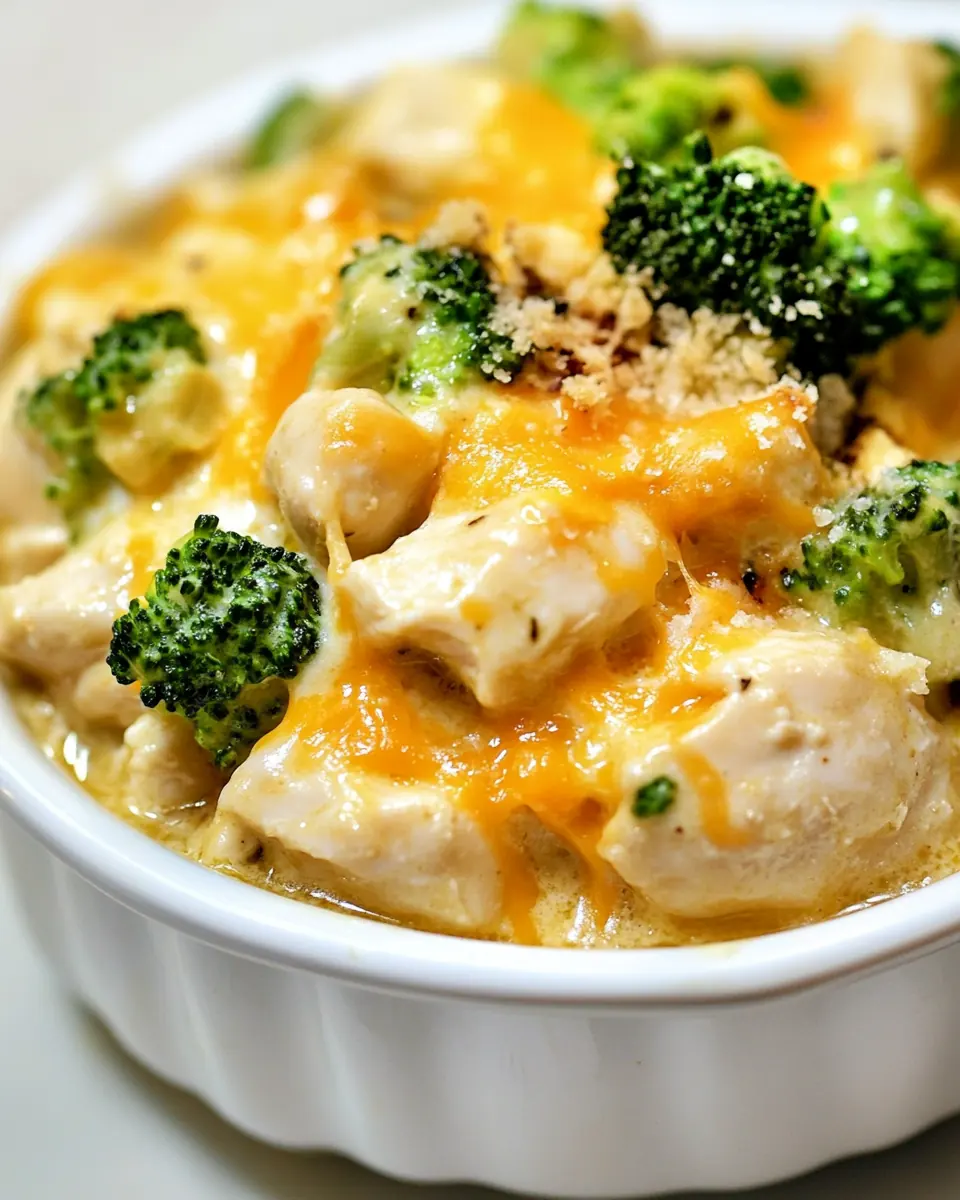
This selection of ingredients is built to create a silky, savory main dish that relies on a few key players. The chicken provides protein and savory body, broccoli adds color and vegetal bite, and the trio of cheeses plus sour cream and cream cheese form the luscious sauce. The cornflake and butter topping gives a textural counterpoint that keeps each serving satisfying.
- 2 tablespoon butter unsalted: Melted to coat the pan and provide a rich, buttery base for sautéing; adds subtle creaminess without additional salt. Helps prevent sticking and contributes to a silky mouthfeel in the finished sauce when combined with other fats.
- 1 1/2 lb chicken breast chopped into bite-size pieces: Chopped and cooked to supply the dish's primary protein and hearty texture; offers mild flavor that soaks up seasonings and sauce. Ensures each bite contains substantial, tender pieces that pair well with vegetables and creamy elements.
- 1/4 teaspoons salt or to taste: Seasoned to enhance overall flavor balance and bring out natural savory notes in the chicken and sauce. Used sparingly to avoid overwhelming other spices while ensuring proper seasoning throughout the dish.
- 1/4 teaspoon black pepper or to taste: Ground to add depth and a mild heat that complements other savory spices; used to sharpen the flavor profile without dominating. Helps create a balanced seasoning when mixed into both the chicken and the sauce.
- 1/4 teaspoon paprika: Sprinkled for a warm, slightly smoky background note that deepens color and aroma; pairs well with poultry and creamy components. Used in small amount to subtly elevate the overall flavor without overpowering.
- 1/4 teaspoon garlic powder: Used to impart concentrated garlic flavor in powdered form for even distribution in dry rubs and sauce; supports fresher garlic cloves if present. Blends easily into flour or sauce mixtures to ensure consistent flavor.
- 1/4 teaspoon onion powder: Added to supply a rounded savory note and gentle sweetness reminiscent of fresh onion; helps build complexity in the sauce and seasoning blend. Dissolves readily into liquid components for uniform taste.
- 16 oz . bag broccoli florets: Steamed or blanched to provide a nutritious, slightly crisp vegetable component that contrasts the creamy sauce and tender chicken. Offers bright color, fiber, and subtle earthy flavor while absorbing some sauce for cohesion.
- 1/2 cup chicken broth: Poured to deglaze the pan and loosen browned bits while adding a savory liquid foundation for the sauce; contributes concentrated chicken flavor. Can be adjusted to control sauce thickness and deepen overall taste.
- 2 tablespoon olive oil: Used for sautéing and browning the chicken or aromatics; brings a light fruity note and helps create a seared exterior on proteins. Complements butter and other fats while withstanding higher heat during cooking.
- 2 tablespoons olive oil: Employed as an additional cooking fat when more oil is needed for vegetables or to prevent sticking; provides stability at medium-high heat. Allows even cooking of onions and garlic without burning, and helps blend flavors.
- 1 small onion finely diced: Diced to create aromatic sweetness and savory depth when softened; releases sugars that enrich the sauce's base and complement the chicken. Provides texture and flavor contrast, becoming translucent and fragrant when sautéed.
- 4 cloves garlic minced: Minced to infuse a bright, pungent garlic character throughout the dish; releases aromatic oils that heighten savory complexity. Balances creaminess and adds freshness when cooked briefly to mellow harshness.
- 1/3 cup all-purpose flour: Used to thicken and create a roux-like base for the sauce; binds with melted fats to produce a smooth, velvety consistency. Incorporates into warmed butter or oil then gradually combined with liquids to prevent lumps.
- 2 tablespoons cornstarch: Added as a thickening agent to boost the sauce's body and improve stability, especially when cooling or holding; helps achieve a clingy texture. Dissolves into cold liquids or slurry before adding to hot mixtures to avoid clumping.
- 2 cups of milk: Stirred in to provide a creamy dairy foundation and help create a smooth, rich sauce; dilutes starches and allows seasonings to meld. Can be adjusted for thickness and contributes mild sweetness and mouthfeel.
- 2 cups chicken broth low sodium: Included to intensify savory, meaty flavor while increasing the liquid content for the sauce; complements the chicken and balances dairy richness. Using low sodium helps control overall salt level for better seasoning control.
- 1 teaspoon mustard powder: Sprinkled to introduce a gentle sharpness and subtle heat reminiscent of prepared mustard; brightens the sauce and ties flavors together. Works well in creamy preparations to cut richness without adding moisture.
- 1 teaspoon dried parsley: Mixed in to add herbal, slightly earthy notes and a hint of color; supports fresh herbs and rounds out flavor. Offers mild, familiar herbiness that enhances poultry and creamy sauces without dominating.
- 1/2 teaspoon ground cumin: Measured to contribute warm, slightly citrusy earthiness that complements other spices; adds unexpected depth to the seasoning profile. Used sparingly to avoid overwhelming more delicate flavors in the dish.
- 1/2 teaspoon paprika: Applied for color and additional warm, smoky notes that echo earlier paprika usage; enhances visual appeal and layered flavor complexity. Small quantity prevents pepperiness while reinforcing the seasoning theme.
- 1/4 teaspoon pepper: Sprinkled to lightly season and balance flavors with gentle heat and aroma; used alongside other spices to refine the savory profile. Helps ensure consistent peppery presence without clumping when mixed into liquids.
- 4 ounces cream cheese cubed and at room temperature: Softened and stirred in to impart creamy tang and richness while helping to emulsify the sauce; brings a silky texture and slight tang that enhances overall flavor. Cubed for even melting and to prevent lumps during incorporation.
- 1 cup sharp cheddar cheese freshly grated: Shredded and stirred into the sauce for sharp, tangy cheesiness and meltability; contributes savory depth and a melty, gooey texture. Freshly grated to ensure smooth melting and optimal flavor distribution.
- 1/2 cup Parmesan cheese freshly grated: Grated and incorporated to add salty, nutty umami and a granular texture that enhances overall savoriness; helps thicken and flavor the sauce subtly. Sprinkled or mixed in for balanced cheesiness and complexity.
- 1/2 cups sour cream: Folded in to bring tangy richness and creamy body; rounds out the sauce with a slightly acidic, smooth finish. Adds moisture and contributes to overall mouthfeel while balancing heavier cheeses.
- 1 cup cheddar cheese grated: Shredded and layered for additional creamy, sharp cheddar flavor and melt; enhances cheesiness and textural richness when combined with other cheeses. Ensures consistent cheesy character throughout the casserole.
- 1/4 cup melted butter unsalted: Melted to moisten the crumb topping and bind crushed cereals for a crisp, buttery finish; enhances browning and flavor in the casserole crust. Poured over crumbs so they toast evenly and create a crunchy contrast to the creamy interior.
- 2 cup corn flakes crushed: Crushed and used as a crunchy topping that provides crisp texture and a toasty, slightly sweet corn flavor; contrasts with creamy filling. Mixed with melted butter and herbs to form a golden, appealing crust when baked.
- Chopped parsley: Chopped and sprinkled as a fresh, bright garnish that adds herbal color and a mild, grassy flavor; lifts the richness of the dish when served. Used sparingly for visual appeal and a hint of freshness on each portion.
The Method for Creamy Chicken Divan
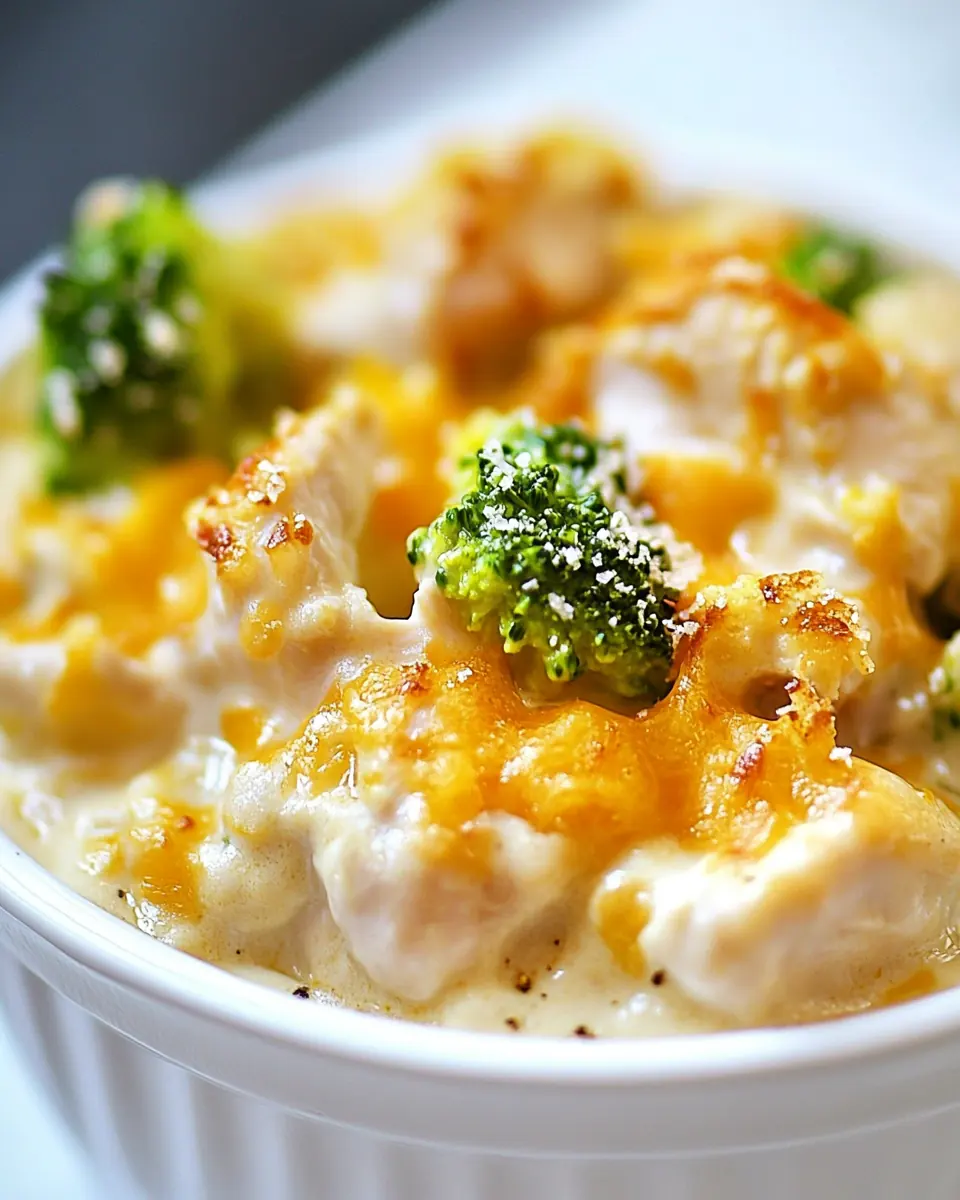
I like to approach the method by building flavor in stages, so each component gets attention. The following detailed steps will guide you through searing the chicken, steaming the broccoli, crafting a glossy sauce, and finishing with a crunchy topping.
- Preheat oven to 350 degrees F.: The scent of a warm oven is reassuring, and preheating ensures even baking from the moment the casserole goes in. You should feel the heat stabilize before placing the dish inside, that steady oven warmth helps the sauce thicken uniformly and the cornflake topping to brown without burning. A common mistake is not preheating, which can extend bake time and change the topping texture. If your oven runs hot, reduce temperature by a few degrees and use a thermometer to confirm accuracy.
- Lightly spray a 9 x 13 pan with nonstick cooking spray.: Preparing the pan prevents sticking and makes serving easier, so the edges release cleanly when scooping. The light coating should shimmer but not pool, which helps the bottom brown slightly without binding. A frequent error is overusing spray which can pool and alter browning, so use sparingly. If you prefer, line the dish with foil for easier cleanup, removing it after baking for extra crisping.
- Add chicken to a medium bowl and season with salt, pepper, garlic powder, onion powder, and paprika. Toss to combine and set aside.: Seasoning the chicken early lets the spices adhere and penetrate, creating a flavorful crust when seared. When you toss, make sure each piece is evenly coated so the heat draws out savory juices consistently. Under seasoning is the usual slip up, so taste the sauce later and adjust salt as needed, remembering the cheeses add saltiness as well.
- Add 2 tablespoons olive oil to a large skillet and heat over medium-high heat until hot. Add the broccoli and sauté for about 30 seconds. Add 1/2 cup chicken broth, cover pan, and lower heat to medium-low. Steam broccoli until tender but not limp, about 2 minutes. Transfer broccoli to the prepared baking pan and distribute evenly.: The quick sauté locks in fresh vegetal notes, then the brief steam with chicken broth softens the broccoli while preserving color. You want stems tender but still offering slight resistance, bright green rather than mushy. Overcooking is common here, which yields limp florets that disappear into the sauce; keep watch and use a fork to test doneness.
- To the same skillet, add 2 tablespoons of butter and melt over medium heat. Add chicken in one layer and sear for one minute without moving chicken then continue to cook and stir chicken until cooked through and golden. Add cooked chicken to the prepared pan on top of the broccoli, distribute evenly.: Searing in a single layer develops Maillard complexity, a nutty, caramelized aroma that deepens the dish. You should hear a gentle sizzle when the chicken hits the skillet and see edges turning golden; that aroma transforms the final casserole. A misstep is overcrowding the pan, which causes steaming instead of searing; do it in batches if necessary.
- In a measuring cup mix milk, flour and cornstarch until combined.: This slurry ensures a lump free base when added to the hot pan, creating a silky sauce without gritty bits. Vigorously whisk until smooth so the starches disperse evenly. If you add flour directly to the pan you risk clumps, so pre mixing is the safer route. If lumps form later, strain the sauce or whisk energetically over low heat to smooth it out.
- To the same skillet, over medium heat add 2 tablespoons of olive oil. Once hot, add diced onion, stir and cook for 1 minute and add garlic. Stir and cook for another 30 seconds.: Sweating the onion and garlic in olive oil builds the aromatic base for the sauce, releasing sweet, savory aromas that layer under the cheeses. You should see the onion turn translucent and smell the garlic bloom, but do not brown the garlic or it will turn bitter. The most common error is rushing this step, which yields underdeveloped flavor, so be patient until the aromatics soften.
- Add the chicken broth, stir to combine. Add the milk mixture and stir to combine.: Introducing the chicken broth first deglazes the pan, lifting browned bits of flavor, and then the milk slurry brings body. As the liquids combine you will notice the sauce begin to thicken; keep stirring to prevent sticking and to incorporate any browned fond. A typical mistake is turning the heat too high, which can cause rapid thickening and lumps, so maintain a steady medium heat.
- Add the mustard powder, dried parsley, ground cumin, paprika, and black pepper. Stir to combine. Bring the mixture to a light boil and reduce heat to low. Simmer for about 5-6 minutes, until it thickens.: Spices bloom in the hot liquid, releasing fragrant complexity that complements the cheeses. The sauce should show ribbons when stirred, and steam will scent the kitchen with warm, savory notes. Over simmering can thin the sauce or concentrate salt, so watch the texture and remove from heat when it holds a gentle coating on your spoon.
- Remove from heat and stir in cubed cream cheese and 1 cup cheddar cheese, until melted, next 1/2 Parmesan cheese until melted.: Off heat incorporation of the cheeses yields a glossy, smooth finish without graininess. The cream cheese melts into a silky matrix while the melted cheddar cheese pulls flavor and stringy texture, and Parmesan cheese contributes umami. If you try to melt hard cheeses at too high a temperature they can separate, so gentle residual heat is ideal. A common pitfall is adding cold cheese straight from the fridge, which slows melting and can cause clumping.
- Stir in sour cream until blended. Pour sauce over chicken and broccoli and spread into an even layer.: Sour cream rounds the sauce with a tang that brightens the richness, and folding it last preserves a smooth, velvety texture. As you pour, listen for the soft thud of the sauce settling over the chicken and broccoli , and use a spatula to ensure the filling is evenly distributed for uniform baking. A common mistake is overheating after adding sour cream, which can cause splitting; keep it warm, not boiling.
- Top with 1 cup cheddar cheese.: This extra layer of grated cheddar cheese melts into a gooey blanket that browns and melds with the crunchy topping. Look for an even coating so that the cheese melts uniformly, forming a cohesive layer between the sauce and crumbs. Adding too much cheese can make the topping heavy; stick to the measured amount for balance.
- In a small bowl, combine 1/4 cup melted butter with crushed corn flakes. Sprinkle over the top of the casserole.: The butter binds the crushed corn flakes, enabling them to brown and crisp instead of drying out. When sprinkled evenly, they form a golden crust that crackles against the creamy interior. If the flakes are clumped, break them apart with your fingers for an even shower; uneven distribution is the usual issue and leads to patchy browning.
- Cover dish with foil and bake for about 30 minutes.: Covering traps steam so the interior heats through without overbrowning the topping, allowing the sauce to meld with the chicken and broccoli . You should smell the melded aromas rising from the oven and see edges bubbling around the foil. Removing the foil too early can dry out the filling, while leaving it too long can prevent topping crisping, so time this carefully.
- Remove foil and bake an additional 5-10 minutes until topping is golden and crunchy.: This final uncovered bake is when the cornflake crust toasts to a satisfying golden brown and the cheese on top bubbles and takes on color. Keep an eye to avoid burning, and look for an even golden tone and audible crackle when tapped. A common mistake is not checking during these last minutes; ovens vary, so adjust as needed.
- Serve over mashed potatoes or rice.: Serving the casserole over a bed of mashed potatoes or rice provides a starchy cushion that soaks up the creamy sauce, creating comforting, complete plates. Notice how the sauce clings to the grains, making each forkful cohesive and delicious. Avoid soggy sides by ensuring the base is well drained or slightly drier than usual, so the final bite stays balanced.
Tips for Success
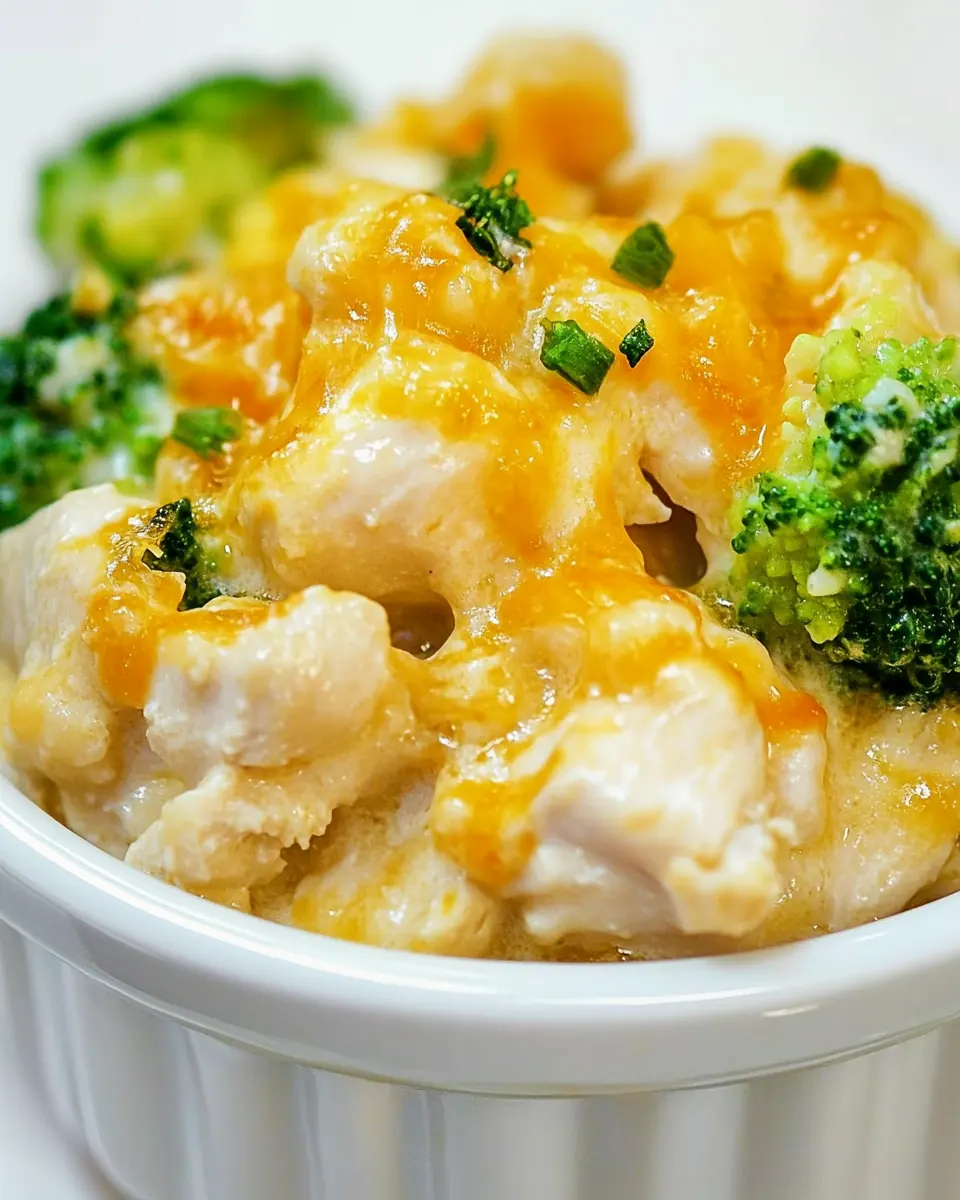
These tips focus on texture, timing, and how to avoid common pitfalls so your Creamy Chicken Divan turns out reliably great. Follow them for best results, whether you are cooking for family or guests.
- Prep ingredients ahead: Chop the chicken and broccoli and grate the cheeses the day before to speed assembly and reduce stress at bake time.
- Mind your seasonings: Because canned or store broths vary in salt, start with less salt and adjust after the sauce comes together to avoid an overly salty casserole.
- Evenly sized pieces: Cut the chicken into uniform pieces so they cook at the same rate, preventing dry edges and undercooked centers.
- Watch the topping: Combine corn flakes with melted butter thoroughly and distribute evenly so you get consistent browning and crunch across the casserole.
- Use low sodium broth: Low sodium chicken broth gives you control over salt, especially since cheeses contribute significant sodium during baking.
- Rest before serving: Let the casserole sit for 10 minutes after baking so the sauce sets slightly, which makes serving cleaner and slices hold their shape.
Accompaniments for Creamy Chicken Divan
This dish pairs well with simple, comforting sides and works for many occasions, from casual dinners to holiday gatherings. Below are serving ideas and storage tips to keep your meal fresh and delicious.
- Mashed potatoes: Creamy mashed potatoes provide a soft, neutral base that soaks up the sauce and creates hearty, comforting plates for dinner.
- White or brown rice: Rice is an easy, family friendly side that anchors the casserole and makes portions stretch for larger groups.
- Light green salad: A crisp salad with a lemony dressing cuts through the richness, offering a bright, refreshing contrast on the plate.
- Steamed green beans: Keep the vegetable theme going with lightly seasoned green beans for added color and crunch next to the casserole.
- Holiday dinner: For special occasions like winter gatherings, serve the casserole alongside roasted vegetables and crusty bread for a complete feast.
- Leftover storage: Cool completely, then refrigerate in an airtight container for up to three days. Reheat covered in a low oven to preserve topping texture.
- Make ahead: Assemble the casserole up to the stage before adding the cornflake topping, store covered, then add topping and bake when ready to serve.
- Portioning: For buffet style serving, place the dish in a warm oven on low to keep it at serving temperature without drying the topping.
- Seasonal pairing: This feels especially comforting in winter when hearty, warming dishes are welcome, pairing well with root vegetable sides and warm drinks.
- Serving style: Serve family style from the baking dish for casual dinners, or spoon onto warmed plates for a more formal presentation.
FAQ
Conclusion
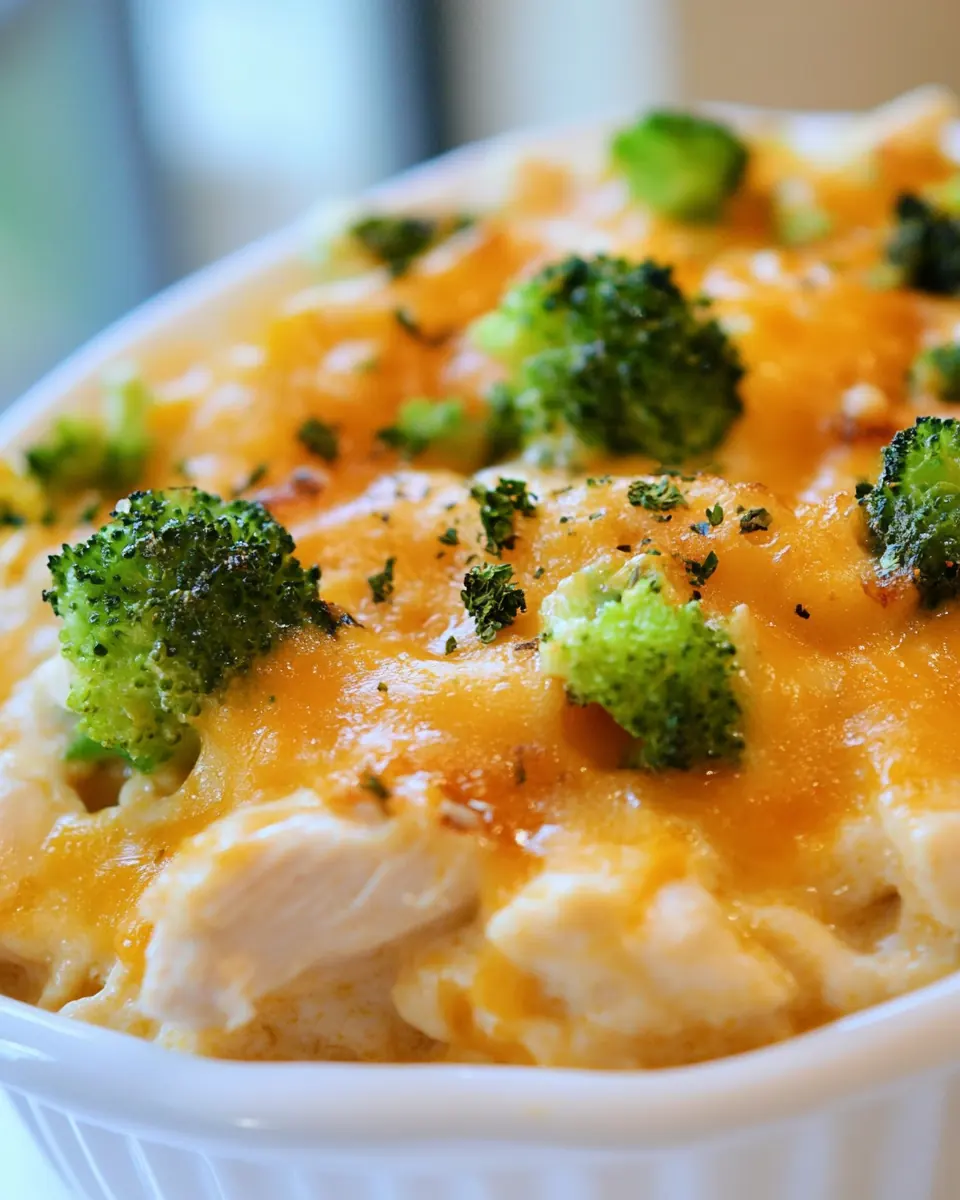
Creamy Chicken Divan stands out for its comforting combination of tender chicken, bright broccoli, and a luxuriously creamy cheese sauce topped with a crunchy cornflake crust. It is a dependable, crowd pleasing dish that suits both weeknight dinners and special gatherings. Give it a try the next time you want a warm, satisfying meal that feels like a hug on a plate, and enjoy how easily it brings people together.
Creamy Chicken Divan
Ingredients
Equipment
Method
- Preheat oven to 350 degrees F.: The scent of a warm oven is reassuring, and preheating ensures even baking from the moment the casserole goes in. You should feel the heat stabilize before placing the dish inside, that steady oven warmth helps the sauce thicken uniformly and the cornflake topping to brown without burning. A common mistake is not preheating, which can extend bake time and change the topping texture. If your oven runs hot, reduce temperature by a few degrees and use a thermometer to confirm accuracy.
- Lightly spray a 9 x 13 pan with nonstick cooking spray.: Preparing the pan prevents sticking and makes serving easier, so the edges release cleanly when scooping. The light coating should shimmer but not pool, which helps the bottom brown slightly without binding. A frequent error is overusing spray which can pool and alter browning, so use sparingly. If you prefer, line the dish with foil for easier cleanup, removing it after baking for extra crisping.
- Add chicken to a medium bowl and season with salt, pepper, garlic powder, onion powder, and paprika. Toss to combine and set aside.: Seasoning the chicken early lets the spices adhere and penetrate, creating a flavorful crust when seared. When you toss, make sure each piece is evenly coated so the heat draws out savory juices consistently. Under seasoning is the usual slip up, so taste the sauce later and adjust salt as needed, remembering the cheeses add saltiness as well.
- Add 2 tablespoons olive oil to a large skillet and heat over medium-high heat until hot. Add the broccoli and sauté for about 30 seconds. Add 1/2 cup chicken broth, cover pan, and lower heat to medium-low. Steam broccoli until tender but not limp, about 2 minutes. Transfer broccoli to the prepared baking pan and distribute evenly.: The quick sauté locks in fresh vegetal notes, then the brief steam with chicken broth softens the broccoli while preserving color. You want stems tender but still offering slight resistance, bright green rather than mushy. Overcooking is common here, which yields limp florets that disappear into the sauce; keep watch and use a fork to test doneness.
- To the same skillet, add 2 tablespoons of butter and melt over medium heat. Add chicken in one layer and sear for one minute without moving chicken then continue to cook and stir chicken until cooked through and golden. Add cooked chicken to the prepared pan on top of the broccoli, distribute evenly.: Searing in a single layer develops Maillard complexity, a nutty, caramelized aroma that deepens the dish. You should hear a gentle sizzle when the chicken hits the skillet and see edges turning golden; that aroma transforms the final casserole. A misstep is overcrowding the pan, which causes steaming instead of searing; do it in batches if necessary.
- In a measuring cup mix milk, flour and cornstarch until combined.: This slurry ensures a lump free base when added to the hot pan, creating a silky sauce without gritty bits. Vigorously whisk until smooth so the starches disperse evenly. If you add flour directly to the pan you risk clumps, so pre mixing is the safer route. If lumps form later, strain the sauce or whisk energetically over low heat to smooth it out.
- To the same skillet, over medium heat add 2 tablespoons of olive oil. Once hot, add diced onion, stir and cook for 1 minute and add garlic. Stir and cook for another 30 seconds.: Sweating the onion and garlic in olive oil builds the aromatic base for the sauce, releasing sweet, savory aromas that layer under the cheeses. You should see the onion turn translucent and smell the garlic bloom, but do not brown the garlic or it will turn bitter. The most common error is rushing this step, which yields underdeveloped flavor, so be patient until the aromatics soften.
- Add the chicken broth, stir to combine. Add the milk mixture and stir to combine.: Introducing the chicken broth first deglazes the pan, lifting browned bits of flavor, and then the milk slurry brings body. As the liquids combine you will notice the sauce begin to thicken; keep stirring to prevent sticking and to incorporate any browned fond. A typical mistake is turning the heat too high, which can cause rapid thickening and lumps, so maintain a steady medium heat.
- Add the mustard powder, dried parsley, ground cumin, paprika, and black pepper. Stir to combine. Bring the mixture to a light boil and reduce heat to low. Simmer for about 5-6 minutes, until it thickens.: Spices bloom in the hot liquid, releasing fragrant complexity that complements the cheeses. The sauce should show ribbons when stirred, and steam will scent the kitchen with warm, savory notes. Over simmering can thin the sauce or concentrate salt, so watch the texture and remove from heat when it holds a gentle coating on your spoon.
- Remove from heat and stir in cubed cream cheese and 1 cup cheddar cheese, until melted, next 1/2 Parmesan cheese until melted.: Off heat incorporation of the cheeses yields a glossy, smooth finish without graininess. The cream cheese melts into a silky matrix while the melted cheddar cheese pulls flavor and stringy texture, and Parmesan cheese contributes umami. If you try to melt hard cheeses at too high a temperature they can separate, so gentle residual heat is ideal. A common pitfall is adding cold cheese straight from the fridge, which slows melting and can cause clumping.
- Stir in sour cream until blended. Pour sauce over chicken and broccoli and spread into an even layer.: Sour cream rounds the sauce with a tang that brightens the richness, and folding it last preserves a smooth, velvety texture. As you pour, listen for the soft thud of the sauce settling over the chicken and broccoli , and use a spatula to ensure the filling is evenly distributed for uniform baking. A common mistake is overheating after adding sour cream, which can cause splitting; keep it warm, not boiling.
- Top with 1 cup cheddar cheese.: This extra layer of grated cheddar cheese melts into a gooey blanket that browns and melds with the crunchy topping. Look for an even coating so that the cheese melts uniformly, forming a cohesive layer between the sauce and crumbs. Adding too much cheese can make the topping heavy; stick to the measured amount for balance.
- In a small bowl, combine 1/4 cup melted butter with crushed corn flakes. Sprinkle over the top of the casserole.: The butter binds the crushed corn flakes, enabling them to brown and crisp instead of drying out. When sprinkled evenly, they form a golden crust that crackles against the creamy interior. If the flakes are clumped, break them apart with your fingers for an even shower; uneven distribution is the usual issue and leads to patchy browning.
- Cover dish with foil and bake for about 30 minutes.: Covering traps steam so the interior heats through without overbrowning the topping, allowing the sauce to meld with the chicken and broccoli . You should smell the melded aromas rising from the oven and see edges bubbling around the foil. Removing the foil too early can dry out the filling, while leaving it too long can prevent topping crisping, so time this carefully.
- Remove foil and bake an additional 5-10 minutes until topping is golden and crunchy.: This final uncovered bake is when the cornflake crust toasts to a satisfying golden brown and the cheese on top bubbles and takes on color. Keep an eye to avoid burning, and look for an even golden tone and audible crackle when tapped. A common mistake is not checking during these last minutes; ovens vary, so adjust as needed.
- Serve over mashed potatoes or rice.: Serving the casserole over a bed of mashed potatoes or rice provides a starchy cushion that soaks up the creamy sauce, creating comforting, complete plates. Notice how the sauce clings to the grains, making each forkful cohesive and delicious. Avoid soggy sides by ensuring the base is well drained or slightly drier than usual, so the final bite stays balanced.
Notes
- Prep ingredients ahead: Chop the chicken and broccoli and grate the cheeses the day before to speed assembly and reduce stress at bake time.
- Mind your seasonings: Because canned or store broths vary in salt, start with less salt and adjust after the sauce comes together to avoid an overly salty casserole.
- Evenly sized pieces: Cut the chicken into uniform pieces so they cook at the same rate, preventing dry edges and undercooked centers.
- Watch the topping: Combine corn flakes with melted butter thoroughly and distribute evenly so you get consistent browning and crunch across the casserole.
- Use low sodium broth: Low sodium chicken broth gives you control over salt, especially since cheeses contribute significant sodium during baking.
- Rest before serving: Let the casserole sit for 10 minutes after baking so the sauce sets slightly, which makes serving cleaner and slices hold their shape.