Goat Cheese Ravioli with Winter Pesto Sauce
Goat Cheese Ravioli with Winter Pesto Sauce is one of those recipes that felt like a small celebration the first time I tasted it, a cozy bowl that combined creamy filling with a bright herb lift. I remember making it on a weekend afternoon when the sky was low and gray, and the scent of roasted garlic filled the kitchen while I fussed over tiny parcels of pasta. The whole experience felt hands on, soothing, and a little bit meditative, as if each sealed edge of the ravioli was a tiny promise of comfort.
That day I learned that simple ingredients, treated thoughtfully, can feel luxurious. The roasted garlic melted into the goat cheese, giving the filling a caramelized sweetness that balanced the herbaceous punch of the winter pesto. I loved the ritual of folding each ravioli, pressing out air pockets, and arranging them on a floured sheet like little pillows. Serving them warm, with a drizzle of pan sauce and a shower of shaved Parmesan cheese, made the meal feel special without any fuss.
Recipe Snapshot
1 hr 20 mins
45 mins
35 mins
Medium
420 kcal
Italian
Keto, Gluten-Free
Dinner
Oven, Skillet, Large pot, Slotted spoon, Floured cookie sheet
Why This Goat Cheese Ravioli with Winter Pesto Sauce Shines
Comfort with Elegance
I adore how Goat Cheese Ravioli with Winter Pesto Sauce manages to be both homey and refined. The creamy goat cheese filling is unpretentious, yet when paired with roasted garlic and fresh herbs it feels elevated. For me, this is the dish I make when I want to impress without stress, because the ingredients do most of the work.
Seasonal Flavor That Feels Intentional
Using winter herbs like rosemary, thyme, and oregano gives the sauce a rustic, warming quality. I love that the recipe leans into what’s available in the colder months, turning humble pantry items into a vibrant sauce that brightens the creamy filling. It’s the sort of recipe that celebrates winter produce rather than hiding it.
Hands On, Rewarding Technique
I enjoy the tactile pleasure of forming ravioli. Pressing the wrappers, sealing edges with beaten egg white, and feeling the little parcels take shape makes the cooking process feel like craft. You get immediate feedback, and the reward is a plate of pasta that looks handmade and tastes like it.
Flexible and Forgiving
This recipe lets you choose wrappers and shapes, so whether you fold them into semicircles or sandwich two wrappers, you’ll end up with delicious results. I often vary the number of wrappers or the way I seal edges based on time and patience, and it never compromises the final flavor.
Perfect For Special Nights or Simple Suppers
I find myself returning to this dish for a quiet dinner or a date night at home. It feels thoughtful enough for company, yet comforting enough for an ordinary evening. Pair it with a crisp salad or keep it solo, the dish holds up either way.
What to Buy for Goat Cheese Ravioli with Winter Pesto Sauce
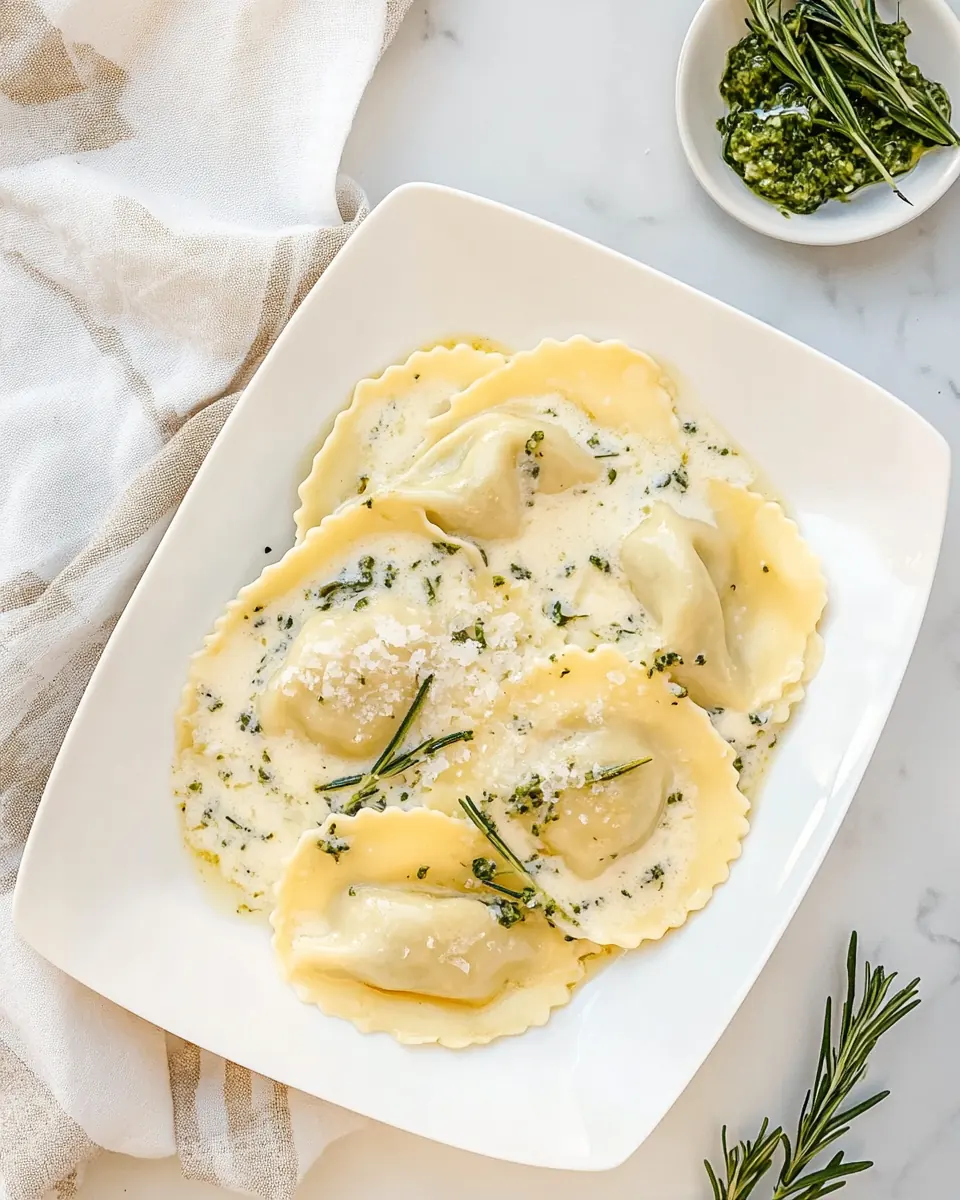
These ingredients form a straightforward but thoughtful pantry. The key players are the creamy goat cheese, aromatic herbs, and wrappers that become tender pillows when boiled. Together they create contrast, texture, and seasonally appropriate flavor, with the roasted garlic tying filling and sauce into a cohesive, savory experience.
- 4 large garlic cloves, unpeeled: Roast the unpeeled cloves to mellow sharpness and add a sweet, caramelized garlic depth to the sauce; allow to cool slightly, then squeeze out the softened flesh for easy incorporation. Use gentle crushing to release oils that enhance the pesto’s aromatic profile without overwhelming the goat cheese’s tang. Roast time and gentle handling preserve natural sugars while reducing harsh raw bite.
- 1 teaspoon olive oil: Lightly dress the roasted garlic with olive oil to facilitate blending and to carry fat-soluble flavors throughout the sauce; drizzle while warming to bloom the herb aromatics. Choose a high-quality extra-virgin olive oil for a fruity, peppery backbone that complements the creamy filling. Controlled use of oil helps achieve a smooth pesto texture and balanced mouthfeel.
- 6 tablespoons crumbled goat cheese: Crumble the goat cheese to provide a tangy, creamy filling that contrasts with herbal pesto brightness and tender wrappers; fold gently to maintain a slightly rustic texture. Use chilled cheese for easier handling when assembling ravioli and adjust quantity for desired creaminess. Goat cheese contributes lactic acidity that brightens the overall dish.
- salt and pepper, to taste: Season to taste with salt and pepper to enhance and balance all flavors without overpowering the delicate goat cheese or herbs; add gradually and taste as you go. Use fine salt for even distribution, and freshly ground pepper for lively spice notes. Proper seasoning ensures the ravioli filling and sauce both sing in harmony.
- 12 to 24 square or round gyoza / potsticker / wonton wrappers (any of those will be fine): Seal and encase the filling using square or round wrappers, choosing size and shape based on desired bite and presentation; keep wrappers covered to prevent drying. Work with one wrapper at a time, pressing edges firmly after brushing with egg white to ensure a secure seal. Wrapper flexibility determines filling quantity and cooking time.
- 1 medium egg white, beaten to blend: Bind and glue the wrapper edges using beaten egg white to create a reliable seal that prevents leakage while boiling or pan-frying; brush sparingly for clean edges. Use room-temperature egg white for easier spreading and better adhesion. Egg white also helps create a glossy finish when cooked.
- 1 tablespoon fresh oregano leaves: Chop or strip fresh oregano leaves to add bright, slightly peppery and citrusy notes to the pesto, enhancing herbal complexity. Muddle with salt before combining to help release essential oils and intensify flavor. Fresh oregano lifts the sauce and complements the earthy thyme and rosemary.
- 1 tablespoon fresh thyme leaves: Strip and chiffonade fresh thyme leaves to contribute an earthy, floral warmth that deepens the pesto’s herbal character; add gradually to balance sharpness. Use tender spring stems and avoid woody parts for a smoother texture. Thyme’s subtle savory notes pair well with garlic and cream.
- 1 whole green onion: Slice the whole green onion thinly to introduce mild, fresh oniony brightness and a crisp textural contrast in the sauce or garnish; both white and green parts can be used. Sauté briefly if a softer, sweeter profile is desired, or add raw for a livelier bite. Green onion provides aromatic lift without overwhelming the other herbs.
- 1 teaspoon fresh rosemary: Mince the fresh rosemary to bring a piney, resinous aroma and savory depth to the pesto; use sparingly to avoid an intrusive flavor. Chop finely or bruise leaves to release oils for even distribution; balance with softer herbs like oregano and thyme. Rosemary’s assertive character anchors the herb blend.
- 1 medium garlic clove: Smash or mince the extra garlic clove to layer fresh, pungent garlic flavor into the pesto for a brighter counterpoint to roasted garlic and goat cheese; add carefully to avoid harshness. Consider briefly cooking the minced clove in oil to mellow its bite before incorporating. Fresh garlic adds vivacity and aromatic sharpness.
- 1 teaspoon olive oil: Warm the olive oil to bloom herbs and garlic, improving flavor extraction and helping emulsify the sauce when combined with cream and broth. Use the oil to sauté aromatics gently, building a flavorful base without burning. Properly warmed oil carries and melds flavors in the winter pesto.
- 1/2 cup canned low-salt chicken broth or canned vegetable broth: Deglaze or add savory body with low-salt chicken or vegetable broth to thin the pesto to sauce consistency while contributing umami and depth. Use low-salt broth to maintain control over seasoning and avoid overpowering the delicate goat cheese. Warm broth aids in creating a silky emulsion with cream and oil.
- 5 tablespoons whipping cream: Enrich and smooth the sauce with whipping cream to provide a luscious, silky texture that harmonizes with tangy goat cheese and herbal pesto elements. Whisk in gently off heat to prevent curdling and to create a cohesive, velvety sauce. Cream also helps bind the sauce to the pasta wrappers for a luxurious mouthfeel.
- freshly shaved Parmesan cheese, for garnish (if desired): Garnish with freshly shaved Parmesan to add nutty, salty complexity and an umami finish that complements the goat cheese and herbs; grate or shave just before serving for maximum aroma. Sprinkle sparingly to enhance each bite without masking the delicate flavors. Parmesan contributes a crisp savory note and attractive presentation.
Cooking Method for Goat Cheese Ravioli with Winter Pesto Sauce
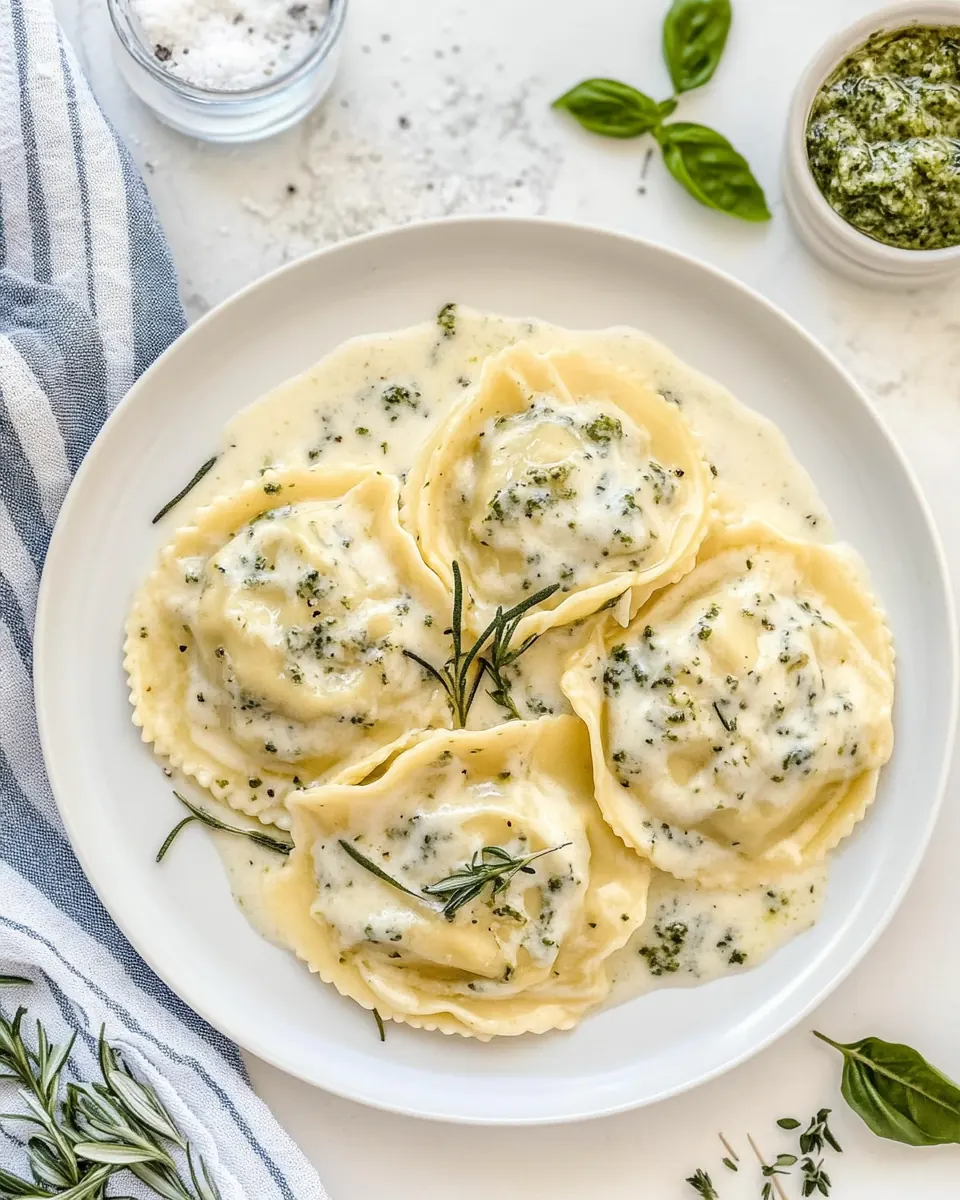
Cooking these ravioli is an intimate process, where small actions shape texture and flavor. Below I expand the original directions into detailed steps, focusing on sensory cues and tips so you can get consistent results at home.
- Preheat the oven to 325°F. Place garlic in small heavy skillet. Drizzle with oil and toss to coat. Roast in oven until garlic is very tender, about 25 minutes. Cool. Peel garlic. Combine with goat cheese in small bowl; mash with fork. Season with salt and pepper.: As the oven warms to 325 F you will notice the aroma of roasting garlic deepen into honeyed sweetness, and the cloves will become soft enough to collapse under gentle pressure. When you cut into a clove, it should be glossy and almost syrupy, signaling readiness. Mashing the roasted cloves into the crumbled goat cheese releases a creamy, savory perfume that transforms texture and flavor, creating a spreadable filling. The reason this roasting is important is it tames raw garlic sharpness and adds caramelized notes that pair with herbs. One common mistake is pulling the garlic too early, leaving it undercooked and harsh; ensure it is very tender and cool slightly before peeling to avoid burning your fingers and to make mashing easier. Taste and season carefully with salt and pepper so the filling is bright but not over salted.
- You can use 12 won ton wrappers if you plan to fold them in half to make the ravioli. Or you can use 24 wrappers if you plan to place two wrappers together and cut with a round pastry cutter. Either way is fine.: When choosing your wrapper approach, pay attention to texture and thickness; folding a single wrapper into a semicircle creates a slightly thicker edge, while pairing two wrappers and cutting with a round cutter produces even, sealed rounds with uniform thickness. Visually, folded wrappers will look more rustic, while cut rounds appear refined. This choice matters because wrapper size influences cooking time and mouthfeel, so decide according to whether you prefer larger pillows or many small bites. A troubleshooting tip is to keep unused wrappers under a damp towel; they dry out quickly and become brittle, which makes sealing difficult. Also avoid overstuffing the wrapper so it does not burst during boiling.
- Place won ton wrappers on work surface. Spoon cheese mixture into center of wrappers. Brush edges of wrappers with egg white with a brush, or use your fingers to rub it on. Fold over to form semicircle or triangle (depending on what shape your wrapper is), or place another wrapper on top. Press edges to seal and gently cup your hand on top to work the air pockets out of the ravioli. Rub on a little more egg white to make sure edges are sealed. If you’re using a pastry cutter, cut out the ravioli and then use egg white to seal the edges.: As you assemble, you will feel the cool, slightly tacky texture of the wrapper and the creamy filling settling into the center. Pressing out air pockets is critical; trapped air will expand during cooking and can split the wrapper. Cup your hand and press gently from center to edges, listening for a subtle change in feel as the pocket flattens and the edges meet. The egg white creates a sheen at the seam and promotes adhesion, so be generous with sealing but not messy. A frequent error is overfilling, which creates bulging centers and weak seals; use modest spoonfuls so the ravioli hold shape and cook evenly.
- Place prepared ravioli in a single layer on a floured cookie sheet, cover tightly with plastic wrap and refrigerate until ready to use. (These can be made a day ahead.): Laying the ravioli in a single layer on a floured surface prevents sticking and preserves shape; the light dusting of flour serves as a barrier that keeps the bottom from adhering to the tray. Covering them tightly with plastic helps retain moisture so the wrappers do not dry and crack, and chilling firms the filling and makes the ravioli easier to handle when cooking. The benefit of making them ahead is the flavors have time to meld, and the sealing strengthens while they chill. A common mistake here is stacking them, which causes edges to fuse together; always arrange them in one layer and ensure enough space for air circulation in the refrigerator.
- Cook ravioli in large pot of boiling salted water until just tender, about 5 minutes. Drain and divide between 2 plates.: Bring a large pot of water to a rolling boil and add enough salt that the water tastes like the sea; this seasons the wrappers from the outside in. As the ravioli cook, they will float and the wrappers will turn translucent, signaling doneness and a tender, pillowy texture. The aroma will be subtly savory, with hints of goat cheese and roasted garlic wafting from the pot. Drain gently so the ravioli keep their shape, and transfer carefully with a slotted spoon to avoid tearing. Overcooking will make the wrappers mushy and risk rupturing them, so watch closely and remove as soon as they are tender. If the filling tastes underdone, it usually means the garlic or seasoning was not balanced earlier, so adjust in future batches.
Variations to Try
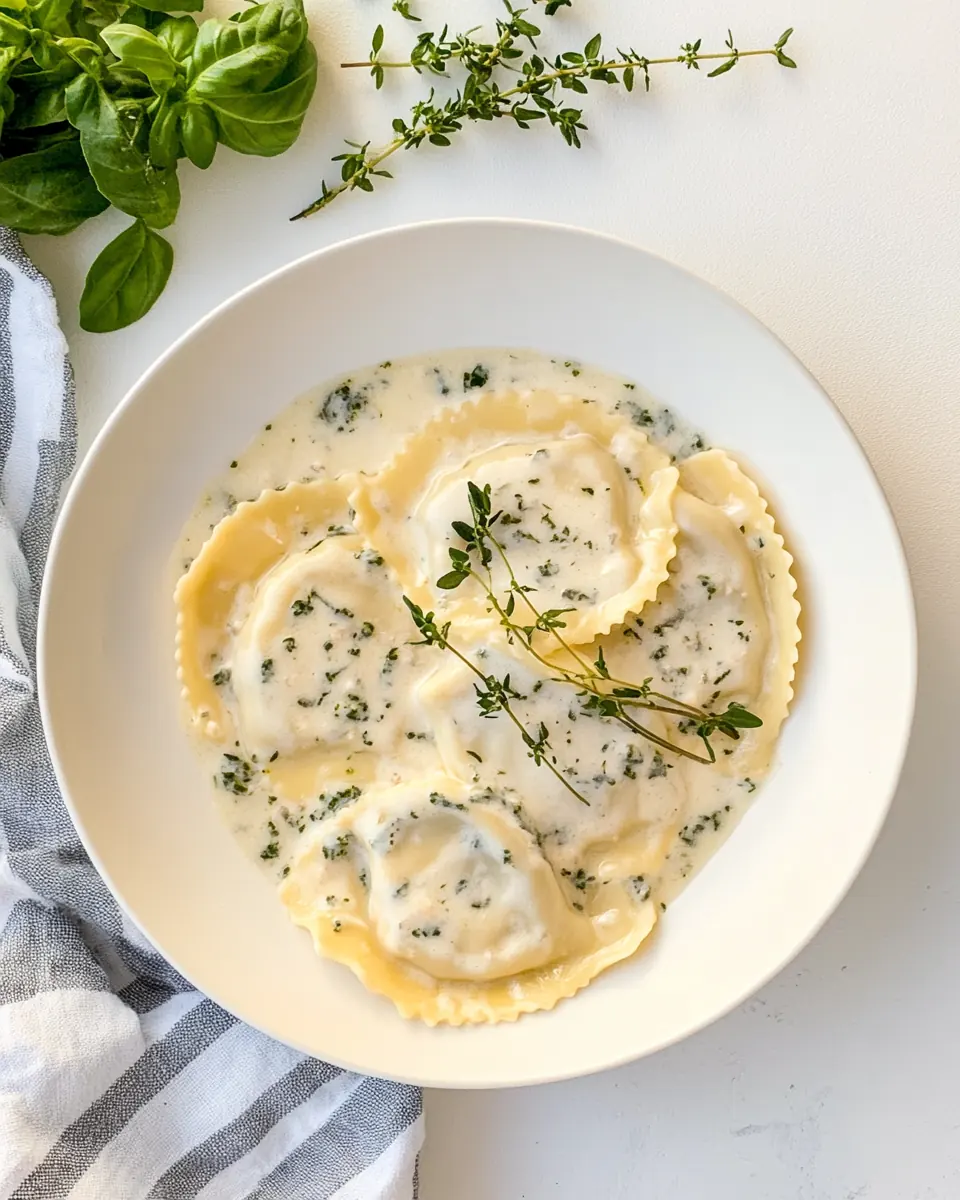
These variations let you tweak texture, shape, and herb balance while staying true to the recipe. Each tip highlights a simple swap or technique that can change the plate in small but meaningful ways.
- Change the wrapper approach: Try folding a single wrapper into a semicircle for larger ravioli, or sandwich two wrappers and cut rounds for many delicate pieces, so you can control portion size and presentation.
- Adjust herb intensity: Increase or decrease the rosemary, thyme, and oregano to shift the sauce from piney to more subtle, finding the balance that suits your palate.
- Use vegetable broth for vegetarian option: Swap canned low salt chicken broth with canned vegetable broth to keep the pan sauce flavorful and suitable for vegetarians while maintaining savory depth.
- Make ahead strategy: Assemble ravioli up to one day in advance and refrigerate covered to streamline service without compromising texture or flavor.
- Finish with cream carefully: Add the whipping cream off heat or on low to create a silky sauce without separating, giving the ravioli a luxurious coating.
- Garnish smartly: Finish with a small amount of freshly shaved Parmesan cheese for nutty salt and visual contrast, using it sparingly to let the goat cheese remain the star.
Serving Ideas for Goat Cheese Ravioli with Winter Pesto Sauce
This recipe can be dressed up or down depending on the occasion. Below I describe how I like to serve it for different moments, along with storage notes and seasonal pairings in an easy to follow list format.
- Simple weeknight dinner: Serve two to three ravioli per person with a light spoonful of pan sauce, keeping portions moderate for a quick, comforting meal.
- Date night plate: Arrange a nest of ravioli in the center of warmed plates, spoon sauce artfully around them, and finish with a few shavings of Parmesan cheese for an elegant presentation.
- Holiday starter: Use smaller ravioli as an appetizer on buffet nights, offering a bowl of warm sauce so guests can assemble their own plated portions for a communal feel.
- Storage tips: Refrigerate assembled ravioli on a floured sheet covered tightly with plastic wrap for up to one day. For longer storage, freeze in a single layer on a sheet then transfer to a sealed container, cooking directly from frozen and adding an extra minute to boiling time.
- Seasonal pairings: Pair with a crisp green salad for brightness, or serve alongside roasted winter vegetables to echo the herb notes and add hearty textures to the meal.
- Serving size guidance: For a main course, plan on about 12 ravioli total for two people as written, adjusting the count upward if you prefer larger portions or multiple courses.
FAQ
Conclusion
This recipe stands out because it turns modest ingredients into a comforting, elegant plate with hands on technique and bright winter herb flavors. I encourage you to give it a try, because the process of roasting garlic, assembling ravioli, and finishing with a creamy herb sauce is as rewarding as the meal itself. Take your time with the seals and seasonings, enjoy the sensory steps, and share the results with someone who will appreciate the homemade touch.
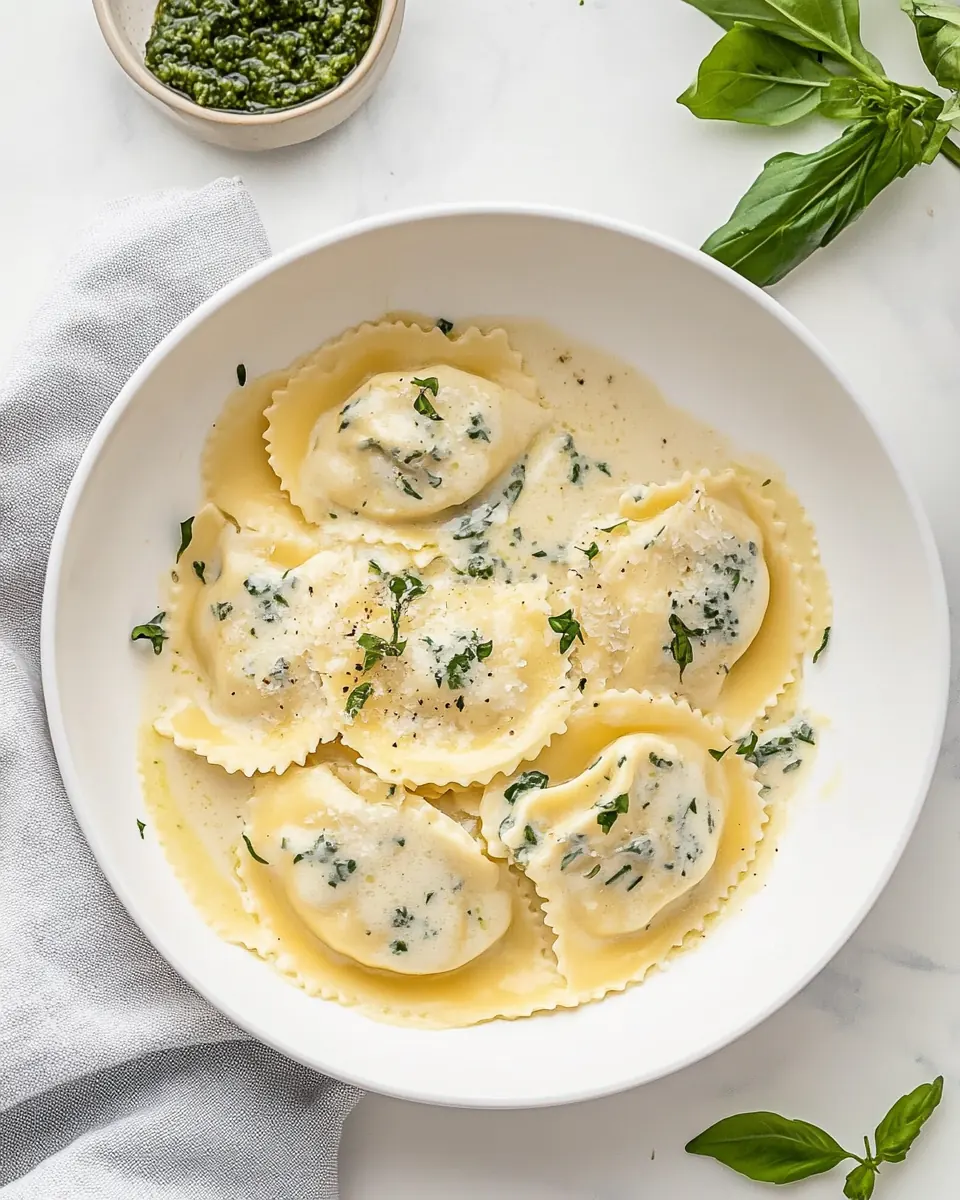
Goat Cheese Ravioli with Winter Pesto Sauce
Ingredients
Equipment
Method
- Preheat the oven to 325°F. Place garlic in small heavy skillet. Drizzle with oil and toss to coat. Roast in oven until garlic is very tender, about 25 minutes. Cool. Peel garlic. Combine with goat cheese in small bowl; mash with fork. Season with salt and pepper.: As the oven warms to 325 F you will notice the aroma of roasting garlic deepen into honeyed sweetness, and the cloves will become soft enough to collapse under gentle pressure. When you cut into a clove, it should be glossy and almost syrupy, signaling readiness. Mashing the roasted cloves into the crumbled goat cheese releases a creamy, savory perfume that transforms texture and flavor, creating a spreadable filling. The reason this roasting is important is it tames raw garlic sharpness and adds caramelized notes that pair with herbs. One common mistake is pulling the garlic too early, leaving it undercooked and harsh; ensure it is very tender and cool slightly before peeling to avoid burning your fingers and to make mashing easier. Taste and season carefully with salt and pepper so the filling is bright but not over salted.
- You can use 12 won ton wrappers if you plan to fold them in half to make the ravioli. Or you can use 24 wrappers if you plan to place two wrappers together and cut with a round pastry cutter. Either way is fine.: When choosing your wrapper approach, pay attention to texture and thickness; folding a single wrapper into a semicircle creates a slightly thicker edge, while pairing two wrappers and cutting with a round cutter produces even, sealed rounds with uniform thickness. Visually, folded wrappers will look more rustic, while cut rounds appear refined. This choice matters because wrapper size influences cooking time and mouthfeel, so decide according to whether you prefer larger pillows or many small bites. A troubleshooting tip is to keep unused wrappers under a damp towel; they dry out quickly and become brittle, which makes sealing difficult. Also avoid overstuffing the wrapper so it does not burst during boiling.
- Place won ton wrappers on work surface. Spoon cheese mixture into center of wrappers. Brush edges of wrappers with egg white with a brush, or use your fingers to rub it on. Fold over to form semicircle or triangle (depending on what shape your wrapper is), or place another wrapper on top. Press edges to seal and gently cup your hand on top to work the air pockets out of the ravioli. Rub on a little more egg white to make sure edges are sealed. If you’re using a pastry cutter, cut out the ravioli and then use egg white to seal the edges.: As you assemble, you will feel the cool, slightly tacky texture of the wrapper and the creamy filling settling into the center. Pressing out air pockets is critical; trapped air will expand during cooking and can split the wrapper. Cup your hand and press gently from center to edges, listening for a subtle change in feel as the pocket flattens and the edges meet. The egg white creates a sheen at the seam and promotes adhesion, so be generous with sealing but not messy. A frequent error is overfilling, which creates bulging centers and weak seals; use modest spoonfuls so the ravioli hold shape and cook evenly.
- Place prepared ravioli in a single layer on a floured cookie sheet, cover tightly with plastic wrap and refrigerate until ready to use. (These can be made a day ahead.): Laying the ravioli in a single layer on a floured surface prevents sticking and preserves shape; the light dusting of flour serves as a barrier that keeps the bottom from adhering to the tray. Covering them tightly with plastic helps retain moisture so the wrappers do not dry and crack, and chilling firms the filling and makes the ravioli easier to handle when cooking. The benefit of making them ahead is the flavors have time to meld, and the sealing strengthens while they chill. A common mistake here is stacking them, which causes edges to fuse together; always arrange them in one layer and ensure enough space for air circulation in the refrigerator.
- Cook ravioli in large pot of boiling salted water until just tender, about 5 minutes. Drain and divide between 2 plates.: Bring a large pot of water to a rolling boil and add enough salt that the water tastes like the sea; this seasons the wrappers from the outside in. As the ravioli cook, they will float and the wrappers will turn translucent, signaling doneness and a tender, pillowy texture. The aroma will be subtly savory, with hints of goat cheese and roasted garlic wafting from the pot. Drain gently so the ravioli keep their shape, and transfer carefully with a slotted spoon to avoid tearing. Overcooking will make the wrappers mushy and risk rupturing them, so watch closely and remove as soon as they are tender. If the filling tastes underdone, it usually means the garlic or seasoning was not balanced earlier, so adjust in future batches.
Notes
- Change the wrapper approach: Try folding a single wrapper into a semicircle for larger ravioli, or sandwich two wrappers and cut rounds for many delicate pieces, so you can control portion size and presentation.
- Adjust herb intensity: Increase or decrease the rosemary, thyme, and oregano to shift the sauce from piney to more subtle, finding the balance that suits your palate.
- Use vegetable broth for vegetarian option: Swap canned low salt chicken broth with canned vegetable broth to keep the pan sauce flavorful and suitable for vegetarians while maintaining savory depth.
- Make ahead strategy: Assemble ravioli up to one day in advance and refrigerate covered to streamline service without compromising texture or flavor.
- Finish with cream carefully: Add the whipping cream off heat or on low to create a silky sauce without separating, giving the ravioli a luxurious coating.
- Garnish smartly: Finish with a small amount of freshly shaved Parmesan cheese for nutty salt and visual contrast, using it sparingly to let the goat cheese remain the star.