Carrot Top Pesto
Carrot Top Pesto began as a messy little rescue mission in my kitchen the spring I bought too many carrots at the farmers market.
I had a bunch of bright, feathery greens that most people toss, and I felt stubbornly determined to turn those leftovers into something that tasted like sunshine. I grabbed a handful of pantry staples, set the food processor on the counter, and started experimenting. Within minutes the kitchen filled with a fresh, herbaceous aroma that made me smile, and the finished sauce was vivid, verdant, and unbelievably creamy considering there was no cream involved. That first jar went on everything from roasted vegetables to warm pasta, and it changed how I think about kitchen scraps.
Over time I nudged the proportions, swapped nuts depending on what I had, and learned a few tricks that keep the texture silky and stable. I now make a batch any time I see carrot tops at the market, because it is such a quick, nourishing way to stretch ingredients and add brightness to meals. Friends always ask for the recipe, and I love telling them that this is the kind of sauce you can riff on confidently, since the template is forgiving and the results are consistently punchy and fresh.
Recipe Snapshot
16 mins
15 mins
1 mins
Easy
250 kcal
Italian
Gluten-Free, Paleo
Appetizers
Food processor
Why This Carrot Top Pesto Is a Winner
Freshness that makes a statement
I adore how Carrot Top Pesto highlights an ingredient most people overlook. The flavor is lighter and slightly sweeter than classic basil pesto, and that brightness lifts everything it touches. When I spoon it over warm pasta or toss it with steamed vegetables, the sauce adds a clean, herbal lift that feels effortlessly seasonal.
Zero waste, maximum flavor
Using carrot tops feels like a small kitchen revolution. I love rescuing what would be compost and transforming it into an intensely herbal condiment. It makes me feel resourceful, and guests are always impressed that something so vibrant started as scrap.
Flexible and forgiving
I often change the nuts depending on what I have on hand, and you can see how that subtly alters the texture and taste. Pine nuts keep things classic and buttery, while walnuts or cashews add a deeper, more rounded background. That flexibility is one reason I keep this recipe in heavy rotation.
Speed and simplicity
This is a quick recipe that rewards minimal effort. A short toasting of nuts, a quick wash of the greens, and a few pulses in the food processor and you have a sauce that tastes like you spent hours on it. For busy weeknights or last minute entertaining, it is a real go to.
Versatile uses
From a smear on a sandwich to a finishing touch for roasted carrots, this pesto does many jobs. I keep jars in the fridge for midweek meals, and it never fails to brighten a plate. The texture is rich enough to double as a dip, and thin enough to dress noodles or grain bowls.
Ingredients You’ll Need for Carrot Top Pesto
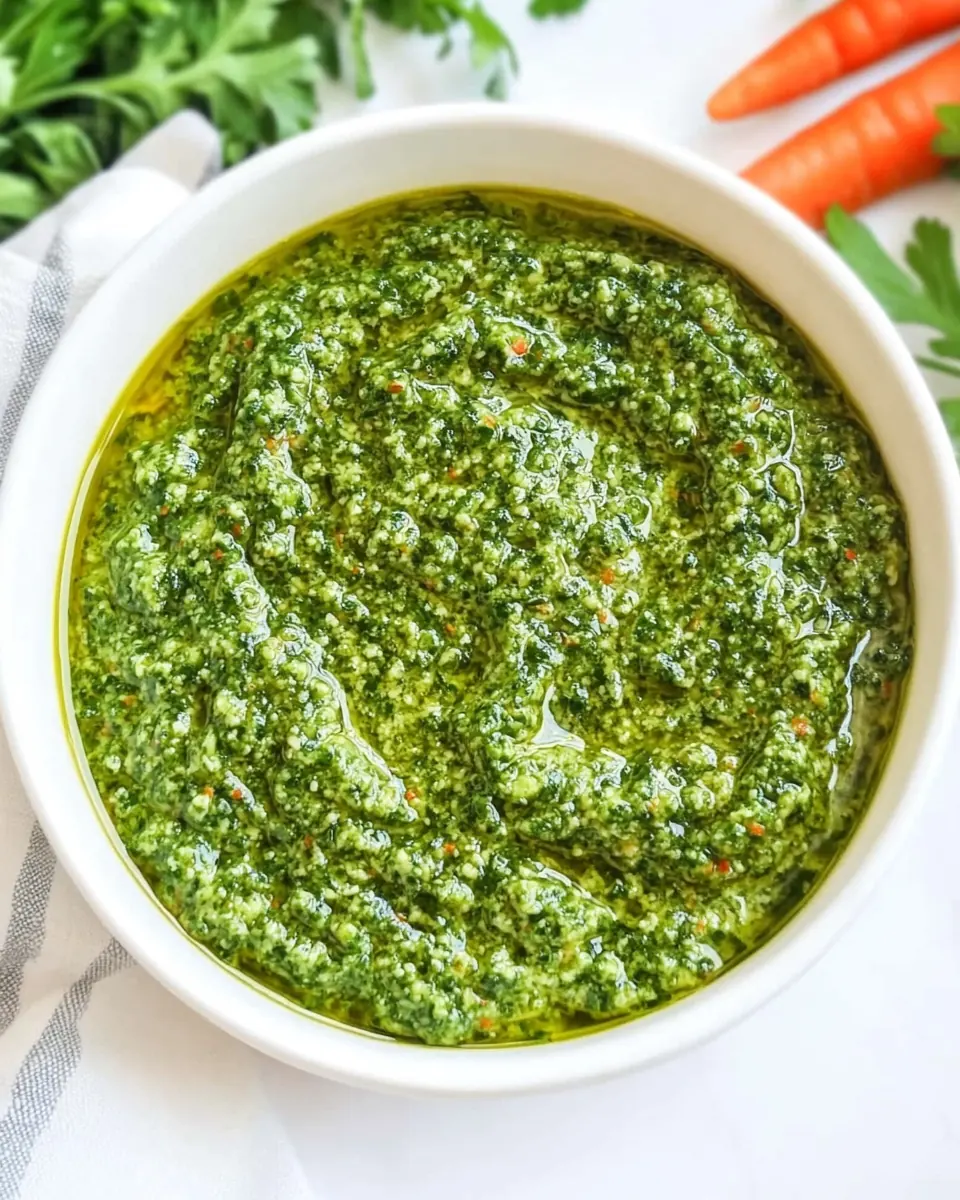
These ingredients strike a balance between bright green flavor, rich fat, and umami depth. The carrot tops and optional basil leaves are the aromatic foundation, while the nuts and parmesan cheese bring body and savor. Garlic gives a trace of pungency, and olive oil binds everything into a silky, spreadable sauce. A touch of salt and ground black pepper sharpens the flavors so each note sings.
- 2 cups carrot tops no stems: Provide a bright, grassy base with slightly bitter undertones that balances the sweetness of carrots; use tender, stem-free leaves to avoid fibrous texture and blend until smooth for an even paste.
- 1/2 cup basil leaves packed – no stems (optional): Add aromatic, sweet herbal notes and deepen the pesto flavor when included; pack leaves lightly, omit stems to prevent bitterness, and pulse briefly to retain freshness.
- 1 cup pine nuts or any other nut: Contribute rich, creamy body and a toasty, nutty flavor that helps emulsify the sauce; toast gently if desired and chop or pulse to integrate smoothly with the greens and oil.
- 1/2 cup parmesan cheese see notes to sub with nutritional yeast: Lend savory, umami depth and a salty finishing note that rounds out the pesto; grate finely for even distribution and substitute with nutritional yeast in vegan versions as noted.
- 1 clove garlic: Provide pungent, sharp aromatic heat that elevates the overall flavor profile; mince or crush to release oils and add gradually to balance intensity.
- 1/2 cup extra-virgin olive oil: Bind the ingredients into a silky emulsion while carrying flavors and adding richness; drizzle in slowly while blending to control consistency and mouthfeel.
- 1/2 teaspoon salt: Enhance and season the pesto by bringing out other flavors without overpowering them; dissolve completely for uniform taste and adjust to preference.
- 1/4 teaspoon ground black pepper: Offer a warm, pungent contrast that sharpens the overall flavor when used sparingly; grind fresh for best aroma and add incrementally to taste.
Instructions for Carrot Top Pesto
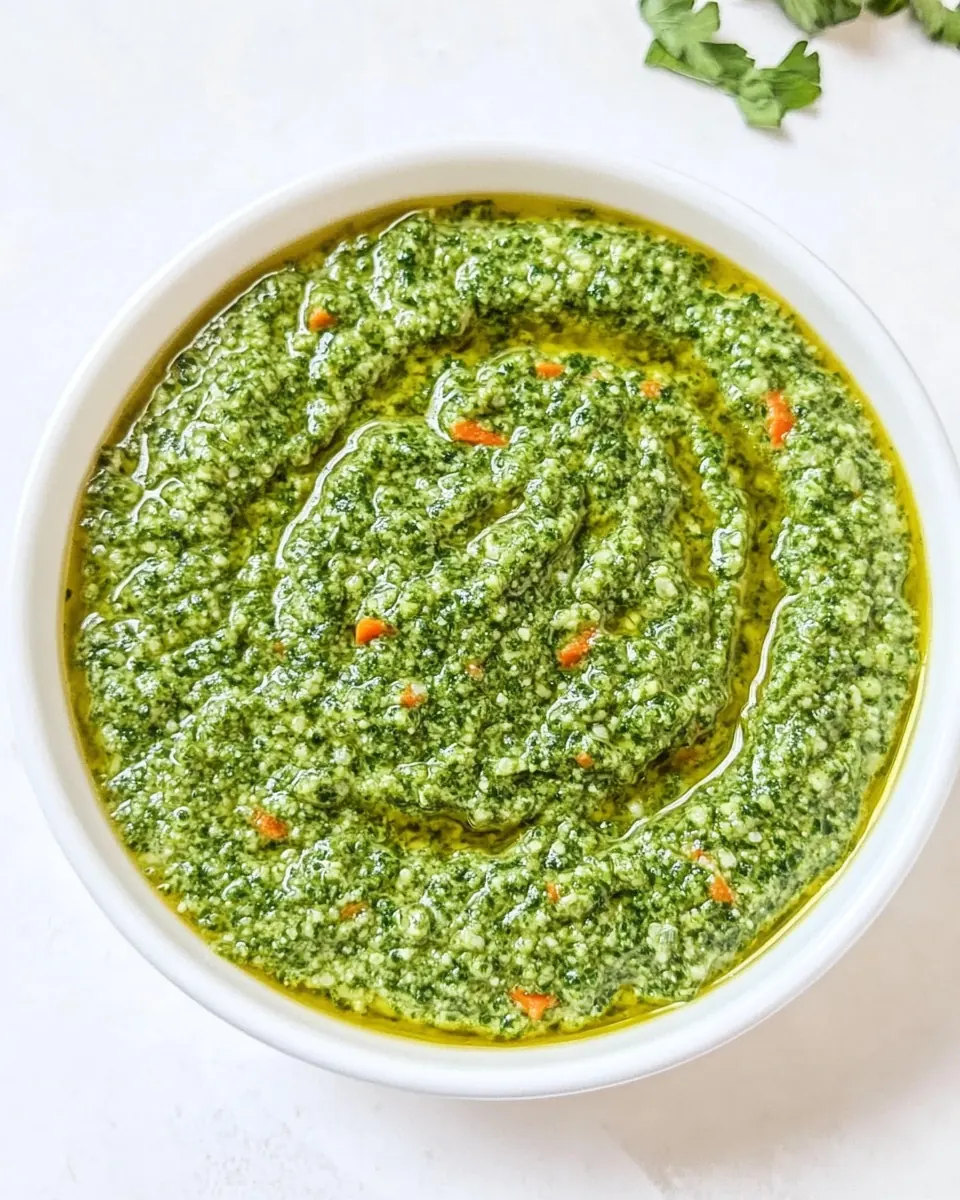
This pesto comes together quickly, and the steps build from toasting to blending to emulsifying. I like to keep a rhythm in the kitchen, so I toast the nuts first, then prep the greens and assemble everything in the food processor. The sensory cues in each step will reassure you that you are on the right track.
- In a dry pan over low-medium heat (no oil), lightly toast the pine nuts or any other nuts you’re using. Remove from heat, allow to cool.: The sound is a soft popping as the nuts warm and the aroma becomes toasty and slightly sweet, which signals they are done; the visual cue is a light golden change on the surface. Toasting concentrates flavors and removes raw bitterness, making the final pesto richer. A common mistake is overheating the nuts, which causes them to burn quickly; keep the heat low to medium and stir often. Remove immediately once fragrant and let them cool on a plate so residual heat does not release oil and make the pesto greasy.
- Cut off the carrot tops and wash the leaves. Pat dry using a kitchen towel, and place in a food processor.: The leaves should feel cool and slightly crisp when rinsed, and washing removes grit that hides in the stems; pat them dry with a kitchen towel until they are just damp or completely dry. Clean greens ensure a smooth sauce and prevent dilution. One frequent oversight is leaving the greens wet, which can water down the pesto; blot carefully and work in batches if the leaves are very wet to avoid excess moisture in the processor.
- Place all of the ingredients except for the olive oil in the bowl of a food processor. Blend until completely broken down, scrape off the sides of the bowl as needed.: When you drop the cleaned leaves into the food processor , they should look bright and vibrant; this step organizes the herbs for even chopping. Process in short pulses to break down the cell walls and release the fresh, grassy scent. Overprocessing from a cold start can bruise the leaves into an overly mushy texture, so pulse and check the consistency. Scrape down the sides as needed to ensure even work and to incorporate any leaves that cling to the bowl.
- Add the olive oil gradually with the food processor running until you get a slightly emulsified sauce. Thin out with extra oil or water if needed.: Combining the toasted nuts, grated parmesan cheese , and the garlic with the greens concentrates the savory backbone of the pesto; you will notice a richer, nutty aroma as the solids begin to break down. Processing these elements together lets the flavors marry before the oil is added, which results in a more cohesive sauce. Avoid adding the oil too early, which can prevent proper breakdown of solids; instead, combine dry and fresh ingredients first for an even texture.
- Blend until completely broken down, scrape off the sides of the bowl as needed: As the mixture becomes more uniform, you will see it turn from leafy to coarse paste, with a thick, grainy texture that smells intensely herbaceous. Regularly scraping the bowl ensures everything is evenly incorporated and prevents larger pieces from hiding near the rim. A common problem is leaving larger chunks unprocessed; take the time to scrape and pulse again to reach a cohesive paste, which forms the base of a smooth pesto.
- Add the olive oil gradually with the food processor running until you get a slightly emulsified sauce: With the food processor running, drizzle in the extra virgin olive oil slowly; you will hear the rhythm change as the mixture loosens and the aroma becomes rounder and richer. The sauce should become glossy and slightly thick, clinging to a spoon rather than pouring like a dressing. The slow addition encourages emulsification so the fat suspends fine solids, creating a silky mouthfeel. If it looks too thick, thin with a splash more oil or a bit of water, but avoid over thinning to maintain body. A pitfall is pouring the oil too fast, which prevents emulsification and leaves the oil separated on top rather than integrated with the paste.
Recipe Notes about Carrot Top Pesto
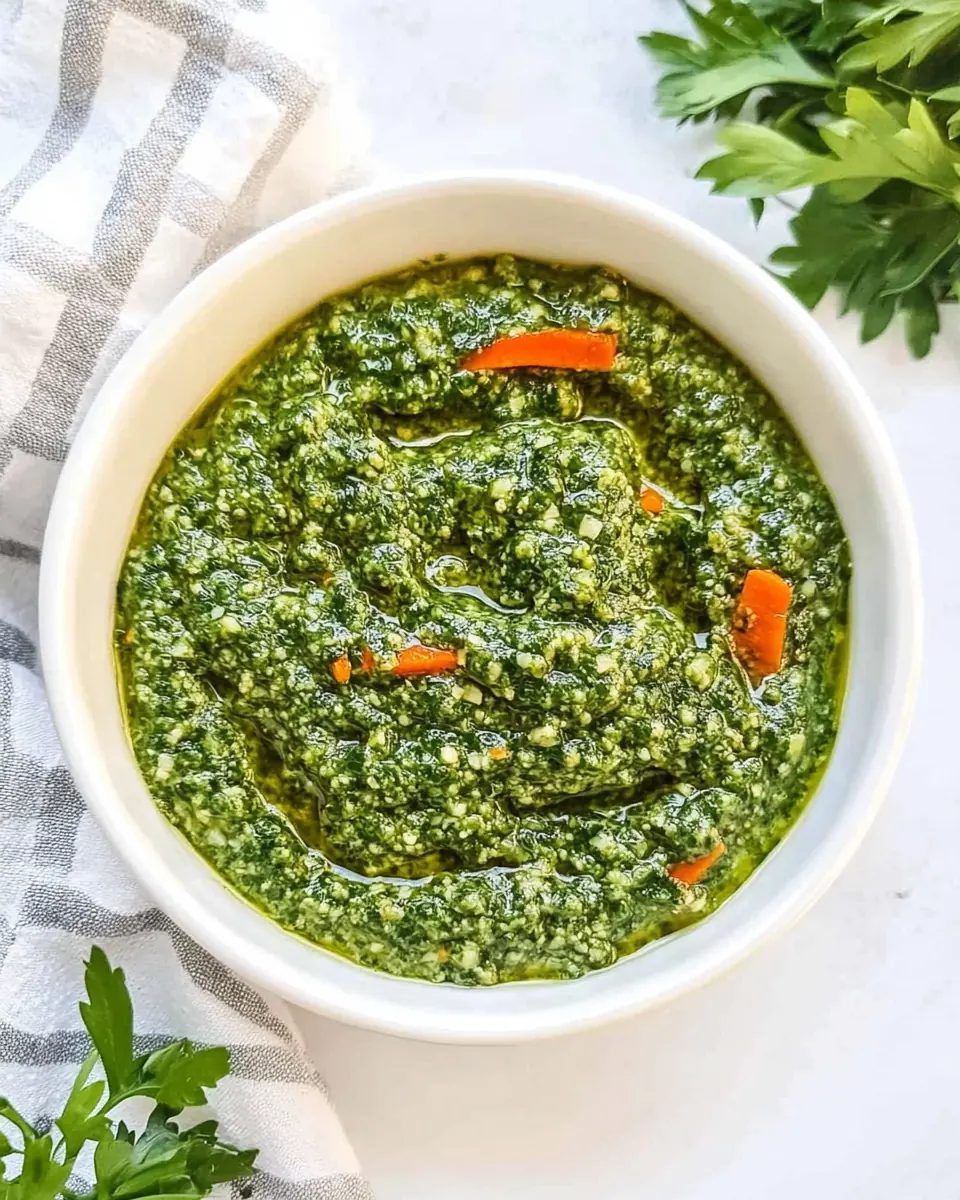
I like to keep a jar of this pesto in the fridge for quick meals and to reduce waste. Below are practical tips to get texture, seasoning, and storage right so your pesto stays fresh, bright, and versatile.
- Salt adjustment: If you use kosher salt instead of table salt, increase the amount to taste; kosher crystals are larger and less salty by volume, so start small and taste.
- Dairy free swap: For a vegan version, replace the parmesan cheese with nutritional yeast in the proportion suggested in the notes, which preserves umami without dairy.
- Nut alternatives: You can switch pine nuts for walnuts, cashews, or sunflower seeds if you need a nut free option, each giving a slightly different texture and flavor profile.
- Storage method: Press a thin layer of olive oil on top of the pesto before sealing to reduce browning, and keep in an airtight container in the fridge for up to three days.
- Freezing tips: Portion into ice cube trays for convenient single servings, then transfer to a freezer bag for up to three months; thaw in the fridge overnight when needed.
What to Serve With Carrot Top Pesto
This pesto is a bright, adaptable condiment that pairs well with many simple plates. I often reach for it to finish warm dishes or to add a fresh note to room temperature salads. Below are ideas for pairings, occasions, and storage to get the most out of a jar.
- Warm pasta: Toss a spoonful of pesto with freshly cooked pasta and a splash of pasta cooking water to create a silky sauce; this works beautifully for quick weeknight dinners.
- Roasted vegetables: Dollop the pesto over roasted carrots, squash, or potatoes for contrast between caramelized edges and vibrant herb sauce.
- Sandwich spread: Use it as a spread on sandwiches or wraps to add a herbaceous, savory kick that replaces heavier condiments.
- Grain bowls: Stir into warm grains like rice or quinoa to add moisture and flavor, making for a quick lunch or side dish suitable for spring and summer meals.
- Appetizer dip: Serve with crudites or crusty bread as a bright dip at casual gatherings or pre dinner snacks.
- Occasions: This is great for spring markets, light lunches, picnic spreads, or as part of a Ramadan iftar table where a fresh, simple condiment is welcome.
- Storage suggestions: Keep refrigerated in an airtight jar for up to three days with an olive oil seal, or freeze portions for up to three months for prolonging seasonal availability.
FAQ
Conclusion
This recipe stands out because it transforms an overlooked ingredient into a vibrant, versatile sauce that elevates simple meals. I encourage you to give Carrot Top Pesto a try, because it is quick to make, adaptable to what you have on hand, and remarkably flavorful. Enjoy experimenting with nut swaps and serving ideas, and know that each jar is a little victory for reducing food waste while making something delicious.
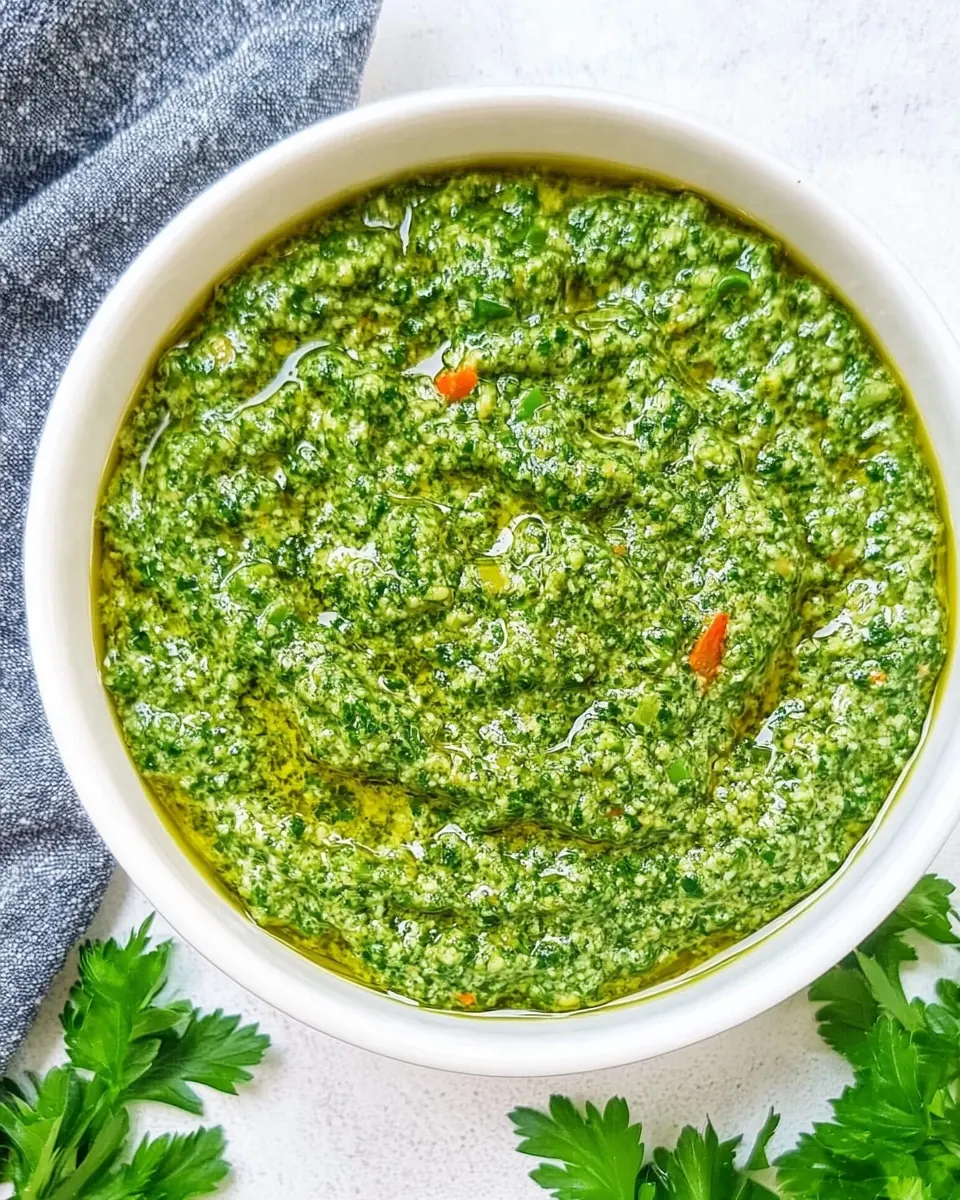
Carrot Top Pesto
Ingredients
Equipment
Method
- In a dry pan over low-medium heat (no oil), lightly toast the pine nuts or any other nuts you’re using. Remove from heat, allow to cool.: The sound is a soft popping as the nuts warm and the aroma becomes toasty and slightly sweet, which signals they are done; the visual cue is a light golden change on the surface. Toasting concentrates flavors and removes raw bitterness, making the final pesto richer. A common mistake is overheating the nuts, which causes them to burn quickly; keep the heat low to medium and stir often. Remove immediately once fragrant and let them cool on a plate so residual heat does not release oil and make the pesto greasy.
- Cut off the carrot tops and wash the leaves. Pat dry using a kitchen towel, and place in a food processor.: The leaves should feel cool and slightly crisp when rinsed, and washing removes grit that hides in the stems; pat them dry with a kitchen towel until they are just damp or completely dry. Clean greens ensure a smooth sauce and prevent dilution. One frequent oversight is leaving the greens wet, which can water down the pesto; blot carefully and work in batches if the leaves are very wet to avoid excess moisture in the processor.
- Place all of the ingredients except for the olive oil in the bowl of a food processor. Blend until completely broken down, scrape off the sides of the bowl as needed.: When you drop the cleaned leaves into the food processor , they should look bright and vibrant; this step organizes the herbs for even chopping. Process in short pulses to break down the cell walls and release the fresh, grassy scent. Overprocessing from a cold start can bruise the leaves into an overly mushy texture, so pulse and check the consistency. Scrape down the sides as needed to ensure even work and to incorporate any leaves that cling to the bowl.
- Add the olive oil gradually with the food processor running until you get a slightly emulsified sauce. Thin out with extra oil or water if needed.: Combining the toasted nuts, grated parmesan cheese , and the garlic with the greens concentrates the savory backbone of the pesto; you will notice a richer, nutty aroma as the solids begin to break down. Processing these elements together lets the flavors marry before the oil is added, which results in a more cohesive sauce. Avoid adding the oil too early, which can prevent proper breakdown of solids; instead, combine dry and fresh ingredients first for an even texture.
- Blend until completely broken down, scrape off the sides of the bowl as needed: As the mixture becomes more uniform, you will see it turn from leafy to coarse paste, with a thick, grainy texture that smells intensely herbaceous. Regularly scraping the bowl ensures everything is evenly incorporated and prevents larger pieces from hiding near the rim. A common problem is leaving larger chunks unprocessed; take the time to scrape and pulse again to reach a cohesive paste, which forms the base of a smooth pesto.
- Add the olive oil gradually with the food processor running until you get a slightly emulsified sauce: With the food processor running, drizzle in the extra virgin olive oil slowly; you will hear the rhythm change as the mixture loosens and the aroma becomes rounder and richer. The sauce should become glossy and slightly thick, clinging to a spoon rather than pouring like a dressing. The slow addition encourages emulsification so the fat suspends fine solids, creating a silky mouthfeel. If it looks too thick, thin with a splash more oil or a bit of water, but avoid over thinning to maintain body. A pitfall is pouring the oil too fast, which prevents emulsification and leaves the oil separated on top rather than integrated with the paste.
Notes
- Salt adjustment: If you use kosher salt instead of table salt, increase the amount to taste; kosher crystals are larger and less salty by volume, so start small and taste.
- Dairy free swap: For a vegan version, replace the parmesan cheese with nutritional yeast in the proportion suggested in the notes, which preserves umami without dairy.
- Nut alternatives: You can switch pine nuts for walnuts, cashews, or sunflower seeds if you need a nut free option, each giving a slightly different texture and flavor profile.
- Storage method: Press a thin layer of olive oil on top of the pesto before sealing to reduce browning, and keep in an airtight container in the fridge for up to three days.
- Freezing tips: Portion into ice cube trays for convenient single servings, then transfer to a freezer bag for up to three months; thaw in the fridge overnight when needed.