Chickpea Soup
Chickpea Soup first showed up in my kitchen on a chilly weekend when I needed something that felt like a warm embrace and did not require overthinking.
I remember the day clearly, the way the olive oil shimmered in the bottom of my pot as I sliced a medium yellow onion while the radio played a lazy afternoon playlist. I wanted a bowl that was honest and uncomplicated, something to ladle into my favorite mug and carry to the couch with a wool blanket. The combination of chickpeas, soft Yukon Gold potatoes, and bright lemon juice felt both grounding and bright, the exact balance I crave on gray days.
Over the years I adjusted tiny things, like toasting the dried herbs a touch to unlock more aroma, or pulsing some of the soup for a creamier mouthfeel without using cream. Friends who tried it at a dinner party kept asking for seconds, and I loved watching skeptical kale lovers come around to a bowl that lets the chickpeas shine. It is humble, but it comforts in a way that feels intentional rather than lazy.
What I appreciate most is how the recipe moves with you, whether you are feeding a family or making a single pot for yourself. It is forgiving, flavorful, and keeps well, which is why it has become a staple when life gets busy. The aromas that fill the house while it simmers are the kind that make neighbors peek in, and that is always a good sign.
Recipe Snapshot
45 mins
15 mins
30 mins
Medium
300 kcal
Mediterranean
Vegan, Gluten-Free
Soups
Large pot, Immersion blender
Why This Chickpea Soup Works
Hearty, honest flavor from simple pantry staples
I love that Chickpea Soup uses everyday items like chickpeas, onion, and carrots, yet yields a complex, comforting dish. The beans provide a creamy texture and nutty taste that stands up to herbs and spices, while the Yukon Gold potatoes lend body so the soup feels satisfying without being heavy.
Flexible and forgiving
One reason I keep making this recipe is its forgiving nature. You can tweak the herb balance, add more broth if you want it brothy, or blend part of the pot for a thicker, velvety texture. I often adapt quantities based on what is in my pantry, and the soup always responds well.
Naturally nutritious and filling
This soup packs plant based protein from the chickpeas and fiber from the kale and beans, making it a filling option for a busy weeknight. I like serving it when I want something that will stick with you through the evening without weighing you down.
Bright finishing touch
The splash of lemon juice at the end is my favorite trick. It wakes up the flavors, balancing the savory and herbaceous notes, and the chopped fresh parsley adds an herbal lift. Small details like these change a good soup into a memorable one.
Comfort that travels well
I appreciate how well this dish keeps. It reheats beautifully, and the flavors often deepen overnight. I bring it to potlucks, and it always vanishes fast, which is the highest compliment in my book.
Chickpea Soup Shopping List
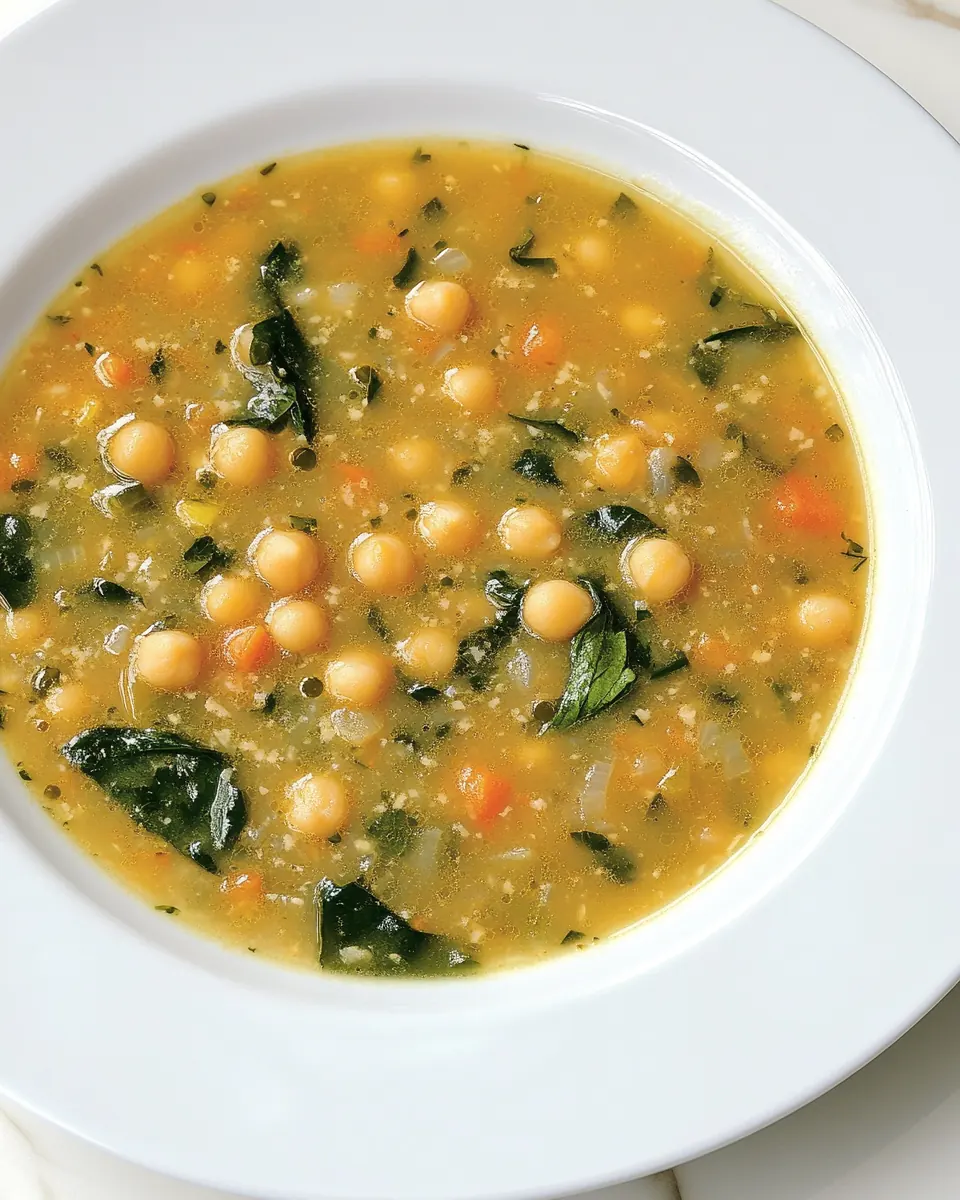
These ingredients are chosen to build a layered, savory soup that is both nourishing and bright. The key players are the chickpeas for protein and texture, aromatic vegetables like onion and carrots that form a flavorful base, and herbs and spices that deepen the overall profile. Simple liquids and a finishing squeeze of lemon juice pull everything together.
- 1 1/2 tablespoons olive oil: Sauté gently in the pan to create a flavorful fat base that carries aromatics and spices throughout the soup; adds richness and a silky mouthfeel when warmed.
- 1 medium yellow onion, chopped: Sweat until translucent to build savory sweetness and depth; provides aromatic backbone and texture contrast once softened and lightly caramelized.
- 2 medium carrots, diced: Simmer until tender to add natural sweetness and body; contributes texture and roasted undertones when lightly browned before simmering.
- 2 celery ribs, diced: Cook until softened to provide vegetal aroma and subtle savory notes; balances sweetness from carrots and enhances broth complexity.
- 4 garlic cloves, minced: Mince finely and cook briefly to release pungent, aromatic oils that brighten the soup; adds a sharp savory lift without overpowering when not burned.
- 1 bay leaf: Add whole to the pot while simmering to infuse a subtle herbal aroma and gentle bitterness; remove before serving to avoid hard texture.
- 3/4 teaspoon dried thyme: Sprinkle early to release warm, slightly floral notes that complement the bay and other herbs; helps mimic a fresh herb profile in long-cooked dishes.
- 1/2 teaspoon dried oregano: Stir in to introduce earthy, slightly minty undertones that round out the herb blend; pairs well with thyme and rosemary for Mediterranean flavor.
- 1/2 teaspoon dried rosemary: Crush or crumble and add sparingly to impart piney, resinous notes that give the broth a savory, aromatic background; use cautiously due to strong intensity.
- 1 teaspoon kosher salt, plus more to taste: Season during cooking to enhance overall flavors and help extract aromatics from vegetables and legumes; reserve a little to adjust seasoning before serving.
- 1/2 teaspoon black pepper: Grind freshly and add to taste for a sharp, warming accent that balances saltiness and brightness; helps highlight the soup's savory components.
- 1/4 teaspoon smoked paprika: Dust in to lend a smoky, mildly sweet accent that adds depth and complexity without heat; complements roasted or sautéed vegetables.
- 2 15-ounce cans chickpeas, drained and rinsed: Rinse and drain well before adding to provide hearty protein, creamy texture, and a slightly nutty flavor; contributes bulk and makes the soup filling.
- 2 small Yukon Gold potatoes, peeled and diced (1/2-inch cubes): Cube uniformly and simmer until fork-tender to add creamy starchiness and body; helps thicken the broth slightly and provides comforting texture.
- 4 cups vegetable broth: Pour in as the liquid base to dissolve seasonings and meld flavors; supplies savory, plant-based umami and ensures proper cooking for beans and vegetables.
- 2 cups chopped kale: Roughly chop and add near the end of cooking to supply bright green color, slight bitterness, and a tender-chewy texture; boosts nutrition with vitamins and minerals.
- 2 tablespoons lemon juice: Stir in at the end to brighten flavors with a citrus punch and balance richness; enhances overall freshness and lifts the soup's aroma.
- Fresh parsley, chopped (for garnish): Garnish freshly chopped to add a green, herbaceous finish and fresh aroma; provides a light textural contrast and visual appeal when sprinkled on top.
- 1/3 cup grated Parmesan (optional): Grate and sprinkle optionally to add salty, savory umami and creamy richness; use sparingly for a luxurious finishing touch that melts into hot soup.
Chickpea Soup Instructions
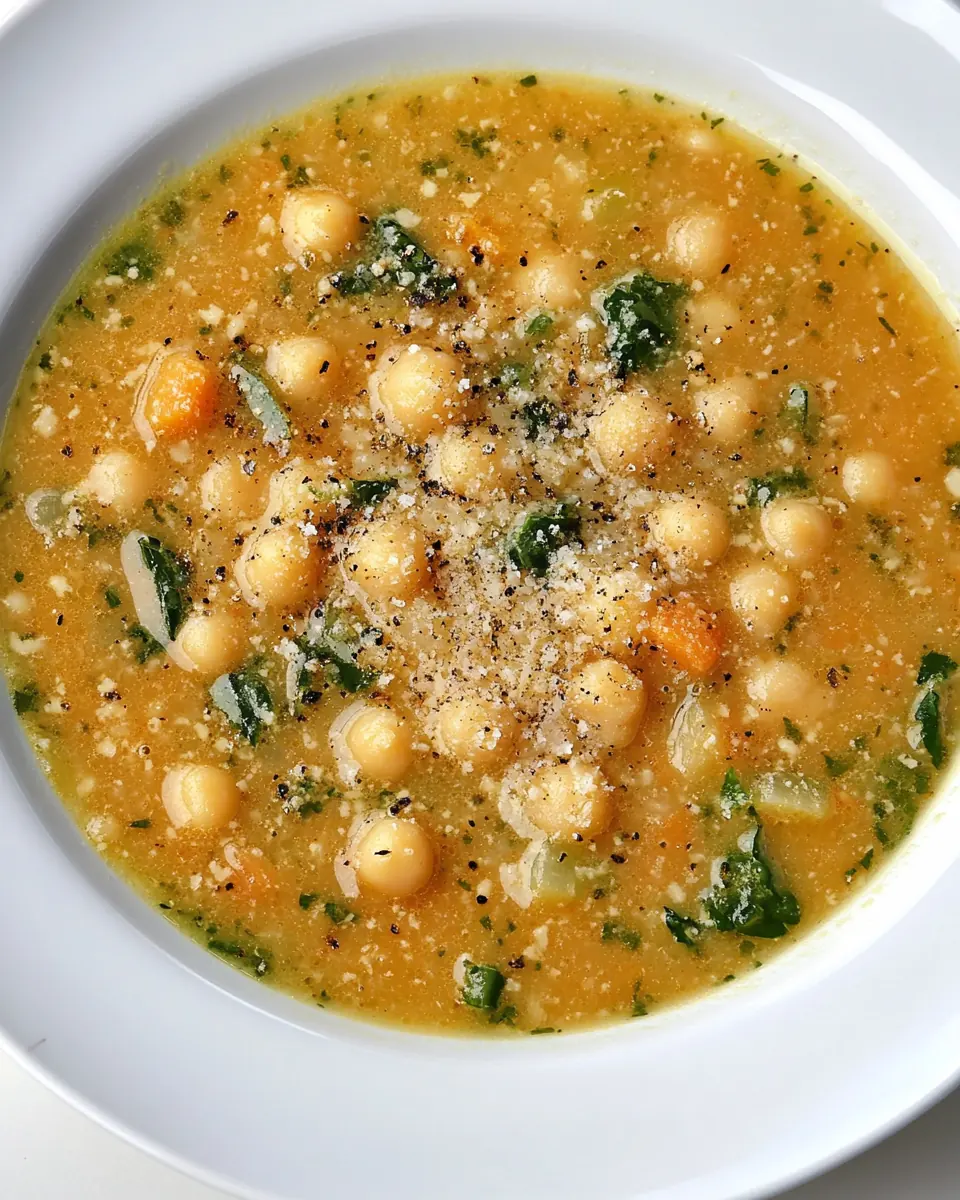
These instructions will guide you through building layered flavors and textures step by step. I like to move steadily, paying attention to aromas and visual cues, which tell you more than a timer ever will.
- In a large pot, heat the olive oil over medium-high heat. Add the chopped onion, carrots, and celery. Cook for about 5-7 minutes until the vegetables are soft.: The moment the oil begins to shimmer you will notice a soft, warm scent, signaling readiness for the aromatics. As you add the onion , carrots , and celery , listen for a gentle sizzle that indicates the vegetables are releasing moisture and sugars. The sound will evolve from a sharp hiss to a softer murmur as they soften, and you should see the edges of the onion turn translucent, a key visual cue that the base is developing sweetness. If the vegetables brown too quickly, lower the heat slightly to avoid bitterness, stirring every minute so nothing sticks. This step matters because properly softened vegetables form a flavorful foundation that gives depth to the broth; rushing it will leave the soup tasting flat or raw. A common mistake is using too high heat which causes uneven cooking and burns, so maintain a steady medium high and be patient.
- Add the minced garlic along with the bay leaf, dried thyme, dried oregano, dried rosemary, kosher salt, black pepper, and smoked paprika. Sauté for 1 minute until aromatic.: When these aromatics hit the warm oil, they release volatile oils that instantly perfume the kitchen, giving you a fragrant preview of the finished soup. You will notice the scent deepen within a minute as the garlic becomes fragrant; avoid letting it brown, which would make the flavor bitter. The dried herbs will swell slightly and their flavors will marry with the softened vegetables, creating a layered herbaceous profile. Stir constantly for about a minute so every piece is coated, and taste a small piece of vegetable to ensure the seasoning is balanced before adding liquids. Over seasoning at this early stage can make the soup overly intense after reduction, so season conservatively and adjust later.
- Add chickpeas, diced potatoes, and broth. Bring to a boil, then reduce heat, cover partially, and simmer for 15-20 minutes until potatoes are tender.: As you pour in the chickpeas , the piled texture introduces a comforting heft, while the diced Yukon Gold potatoes will start to absorb the hot liquid and release starch. The broth should cover the solids and come to a gentle boil, which you will spot as steady, rolling bubbles across the surface. Reduce the heat to a simmer and partially cover the pot so steam escapes and flavors concentrate slowly. Simmering for the recommended time allows the potatoes to become tender and the flavors to meld; a vigorous boil will break down the beans too quickly and cloud the broth. A common error is not adjusting the lid placement, which can either evaporate too quickly or keep too much water in; a partial cover keeps the balance right.
- Discard the bay leaf. Use an immersion blender to blend part of the soup for a thicker texture, leaving some chickpeas whole.: You will notice the aroma deepen and a gentle, comforting steam rising from the pot. Test the potatoes by piercing a cube with a fork; when the fork slides in easily, they are done. The simmer should be gentle enough that the surface barely ripples, which prevents the chickpeas from breaking apart prematurely. This low and slow approach allows starches to loosen, enriching the broth without turning it gluey. Avoid the temptation to speed up with high heat, because rapid boiling can rupture beans and make the texture inconsistent.
- Stir in the chopped kale and lemon juice, and simmer for an additional 2-3 minutes until the kale wilts.: Removing the bay leaf avoids a sharp, woody texture in the final bowl, since leaving it in can result in an unpleasant bite. After removing, use an immersion blender to partially blend the soup for a thicker texture while leaving some chickpeas whole; this technique creates a velvety base with pleasant bean bites. You will notice the soup thicken and develop a creamy sheen as some beans and potatoes emulsify into the broth. If you do not have an immersion blender, transfer a portion to a regular blender, pulse until smooth, and return it to the pot. Be careful when blending hot liquids to avoid splatters, and always vent the lid slightly to let steam escape.
- Serve hot, garnished with fresh parsley and a sprinkle of Parmesan, if desired.: Blending part of the pot changes the mouthfeel dramatically, giving you a silky body while preserving whole beans for contrast. As you pulse, watch the color deepen slightly and feel the spoon glide more smoothly, a sign that proteins and starches are integrating. This method enhances creaminess without adding dairy, and it keeps the dish lighter yet satisfying. A common pitfall is over blending, which can turn the entire soup into a puree, so blend in short bursts and step back to check the texture often.
- Stir in the chopped kale and lemon juice: The addition of kale brings fresh green color and a slight bitter edge that brightens the pot. As the kale wilts, you will see it change from firm and matte to soft and glossy, a visual indicator it is ready. The lemon juice should be added at this stage to preserve its bright acidity, which cuts through the savory richness and lifts the flavors. Allow the soup to simmer for a couple more minutes until the kale is tender yet still has a slight bite. Avoid overcooking the greens, which can make them mushy and dull in flavor.
- Simmer for an additional 2 to 3 minutes until the kale wilts: During these final minutes, aromas will sharpen and the soup will come together. Listen for a gentle simmer and watch the kale relax into the broth, marking the final stage of cooking. Taste for seasoning and adjust with a pinch more kosher salt or a squeeze of lemon juice to brighten as needed. A frequent mistake is skipping the final taste test; minor adjustments here make a big difference in balance.
- Serve hot, garnished with fresh parsley and a sprinkle of Parmesan, if desired: The finishing touches are both visual and flavor forward. The fresh parsley adds a pop of green and a crisp herbal note, while a light dusting of Parmesan introduces umami and creaminess if you choose to include it. Serve in warmed bowls to keep the soup hot longer, and offer extra lemon or cheese at the table for personal preference. Over garnishing can mask the soup s delicate balance, so apply lightly and let the core flavors shine.
Expert Tips about Chickpea Soup
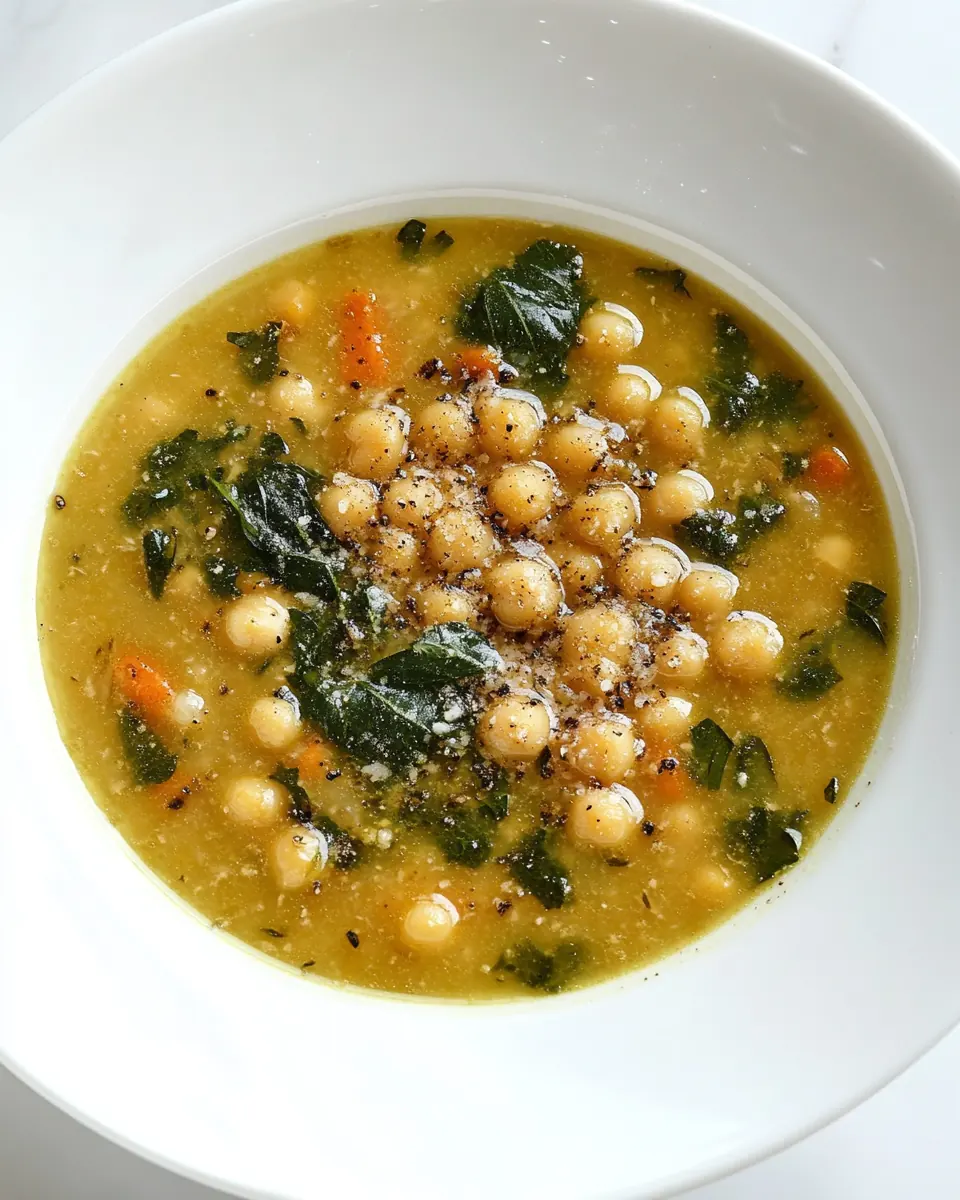
This recipe thrives on small details, from how you sauté the vegetables to when you add the greens. Below are practical tips to make your pot sing, whether you are a weeknight cook or hosting a casual dinner.
- Bloom spices in oil: Toasting dried herbs and spices briefly in warm olive oil releases essential oils and deepens aroma, giving more layered flavor with no extra ingredients.
- Rinse the canned chickpeas: Removing the canning liquid reduces sodium and any metallic taste, producing a cleaner bean flavor and better texture in the soup.
- Partial blending technique: Use an immersion blender to puree roughly one third of the pot, creating a creamy body while preserving whole bean texture for pleasant bites.
- Mind the kale timing: Add the kale toward the end so it wilts but remains bright and slightly firm, keeping color and nutritional value intact.
- Finish with acid: Stir in lemon juice off heat to brighten flavors; acid balances richness and lifts the herbal notes for a fresher finish.
What to Serve Alongside Chickpea Soup
This soup pairs well with simple accompaniments that complement its texture and flavors. Think crunchy breads, light salads, and cozy sides suited for casual lunches or warming dinners.
- Crusty bread for dipping: A warm loaf offers textural contrast and is ideal for soaking up the broth, making every last spoonful enjoyable.
- Simple green salad: A lightly dressed salad contrasts the soup s warmth with crispness, balancing the meal for lunch or a light dinner.
- Grated cheese on the side: Offer Parmesan for guests who enjoy a richer finish; a small bowl allows everyone to customize.
- Leftover strategy: This soup stores well in the refrigerator for several days; reheat gently on the stove to preserve texture and add a splash of broth if thickened.
- Seasonal touches: In winter, serve with a warm grain side like couscous or farro for extra heartiness; in milder months, keep it light with a lemony salad.
FAQ
Conclusion
This version of Chickpea Soup shines because it balances hearty, creamy beans with bright lemon and herb notes for a bowl that is both nourishing and comforting. Give it a try when you need a simple meal that still feels thoughtfully prepared, whether for a cozy night in or to share with friends. I hope it becomes one of those recipes you reach for again and again, the kind that warms the kitchen and makes dinner feel like a small celebration.
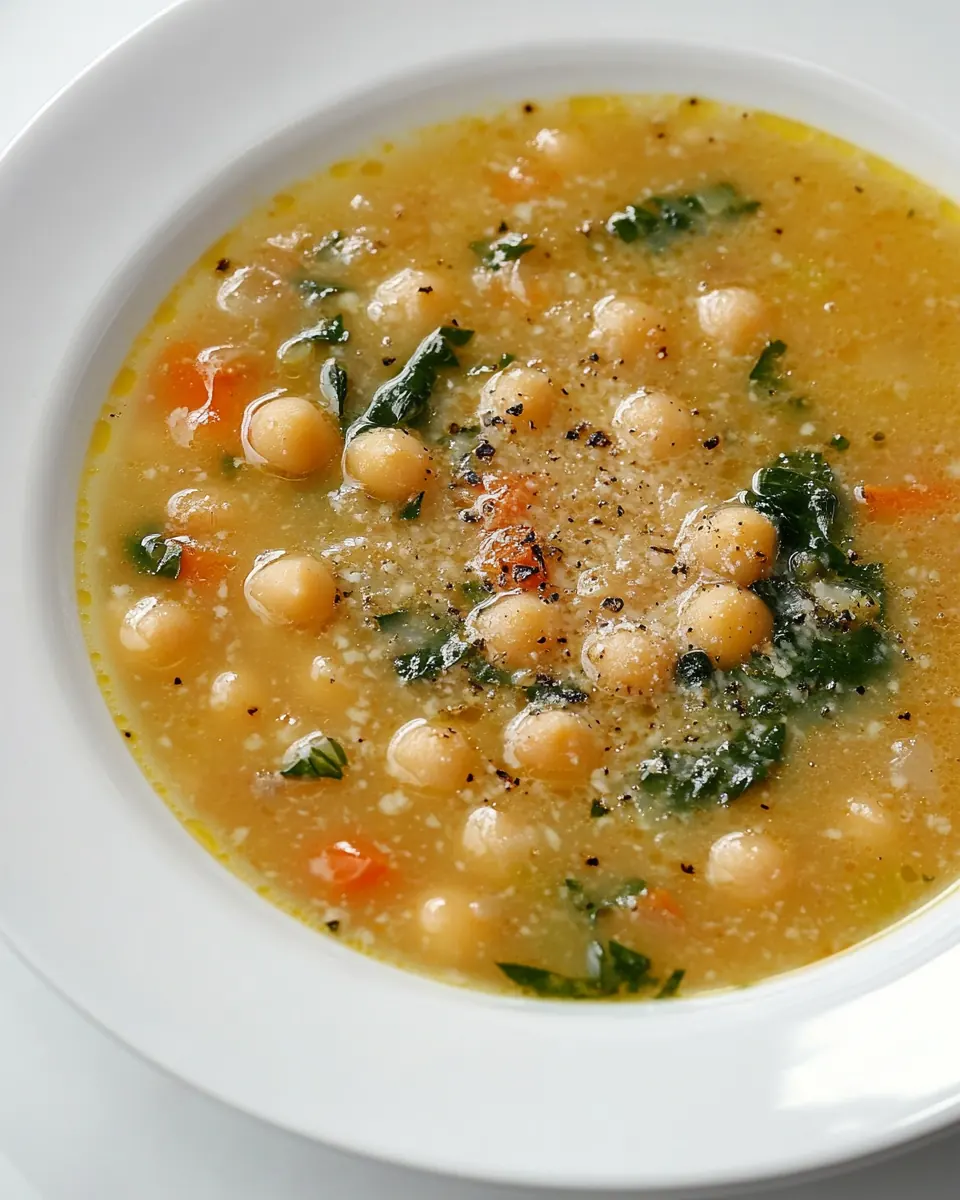
Chickpea Soup
Ingredients
Equipment
Method
- In a large pot, heat the olive oil over medium-high heat. Add the chopped onion, carrots, and celery. Cook for about 5-7 minutes until the vegetables are soft.: The moment the oil begins to shimmer you will notice a soft, warm scent, signaling readiness for the aromatics. As you add the onion , carrots , and celery , listen for a gentle sizzle that indicates the vegetables are releasing moisture and sugars. The sound will evolve from a sharp hiss to a softer murmur as they soften, and you should see the edges of the onion turn translucent, a key visual cue that the base is developing sweetness. If the vegetables brown too quickly, lower the heat slightly to avoid bitterness, stirring every minute so nothing sticks. This step matters because properly softened vegetables form a flavorful foundation that gives depth to the broth; rushing it will leave the soup tasting flat or raw. A common mistake is using too high heat which causes uneven cooking and burns, so maintain a steady medium high and be patient.
- Add the minced garlic along with the bay leaf, dried thyme, dried oregano, dried rosemary, kosher salt, black pepper, and smoked paprika. Sauté for 1 minute until aromatic.: When these aromatics hit the warm oil, they release volatile oils that instantly perfume the kitchen, giving you a fragrant preview of the finished soup. You will notice the scent deepen within a minute as the garlic becomes fragrant; avoid letting it brown, which would make the flavor bitter. The dried herbs will swell slightly and their flavors will marry with the softened vegetables, creating a layered herbaceous profile. Stir constantly for about a minute so every piece is coated, and taste a small piece of vegetable to ensure the seasoning is balanced before adding liquids. Over seasoning at this early stage can make the soup overly intense after reduction, so season conservatively and adjust later.
- Add chickpeas, diced potatoes, and broth. Bring to a boil, then reduce heat, cover partially, and simmer for 15-20 minutes until potatoes are tender.: As you pour in the chickpeas , the piled texture introduces a comforting heft, while the diced Yukon Gold potatoes will start to absorb the hot liquid and release starch. The broth should cover the solids and come to a gentle boil, which you will spot as steady, rolling bubbles across the surface. Reduce the heat to a simmer and partially cover the pot so steam escapes and flavors concentrate slowly. Simmering for the recommended time allows the potatoes to become tender and the flavors to meld; a vigorous boil will break down the beans too quickly and cloud the broth. A common error is not adjusting the lid placement, which can either evaporate too quickly or keep too much water in; a partial cover keeps the balance right.
- Discard the bay leaf. Use an immersion blender to blend part of the soup for a thicker texture, leaving some chickpeas whole.: You will notice the aroma deepen and a gentle, comforting steam rising from the pot. Test the potatoes by piercing a cube with a fork; when the fork slides in easily, they are done. The simmer should be gentle enough that the surface barely ripples, which prevents the chickpeas from breaking apart prematurely. This low and slow approach allows starches to loosen, enriching the broth without turning it gluey. Avoid the temptation to speed up with high heat, because rapid boiling can rupture beans and make the texture inconsistent.
- Stir in the chopped kale and lemon juice, and simmer for an additional 2-3 minutes until the kale wilts.: Removing the bay leaf avoids a sharp, woody texture in the final bowl, since leaving it in can result in an unpleasant bite. After removing, use an immersion blender to partially blend the soup for a thicker texture while leaving some chickpeas whole; this technique creates a velvety base with pleasant bean bites. You will notice the soup thicken and develop a creamy sheen as some beans and potatoes emulsify into the broth. If you do not have an immersion blender, transfer a portion to a regular blender, pulse until smooth, and return it to the pot. Be careful when blending hot liquids to avoid splatters, and always vent the lid slightly to let steam escape.
- Serve hot, garnished with fresh parsley and a sprinkle of Parmesan, if desired.: Blending part of the pot changes the mouthfeel dramatically, giving you a silky body while preserving whole beans for contrast. As you pulse, watch the color deepen slightly and feel the spoon glide more smoothly, a sign that proteins and starches are integrating. This method enhances creaminess without adding dairy, and it keeps the dish lighter yet satisfying. A common pitfall is over blending, which can turn the entire soup into a puree, so blend in short bursts and step back to check the texture often.
- Stir in the chopped kale and lemon juice: The addition of kale brings fresh green color and a slight bitter edge that brightens the pot. As the kale wilts, you will see it change from firm and matte to soft and glossy, a visual indicator it is ready. The lemon juice should be added at this stage to preserve its bright acidity, which cuts through the savory richness and lifts the flavors. Allow the soup to simmer for a couple more minutes until the kale is tender yet still has a slight bite. Avoid overcooking the greens, which can make them mushy and dull in flavor.
- Simmer for an additional 2 to 3 minutes until the kale wilts: During these final minutes, aromas will sharpen and the soup will come together. Listen for a gentle simmer and watch the kale relax into the broth, marking the final stage of cooking. Taste for seasoning and adjust with a pinch more kosher salt or a squeeze of lemon juice to brighten as needed. A frequent mistake is skipping the final taste test; minor adjustments here make a big difference in balance.
- Serve hot, garnished with fresh parsley and a sprinkle of Parmesan, if desired: The finishing touches are both visual and flavor forward. The fresh parsley adds a pop of green and a crisp herbal note, while a light dusting of Parmesan introduces umami and creaminess if you choose to include it. Serve in warmed bowls to keep the soup hot longer, and offer extra lemon or cheese at the table for personal preference. Over garnishing can mask the soup s delicate balance, so apply lightly and let the core flavors shine.
Notes
- Bloom spices in oil: Toasting dried herbs and spices briefly in warm olive oil releases essential oils and deepens aroma, giving more layered flavor with no extra ingredients.
- Rinse the canned chickpeas: Removing the canning liquid reduces sodium and any metallic taste, producing a cleaner bean flavor and better texture in the soup.
- Partial blending technique: Use an immersion blender to puree roughly one third of the pot, creating a creamy body while preserving whole bean texture for pleasant bites.
- Mind the kale timing: Add the kale toward the end so it wilts but remains bright and slightly firm, keeping color and nutritional value intact.
- Finish with acid: Stir in lemon juice off heat to brighten flavors; acid balances richness and lifts the herbal notes for a fresher finish.