Baked feta spaghetti squash
Baked feta spaghetti squash is one of those weekday heroes that feels indulgent but is honestly effortless to pull together. I first made this when I had a lonely spaghetti squash in my pantry and a stubborn block of feta that needed rescuing. The roasted spaghetti squash cavity becomes a cozy little boat for juicy tomatoes and creamy feta, and the first forkful that mixes warm, tangy cheese with sweet, burst tomatoes felt like a tiny celebration.
I remember standing at the counter, the kitchen filling with a faint roasted squash aroma, thinking how this version turned a simple vegetable into the centerpiece of our dinner. I like recipes that let the ingredients shine without fuss, and this Baked feta spaghetti squash does that by letting heat coax sweetness from the tomatoes and turn the feta lusciously soft. The pesto adds a green, herbaceous thread that holds the whole bite together, while a scattering of everything bagel seasoning gives crunchy interest.
What makes this one of my go to meals is how humble it is to prepare, yet how photogenic and satisfying it is on the table. I often double it when friends come over, because it travels well from oven to serving platter and still looks composed. Every time I serve Baked feta spaghetti squash, I find someone asks for the recipe before the plates are empty, which is always a good sign in my book.
Recipe Snapshot
1 hr 20 mins
15 mins
65 mins
Medium
300 kcal
Mediterranean
Gluten-Free, Keto
Dinner
Baking Sheet
Why This Baked feta spaghetti squash Stands Out
Roasted comfort with minimal effort
I love that Baked feta spaghetti squash feels like a comforting roast without demanding lots of hands on time. The oven does most of the work, and the payoff is tender, strand like spaghetti squash and golden, slightly caramelized feta.
Bright, balanced flavors
The dish balances creamy, salty feta with sweet, roasted tomatoes and herbaceous pesto. That contrast keeps every bite exciting and prevents the flavors from becoming one note.
Textural intrigue
You get soft, ribbon like spaghetti squash, poppable, bursting tomatoes, and a creamy, slightly crumbly feta. Adding everything bagel seasoning or red pepper flakes brings crunchy and spicy accents, which I adore.
Adaptable to occasions
This recipe is flexible. Serve it for a weeknight family dinner, bring it to a potluck, or use it as a centerpiece for a cozy fall dinner. I like how it feels special without being complicated.
Clean ingredient list
Because the ingredient list is short and focused, substitutions are straightforward and you can make it year round. The few elements all pull double duty, giving you flavor, texture, and visual appeal.
Main Ingredients for Baked feta spaghetti squash
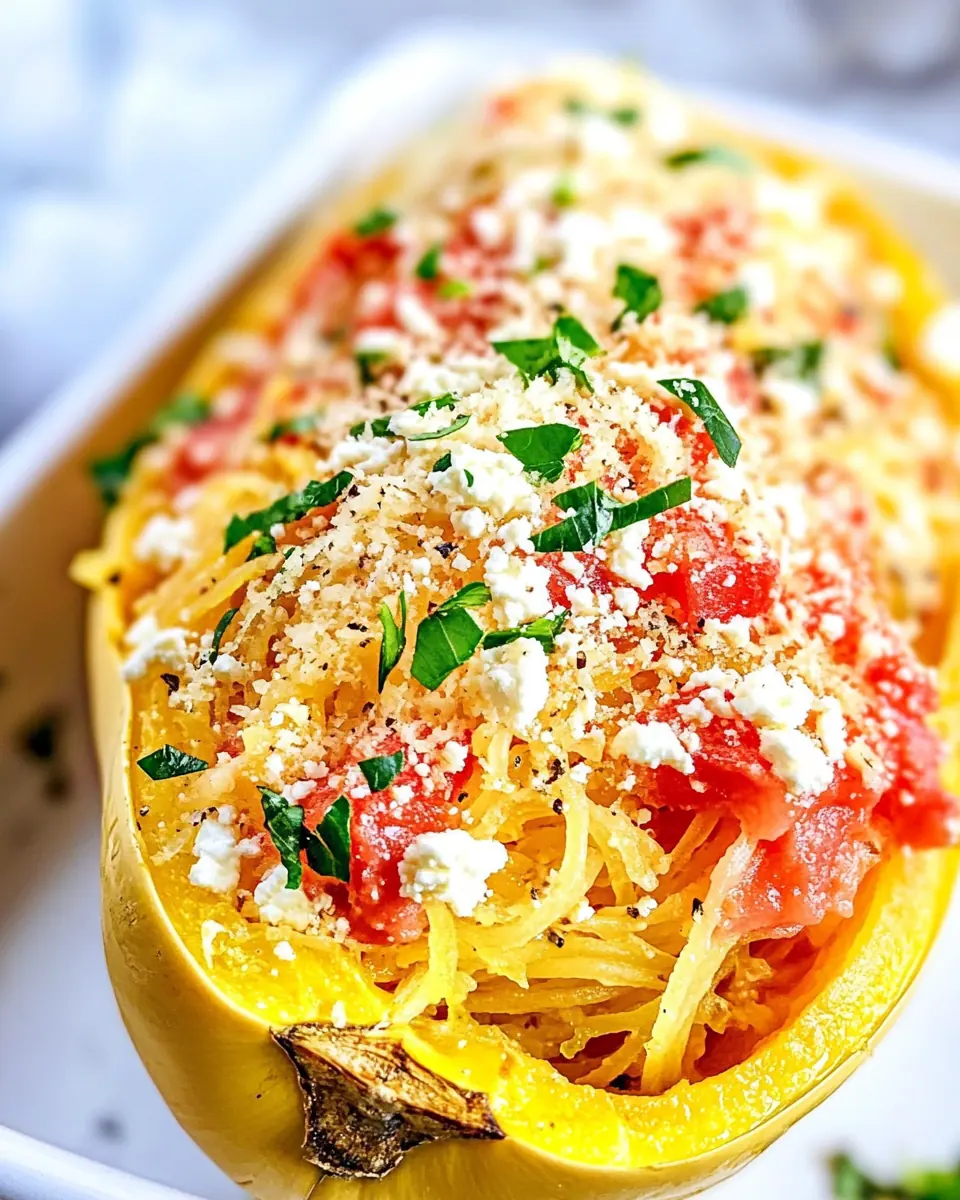
These ingredients are selected to create a harmonious, oven roasted dish. The spaghetti squash acts as the vessel and the main vegetable base. The feta melts into luxurious pockets of tangy creaminess while the cherry or grape tomatoes release sweet juices as they roast. Pesto brings herbal depth and olive oil helps everything roast evenly. The seasonings add contrast and finishing character.
- 1 spaghetti squash: Roast or drizzle and brush to lightly coat the squash before baking; provides fat to promote browning and help seasonings adhere. Enhances texture and flavor of the flesh once shredded into spaghetti-like strands.
- Olive oil: Coat and toss with the cut squash cavity or use to sauté tomatoes and garlic; contributes moistness and richness to balance acidity. Helps carry and meld the flavors of the other components in the finished dish.
- Salt and pepper: Season generously on the flesh and tomatoes to enhance overall flavor; used during roasting and at the end to taste. Balances sweetness and fat while bringing out natural savory notes.
- 4 oz . feta cheese cut in half: Crumble or place halves in the squash cavity to melt and create a creamy, salty center during baking; adds tangy, rich creaminess. Provides a concentrated savory punch that becomes spreadable and mixes with the strands.
- 8 oz . cherry or grape tomatoes: Roast whole or halved with the squash to burst and soften; offers sweet, juicy pops and acidity that brighten the dish. Releases juices as they blister, creating a natural sauce that complements the cheese.
- 3 tablespoons pesto: Stir through the finished squash strands for herbal, nutty depth; brings basil-forward aromatics and concentrated savory fattiness. Acts as a flavor booster that ties tomatoes, cheese, and garlic together.
- 1 tablespoon minced garlic: Sauté lightly or mix raw into warm strands for pungent aromatic depth; infuses the dish with a savory backbone. Blends with oil and roasted tomato juices to lift overall complexity.
- Red pepper flakes: Sprinkle to add heat and a touch of smoky spice; used sparingly to avoid overpowering the delicate squash. Provides a bright, warming contrast to the creamy feta and sweet tomatoes.
- Everything bagel seasoning: Finish with a crunchy, umami-rich sprinkle to introduce toasted seeds and onion-garlic notes; adds visual interest and texture. Balances creamy and soft elements with a savory, toasty bite.
- Chopped fresh parsley , for serving (optional): Garnish sparingly to add fresh herbal brightness and color; offers a clean, slightly peppery finish. Lightly folded in or sprinkled on top to refresh the rich components.
Recipe Directions for Baked feta spaghetti squash
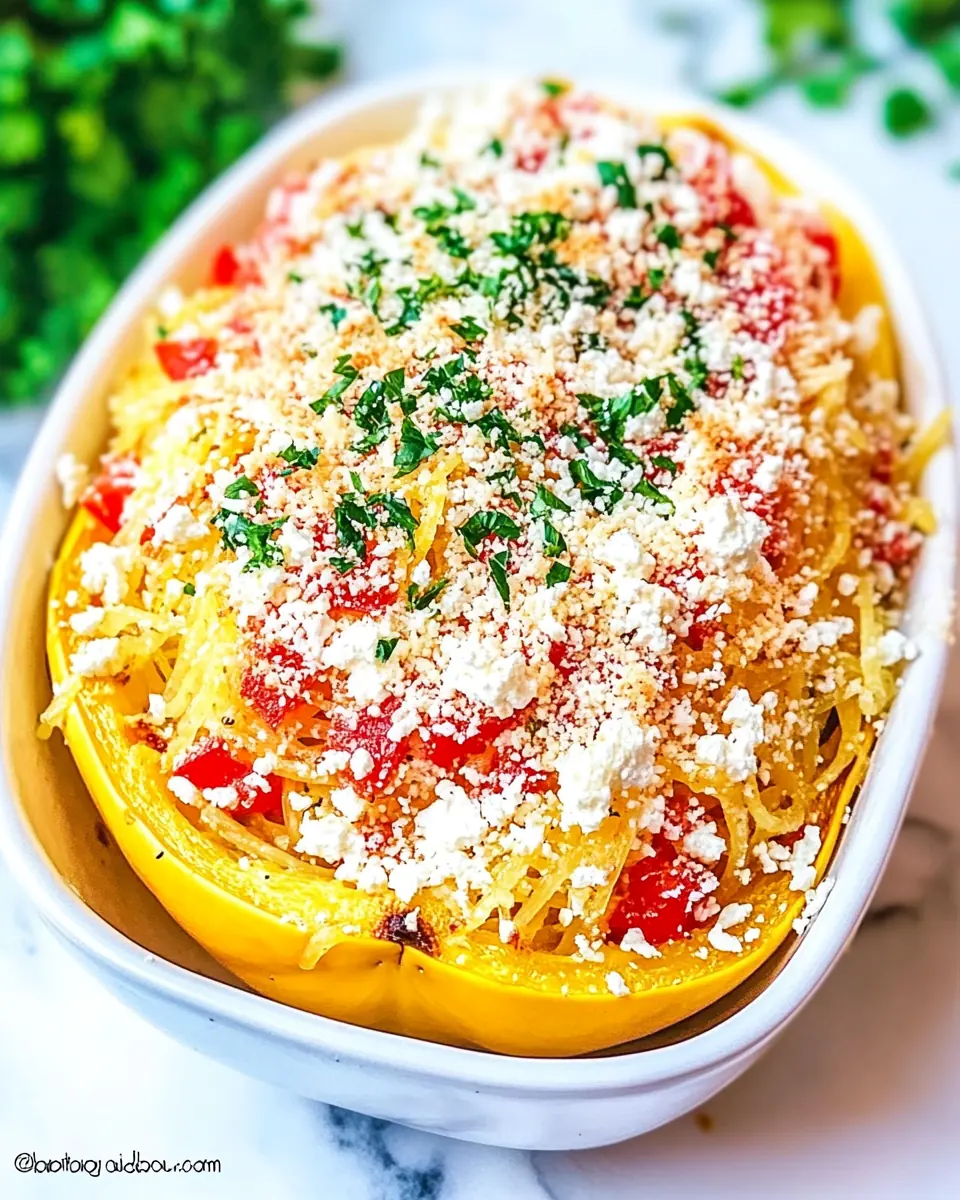
These directions walk you through turning raw produce into a composed, oven roasted dish. Read each step before starting so you know how the flavors and textures will evolve. I like to have my Olive oil and seasonings ready on the counter so I can move smoothly from prep to oven.
- Begin by preheating your oven to 400°F (200°C).: The air in the oven should feel warm and anticipatory, and preheating ensures the outside of the spaghetti squash starts browning as soon as it goes in, which promotes caramelization. You will smell subtle toasty notes once the oven reaches temperature, a good cue that it is ready. A common mistake is placing food into an oven that has not fully preheated, which leads to longer cooking times and uneven texture. Allow the temperature to stabilize before you slide in the baking sheet.
- Carefully slice the spaghetti squash in half lengthwise and scoop out the seeds with a spoon. Discard the seeds. Drizzle each cut side of the squash with olive oil and spread it evenly using a pastry brush. Season generously with salt and pepper. If squash is too hard to cut easily, see notes on my recommendations for an even cut.: The moment you slice into the squash you will notice its firm, pale flesh exposed. Rubbing the cut side with Olive oil creates a subtle sheen and helps the flesh brown. When you season now, the salt penetrates and seasons from inside out as the squash roasts, rather than just resting on the surface. One frequent error is insufficient seasoning at this stage, which can result in bland strands later. If the squash resists the knife, soften it slightly using the microwave tip to avoid unsafe forceful cutting.
- Place each half of the squash cut side up on a baking sheet. Place a piece of feta cheese into each squash cavity.: Setting the halves cut side up on the Baking Sheet keeps the feta in place and allows the cheese to melt into the center rather than run away. As the oven heats the feta will start to soften and eventually develop a lightly golden surface, releasing tangy aromas that mingle with roasted squash. A common oversight is placing the halves cut side down which steams the flesh rather than roasting it, yielding less color and flavor.
- In a mixing bowl, combine the cherry tomatoes, pesto, 2 tablespoons of olive oil, and a sprinkle of red pepper flakes. Mix well to coat the tomatoes with the pesto.: Tossing the cherry or grape tomatoes with pesto and Olive oil helps them blister evenly and ensures that each tomato releases fragrant juices that are already seasoned. You should hear a faint tinkle as the tomatoes hit the bowl and feel a slick coating from the oil. This step builds the inner sauce for the squash, so skip it and the filling will be uneven. Over mixing can bruise the tomatoes, so toss gently.
- Spoon half of the tomato mixture into each squash cavity on top of the feta cheese. Drizzle with a bit more olive oil over the top.: As you spoon the mixture in, you will see the tomato skins nestle around the feta and the filling mound slightly. The extra drizzle of Olive oil promotes bubbling and blistering during roasting and adds gloss to the finished dish. A common slip is under filling the cavity which reduces the flavor interplay between squash, feta , and tomatoes.
- Place the baking sheet in the preheated oven and bake for 50-65 minutes, or until the squash is tender when pierced with a fork. The feta will become golden and the tomatoes will burst. The timing will really depend on the size of the squash and heat from your oven.: As the squash roasts you will notice the kitchen filling with a warm, sweet aroma, and the edges of the tomatoes begin to wrinkle and split. The feta transitions from chalky to creamy and may develop small golden spots; this visual cue signals the cheese is melty and rich. If the squash still feels firm at the lower end of the time window, continue roasting and check every 10 minutes. A typical error is removing the squash too early which leaves the strands tough rather than tender and silky.
- Remove the squash from the oven and (optionally) top with everything bagel seasoning, chopped fresh parsley or more red pepper flakes. Using a fork, shred the squash into spaghetti-like strands, mixing it with the tomatoes and cheese. Serve hot.: After removing from the oven, the air around the baking sheet will be fragrant, with the roasted tomatoes giving off a sweet, savory perfume and the feta adding an unmistakable tang. Shredding the flesh with a fork releases long, glossy strands that catch the juices and melt of the feta . Toss gently to combine so you keep some intact strands and some saucy clumps. A common pitfall is shredding too vigorously and squashing the tomatoes, which flattens texture and changes the mouthfeel. Serve while still hot to enjoy the contrast between warm cheese and fresh parsley garnish.
Ways to Adapt This Recipe
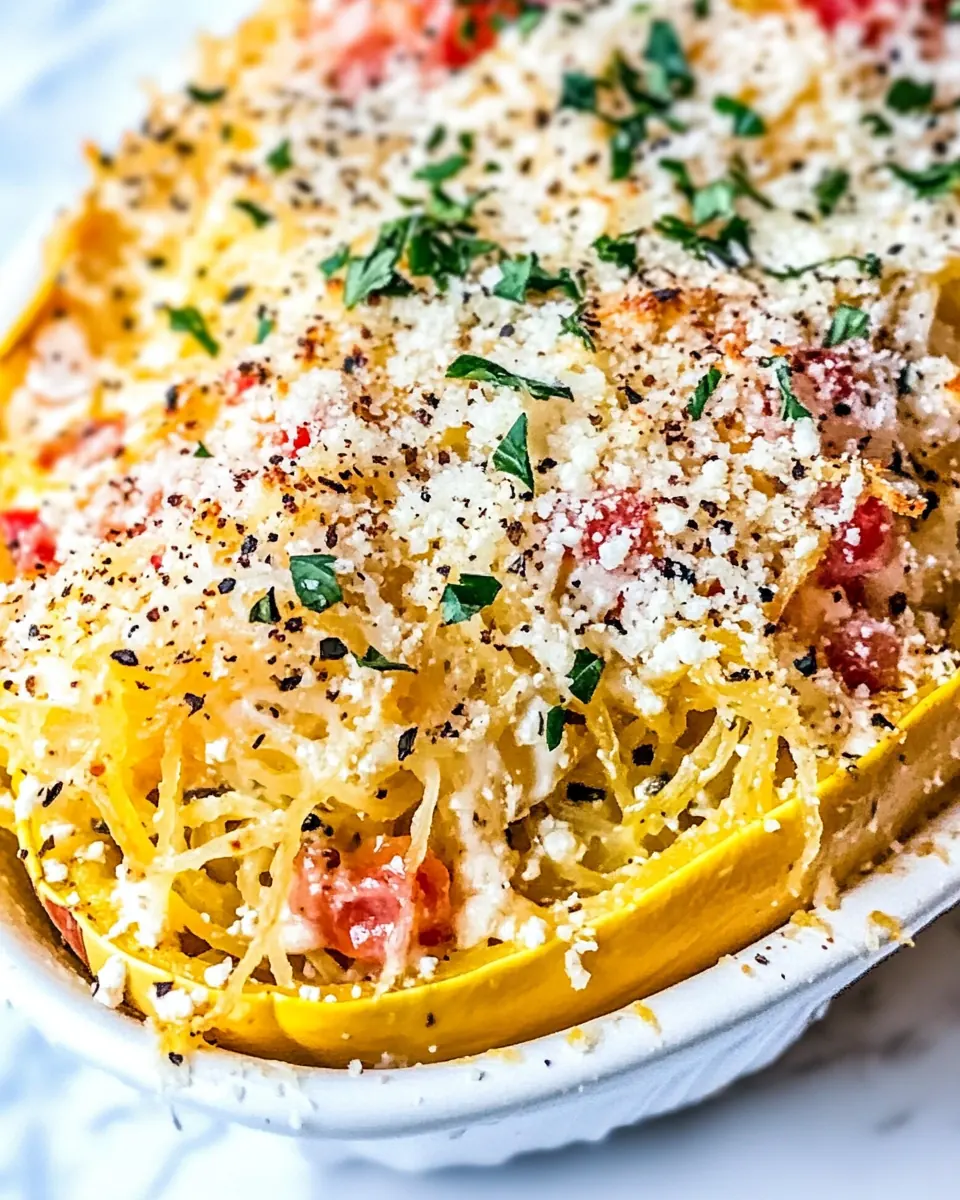
I like to offer practical variations so you can tailor Baked feta spaghetti squash to your pantry and preferences. Below are several adaptations that keep the spirit of the original while offering different textures, levels of spice, and presentation ideas.
- Make it heartier: Add extra roasted vegetables to the tomato mix for bulk and variety, such as sliced zucchini or bell peppers, to stretch the dish for larger crowds.
- Boost herb notes: Stir a tablespoon more pesto into the shredded strands after roasting to refresh herbaceous flavor that can fade slightly in the oven.
- Turn up the heat: Increase the red pepper flakes or add a drizzle of chili oil after baking for a spicy finish that plays well with the creamy feta.
- Swap finishing crunch: Use toasted sesame seeds or dukkah in place of everything bagel seasoning for a different nutty texture and savory depth.
- Make ahead tips: Roast the squash and prepare the tomato mixture a day ahead, then assemble and reheat gently in a 350°F oven until warmed through for quick service.
What to Serve Alongside Baked feta spaghetti squash
This dish stands well on its own, but pairing it thoughtfully can elevate the meal. Below are suggestions for side dishes, occasions, and storage ideas that complement the warm, tangy filling and enhance the overall dining experience.
- Simple green salad: A bright, crisp salad with lemon vinaigrette balances the rich feta and roasted flavors, making it ideal for a weeknight dinner.
- Crusty bread: Offer slices of toasted bread for scooping up the cheesy, tomato studded strands, perfect for soaking up the flavorful juices.
- Light soup starter: Serve a small bowl of clear vegetable broth or a thin, herbed soup to start, keeping the meal feeling cozy and not heavy.
- Occasion pairing: For fall dinners or casual entertaining, present the baked halves on a platter garnished with parsley and everything bagel seasoning to emphasize seasonal comfort.
- Storage tips: Refrigerate leftovers in an airtight container for up to three days. Reheat gently in the oven at 325°F to preserve texture, stirring once to redistribute the juices.
- Serving style: Serve family style on the table so guests can scrape out their own portions, adding extra pesto or red pepper flakes to taste.
FAQ
Conclusion
Baked feta spaghetti squash stands out because it transforms humble ingredients into a striking, flavorful meal with minimal fuss. The interplay of creamy feta, sweet roasted tomatoes, and delicate spaghetti squash strands creates a comforting yet lively dish that works for weeknights and casual gatherings. Give it a try and see how such a simple assembly can feel elevated and celebratory at the same time. Serve it warm, garnish with fresh parsley and a sprinkle of everything bagel seasoning, and enjoy the ease of a recipe that highlights great ingredients without overcomplication.
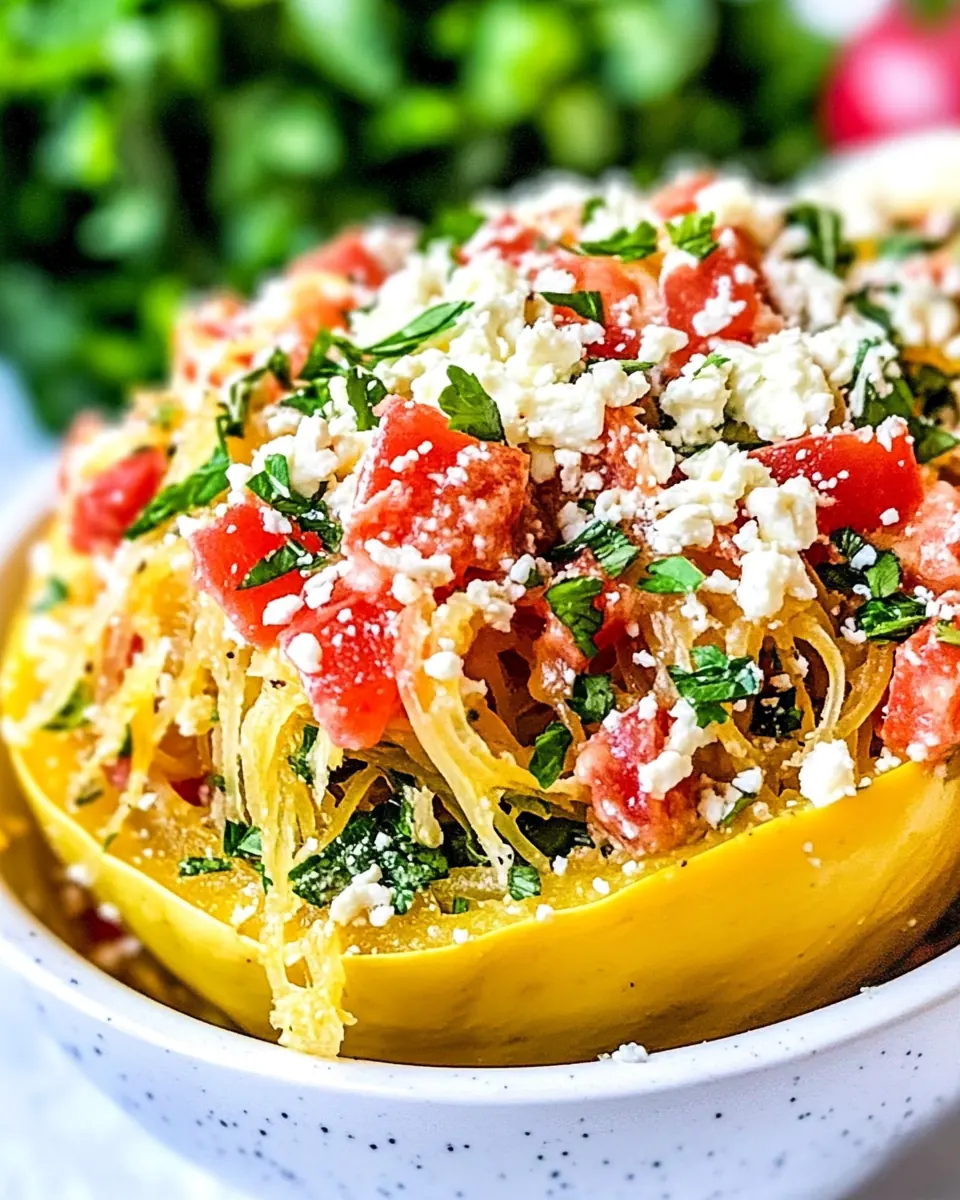
Baked feta spaghetti squash
Ingredients
Equipment
Method
- Begin by preheating your oven to 400°F (200°C).: The air in the oven should feel warm and anticipatory, and preheating ensures the outside of the spaghetti squash starts browning as soon as it goes in, which promotes caramelization. You will smell subtle toasty notes once the oven reaches temperature, a good cue that it is ready. A common mistake is placing food into an oven that has not fully preheated, which leads to longer cooking times and uneven texture. Allow the temperature to stabilize before you slide in the baking sheet.
- Carefully slice the spaghetti squash in half lengthwise and scoop out the seeds with a spoon. Discard the seeds. Drizzle each cut side of the squash with olive oil and spread it evenly using a pastry brush. Season generously with salt and pepper. If squash is too hard to cut easily, see notes on my recommendations for an even cut.: The moment you slice into the squash you will notice its firm, pale flesh exposed. Rubbing the cut side with Olive oil creates a subtle sheen and helps the flesh brown. When you season now, the salt penetrates and seasons from inside out as the squash roasts, rather than just resting on the surface. One frequent error is insufficient seasoning at this stage, which can result in bland strands later. If the squash resists the knife, soften it slightly using the microwave tip to avoid unsafe forceful cutting.
- Place each half of the squash cut side up on a baking sheet. Place a piece of feta cheese into each squash cavity.: Setting the halves cut side up on the Baking Sheet keeps the feta in place and allows the cheese to melt into the center rather than run away. As the oven heats the feta will start to soften and eventually develop a lightly golden surface, releasing tangy aromas that mingle with roasted squash. A common oversight is placing the halves cut side down which steams the flesh rather than roasting it, yielding less color and flavor.
- In a mixing bowl, combine the cherry tomatoes, pesto, 2 tablespoons of olive oil, and a sprinkle of red pepper flakes. Mix well to coat the tomatoes with the pesto.: Tossing the cherry or grape tomatoes with pesto and Olive oil helps them blister evenly and ensures that each tomato releases fragrant juices that are already seasoned. You should hear a faint tinkle as the tomatoes hit the bowl and feel a slick coating from the oil. This step builds the inner sauce for the squash, so skip it and the filling will be uneven. Over mixing can bruise the tomatoes, so toss gently.
- Spoon half of the tomato mixture into each squash cavity on top of the feta cheese. Drizzle with a bit more olive oil over the top.: As you spoon the mixture in, you will see the tomato skins nestle around the feta and the filling mound slightly. The extra drizzle of Olive oil promotes bubbling and blistering during roasting and adds gloss to the finished dish. A common slip is under filling the cavity which reduces the flavor interplay between squash, feta , and tomatoes.
- Place the baking sheet in the preheated oven and bake for 50-65 minutes, or until the squash is tender when pierced with a fork. The feta will become golden and the tomatoes will burst. The timing will really depend on the size of the squash and heat from your oven.: As the squash roasts you will notice the kitchen filling with a warm, sweet aroma, and the edges of the tomatoes begin to wrinkle and split. The feta transitions from chalky to creamy and may develop small golden spots; this visual cue signals the cheese is melty and rich. If the squash still feels firm at the lower end of the time window, continue roasting and check every 10 minutes. A typical error is removing the squash too early which leaves the strands tough rather than tender and silky.
- Remove the squash from the oven and (optionally) top with everything bagel seasoning, chopped fresh parsley or more red pepper flakes. Using a fork, shred the squash into spaghetti-like strands, mixing it with the tomatoes and cheese. Serve hot.: After removing from the oven, the air around the baking sheet will be fragrant, with the roasted tomatoes giving off a sweet, savory perfume and the feta adding an unmistakable tang. Shredding the flesh with a fork releases long, glossy strands that catch the juices and melt of the feta . Toss gently to combine so you keep some intact strands and some saucy clumps. A common pitfall is shredding too vigorously and squashing the tomatoes, which flattens texture and changes the mouthfeel. Serve while still hot to enjoy the contrast between warm cheese and fresh parsley garnish.
Notes
- Make it heartier: Add extra roasted vegetables to the tomato mix for bulk and variety, such as sliced zucchini or bell peppers, to stretch the dish for larger crowds.
- Boost herb notes: Stir a tablespoon more pesto into the shredded strands after roasting to refresh herbaceous flavor that can fade slightly in the oven.
- Turn up the heat: Increase the red pepper flakes or add a drizzle of chili oil after baking for a spicy finish that plays well with the creamy feta.
- Swap finishing crunch: Use toasted sesame seeds or dukkah in place of everything bagel seasoning for a different nutty texture and savory depth.
- Make ahead tips: Roast the squash and prepare the tomato mixture a day ahead, then assemble and reheat gently in a 350°F oven until warmed through for quick service.