Gluten Free Carrot Cake Cupcakes With Coconut Flour
Gluten Free Carrot Cake Cupcakes With Coconut Flour have been my go to whenever I want a cozy, slightly nostalgic treat that still fits a gluten free pantry. The very first time I baked these, I was juggling a teetering stack of cookbooks and a toddler who insisted on stirring, and somehow the kitchen filled with warm cinnamon and a hint of coconut that felt like a hug. I remember tasting the frosting on a spoon and thinking, okay, this one is a keeper.
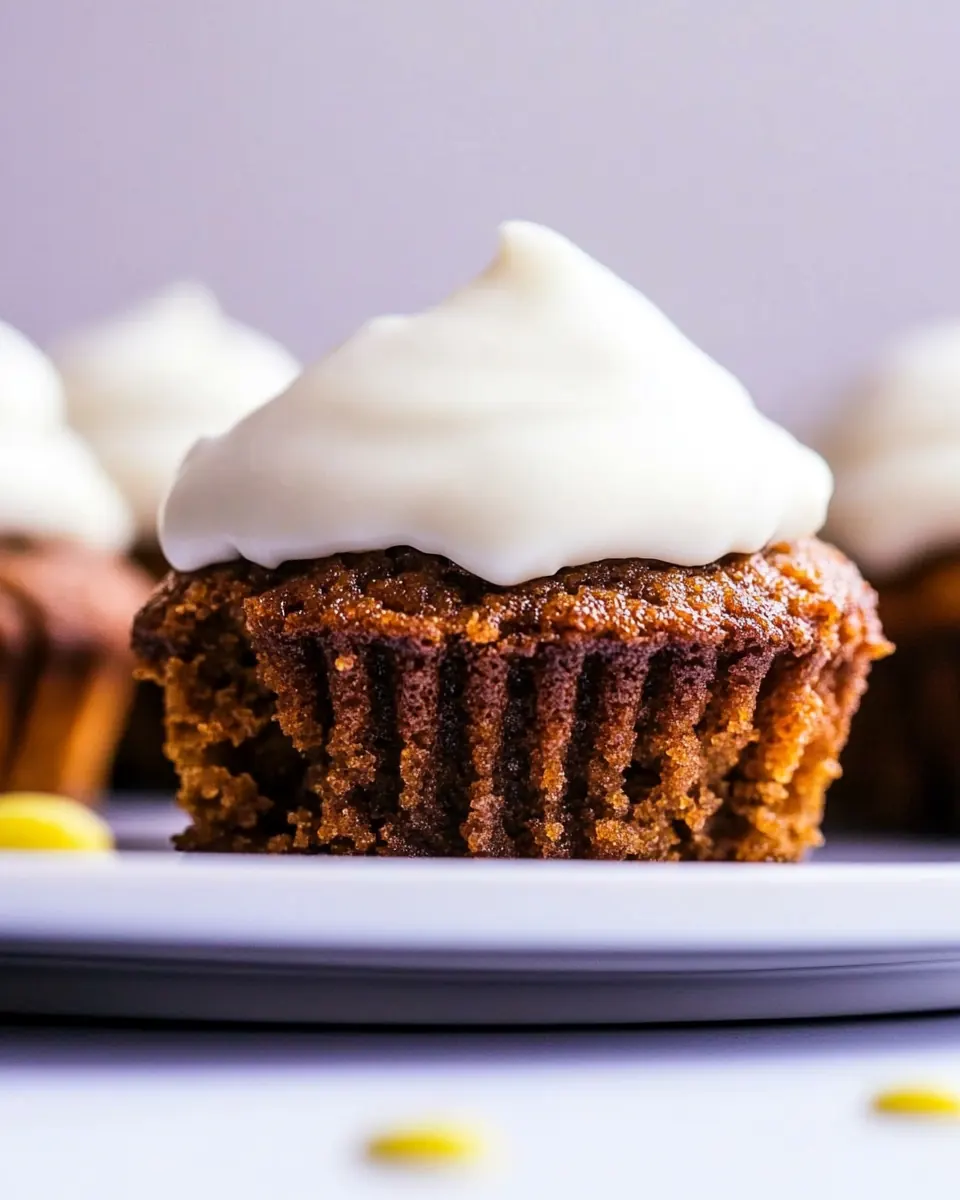
These cupcakes are small enough to share at a casual coffee catch up, yet special enough to bring to a spring gathering. I love how the texture of the crumb is different from wheat based cakes, tender and a little denser, with the grated carrots adding moisture and a bright flecked look inside each cupcake. The coconut flour gives a gentle, nutty backdrop that plays well with cinnamon and a whisper of nutmeg, and the light cream cheese frosting balances the earthiness with a silky tang.
Every time I make a batch I tweak one small thing, sometimes the amount of coconut sugar or how long I beat the frosting, and each little change teaches me something. I also love that these are manageable to bake when life is busy, but still feel thoughtful when I plate them for guests. If you like desserts that are approachable but a touch refined, these cupcakes will likely become part of your rotation too.
Recipe Snapshot
35 mins
15 mins
20 mins
Medium
190 kcal
American
Gluten-Free, Low FODMAP
Desserts
muffin tin, mixer, mixing bowls, parchment bag
What We Adore About This Gluten Free Carrot Cake Cupcakes With Coconut Flour
Flavor that feels familiar
I adore how these Gluten Free Carrot Cake Cupcakes With Coconut Flour taste like a classic carrot cake without feeling heavy. The blend of cinnamon and nutmeg gives a comforting warmth, while the coconut flour provides a mild nuttiness that supports the sweetness instead of overpowering it. I find that this balance is what keeps people coming back for a second cupcake.
Texture that surprises
One reason I reach for this recipe is the tender crumb. The coconut flour soaks up moisture differently than wheat flour, so the grated carrots are crucial, they keep the cupcakes moist and studded with texture. You get a cake that is soft, slightly dense, and satisfying without being gummy.
Easy baking with pantry staples
I like that most of the ingredients are pantry friendly. With staples like coconut oil, eggs, and coconut sugar, you can pull a batch together quickly. For busy afternoons when I want baking therapy, these cupcakes come together fast and reward you almost immediately.
Versatile and crowd friendly
These cupcakes work at many occasions. I have brought them to potlucks, packed them for picnics, and served them at a birthday where one guest needed gluten free options. They feel special enough for a celebration, but also unpretentious enough for a weekday treat.
Balanced frosting
The cream cheese frosting is lightened by beating and gradual sugar incorporation. It adds a creamy, tangy contrast to the warmly spiced cake. I love piping a swirl because presentation is half the fun, and this frosting holds a shape that looks inviting without being fussy.
Ingredient List for Gluten Free Carrot Cake Cupcakes With Coconut Flour
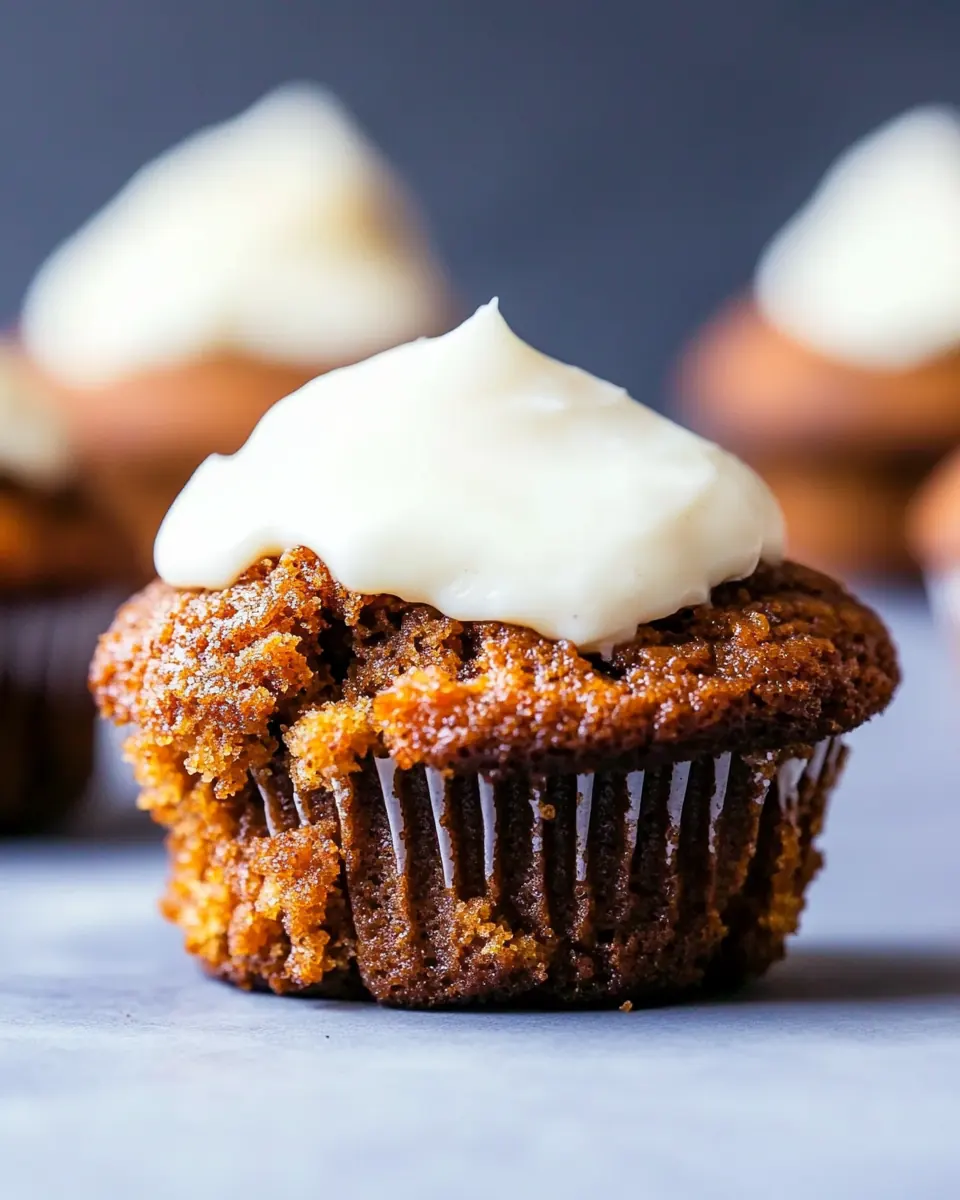
These components are chosen to work in harmony. The key players are the coconut flour which provides structure, the grated carrots for moisture and sweetness, and the combination of leaveners to help these small cakes rise properly. The frosting ingredients create a silky finish that complements the warmly spiced batter.
- 1/2 cup coconut flour sifted, 45 grams: Provide a light, absorbent base that traps moisture and contributes to the cake's structure; coconut flour requires precise measuring and sifting to avoid lumps and ensure even hydration in the batter.
- 1/2 teaspoon baking soda: Act as a leavening agent to neutralize acidic components and create lift; baking soda helps cupcakes rise and develop a tender crumb when combined with eggs and other wet ingredients.
- 1/2 teaspoon baking powder: Function as an additional leavening agent to provide consistent rise and fine crumb; baking powder works alongside baking soda to balance lift and prevent dense texture in the cupcakes.
- 1 teaspoon cinnamon: Impart warm, sweet-spicy flavor that complements carrots and cream cheese; cinnamon enhances the overall aroma and depth of the cake without overpowering other flavors.
- 1/8 teaspoon nutmeg: Add a subtle, warm nutty flavor that elevates the spice profile; nutmeg pairs with cinnamon to round out the taste and provide aromatic complexity in small amounts.
- 1/4 teaspoon salt: Balance and enhance flavors while strengthening dough proteins slightly; salt moderates sweetness and amplifies the other spices and sugars in the batter.
- 3 large eggs at room temperature: Provide structure, moisture, and emulsification while helping the cupcakes set; room–temperature eggs incorporate air when beaten and bind ingredients for a cohesive crumb.
- 2 tablespoons coconut oil melted: Contribute moistness and tender richness while supporting flavor; melted coconut oil integrates easily with wet ingredients and adds a subtle coconut aroma.
- 1/2 teaspoon vanilla extract: Enhance sweetness and flavor depth while adding vanilla aroma; vanilla extract brightens other ingredients and improves the perceived sweetness of the cupcakes.
- 3/4 cup coconut sugar packed: Sweeten and add caramel-like flavor while contributing to moist texture; packed coconut sugar provides a less-refined sweetness and interacts with spices for complexity.
- 1 1/4 cups grated carrots: Provide moisture, texture, and fresh vegetable sweetness while contributing slight body; grated carrots distribute evenly through the batter and add natural sugars and color.
- 4 ounces reduced-fat cream cheese softened: Create a tangy, creamy frosting base with reduced fat for a lighter finish; softened cream cheese blends smoothly with butter and sugar to form a stable, flavorful icing.
- 1/4 cup butter softened: Add richness and creamy mouthfeel to the frosting while helping with spreadability; softened butter whips with cream cheese and powdered sugar to create a smooth texture.
- 1 teaspoon vanilla extract: Enhance frosting flavor with warm vanilla notes and depth; vanilla extract elevates the cream cheese and butter blend and balances sweetness.
- 1 cup powdered sugar sifted: Sweeten and stabilize the frosting while providing a silky, smooth texture when sifted; powdered sugar dissolves readily into the cream cheese and butter for a glossy finish.
Putting Together Gluten Free Carrot Cake Cupcakes With Coconut Flour
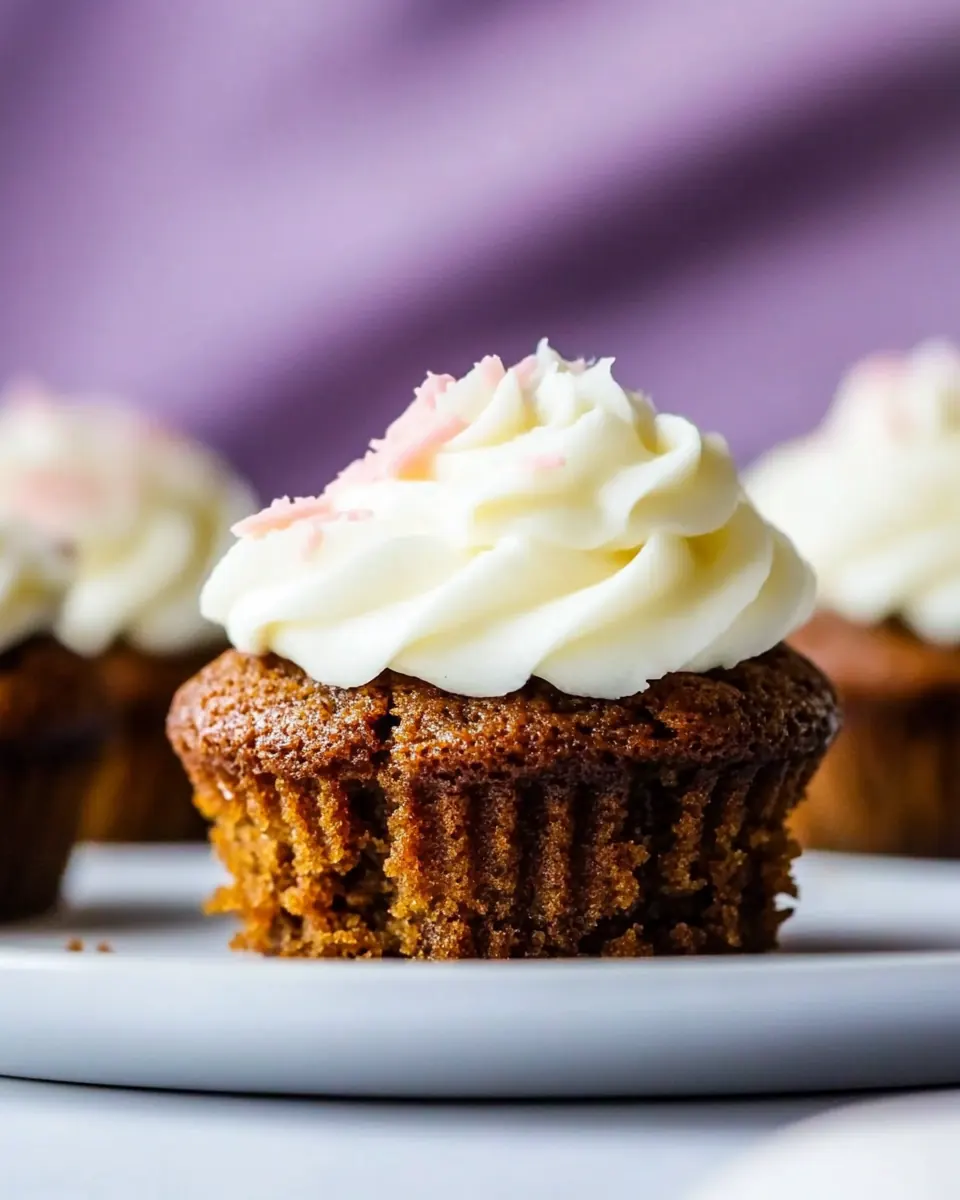
These directions move from mixing to baking to frosting. I find it calming to work step by step, listening to the whisk and watching texture changes. Below, I expand each step with sensory notes, why the technique matters, and what to watch out for.
- Preheat your oven to 350 degrees Fahrenheit and line a muffin tin with 6 muffin liners. Set aside.: As the oven warms to 350 degrees Fahrenheit , you will notice a faint dry heat in the kitchen and the familiar hum of the oven cycling on, which primes the environment for even baking. Getting the muffin tin lined ahead of time saves stress once the batter is ready; the liners protect the bottoms and make the cupcakes easy to remove. A warm oven ensures immediate and steady rise, producing a tender, well domed top. One mistake I often see is underestimating preheating time, which can cause uneven rise or dense centers. If your oven runs cool, use an oven thermometer to confirm the temperature and avoid opening the door during the first half of the bake, since that sudden cool down can collapse the domes.
- In a medium mixing bowl, stir together the sifted coconut flour, baking soda, baking powder, cinnamon, nutmeg, and salt until well combined. Set aside.: When you whisk these dry elements you release aromatic oils from the cinnamon and nutmeg , and the sifted coconut flour becomes airy, making it easier to integrate with the wet ingredients. The dry mixture should smell warmly spiced and look homogeneous, no clumps visible, which signals even distribution of leaveners so every cupcake rises similarly. If the coconut flour seems lumpy, sift again to prevent dense pockets in the batter. Over mixing will not ruin this stage, but failing to combine the leaveners uniformly could give uneven texture, so take a moment to fully incorporate.
- In a large bowl, using an electric hand mixer, beat together the eggs, coconut oil, vanilla extract, and coconut sugar until light and fluffy.: The sound here is a steady whisking rhythm as the eggs emulsify with the melted coconut oil and dissolve some of the granulated coconut sugar . You want the mixture to lighten in color and gain volume, which creates air pockets that contribute to a tender crumb. The mixture will smell sweet and faintly of coconut and vanilla. If the coconut oil is too warm it can cook the eggs slightly, so cool it a bit before mixing. A common mistake is not beating long enough; underbeating leaves a dense batter, while overbeating after adding dry ingredients can tighten the crumb.
- Stir in the coconut flour mixture, mixing well to ensure there are no lumps.: After adding the dry mix, the batter will thicken noticeably because coconut flour absorbs moisture quickly. Use a spatula to fold and press against the bowl, scraping the sides to fully incorporate. The texture should become cohesive and slightly thick, not runny. If you see dry pockets of flour, continue folding gently until smooth. Be careful not to overwork the batter, as aggressive mixing can create a gummy texture. If the batter sits too long before baking it may firm up, so plan to move to the next step without delay.
- Stir in the grated carrots until all the carrots are mixed in and coated in the batter.: The grated carrots add bursts of moisture and visual interest, speckling the batter with orange ribbons. As you fold them in, notice how they release a faint vegetal sweetness and dampen the thick batter, making it more pliable. Ensure the carrots are evenly distributed so each cupcake has similar moisture and flavor. Overloading with very wet carrots can make batter too loose, so if your carrots are especially juicy, gently squeeze excess liquid before adding to maintain proper batter consistency.
- Pour the batter into the prepared muffin tins and let stand 10 minutes before baking.: Filling the liners about two thirds full, you will feel the difference between a dense scoop and a gently spread batter. Letting the batter rest for 10 minutes lets the coconut flour fully hydrate, smoothing the batter and promoting better rise and texture in the oven. This pause also helps release any trapped air and allows flavors to meld. A mistake is skipping the rest period, which can lead to underbaked centers or a grainy mouthfeel. Use this short wait to preheat your oven if needed and tidy your workspace.
- Bake for 20-22 minutes, or until the top is golden and a toothpick inserted in the center comes out clean.: As they bake, the cupcakes will lift and the tops will take on a soft golden hue, and you may catch the scent of warming cinnamon . The sound is mostly quiet, but you can sometimes hear the oven fan and a low settling as the interiors finish setting. Use the toothpick test to avoid overbaking; when it comes out clean or with a few moist crumbs, the cupcakes are done. Overbaking dries them out, while underbaking leaves a gummy center. If your oven runs hot, check at 18 minutes to prevent excessive browning.
- Let cool completely before frosting.: Cooling allows the crumb to set and stops carryover cooking, and the tops will firm slightly as they cool. The cupcakes will release a soft, sweet aroma as steam escapes. Frosting warm cupcakes can cause the frosting to melt or slide, so patience here ensures a neat finish and stable frosting. If you are impatient and frost warm cupcakes, the cream cheese frosting may become loose and weepy; always confirm they are room temperature before applying icing.
- In a large bowl, beat together the softened cream cheese and butter until light and fluffy (about 5 minutes).: The texture transforms into a pale, airy mixture with a smooth, silky sheen as you beat the cream cheese and butter . The sound shifts to a rhythmic whir and the aroma becomes rich and dairy forward. Properly softened ingredients incorporate into a stable emulsion that holds shape when piped. If either ingredient is too cold, you will have lumps; too warm and the frosting will be greasy. Aim for room temperature for both to strike the right balance.
- Beat in the vanilla until well combined.: Adding the vanilla extract brings a fragrant sweetness that ties the frosting to the cake flavors. The mix should smell rounder and more aromatic after incorporation. Mixing for a short time ensures even distribution without over aerating. Overbeating at this point can cause the frosting to become too soft, so maintain medium speed and watch the texture.
- Turn the mixer down to low and gradually beat in the powdered sugar.: Slowly adding the powdered sugar prevents clouds of sugar and helps build structure without making the frosting gritty. The frosting will thicken as you add sugar, and you can gauge sweetness and firmness by adjusting the amount added. If you add the sugar too quickly you may end up with an overly stiff or dust filled bowl, which affects texture. Keep the mixer low to avoid a sugar storm and ensure smooth incorporation.
- Turn the speed back up and beat for an additional 2-3 minutes, until light and fluffy.: Increasing speed aerates the frosting, creating a light, pipeable texture that holds peaks without collapsing. The frosting should look glossy and hold a soft peak when the beaters are lifted. This whipping also reduces perceived sweetness and gives a velvety mouthfeel. Overbeating can cause the frosting to break and become grainy, so stop when you see smooth, sustained peaks.
- Spoon the icing into a parchment bag (or a zip-top bag with the bottom corner cut off) and swirl the icing on top of each cupcake.: As you pipe the frosting, the cupcakes transform visually into something inviting, each swirl catching light and emphasizing texture. The frosting should feel cool and creamy, with a slight tang from the cream cheese . If the frosting seems too loose while piping, chill it briefly to firm up. A common error is overfilling the piping bag which makes control harder, so fill it to a manageable level for steady pressure and even swirls.
Recipe Variations about Gluten Free Carrot Cake Cupcakes With Coconut Flour
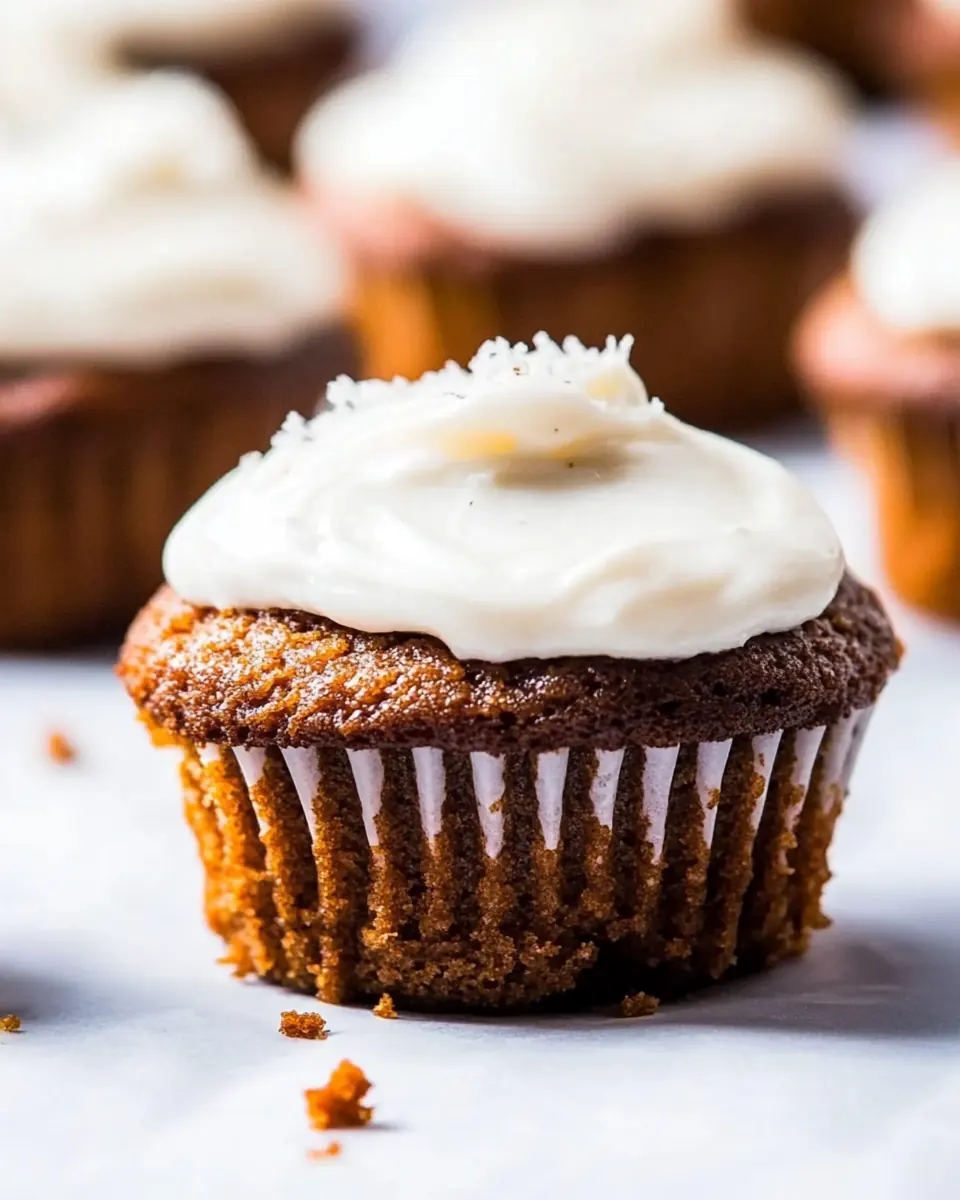
These variations and tweaks let you tailor the cupcakes to taste or occasion. I often adapt measurements slightly depending on carrot moisture or audience preference. Below are detailed tips presented as list items to help you experiment confidently.
- Lower sugar option: Reduce the coconut sugar by up to 1/4 cup if you prefer a less sweet cake, keeping in mind that sweetness affects moisture perception, so the crumb may read slightly drier.
- Extra moist: If your grated carrots seem dry, grate extra to add 1/4 cup more to increase moisture, or very lightly toss with a teaspoon of neutral oil before folding in to maintain texture.
- Spice boost: Increase the cinnamon to 1 1/2 teaspoons and add a pinch more nutmeg for a bolder spiced profile, which plays nicely in cooler months when warming spices feel comforting.
- Smaller servings: Make mini cupcakes by reducing baking time to 12 to 14 minutes; they are great for parties and give a nicer cake to frosting ratio when portion control matters.
- Sturdier piping: Chill the frosting briefly for firmer piping if you want taller, decorative swirls that hold up during transport or outdoor service.
What Complements This Gluten Free Carrot Cake Cupcakes With Coconut Flour
These cupcakes pair beautifully with warm beverages and light sides. Whether serving them for brunch or dessert, small accompaniments elevate the experience. Below, I outline several serving ideas, seasonal pairings, and storage guidance in list form.
- Morning pairing: Serve with a cup of spiced tea or a milky latte for a cozy breakfast or brunch offering, the warm spices in the cupcake echo the beverage notes.
- Afternoon tea: Plate with fresh fruit like sliced oranges or berries for a bright contrast to the rich frosting, perfect for casual gatherings in spring.
- Party presentation: Arrange on a tiered stand and garnish with a thin carrot ribbon or a light dusting of powdered sugar for a festive look that is easy to transport.
- Storage short term: Keep frosted cupcakes in an airtight container in the refrigerator for up to three days, bringing to room temperature before serving for best texture.
- Make ahead: Bake cupcake bases and freeze unfrosted for up to one month; thaw completely and frost on the day you plan to serve for freshest results.
- Occasions: These are well suited for spring gatherings, baby showers, casual birthdays, or when you need a gluten free option that still feels celebratory.
FAQ
Conclusion
These Gluten Free Carrot Cake Cupcakes With Coconut Flour shine because they offer warm, familiar flavors with a tender, moist crumb that satisfies without wheat. They are approachable to make, versatile for many occasions, and reliably delicious for both gluten free eaters and others alike. Try a batch this week, pay attention to the small steps like sifting and resting the batter, and enjoy the way simple ingredients come together into something comforting and special.
Gluten Free Carrot Cake Cupcakes With Coconut Flour
Ingredients
Equipment
Method
- Preheat your oven to 350 degrees Fahrenheit and line a muffin tin with 6 muffin liners. Set aside.: As the oven warms to 350 degrees Fahrenheit , you will notice a faint dry heat in the kitchen and the familiar hum of the oven cycling on, which primes the environment for even baking. Getting the muffin tin lined ahead of time saves stress once the batter is ready; the liners protect the bottoms and make the cupcakes easy to remove. A warm oven ensures immediate and steady rise, producing a tender, well domed top. One mistake I often see is underestimating preheating time, which can cause uneven rise or dense centers. If your oven runs cool, use an oven thermometer to confirm the temperature and avoid opening the door during the first half of the bake, since that sudden cool down can collapse the domes.
- In a medium mixing bowl, stir together the sifted coconut flour, baking soda, baking powder, cinnamon, nutmeg, and salt until well combined. Set aside.: When you whisk these dry elements you release aromatic oils from the cinnamon and nutmeg , and the sifted coconut flour becomes airy, making it easier to integrate with the wet ingredients. The dry mixture should smell warmly spiced and look homogeneous, no clumps visible, which signals even distribution of leaveners so every cupcake rises similarly. If the coconut flour seems lumpy, sift again to prevent dense pockets in the batter. Over mixing will not ruin this stage, but failing to combine the leaveners uniformly could give uneven texture, so take a moment to fully incorporate.
- In a large bowl, using an electric hand mixer, beat together the eggs, coconut oil, vanilla extract, and coconut sugar until light and fluffy.: The sound here is a steady whisking rhythm as the eggs emulsify with the melted coconut oil and dissolve some of the granulated coconut sugar . You want the mixture to lighten in color and gain volume, which creates air pockets that contribute to a tender crumb. The mixture will smell sweet and faintly of coconut and vanilla. If the coconut oil is too warm it can cook the eggs slightly, so cool it a bit before mixing. A common mistake is not beating long enough; underbeating leaves a dense batter, while overbeating after adding dry ingredients can tighten the crumb.
- Stir in the coconut flour mixture, mixing well to ensure there are no lumps.: After adding the dry mix, the batter will thicken noticeably because coconut flour absorbs moisture quickly. Use a spatula to fold and press against the bowl, scraping the sides to fully incorporate. The texture should become cohesive and slightly thick, not runny. If you see dry pockets of flour, continue folding gently until smooth. Be careful not to overwork the batter, as aggressive mixing can create a gummy texture. If the batter sits too long before baking it may firm up, so plan to move to the next step without delay.
- Stir in the grated carrots until all the carrots are mixed in and coated in the batter.: The grated carrots add bursts of moisture and visual interest, speckling the batter with orange ribbons. As you fold them in, notice how they release a faint vegetal sweetness and dampen the thick batter, making it more pliable. Ensure the carrots are evenly distributed so each cupcake has similar moisture and flavor. Overloading with very wet carrots can make batter too loose, so if your carrots are especially juicy, gently squeeze excess liquid before adding to maintain proper batter consistency.
- Pour the batter into the prepared muffin tins and let stand 10 minutes before baking.: Filling the liners about two thirds full, you will feel the difference between a dense scoop and a gently spread batter. Letting the batter rest for 10 minutes lets the coconut flour fully hydrate, smoothing the batter and promoting better rise and texture in the oven. This pause also helps release any trapped air and allows flavors to meld. A mistake is skipping the rest period, which can lead to underbaked centers or a grainy mouthfeel. Use this short wait to preheat your oven if needed and tidy your workspace.
- Bake for 20-22 minutes, or until the top is golden and a toothpick inserted in the center comes out clean.: As they bake, the cupcakes will lift and the tops will take on a soft golden hue, and you may catch the scent of warming cinnamon . The sound is mostly quiet, but you can sometimes hear the oven fan and a low settling as the interiors finish setting. Use the toothpick test to avoid overbaking; when it comes out clean or with a few moist crumbs, the cupcakes are done. Overbaking dries them out, while underbaking leaves a gummy center. If your oven runs hot, check at 18 minutes to prevent excessive browning.
- Let cool completely before frosting.: Cooling allows the crumb to set and stops carryover cooking, and the tops will firm slightly as they cool. The cupcakes will release a soft, sweet aroma as steam escapes. Frosting warm cupcakes can cause the frosting to melt or slide, so patience here ensures a neat finish and stable frosting. If you are impatient and frost warm cupcakes, the cream cheese frosting may become loose and weepy; always confirm they are room temperature before applying icing.
- In a large bowl, beat together the softened cream cheese and butter until light and fluffy (about 5 minutes).: The texture transforms into a pale, airy mixture with a smooth, silky sheen as you beat the cream cheese and butter . The sound shifts to a rhythmic whir and the aroma becomes rich and dairy forward. Properly softened ingredients incorporate into a stable emulsion that holds shape when piped. If either ingredient is too cold, you will have lumps; too warm and the frosting will be greasy. Aim for room temperature for both to strike the right balance.
- Beat in the vanilla until well combined.: Adding the vanilla extract brings a fragrant sweetness that ties the frosting to the cake flavors. The mix should smell rounder and more aromatic after incorporation. Mixing for a short time ensures even distribution without over aerating. Overbeating at this point can cause the frosting to become too soft, so maintain medium speed and watch the texture.
- Turn the mixer down to low and gradually beat in the powdered sugar.: Slowly adding the powdered sugar prevents clouds of sugar and helps build structure without making the frosting gritty. The frosting will thicken as you add sugar, and you can gauge sweetness and firmness by adjusting the amount added. If you add the sugar too quickly you may end up with an overly stiff or dust filled bowl, which affects texture. Keep the mixer low to avoid a sugar storm and ensure smooth incorporation.
- Turn the speed back up and beat for an additional 2-3 minutes, until light and fluffy.: Increasing speed aerates the frosting, creating a light, pipeable texture that holds peaks without collapsing. The frosting should look glossy and hold a soft peak when the beaters are lifted. This whipping also reduces perceived sweetness and gives a velvety mouthfeel. Overbeating can cause the frosting to break and become grainy, so stop when you see smooth, sustained peaks.
- Spoon the icing into a parchment bag (or a zip-top bag with the bottom corner cut off) and swirl the icing on top of each cupcake.: As you pipe the frosting, the cupcakes transform visually into something inviting, each swirl catching light and emphasizing texture. The frosting should feel cool and creamy, with a slight tang from the cream cheese . If the frosting seems too loose while piping, chill it briefly to firm up. A common error is overfilling the piping bag which makes control harder, so fill it to a manageable level for steady pressure and even swirls.
Notes
- Lower sugar option: Reduce the coconut sugar by up to 1/4 cup if you prefer a less sweet cake, keeping in mind that sweetness affects moisture perception, so the crumb may read slightly drier.
- Extra moist: If your grated carrots seem dry, grate extra to add 1/4 cup more to increase moisture, or very lightly toss with a teaspoon of neutral oil before folding in to maintain texture.
- Spice boost: Increase the cinnamon to 1 1/2 teaspoons and add a pinch more nutmeg for a bolder spiced profile, which plays nicely in cooler months when warming spices feel comforting.
- Smaller servings: Make mini cupcakes by reducing baking time to 12 to 14 minutes; they are great for parties and give a nicer cake to frosting ratio when portion control matters.
- Sturdier piping: Chill the frosting briefly for firmer piping if you want taller, decorative swirls that hold up during transport or outdoor service.