Creamed Peas
Creamed Peas has been a quiet, comforting presence on my table for years, the kind of dish that feels like a soft exhale after a busy day. I remember the first time I made it for a small family dinner, arriving with a warm pot that smelled faintly of butter and sweet green peas, and watching everyone reach for seconds without a word. That evening taught me how a few simple ingredients can create something gently memorable, and how the balance between creamy texture and bright pea flavor can turn a side into the highlight.
Over time I refined the method, learning how a slow whisk and patient simmer coax the right silkiness from a basic roux and half and half. I like to tell stories about food through small rituals, like the moment when the sauce thickens enough to coat the back of a spoon, or the quick hiss as frozen peas hit warm liquid and transform into tender, vivid green jewels. Sharing Creamed Peas always feels like sharing a little calm, a predictable comfort that’s perfect for weeknights and holiday tables alike.
When I bring this dish to potlucks, it’s the reaction that stays with me most, people surprised that peas can feel indulgent yet familiar at once. I’ve learned small adjustments that keep the dish from going cloying, like a touch less sugar or a tiny pinch more pepper, and those moments of experimentation made this version my standard go to. If you love straightforward recipes that reward attention to detail, you’ll find making Creamed Peas both relaxing and satisfying.
Recipe Snapshot
15 mins
5 mins
10 mins
Easy
190 kcal
American
Gluten-Free, Low FODMAP
Side Dishes
Medium saucepan, Whisk, Measuring spoons, Measuring cups
Why This Creamed Peas Hits Different
Comfort without fuss
I love how Creamed Peas brings comfort with very little effort. The combination of a simple roux and half and half yields a silky sauce that feels indulgent, yet it comes together in minutes. When I need a quick, reliable side, this recipe is my go to, because the technique is straightforward and forgiving. Even if you have a busy evening, the payoff is immediate: a warm, creamy plate that pairs with a wide range of mains.
Bright, fresh pea flavor
Despite the creaminess, the star remains the peas. Using frozen peas preserves that fresh sweetness, and they hold their color beautifully when warmed gently. I often find that the contrast between the verdant peas and the pale sauce makes the dish look more vibrant than you expect, and that visual appeal matters at the family table. You can taste the vegetable first, then the cream, which keeps each bite lively.
Minimal ingredients, maximum impact
There is a real joy in turning pantry staples into something special. With only butter, flour, half and half, and seasonings, you create a comforting sauce that clings to each pea. I appreciate recipes that respect ingredients rather than overwhelm them, and this one highlights how technique elevates simple items. It also makes grocery shopping painless, which I know you will appreciate on busy weeks.
Versatile for many occasions
I serve Creamed Peas on casual weeknights and at more formal dinners because it adapts so well. It complements roasted proteins, steaks, and baked dishes, and it also sits beautifully alongside rice or mashed vegetables. The dish is equally appropriate for spring gatherings because of its fresh green color, and it can be scaled up without losing quality, which is why I reach for it when hosting friends.
Easy to tweak and rescue
This recipe is forgiving, which I value as someone who sometimes cooks while managing other tasks. If the sauce thickens too much, a splash of milk or broth loosens it quickly; if it seems thin, a gentle simmer brings it back. Small adjustments in seasoning let you tailor it to your taste, and those tweaks are why this version of Creamed Peas has become a reliable favorite.
What You’ll Need for Creamed Peas
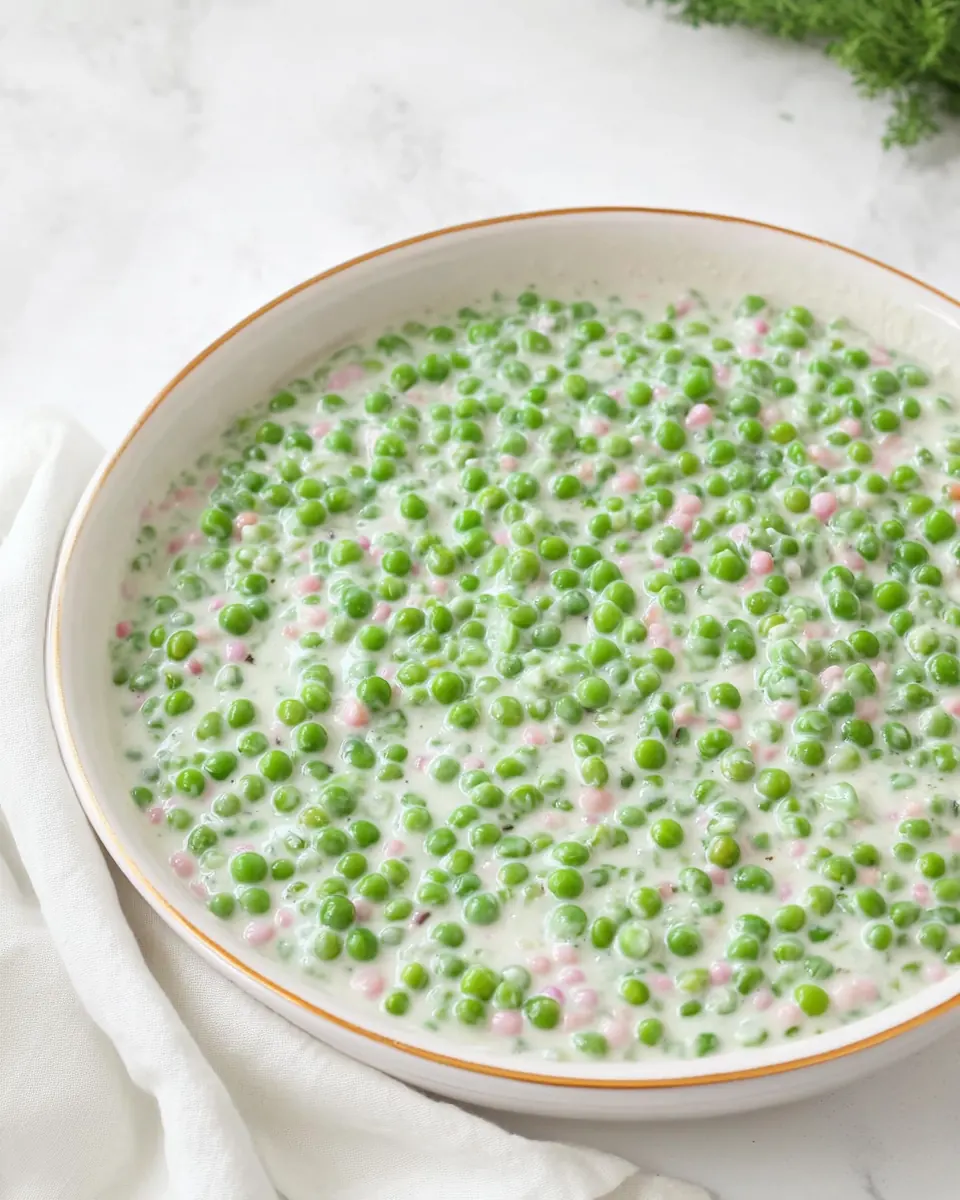
These ingredients are deliberately simple, designed to work together to create a silky, balanced sauce that highlights the sweet snap of peas. The key players are the butter and flour, which build the roux that thickens the dish, and the half and half, which provides creaminess without overpowering the vegetable notes. A touch of sugar and a pinch of pepper round things out, letting the green color and natural pea flavor shine.
- 2 tablespoons unsalted butter: Melted to create a silky base, provides rich flavor and helps sauté flour for the roux; contributes buttery mouthfeel and sheen to the finished creamed peas.
- 2 tablespoons all-purpose flour: Whisked into melted butter to form a roux that thickens the sauce; cooks briefly to remove raw flour taste and yields a smooth, velvety consistency.
- 2 cups half-and-half: Poured gradually into the roux to form a creamy sauce; adds richness and a delicate dairy flavor while supplying the liquid needed to reach desired thickness.
- 1/2 teaspoon kosher salt: Measured to season the dish and enhance overall flavor balance; helps bring out the natural sweetness of the peas without overwhelming the creaminess.
- 1/4 teaspoon ground black pepper: Ground and added to provide mild heat and aromatic depth; brightens the sauce and balances richness with subtle, savory bite.
- 1 tablespoon granulated sugar: Sprinkled in to enhance the peas' natural sweetness and round out flavors; helps counterbalance salt and cream for a more complex profile.
- 20 ounces frozen peas: Folded in at the end to supply tender texture and fresh vegetal flavor; frozen form offers convenience and retains sweetness when cooked through in the cream sauce.
The Process for Making Creamed Peas
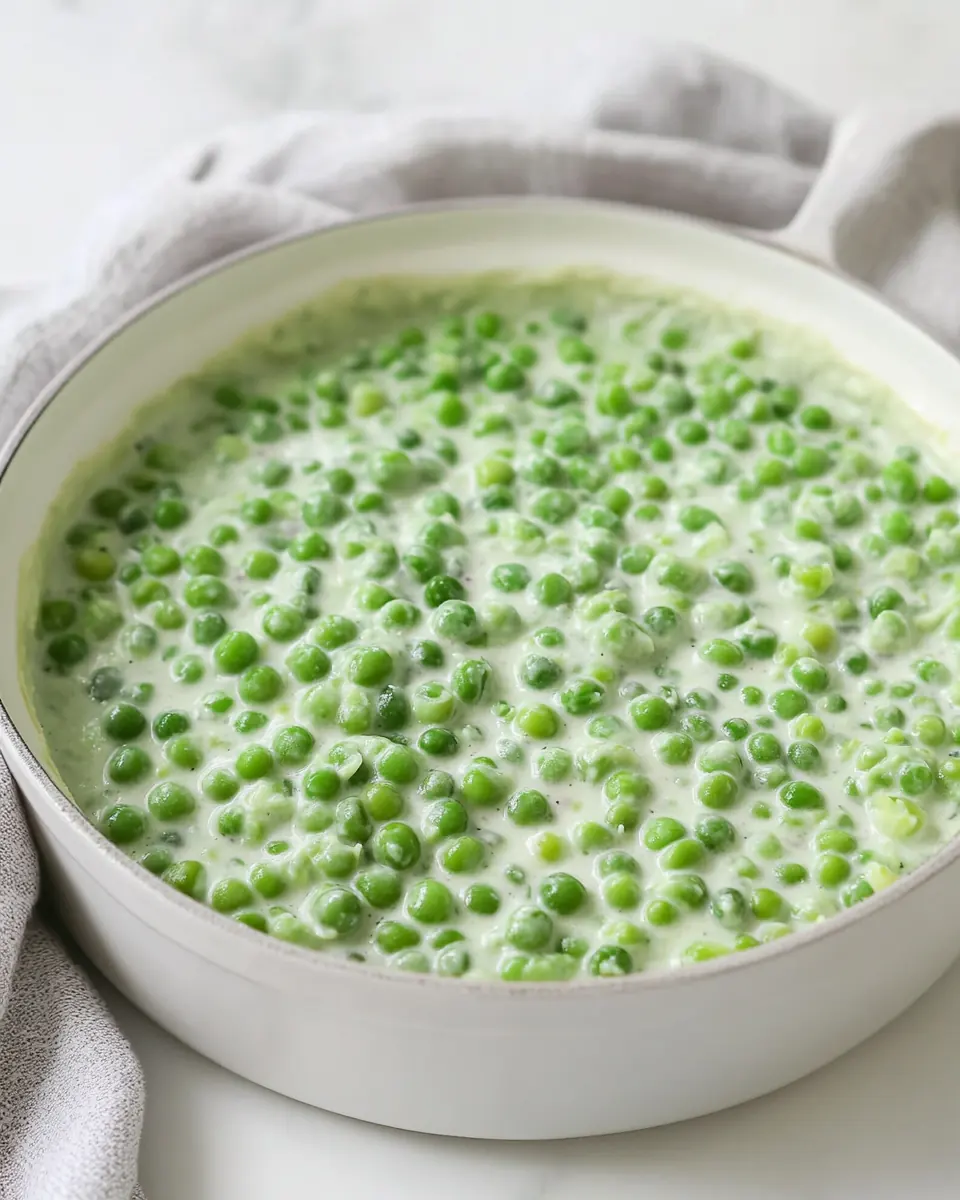
I like to approach the method with a calm rhythm, steady whisking and close attention to texture. These steps will guide you from melting the butter to serving a glossy, gently sauced bowl of peas. Keep your tools close and a warm timer in mind, and you will find the small sensory cues that tell you when to move on to the next stage.
- In a medium saucepan, melt the butter over medium heat. Once melted, sprinkle over the flour and whisk to combine.: The moment you melt the butter , inhale a soft, creamy scent that fills the kitchen and signals the start of building texture. You should hear only a faint sizzle and see the butter become a clear, shimmering pool, not brown or foamy. This gentle warmth is crucial because overheating will brown the milk solids and change the flavor profile from clean and creamy to toasty. If you notice brown bits forming, lower the heat immediately and wipe the pan clean to restart if necessary, because a browned base will throw off the intended taste.
- Slowly whisk in the half-and-half until combined. Whisk in the salt, pepper, and sugar.: As you add the flour , it will form a pale paste with the butter , and a faint nutty aroma will emerge once the raw edge cooks off. Use a whisk to work out any lumps until the mixture is silky, and keep the pan on medium low so the paste warms but does not color. This step matters because an undercooked roux can taste grainy, while an overcooked roux loses thickening power. A common error is adding liquid too soon, which traps lumps; if lumps appear, lift the pan off heat and whisk briskly until smooth.
- Bring the mixture to a low simmer and cook until the mixture can coat the back of a spoon, about 2-3 minutes.: When you introduce the half and half gradually, the sauce transforms into a glossy emulsion and releases a comforting dairy aroma. Pour a small stream while whisking constantly so the liquid integrates without forming clumps. The surface should shimmer and thicken gently as you continue. Stirring patiently here prevents a lumpy sauce and ensures even cooking. If the sauce seems too thin after you have added all the liquid, let it simmer and reduce, but do so on low to avoid curdling.
- Stir in the peas and continue to cook until they are warmed through.: Adding the seasonings now helps them dissolve and distribute evenly. The salt will enhance the vegetable sweetness, the pepper adds a faint heat, and the sugar brightens the overall profile. After stirring, taste a small spoonful to check balance, because dairy can mute salt and sweet. Over seasoning is easy to do; if it happens, rescue the sauce by adding a splash of half and half or a small peeled potato simmered and removed, though the latter changes the texture.
- Serve immediately.: As the sauce reaches a low simmer, gentle bubbles will appear at the edges and the aroma will deepen into a warm creaminess. When it thickens enough to coat the back of a spoon, run your finger through it and watch the line remain clear, which is the classic visual cue. Cook only the short time needed because extended simmering can thicken the sauce too much or cause separation. If you overshoot and it becomes overly thick, thin it with a tablespoon at a time of warm water or milk until you reach the right consistency.
- Stir in the peas and continue to cook until they are warmed through: Adding the frozen peas produces a quick hiss as the cold meets warm, and within moments the kitchen fills with their fresh, sweet aroma. Stir gently so each pea is coated in the sauce, and watch the color intensify to a vivid green that signals tenderness. This final warming step is short; overcooking will make the peas lose their snap and turn mushy. A typical mistake is leaving them in the heat too long while attending to other tasks, so time this step carefully and remove from heat as soon as they are tender.
- Serve immediately: When you spoon the finished Creamed Peas into bowls, you should notice a glossy sauce clinging to each pea and a warm, inviting aroma. The contrast of bright green and pale cream looks appealing on the plate. Serving right away preserves texture and temperature, making each bite both warm and fresh. If you let it sit too long, the sauce can thicken and the peas can lose vibrancy, so avoid holding it on low heat for extended periods; quick reheating with a splash of milk will bring it back if needed.
Helpful Notes about Creamed Peas
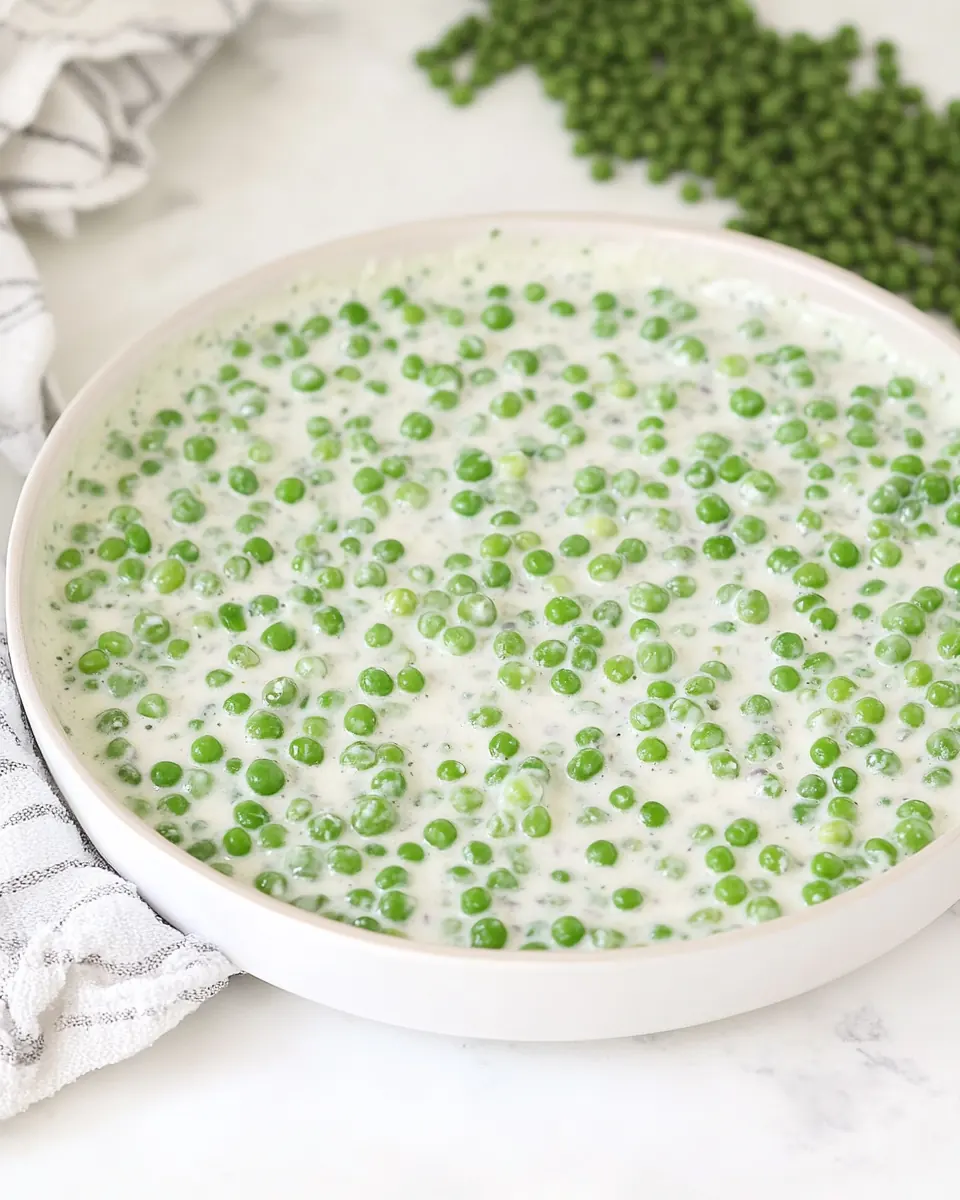
I like to share tips that make the process feel effortless, especially for busy cooks. These practical notes expand on technique and small rescues that keep the dish bright and smooth. Read them before you start for the best results.
- Choose frozen peas for consistency Frozen peas are typically sweeter because they are frozen at peak ripeness, and they retain color and texture after warming, which helps the dish look and taste fresh.
- Control thickness with patience Allow the sauce to thicken slowly over low heat until it coats the back of a spoon, and use warm milk to thin if it becomes too stiff rather than adding cold liquid that can shock the sauce.
- Mind the seasoning Add salt and pepper in stages and taste as you go, since dairy can mute flavors and a small adjustment at the end ensures balance without oversalting.
- Rescue separated sauce gently If the dairy looks like it is splitting, remove from heat and whisk in a tablespoon of warm half and half or warm water to coax it back together slowly.
- Keep an emergency whisk handy A whisk helps you smooth the roux and keep the sauce lump free, especially when adding the half and half quickly or stirring in the peas.
- Timing is everything with peas Add the frozen peas near the end so they warm through without losing their bright color or turning mushy, usually just a few minutes of gentle heat.
Serving Ideas for Creamed Peas
Creamed Peas adapts well to many plates and occasions, from casual family dinners to festive gatherings. Below are serving suggestions, pairing ideas, and storage advice to help you present the dish beautifully and keep leftovers fresh.
- Pair with roasted chicken The creamy texture of Creamed Peas complements roasted or grilled chicken, adding a soft, rich contrast to crispy skin and savory meat, making it ideal for weeknight dinners.
- Serve alongside mashed potatoes Spoon the warm pea mixture next to or on top of mashed potatoes for a comforting combination where the sauce adds moisture and a bright vegetable note.
- Include on a holiday table The vibrant green color and gentle flavor make this a lovely side during spring celebrations or family gatherings, fitting seamlessly into a larger spread without competing with stronger flavors.
- Pack for make ahead servings If you need to prepare in advance, cook the sauce and peas, cool quickly, and store in an airtight container in the refrigerator for up to two days; reheat gently with a splash of milk.
- Use in plated lunches Spoon Creamed Peas over a bed of rice or alongside a simple grain salad for a light lunch that is still satisfying and visually appealing.
- Seasonal pairings This dish shines in spring when fresh vegetables are on menus, pairing well with light lemon notes or herb forward mains, although it is welcome any time you want a comforting, green side.
- Storage tips Refrigerate leftovers within two hours of cooking and consume within two days; avoid freezing as the dairy texture can change, but reheating gently restores most of the creaminess.
FAQ
Conclusion
What makes this version of Creamed Peas special is its simplicity and the way careful technique elevates humble ingredients into something silky and bright. The balance of a gentle roux with creamy half and half keeps the peas front and center, while small adjustments let you tailor texture and seasoning. I encourage you to give it a try, because it comes together quickly, travels well to gatherings, and reliably produces a comforting, colorful side that pleases a crowd. Enjoy the small satisfaction of turning a few pantry staples into a dish that feels thoughtfully made.
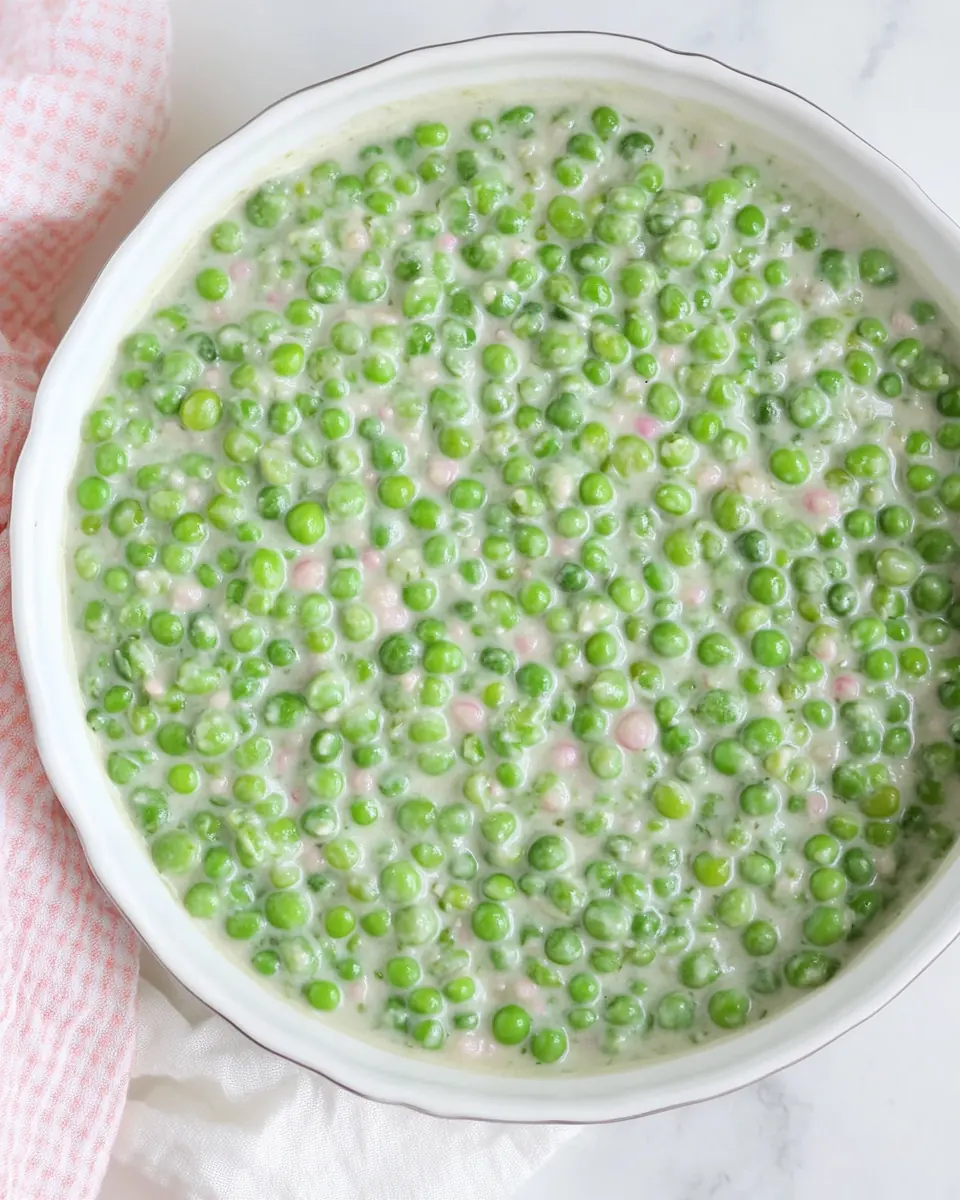
Creamed Peas
Ingredients
Equipment
Method
- In a medium saucepan, melt the butter over medium heat. Once melted, sprinkle over the flour and whisk to combine.: The moment you melt the butter , inhale a soft, creamy scent that fills the kitchen and signals the start of building texture. You should hear only a faint sizzle and see the butter become a clear, shimmering pool, not brown or foamy. This gentle warmth is crucial because overheating will brown the milk solids and change the flavor profile from clean and creamy to toasty. If you notice brown bits forming, lower the heat immediately and wipe the pan clean to restart if necessary, because a browned base will throw off the intended taste.
- Slowly whisk in the half-and-half until combined. Whisk in the salt, pepper, and sugar.: As you add the flour , it will form a pale paste with the butter , and a faint nutty aroma will emerge once the raw edge cooks off. Use a whisk to work out any lumps until the mixture is silky, and keep the pan on medium low so the paste warms but does not color. This step matters because an undercooked roux can taste grainy, while an overcooked roux loses thickening power. A common error is adding liquid too soon, which traps lumps; if lumps appear, lift the pan off heat and whisk briskly until smooth.
- Bring the mixture to a low simmer and cook until the mixture can coat the back of a spoon, about 2-3 minutes.: When you introduce the half and half gradually, the sauce transforms into a glossy emulsion and releases a comforting dairy aroma. Pour a small stream while whisking constantly so the liquid integrates without forming clumps. The surface should shimmer and thicken gently as you continue. Stirring patiently here prevents a lumpy sauce and ensures even cooking. If the sauce seems too thin after you have added all the liquid, let it simmer and reduce, but do so on low to avoid curdling.
- Stir in the peas and continue to cook until they are warmed through.: Adding the seasonings now helps them dissolve and distribute evenly. The salt will enhance the vegetable sweetness, the pepper adds a faint heat, and the sugar brightens the overall profile. After stirring, taste a small spoonful to check balance, because dairy can mute salt and sweet. Over seasoning is easy to do; if it happens, rescue the sauce by adding a splash of half and half or a small peeled potato simmered and removed, though the latter changes the texture.
- Serve immediately.: As the sauce reaches a low simmer, gentle bubbles will appear at the edges and the aroma will deepen into a warm creaminess. When it thickens enough to coat the back of a spoon, run your finger through it and watch the line remain clear, which is the classic visual cue. Cook only the short time needed because extended simmering can thicken the sauce too much or cause separation. If you overshoot and it becomes overly thick, thin it with a tablespoon at a time of warm water or milk until you reach the right consistency.
- Stir in the peas and continue to cook until they are warmed through: Adding the frozen peas produces a quick hiss as the cold meets warm, and within moments the kitchen fills with their fresh, sweet aroma. Stir gently so each pea is coated in the sauce, and watch the color intensify to a vivid green that signals tenderness. This final warming step is short; overcooking will make the peas lose their snap and turn mushy. A typical mistake is leaving them in the heat too long while attending to other tasks, so time this step carefully and remove from heat as soon as they are tender.
- Serve immediately: When you spoon the finished Creamed Peas into bowls, you should notice a glossy sauce clinging to each pea and a warm, inviting aroma. The contrast of bright green and pale cream looks appealing on the plate. Serving right away preserves texture and temperature, making each bite both warm and fresh. If you let it sit too long, the sauce can thicken and the peas can lose vibrancy, so avoid holding it on low heat for extended periods; quick reheating with a splash of milk will bring it back if needed.
Notes
- Choose frozen peas for consistency Frozen peas are typically sweeter because they are frozen at peak ripeness, and they retain color and texture after warming, which helps the dish look and taste fresh.
- Control thickness with patience Allow the sauce to thicken slowly over low heat until it coats the back of a spoon, and use warm milk to thin if it becomes too stiff rather than adding cold liquid that can shock the sauce.
- Mind the seasoning Add salt and pepper in stages and taste as you go, since dairy can mute flavors and a small adjustment at the end ensures balance without oversalting.
- Rescue separated sauce gently If the dairy looks like it is splitting, remove from heat and whisk in a tablespoon of warm half and half or warm water to coax it back together slowly.
- Keep an emergency whisk handy A whisk helps you smooth the roux and keep the sauce lump free, especially when adding the half and half quickly or stirring in the peas.
- Timing is everything with peas Add the frozen peas near the end so they warm through without losing their bright color or turning mushy, usually just a few minutes of gentle heat.