Pineapple Pie
Pineapple Pie has been a summer staple in my family, a no fuss dessert that always sneaks its way onto the table when friends drop by unannounced. I remember carrying this pie to a potluck once, nervously balancing it while juggling a stack of plates, and watching it disappear bite by bite as people kept coming back for more. That easy crowd pleasing quality is exactly why I reach for this recipe when I want something that tastes like a celebration without the fuss.
There is a softness to the filling and a bright, tropical whisper from the pineapple that keeps it feeling light even after a generous slice. I love how simple techniques and pantry friendly ingredients yield a dessert that looks like you spent hours crafting it. Over the years I have played with garnishes and textures, but the core, classic combination of creamy filling and crisp crust is what keeps me coming back.
Recipe Snapshot
2 hr 20 mins
20 mins
120 mins
Hard
250 kcal
American
Gluten-Free, Vegan
Desserts
Strainer, Spatula, Hand mixer, Large bowl, Refrigerator
Why We Love This Pineapple Pie
Simple Ingredients, Big Impact
I adore how Pineapple Pie relies on a handful of ingredients yet produces a layered flavor profile. The interplay between chilled, creamy components and the bright acidity of pineapple keeps each bite lively. I often say you do not need dozens of components to craft a memorable dessert, just smart choices.
Fast Assembly, Low Stress
One of the reasons I keep this recipe on deck is its speed. You do most of the work in one bowl, and the gentle folding preserves a light, airy texture. This makes it my go to when guests call and I want something that looks composed without a lot of fuss. I like to think of it as the dessert that gives back time.
Perfect for Warm Weather
Because the filling is chilled and refreshing, I turn to Pineapple Pie all summer long. It sits happily on picnic tables and brightens dessert spreads. The cold, creamy mouthfeel combined with the bright pineapple flavor makes it feel especially appropriate for warm afternoons and backyard gatherings.
Customizable and Forgiving
I appreciate how flexible this recipe is. You can shift garnishes, swap whipped toppings, or add a little fresh fruit without jeopardizing the dessert. The base is forgiving, so small mistakes, like slight overmixing or a touch of extra liquid, are easy to correct if you drain the pineapple well and chill the pie thoroughly.
Kid Friendly and Crowd Pleasing
Finally, this pie is universally appealing. Kids are drawn to its creamy sweetness and adults appreciate the bright fruit note. It is one of those recipes I know will disappear quickly, which is always satisfying when I want to know my baking was a hit.
What’s In This Pineapple Pie
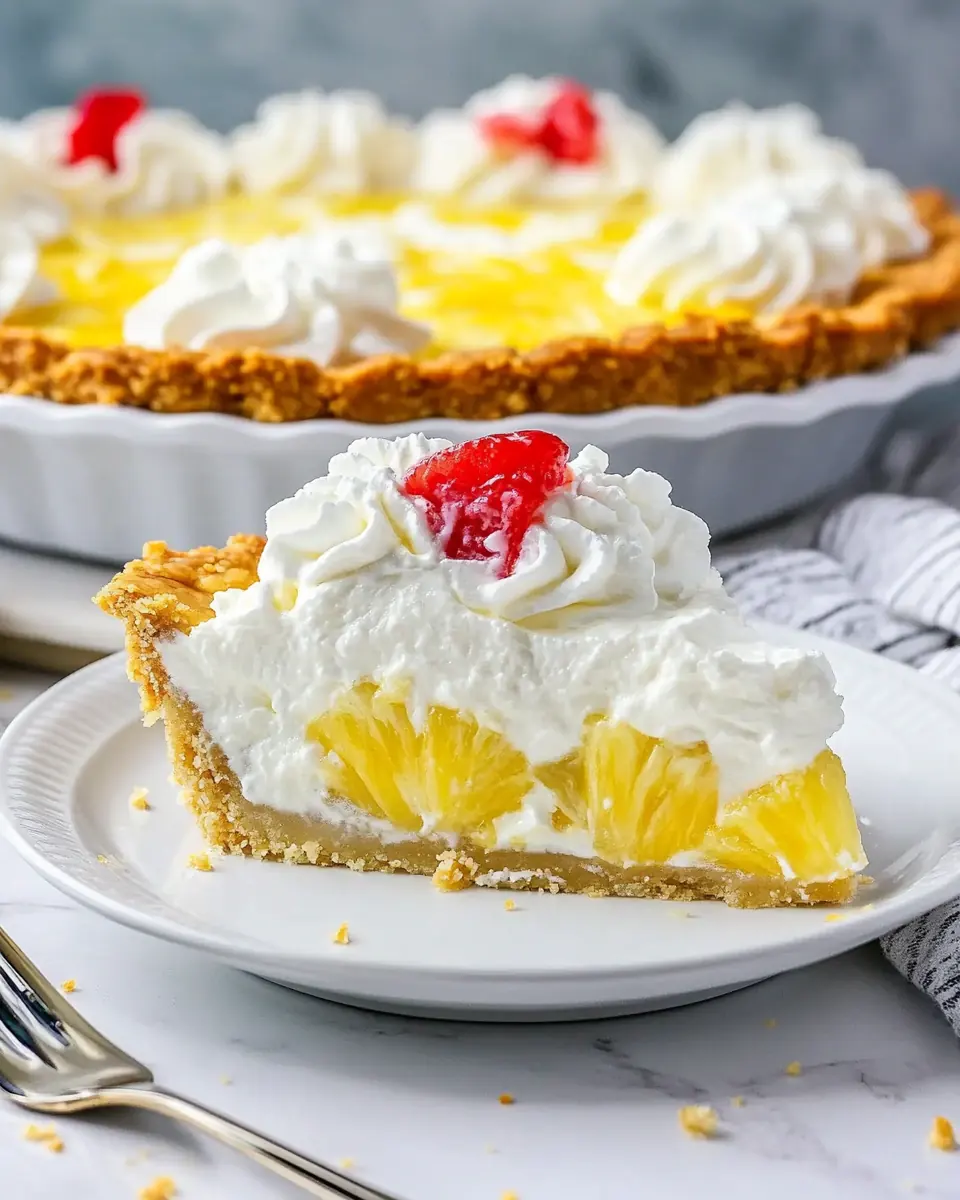
These ingredients are intentionally straightforward, chosen to create a creamy, bright filling that sits perfectly inside a crisp crust. The key players are the pineapple for acidity and texture, the cream cheese for tang and body, and the whipped topping to lighten things up. Each component has a job, and together they produce a balanced dessert that is both airy and satisfying.
- 1 (20 oz) can crushed pineapple, drained and dried: Provide juicy, sweet pineapple flavor and moisture while contributing bright acidity to balance the pie; ensure the crushed fruit is well drained and patted dry to prevent a soggy crust and filling. Add texture and tropical notes that pair with creamy components, and distribute evenly so each slice has consistent flavor.
- 8 ounces (226 g) softened cream cheese: Soften to a spreadable, creamy consistency to create a rich, tangy base that stabilizes the filling and complements the pineapple's sweetness. Beat until smooth to eliminate lumps for a silky mouthfeel and to help incorporate air for lightness in the final pie.
- 1/4 cup (50 g) granulated sugar: Sweeten to taste and help balance the tartness of the cream cheese and acidity of the pineapple; dissolve or blend well to avoid grittiness in the filling. Measure accurately to control overall sweetness and adjust if using sweeter or heavier pineapple.
- 18 ounce container whipped topping, thawed: Fold gently to introduce airy lightness and a whipped texture that lightens the dense cream cheese mixture while adding volume and creaminess. Thaw completely and stir smooth before folding in to maintain a uniform, stable filling that holds shape when sliced.
- 1 graham cracker pie crust: Provide a crisp, buttery base that contains the filling and adds complementary graham cracker flavor and crunchy contrast. Use as-is to simplify assembly and ensure a stable foundation that supports slicing and serving.
Making Pineapple Pie
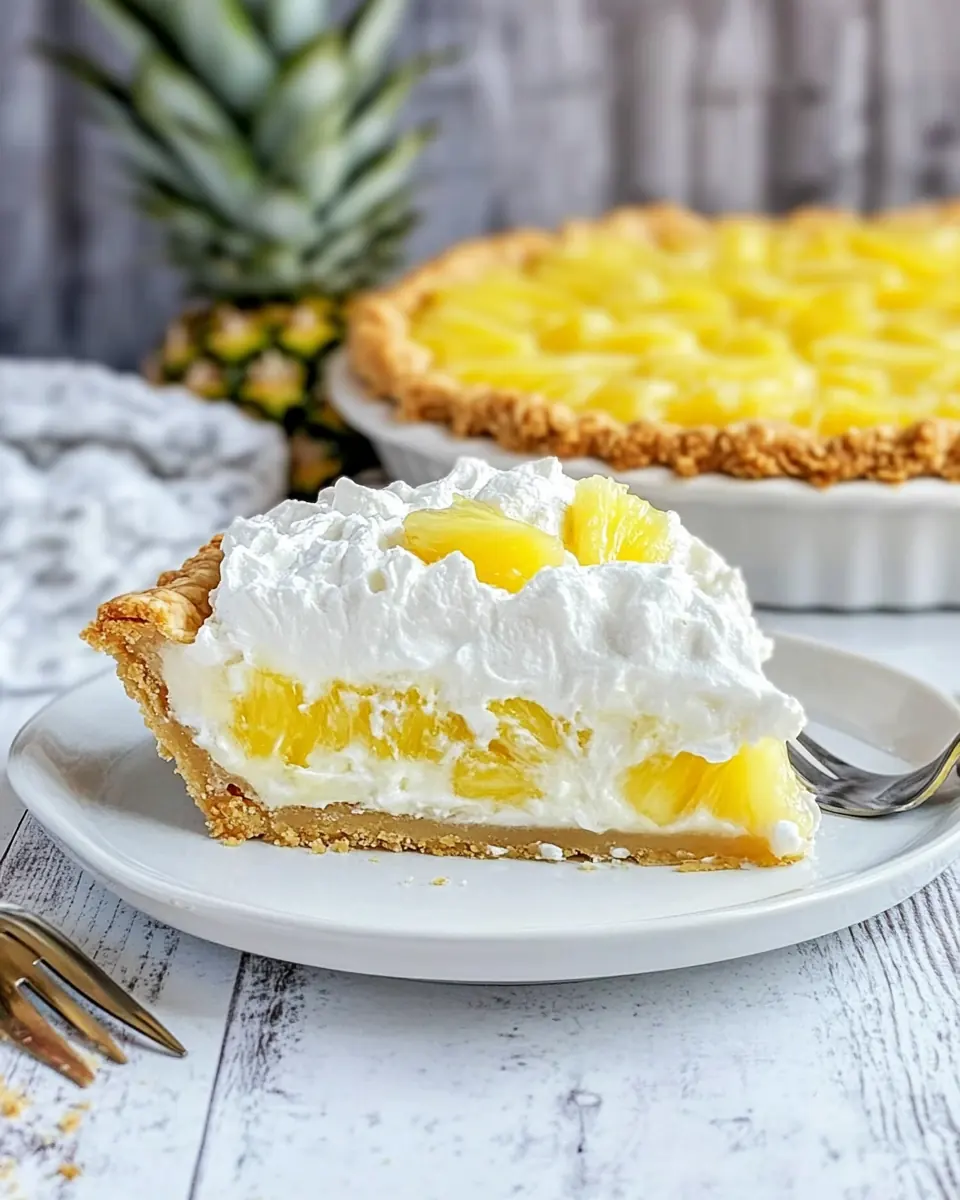
This recipe is wonderfully straightforward and relaxing to make. I like to move at an easy pace, focusing on texture and drainage as I assemble the filling. Below I expand each direction into careful, sensory rich steps so you know exactly what to watch for and how to troubleshoot common issues.
- Drain pineapple in a strainer. Let drain for a few minutes then use a spatula to press the pineapple against the sides of the strainer to get as much liquid out as possible.: Warmth from your hands and the air around the bowl will make the pineapple smell bright and fruity, a clear signal it is ripe and flavorful. As you press with a spatula you will feel the fruit give, and small pools of syrup will collect beneath the strainer. Removing this liquid is crucial because excess moisture will make the filling runny and prevent it from setting properly. If you skip thorough draining you may notice a soggy bottom and watered down flavor after chilling. A common mistake is hurrying this step, so take the time to press firmly but gently, scraping the strainer sides to coax out the juice. The visual cue is a much drier fruit and a reduced amount of syrup in the bowl below.
- Place cream cheese and sugar in a large bowl. Mix with a hand mixer until smooth.: When you combine the cream cheese and sugar you will hear the mixer hum steadily, and the mixture will transform from stiff to glossy. The aroma takes on a mild, tangy sweetness. Achieving complete smoothness matters because any lumps will stand out in the final pie texture. Work on low to medium speed to avoid overheating or splattering, and stop to scrape the bowl to ensure even incorporation. A frequent pitfall is using cold cream cheese , which leads to clumps, so letting it soften slightly at room temperature is the fix. You want a uniform, spreadable batter that holds together when spooned.
- Add whipped topping and mix until smooth on low speed.: As you fold in the whipped topping , the mixture lightens considerably and becomes pillowy. The sound of the mixer will drop in intensity as air integrates, and you will notice the color shift to a paler, creamier hue. Mixing on low speed preserves the aeration that gives the filling its soft texture; over mixing will flatten it and make it dense. If using a hand mixer, pause and fold by hand if the topping begins to deflate. The right result is airy, with soft peaks when you lift the beaters slightly, indicating a balanced, airy filling.
- Fold in drained pineapple.: Folding in the pineapple adds texture and bright pockets of flavor, and you will see flecks of fruit dispersed through the creamy base. Use a rubber spatula and gentle folding motions, turning the bowl as you work to avoid crushing fruit or losing air. This step affects mouthfeel significantly; overworking will break down the pineapple and create excess moisture, while underfolding leaves uneven pockets of fruit. A helpful check is to lift some filling on the spatula and see even distribution with visible fruit pieces. If the filling looks liquidy after adding pineapple , you likely did not drain it enough earlier, so consider spooning off excess moisture before chilling.
- Place pie filling in pie crust. Chill at least 2 hours before serving.: Spoon the filling into the pie crust and use the back of the spoon to smooth the surface; you may hear a soft, satisfying scrape as the filling settles. Chilling is essential since it firms the structure and allows flavors to meld. While chilling, the filling will tighten and become sliceable, so resist the urge to cut too early. A common oversight is under chilling, which results in sloppy slices, so plan ahead and allow the full chill time. You will notice the texture shift from very soft to pleasantly set when it has chilled enough.
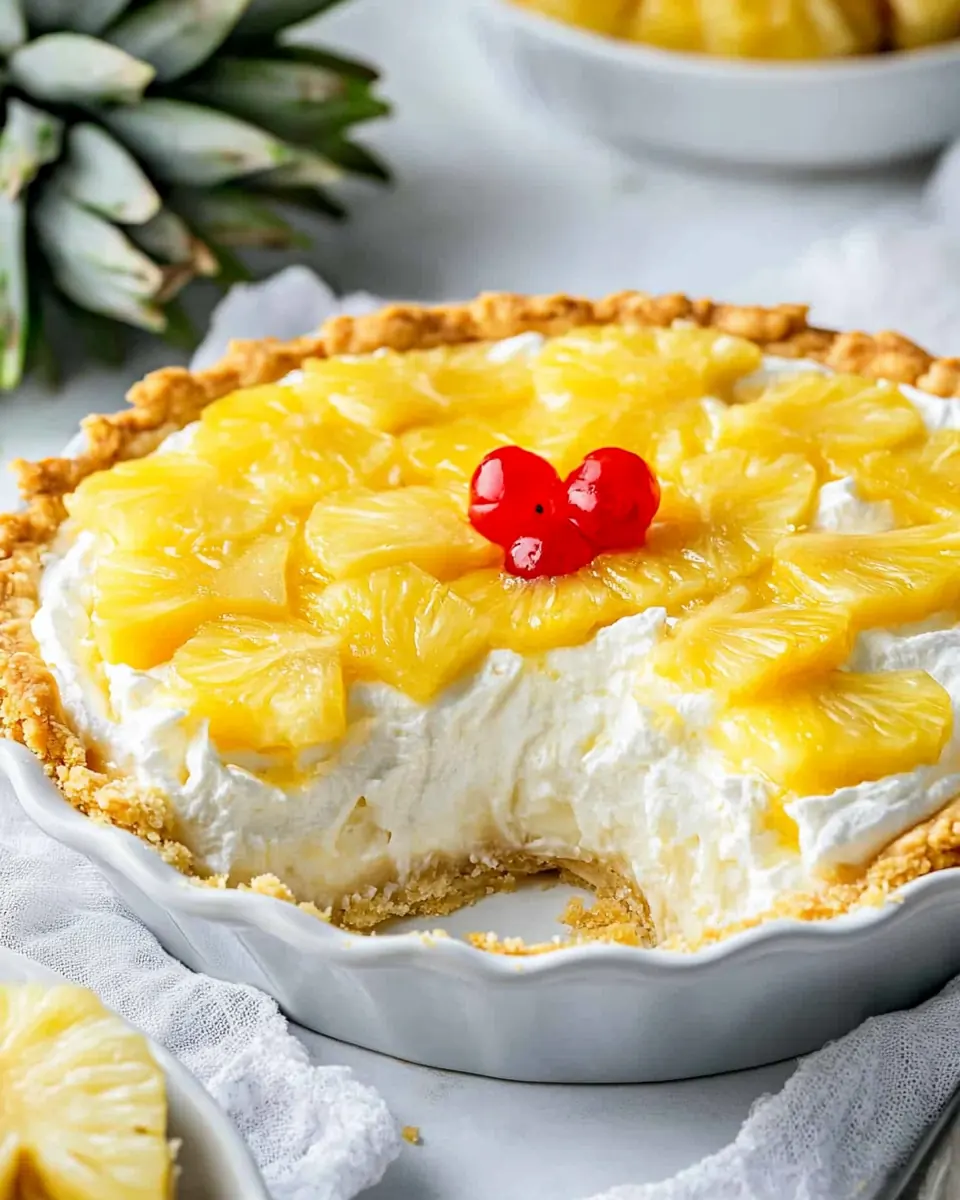
- Garnish pie as desired, with more whipped cream, crushed pineapple, and/or cherries.: Garnishing invites creativity and adds visual appeal. The contrast of white whipped topping and bright pineapple is striking, and a scattering of crushed fruit provides a textural pop. As you decorate, pause to enjoy the fragrance of the citrusy fruit and the cream, which will lift as you arrange toppings. Avoid overloading the surface, which can overwhelm the balance of cream to fruit. If you find the garnish sliding, the pie may need additional chilling to firm the surface before placing heavier decorations.
- Store in refrigerator for up to 3 days. It’s not recommended to freeze the pie.: Proper storage keeps the pie tasting fresh, and refrigeration preserves texture and safety. You will notice that flavors meld overnight, and the filling often tastes more cohesive the next day. Freezing is discouraged because the whipped elements and pineapple texture break down on thawing, creating a watery, grainy result. A common storage mistake is leaving the pie uncovered, which can lead to flavor transfer and drying. Use a pie dome or airtight container and keep it chilled until just before serving.
Pro Tips and Tweaks
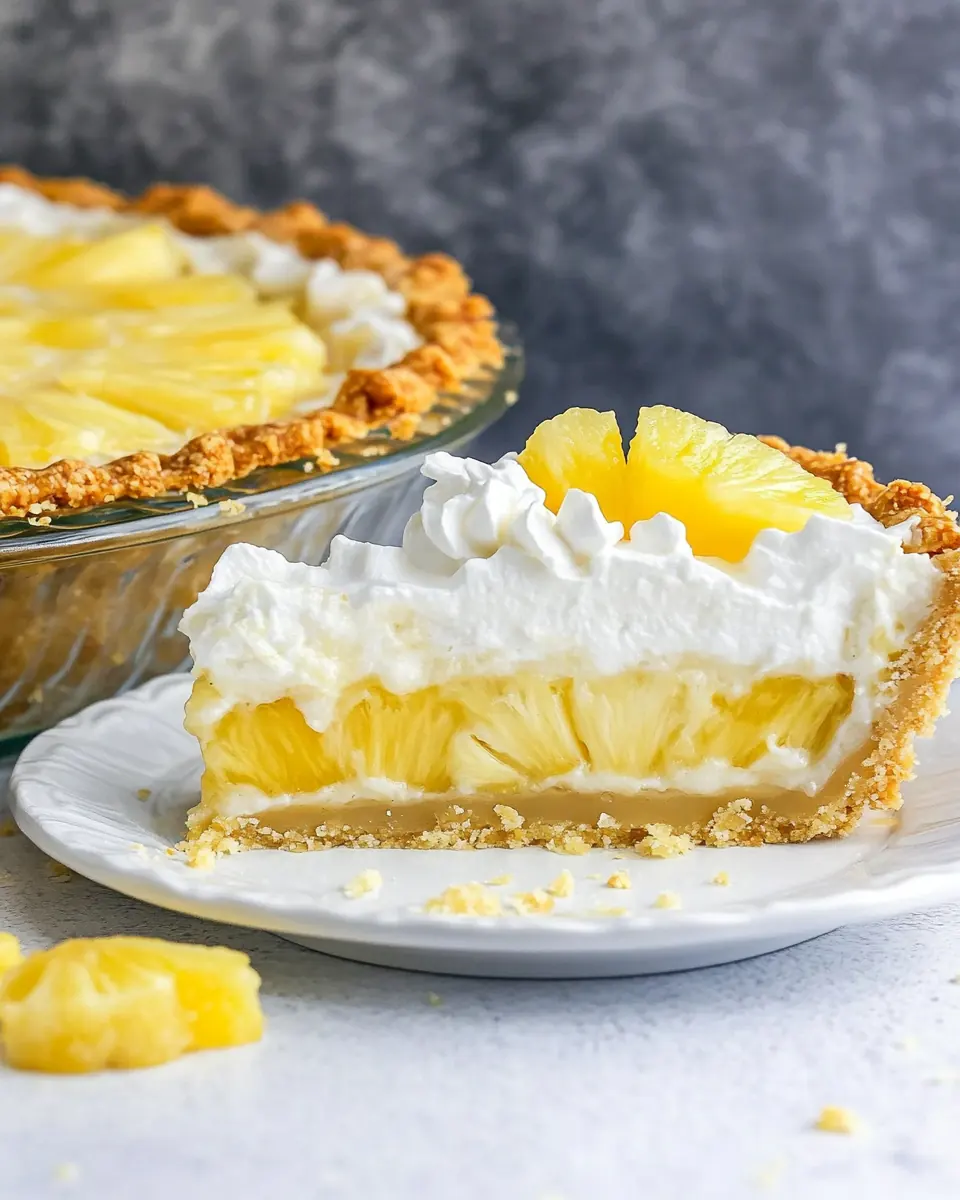
I like to offer a few tweaks that help this simple pie shine. These suggestions range from quick swaps to small technique notes that ensure consistent success. Read through them and pick the ones that match your pantry and schedule.
- Garnish idea, I garnished with a little bit of finely diced fresh pineapple, which adds a bright, juicy pop and a fresh aroma that complements the canned fruit.
- Whipped topping flavor, use any flavor of whipped topping, this is an easy way to add a subtle twist without changing the base method or texture.
- Fresh whipped cream swap, to substitute fresh whipped cream, whip 1 1/2 cups cold heavy whipping cream until stiff peaks form, then fold it in by hand to preserve the airy structure.
- Drain thoroughly, pressing the pineapple helps remove extra syrup that would otherwise thin the filling and affect set time.
- Room temperature cheese, make sure the cream cheese is softened, not melted, for the best smooth texture when mixing.
How to Serve Pineapple Pie
This pie is versatile and feels at home at casual gatherings or more formal dessert spreads. I like to present it simply so the flavors do the talking, and chilling before serving is the single most important step for clean slices and balanced texture.
- Slice presentation, serve chilled slices on dessert plates, a little extra whipped topping dolloped beside each piece adds elegance.
- Occasion pairing, perfect for summer barbecues, pool parties, and light evening desserts when you want something refreshing and not heavy.
- Side accompaniments, offer fresh fruit or a light sorbet for guests who want extra brightness alongside the creamy pie.
- Storage for serving, keep the pie covered in the refrigerator until ready to slice to preserve texture and flavor.
- Make ahead, assemble the pie earlier in the day and chill, it often tastes better after the flavors have had time to meld.
FAQ
Conclusion
Pineapple Pie is special because it delivers bright tropical flavor and creamy texture with minimal effort, making it a consistently popular choice for warm weather gatherings. The combination of drained pineapple, smooth cream cheese, and fluffy whipped topping creates a balanced dessert that feels both indulgent and refreshing. Give it a try the next time you want a make ahead dessert that looks impressive but is truly simple to assemble. I hope this pie becomes one of those recipes you reach for when you want to charm guests without a lot of hands on time.
Pineapple Pie
Ingredients
Equipment
Method
- Drain pineapple in a strainer. Let drain for a few minutes then use a spatula to press the pineapple against the sides of the strainer to get as much liquid out as possible.: Warmth from your hands and the air around the bowl will make the pineapple smell bright and fruity, a clear signal it is ripe and flavorful. As you press with a spatula you will feel the fruit give, and small pools of syrup will collect beneath the strainer. Removing this liquid is crucial because excess moisture will make the filling runny and prevent it from setting properly. If you skip thorough draining you may notice a soggy bottom and watered down flavor after chilling. A common mistake is hurrying this step, so take the time to press firmly but gently, scraping the strainer sides to coax out the juice. The visual cue is a much drier fruit and a reduced amount of syrup in the bowl below.
- Place cream cheese and sugar in a large bowl. Mix with a hand mixer until smooth.: When you combine the cream cheese and sugar you will hear the mixer hum steadily, and the mixture will transform from stiff to glossy. The aroma takes on a mild, tangy sweetness. Achieving complete smoothness matters because any lumps will stand out in the final pie texture. Work on low to medium speed to avoid overheating or splattering, and stop to scrape the bowl to ensure even incorporation. A frequent pitfall is using cold cream cheese , which leads to clumps, so letting it soften slightly at room temperature is the fix. You want a uniform, spreadable batter that holds together when spooned.
- Add whipped topping and mix until smooth on low speed.: As you fold in the whipped topping , the mixture lightens considerably and becomes pillowy. The sound of the mixer will drop in intensity as air integrates, and you will notice the color shift to a paler, creamier hue. Mixing on low speed preserves the aeration that gives the filling its soft texture; over mixing will flatten it and make it dense. If using a hand mixer, pause and fold by hand if the topping begins to deflate. The right result is airy, with soft peaks when you lift the beaters slightly, indicating a balanced, airy filling.
- Fold in drained pineapple.: Folding in the pineapple adds texture and bright pockets of flavor, and you will see flecks of fruit dispersed through the creamy base. Use a rubber spatula and gentle folding motions, turning the bowl as you work to avoid crushing fruit or losing air. This step affects mouthfeel significantly; overworking will break down the pineapple and create excess moisture, while underfolding leaves uneven pockets of fruit. A helpful check is to lift some filling on the spatula and see even distribution with visible fruit pieces. If the filling looks liquidy after adding pineapple , you likely did not drain it enough earlier, so consider spooning off excess moisture before chilling.
- Place pie filling in pie crust. Chill at least 2 hours before serving.: Spoon the filling into the pie crust and use the back of the spoon to smooth the surface; you may hear a soft, satisfying scrape as the filling settles. Chilling is essential since it firms the structure and allows flavors to meld. While chilling, the filling will tighten and become sliceable, so resist the urge to cut too early. A common oversight is under chilling, which results in sloppy slices, so plan ahead and allow the full chill time. You will notice the texture shift from very soft to pleasantly set when it has chilled enough.
- Garnish pie as desired, with more whipped cream, crushed pineapple, and/or cherries.: Garnishing invites creativity and adds visual appeal. The contrast of white whipped topping and bright pineapple is striking, and a scattering of crushed fruit provides a textural pop. As you decorate, pause to enjoy the fragrance of the citrusy fruit and the cream, which will lift as you arrange toppings. Avoid overloading the surface, which can overwhelm the balance of cream to fruit. If you find the garnish sliding, the pie may need additional chilling to firm the surface before placing heavier decorations.
- Store in refrigerator for up to 3 days. It’s not recommended to freeze the pie.: Proper storage keeps the pie tasting fresh, and refrigeration preserves texture and safety. You will notice that flavors meld overnight, and the filling often tastes more cohesive the next day. Freezing is discouraged because the whipped elements and pineapple texture break down on thawing, creating a watery, grainy result. A common storage mistake is leaving the pie uncovered, which can lead to flavor transfer and drying. Use a pie dome or airtight container and keep it chilled until just before serving.
Notes
- Garnish idea, I garnished with a little bit of finely diced fresh pineapple, which adds a bright, juicy pop and a fresh aroma that complements the canned fruit.
- Whipped topping flavor, use any flavor of whipped topping, this is an easy way to add a subtle twist without changing the base method or texture.
- Fresh whipped cream swap, to substitute fresh whipped cream, whip 1 1/2 cups cold heavy whipping cream until stiff peaks form, then fold it in by hand to preserve the airy structure.
- Drain thoroughly, pressing the pineapple helps remove extra syrup that would otherwise thin the filling and affect set time.
- Room temperature cheese, make sure the cream cheese is softened, not melted, for the best smooth texture when mixing.