Shrimp Mac and Cheese
Shrimp Mac and Cheese started showing up in my weeknight rotation the first winter I moved to a coastal city, when I wanted comfort food that still felt like the place I lived. I remember coming home from a blustery walk, craving something rich and comforting, but also a little bright and briny. That evening I pulled out a bag of elbow macaroni and a pack of frozen shrimp, and the combination felt like a hug from the sea. Over time I tuned the sauce until it hit a balance of creamy, smoky, and just-right cheesy mouthfeel, and now this dish is what I turn to when guests pop by unexpectedly.
There is something wonderfully practical about Shrimp Mac and Cheese, it cooks up fast, fills the kitchen with a warm, cheesy aroma, and the tender shrimp add a savory pop that lifts the whole pan. I like to keep the shredded cheddar and smoked gouda freshly grated to get the creamiest melt, and I always let a little pasta water stray into the sauce, it loosens everything and gives a silky sheen. I still giggle at the first time I accidentally overcooked the pasta and learned that texture matters more than speed. Now I aim for that slight bite in the macaroni, because it holds the sauce so well.
Recipe Snapshot
30 mins
10 mins
20 mins
Easy
600 kcal
American
Gluten-Free, Low FODMAP
Dinner
6 quart pot, 4 to 6 quart pot, Whisk, Large colander
What Makes This Shrimp Mac and Cheese Special
Comfort with a Coastal Twist
I adore how Shrimp Mac and Cheese blends two family favorites into one plate, the richness of classic mac and cheese combined with the gentle saltiness of shrimp. Every time I serve it people remark that it tastes familiar, yet elevated, and that reaction is exactly why I make it often.
Speed without Sacrifice
We can have this on the table quickly, which makes it an ideal easy weeknight dinner. The method lets you multitask, boiling macaroni while building the sauce, so you get deep flavor without spending all evening in the kitchen.
Cheese Driven Texture
I personally love the combo of sharp cheddar and smoked gouda, it creates a complex melty base that is both tangy and smoky. The cream cheese adds silkiness, so the end result is creamy and cohesive instead of grainy or separated.
Ingredient Simplicity, Big Flavor
You only need pantry staples and a handful of fresh items to make a crowd pleasing meal. The simple aromatics and seasoning choices let the shrimp sing, while the cheese sauce envelopes the pasta for comforting bites with every forkful.
Versatile and Approachable
I find this version forgiving. If you want it saucier, add reserved pasta water. If you prefer it thicker, let it rest to set. Those small adjustments let you tailor the final texture easily, which is why I keep this recipe in my reliable rotation.
Key Ingredients for Shrimp Mac and Cheese
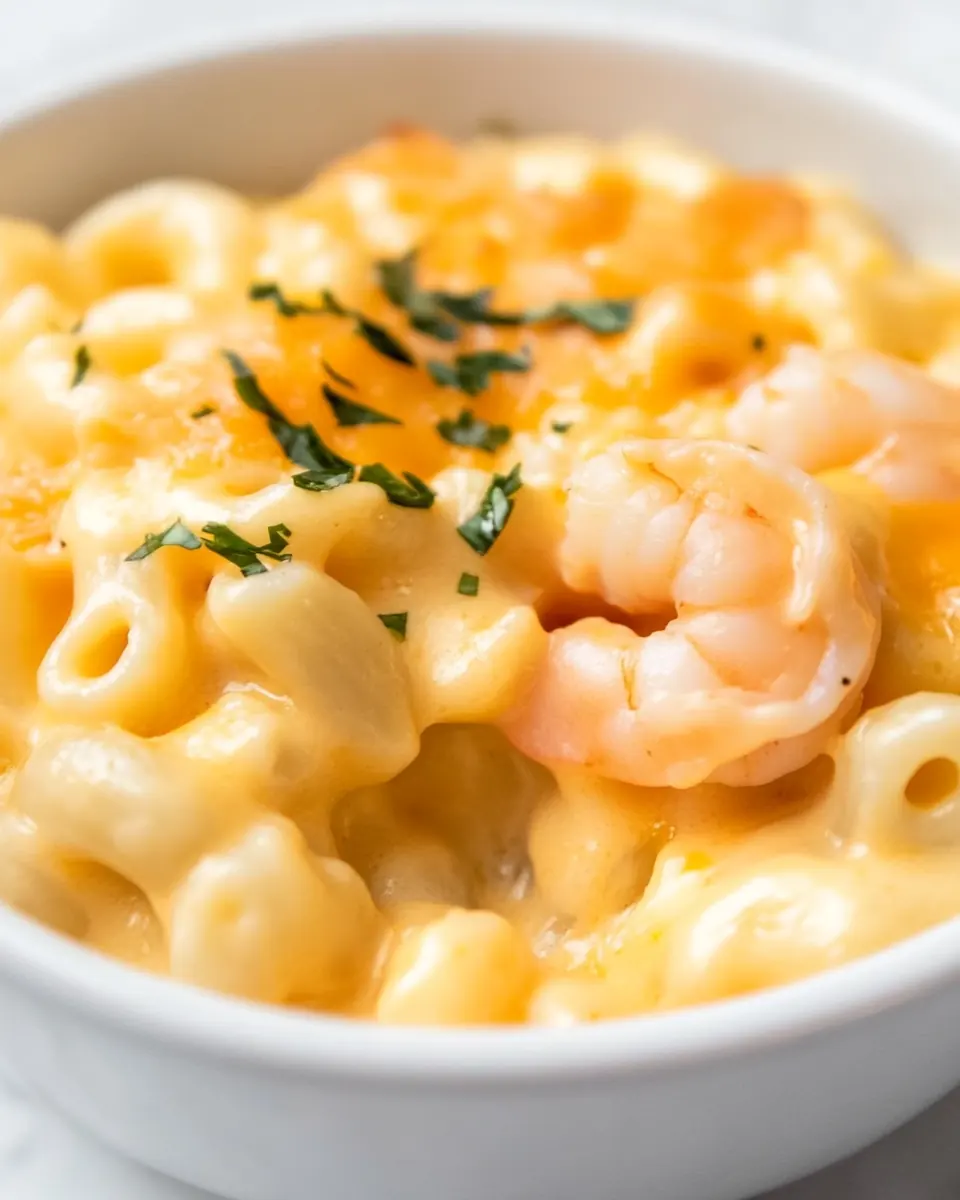
The philosophy here is simple, build a luxurious sauce that clings to macaroni, and fold in tender shrimp at the end for contrast. The dairy components create the backbone of creaminess, while the smoked gouda brings a savory note that stops the dish from feeling one dimensional. Small seasonings coax out flavor without overwhelming the seafood.
- 16 ounce dried elbow macaroni: Cooked to al dente and providing the pasta backbone of the dish, elbow macaroni soaks up creamy sauce and ensures each bite carries cheese and shrimp evenly. Offers a sturdy shape that holds sauce pockets and contributes to the classic mac and cheese texture. Boils quickly and pairs well with the rich, smoky cheese flavors.
- 3 tablespoons butter: Melted to create the roux base and add richness, butter helps bind flour and dairy into a smooth sauce while imparting a silky mouthfeel. Contributes a subtle creamy flavor that balances the sharpness of the cheeses. Used early in the cooking process to prevent sticking and encourage even thickening.
- 2 tablespoons all purpose flour: Sprinkled into melted butter to form a roux and provide thickening power, all purpose flour creates body for the cheese sauce and prevents it from being runny. Acts as a neutral binder that lets the dairy and cheese flavors shine without adding competing tastes. Needs to be cooked briefly to remove raw flour flavor before adding milk.
- 3 cups half & half or whole milk: Poured gradually into the roux to create a creamy béchamel base, half & half or whole milk supplies the liquid and richness for the cheese sauce and impacts final creaminess. Offers a balance between lightness and body that helps the sauce cling to pasta and shrimp. Warms without curdling when tempered properly with the roux.
- 2 cups shredded sharp cheddar freshly grated off the block: Shredded and freshly grated to melt smoothly into the sauce, sharp cheddar provides the primary tangy, cheesy flavor and vibrant color of the mac and cheese. Adds toothsome cheesiness and depth that complements smoked gouda and balances creaminess from dairy components. Melts reliably when combined with warm béchamel for cohesive sauce.
- 1 1/2 cups shredded smoked gouda cheese freshly grated: Smoked, shredded, and freshly grated to contribute a mellow smoky sweetness and creamy texture, smoked gouda layers in complexity and enhances savory notes. Blends with cheddar to create a balanced, multi-dimensional cheese profile that pairs well with shellfish. Melts into the sauce for a luscious, slightly smoky finish.
- 4 ounces cream cheese: Softened and stirred into the sauce to boost creaminess and stability, cream cheese lends tangy richness and helps the sauce cling to pasta and shrimp. Provides smooth body and prevents graininess when melting with other cheeses. Adds subtle acidity that brightens overall flavor.
- 1 teaspoon salt: Sprinkled in to season the sauce evenly and enhance the natural flavors, salt brings out the cheeses' depth and balances the richness of dairy and butter. Used judiciously to avoid over-salting, especially because cheeses and shrimp contribute sodium. Adjusted at the end to fine-tune taste.
- 1 teaspoon smoked paprika: Added to introduce warm, smoky aroma and complement the smoked gouda, smoked paprika lends subtle depth without heat and enhances color. Helps tie together the smoky and cheesy elements while adding a mild complexity. Sprinkled into the sauce for consistent flavor distribution.
- 1 teaspoon garlic powder: Dusting the sauce with garlic powder imparts savory, aromatic undertones and reinforces the overall savory profile without altering texture. Provides concentrated garlic flavor consistently throughout the dish, especially useful if fresh garlic is not being used. Blends seamlessly into the béchamel and cheese.
- 1/4 teaspoon cayenne pepper: Measured sparingly to add a touch of heat and bright contrast, cayenne pepper gives the mac and cheese a subtle kick that lifts the rich flavors. Enhances the shrimp's sweetness and prevents the dish from tasting cloying. Should be balanced carefully to maintain crowd-pleasing spice levels.
- 2 pounds raw shrimp cleaned and tails removed: Cooked briefly and folded into the finished mac and cheese to add tender seafood protein and a sweet, briny contrast to the rich sauce, raw shrimp supply texture and flavor that make this a coastal twist on the classic. Cleaned and deveined with tails removed for easy eating and even cooking. Sautéed or gently poached and combined just before serving to avoid overcooking.
- 2 tablespoons parsley: Sprinkled fresh at the end to add bright herbaceous color and a hint of freshness, parsley cuts through richness and lightens each bite. Provides a visual garnish and subtle herbal note that complements seafood and creamy sauce. Chopped and scattered over the finished dish for aroma and balance.
Directions for Shrimp Mac and Cheese
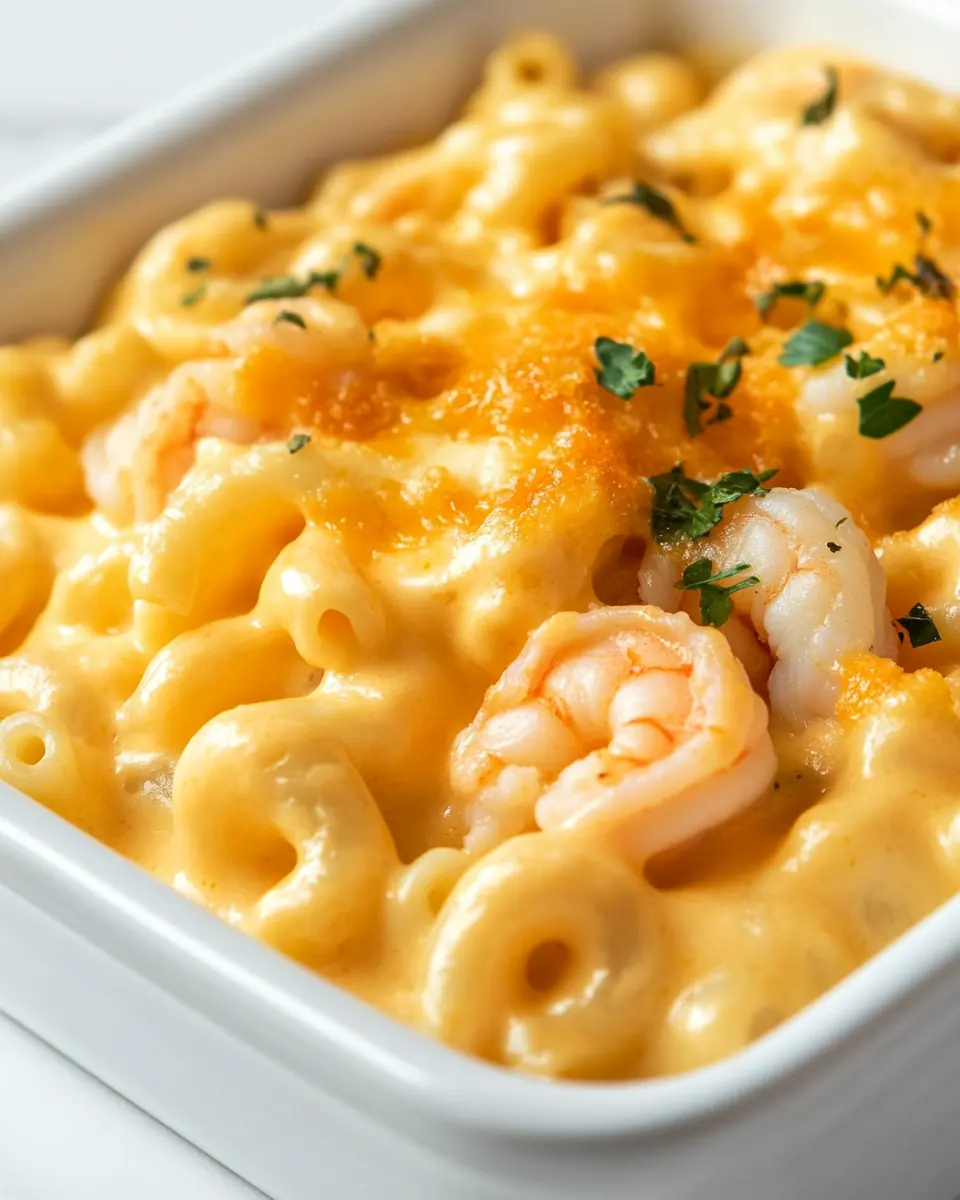
This recipe moves quickly once you begin, so set everything in order before you start. I like to have my cheeses shredded, shrimp peeled, and a cup of pasta water reserved so the day goes smoothly and I can focus on textures and timing.
- Shred both hard cheeses. Then set out the cream cheese to soften.: The room temperature creaminess you are aiming for should feel slightly yielding when pressed, and freshly shredded cheddar and smoked gouda will smell bright and savory, releasing dairy aromas that promise a rich sauce. Doing this ahead prevents long melt times and minimizes graininess, because cold cheese can clump when introduced to warm liquid. One common mistake here is skipping the softening step, which can lead to uneven pockets of unincorporated cream cheese, so plan a few minutes to let it come to room temperature.
- Place a 6 quart pot of heavily salted water on the stovetop. Set on high heat and bring to a boil. Drop the pasta into the boiling water. Stir well and cook according to package instructions. Usually 6-9 minutes for al dente. DO NOT overcook the pasta; it should still be slightly firm. Then scoop out 1 cup of pasta water for later use, and drain the pasta in a large colander.: When the water hits a rolling boil and you add salt it should smell slightly metallic and sea like, which seasons the macaroni from the inside out. As the macaroni cooks you will see it swell and become more translucent at the edges, and testing a piece at around the lower end of the time range will help you catch it al dente, with a tender outside and a faintly firm center. Reserving a cup of pasta water before draining is crucial because its starch helps the cheese sauce cling and smooth out if it tightens up. A typical slip up is forgetting to salt the water, resulting in bland pasta, so don’t skip that step.
- Meanwhile, set another 4-6 quart pot over medium heat for the cheese sauce. Add 3 tablespoons butter to the pot, then whisk in 2 tablespoons flour. Continue to whisk for 2-3 minutes until the roux mixture is golden in color. (This ensures even thickening without a grainy texture. If the roux is too light, the texture won’t be completely silky.): As you melt the butter , it will spread a nutty scent, and once you stir in the flour , the mixture should look glossy, thickening slightly as you whisk. Cooking the roux long enough eliminates any raw flour taste and primes it to evenly thicken the sauce. Watch closely because if the roux darkens too far it can impart a toasty flavor you may not want; a pale golden hue is ideal. If you notice lumps forming early, the heat is likely too high, so reduce it and whisk steadily.
- Whisk the half & half into the roux, stirring until there are no clumps. Then add the cream cheese and shredded cheese. Stir to melt the cheeses. Add the salt, pepper, and garlic powder. Lower the temperature to make sure the cheese sauce doesn't boil.: Pouring warmer dairy into the roux produces a smooth, velvety base that will thicken as it gently simmers, and the aroma will become rich and slightly sweet. When you add the softened cream cheese it should dissolve almost immediately into the warm base, enriching the sauce, while the shredded cheddar and smoked gouda will gradually melt into a glossy, cohesive sauce. The surface might shimmer and emit a mouthwatering cheesy fragrance. Avoid boiling once the cheeses are added, because high heat can make the sauce separate and grainy; if that happens, remove from heat and whisk in a splash of reserved pasta water to bring it back together.
- Pour the drained pasta into the cheese sauce and stir to coat. Then stir in the shrimp. Stir and cook the shrimp in the cheese sauce until all the shrimp are pink, 4-5 minutes. Add some of the pasta water if needed to loosen the cheese sauce.: As you fold the warm macaroni into the sauce the pan will release a comforting aroma and you should see each piece lacquered with cheese. Adding the raw, cleaned shrimp at this point lets them finish cooking gently in the sauce, absorbing flavor while releasing a faint briny perfume. Cook just until the shrimp turn fully pink and opaque, and you may hear a soft simmering sound, with tiny bubbles along the edge. Overcooking makes shrimp rubbery, so stop when they are firm but tender. If the sauce seems tight or clumpy, a splash of the reserved pasta water will loosen it and revive the glossy texture.
- If you like creamy mac and cheese with a smooth silky consistent texture, you are done! The sauce does thicken a little as it cools, so if you want the sauce a little saucier, stir in 1/2 cup of the reserved pasta water. Serve warm with a sprinkle of parsley.: At the finish the casserole should look glossy and coating, with pink shrimp nestled among saucy macaroni . A final addition of reserved pasta water can adjust sauciness to your preference and will make the sauce shine. Garnish with chopped parsley for a bright herbal scent and a pop of color. The major pitfall here is letting the finished dish sit too long on high heat, which can thicken the sauce beyond repair, so serve promptly for the best texture.
Pro Tips and Tweaks
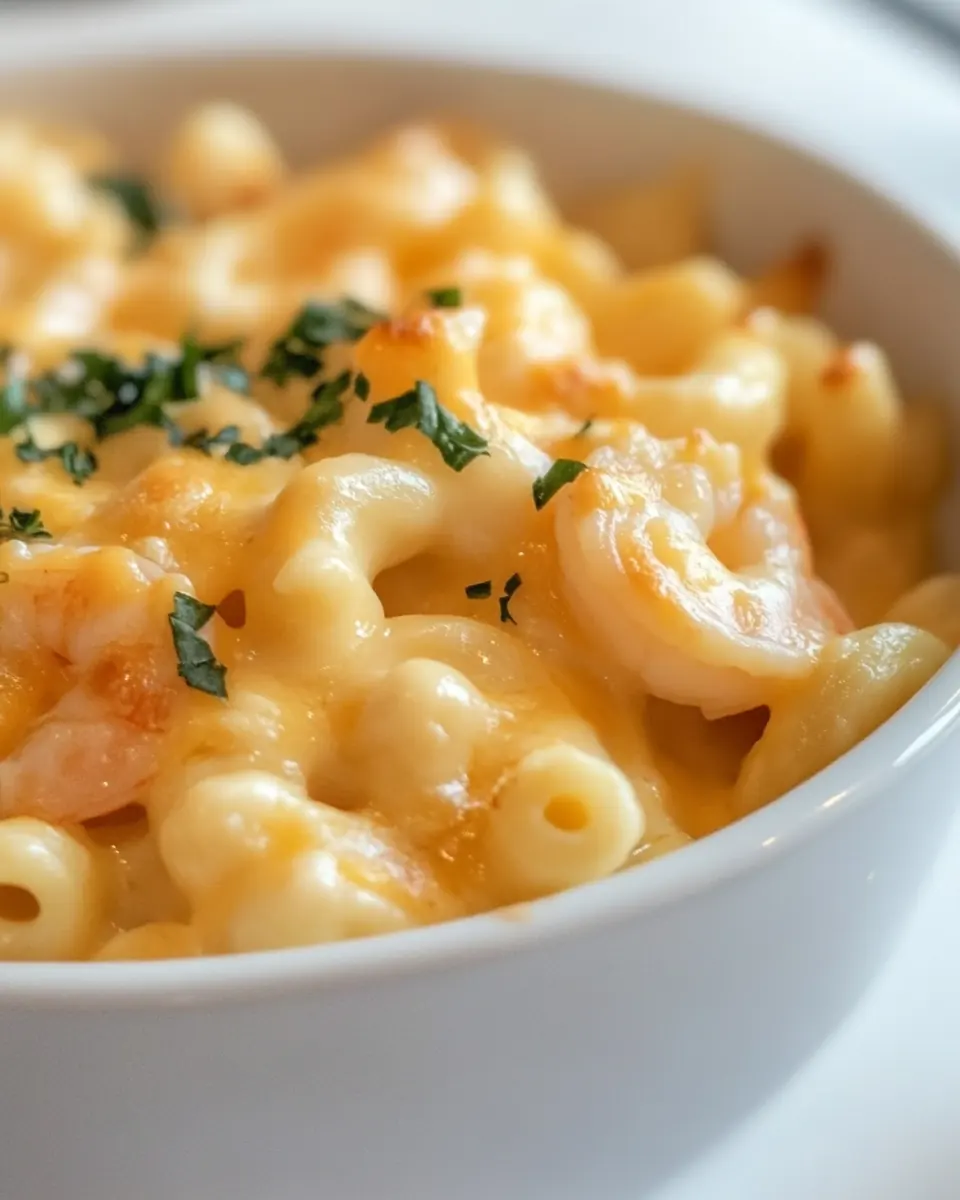
I like to think of these tweaks as small moves that yield big results. Below are practical tips I’ve learned through repetition that keep the sauce smooth and the shrimp tender.
- Grate cheese fresh: Freshly shredded cheddar and smoked gouda melt uniformly, which prevents a grainy texture and ensures a glossy sauce.
- Soften cream cheese: Let the cream cheese sit at room temperature so it blends instantly into the warm sauce, avoiding lumps.
- Salt the pasta water generously: Properly seasoned water flavors the macaroni from the inside, preventing a flat overall taste.
- Reserve pasta water: The starchy water is your emergency fix for tight sauces, adding shine and improving consistency without diluting flavor.
- Gentle heat after cheese: Keep the sauce below boiling to prevent separation, patience here preserves silky texture.
- Watch shrimp closely: Add raw shrimp near the end and cook just until pink, overcooking will make them tough and ruin the contrast.
Side Dish Ideas for Shrimp Mac and Cheese
Serving this dish is part of the pleasure, and the right accompaniments bring balance and color. Below are pairing ideas that work for casual dinners or slightly dressed up occasions.
- Simple green salad: Crisp leaves dressed with a light vinaigrette clean the palate between rich bites and make the meal feel lighter for dinner guests.
- Roasted seasonal vegetables: Oven roasted vegetables such as cruciferous greens or root vegetables add earthy contrast, perfect for winter evenings.
- Steamed green beans: A bright, slightly crunchy side that complements the creamy texture and adds fresh color on the plate.
- Crisp bread or rolls: A crusty roll is great for mopping up any leftover sauce, and it gives an additional textural element to the meal.
- Occasion suggestions: This works for casual weeknight dinners, cozy winter meals, or a laid back gathering where you want comfort food with a bit of flair.
- Storage tips: Cool completely, store in an airtight container for 2 to 3 days, and reheat gently on the stovetop while stirring to restore creaminess.
- Seasonal pairings: In winter I pair it with roasted root vegetables and a peppery salad, which brightens the plate and balances the richness.
FAQ
Conclusion
Shrimp Mac and Cheese shines because it marries the creamy comfort of a classic dish with the bright, briny pop of tender shrimp. It’s quick enough for a weeknight, but flavorful enough to serve when friends stop by, and the smoky cheese notes lift it beyond ordinary mac and cheese. Give it a try the next time you want something both comforting and a little sophisticated, and don’t be afraid to tweak the sauciness with reserved pasta water to match your ideal texture. Most importantly, enjoy the process and the warm, cheesy reward at the end.
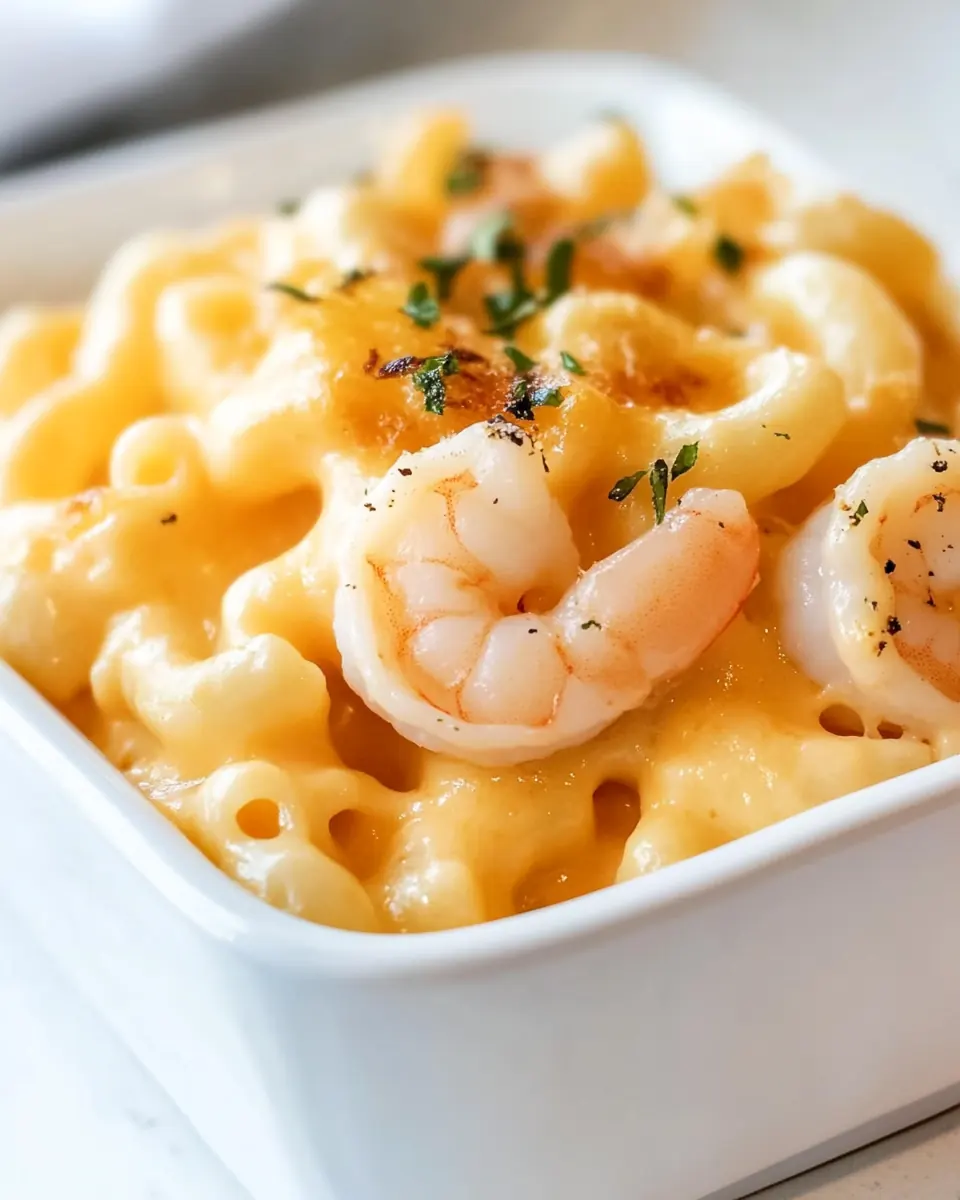
Shrimp Mac and Cheese
Ingredients
Equipment
Method
- Shred both hard cheeses. Then set out the cream cheese to soften.: The room temperature creaminess you are aiming for should feel slightly yielding when pressed, and freshly shredded cheddar and smoked gouda will smell bright and savory, releasing dairy aromas that promise a rich sauce. Doing this ahead prevents long melt times and minimizes graininess, because cold cheese can clump when introduced to warm liquid. One common mistake here is skipping the softening step, which can lead to uneven pockets of unincorporated cream cheese, so plan a few minutes to let it come to room temperature.
- Place a 6 quart pot of heavily salted water on the stovetop. Set on high heat and bring to a boil. Drop the pasta into the boiling water. Stir well and cook according to package instructions. Usually 6-9 minutes for al dente. DO NOT overcook the pasta; it should still be slightly firm. Then scoop out 1 cup of pasta water for later use, and drain the pasta in a large colander.: When the water hits a rolling boil and you add salt it should smell slightly metallic and sea like, which seasons the macaroni from the inside out. As the macaroni cooks you will see it swell and become more translucent at the edges, and testing a piece at around the lower end of the time range will help you catch it al dente, with a tender outside and a faintly firm center. Reserving a cup of pasta water before draining is crucial because its starch helps the cheese sauce cling and smooth out if it tightens up. A typical slip up is forgetting to salt the water, resulting in bland pasta, so don’t skip that step.
- Meanwhile, set another 4-6 quart pot over medium heat for the cheese sauce. Add 3 tablespoons butter to the pot, then whisk in 2 tablespoons flour. Continue to whisk for 2-3 minutes until the roux mixture is golden in color. (This ensures even thickening without a grainy texture. If the roux is too light, the texture won’t be completely silky.): As you melt the butter , it will spread a nutty scent, and once you stir in the flour , the mixture should look glossy, thickening slightly as you whisk. Cooking the roux long enough eliminates any raw flour taste and primes it to evenly thicken the sauce. Watch closely because if the roux darkens too far it can impart a toasty flavor you may not want; a pale golden hue is ideal. If you notice lumps forming early, the heat is likely too high, so reduce it and whisk steadily.
- Whisk the half & half into the roux, stirring until there are no clumps. Then add the cream cheese and shredded cheese. Stir to melt the cheeses. Add the salt, pepper, and garlic powder. Lower the temperature to make sure the cheese sauce doesn't boil.: Pouring warmer dairy into the roux produces a smooth, velvety base that will thicken as it gently simmers, and the aroma will become rich and slightly sweet. When you add the softened cream cheese it should dissolve almost immediately into the warm base, enriching the sauce, while the shredded cheddar and smoked gouda will gradually melt into a glossy, cohesive sauce. The surface might shimmer and emit a mouthwatering cheesy fragrance. Avoid boiling once the cheeses are added, because high heat can make the sauce separate and grainy; if that happens, remove from heat and whisk in a splash of reserved pasta water to bring it back together.
- Pour the drained pasta into the cheese sauce and stir to coat. Then stir in the shrimp. Stir and cook the shrimp in the cheese sauce until all the shrimp are pink, 4-5 minutes. Add some of the pasta water if needed to loosen the cheese sauce.: As you fold the warm macaroni into the sauce the pan will release a comforting aroma and you should see each piece lacquered with cheese. Adding the raw, cleaned shrimp at this point lets them finish cooking gently in the sauce, absorbing flavor while releasing a faint briny perfume. Cook just until the shrimp turn fully pink and opaque, and you may hear a soft simmering sound, with tiny bubbles along the edge. Overcooking makes shrimp rubbery, so stop when they are firm but tender. If the sauce seems tight or clumpy, a splash of the reserved pasta water will loosen it and revive the glossy texture.
- If you like creamy mac and cheese with a smooth silky consistent texture, you are done! The sauce does thicken a little as it cools, so if you want the sauce a little saucier, stir in 1/2 cup of the reserved pasta water. Serve warm with a sprinkle of parsley.: At the finish the casserole should look glossy and coating, with pink shrimp nestled among saucy macaroni . A final addition of reserved pasta water can adjust sauciness to your preference and will make the sauce shine. Garnish with chopped parsley for a bright herbal scent and a pop of color. The major pitfall here is letting the finished dish sit too long on high heat, which can thicken the sauce beyond repair, so serve promptly for the best texture.
Notes
- Grate cheese fresh: Freshly shredded cheddar and smoked gouda melt uniformly, which prevents a grainy texture and ensures a glossy sauce.
- Soften cream cheese: Let the cream cheese sit at room temperature so it blends instantly into the warm sauce, avoiding lumps.
- Salt the pasta water generously: Properly seasoned water flavors the macaroni from the inside, preventing a flat overall taste.
- Reserve pasta water: The starchy water is your emergency fix for tight sauces, adding shine and improving consistency without diluting flavor.
- Gentle heat after cheese: Keep the sauce below boiling to prevent separation, patience here preserves silky texture.
- Watch shrimp closely: Add raw shrimp near the end and cook just until pink, overcooking will make them tough and ruin the contrast.